
Field guides / Punjab / KOS Minar (Minola)
Field guide · Heritage
KOS Minar (Minola)
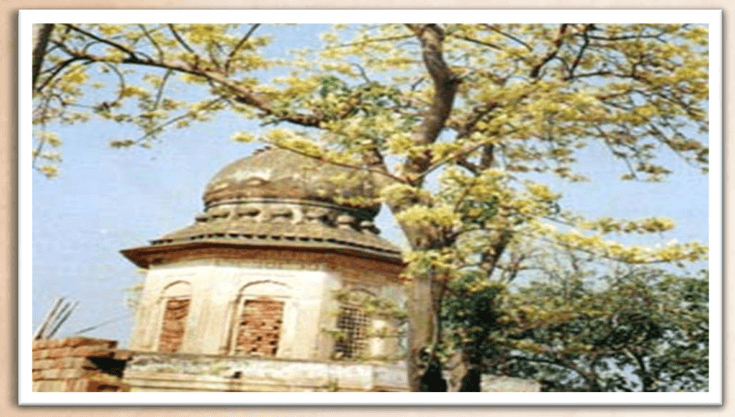
The Muslim Emperors of South-Asian sub-continent took good care of the major roadways leading to the Grand Trunk Roads as named by the British.
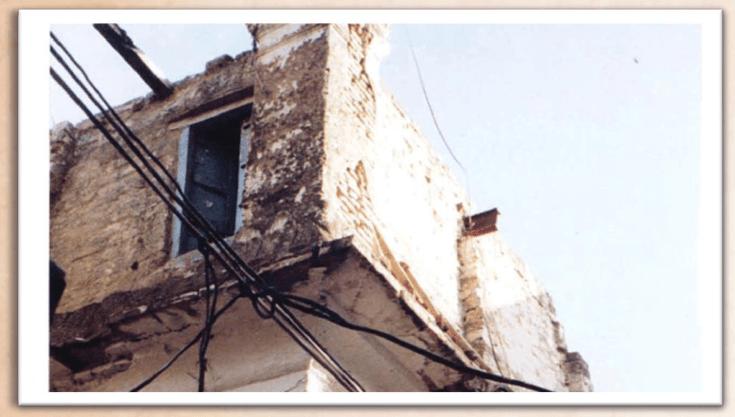
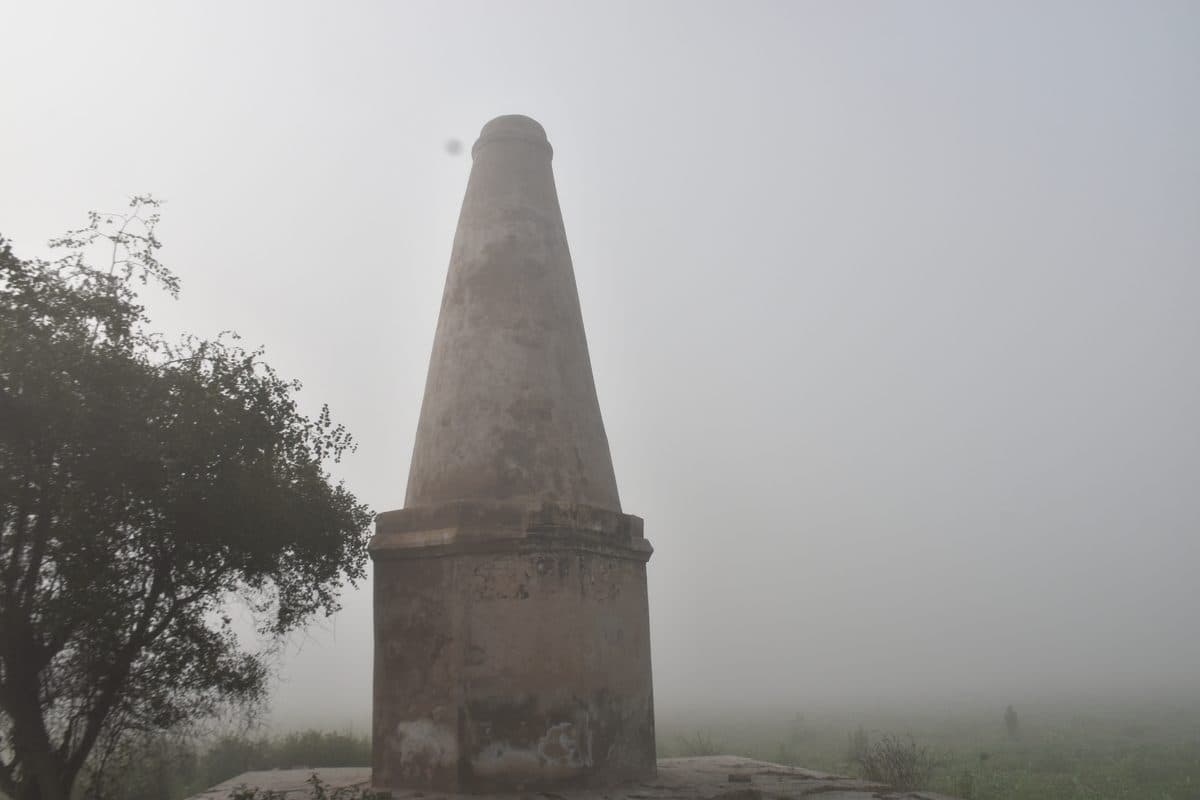
It connected the middle Gangetic plans with the Khyber Pakhtunkhwa and was the back-bone of communication in ancient period. It was the main channel of international and inter-regional trade. A part of it was repeatedly traversed by the Mughals and their courtiers on their periodical visits to Kashmir. In 1609, Emperor Jahangir ordered a small minaret like monuments to be built at every Kos along the G.T. Road. The Kos was an ancient measure of the territory distance which varied from time to time. It was derived from Krosa meaning a cry used as an indication of distance as early as 300B.C. The other Kos Minars are in ruined condition.
Why go
- ✦A Mughal milestone on the imperial highway
- ✦Ordered by Jahangir in 1609, one at every kos along the road
- ✦The kos derives from krosa — 'a cry' — a distance measure used by 300 BCE
- ✦Most of the other kos minars are now ruined
History
The kos was an ancient measure of distance that varied over time, derived from the Sanskrit krosa, meaning 'a cry' — the distance at which a shout could be heard. It was in use as a unit as early as 300 BCE. The highway these towers marked linked the middle Gangetic plain with the north-west and carried the empire's trade, armies and couriers; the Mughal court travelled long stretches of it on its journeys to Kashmir. Most of the kos minars are now ruined.
Historical Significance
Physical evidence of one of the earliest systematic road-measurement schemes in South Asia, ordered by name and by year.
Architecture
The Muslim emperors of the subcontinent maintained the great highway the British would later name the Grand Trunk Road — the route linking the middle Gangetic plain with the north-west, the backbone of communication and the main channel of international and inter-regional trade. The Mughals and their courtiers travelled long stretches of it on their journeys to Kashmir. This is one of those markers.
Why Visit
Infrastructure, not monument — the Mughal road system made visible in a single brick tower.
Interesting Facts
- Jahangir ordered them built in 1609, one at every kos
- 'Kos' comes from krosa — 'a cry' — the distance a shout carries
- The unit was already in use by 300 BCE
- Most of the surviving kos minars are in poor condition
Planning tip
Best Time to Visit, October to March. Lahore's summer is fierce and the Walled City offers little shade; December and January can be heavily smog-bound.
Getting there, All within Lahore. The Walled City monuments — the gates, Mariam Zamani, Wazir Khan's Baradari and Hammam — sit close enough to walk between; Shahdara, Baghbanpura and Mughalpura are a short drive out.
Allow, Thirty minutes to an hour at each; a full day for the Walled City circuit.
What to Do
Make KOS Minar (Minola) Part of a Trip
GreenPak resorts within reach, and the journeys that travel this region.
Nearby
Straight-line distance from KOS Minar (Minola), within 30 km.