
Area guides / Baltistan Division / Skardu
Area guide
Baltistan Division
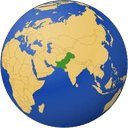
Skardu District · Gilgit-Baltistan, Pakistan
Skardu
Indus confluence, Deosai gateway, and K2 country
Region
Gilgit-Baltistan
When to go
June-September for Deosai and high routes
Getting there
Daily flights from Islamabad when weather allows; road via the KKH takes 2-3 days.
Spots
4 key places
Overview
About Skardu
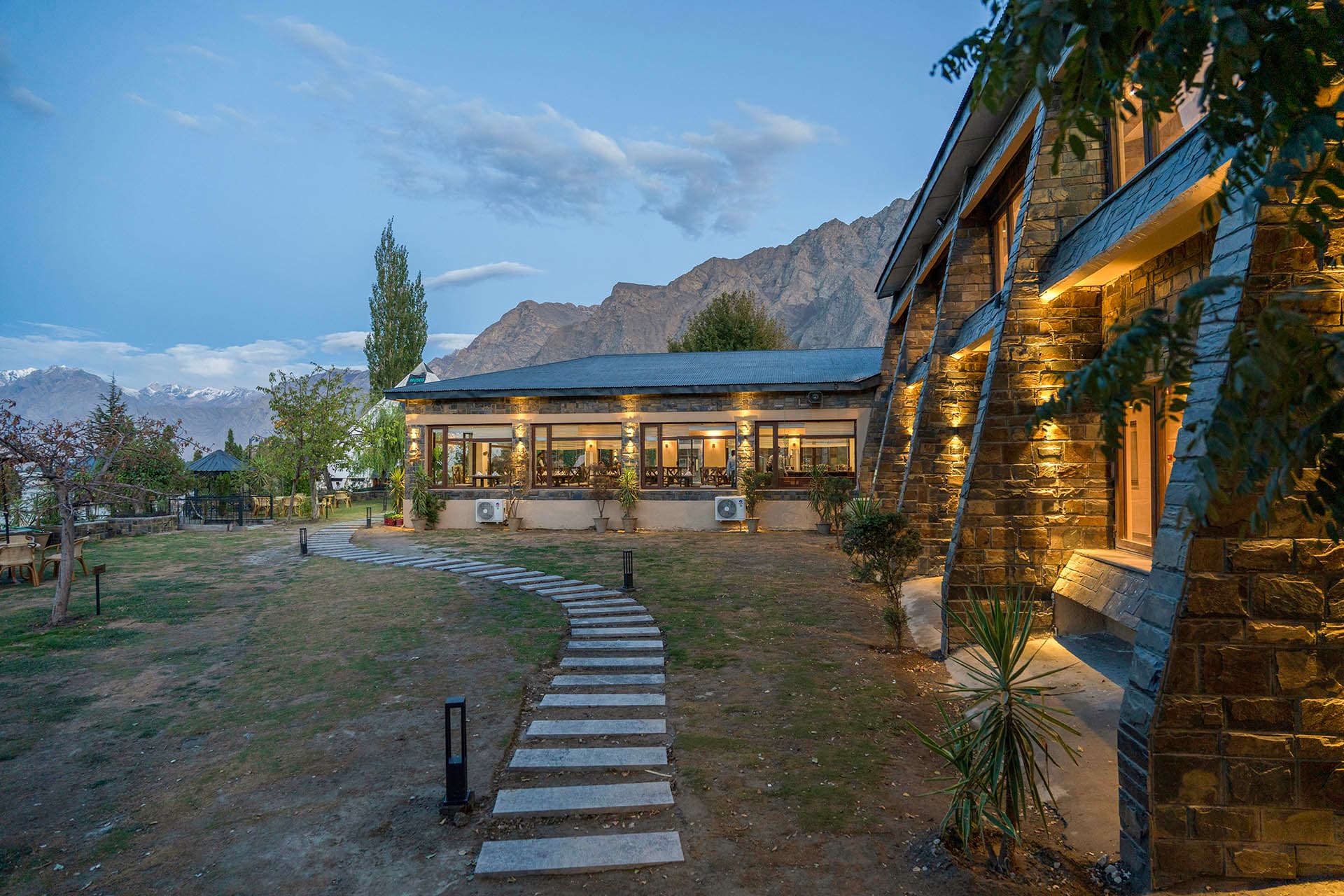
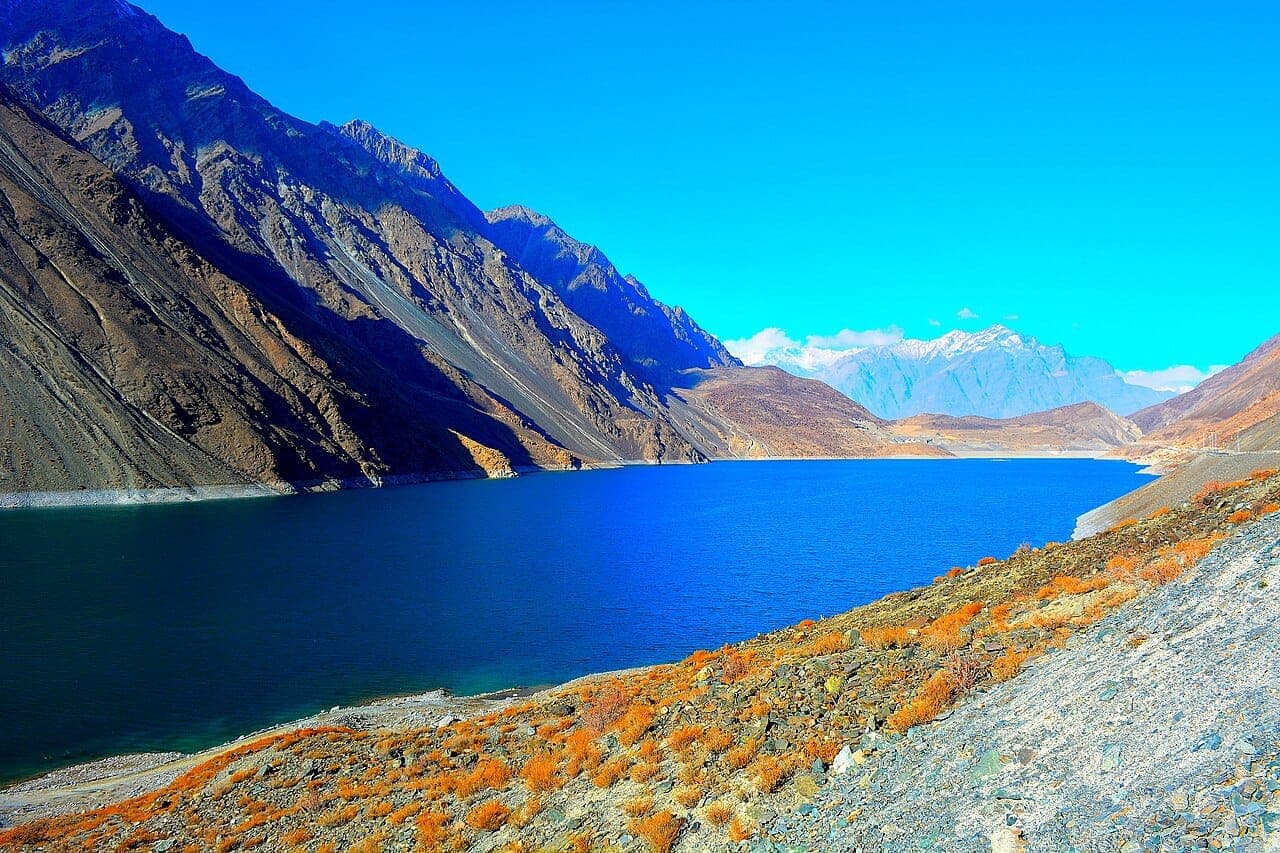
Skardu sits where the Indus meets the Shigar, desert brown and glacier white in one horizon. Deosai, Satpara, and the treks toward Concordia start here.
Daily flights from Islamabad when weather allows; road via the KKH takes 2-3 days.
Gateway to K2
Concordia and the Baltoro are multi-week expeditions, Skardu is where logistics, permits, and acclimatisation days begin.
Combine with Hunza
Many journeys link Skardu and Hunza over the Shandur or via Gilgit, allow buffer days for landslides and flight delays.
Trips from Skardu
All field guides →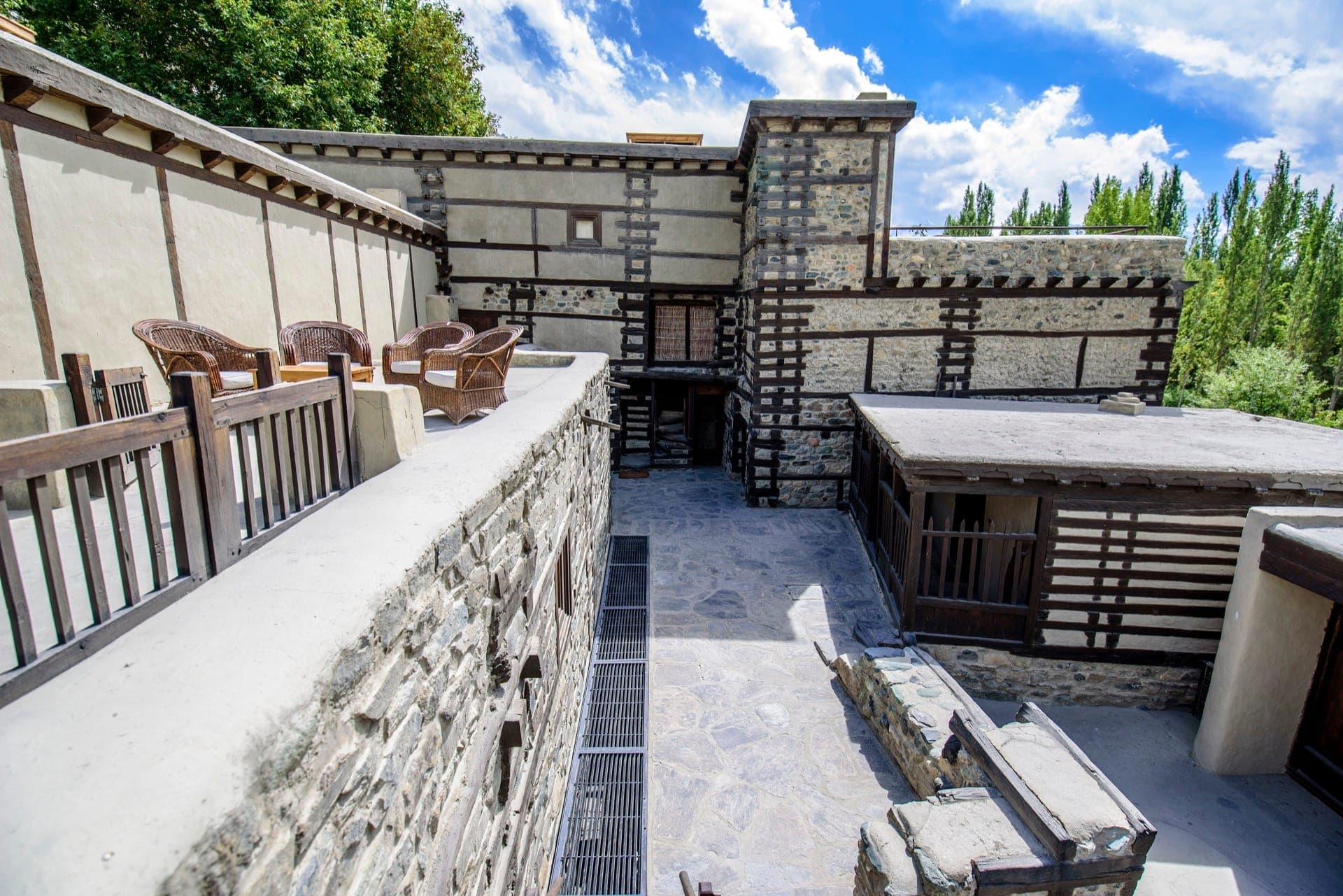
Shigar Fort
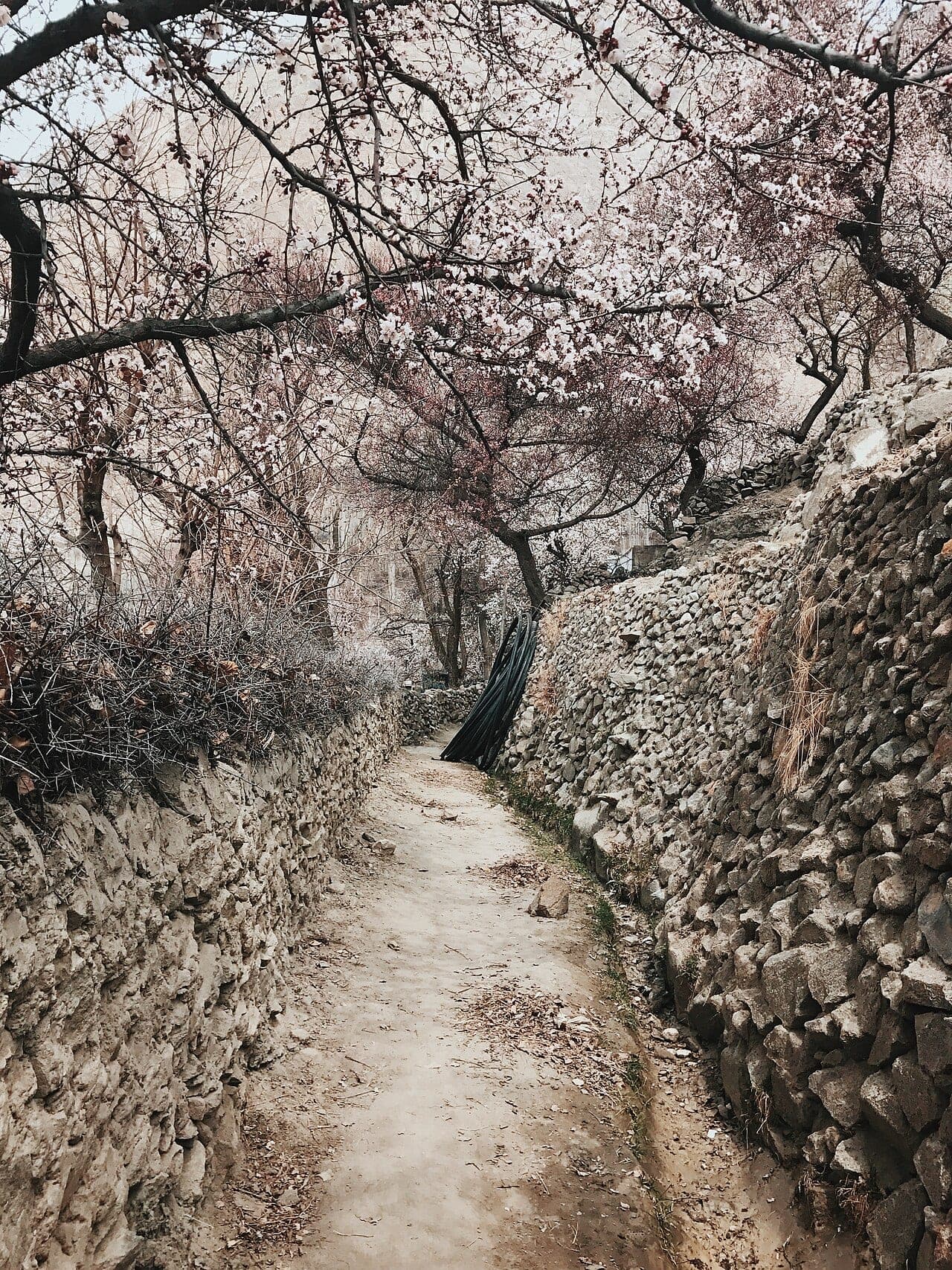
Restored Balti fort and apricot orchards on the Shigar River. (Shigar district)
Askole
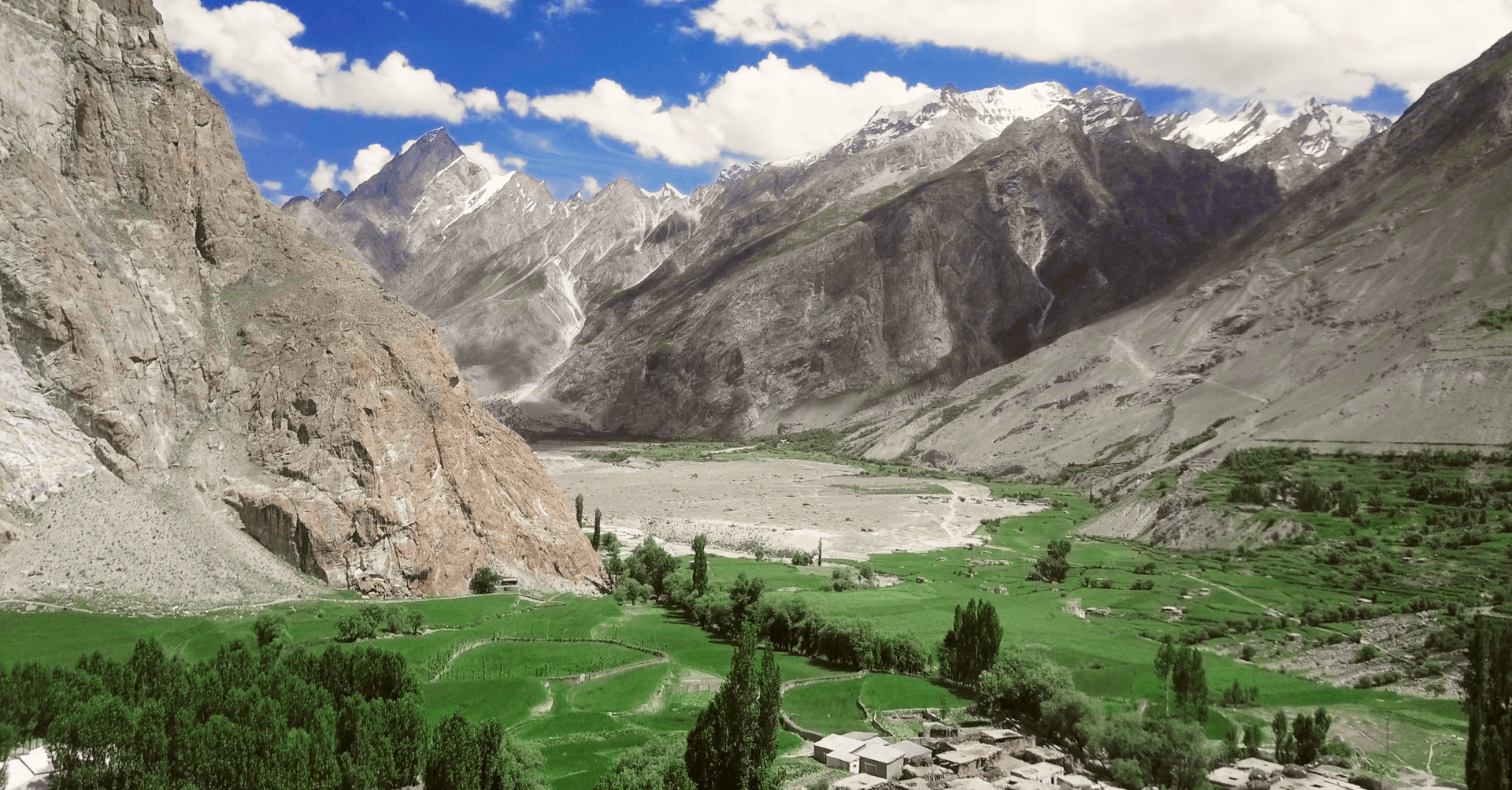
Askole is the last permanent habitation before the Baltoro Glacier, a small stone village at 3,015 m in the Braldu Valley of Baltistan from which all expeditions to K2, Broad Peak, Gasherbrum I and II, and the Concordia trekkers depart on foot. The village's connection to the Karakoram's greatest climbs makes it one of the most significant small settlements in mountain history. (Shigar district)
Baltoro Glacier
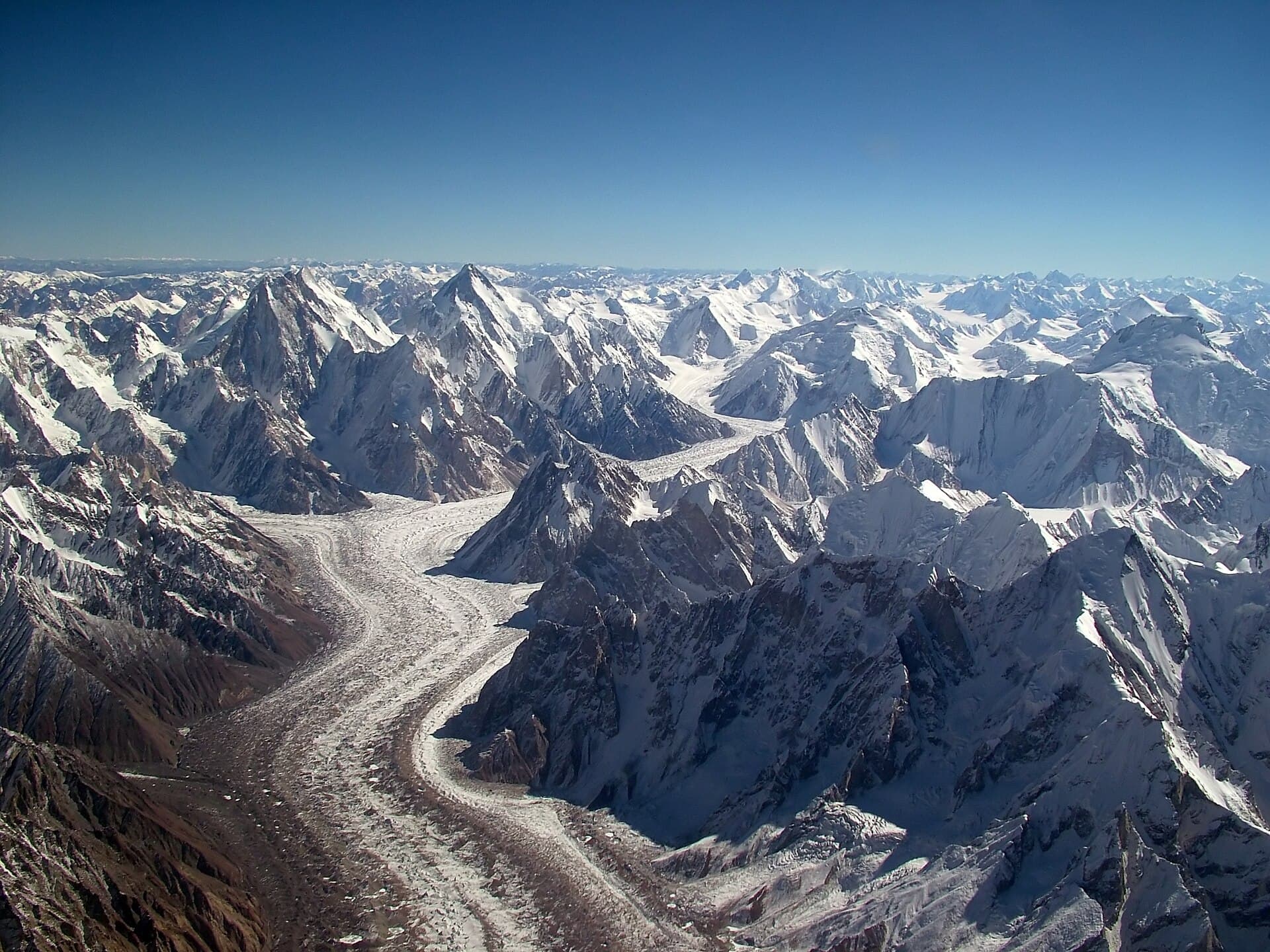
The Baltoro Glacier is 62 km of moving ice in the heart of the Karakoram, the highway that carries every climber and trekker toward K2, Broad Peak, Gasherbrum I, Gasherbrum II, and Concordia. Walking the Baltoro is not optional for anyone heading to the great peaks; it is the approach, and the approach itself is one of the world's great wilderness journeys. The glacier surface is rugged moraine, loose rock and ice chunks, and the trekking route follows its lateral moraines through an amphitheatre of 8,000 m peaks that changes scale with every kilometre. (Shigar district)
Concordia & Baltoro Glacier
Concordia is the great glacial junction where the Baltoro and Godwin-Austen glaciers meet, a flat, rubble-strewn amphitheatre at around 4,600 m that early surveyors nicknamed the 'Throne Room of the Mountain Gods'. From this single spot you can see four of the world's fourteen 8,000-metre peaks, K2, Broad Peak, Gasherbrum I and Gasherbrum II, encircled by a ring of granite spires including the Trango Towers, Mitre Peak, and Masherbrum. Nowhere else on Earth concentrates this many giant mountains into one panorama, and every major Baltoro objective branches from here. (Shigar district)
K2
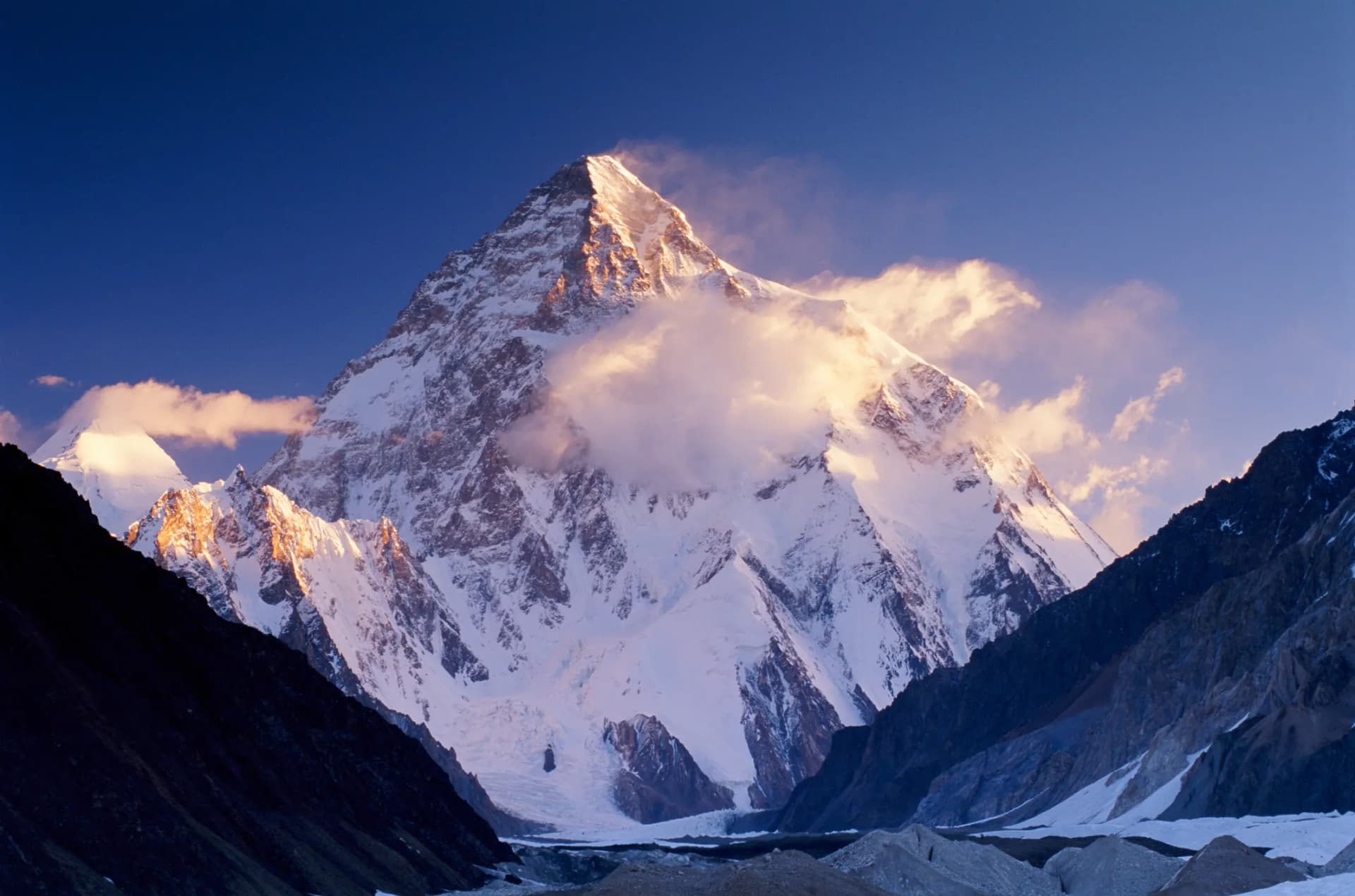
K2 is the second-highest mountain on Earth at 8,611 m and, by wide consensus, the hardest and most dangerous of the fourteen 8,000-metre peaks to climb. Known as the 'Savage Mountain', it stands at the head of the Baltoro Glacier on the Pakistan-China border, a near-perfect pyramid of rock and ice, far steeper and more technical than Everest. You do not have to climb it to stand beneath it: the trek to K2 Base Camp at Concordia is one of the world's great walks, and the mountain's south face, rising some 3,000 vertical metres in a single unbroken sweep, is among the most awe-inspiring sights in the Karakoram. (Shigar district)

Khaplu Palace
Khaplu Palace, known locally as Yabgo Khar, the 'fort on the roof', is a restored 19th-century royal residence in the Ghanche valley east of Skardu, built in 1840 by Raja Daulat Ali Khan after the Dogra rulers of Jammu, who had captured the region, moved the seat of government away from an older nearby fort. The four-storey palace, raised from timber, mud brick, and clay-and-soil mortar, blends Tibetan, Kashmiri, Ladakhi, Balti, and Central Asian influences, a testament to Khaplu's position at the crossroads of several mountain cultures. Between 2005 and 2011 it underwent a painstaking restoration by the Aga Khan Trust for Culture, and today operates as a Serena heritage hotel alongside a museum on Baltistan's history and culture. (Ghanche district)
Field Guides
All places →Resorts
All resorts →Curated Journeys
All tours →
K2 Base Camp, Concordia & Gondogoro La Trek
The great trek — Baltoro glacier, Concordia, and the foot of K2 itself.
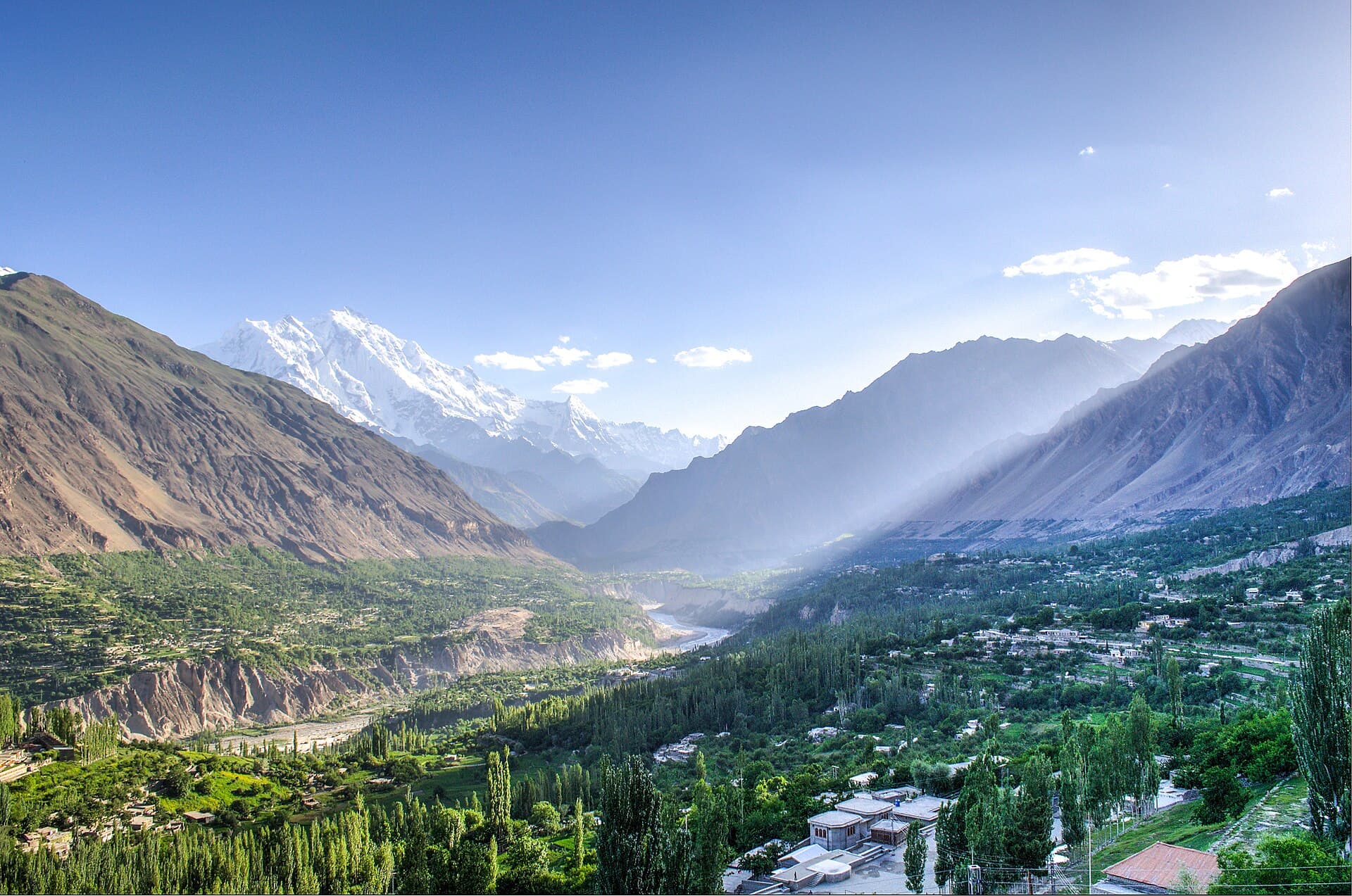
Majestic Beauty of Hunza & Skardu
Two of the great valleys in one journey — Hunza's orchards and Skardu's lakes.
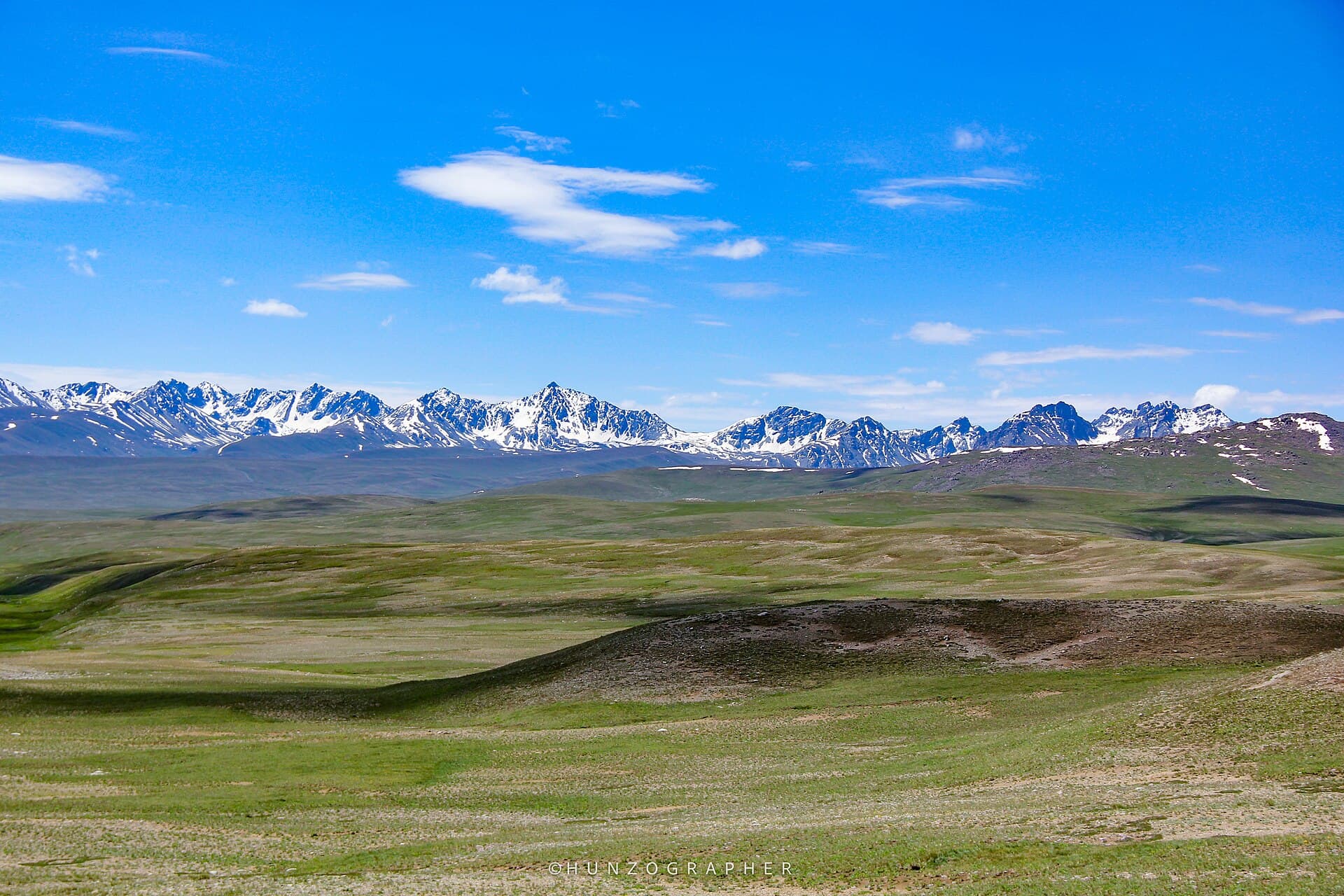
Retreat to Hunza Valley & Skardu Valley
An unhurried retreat across the two valleys, with time to simply be there.
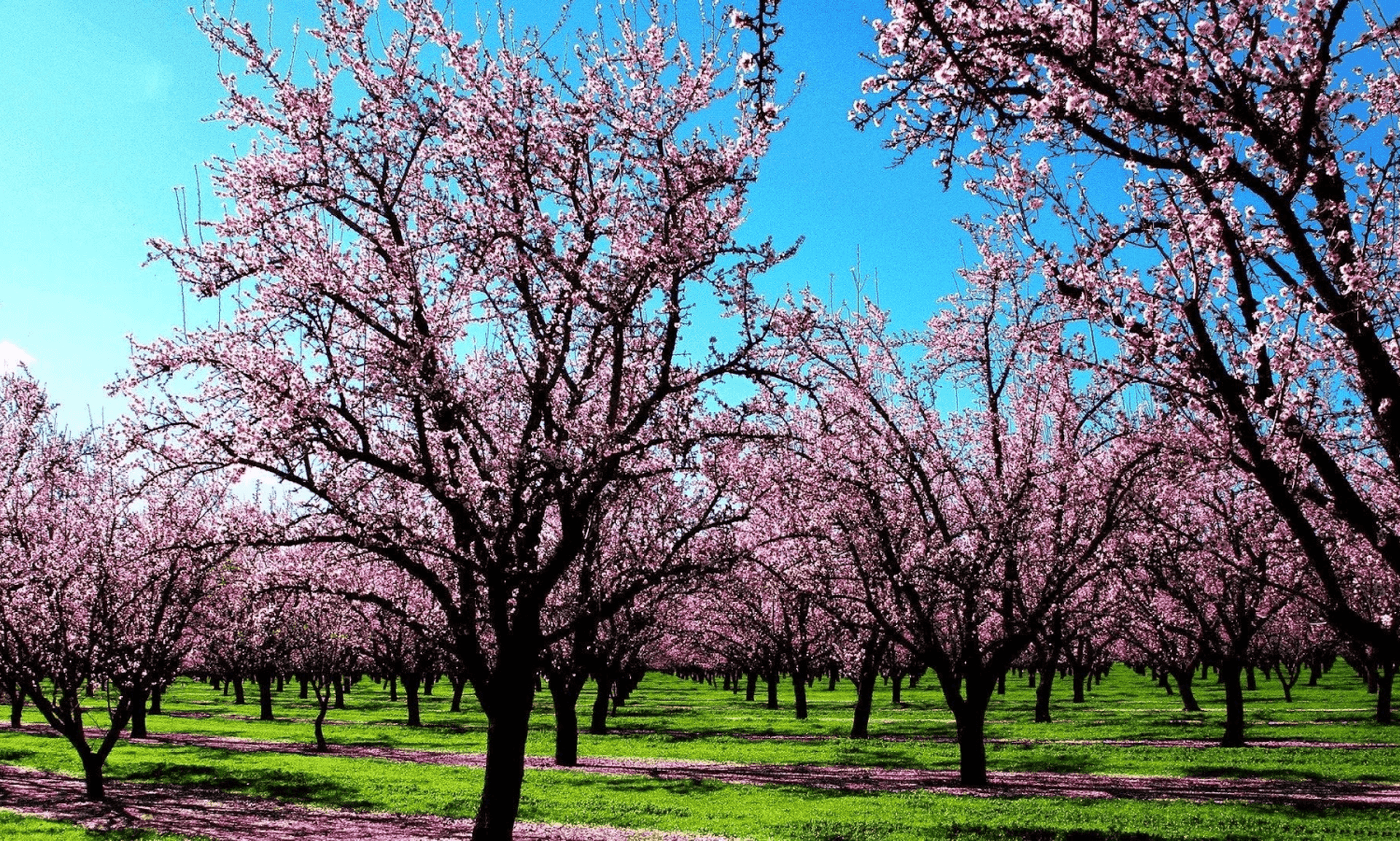
Retreat to Skardu Valley
Skardu at a slow pace — Deosai's plateau, Shigar's fort, and the lakes.