
 Photo: Meemjee · CC BY-SA 3.0
Events / Safar (Islamic calendar)
Punjab
Urs of Data Ganj Bakhsh
Lahore's largest gathering: the three-day urs of Ali Hujwiri, Data Ganj Bakhsh, at Data Darbar, with up to a million devotees, qawwali and langar.
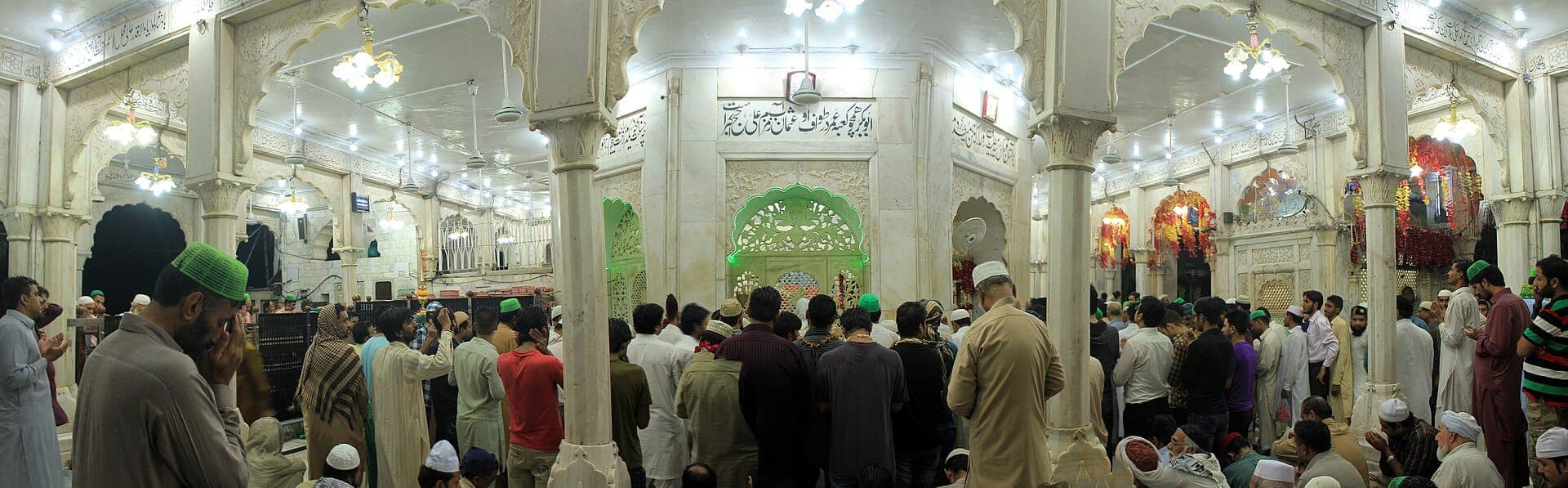
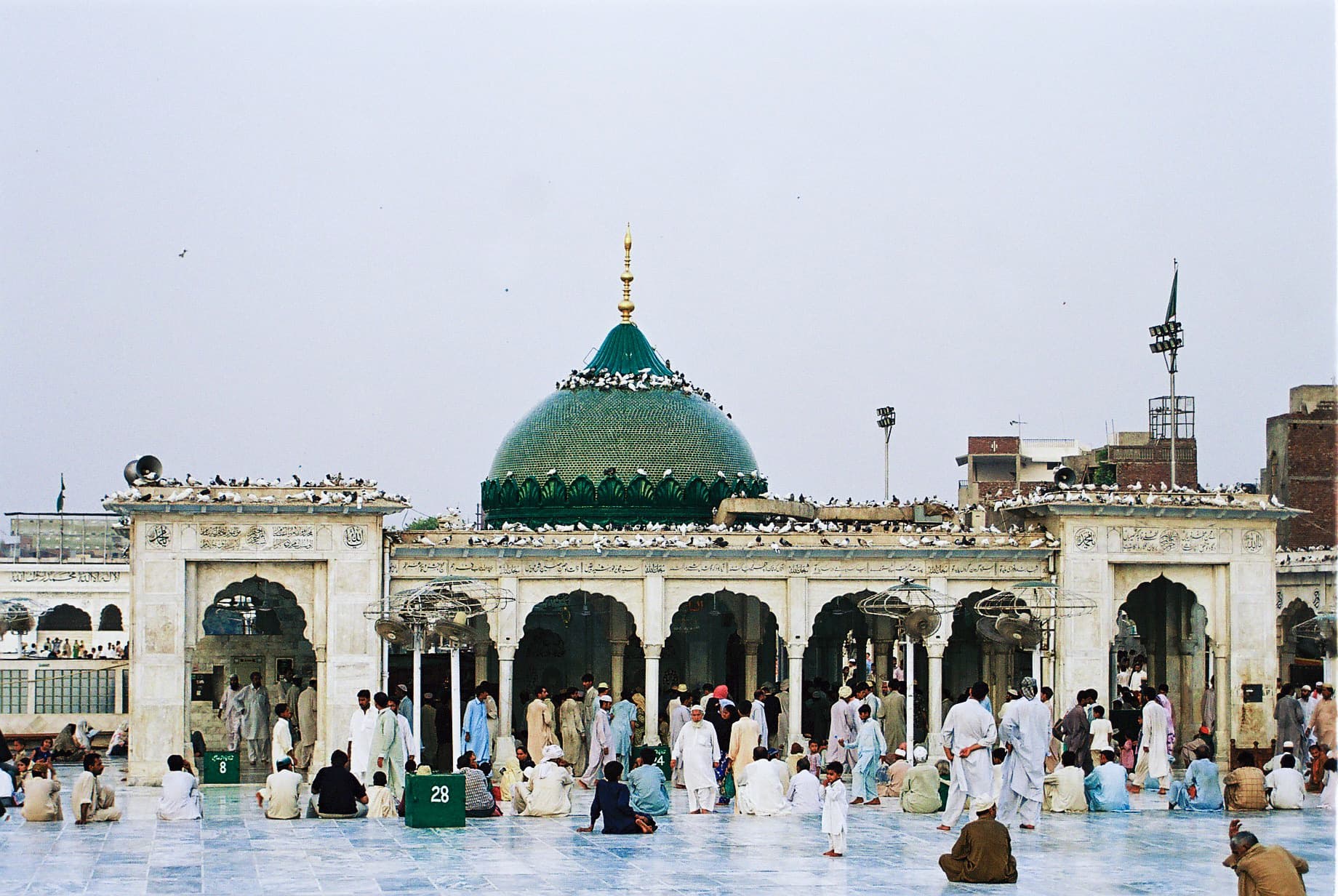
Data Darbar, beside Bhati Gate on the edge of Lahore's Walled City, is the largest Sufi shrine in South Asia and the resting place of Ali Hujwiri, the 11th-century scholar from Ghazni known as Data Ganj Bakhsh. His urs, held over three days in the Islamic month of Safar, draws around a million devotees for chadar processions, qawwali, illuminations and langar served to everyone who comes.
- Data Darbar
- Walled City of Lahore
- Qawwali through the night
- Langar for all
- When to plan
- The urs is held over three days in Safar, the second month of the Islamic calendar, so its Gregorian date moves about eleven days earlier each year; the Punjab Auqaf department announces it. Thursday evenings at the shrine have qawwali all year round.
- Getting there
- Data Darbar is on Lower Mall by Bhati Gate, walkable from the Walled City, and the Lahore Metrobus stops at Bhati Chowk outside it. Roads around the shrine close during the urs.
The saint
Ali Hujwiri came to Lahore from Ghazni in the 11th century, during Ghaznavid rule, and built a mosque on what was then the edge of the city. His Kashf al-Mahjub is the oldest treatise on Sufism written in Persian, and its reputation made him, for South Asian Muslims, the first great saint of Lahore: later Sufis, Moinuddin Chishti of Ajmer among them, are said to have come to his grave before beginning their own work.
The shrine
A simple grave beside the mosque became a larger shrine in the Mughal period and was expanded again in the 19th century. In 1960 it passed to the government's Auqaf department, and in the 1980s it was rebuilt on its present vast scale, with a new mosque, library, madrasa and free kitchen. On an ordinary day 30,000 to 60,000 people visit; on Thursdays and religious holidays, twice as many.
During the urs
Chadars are carried in procession and laid on the grave, the complex is lit up, and qawwali goes on through the nights; for decades a two-day mehfil-e-sama, a qawwali gathering, has been held alongside. The langar kitchens feed tens of thousands.
If you go
Expect bag checks and very dense crowds. Women have a separate enclosure. Remove your shoes, cover your head, and do not photograph worshippers without asking.
Where it is held
Sources
More in Punjab
Region guide →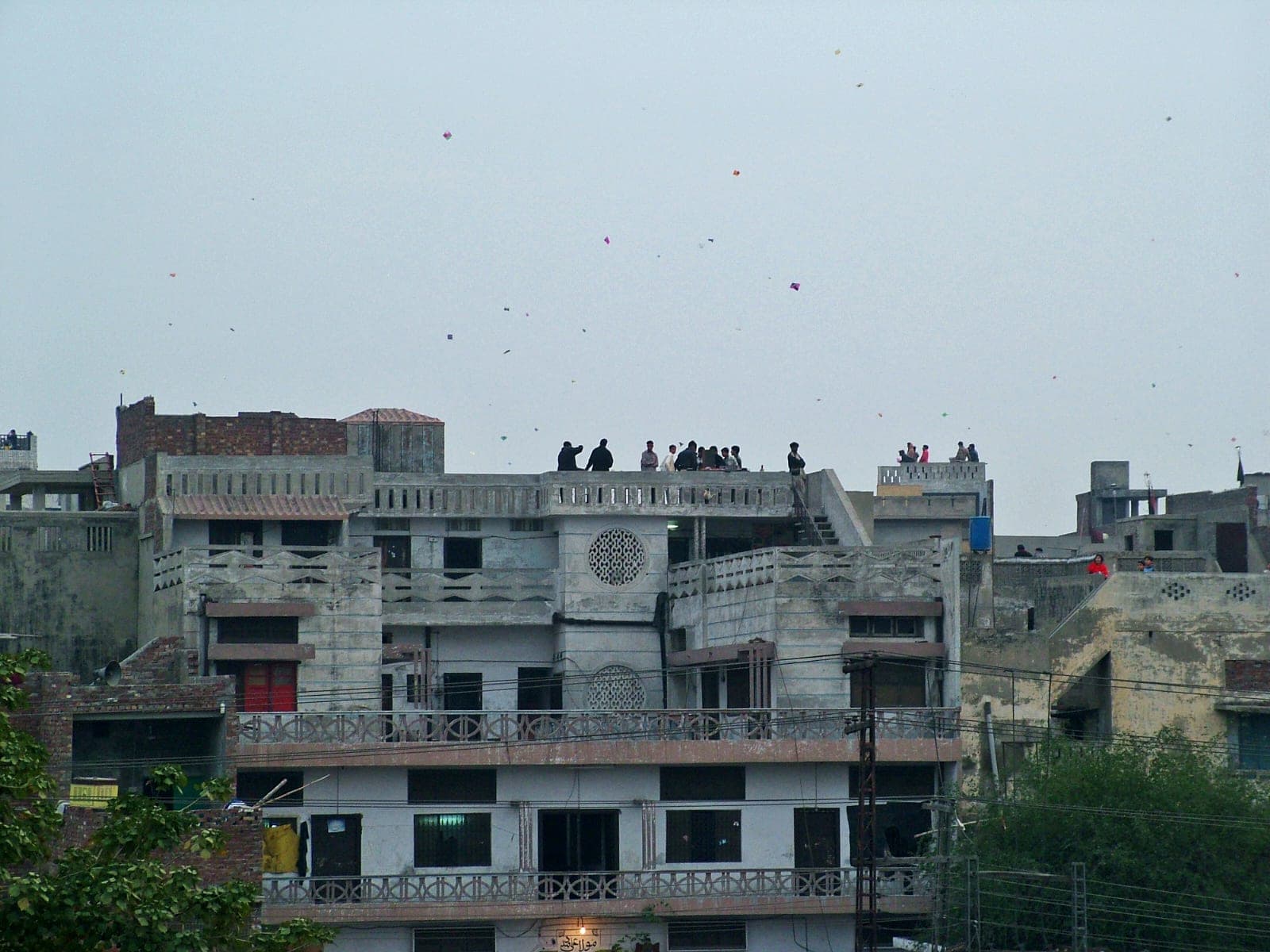
February
Basant, Jashn-e-Baharan
Lahore's spring kite festival: rooftops full of colour, yellow clothes for the mustard season, music, food and the cry of 'Bo kata!' when a kite is cut.

February
Cholistan Desert Jeep Rally
The Tourism Development Corporation of Punjab's desert rally, run every February since 2005 from Derawar Fort across the Cholistan dunes.
Late March
Mela Chiraghan, Festival of Lights
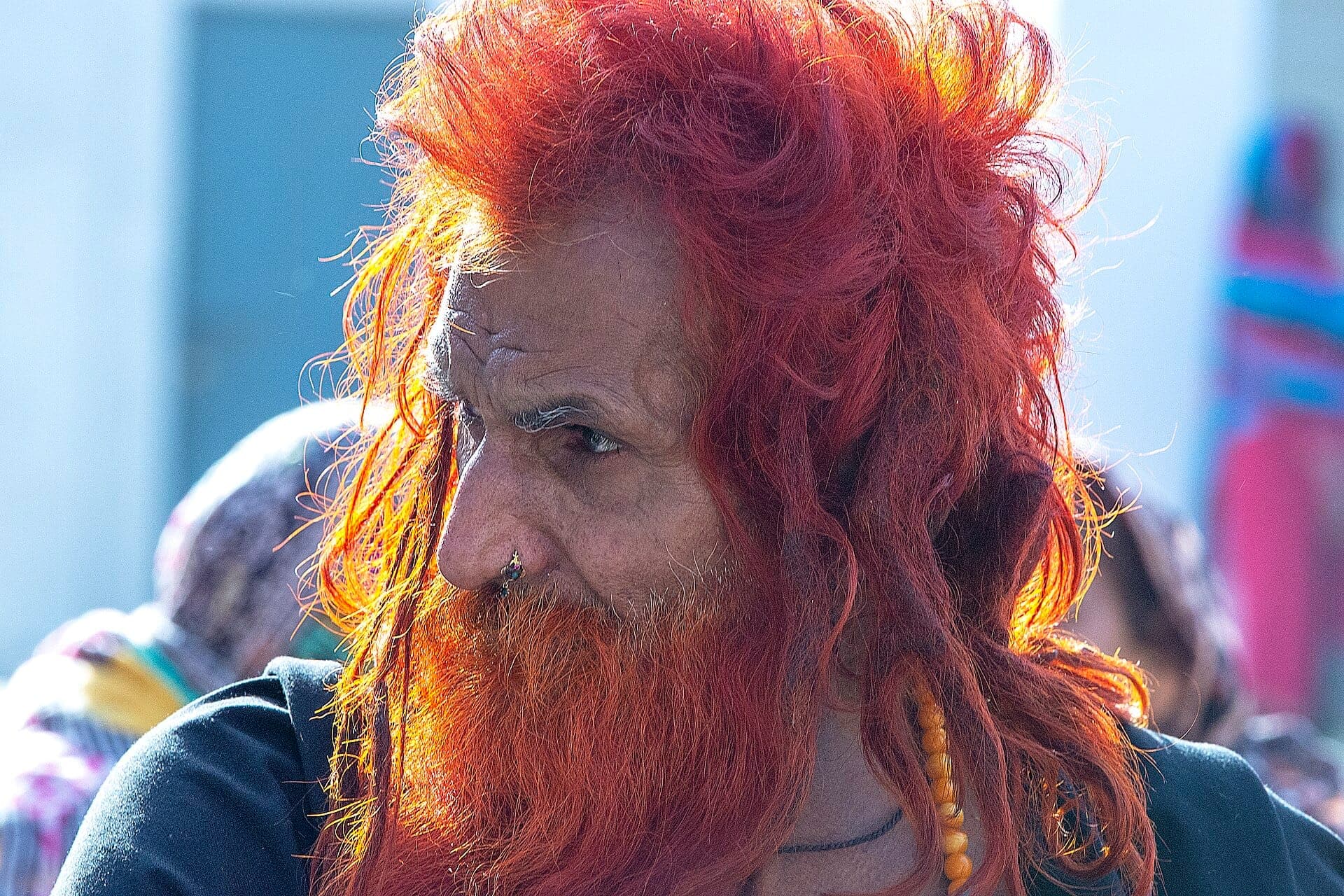
The Festival of Lights: three nights of lamps, dhol and dhamaal at the shrine of the Punjabi poet Shah Hussain, beside the Shalimar Gardens in Lahore.