
Loading…
Field guides / Islamabad / Ban Faqiran Stupa
Field guide · Heritage
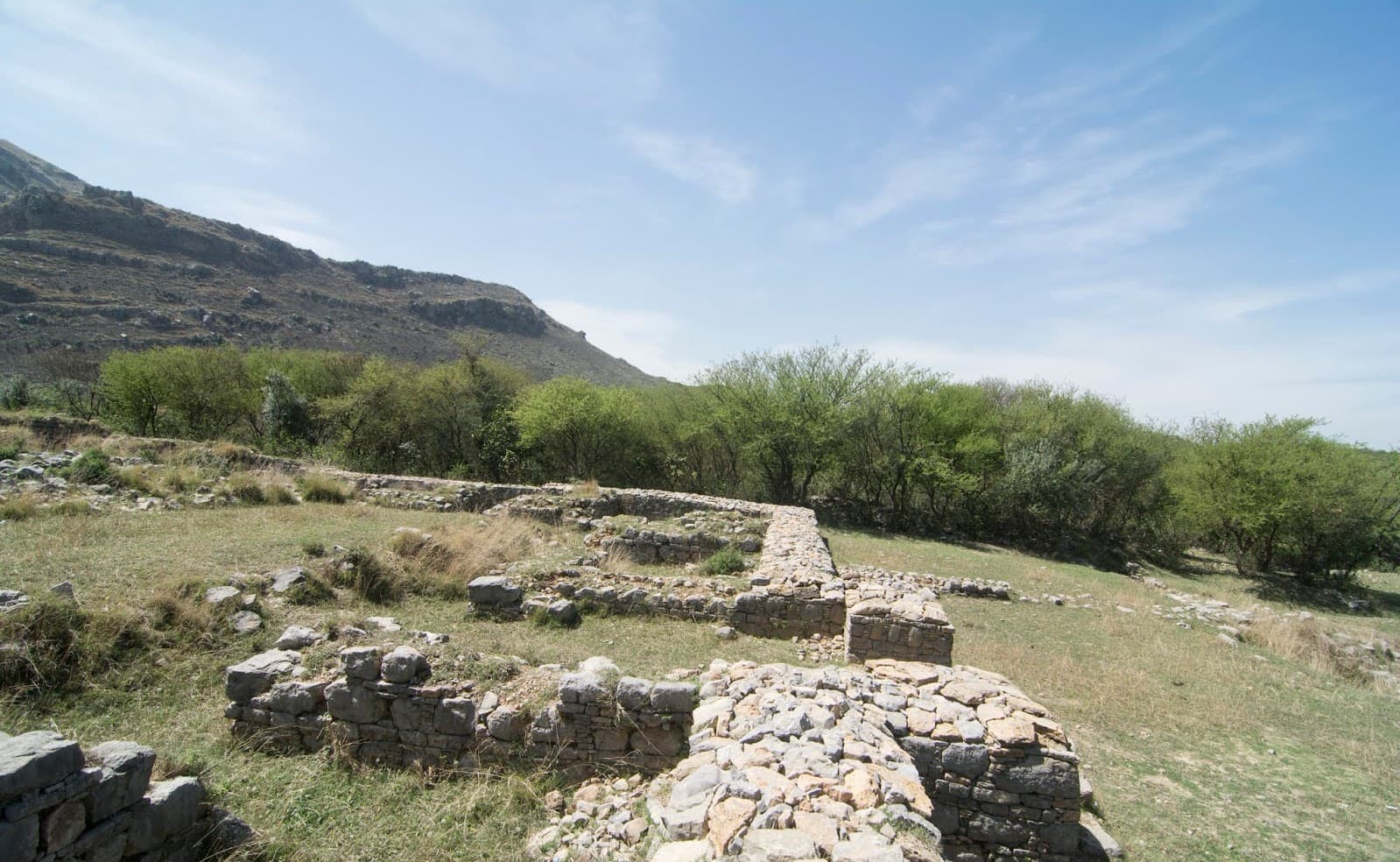
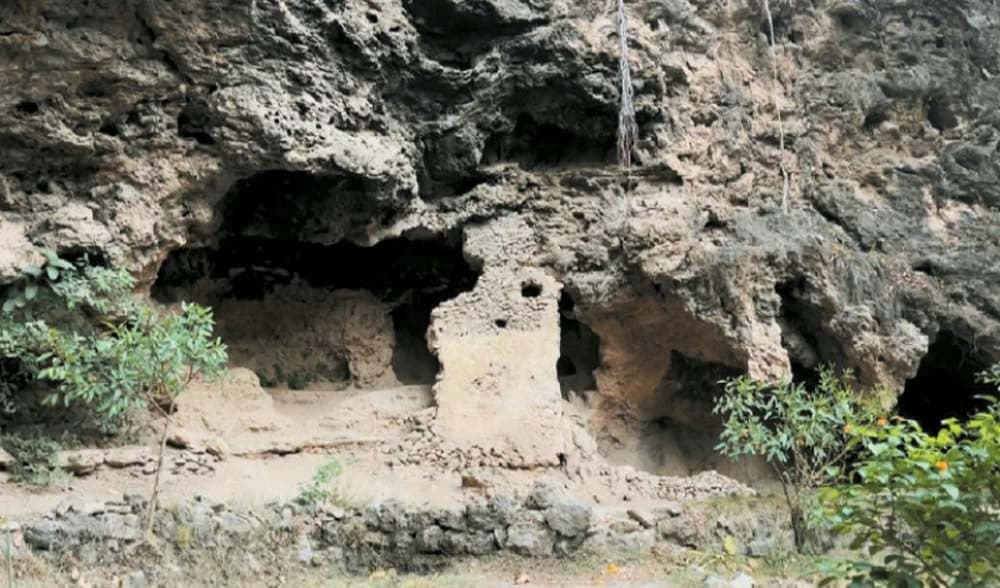
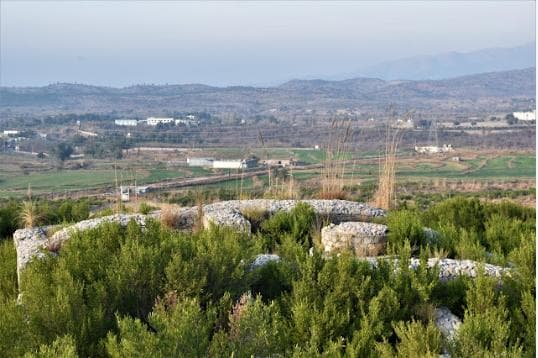
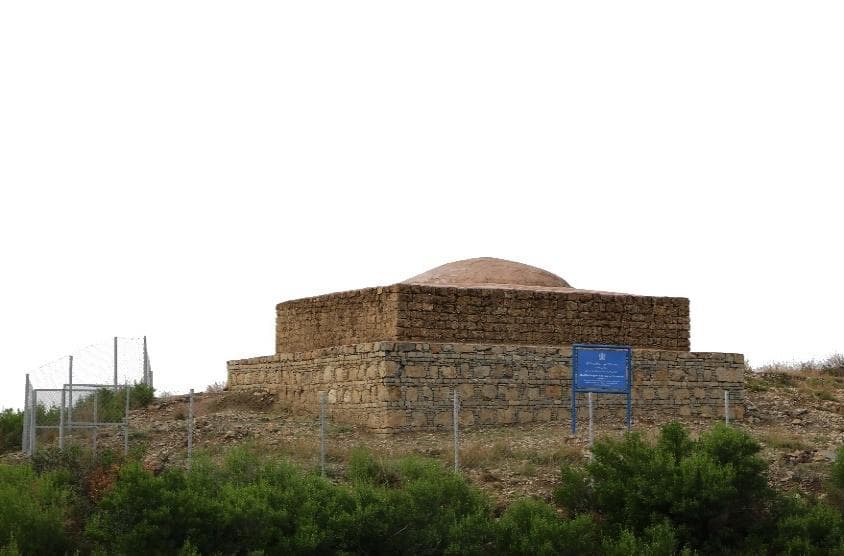
The Ban Faqiran Stupa, located in the southern Margalla Hills near Islamabad, is a key archaeological site from the Buddhist era, dating back to the 2nd century CE.
Situated in Shah Allah Ditta village, it was discovered in the early 21st century by Professor Ahmed Hassan Dani and Azad Kakepoto. Excavations conducted by Dr. Abdul Ghafoor Lone in 2015 and 2016 revealed the stupa along with a Mughal-period mosque. The stupa is built in the Gandhara style, using semi-ashlar and diaper masonry techniques, and is believed to have been a place of religious and agricultural significance. The site’s serene location emphasizes its role as a secluded Buddhist sanctuary. While the Ban Faqiran Stupa is the only known Buddhist stupa in Islamabad, it remains underappreciated in terms of national and international recognition, with calls for greater preservation and promotion to boost tourism and contribute to Pakistan’s economy.
Why go
The Ban Faqiran Stupa near Islamabad, reopened in 2019 after conservation, is now accessible to visitors via hiking trails under the management of the Federal Department of Archaeology (Pakistan). Ongoing preservation efforts maintain its structural integrity and historical significance as a protected Gandhara-era site.
Planning tip
Best Time to Visit, Year-round; confirm local conditions and any festival dates before travel.
Getting there, In Islamabad; confirm current local access before visiting.
Straight-line distance from Ban Faqiran Stupa, within 30 km.