
Loading…
Field guides / Punjab / Buddhist Giri Remains
Field guide · Heritage
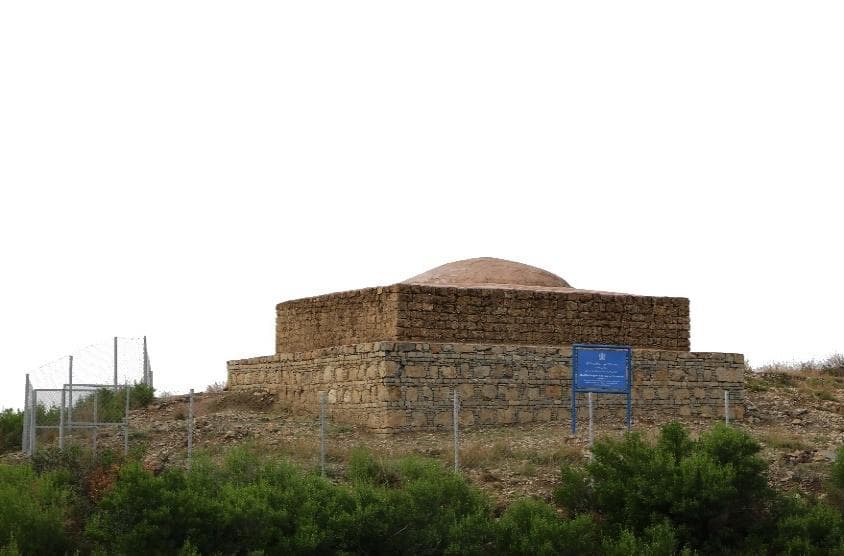
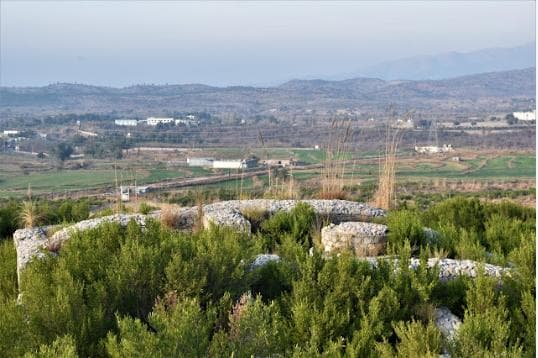
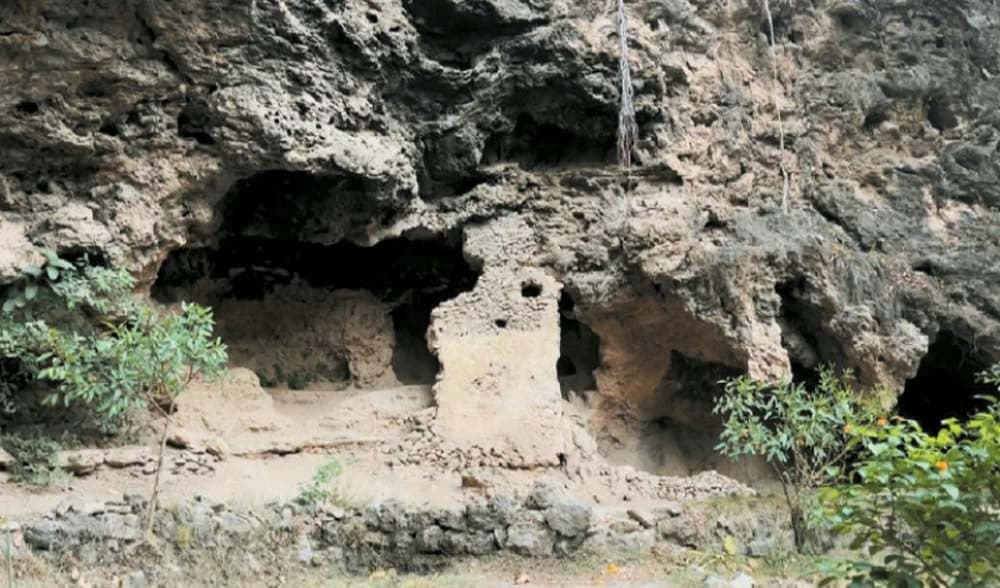
The Giri Remains is an archaeological site located in Rawalpindi, Punjab, Pakistan.
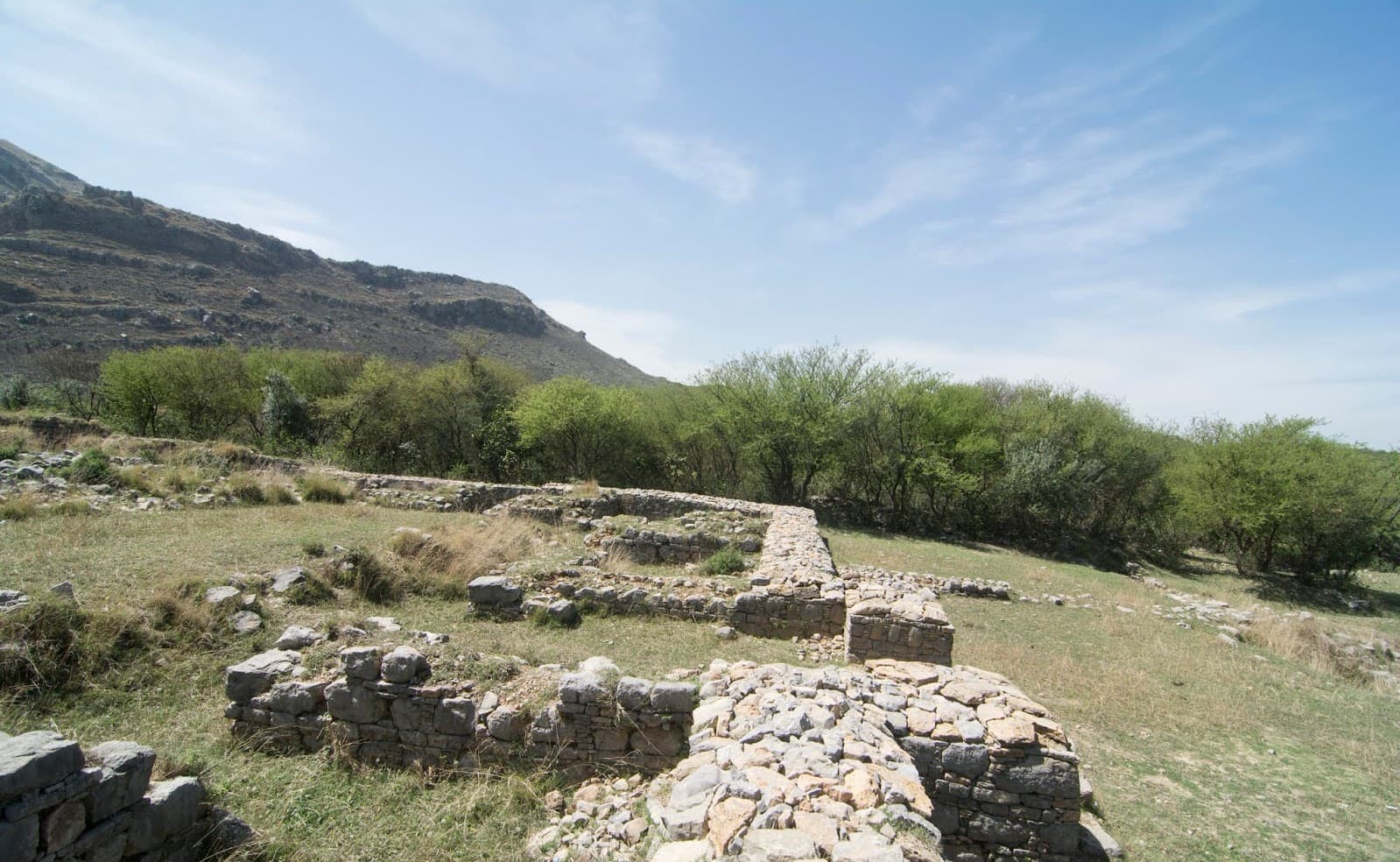
Dating from the 1st to 5th Century CE, it is a significant Buddhist site consisting of stupa and monastic buildings. The site is divided into two main areas: A-B and C-E. The A-B area is relatively large, measuring 110 meters by 55 meters, and contains a dilapidated large stupa and a monastery with 20 rooms. The B area is better preserved, featuring 18 cells arranged around a courtyard, along with a hall of assembly in ruined condition. The C-D-E area is positioned on a raised terrace, with steep slopes on the west and a torrent bed to the south and east, which has led to poor preservation of the structures. The first court in this area (D) consists of a vestibule and eight cells. This site is protected by the Antiquity Act of 1975, as amended in 1992, and is owned by the Federal Government of Pakistan. It is listed in the "Archaeological Sites and Historical Monuments Protected Under the Antiquities Act, 1975" published by the Federal Department of Archaeology & Museums, Islamabad, in 1987.
Why go
The Giri Buddhist remains near Taxila are protected archaeological ruins dating from the 1st–5th centuries CE, including stupas and monastery remains. They are legally owned by the federal government and fall under protection through the Antiquities Act of 1975 (amended 1992). According to official listings, ownership and oversight are vested in the Department of Archaeology & Museums (DOAM), Government of Pakistan
Planning tip
Best Time to Visit, Year-round; confirm local conditions and any festival dates before travel.
Getting there, In or near Taxila, Punjab; confirm current local access before visiting.
Straight-line distance from Buddhist Giri Remains, within 30 km.