
Loading…
Field guides / Punjab / Dharmarajika Stupa
Field guide · Heritage
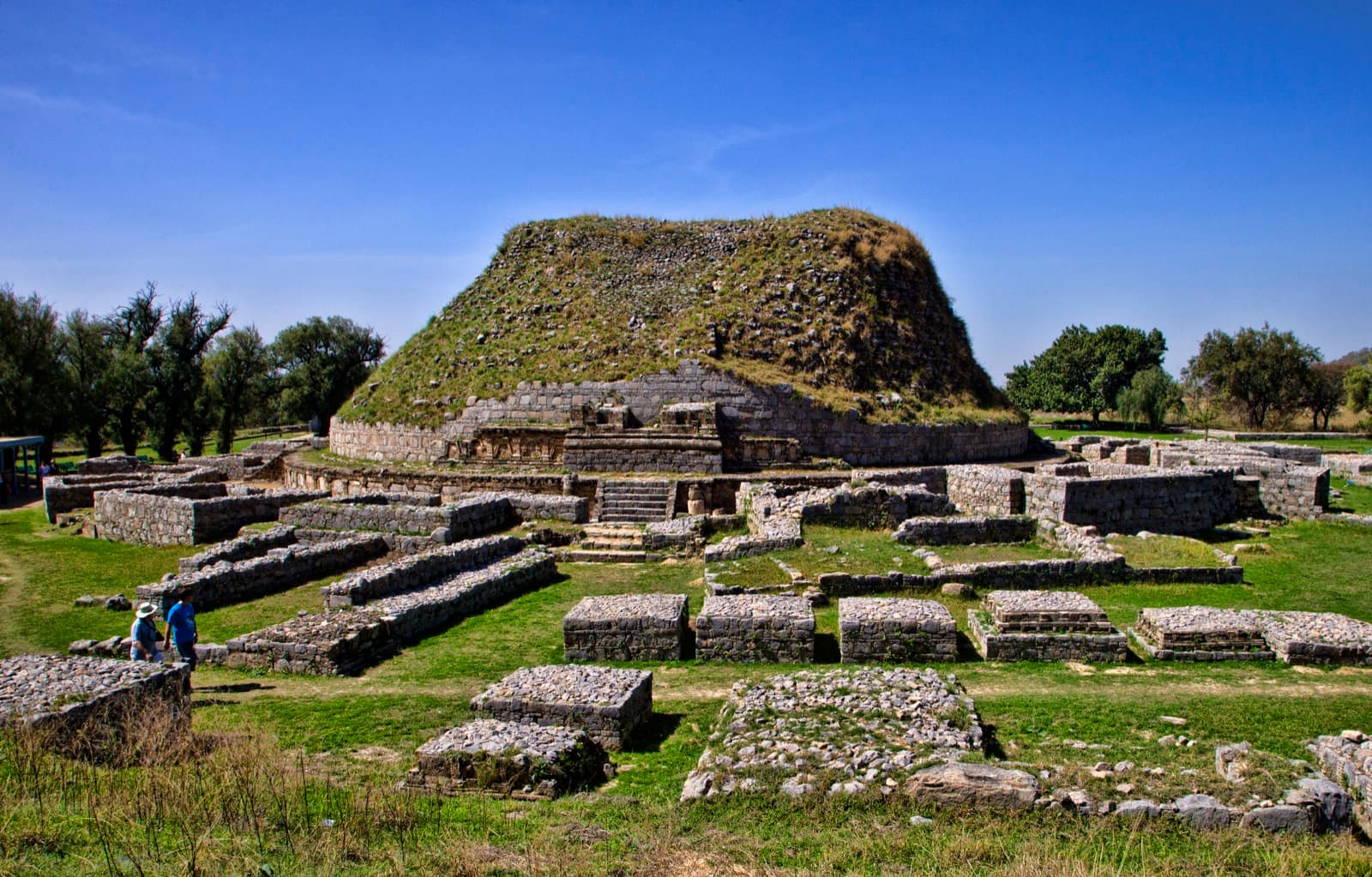
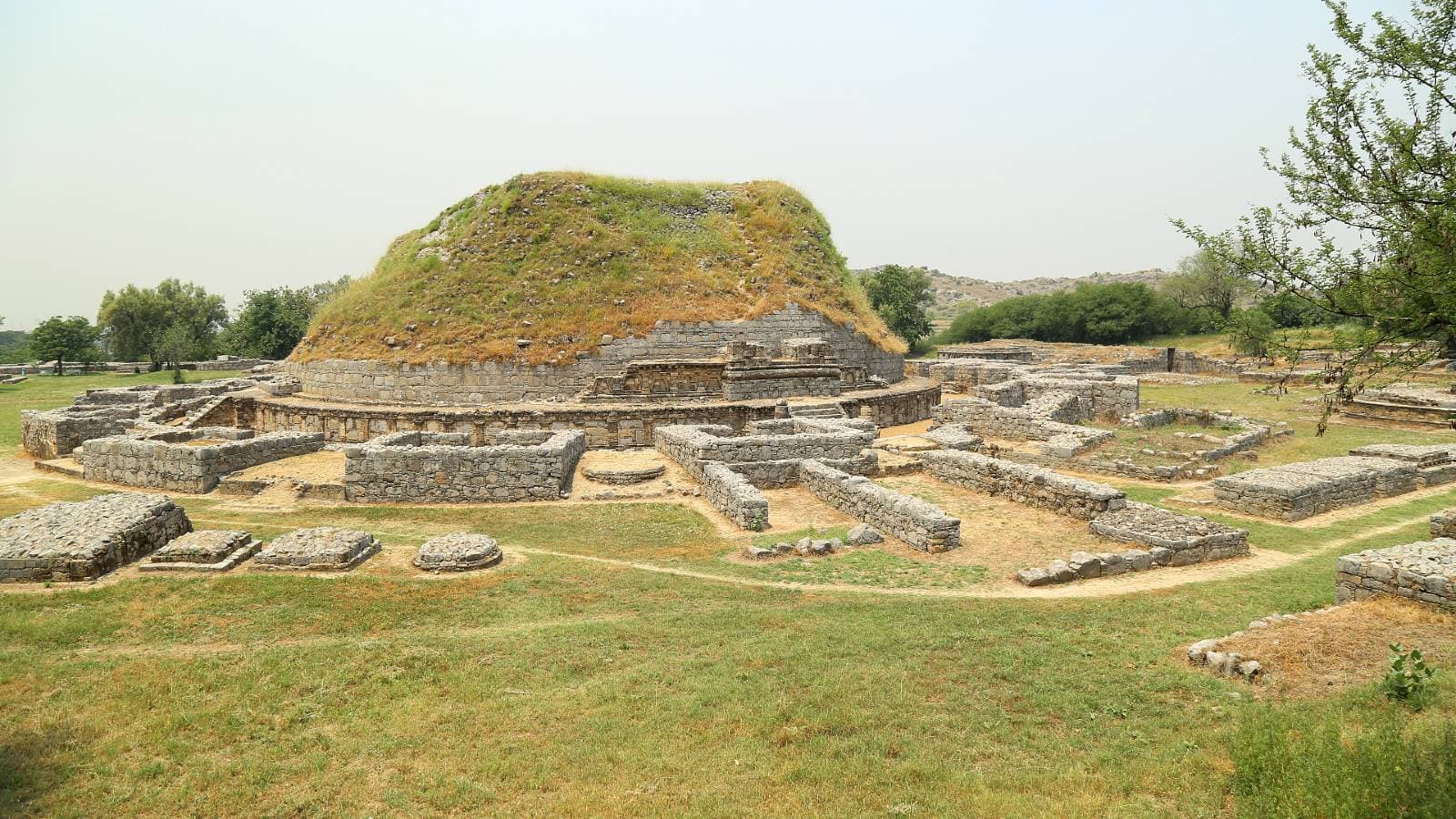
The Dharmarajika Stupa is a significant Buddhist site near Taxila, Pakistan, built by Emperor Ashoka in the 3rd century BCE to house relics of the Buddha.
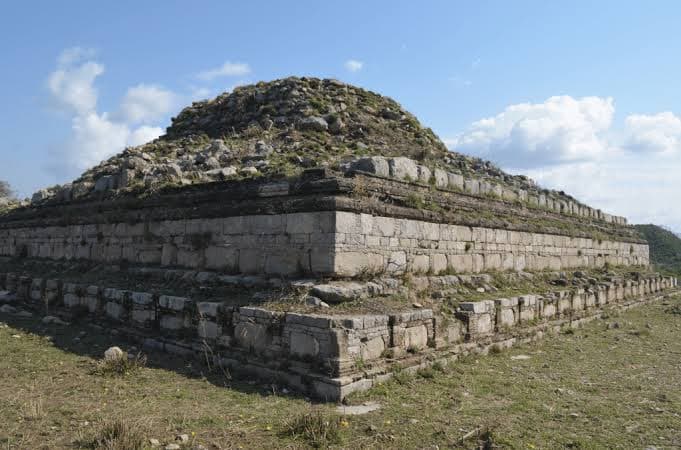
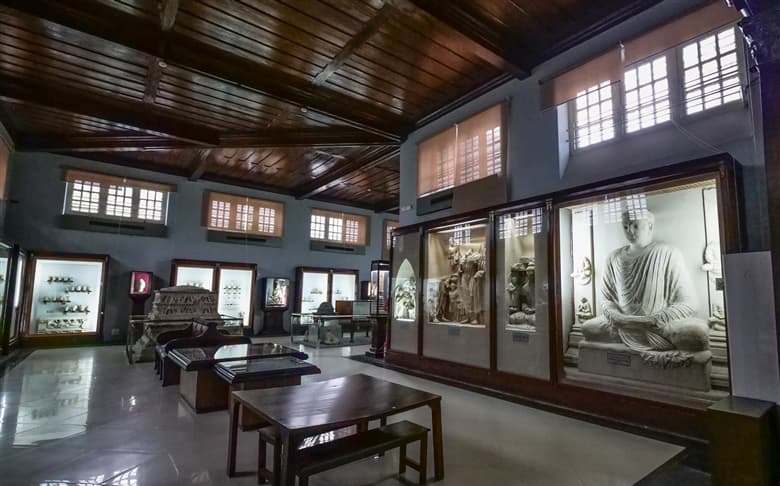
The stupa, part of the larger Taxila ruins, was reestablished during the 2nd century CE in the Kushan era. It underwent extensive development, including the addition of smaller stupas and monasteries around the main stupa. The site suffered destruction during the White Huns' invasion in the 5th century CE, leading to its abandonment. Excavations by Sir John Marshall in 1913 uncovered valuable relics, including a silver casket inscribed with Kharosthi script and bone fragments believed to be from the Buddha. The site is famous for its rich history and the relics, which reflect Taxila's role as a major trade and cultural hub. The Dharmarajika Stupa is located about 3 kilometers east of the Taxila Museum and is part of the UNESCO World Heritage-listed ruins of Taxila.
Why go
The Dharmarajika Stupa is well-preserved and actively maintained by the Department of Archaeology. It is open to visitors, with proper signage, pathways, and on-site interpretation. Ongoing conservation ensures protection of its Buddhist heritage and Gandharan significance.
Planning tip
Best Time to Visit, Year-round; confirm local conditions and any festival dates before travel.
Getting there, In or near Taxila, Punjab; confirm current local access before visiting.
Straight-line distance from Dharmarajika Stupa, within 30 km.