
Loading…
Field guides / Punjab / Kunala Stupa
Field guide · Heritage
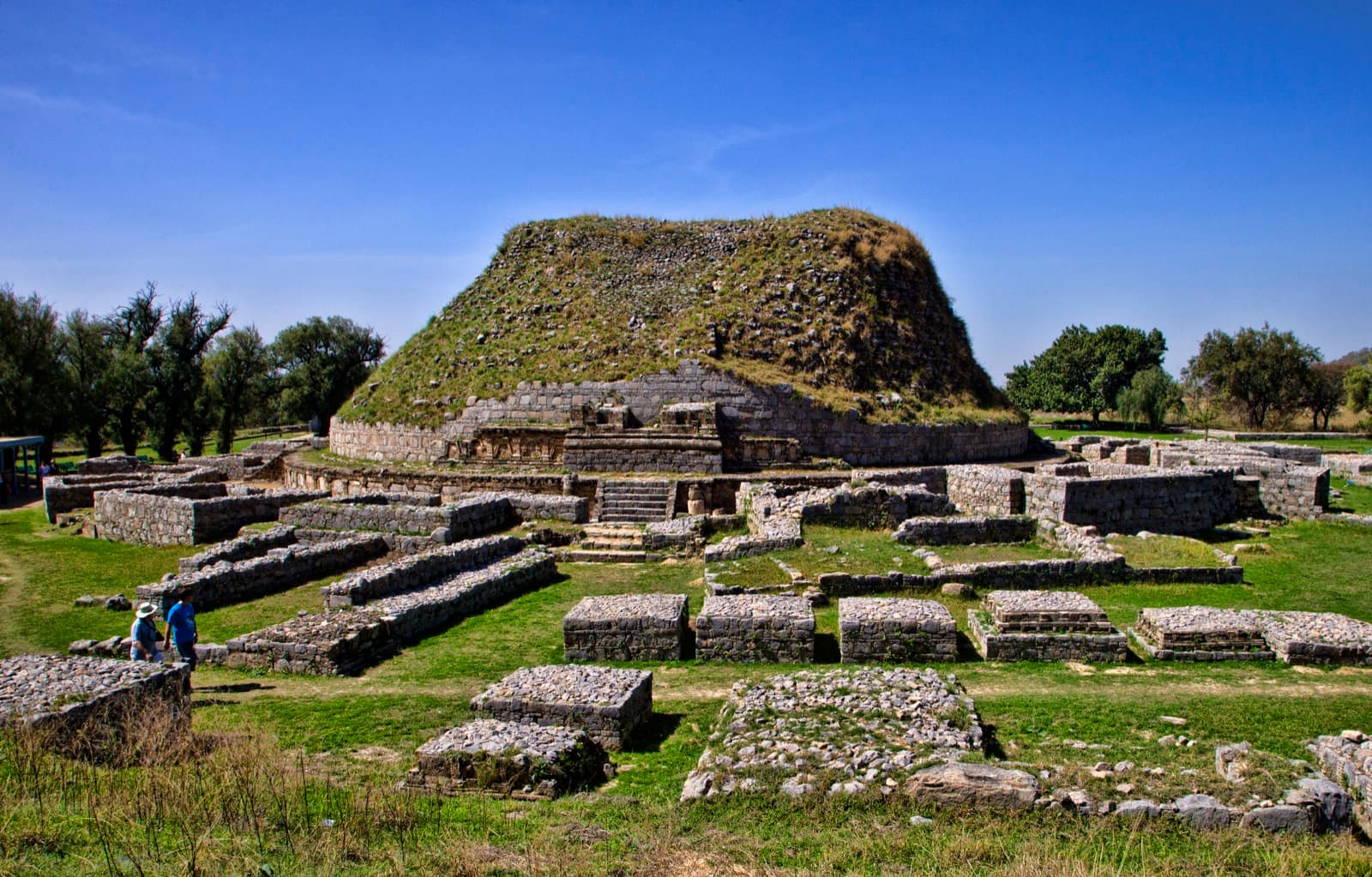
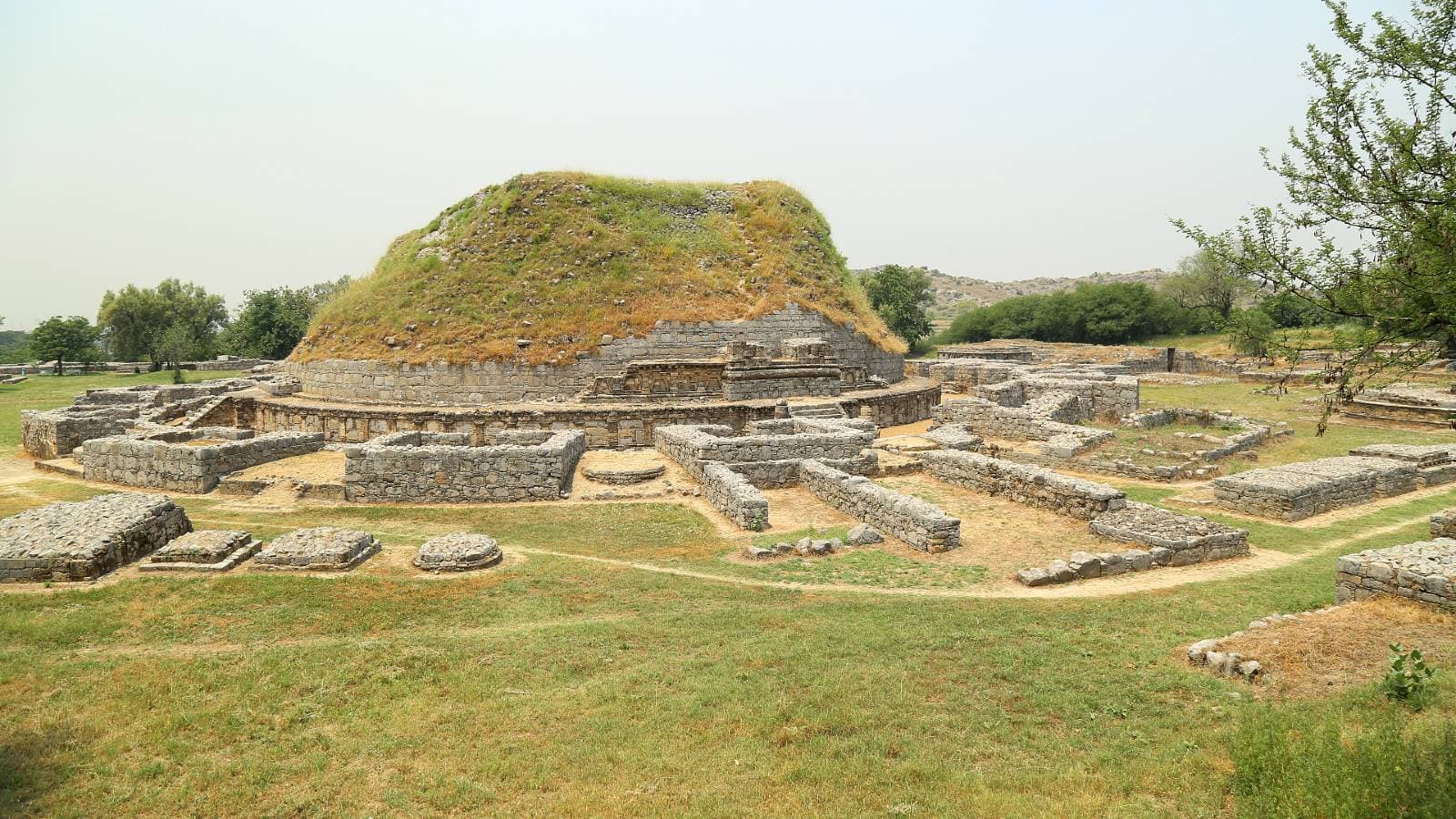
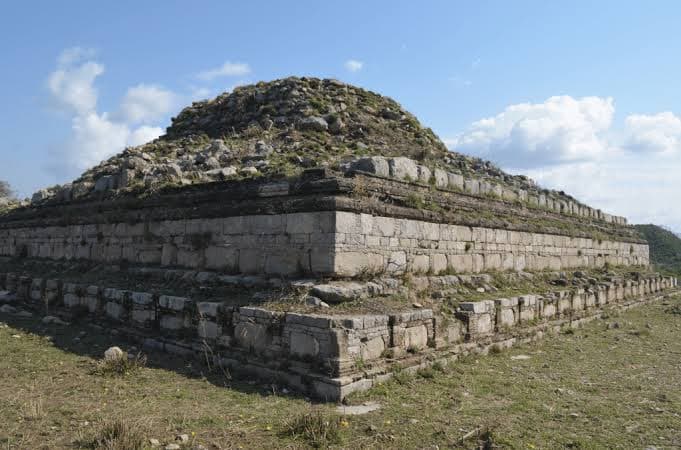
Kunala Stupa is a Kushan-era Buddhist stupa and monastery complex located southeast of Taxila, Pakistan, dating back to the 2nd century CE.
The stupa sits on a hill 200 meters south of the ancient Indo-Greek city of Sirkap, overlooking the area. Its name comes from Kunala, the son of the Mauryan emperor Ashoka, who was blinded by a jealous queen and later cured by a doctor from Taxila. The stupa became a pilgrimage site for those seeking cures for eye ailments, inspired by the story of Kunala. Chinese pilgrim Xuanzang visited the site and documented his observations. The stupa and monastery are significant historical and religious landmarks in the Gandhara region.
Why go
The Kunala Stupa, part of the UNESCO-listed Ruins of Taxila, is currently accessible to visitors. Although the stupa and monastery lie in a partially ruined state, no special closure or restricted access has been reported. It remains open as part of the broader Taxila archaeological complex under the care of the Punjab Archaeology Department.
Planning tip
Best Time to Visit, Year-round; confirm local conditions and any festival dates before travel.
Getting there, In or near Taxila, Punjab; confirm current local access before visiting.
Straight-line distance from Kunala Stupa, within 30 km.