
Loading…
Field guides / Punjab / Taxila Museum
Field guide · Heritage
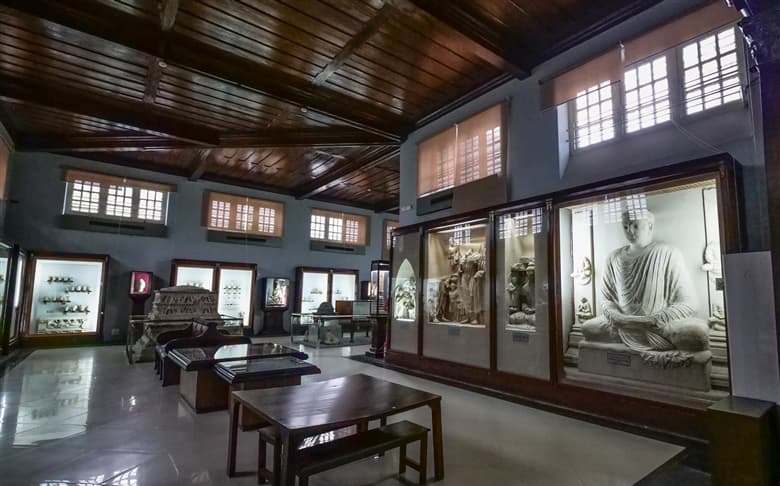
The Taxila Museum is a prominent museum located in Taxila, Punjab, Pakistan, and is renowned for its extensive collection of Gandharan art dating from the 1st to 7th centuries CE.
The museum, which opened in 1928, was established after the excavation of significant archaeological sites in the region by Sir John Marshall. It houses over 4,000 objects, including sculptures, coins, and artifacts made of materials such as stone, terracotta, gold, and iron, mostly uncovered from Taxila's ancient cities and Buddhist stupas. The museum’s Gandharan art collection is particularly notable for its stone Buddhist sculptures that reflect the fusion of Greek and Buddhist influences. Additionally, the museum holds a comprehensive numismatic collection with coins from the Indo-Greek to Kushan periods. The museum, which also includes a northern gallery added in 1998, serves as an essential resource for understanding the rich cultural and religious history of the Gandhara region.
Why go
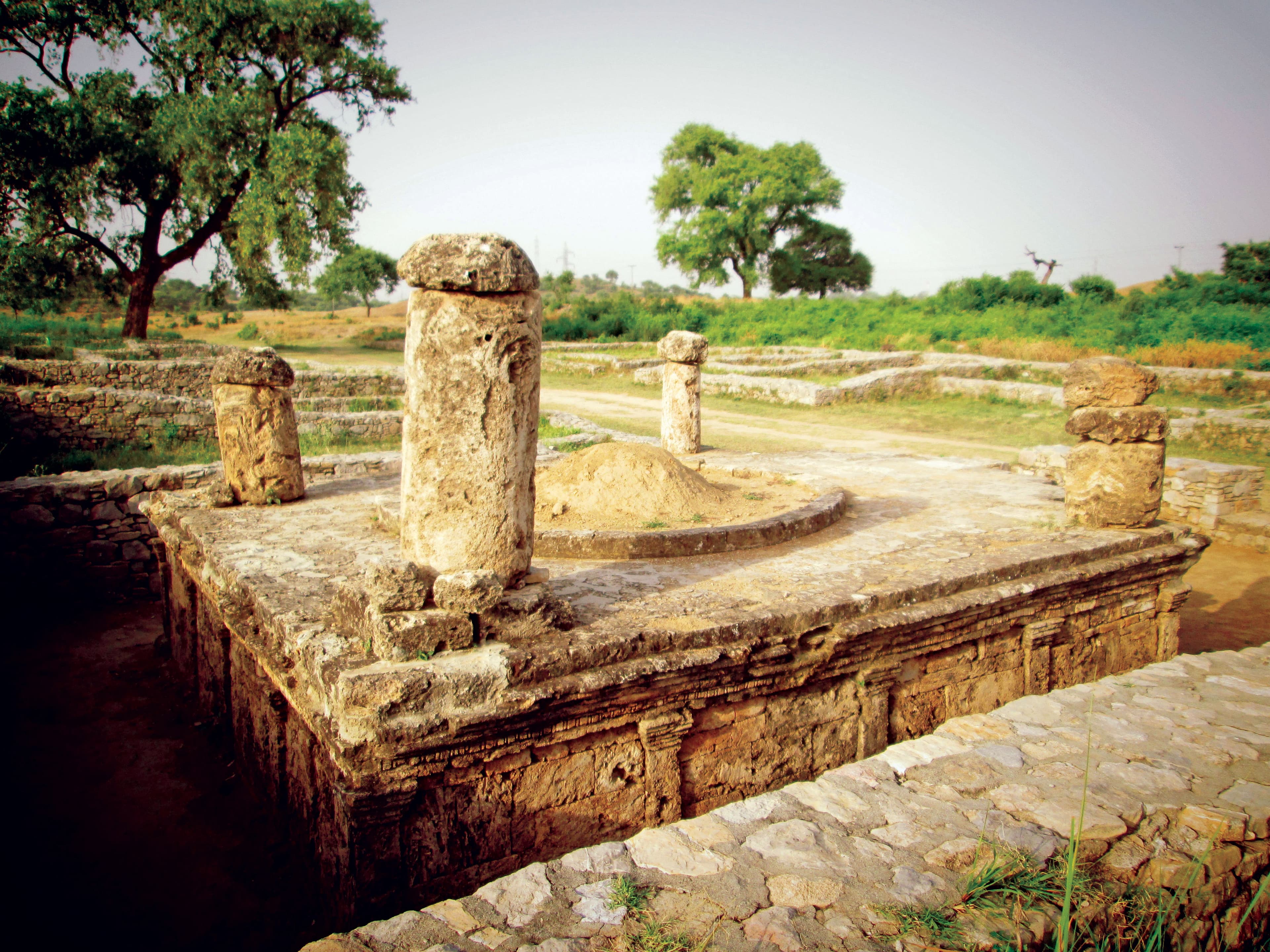
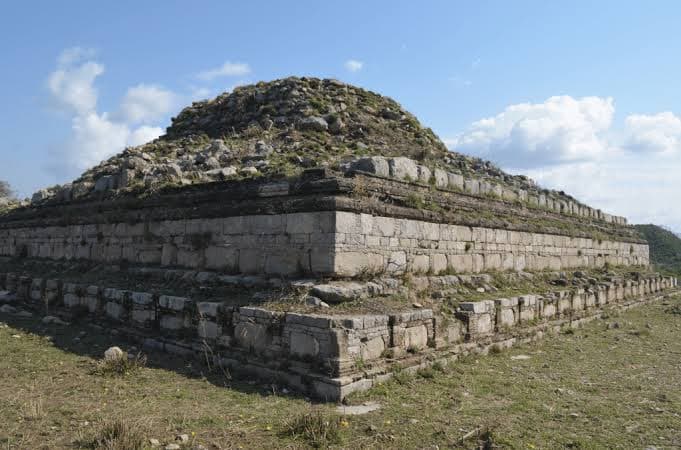
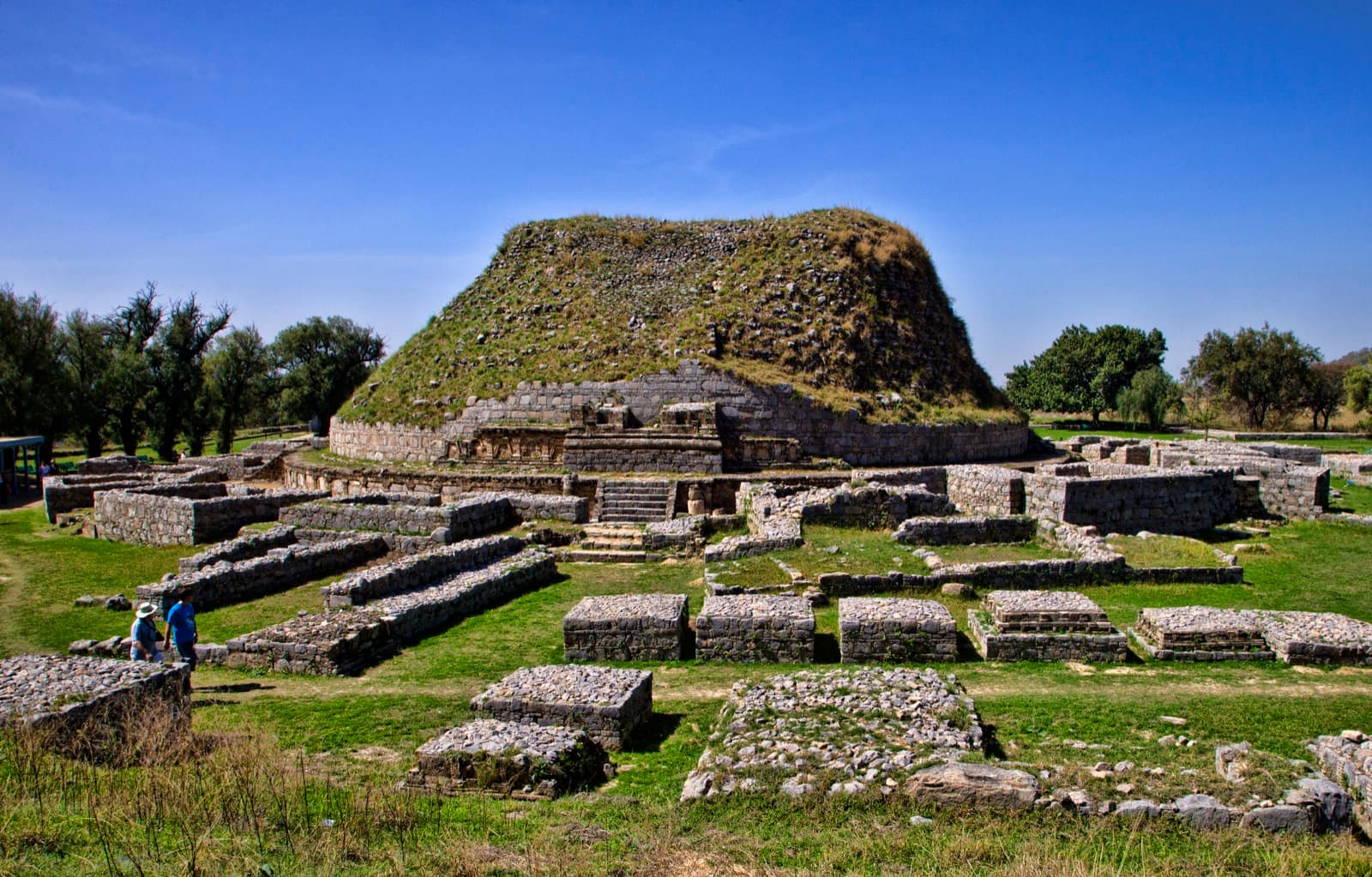
The Taxila Museum is open to the public and displays over 7,000 artifacts from the Gandharan Buddhist era. It preserves relics from sites like Dharmarajika and Sirkap with ongoing conservation support. The museum operates under the Federal Department of Archaeology & Museums (DOAM).
Planning tip
Best Time to Visit, Year-round; confirm local conditions and any festival dates before travel.
Getting there, In or near Taxila, Punjab; confirm current local access before visiting.
Straight-line distance from Taxila Museum, within 30 km.