
Loading…
Field guides / Punjab / Bhir Mound Stupa
Field guide · Heritage
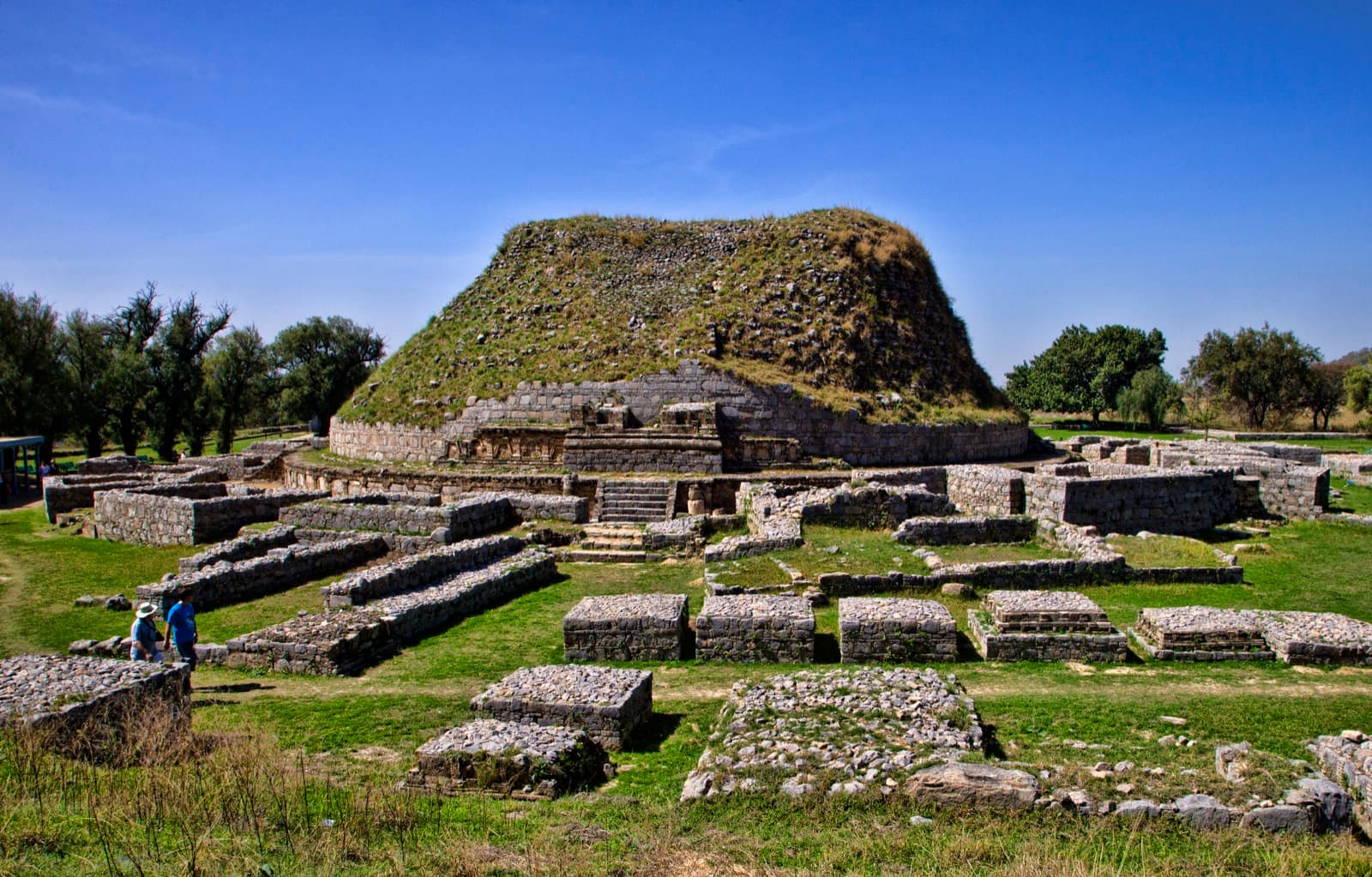
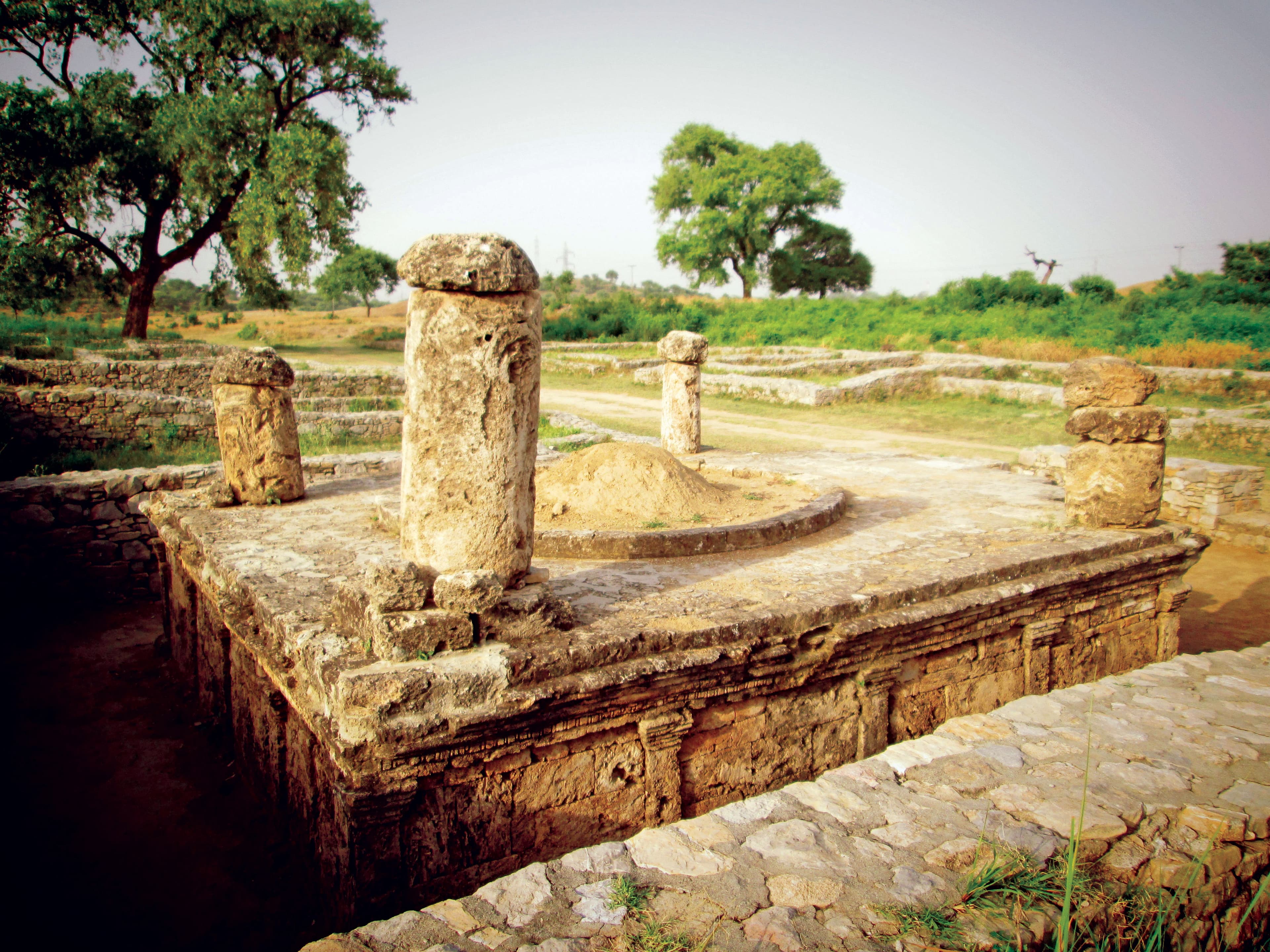
The Bhir Mound is an important archaeological site in Taxila, Punjab, Pakistan, containing some of the earliest ruins of the ancient city, dating back to 800–525 BC.
It represents the second stage of Taxila's development, covering the pre-Achaemenid to the early Hellenistic period. The site was excavated from 1913–1925 by Sir John Marshall, with later work by Sir Mortimer Wheeler and others. Marshall initially believed the city was founded by Darius I during the Achaemenid period, but this theory has been questioned due to his pro-western bias and lack of detailed stratigraphic recording. Excavations revealed Red Burnished Ware and other artifacts, providing key insights into Taxila's early urbanization. The site, part of the UNESCO World Heritage-listed Taxila ruins, offers valuable historical context, particularly through later excavations by scholars like Mohammad Sharif.
Why go
The Bhir Mound in Taxila is one of the earliest urban settlements in South Asia, dating back to the 6th century BCE. It is under the management of the Department of Archaeology and Museums, with preservation efforts ongoing. Excavated remains include residential structures and city planning features, not a stupa.
Planning tip
Best Time to Visit, Year-round; confirm local conditions and any festival dates before travel.
Getting there, In or near Taxila, Punjab; confirm current local access before visiting.
Straight-line distance from Bhir Mound Stupa, within 30 km.