
Field guides / Punjab / Qutbuddin Aibak Tomb
Field guide · Heritage
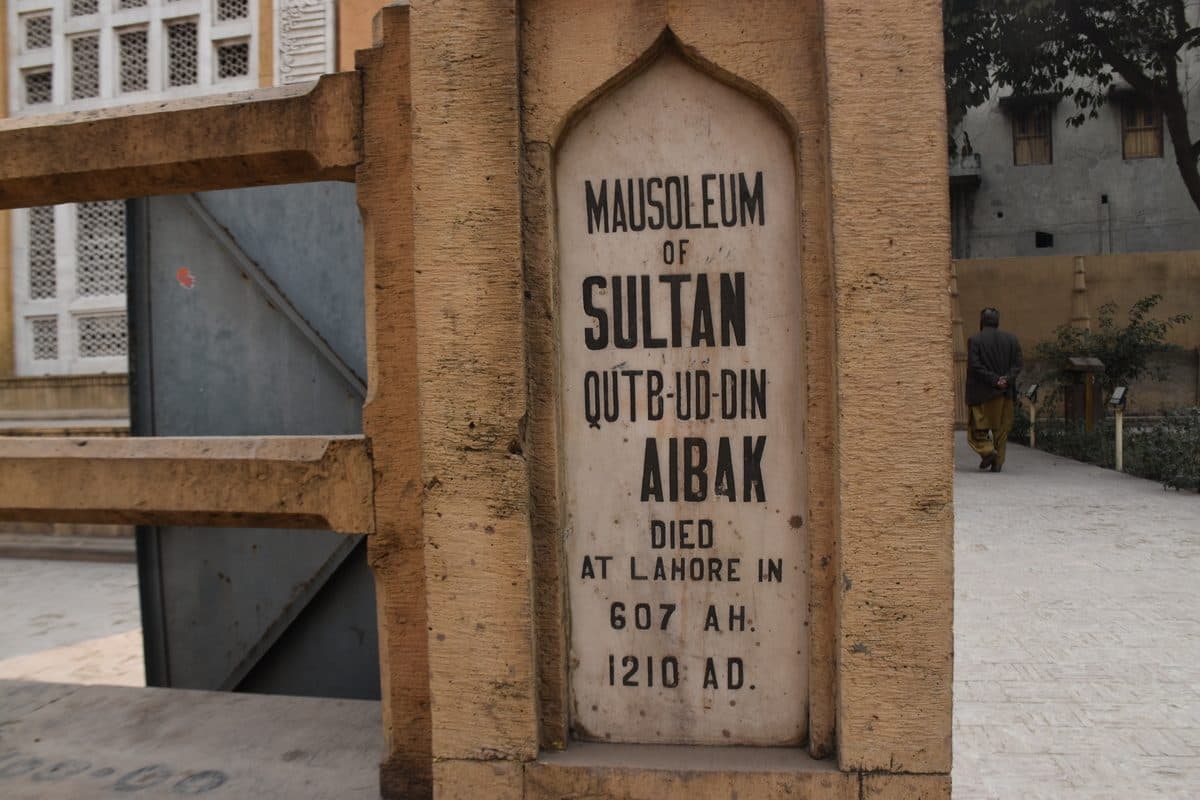
Qutbuddin Aibak Tomb
It is controversial whether the tomb was erected on his grave or not because in Tabqat-e-Akbari the word Qabr is mentioned and not the Mauza.
However, in Tabqat-e-Chishti, it is mentioned that there was a marble tomb which was pulled down by Ranjit Singh. Previous trial trenches made at the site showed no indication of any structure over there.
Why go
- ✦Burial place of the first Sultan of Delhi
- ✦Sources disagree on whether a tomb ever stood here
- ✦Trial trenches found no evidence of an earlier structure
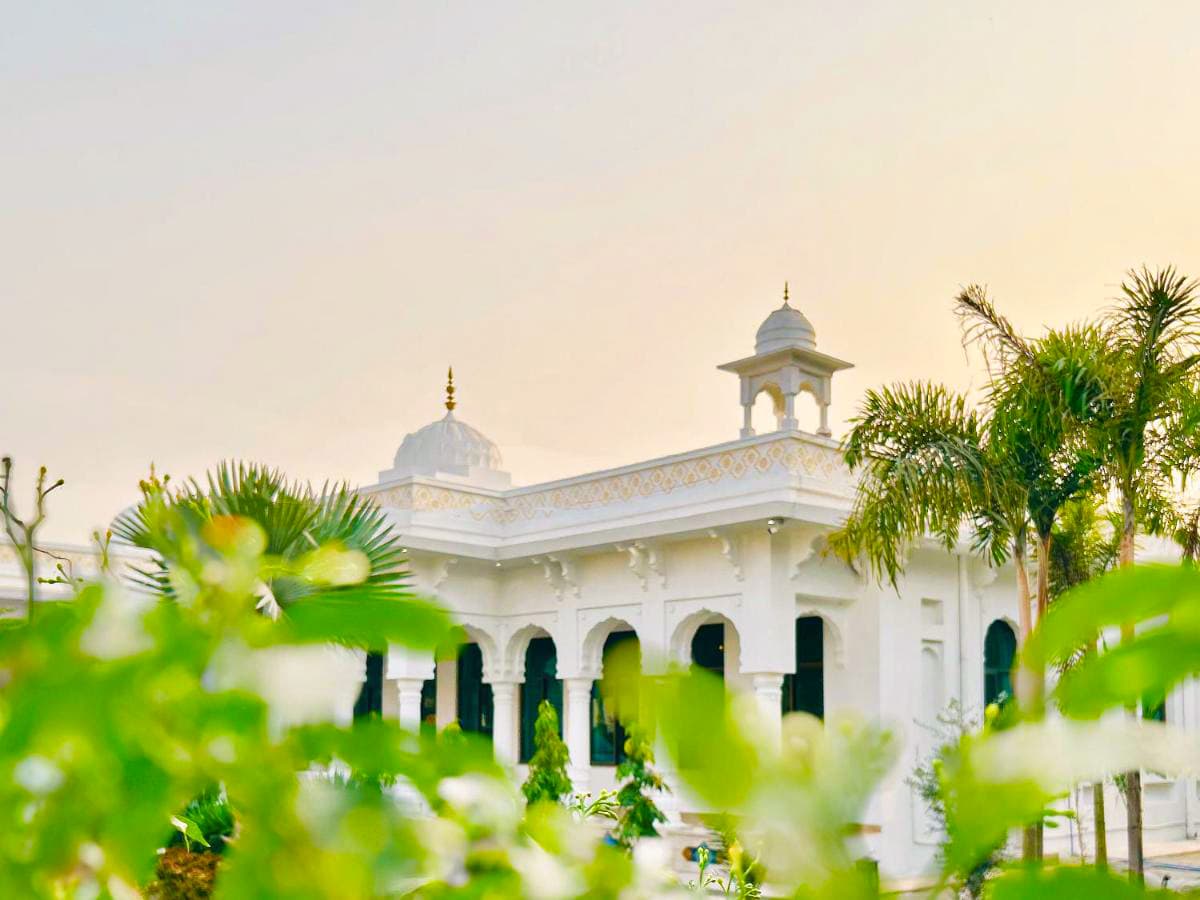
- ✦The present building is a modern reconstruction
History
He was buried near what is now Anarkali bazaar, on ground that was then open and used for chaugan — very likely the field on which he died. British-period accounts record a marble tomb here that was pulled down during Ranjit Singh's rule; the area was walled for protection under the British. The building standing today was raised in the 1970s by the Department of Archaeology and Museums, in an attempted reconstruction of Sultanate-period architecture.
Historical Significance
The grave of the man who founded the Delhi Sultanate — the beginning of more than six centuries of Muslim rule in northern India — sitting in a Lahore bazaar.
Architecture
Whether a monument was ever raised over the grave is genuinely disputed: Tabqat-e-Akbari records only a grave, while Tabqat-e-Chishti describes a marble tomb later pulled down by Ranjit Singh. Trial trenches on the site have turned up no indication of any structure.
Why Visit
For the history, not the fabric. Almost nothing here is original, and that is itself the point: the founder of the Delhi Sultanate has one of the least imposing tombs of any ruler of his rank.
Interesting Facts
- He died in 1210 after falling from his horse during a game of chaugan — an early form of polo
- He was buried on what was then an open playing field, probably where the accident happened
- He ruled for just four years and rose to the throne from slavery
- The present structure is a 1970s reconstruction, not a medieval building
Planning tip
Best Time to Visit, October to March. Lahore's summer is fierce and the Walled City offers little shade; December and January can be heavily smog-bound.
Getting there, All within Lahore. The Walled City monuments — the gates, Mariam Zamani, Wazir Khan's Baradari and Hammam — sit close enough to walk between; Shahdara, Baghbanpura and Mughalpura are a short drive out.
Allow, Thirty minutes to an hour at each; a full day for the Walled City circuit.
What to Do
Make Qutbuddin Aibak Tomb Part of a Trip
GreenPak resorts within reach, and the journeys that travel this region.
Nearby
Straight-line distance from Qutbuddin Aibak Tomb, within 30 km.