
Field guides / Punjab / Mariam Zamani Mosque
Field guide · Heritage
Mariam Zamani Mosque
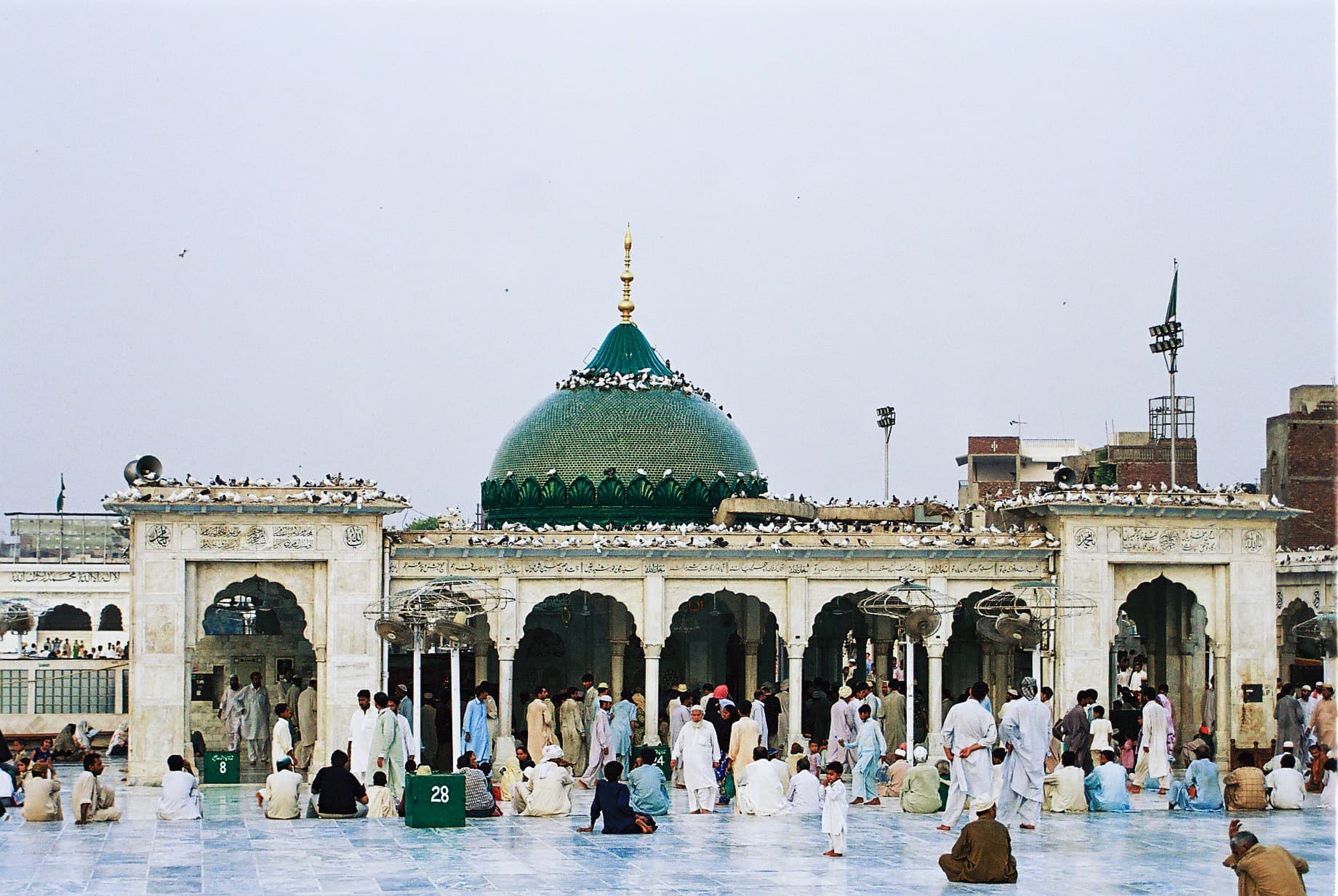
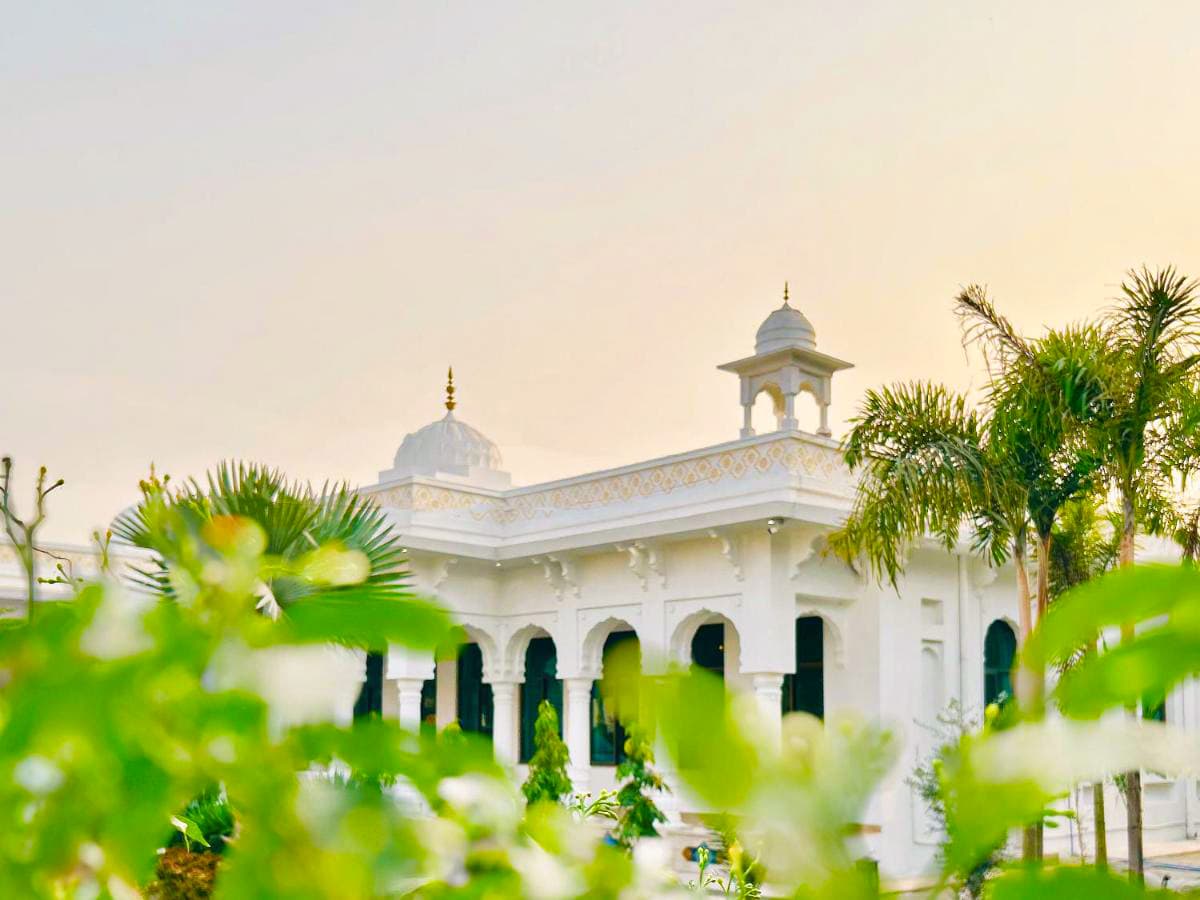
It is a simple but massive structure of moderate size of a style transitional between Pathan and Mughal.
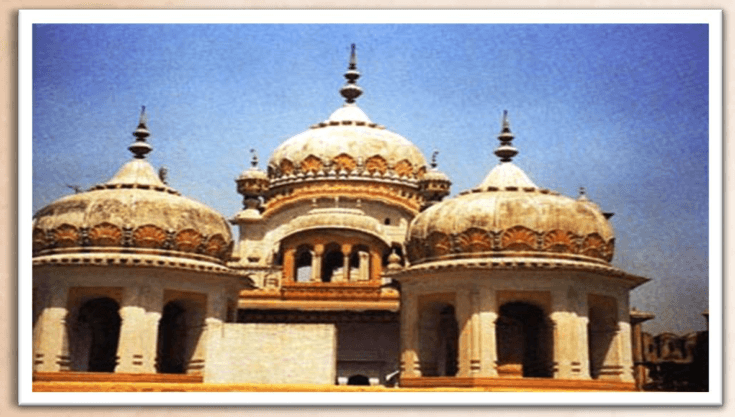
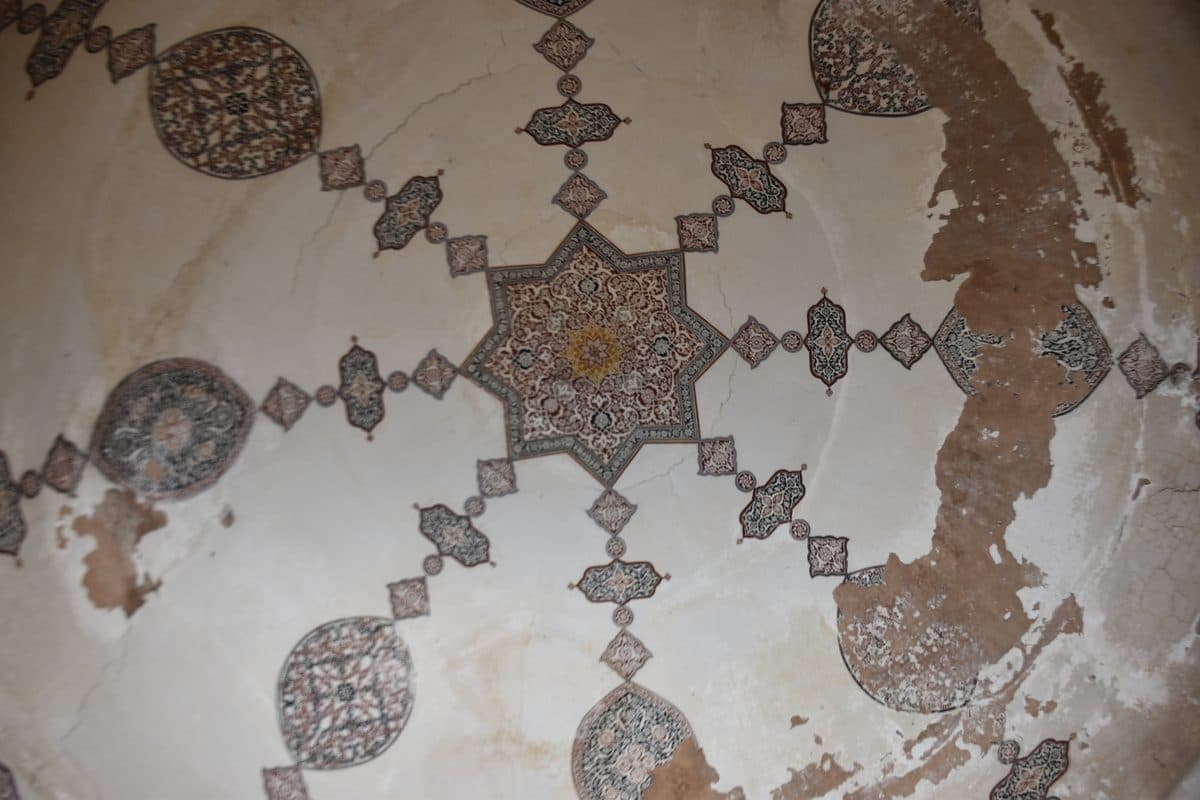
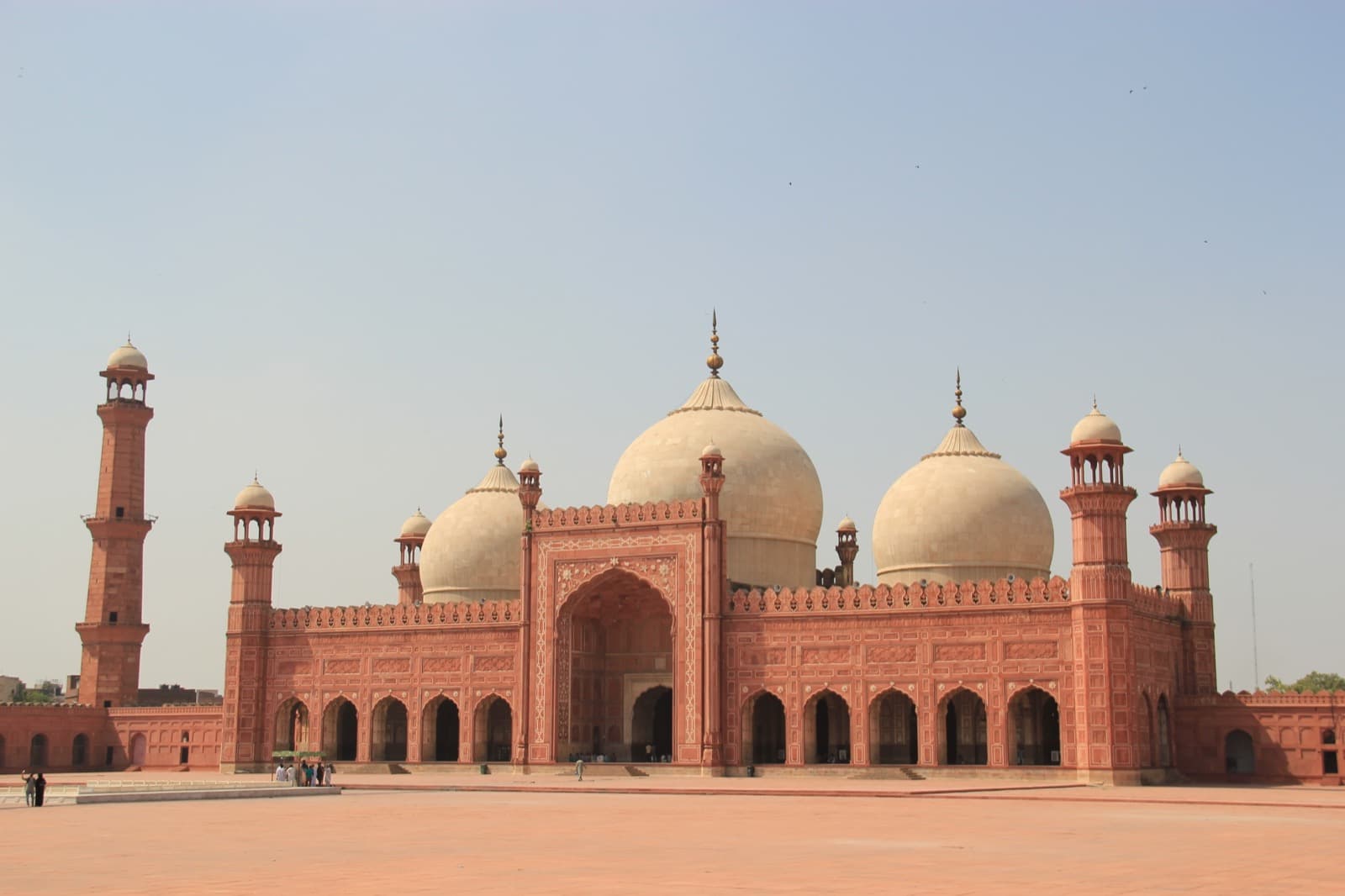
The prayer chamber measuring about 40 m long and 10.3 m deep, divided into five compartments by means of thick arches supported on massive jambs. It bears five domes; the central being larger and higher and is placed on a very high neck. The interior of the central dome is decorated with Ghalib Kari pattern and honey combed squinches and the rest four with inconspicuous pendentives. On the roof, the four corners of the prayer chamber have unusual low square arched towers or pavilions surmounted by small cupolas on octagonal drums.
Why go
- ✦A transitional style between Pathan and Mughal
- ✦Prayer chamber some 40 metres long and 10.3 deep
- ✦Five domes, the central one raised on a very high neck
- ✦Ghalib Kari patterning and honeycombed squinches inside the main dome
- ✦Low arched pavilions and cupolas at the roof corners
History
Mariam-uz-Zamani was a Rajput princess of Amber who married Akbar and became the mother of his successor. Her son's mosque, built for her in the Walled City, is transitional in style between the Pathan manner and the fully developed Mughal one. Under Ranjit Singh it was seized and turned into a gunpowder factory, earning it the name Barudkhana Wali Masjid — the gunpowder mosque. It was returned to the Muslims of Lahore in 1850.
Historical Significance
The oldest Mughal mosque in Lahore, and a direct model for the later Wazir Khan Mosque. Its interior fresco and Ghalib Kari work set the pattern for Mughal Lahore.
Architecture
The prayer chamber runs about 40 metres long and 10.3 deep, divided into five compartments by thick arches on massive jambs, and carries five domes — the central one larger and higher, set on a very high neck. Its interior is decorated with Ghalib Kari patterning and honeycombed squinches, while the other four rest on much plainer pendentives. Above, the four corners of the prayer chamber carry unusual low square arched towers topped with small cupolas on octagonal drums.
Why Visit
The first Mughal mosque built in Lahore, raised by an emperor for his Hindu-born mother, and later used to make gunpowder.
Interesting Facts
- Built by Jahangir for his mother, not by her
- Mariam-uz-Zamani was a Rajput princess of Amber, often called Jodha Bai
- Ranjit Singh turned it into a gunpowder factory — it was known as Barudkhana Wali Masjid
- It was handed back to Lahore's Muslims in 1850
Planning tip
Best Time to Visit, October to March. Lahore's summer is fierce and the Walled City offers little shade; December and January can be heavily smog-bound.
Getting there, All within Lahore. The Walled City monuments — the gates, Mariam Zamani, Wazir Khan's Baradari and Hammam — sit close enough to walk between; Shahdara, Baghbanpura and Mughalpura are a short drive out.
Allow, Thirty minutes to an hour at each; a full day for the Walled City circuit.
What to Do
Make Mariam Zamani Mosque Part of a Trip
GreenPak resorts within reach, and the journeys that travel this region.
Nearby
Straight-line distance from Mariam Zamani Mosque, within 30 km.