
Field guides / Punjab / Rawat Fort
Field guide · Heritage
Rawat Fort
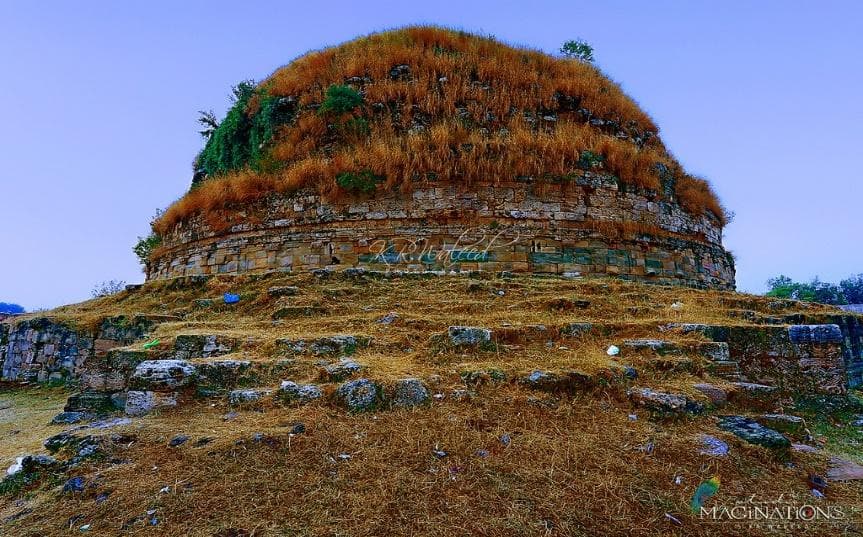
Rawat, a corruption of an Arabic word Rebat meaning Sarai seems originally to be an ancient Sarai situated about 18 km from Rawalpindi towards Jhelum close to the G.T.
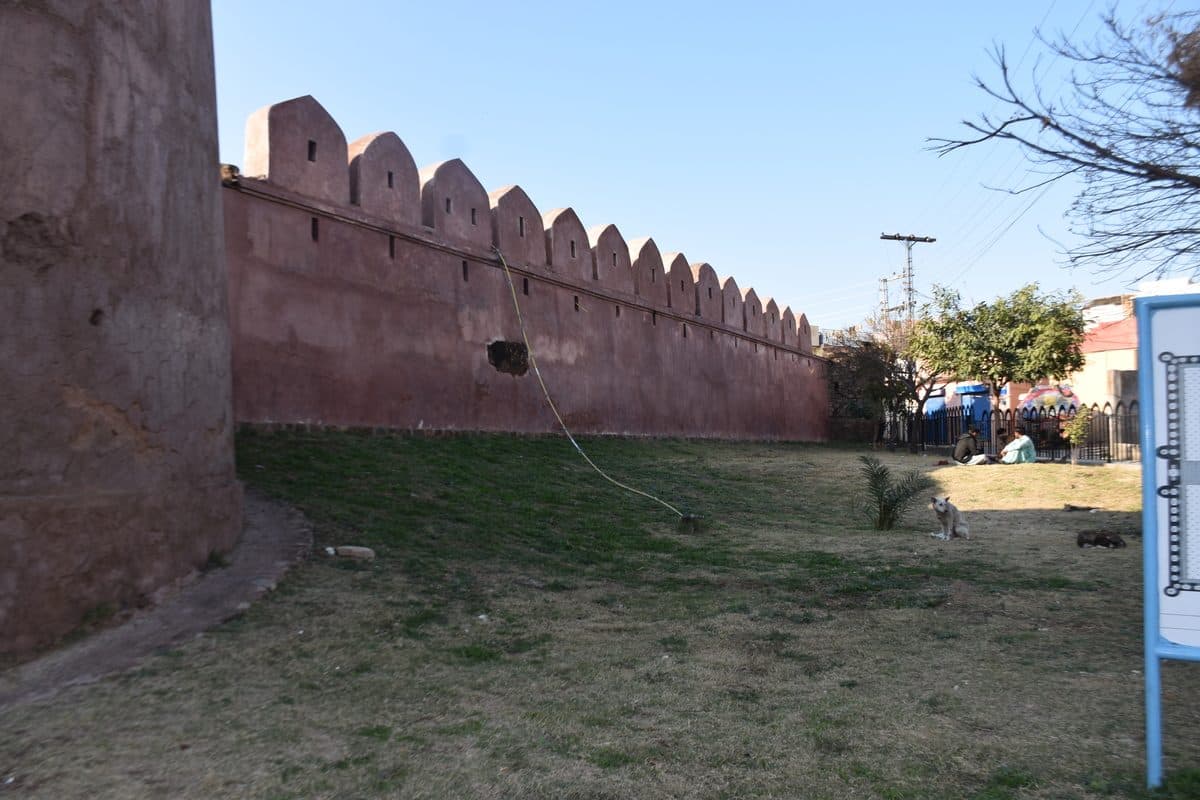
Road. The present small fortress-Sarai appears to have been built during the Sultanate period in early 15th Century CE. The fort in its present condition contains two gateways on north and east, a three domes mosque in the middle of the western wing, an octagonal single dome mausoleum on the north-western corner, partly obstructing the frontage of the mosque and numerous scattered graves inside. There are regular rows of identical living cells along the four sides of the quadrangular inner face of the defense walls overlooking the inner courtyard.
Why go
- ✦The name comes from rebat, Arabic for a sarai
- ✦Rows of identical living cells lining all four inner walls
- ✦A three-domed mosque set in the western wing
- ✦An octagonal domed mausoleum crowding the mosque's frontage
- ✦Scattered graves across the courtyard
History
Sultan Sarang Khan Gakhar was made ruler of the Potohar plateau by Babur in 1520. In 1546 he faced Sher Shah Suri's Afghan forces at Rawat, was captured and tortured at the fort, and was buried there. Sixteen of his sons died fighting alongside him and are buried inside the walls with him. His octagonal tomb stands beside the mosque, 58 feet across, with four deep pishtaq entrances.
Historical Significance
The Gakhars were the Mughals' most consistent allies in the Potohar and Sher Shah's most persistent enemies. Rawat is where that conflict came to a head, and it is the only place where the whole of it — sarai, mosque, tomb, graves — survives in one enclosure.
Architecture
Rawat is a corruption of the Arabic rebat, meaning sarai, and the place seems to have begun as exactly that — a halting place on the road, about 18 km from Rawalpindi towards Jhelum and close to the Grand Trunk Road. The small fortress-sarai standing today appears to have been built in the Sultanate period, in the early fifteenth century. It has two gateways, on the north and east, a three-domed mosque in the middle of the western wing, and an octagonal single-domed mausoleum at the north-western corner that partly blocks the mosque's frontage. Graves lie scattered through the interior, and regular rows of identical living cells run along all four sides of the inner face of the defence walls, opening onto the courtyard.
Why Visit
A chief and sixteen of his sons buried in the fort they died defending. The living cells around the courtyard show it was an inn before it was a battlefield.
Interesting Facts
- 'Rawat' comes from the Arabic rabat, meaning caravanserai
- Sultan Sarang Khan was made ruler of the Potohar by Babur in 1520
- He was captured and tortured here by Sher Shah Suri's forces in 1546
- Sixteen of his sons died in the fighting and are buried inside the fort
Planning tip
Best Time to Visit, October to April. Spring is the pick; summer on the Potohar plateau is hot and hazy, and the Soan approach to Pharwala is best avoided after heavy rain.
Getting there, South-east of Islamabad. Rawat sits about 18 km from Rawalpindi towards Jhelum, close to the Grand Trunk Road. Pharwala lies further east towards Kahuta and requires crossing the Soan river — check conditions locally before setting out.
Allow, About an hour at Rawat; a half day for Pharwala including the approach.
What to Do
Make Rawat Fort Part of a Trip
GreenPak resorts within reach, and the journeys that travel this region.
Nearby
Straight-line distance from Rawat Fort, within 30 km.