
Field guides / Punjab / Tope or Stupa (Bhallar)
Field guide · Heritage
Tope or Stupa (Bhallar)
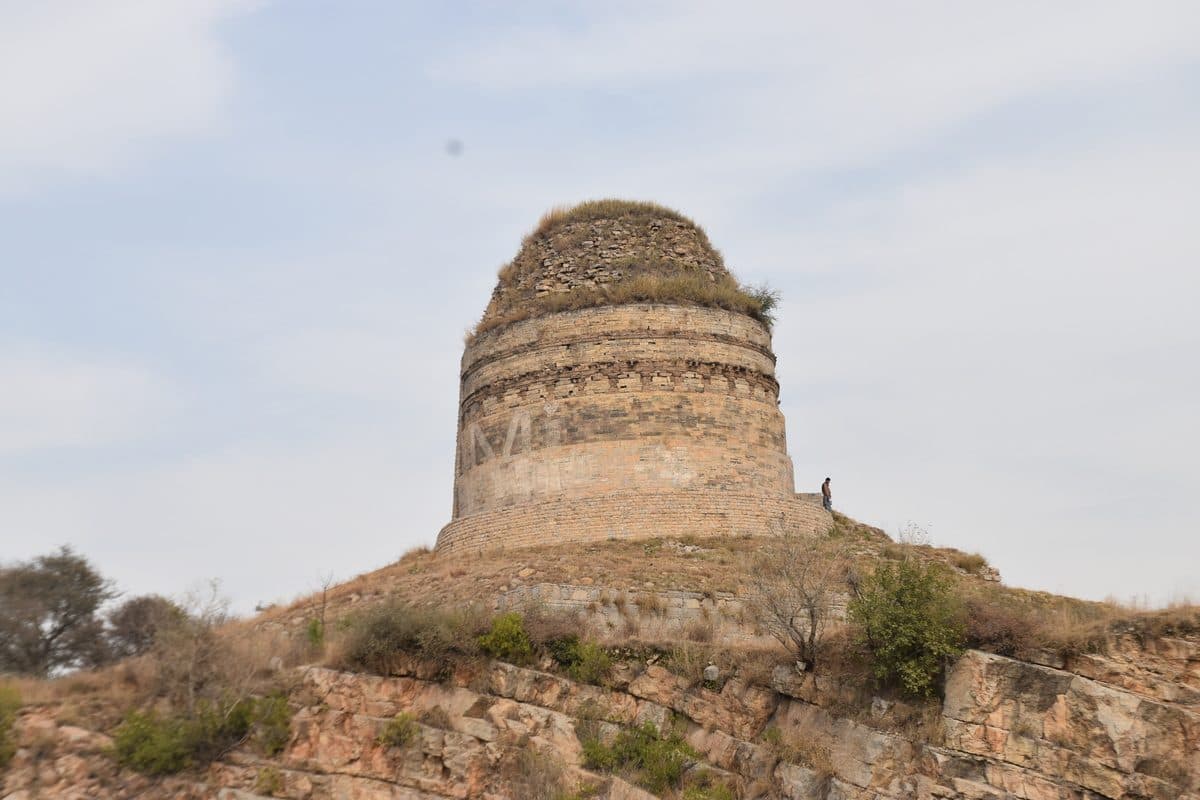
An archaeological site comprised of a stupa (tope), standing at a most commanding position on the last spur of the long range of hills, forming the north boundary of the Haro valley.
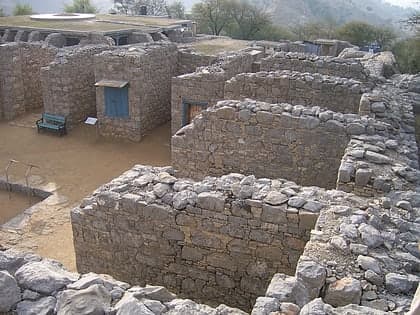
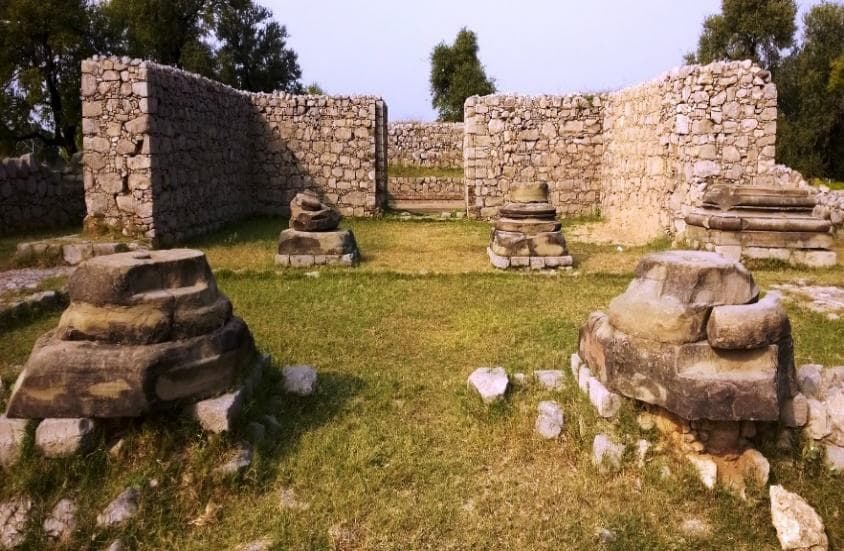
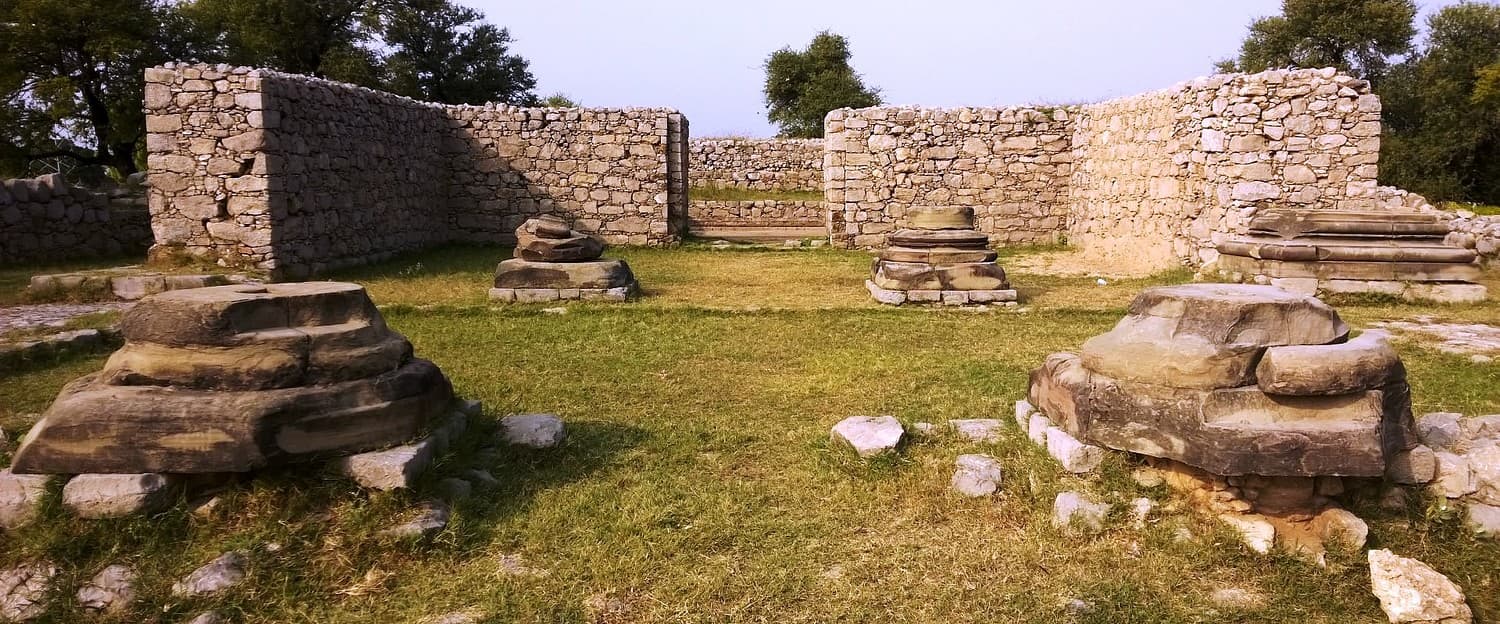
It is 13.1 m in height above the rock on which it stands, but the original height must have been much greater. The remains of two large religious establishments were also discovered in its neighborhood.
Why go
- ✦Commanding position on the last spur of the hills
- ✦Still 13.1 metres high above its rock base, and once far taller
- ✦Overlooks the northern edge of the Haro valley
- ✦Two large religious establishments found nearby
- ✦Part of the Taxila World Heritage landscape
History
It belongs to the Kushan period, the first century CE onward, when Taxila was the intellectual heart of Gandharan Buddhism. Its base carries a frieze of elephants and riders. Both Fa Hien and Xuanzang visited it on their journeys through Gandhara and recorded it as the site of the head-gift — one of the great acts of self-sacrifice in the Jataka literature.
Historical Significance
A stupa named in the accounts of the two most important Chinese pilgrims to visit the subcontinent, and part of the Taxila World Heritage complex inscribed in 1980.
Architecture
It stands 13.1 metres above the rock it is built on, and was originally much taller. The remains of two large religious establishments have been found in its neighbourhood.
Why Visit
The tallest thing left standing at Taxila, on a hill above the Haro, with a story that brought pilgrims here from China.
Interesting Facts
- It is the tallest surviving stupa at Taxila
- Fa Hien and Xuanzang both recorded it as where the Buddha gave away his head
- A frieze of elephants and riders runs around its base
- Taxila has been a UNESCO World Heritage Site since 1980
Planning tip
Best Time to Visit, October to April; spring is the pick. Summer on the Potohar plateau is hot and hazy.
Getting there, Along the Grand Trunk Road south-east and west of Rawalpindi. Bhallar and the Wah gardens sit within reach of the Taxila museum and its excavated cities; Mankiyala lies on the GT Road towards Jhelum.
Allow, An hour at each; a full day for Taxila and its outlying stupas.
What to Do
Make Tope or Stupa (Bhallar) Part of a Trip
GreenPak resorts within reach, and the journeys that travel this region.
Nearby
Straight-line distance from Tope or Stupa (Bhallar), within 30 km.