
Loading…
Field guides / Punjab / Jandial Temple
Field guide · Heritage
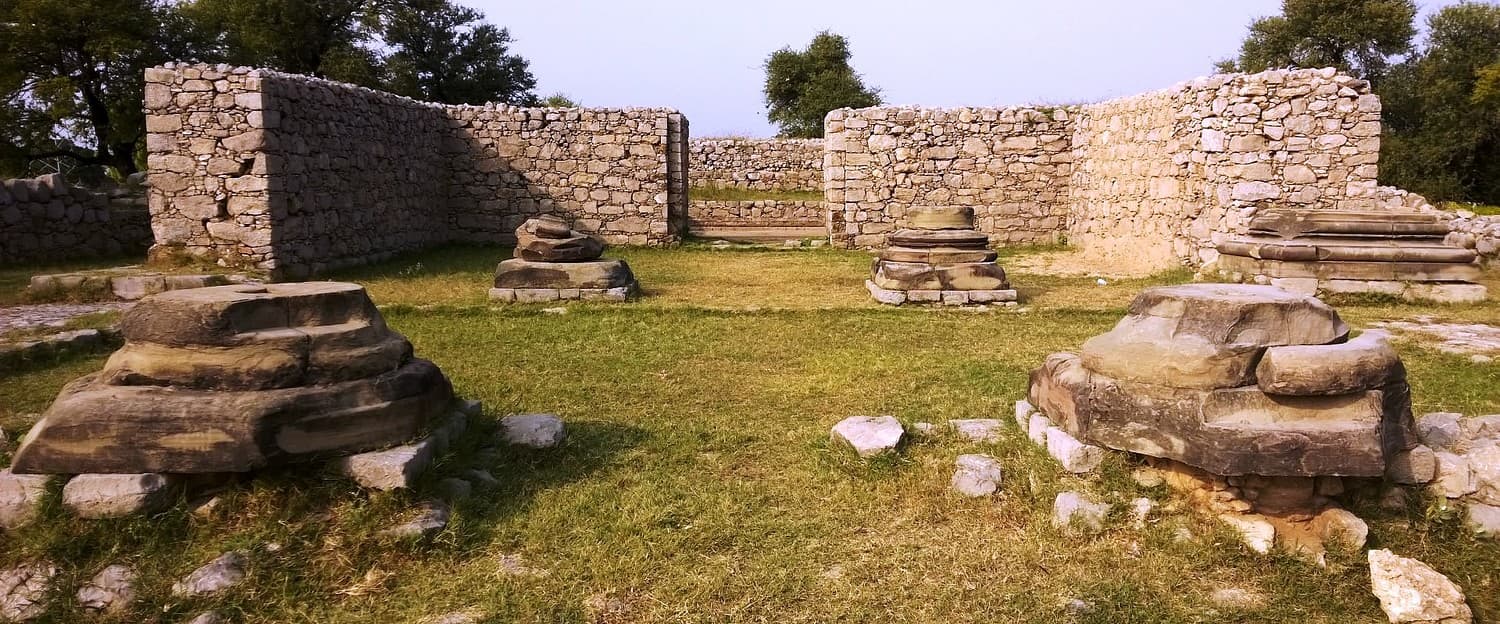
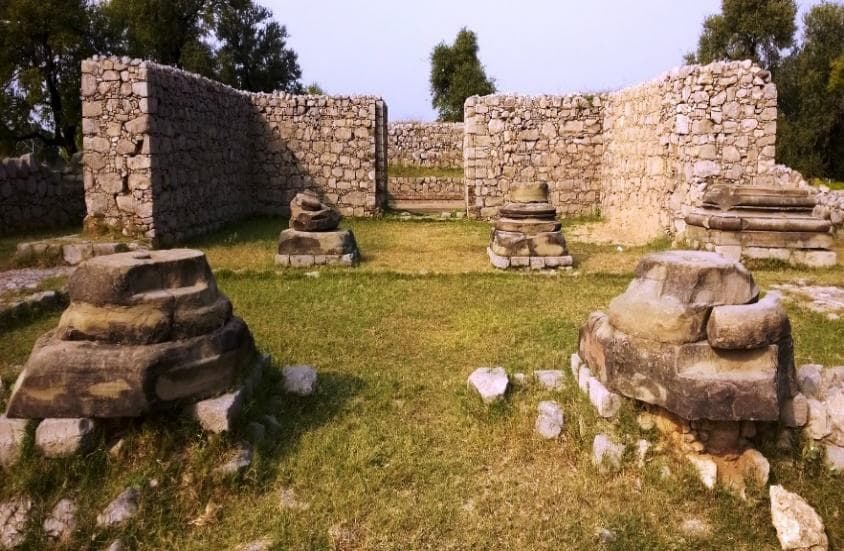
Jandial is an ancient temple located near Taxila in Punjab, Pakistan, renowned for its Ionic columns and Hellenistic architectural style.
Excavated in 1912-1913 by Sir John Marshall, it is considered the most Hellenic structure discovered on Pakistani soil. The temple's design follows that of a Greek temple, featuring a naos, pronaos, and opisthodomos, along with Ionic columns and a possible peripteral layout. Some scholars suggest that it may have supported a Zoroastrian ziggurat, combining Greek and Zoroastrian elements. The temple is believed to have been built in the 2nd century BCE, either under the Indo-Greeks or Indo-Parthians. A coin from the Indo-Scythian ruler Azes I found at the site helps date the structure. The Jandial temple is also thought to have been visited by the philosopher Apollonius of Tyana during his journey through the subcontinent in the 1st century CE.
Why go
The Jandial Temple at Taxila, Punjab, remains open to the public as a protected archaeological site under the management of the Punjab Archaeology Department. Efforts are ongoing to preserve its unique Hellenistic-Gandharan architecture, reflecting its Indo-Greek heritage. As part of the Taxila UNESCO World Heritage complex, it attracts researchers and tourists, though only partial excavation and conservation work have been completed so far.
Planning tip
Best Time to Visit, Year-round; confirm local conditions and any festival dates before travel.
Getting there, In or near Taxila, Punjab; confirm current local access before visiting.
Straight-line distance from Jandial Temple, within 30 km.