
Loading…
Field guides / Punjab / Sirkap City
Field guide · Heritage
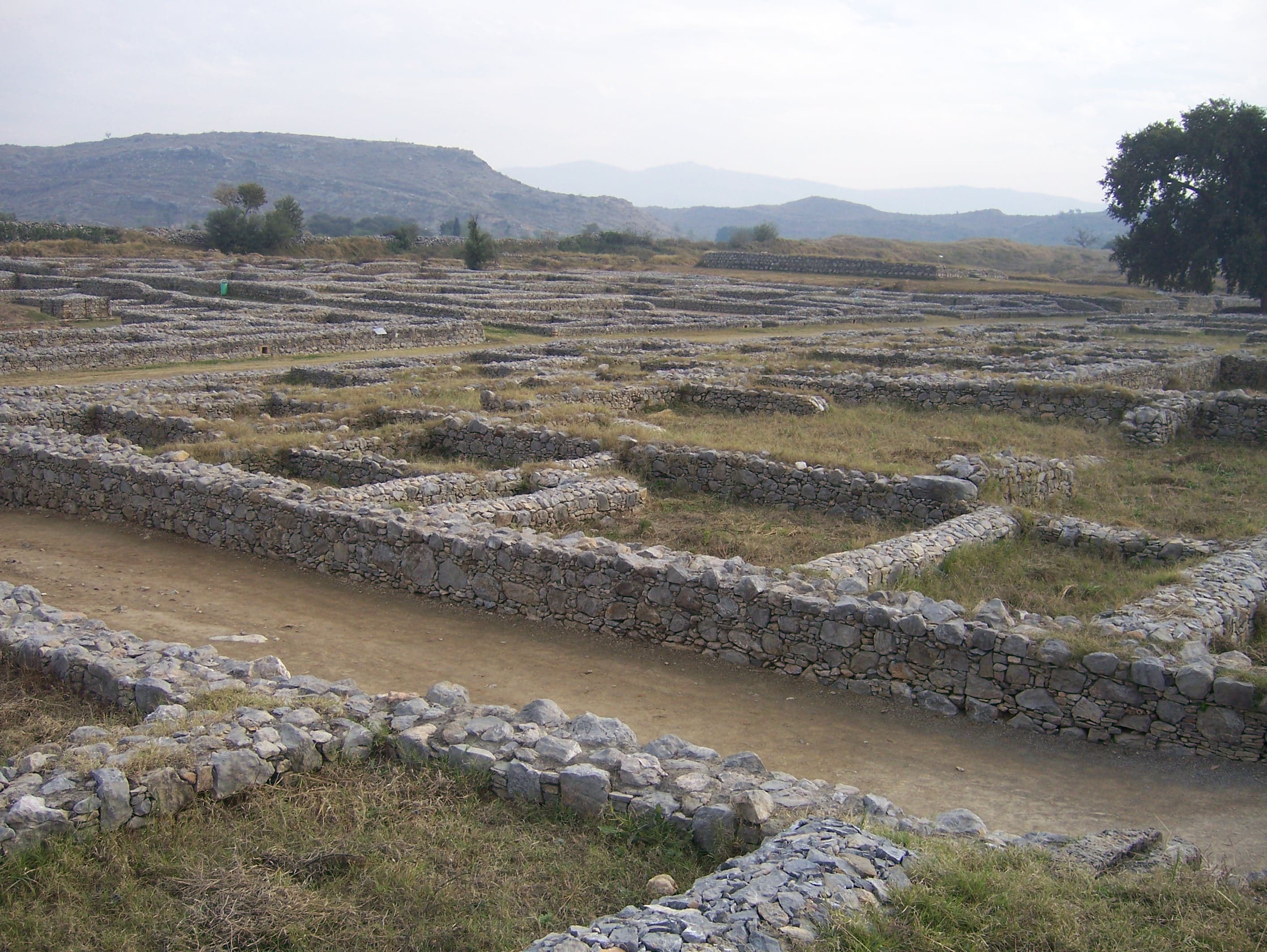
Sirkap, located near Taxila, was founded by the Greco-Bactrian king Demetrius around 180 BC and was later rebuilt by King Menander I.
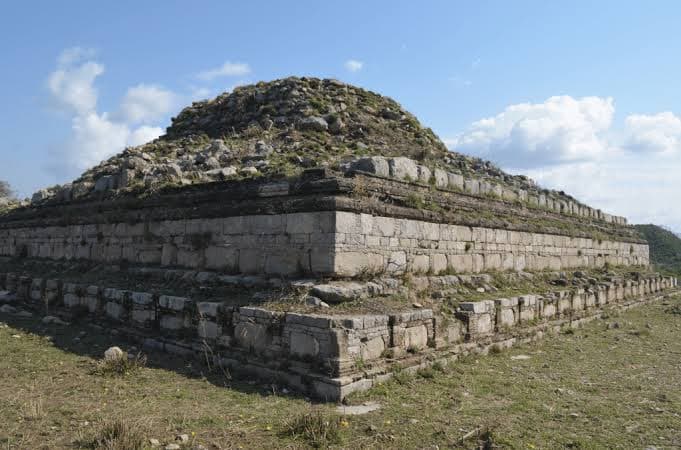
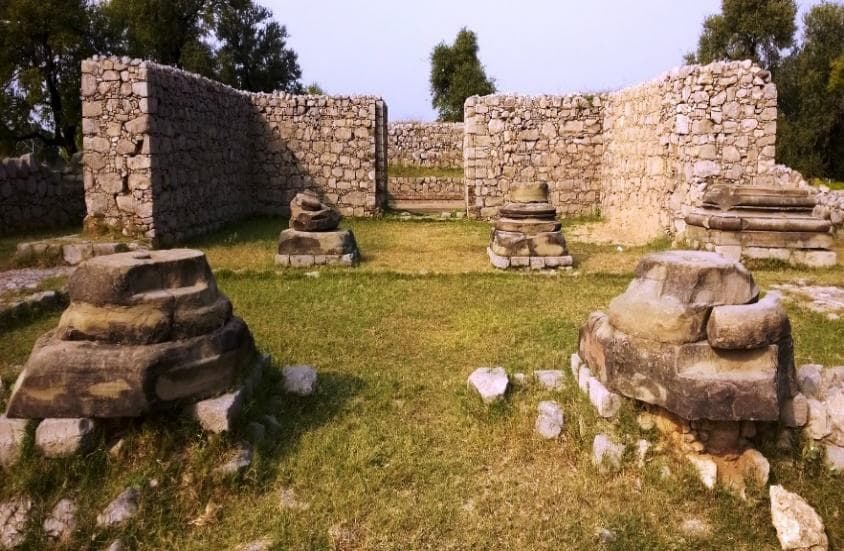
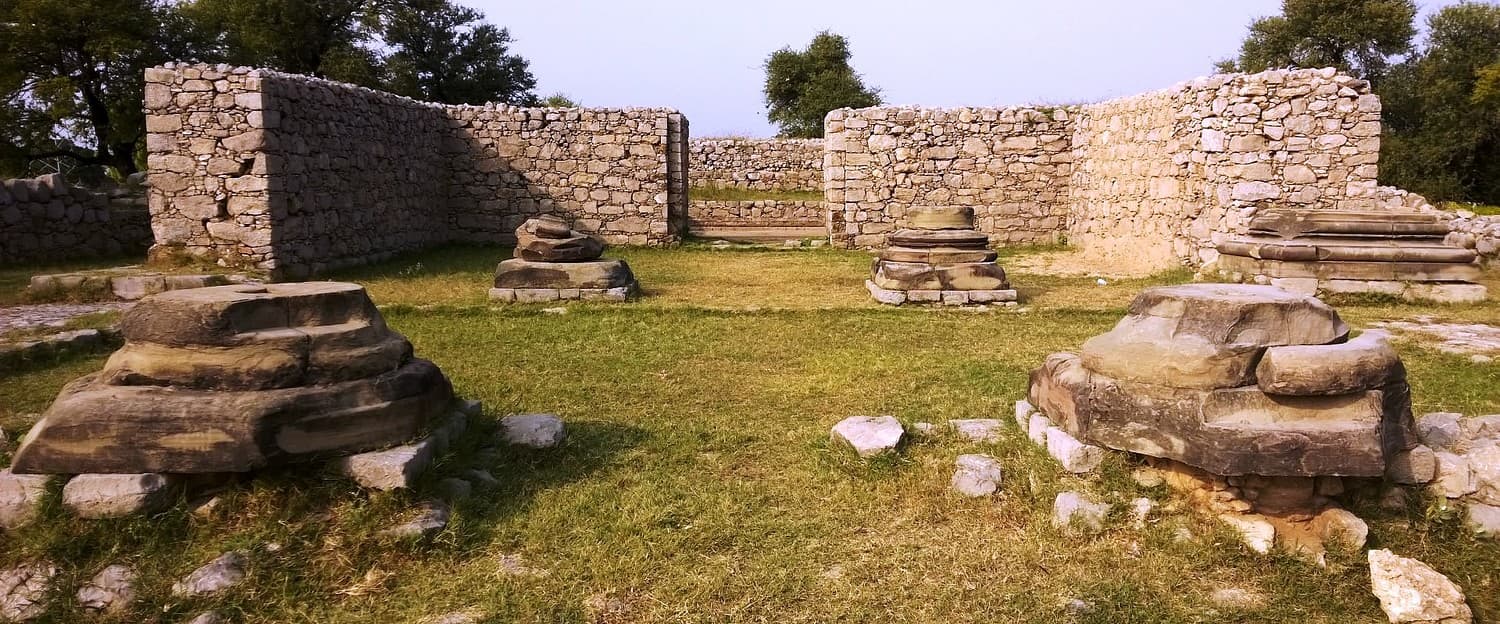
The city was constructed using the Greek "Hippodamian" grid plan, with a main avenue and fifteen perpendicular streets, surrounded by a large defensive wall. Archaeological excavations, mostly from the Indo-Scythian and Indo- Parthian periods (1st-2nd century CE), revealed Hellenistic artifacts, coins, and stone palettes that show a blend of Greek and Indian artistic influences. After its Greek foundation, Sirkap was rebuilt by the Indo-Scythians and Indo-Parthians, including the construction of the double-headed eagle stupa and the temple of the sun god. Following an earthquake in 30 AD, the Kushan kings abandoned Sirkap and established a new city at Sirsukh. Despite limited excavation at deeper Greek levels, Sirkap remains a key archaeological site for understanding ancient urban and cultural developments in Gandhara.
Why go
Sirkap City, located in Taxila, is a well-preserved ancient site built during the Indo-Greek period. It is managed by the Department of Archaeology and Museums, Pakistan. Conservation work continues to protect its Hellenistic city layout, religious structures, and historical significance.
Planning tip
Best Time to Visit, Year-round; confirm local conditions and any festival dates before travel.
Getting there, In or near Taxila, Punjab; confirm current local access before visiting.
Straight-line distance from Sirkap City, within 30 km.