
Loading…
Field guides / Punjab / Gandhara Art Village
Field guide · Heritage
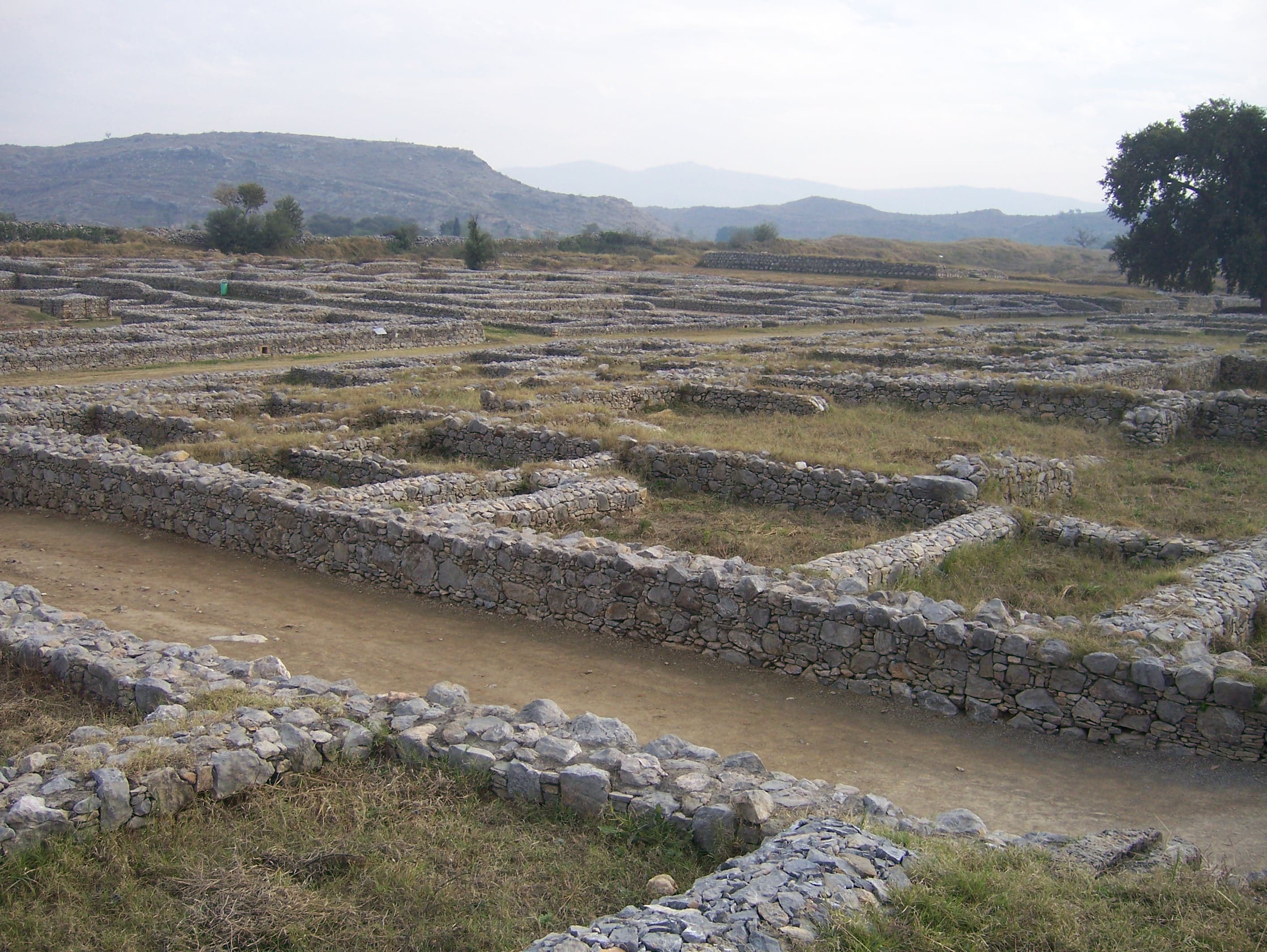
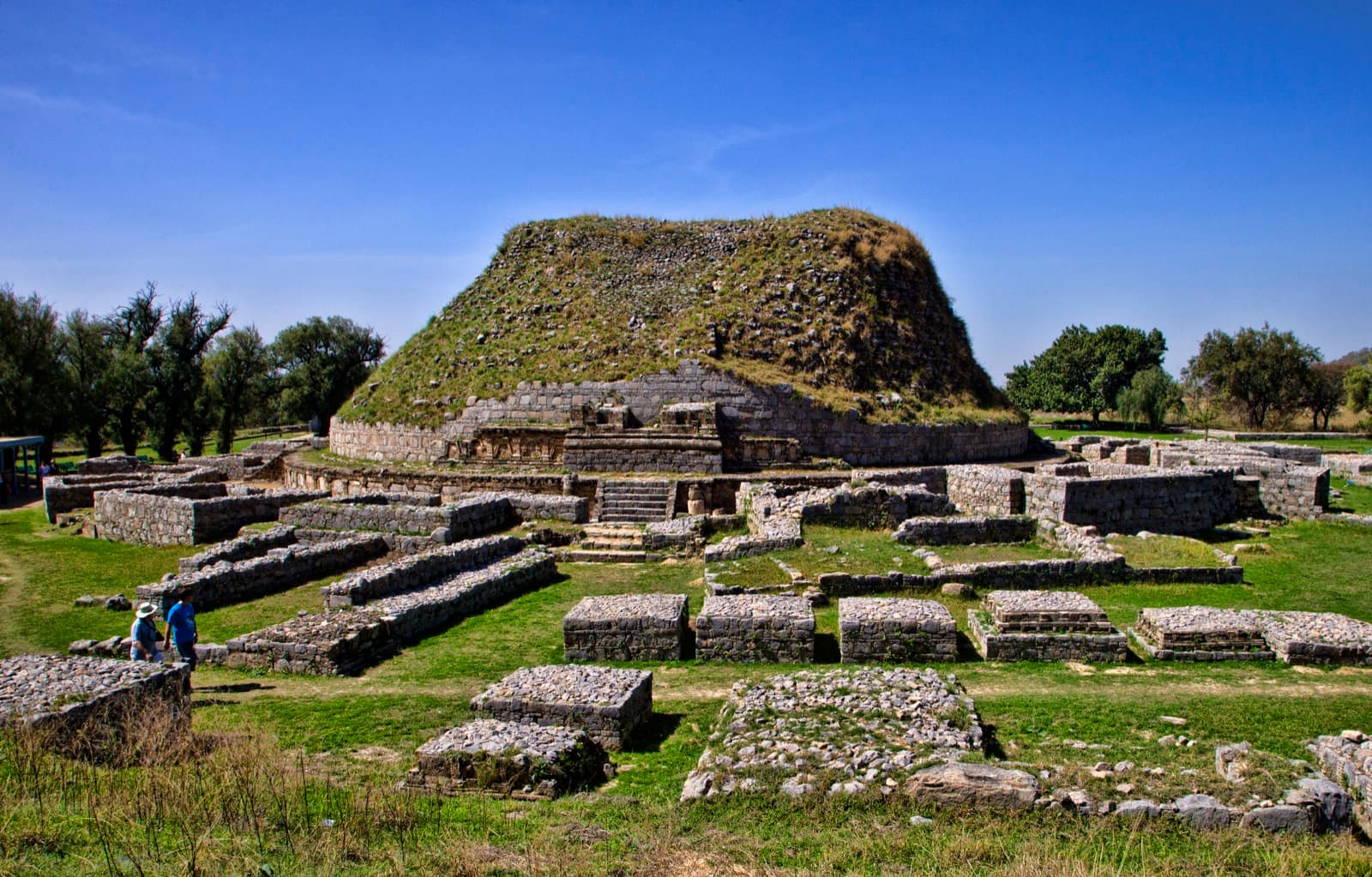
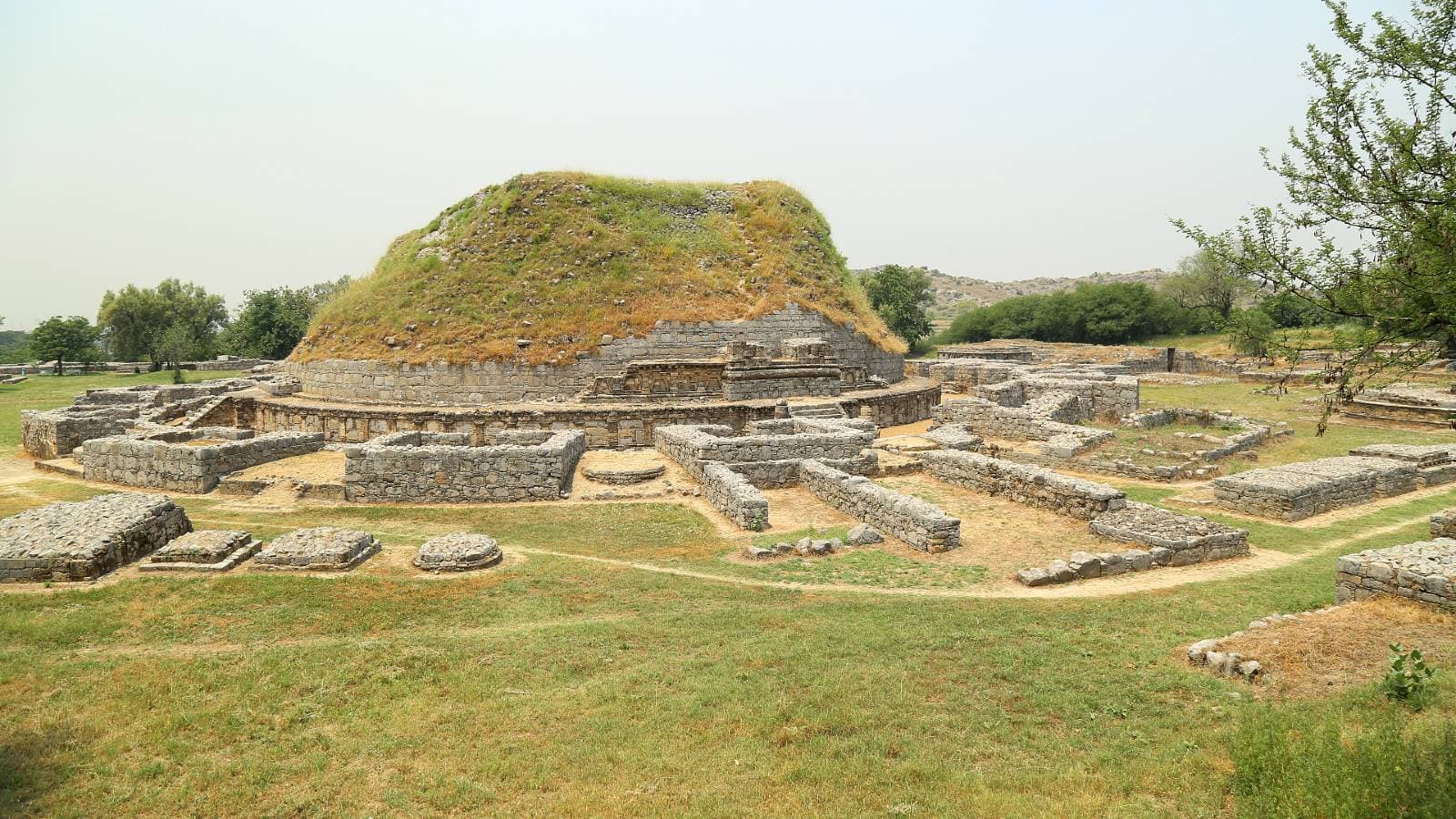
The Gandhara art tradition, which spans over a thousand years, flourished from the 1st century CE during the Saka-Parthian and Kushan periods, peaking under King Kanishka.
This period saw the creation of the first anthropomorphic images of the Buddha, marking a significant development in Buddhist art. Gandharan art is renowned for its depictions of the Buddha's life, including scenes from his birth, enlightenment, and death. It blends influences from Greek, Roman, Central Asian, and Indic traditions, creating a unique hybrid style. Sculptures were made from schist, a detailed carving-friendly stone, and were often painted or gilded. The art’s influence spread to other regions, including Central Asia, China, Korea, and Japan, impacting both Buddhist and Hindu artistic traditions.
Why go
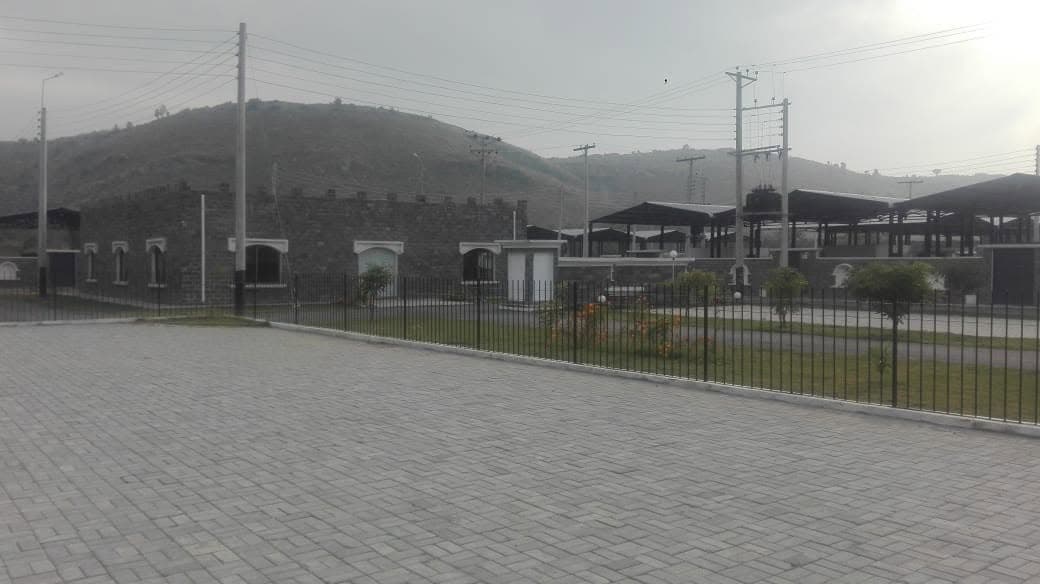
The Gandhara Art Village in Taxila is an active cultural preservation initiative supported by the Khyber Pakhtunkhwa Directorate of Archaeology & Museums, revitalizing Gandhara-era craftsmanship through artisan training and stone-carving workshops. While not an archaeological site, it plays a critical role in safeguarding intangible heritage and promoting sustainable tourism linked to Gandhara's legacy.
Planning tip
Best Time to Visit, Year-round; confirm local conditions and any festival dates before travel.
Getting there, In or near Taxila, Punjab; confirm current local access before visiting.
Straight-line distance from Gandhara Art Village, within 30 km.