
Loading…
Field guides / Khyber Pakhtunkhwa / Buddha Footprint (Buddhapada)
Field guide · Heritage
Over 3,000 Buddha footprints exist worldwide, with some found in Pakistan’s Gandhara region, mainly in Taxila and Swat.
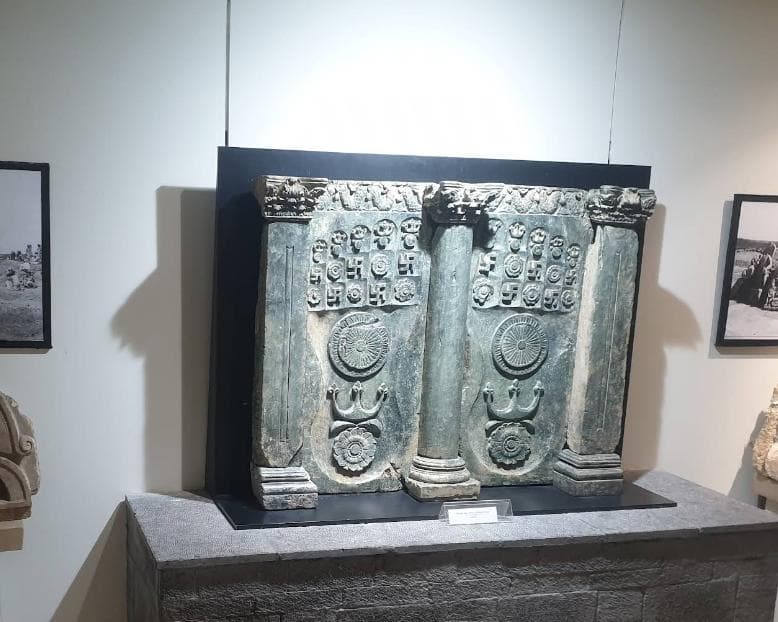
Dating to the 1st–2nd century CE, these stone carvings show symbols like the Dharmachakra and represent Buddha’s presence without depicting his image. Historically, they served as sacred relics (cetiya) for worship and pilgrimage. Their creation marks the early phase of Buddhist art in Gandhara. These footprints symbolize the spread of Buddhism along ancient trade routes. They reflect Pakistan’s role in preserving early Buddhist heritage.
Why go
Gandhara’s 1st–2nd century CE Buddha footprints—bearing sacred Dharmachakra symbols— are scattered across Taxila and Swat, with many left unprotected at original sites while others gather dust in underfunded museums. Urgent digital cataloging and on-site shelters are needed to preserve these ‘living relics’ of early Buddhist devotion.
Planning tip
Best Time to Visit, Year-round; confirm local conditions and any festival dates before travel.
Getting there, In or near Swat, Khyber Pakhtunkhwa; confirm current local access before visiting.
Straight-line distance from Buddha Footprint (Buddhapada), within 30 km.