
Field guides / Khyber Pakhtunkhwa / Butkara I (Swat)
Field guide · Heritage
Butkara I (Swat)
This site is one of the most ancient Buddhist sites in the region, excavated by eminent archaeologists from Italy for many years.
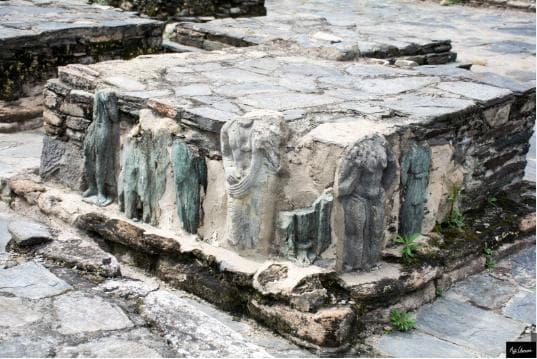
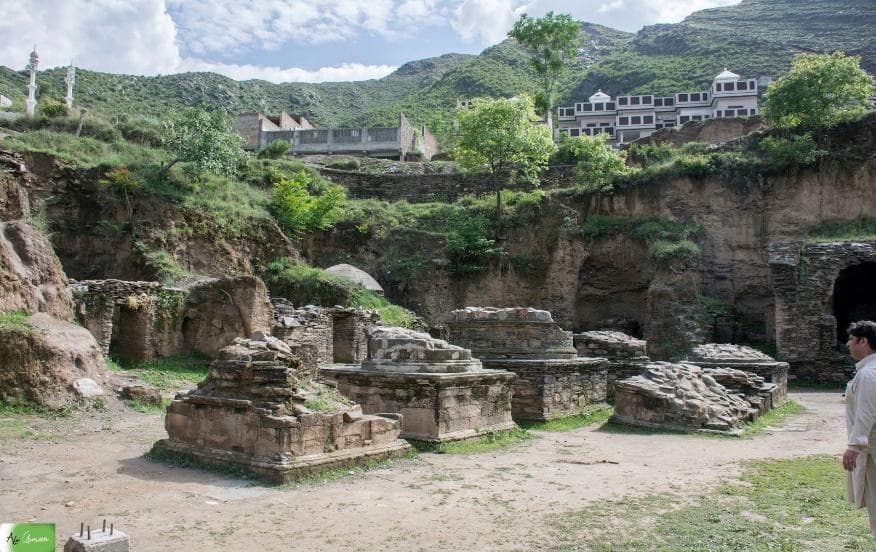
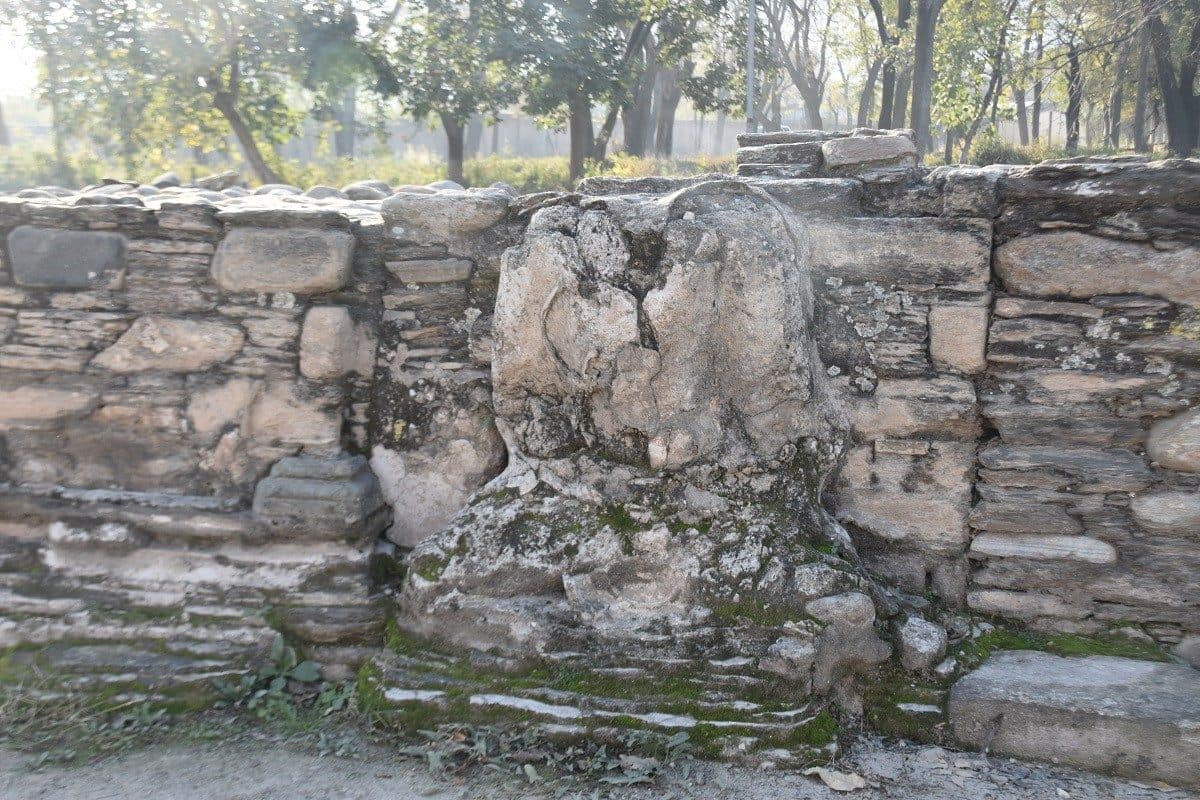
It`s great stupa is standing in the middle surrounded by votive stupas, viharas and columns. The floor is paved with schist slabs. On it`s eastern side, there is a large rectangular water tank. A large number of sculptures were found from this site and now are housed in Swat Museum.
Why go
- ✦One of the most ancient Buddhist sites in the region
- ✦A great stupa ringed by votive stupas, viharas and columns
- ✦Floors paved throughout in schist slabs
- ✦A large rectangular water tank on the eastern side
- ✦Its sculpture now fills the Swat Museum
History
The Italian Archaeological Mission of IsMEO began work in Swat in the 1950s under Domenico Faccenna, starting at Butkara itself, and the excavation ran from 1956. Faccenna's team established that the stupa was monumentalised in the second century BCE by the addition of Hellenistic architectural decoration — direct evidence that the Indo-Greek rulers of the north-west were involved in the creation of Greco-Buddhist architecture. Its floors are paved in schist slabs, and a large rectangular water tank stands on the eastern side.
Historical Significance
Butkara is where the Gandharan sequence was first established stratigraphically, and one of the key sites for understanding how Greek architectural language entered Buddhist building. The sculpture recovered from it fills the Swat Museum.
Architecture
A great many sculptures came out of Butkara, and they are now housed in the Swat Museum.
Why Visit
The clearest Buddhist site plan in Swat: one great stupa ringed by hundreds of small ones, with the museum holding its sculpture a short drive away.
Interesting Facts
- 227 minor monuments surround the Great Stupa
- The stupa was rebuilt in four major phases across several centuries
- Hellenistic decoration added in the 2nd century BCE points to Indo-Greek involvement
- Italian archaeologists under Domenico Faccenna have worked here since 1956
Planning tip
Best Time to Visit, March to November. Spring and autumn are the pick; upper Swat holds snow through winter, though Mingora and the valley floor stay open.
Getting there, Swat valley, reached via the Swat Expressway from Mardan — around four hours from Islamabad. Butkara sits on the edge of Mingora; Nimogram and Shina Shah are further out on valley roads.
Allow, An hour to ninety minutes at each; a full day to link them with the Swat Museum.
What to Do
Make Butkara I (Swat) Part of a Trip
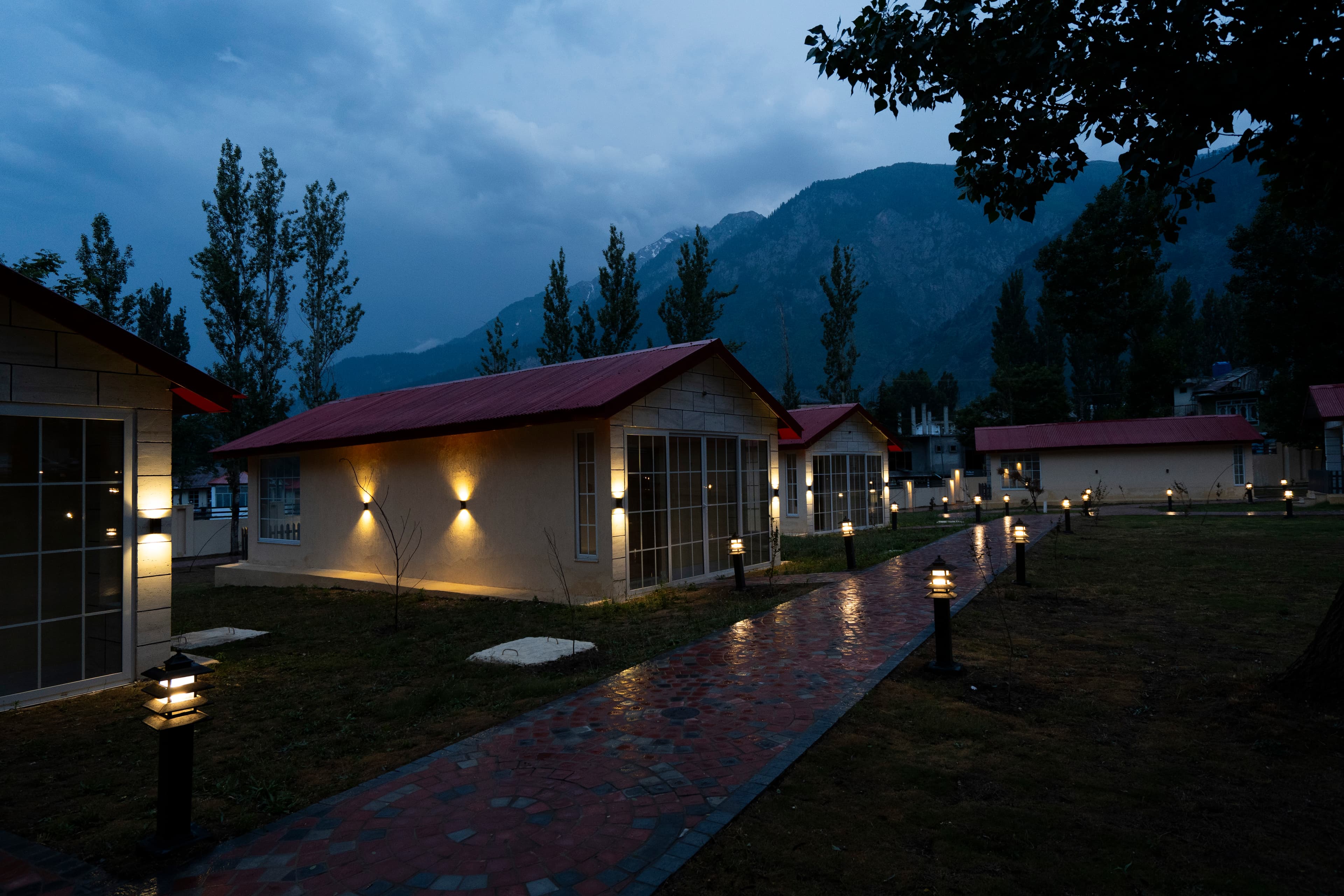
GreenPak resorts within reach, and the journeys that travel this region.

Nearby
Straight-line distance from Butkara I (Swat), within 30 km.