
Loading…
Field guides / Gilgit-Baltistan / Chillas Rock Carving
Field guide · Heritage
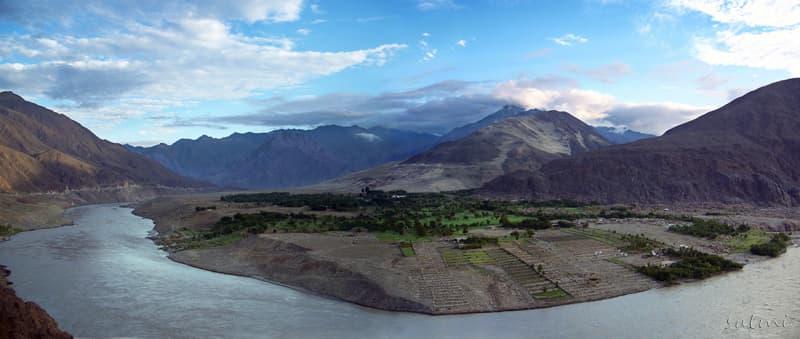
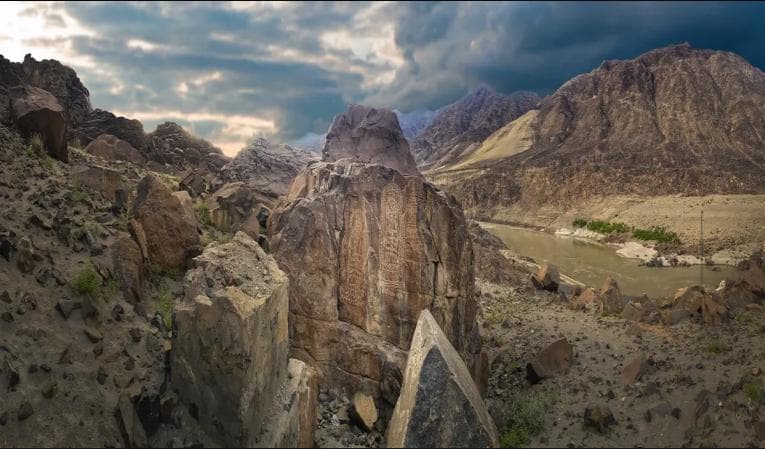
The Chilas rock carvings, located in Diamer District of Gilgit-Baltistan, are among the most significant archaeological treasures in Pakistan.
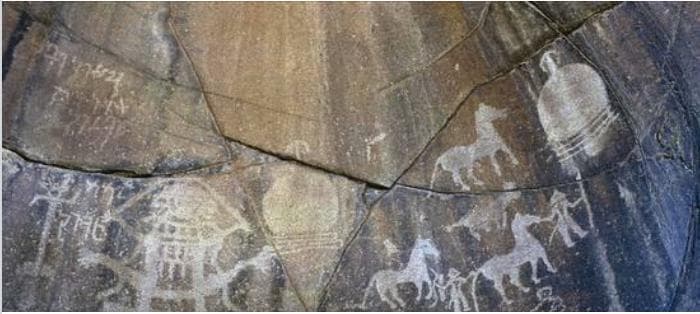
Carved along the banks of the Indus River, these petroglyphs date from the 1st millennium BCE to the 11th century CE. They were created by early travelers, traders, and Buddhist pilgrims journeying along the ancient Silk Route. The carvings include stupas, Bodhisattvas, hunting scenes, and religious symbols, often inscribed in Kharosthi, Brahmi, and Sogdian scripts. These engravings provide vital insights into ancient religious, cultural, and linguistic exchanges in the region. Today, many of these priceless carvings are threatened by the construction of the Diamer-Bhasha Dam. Urgent preservation efforts are needed to document and protect this fragile Buddhist and multicultural heritage.
Why go
The Chilas Rock Carvings face imminent submersion due to the Diamer-Basha Dam construction, endangering thousands of ancient petroglyphs. Currently under nominal oversight by the Gilgit-Baltistan Archaeology Department, no active documentation or relocation efforts are underway. Urgent intervention by federal and provincial authorities is needed to preserve this UNESCO-noted heritage before irreversible loss occurs.
Planning tip
Best Time to Visit, Year-round; confirm local conditions and any festival dates before travel.
Getting there, In or near Skardu, Gilgit-Baltistan; confirm current local access before visiting.
Straight-line distance from Chillas Rock Carving, within 30 km.