
Field guides / Punjab / Multan / Multan Fort (Qila Kohna)
Field guide · Heritage
Multan
Multan District · Punjab, Pakistan
Multan Fort (Qila Kohna)
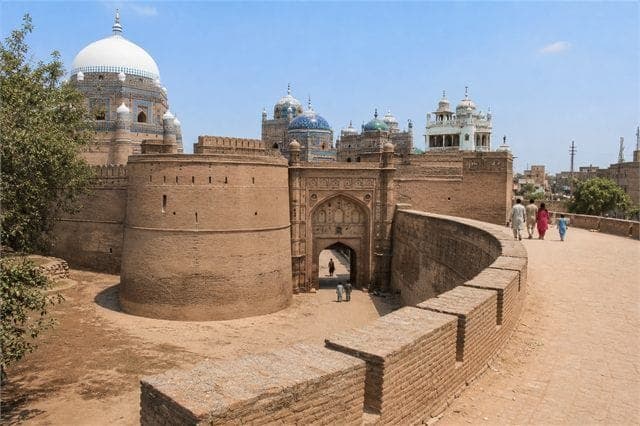
The ancient citadel mound at the heart of Multan, once among the subcontinent's strongest forts before the British largely levelled it in 1848-49, its surviving Qila-e-Kohna mosque and Damdama platform still commanding city views.
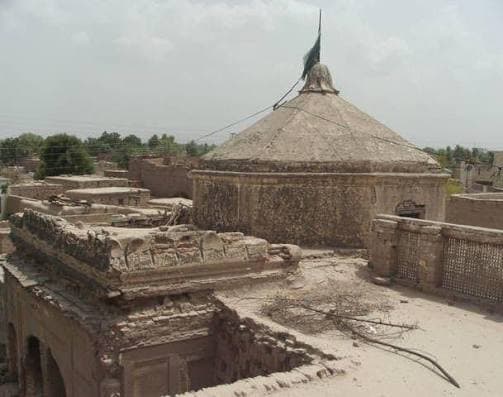
Multan Fort, known locally as Qila Kohna or Qasim Bagh, was once reckoned among the strongest forts in the subcontinent before Anglo-Sikh wars and British demolition in 1848-49 reduced most of its walls to the citadel mound seen today. The surviving Qila-e-Kohna mosque, the Damdama platform, and sweeping views over Multan's old city are what remain of a fortress with a history stretching back over a thousand years.
Why go
- ✦Ancient citadel mound at the heart of Multan
- ✦Largely destroyed by British forces in 1848-49
- ✦Surviving Qila-e-Kohna mosque and Damdama platform
- ✦Panoramic views over Multan's old city
A Fort with a Long History
Fortifications on this mound predate the Mughal and Sikh periods by centuries, making Multan Fort one of the oldest continuously significant defensive sites in the Punjab, even though little of its original masonry survives intact.
1848-49 and Demolition
During the Anglo-Sikh Wars, the fort was besieged and its magazine exploded; the British later demolished much of what remained, leaving the citadel mound and a handful of structures rather than intact fortress walls.
Pairing with Multan's Shrines
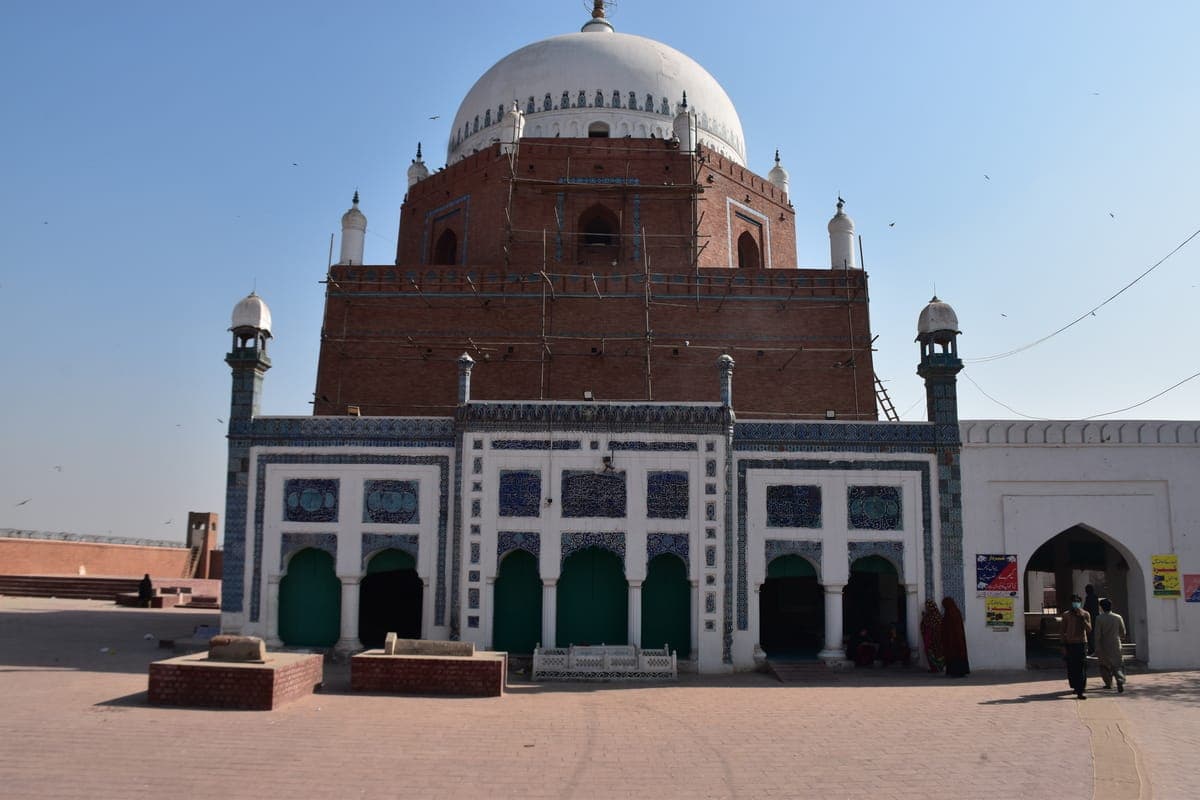
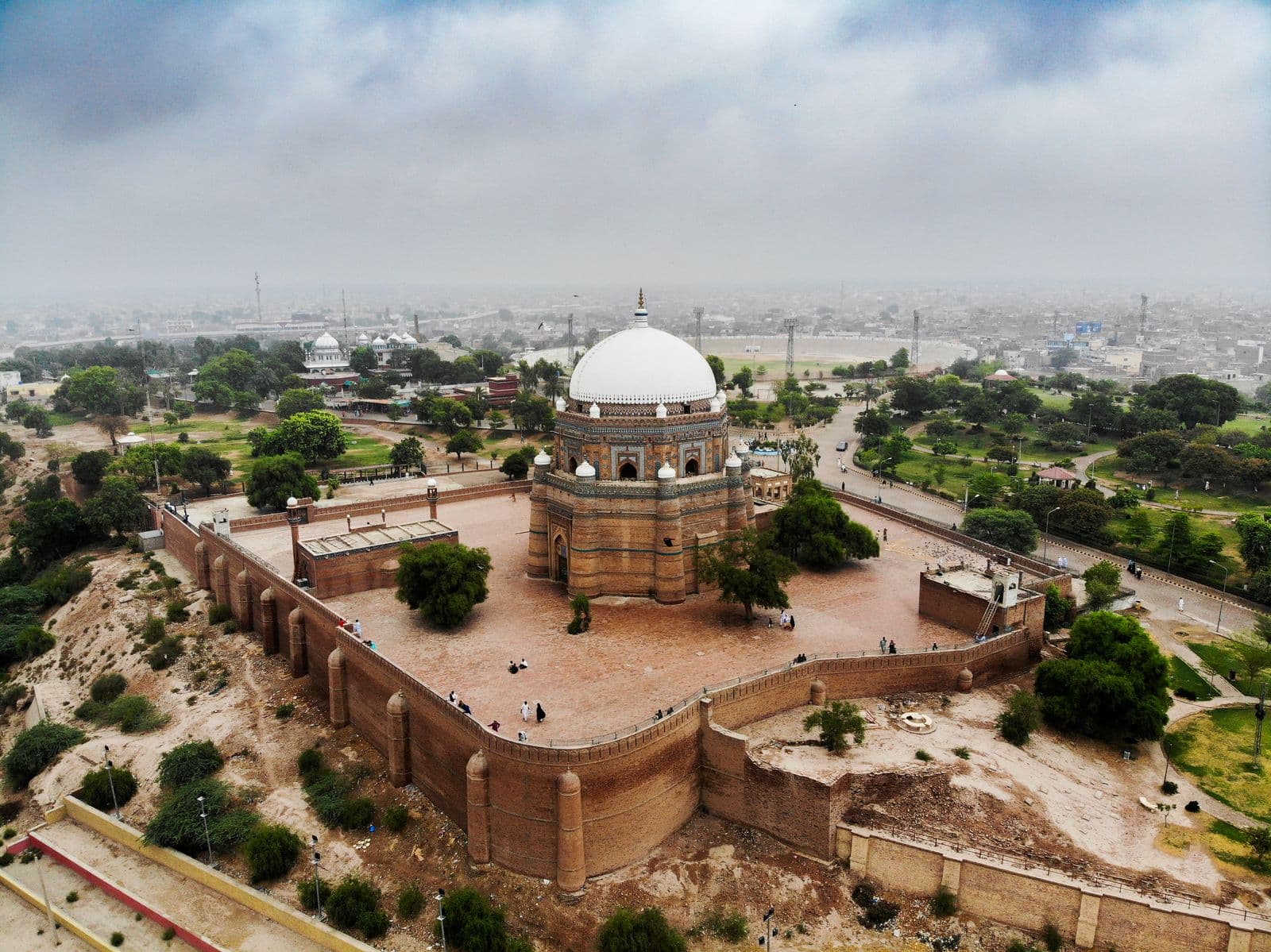
The fort platform sits directly alongside the city's most visited Sufi shrines, making it an easy combined stop on a half-day tour of Multan's old city.
Planning tip
Best Time to Visit, October to March, when Multan's famously intense summer heat has eased.
Getting there, Within Multan city, close to the shrines of Bahauddin Zakariya and Shah Rukn-e-Alam.
Allow, 1-1.5 hours.
What to Do
Nearby
Straight-line distance from Multan Fort (Qila Kohna), within 5 km.