
Area guides / Sindh / Tharparkar & Nagarparkar
Area guide
Tharparkar & Nagarparkar
Jain temples and granite hills where the Thar ends
Region
Sindh
When to go
November to February
Getting there
A long drive: Nagarparkar is roughly 450 km from Karachi via Mirpurkhas, and 129 km beyond Mithi. The temples are a short drive from the town.
Spots
4 key places
Overview
About Tharparkar & Nagarparkar
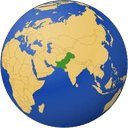
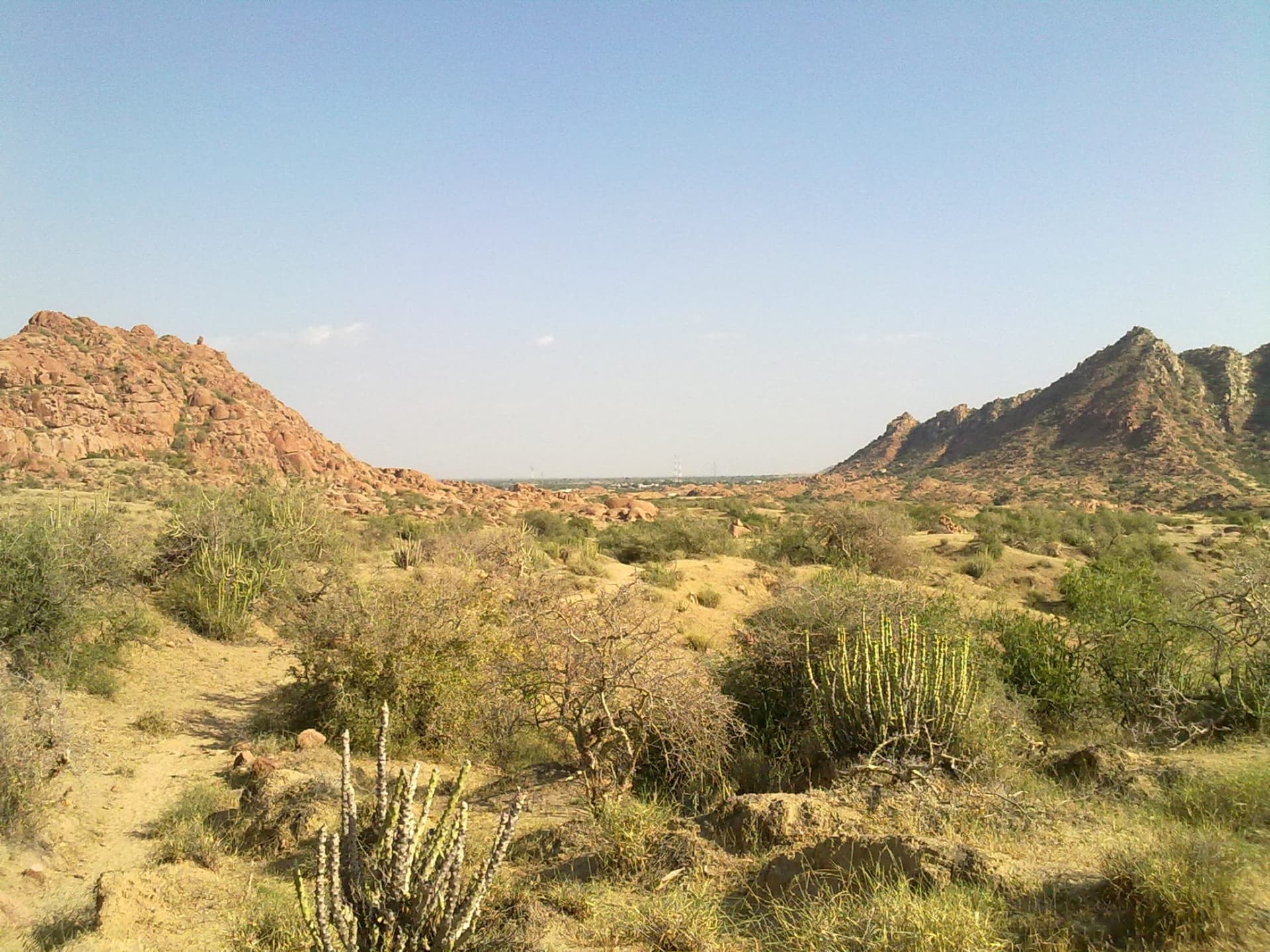
Tharparkar is Sindh's desert district, headquartered at Mithi. At its far south-east corner, Nagarparkar sits at the foot of the granite Karoonjhar Mountains, with centuries-old Jain temples at Gori and Bhodesar and one of the earliest mosques in Pakistan.
A long drive: Nagarparkar is roughly 450 km from Karachi via Mirpurkhas, and 129 km beyond Mithi. The temples are a short drive from the town.
The road in
Umerkot and Naukot forts sit on the way from Mirpurkhas, making the long drive a journey rather than a transfer. Plan at least two nights in the district.
Nagarparkar's temples
The Jain temples of Gori and Bhodesar, and the stone mosque with white marble pillars at Bhodesar, lie within a short drive of Nagarparkar town, near the Indian border. The cultural landscape is on Pakistan's UNESCO Tentative List.
Top sights in Tharparkar & Nagarparkar
Region guide →Field Guides
All places →Nagarparkar Cultural Landscape
At Sindh's far southeastern edge, where the Thar Desert meets the granite Karoonjhar Hills, the Nagarparkar cultural landscape holds a heritage found nowhere else in Pakistan: centuries-old Jain temples, a distinct Sindhi-Rajasthani architectural style, and a desert community life shaped by the nearby Rann of Kutch. The rose-hued granite hills themselves are as much a part of the landscape's identity as the temples.
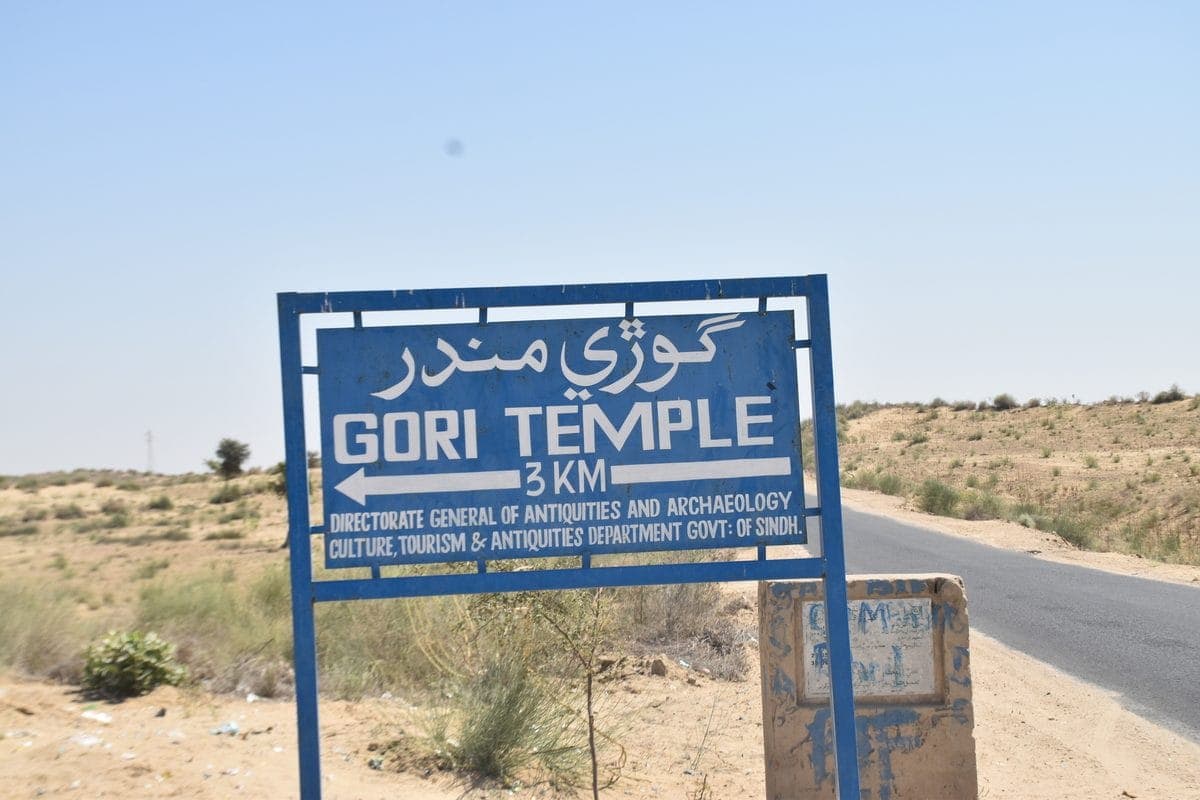
Gori Temple
The effects of fire and gun power used by Col. Tyrwhitt are still quite marked but still one of the best-preserved surviving temples. It is built of local stone with pillars and details of marble from Rajputana. It consists of three parts i.e., an outer stone Mandapa or pavilion with marble pillars and corbelled dome leading to an interior Mandapa of similar design by supplemented by small cells. The shrine itself which formerly had a shikara of typical Kathiwar style, but now adorned with rows of miniature shikaras. The temple according to an inscription was repaired in 1715 CE.
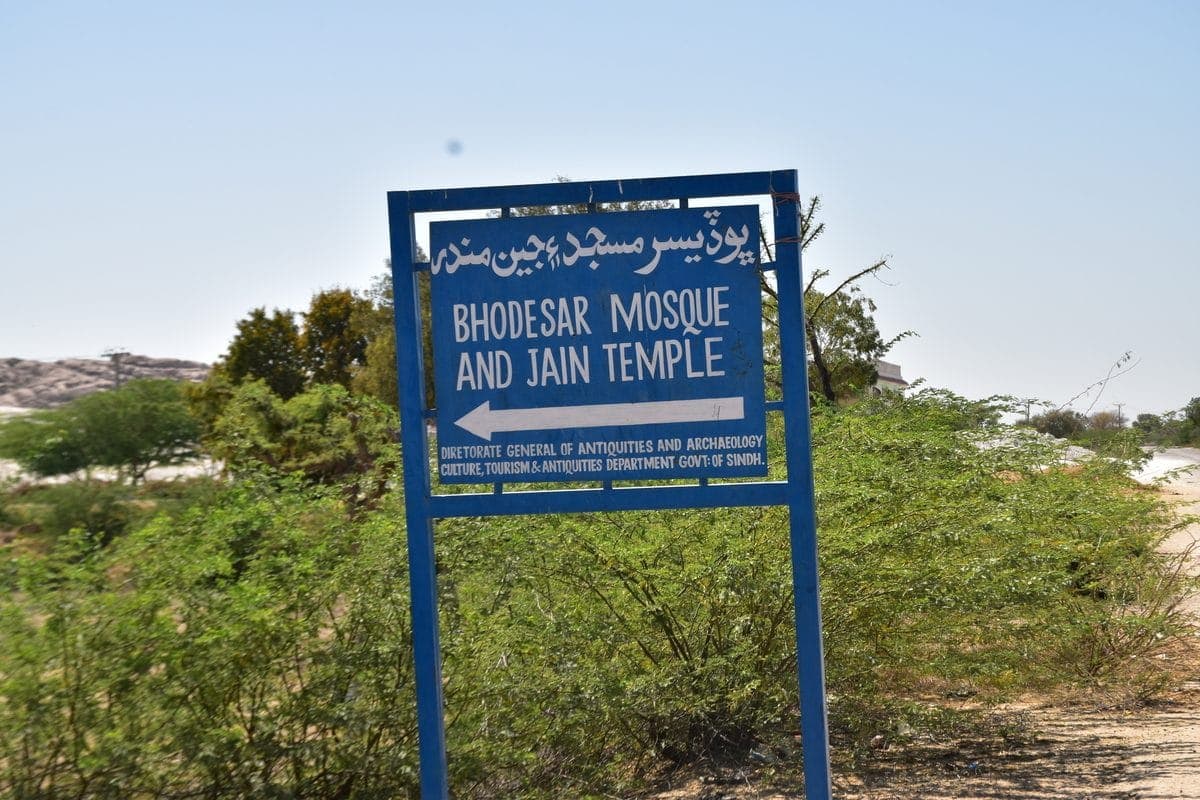
Temple, Bhodesar
The temple itself consists of a single corridor-like long cell with an open courtyard enclosed only y two side walls on north and south. The two haunches on the north-west and south-west corners suggest that this was supposed to be octagonal hall, which comes in front of the main chamber in Jain temple. In the side walls of the courtyard are two niches of carved red sandstone projecting out from the surface of the wall. The main chamber which appears from outside to have three cells is actually one long room with three compartments. It is roofed with three corbelled low domes of which the central one has been raised from the top very steeply.
Umerkot Fort
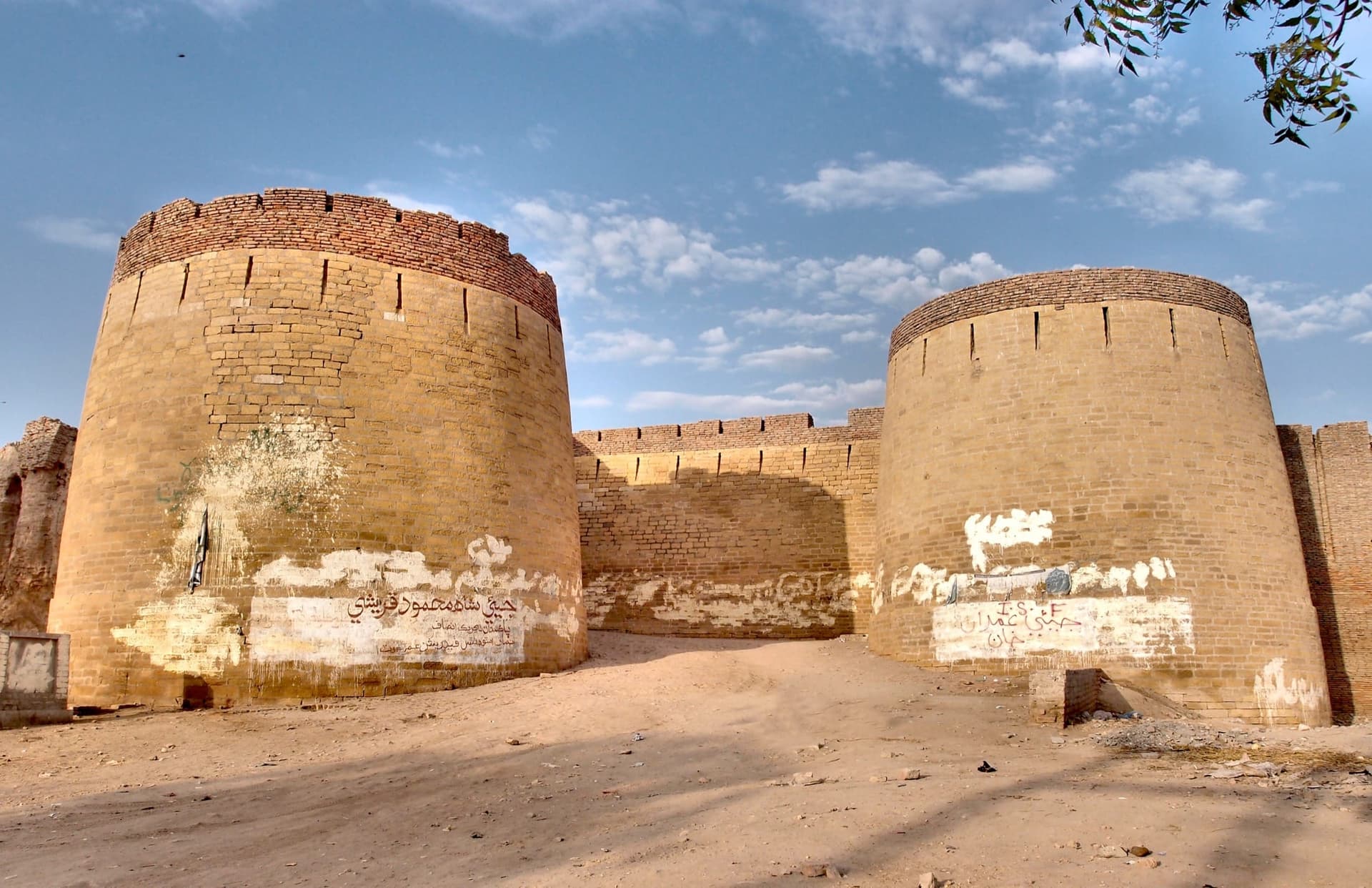
Umerkot Fort crowns a low rise in the Thar Desert town traditionally said to be the birthplace of the Mughal emperor Akbar, born here in 1542 while his father Humayun was in exile. The Rajput-era fort's thick brick walls and round bastions still dominate the town's skyline, a reminder that this stretch of Sindh sat directly on the historical crossroads between the Mughal, Rajput, and Sindhi worlds.
Naukot Fort
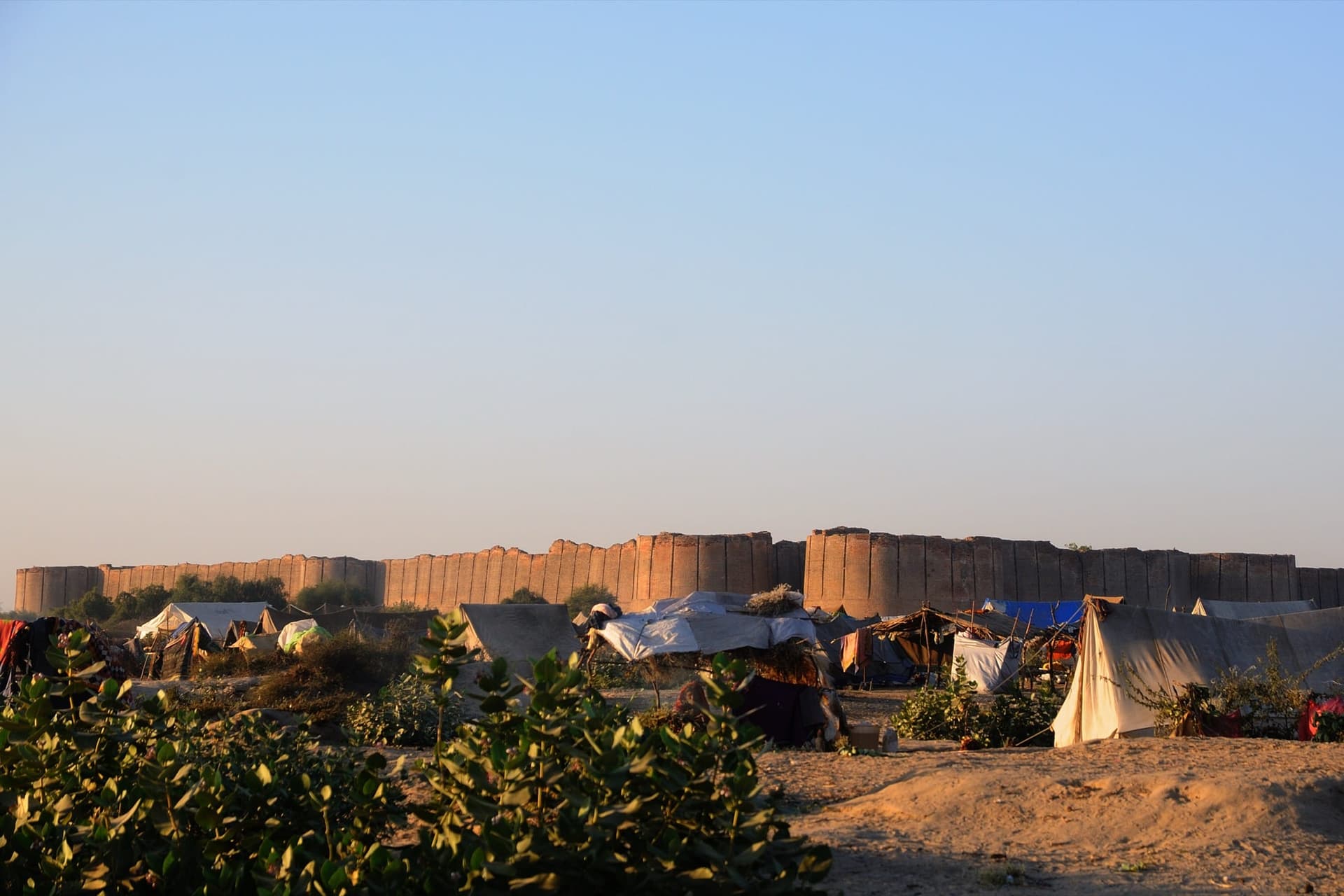
Naukot Fort sits at the edge of the Thar Desert near Tharparkar, a square-walled 18th-century Talpur fort whose brick bastions rise abruptly out of the surrounding sand and thorn scrub. Far less visited than Sindh's better-known forts, it retains a raw, unrestored character, and the desert encampments that often gather nearby only add to its frontier feel.
Resorts
All resorts →GreenPak stays in this area are listed on the region guide.