
Loading…
Experiences / Faith (Religious) Tourism / Islamic heritage
Mughal mosques, Sufi shrines, and the living faith of old cities.
54 of 54 field guides
Punjab
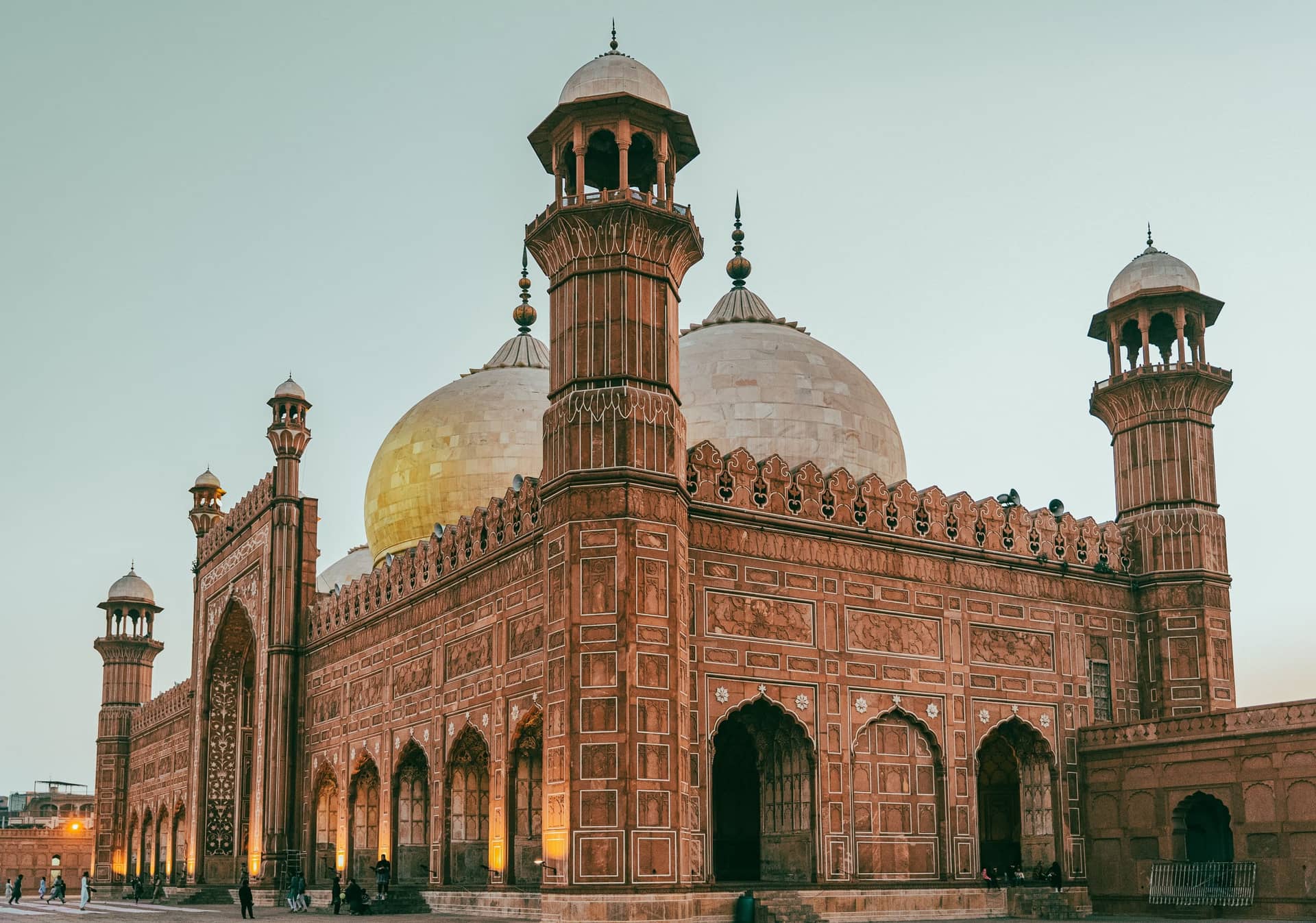
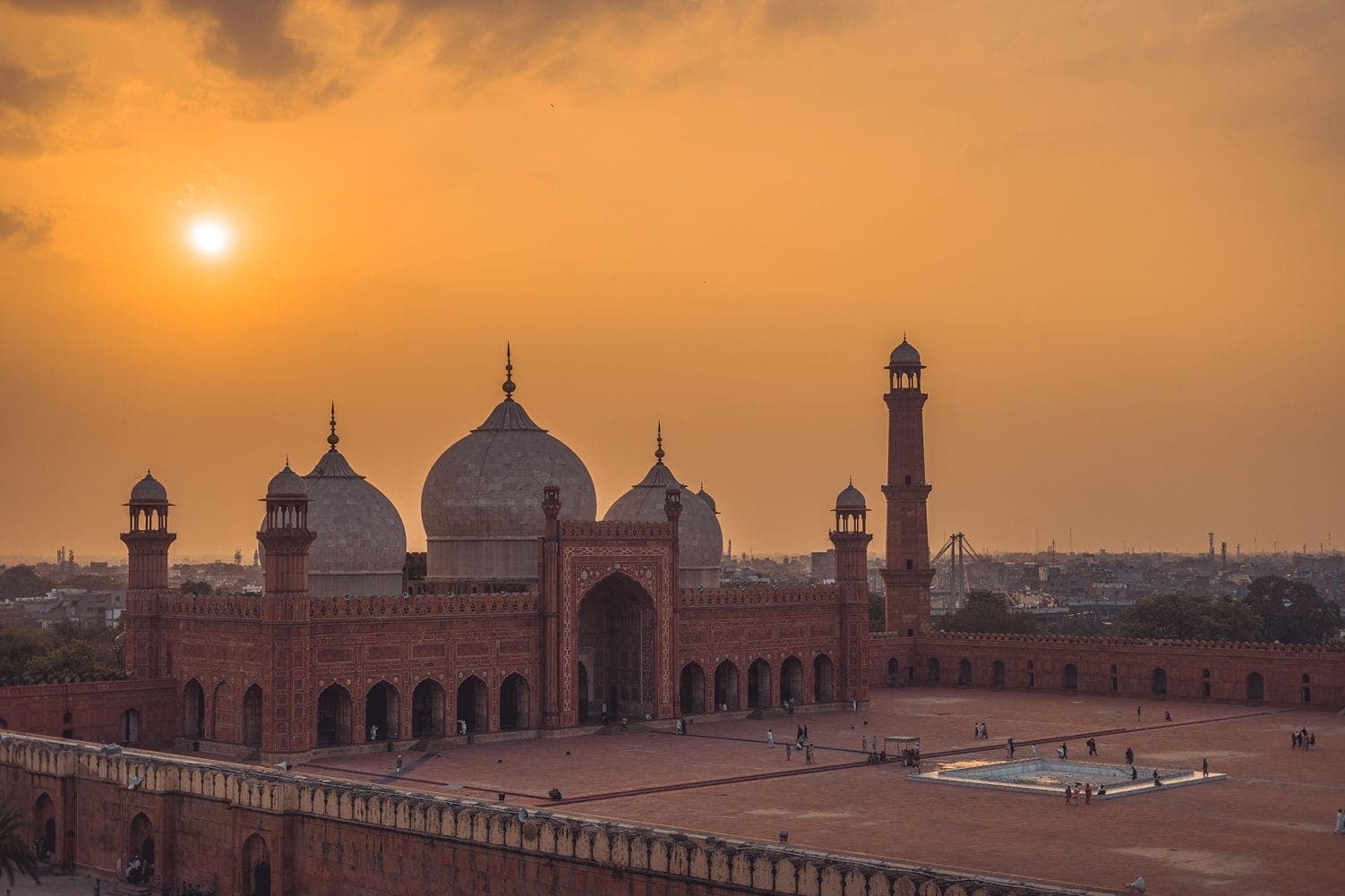
Lahore's Mughal masterpiece.
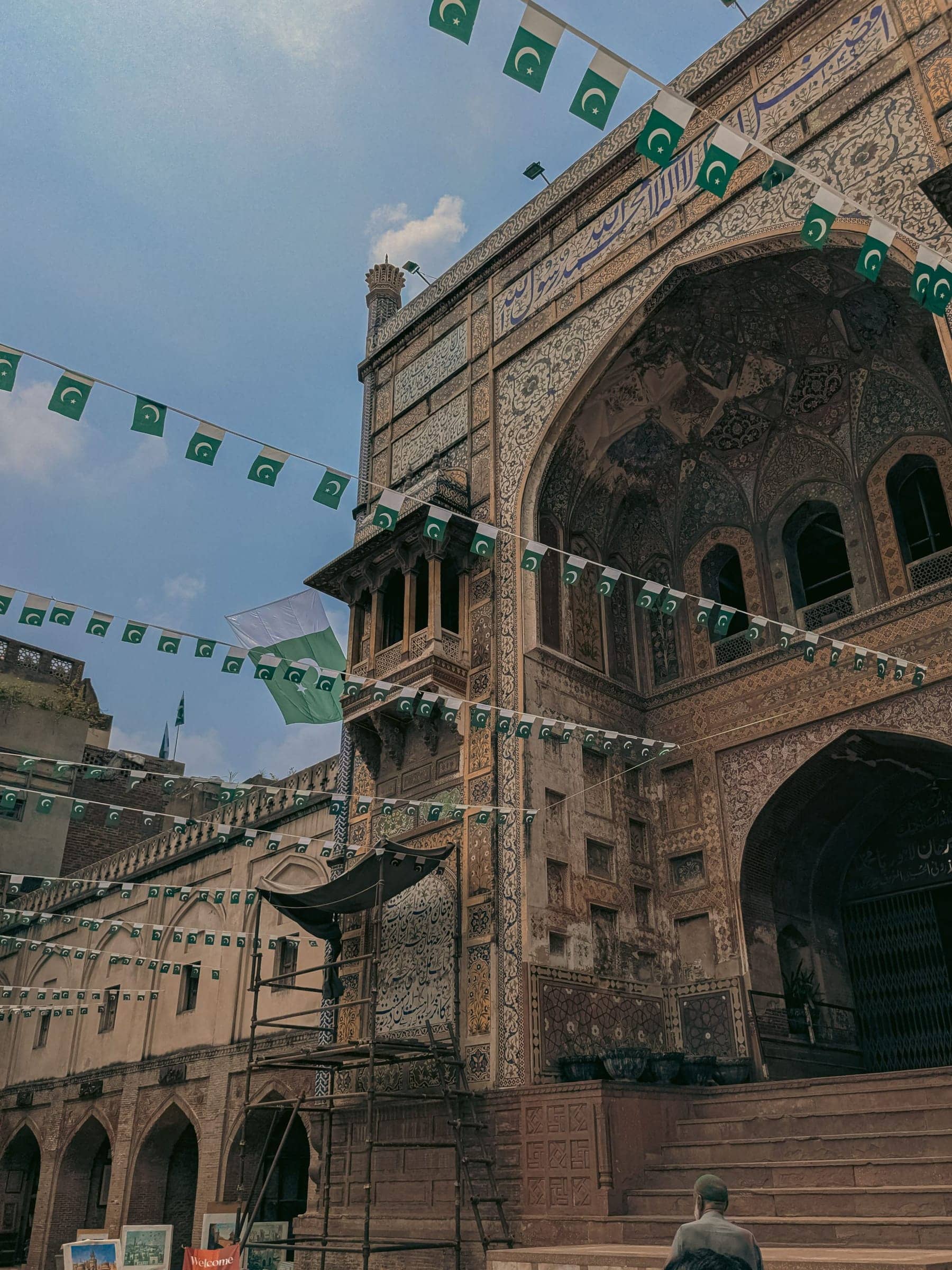
Tilework jewel inside the old city.
Islamabad Capital Territory
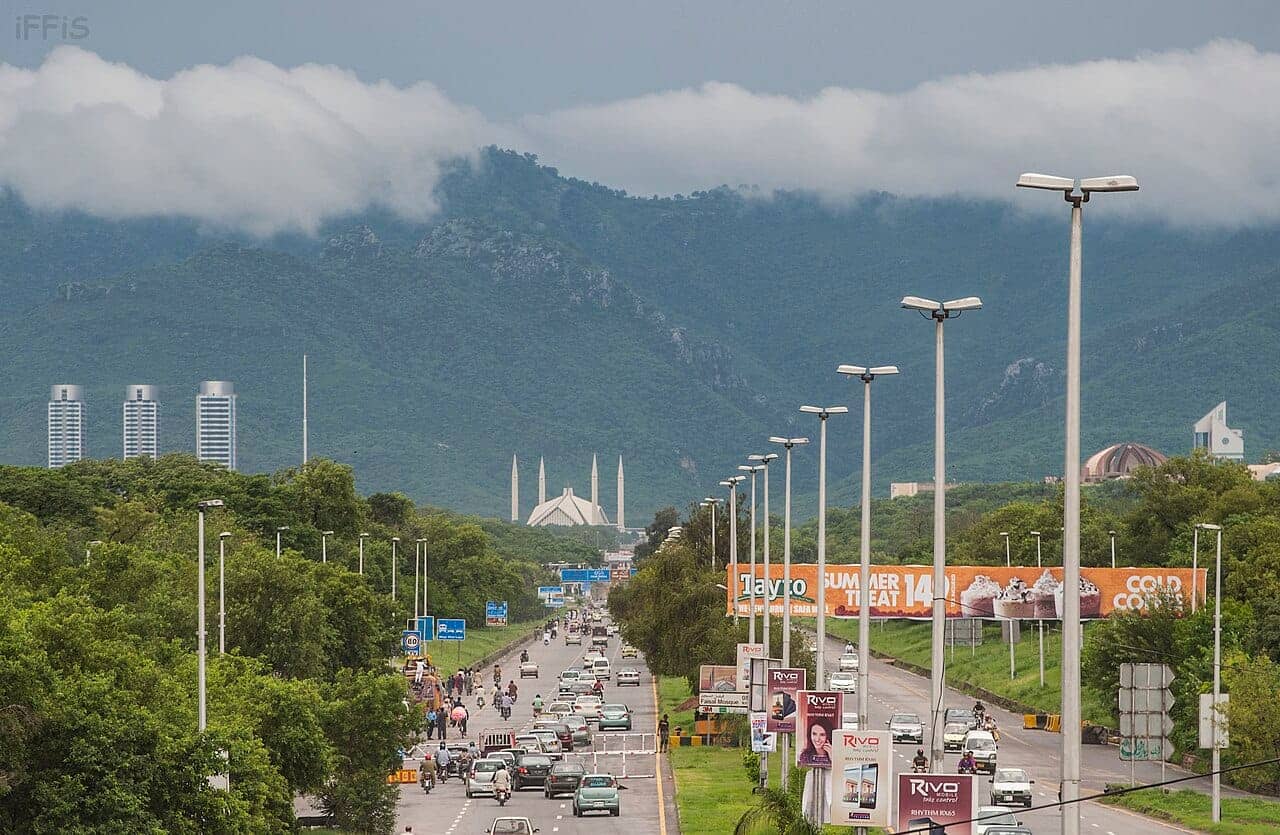
Pakistan's largest mosque, a modernist tent-form landmark at the foot of the Margalla Hills and a symbol of Islamabad.
Sindh
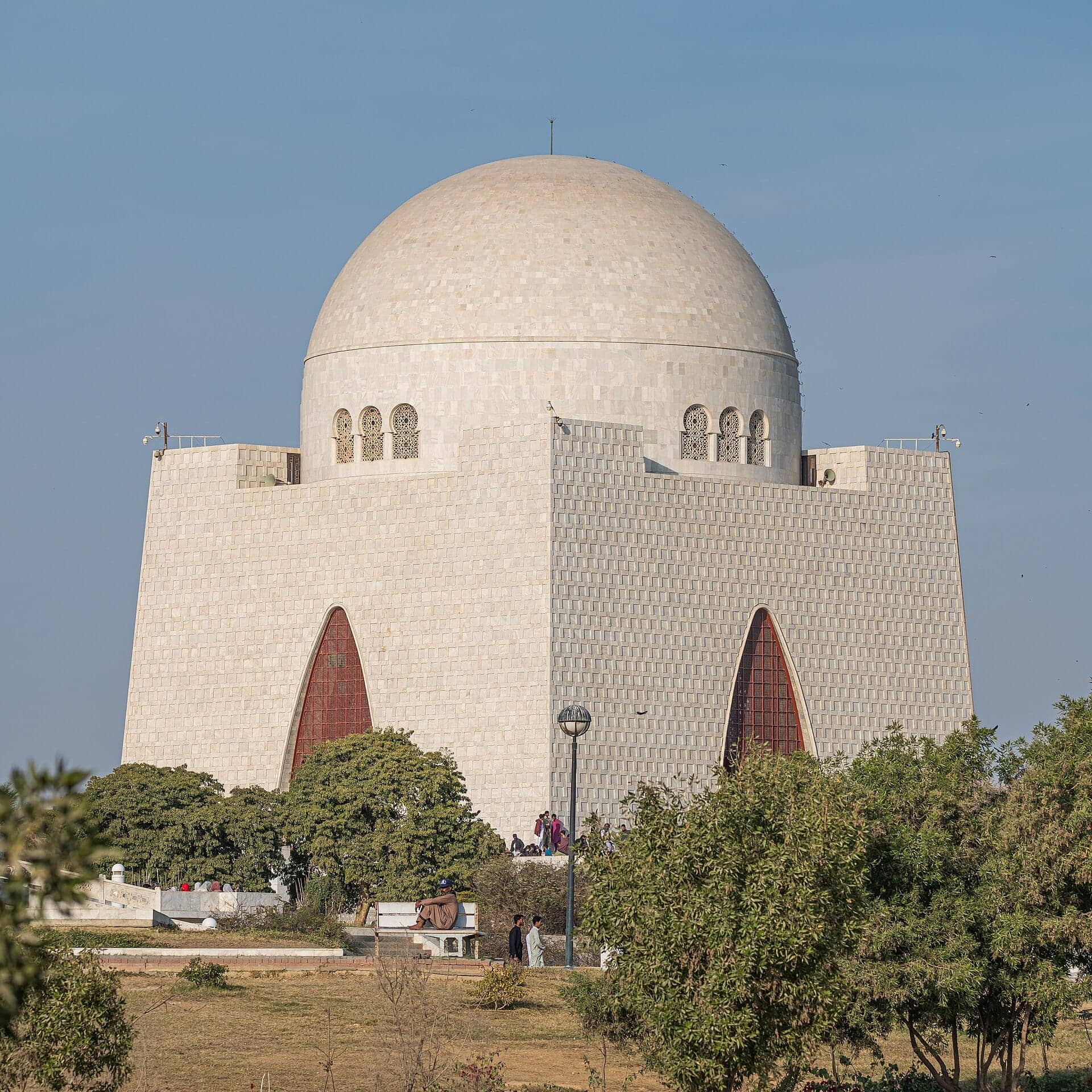
The white-marble mausoleum of Muhammad Ali Jinnah, founder of Pakistan, and Karachi's most recognisable landmark.
The 13th-century Sufi mausoleum that crowns Multan's old fort mound, heart of the “City of Saints”.
Khyber Pakhtunkhwa
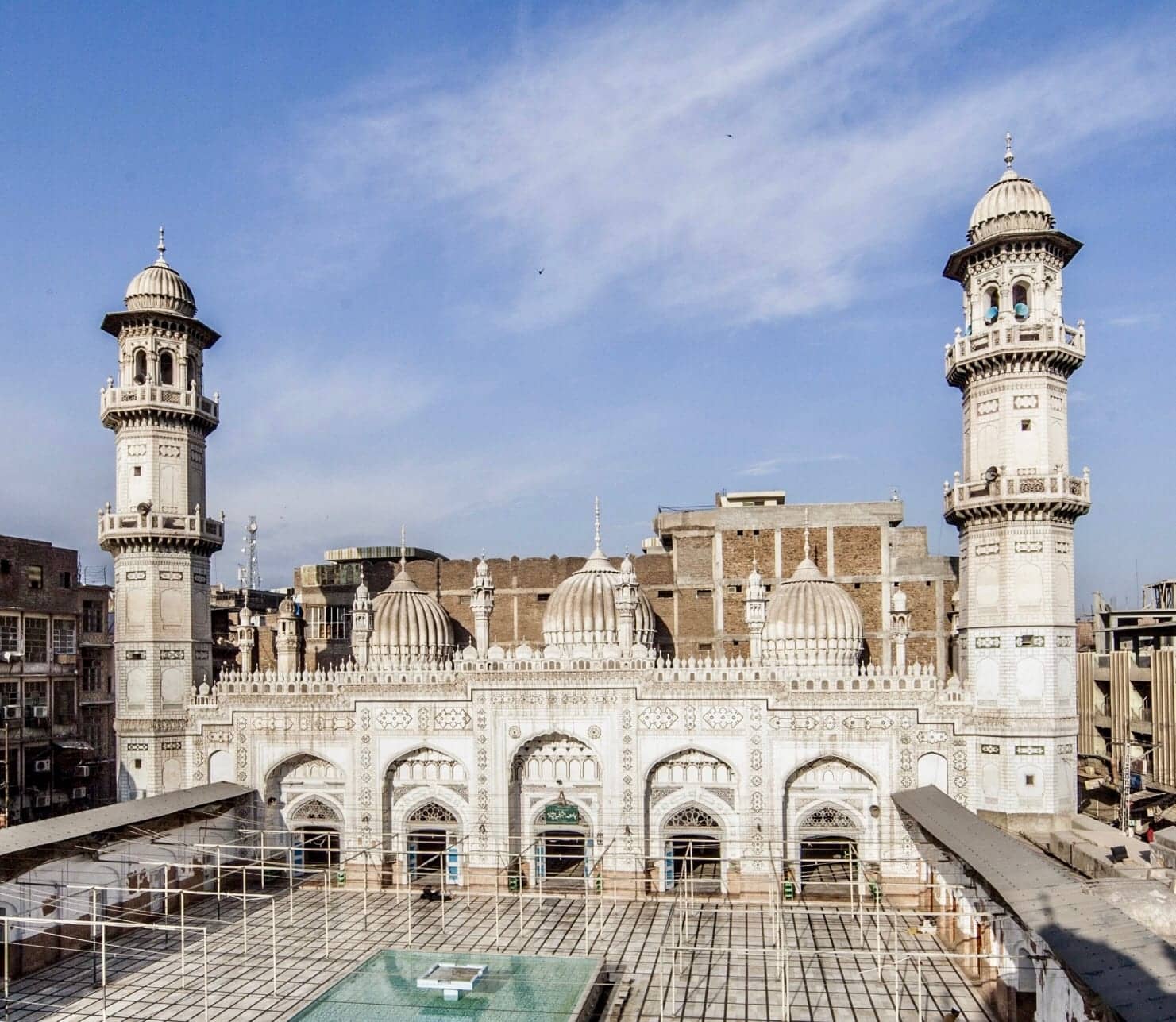
A 17th-century Mughal mosque of white marble and frescoed prayer hall in the heart of Peshawar's old bazaar.
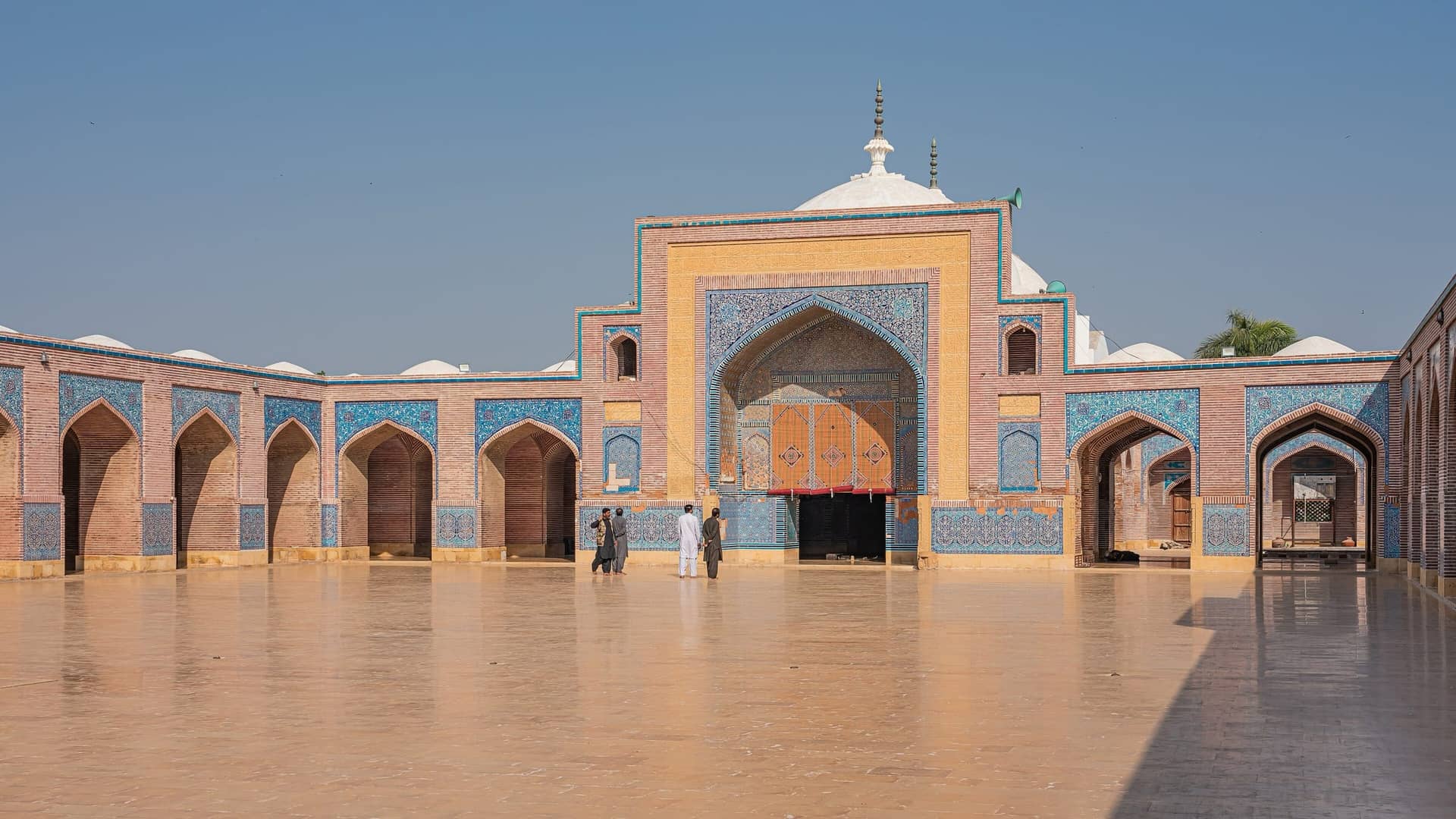
A 17th-century Mughal mosque famed for its tilework and remarkable acoustics, part of Thatta's UNESCO-listed heritage.
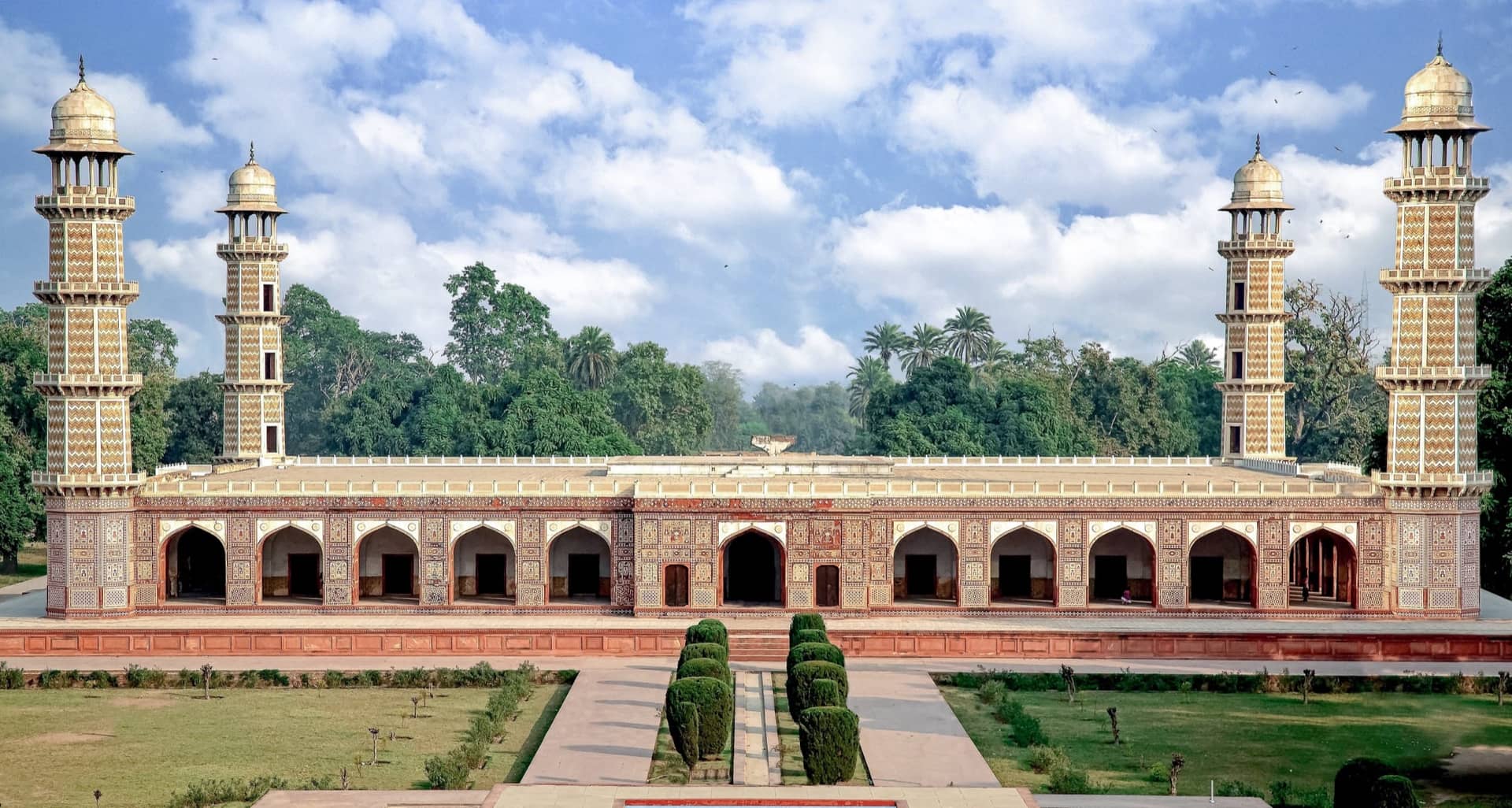
The Mughal emperor Jahangir's mausoleum across the Ravi from Lahore, its four minarets and pietra dura panels among the finest Mughal funerary architecture in Pakistan, alongside the neighbouring tomb of Asif Khan and the Akbari Sarai.
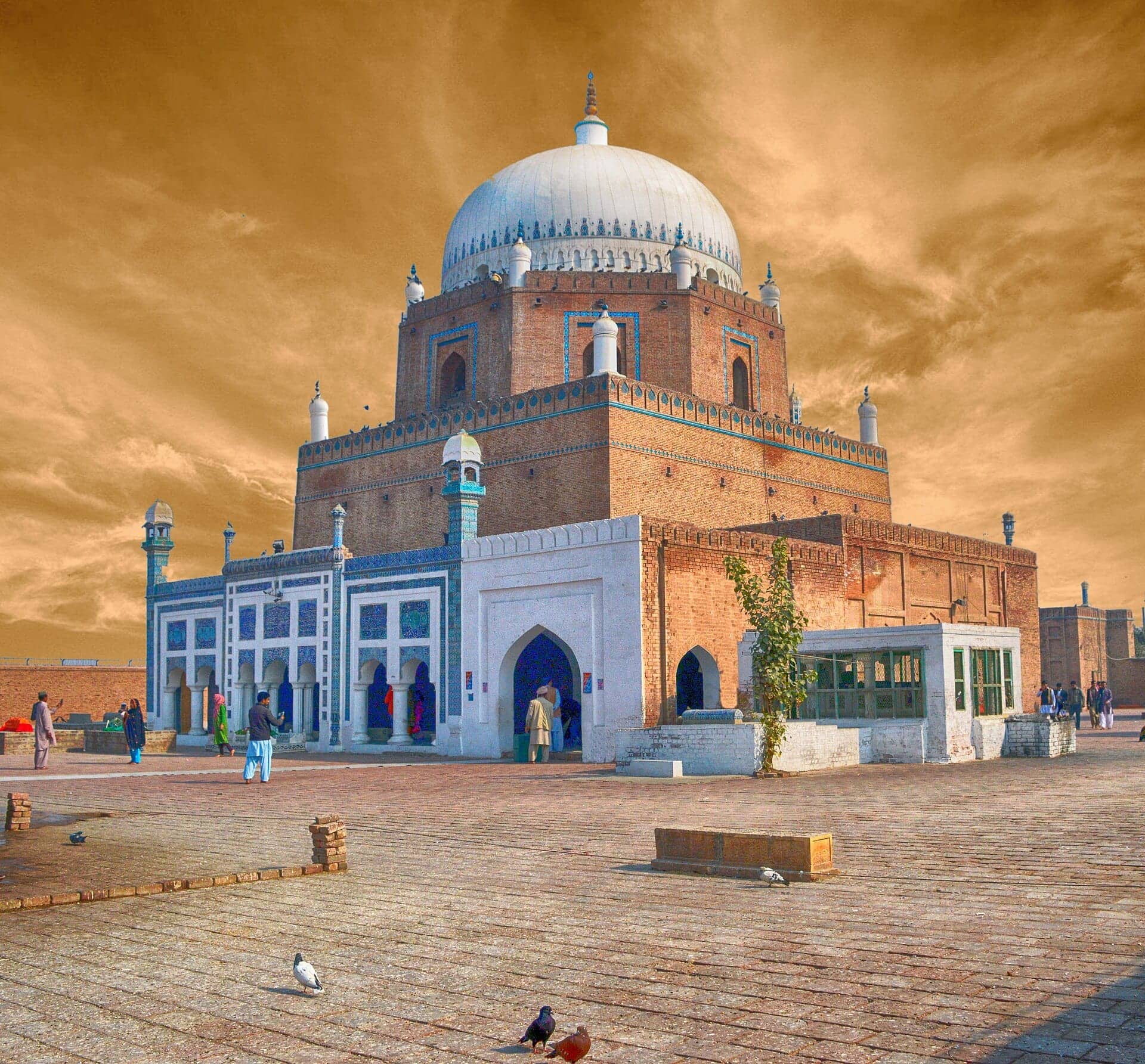
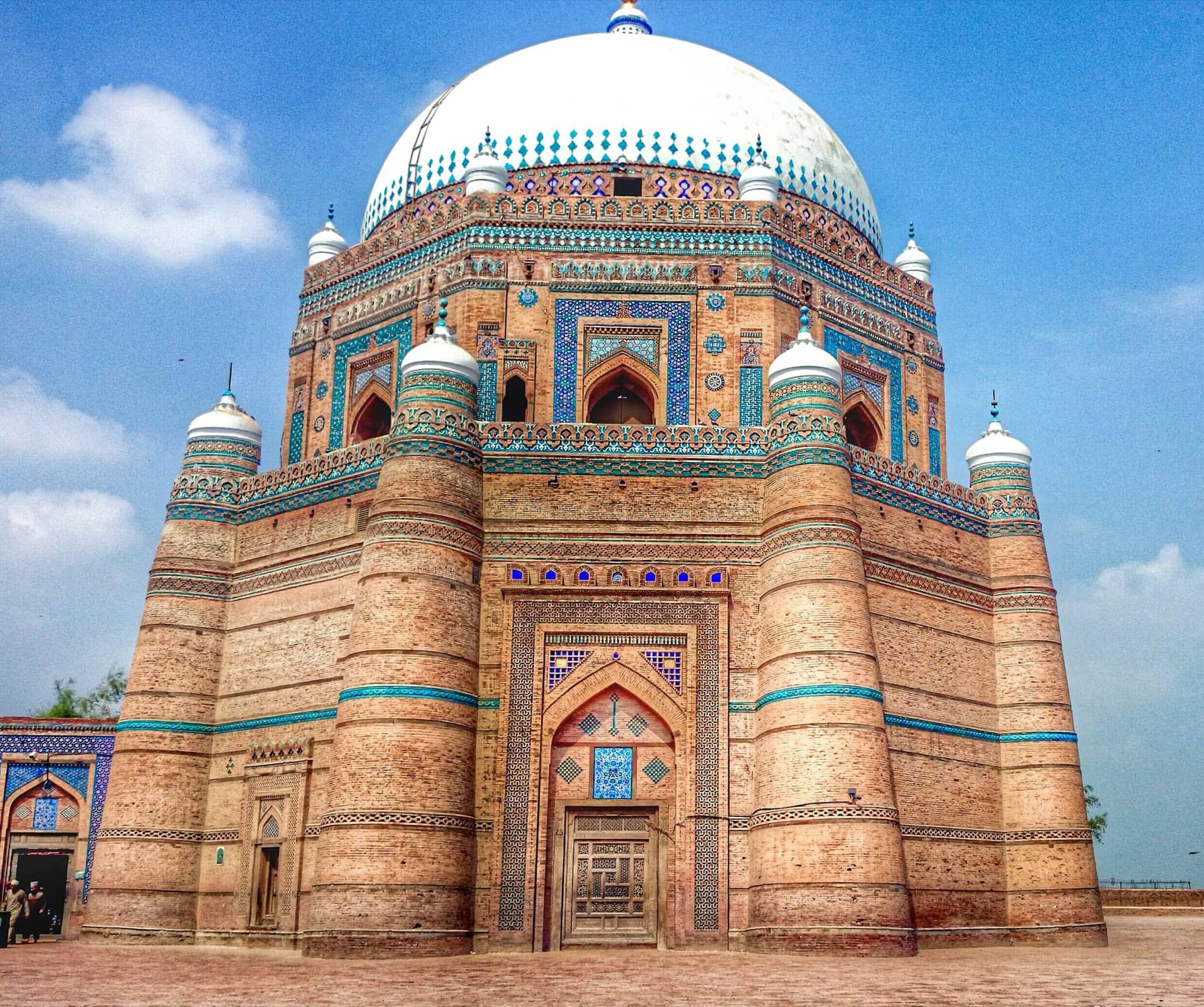
A soaring 14th-century brick tomb inside Multan Fort, its blue-and-turquoise glazed tilework among the finest examples of Multani craftsmanship, and one of the earliest and grandest Tughlaq-era monuments in South Asia.
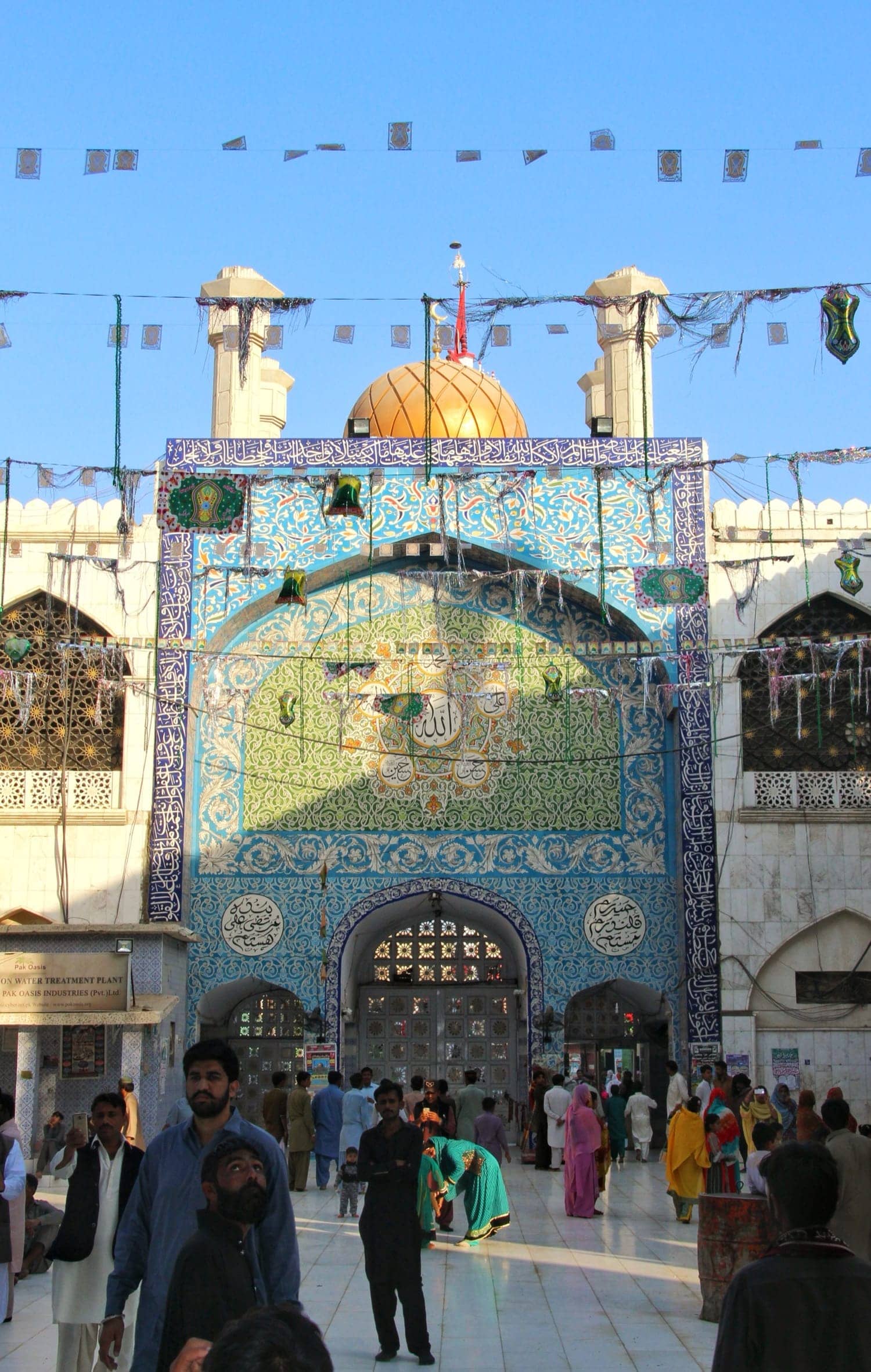
Sindh's most visited Sufi shrine, where a golden dome rises over tiled courtyards at Sehwan Sharif and the dhamaal drums draw pilgrims from across the province every evening.
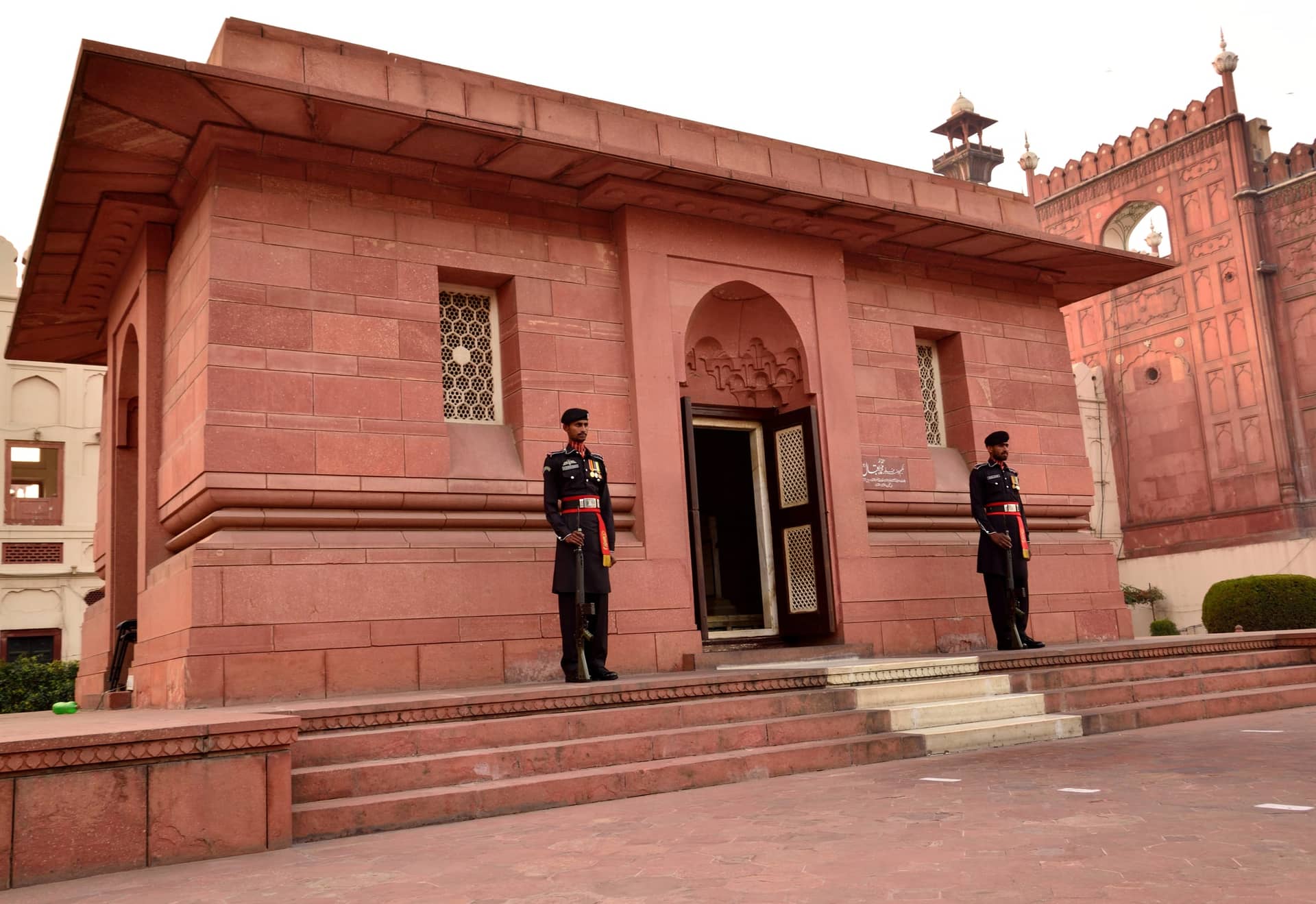
The red-sandstone mausoleum of national poet-philosopher Muhammad Iqbal, built in 1951 in the Hazuri Bagh between Lahore Fort and Badshahi Mosque, with a marble cenotaph and a ceremonial guard on permanent duty.
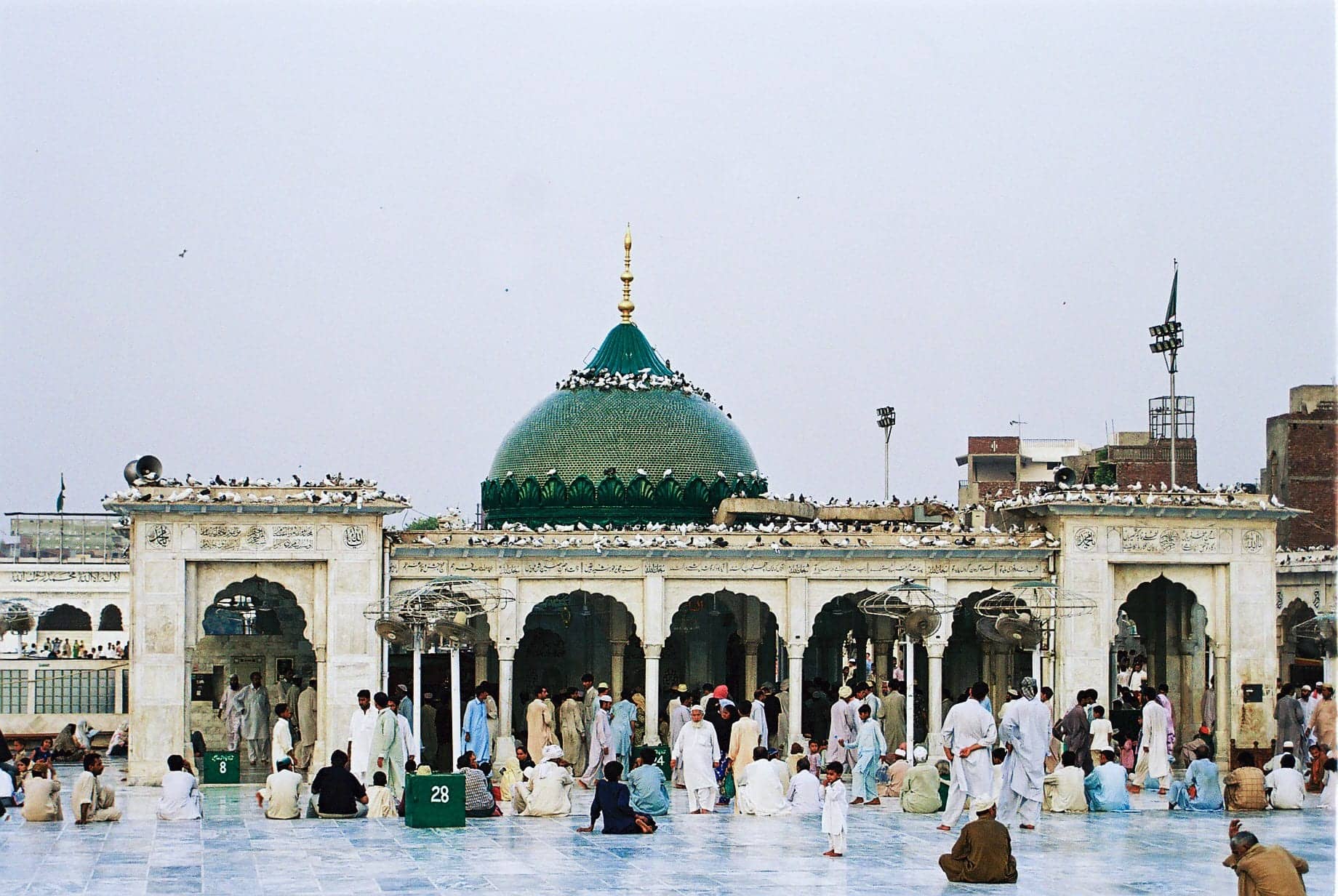
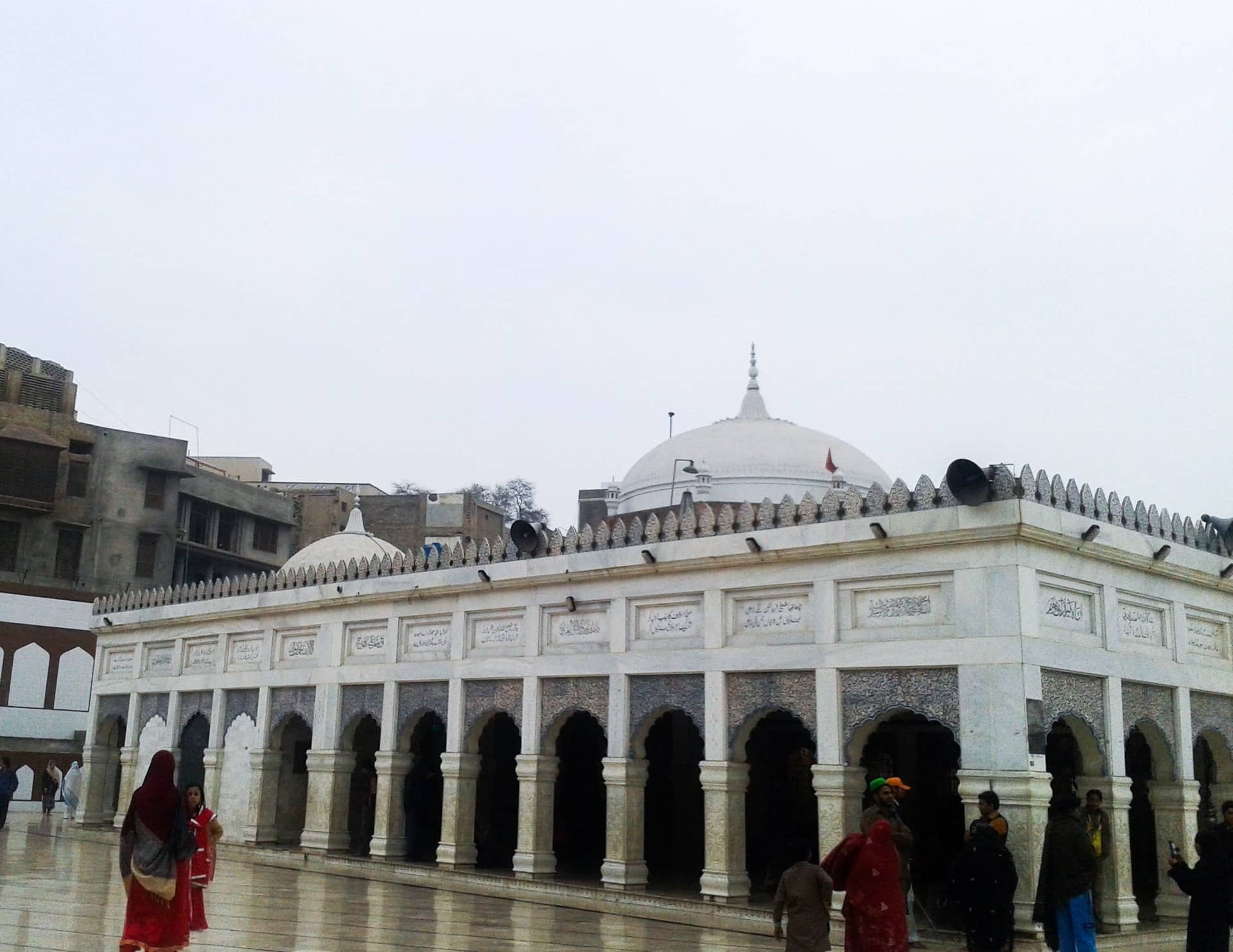
The largest Sufi shrine in South Asia, built around the tomb of 11th-century saint Ali Hujwiri in Lahore, its marble courtyard and minarets drawing round-the-clock devotion and an enormous annual urs.
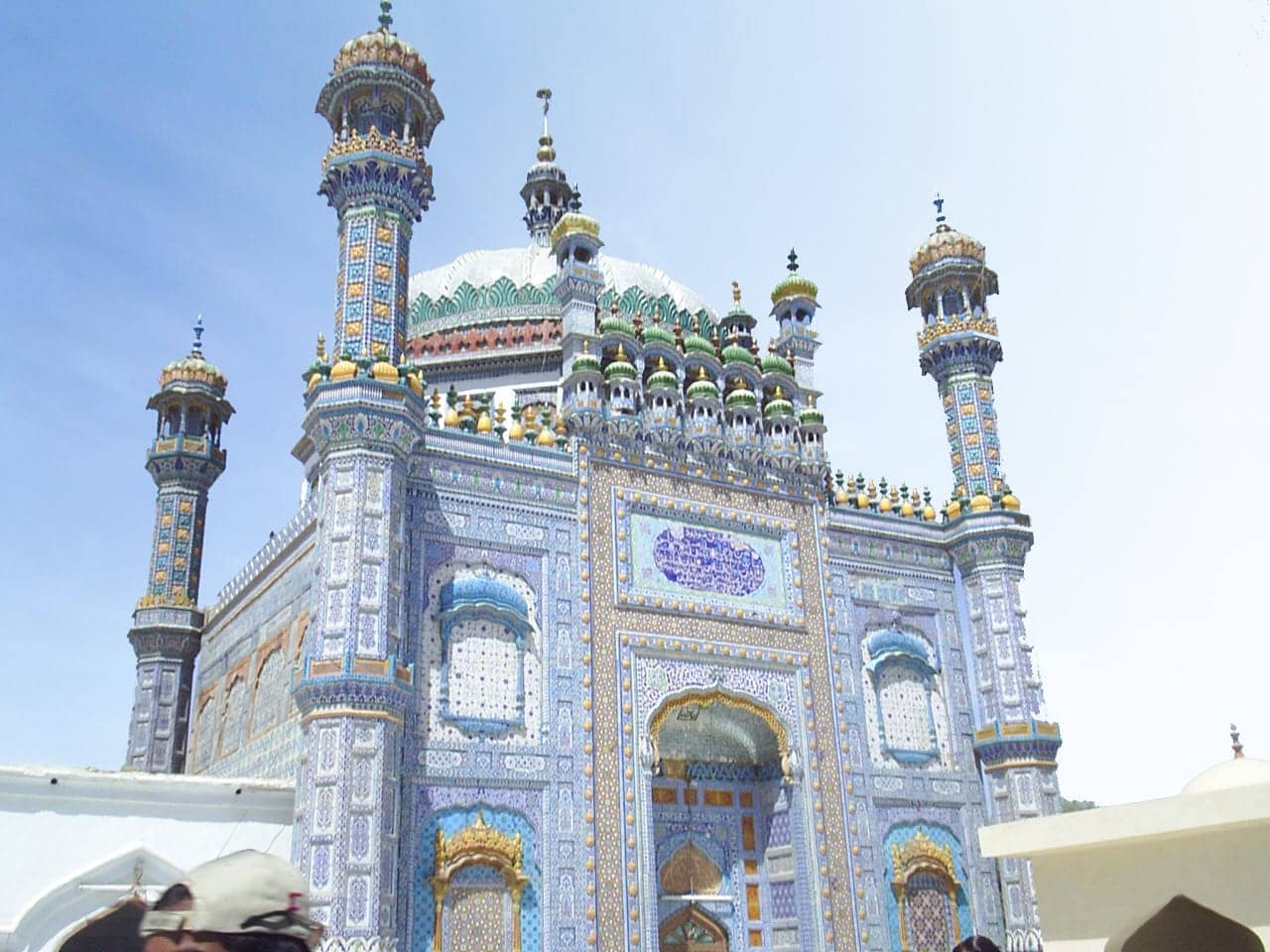
A shrine at Daraza clad head to foot in blue and turquoise tilework, holding the tomb of the 18th-century Sufi poet whose verse is still sung across Sindh.
The 13th-century dargah of Baba Fariduddin Ganj-e-Shakar, seat of the Chishti Sufi order and resting place of Punjab's first great classical poet.
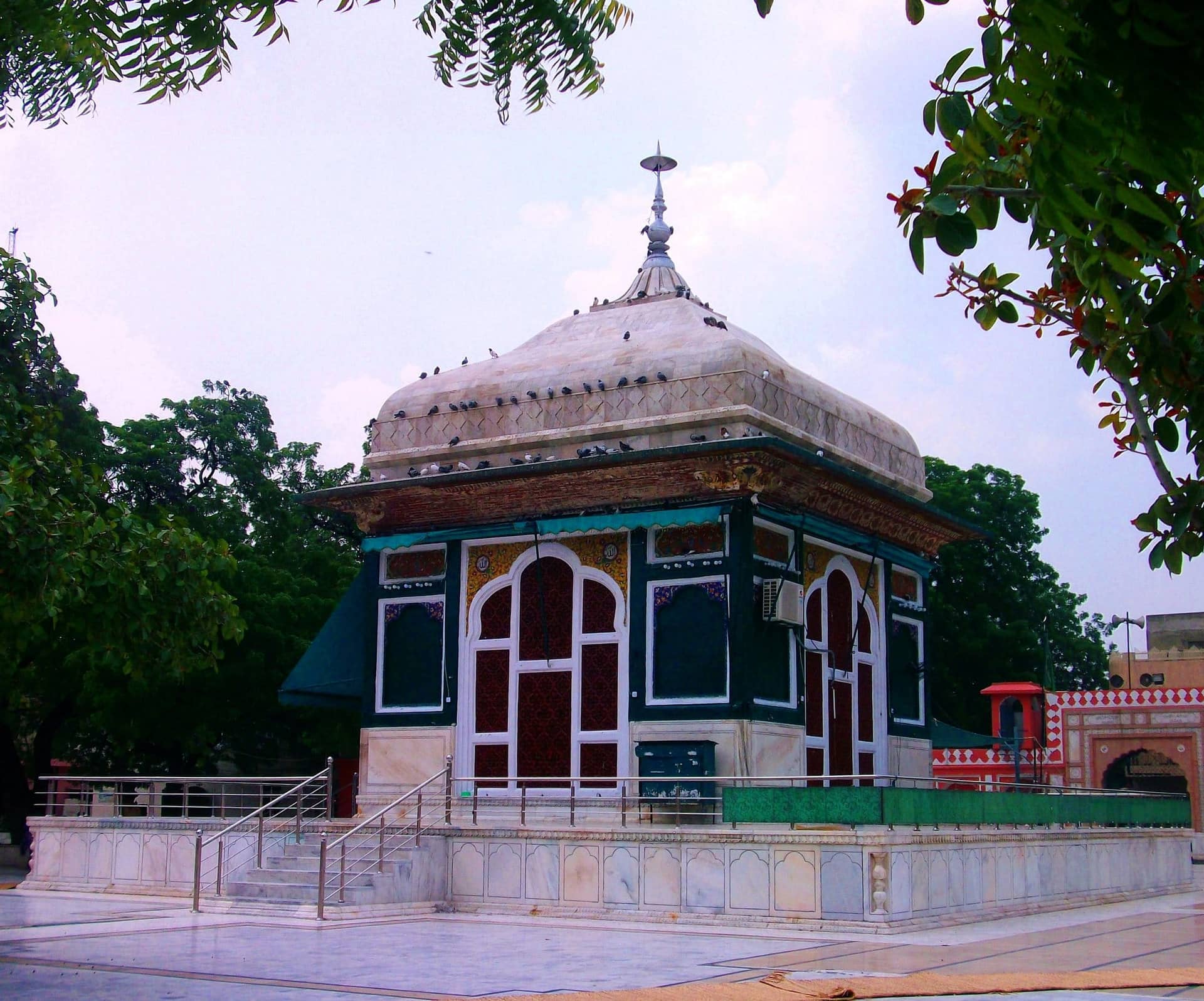
Shrine of Mian Mir is a faith and heritage destination in Lahore, Punjab, with value for visitors interested in architecture, history and living religious traditions.
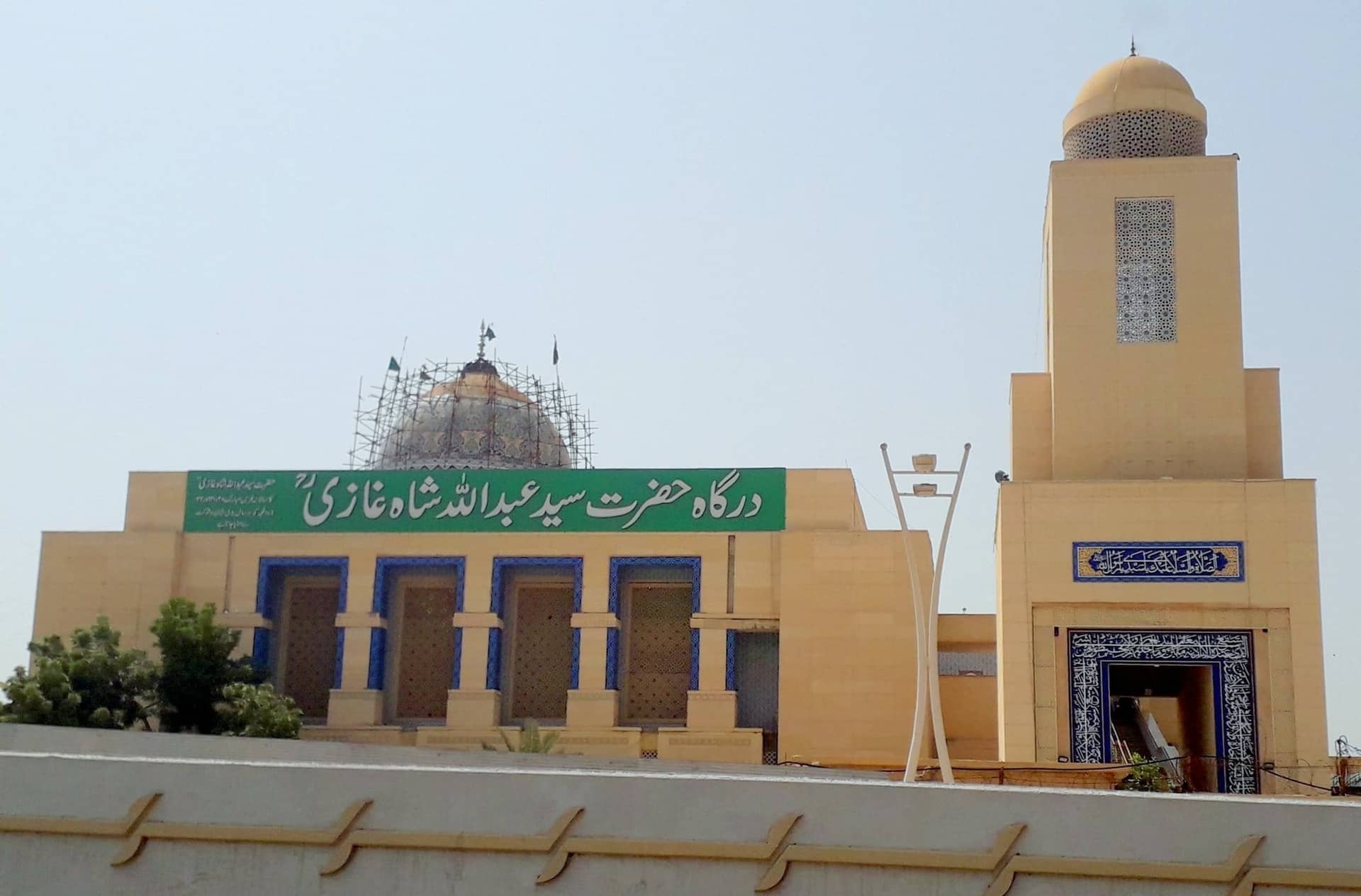
Abdullah Shah Ghazi Shrine is a faith and heritage destination in Karachi, Sindh, with value for visitors interested in architecture, history and living religious traditions.
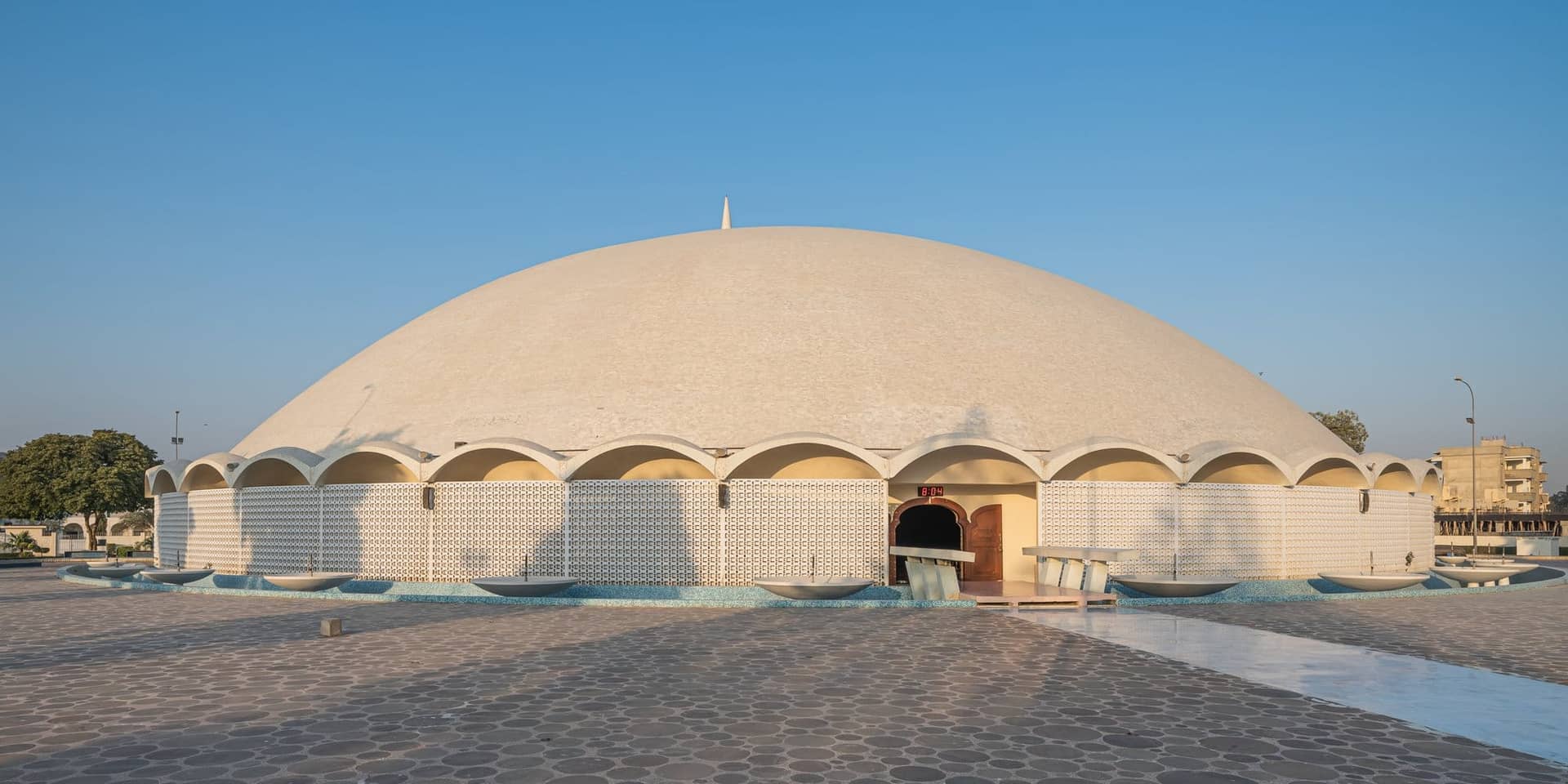
Masjid-e-Tooba is a faith and heritage destination in Karachi, Sindh, with value for visitors interested in architecture, history and living religious traditions.
Balochistan
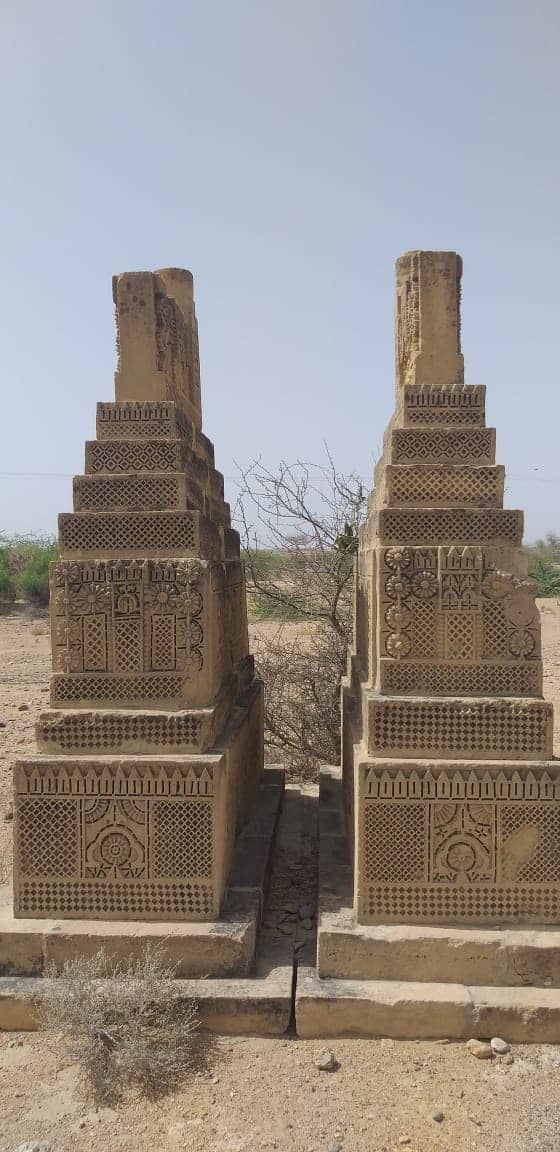
Hinidan is located about 21 km north-west of Karachi on the right bank of Habb river.
The ancestral graveyard of Jam of Lasbela, the Chief Minister of Baluchistan is situated about 6.5 km to the North of Bela Town.
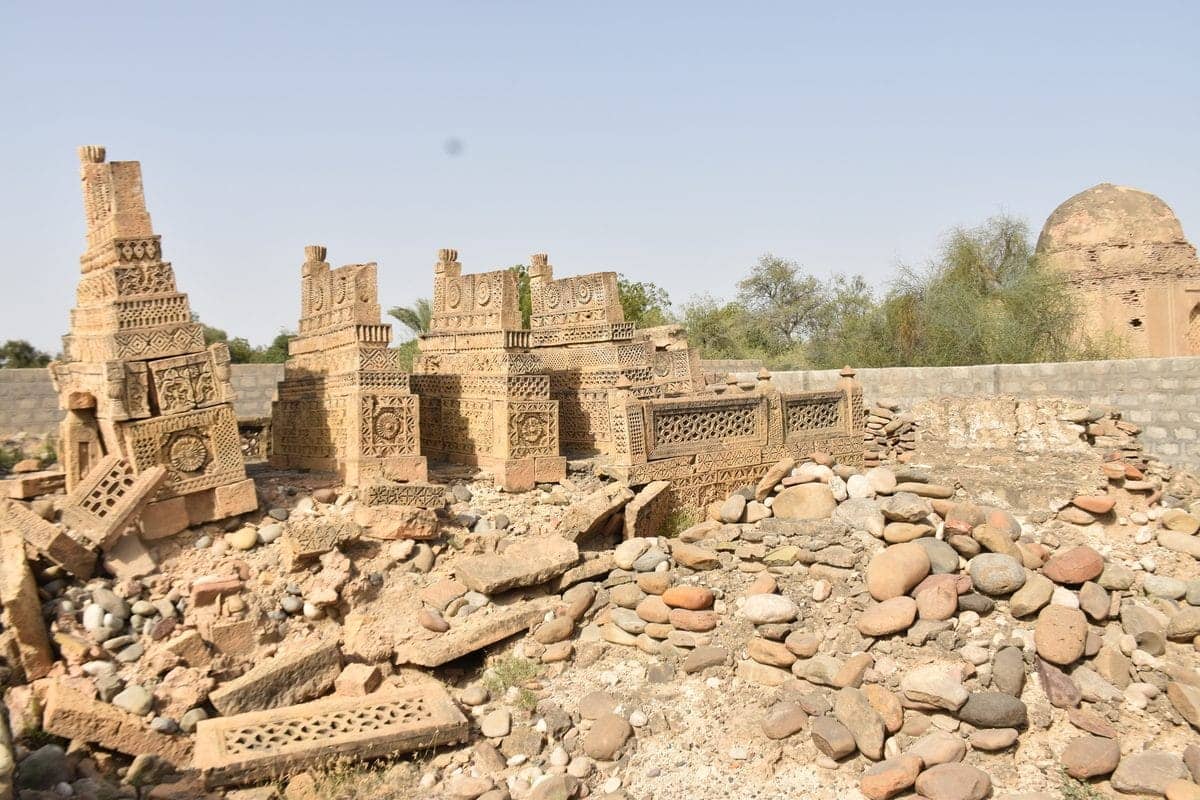
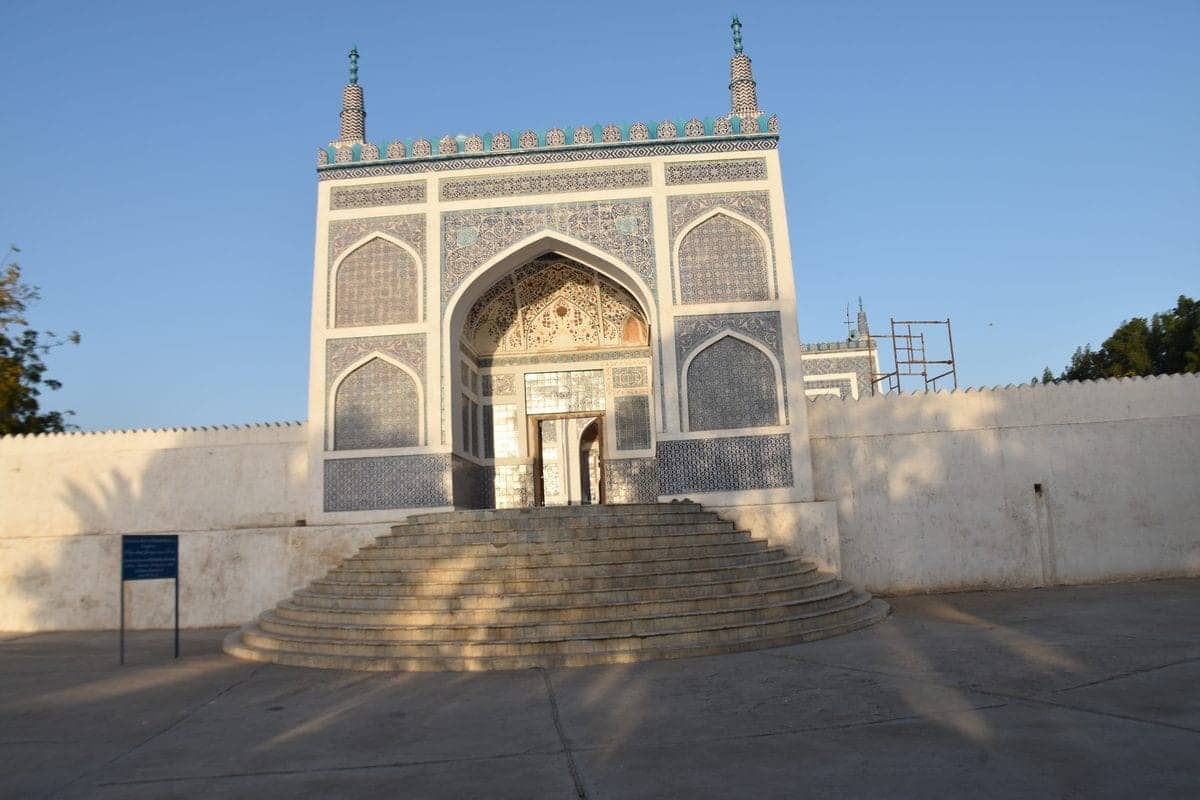
In the midst of the ruins of the old town of Khudabad stands the great massive Kalhora period (18th Century CE) Jamia Masjid.
It is located Khudabad, district Dadu.
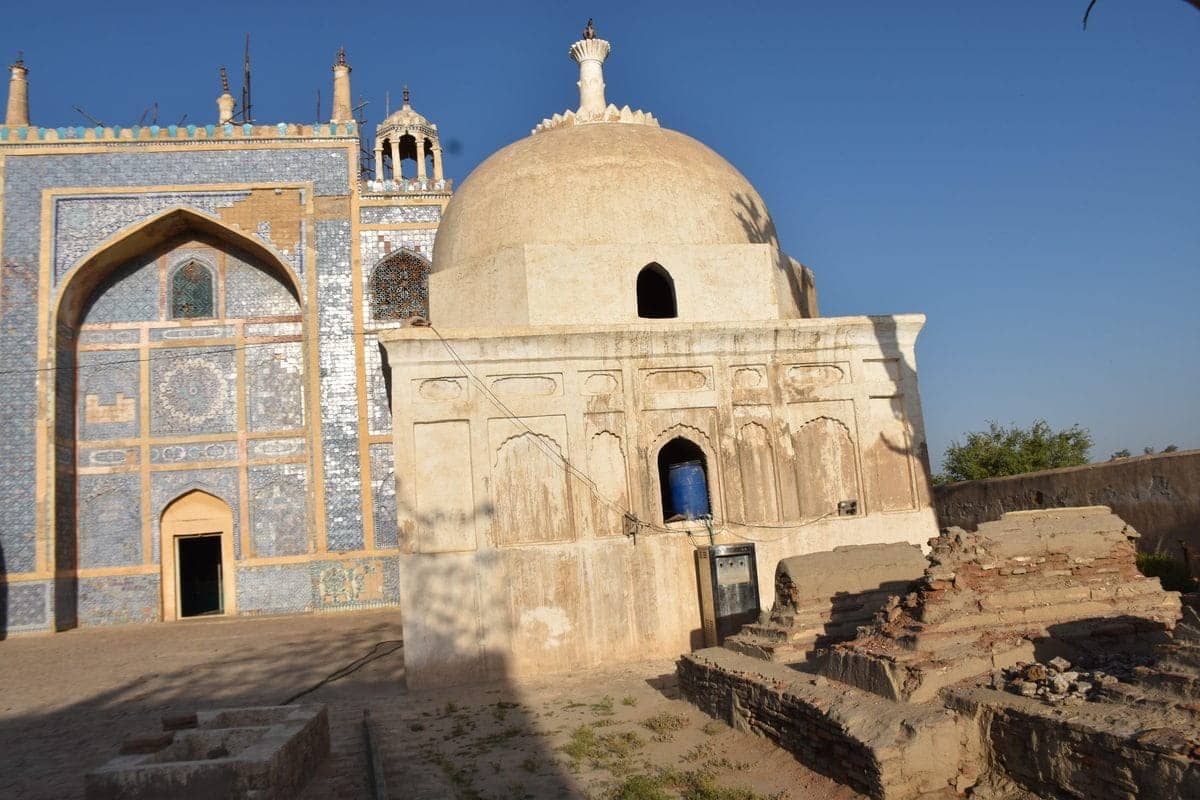
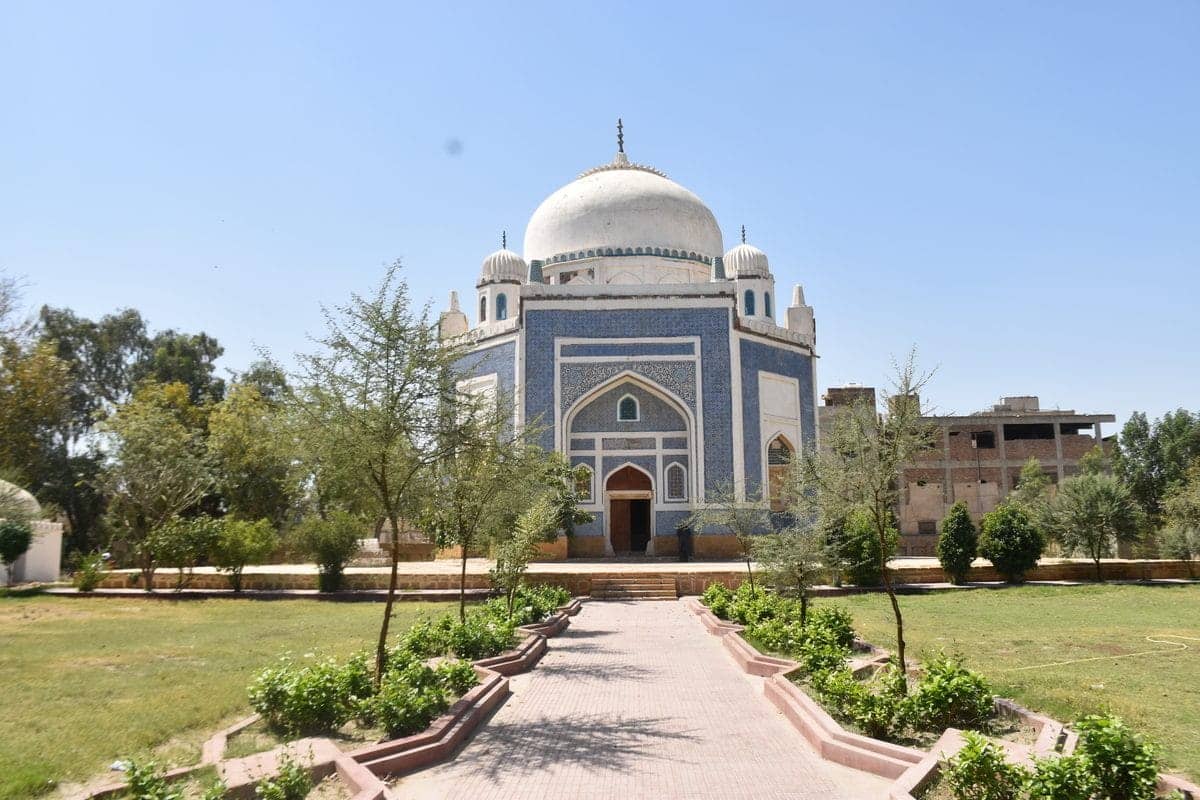
This is the Kalhora Period tomb of Mian Ghulam Shah Kalhoro and his nephew Mian Fazal-e-Ali son of Sarfaraz Khan Abbasi Kalhoro.
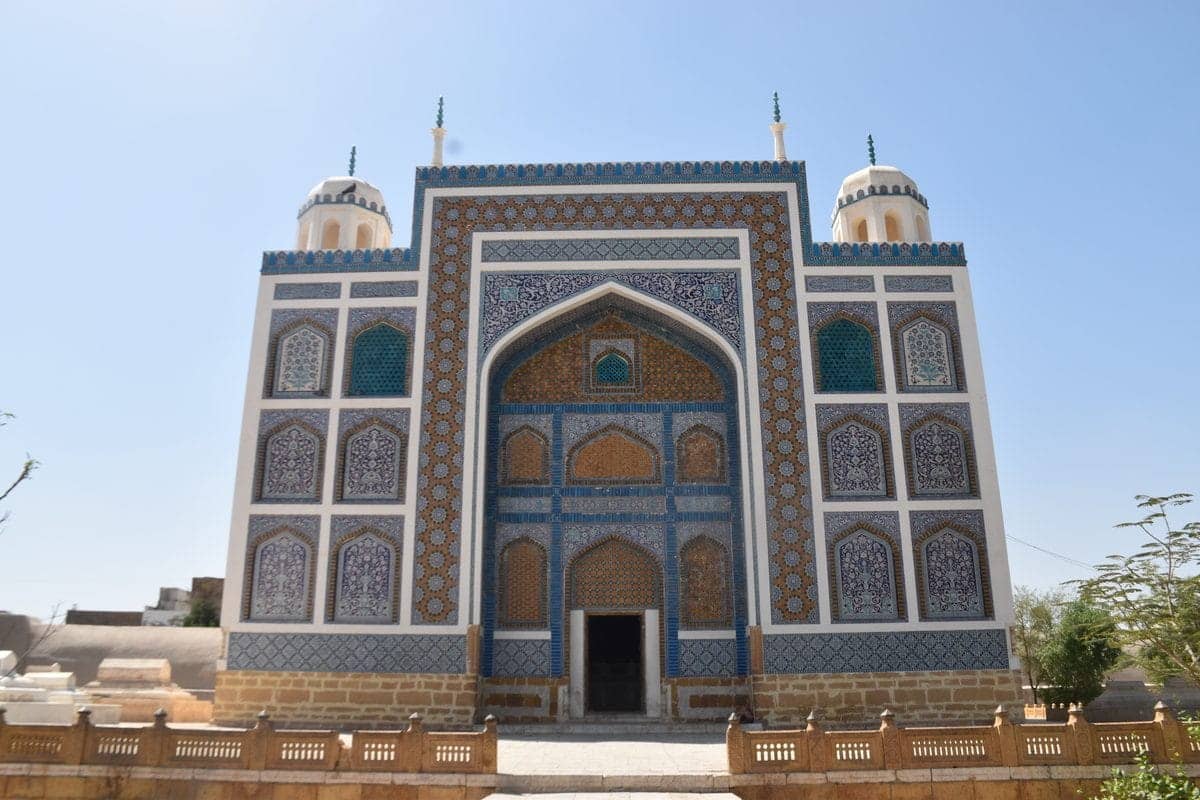
There are three graves inside the Kalhora Period tomb of Ghulam Nabi Kalhoro of which one is that of Ghulam Nabi and the remaining two are that of his children.
This is a very plain building with no architectural importance.