

Experiences / Cultural Heritage / Balochistan
Travel by interest
Cultural Heritage in Balochistan
A guide-led way into Pakistan's living culture, from craft towns and museums to the Kalash valleys' indigenous traditions.
← Back to the Balochistan guide·View Cultural Heritage across all of Pakistan
Balochistan
Cultural Heritage in Balochistan
Craft towns, living traditions, and indigenous culture
Sight
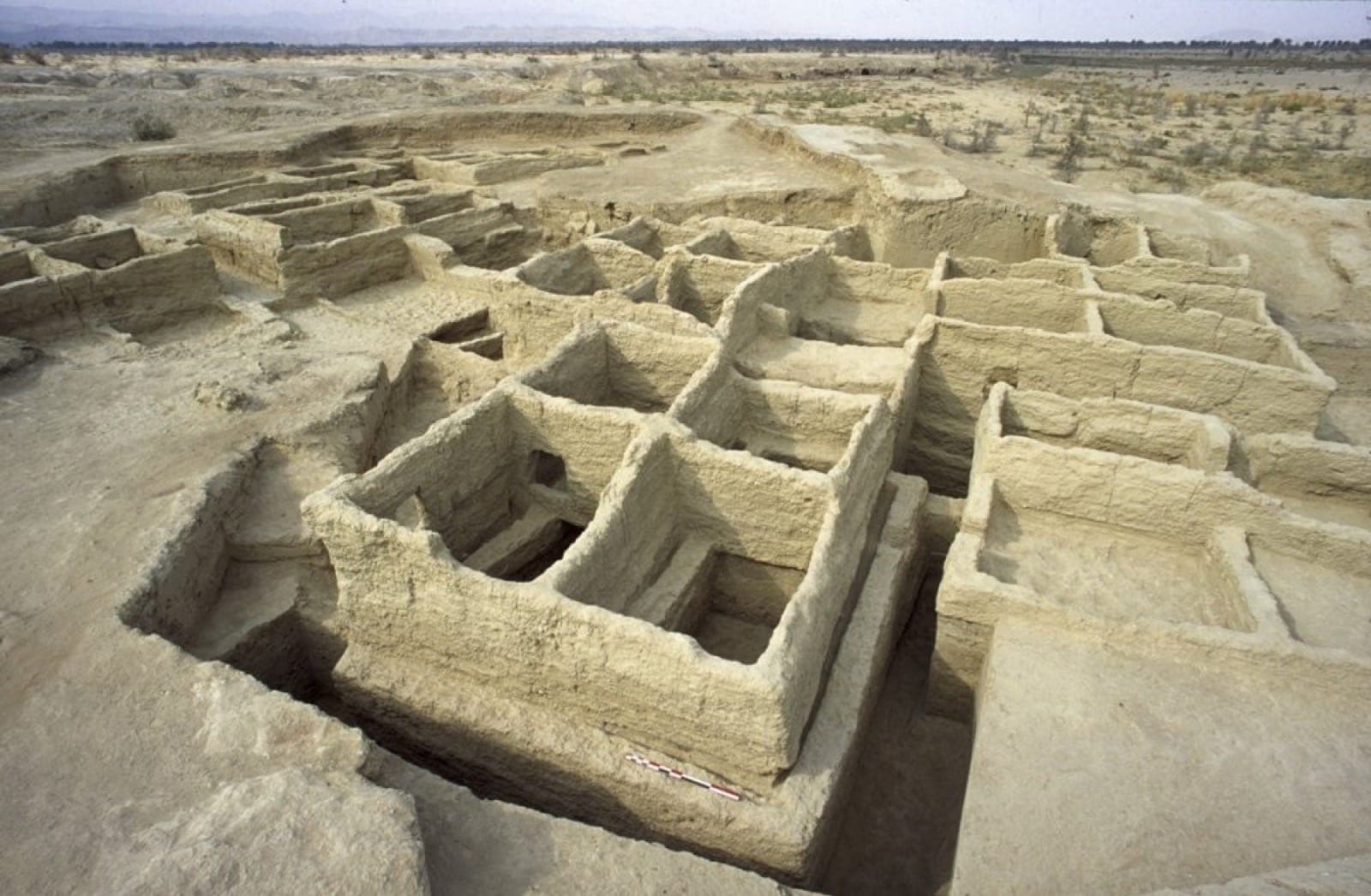
Mehrgarh
UNESCO tentative archaeological site representing early farming settlement history.
Sight
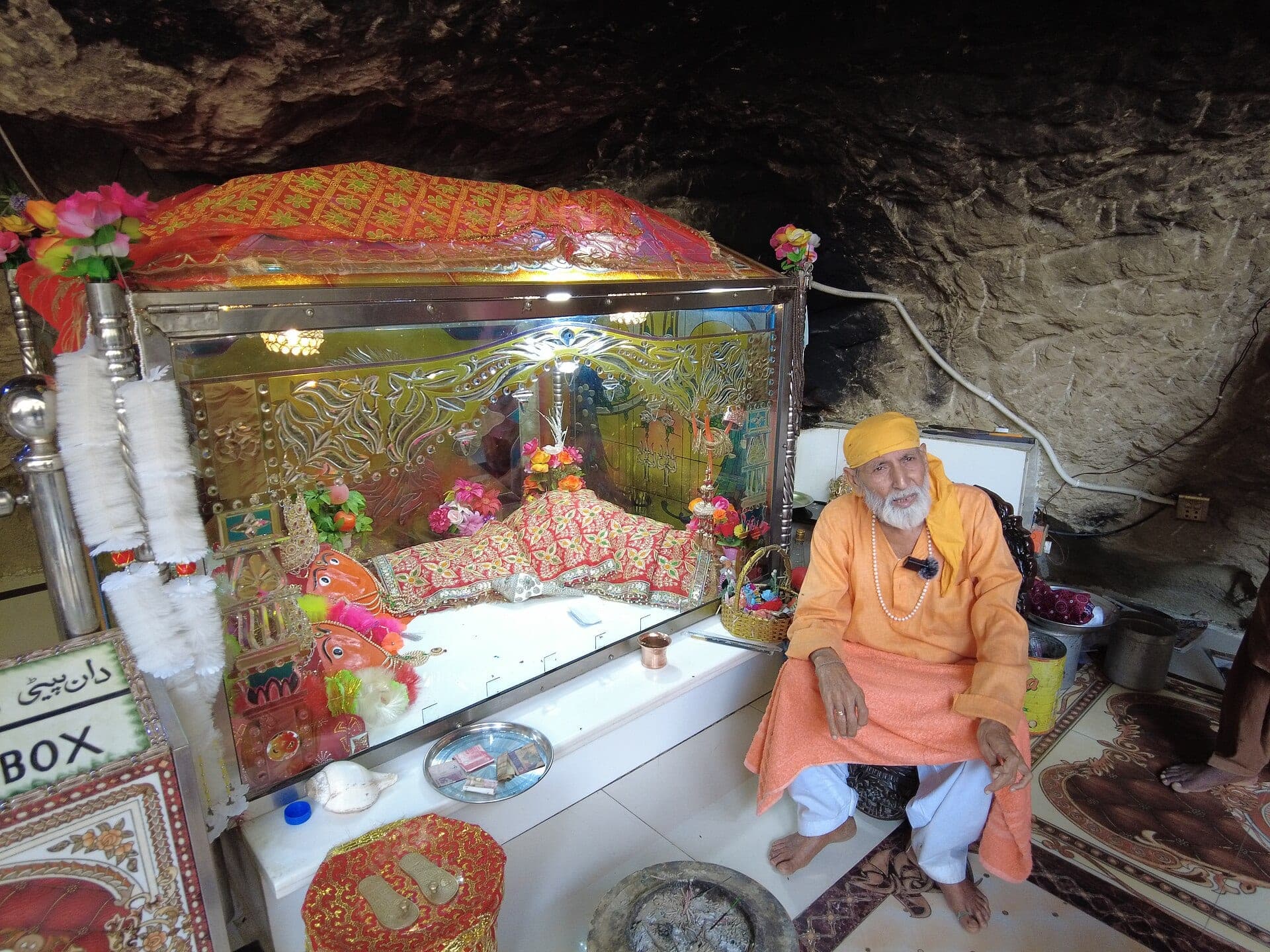
Hinglaj Mata Temple
Major Hindu pilgrimage site in the Hingol landscape near the Makran coast.
Sight
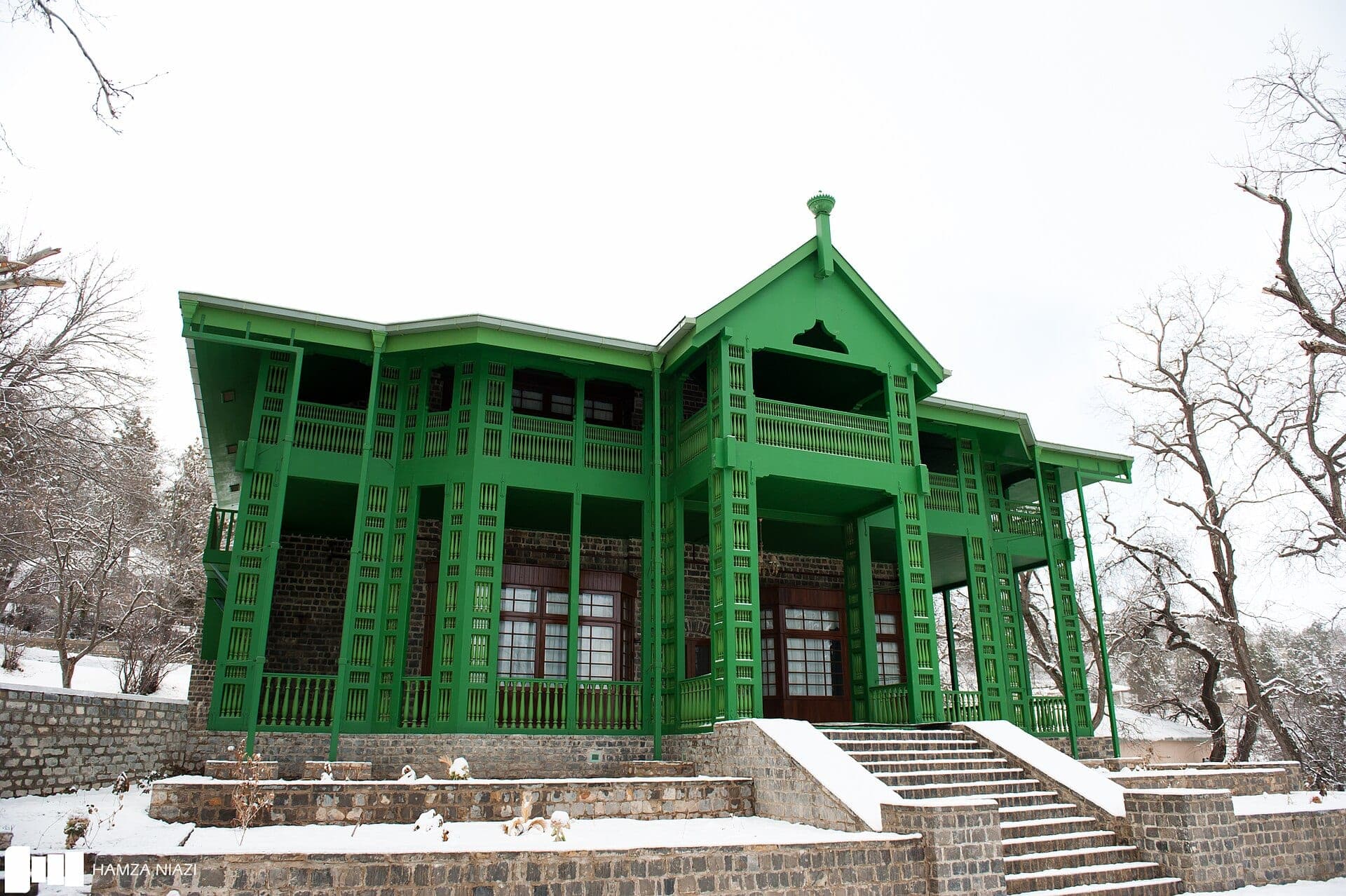
Quaid-e-Azam Residency, Ziarat
The colonial-era wooden residency where Jinnah spent his final months, set among the world's second-largest juniper forest.
Sight
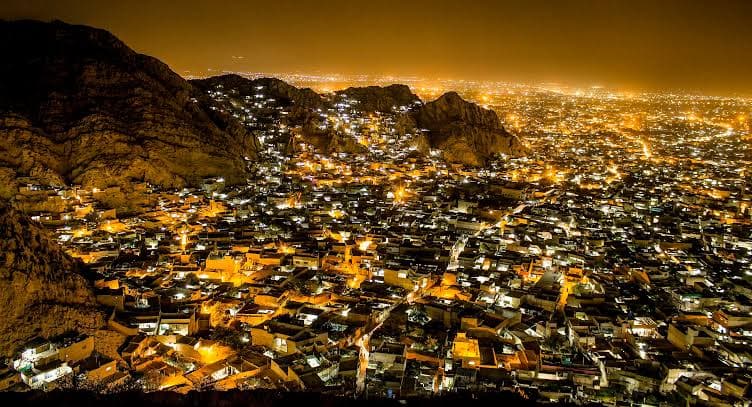
Quetta
Balochistan's provincial capital, a highland city of dry-fruit bazaars and orchard-fed markets ringed by the Zarghoon and Chiltan mountains, and the natural base for Hanna Lake, Ziarat, and the Bolan and Khojak passes.
Sight
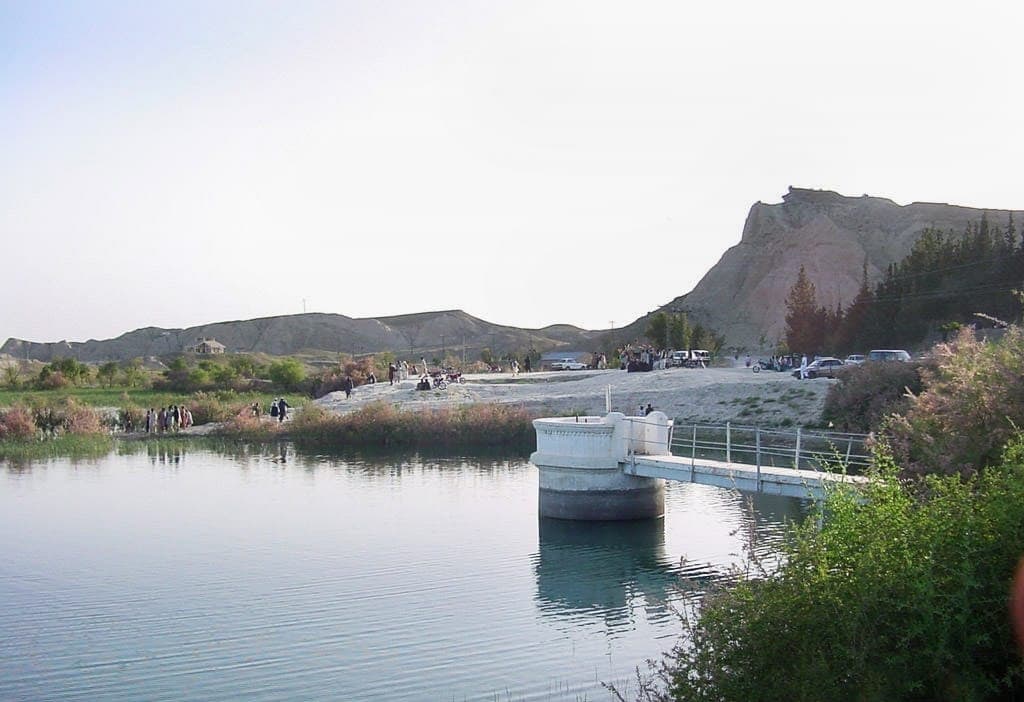
Pishin Valley
Balochistan's 'fruit basket', an hour north of Quetta, apple and grape orchards fed by karez irrigation channels and hot springs around the Bund Khushdil Khan reservoir.
Sight
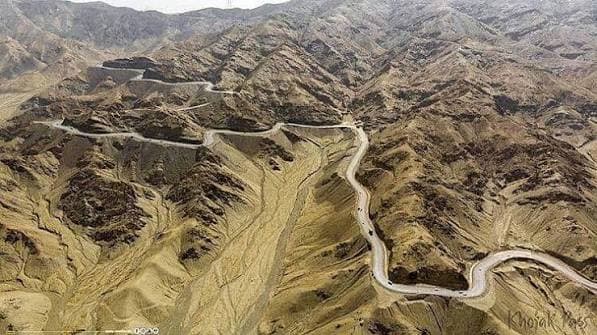
Khojak Pass
One of Pakistan's lowest major mountain passes, carrying the road and the 1891 Khojak Tunnel, one of South Asia's longest colonial-era rail tunnels, between Quetta and the border town of Chaman.
Sight
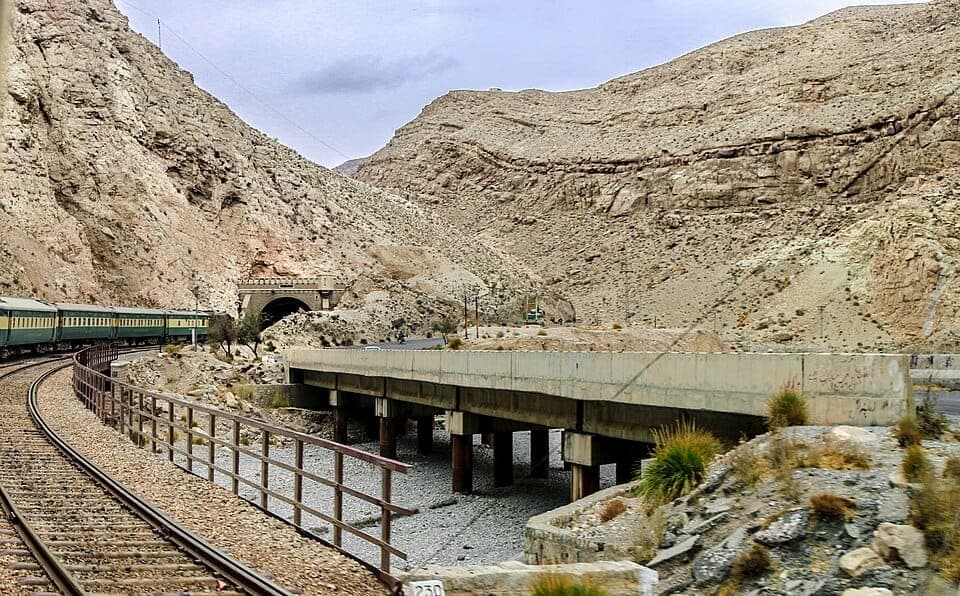
Bolan Pass
A historic 89 km gorge through the Central Brahui Range linking Sibi to Quetta, threaded by a 19th-century railway feat of 20 tunnels and hundreds of bridges, and a caravan route for centuries before it.
Sight
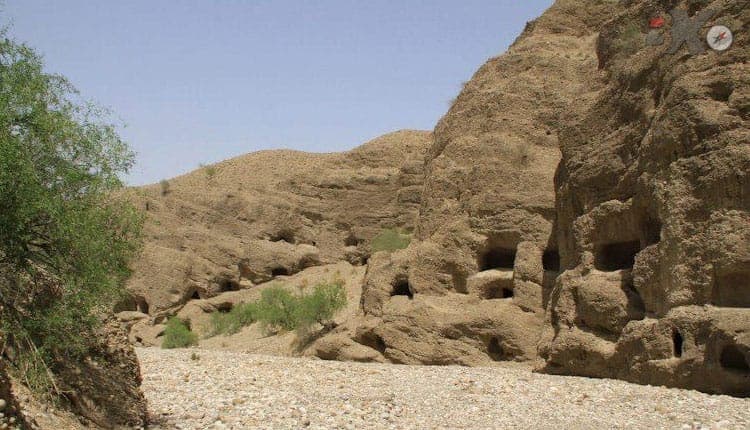
Gondrani Caves (Shehr-e-Roghan)
An ancient cave city cut into sandstone cliffs near Bela, believed to have sheltered a Buddhist monastic community around the 8th century, with roughly 500 chambers still standing of an original 1,500.
Sight
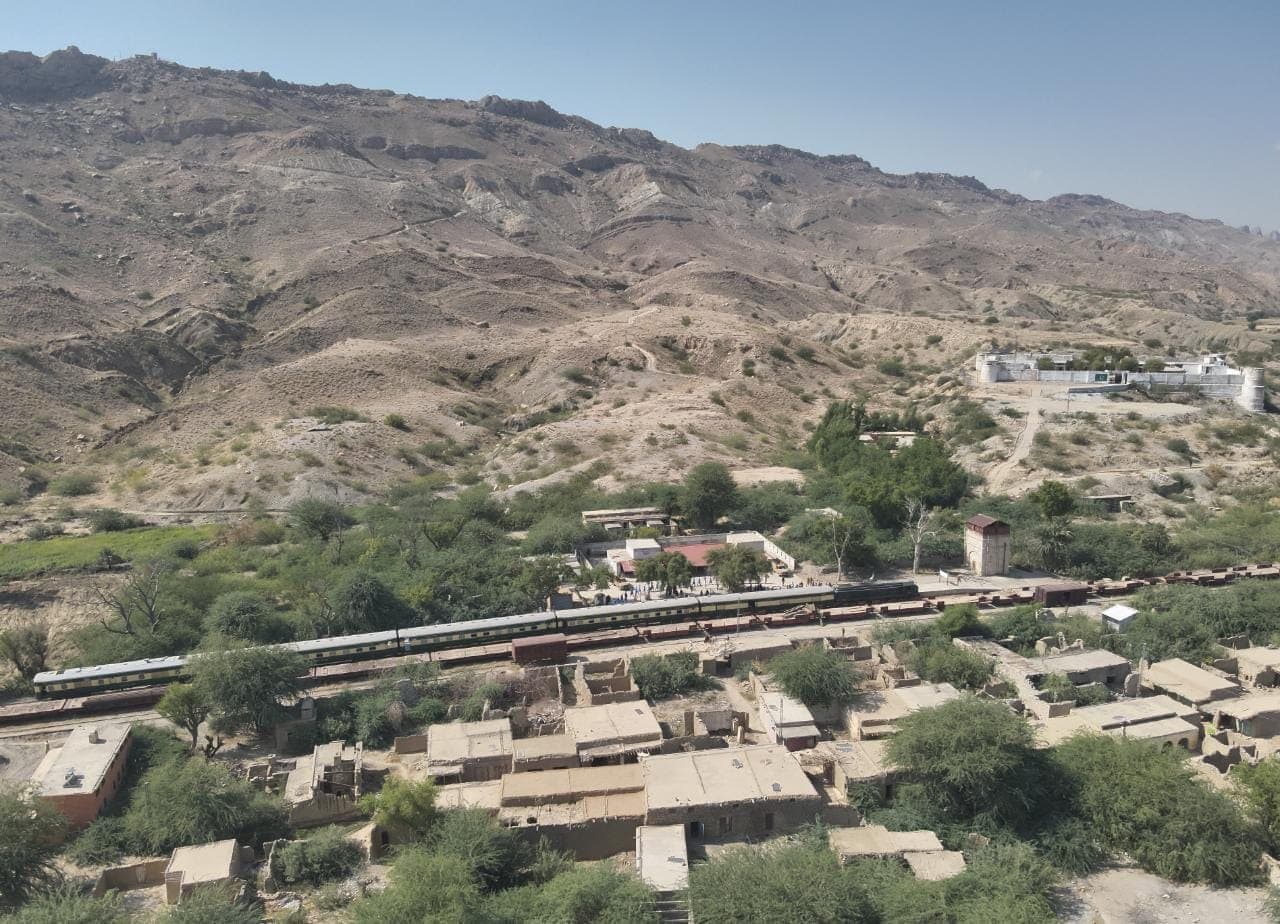
Sibi
One of Pakistan's oldest and hottest towns, on the Kacchi plain at the mouth of the Bolan Pass, home to the mud-walled Mir Chakar Fort and, each February, the great Sibi Mela livestock fair.
Sight
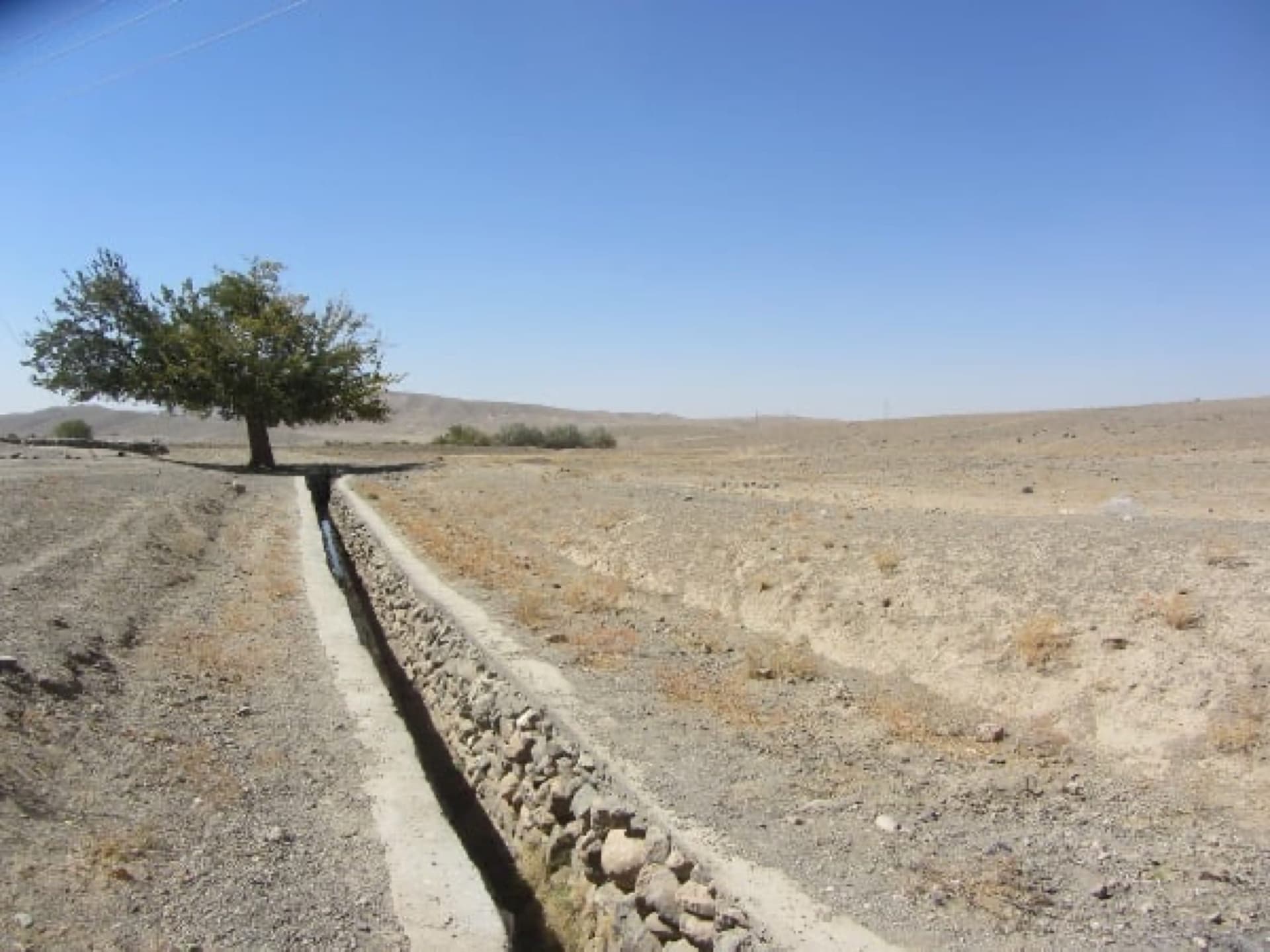
Karez System Cultural Landscape
A centuries-old underground irrigation network across Balochistan's arid plains, gently sloped tunnels carrying mountain groundwater to desert villages without a single pump.
Sight
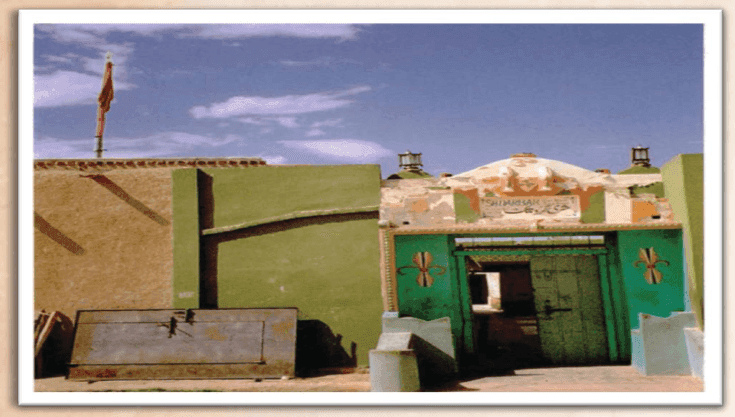
Guru Nanak Darbar, Kalat
A living gurdwara in Kalat's Hindu quarter, with daily prakash, and Guru Nanak's old shrine 3 km outside town.
Sight
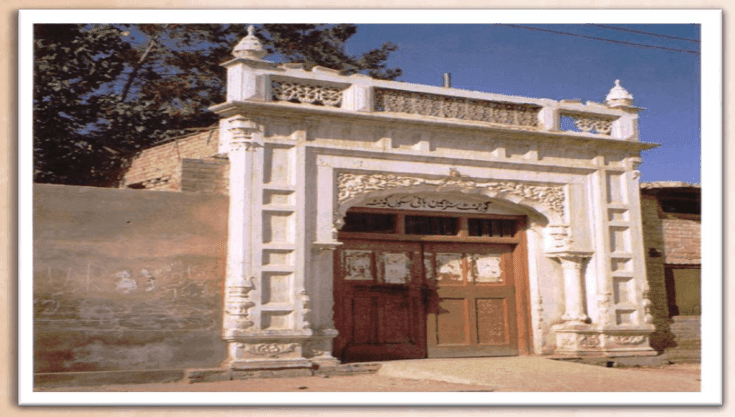
Gurdwara Tilganji Sahib, Quetta
Guru Nanak's shrine on Masjid Road, Quetta, named for the sesame (til) he gave the devotees who came to see him.
Sight
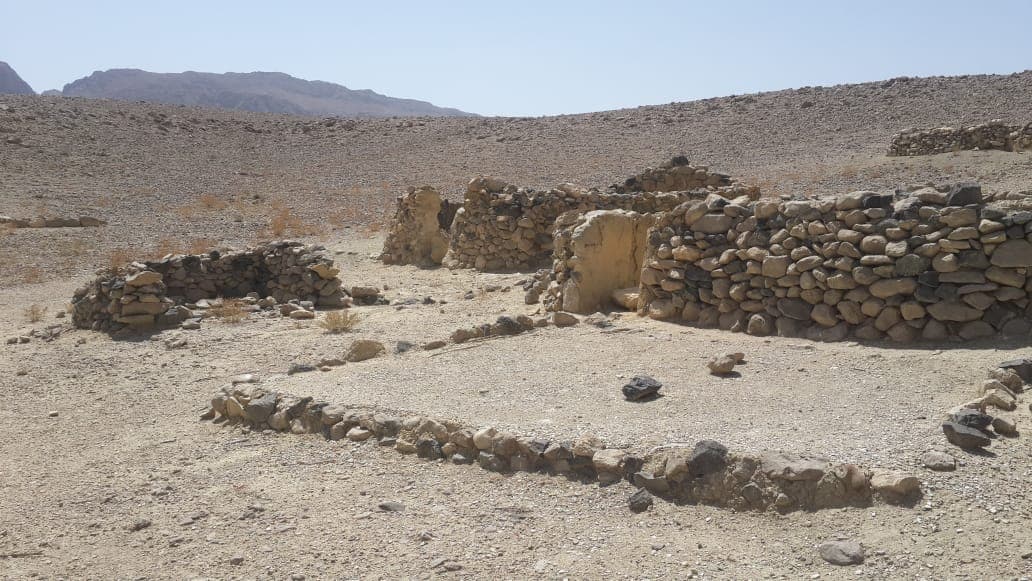
Tor Dheri Stupa, Loralai
Tor Dheri, also spelled Tor Dherai or Tor Dhari, is the most important Buddhist site in the Loralai District of Balochistan.
Sight
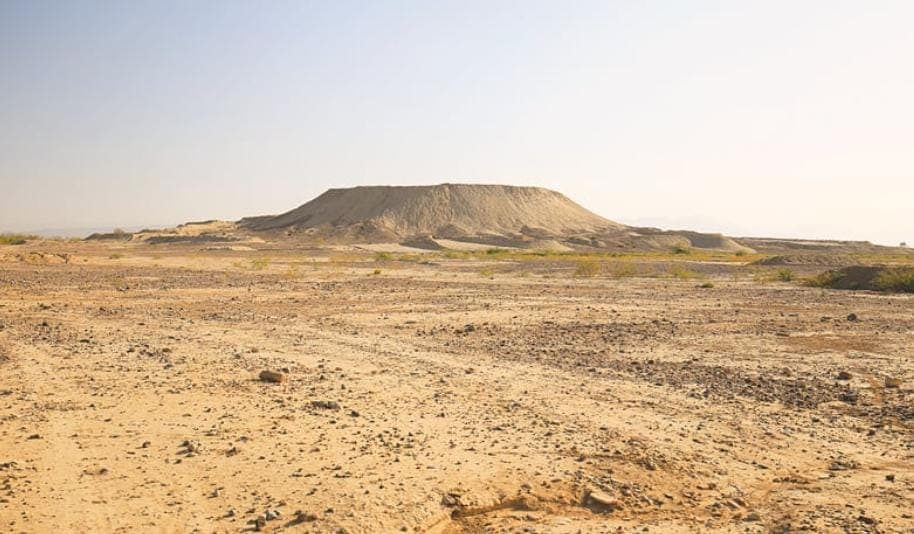
Shar Ghali Buddhist Mounds, Duki
The Duki region in Balochistan is home to an ancient and largely unprotected archaeological site known as Shar Ghali—possibly a corruption of "Shar Mughali" or "Mughal City".
Sight
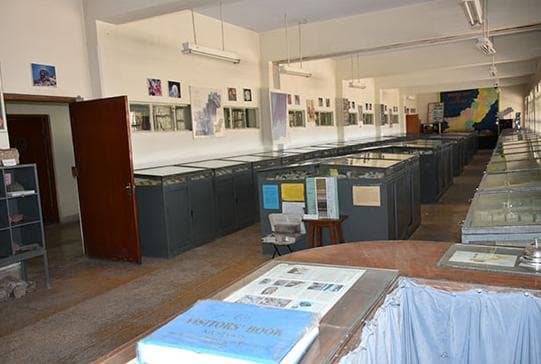
Quetta Archaeological Museum
The Quetta Archaeological Museum (commonly known as Quetta Museum) includes a modest but notable collection of Buddhist artifacts, reflecting the region’s ancient connection to Gandharan Buddhism. The museum features a small collection of Buddhist-era relics and sculptures, likely sourced from ancient sites within Balochistan and northwestern Pakistan.
Sight
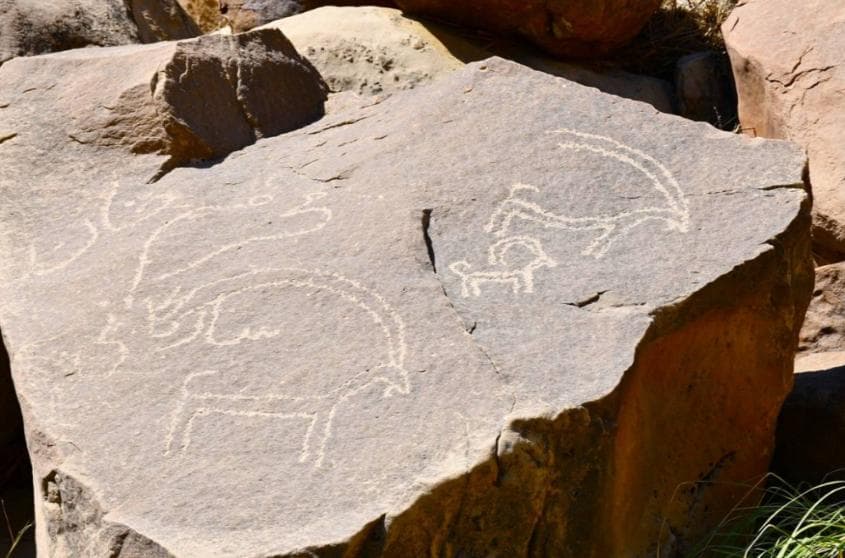
Sibi Rock Carvings
The Sibi Valley in Balochistan hosts rock carvings dating back to the Kushan period (circa 1st–5th century CE), some displaying Buddhist motifs such as simplified stupas or stupa-like shapes.
Sight
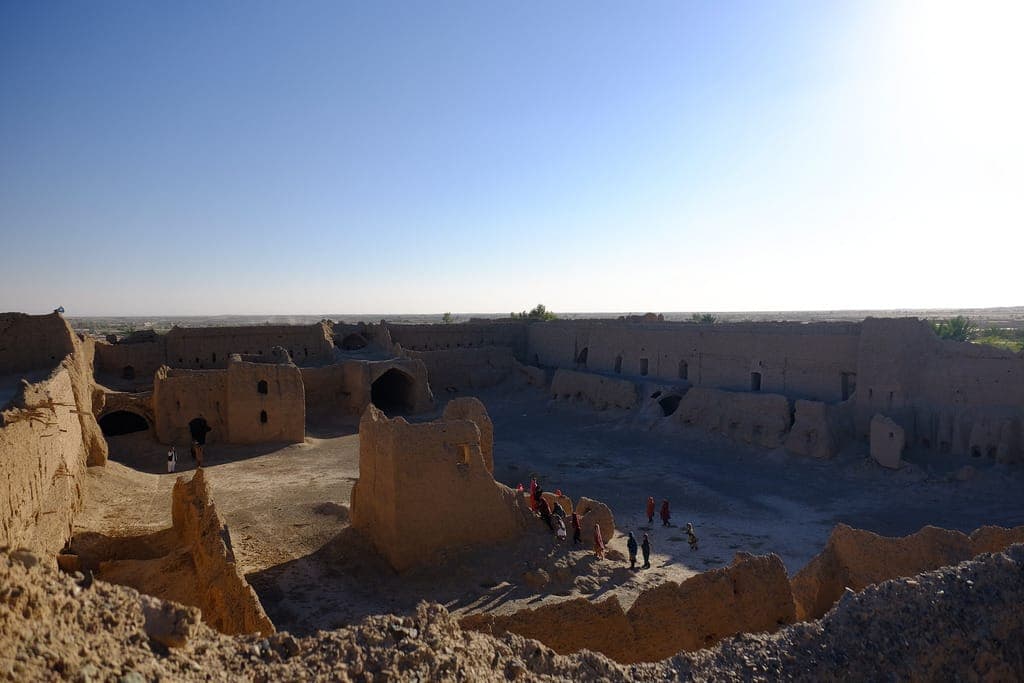
Kharan Fort (Fort of Azad Khan)
Kharan Fort in the heart of Kharan, Balochistan: an 18th–19th-century brick fort of Mir Azad Khan, 83 by 53 metres, with corner bastions and watchtowers.
Sight
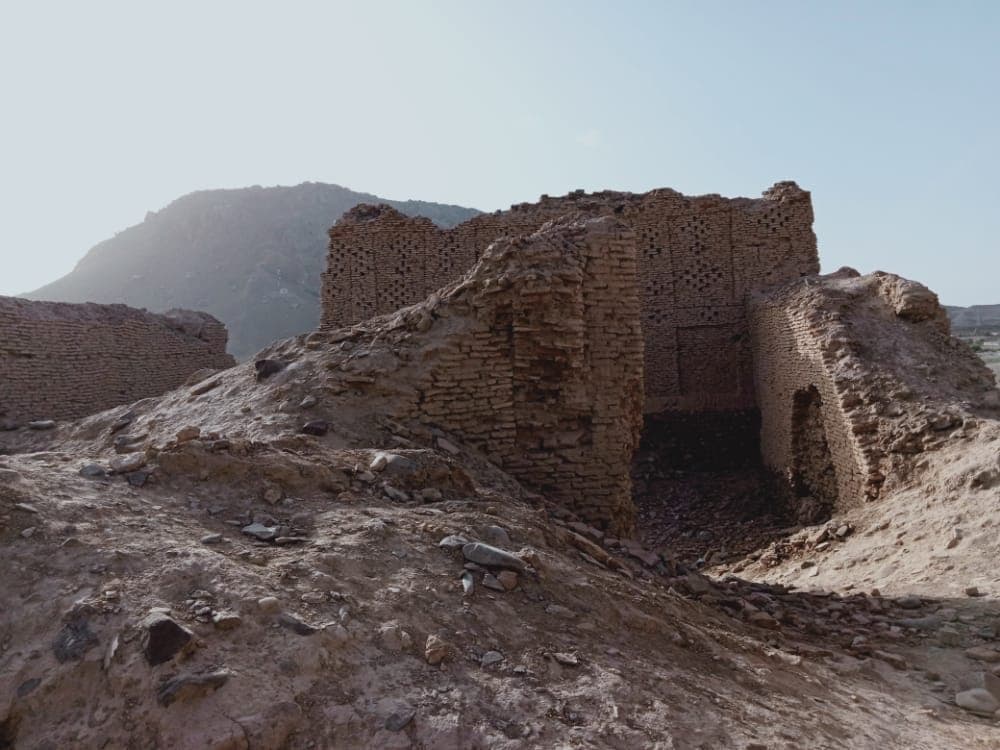
Nauroze Fort
Nauroze fort is situated at a distance of about 32 km north-east of Kharan town.
Sight
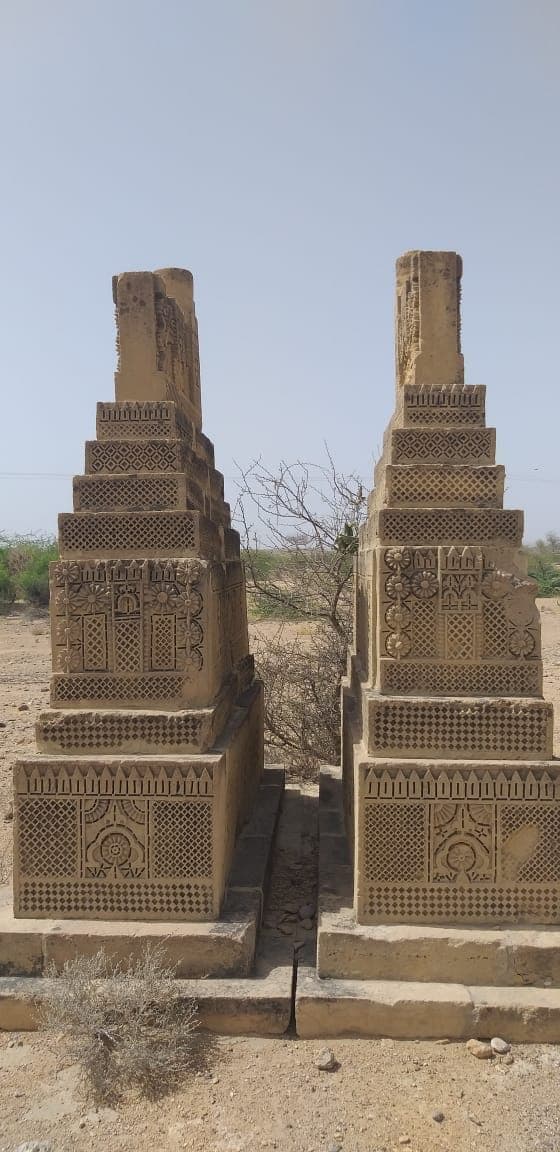
Tomb of Hanidan
Hinidan is located about 21 km north-west of Karachi on the right bank of Habb river.
Sight
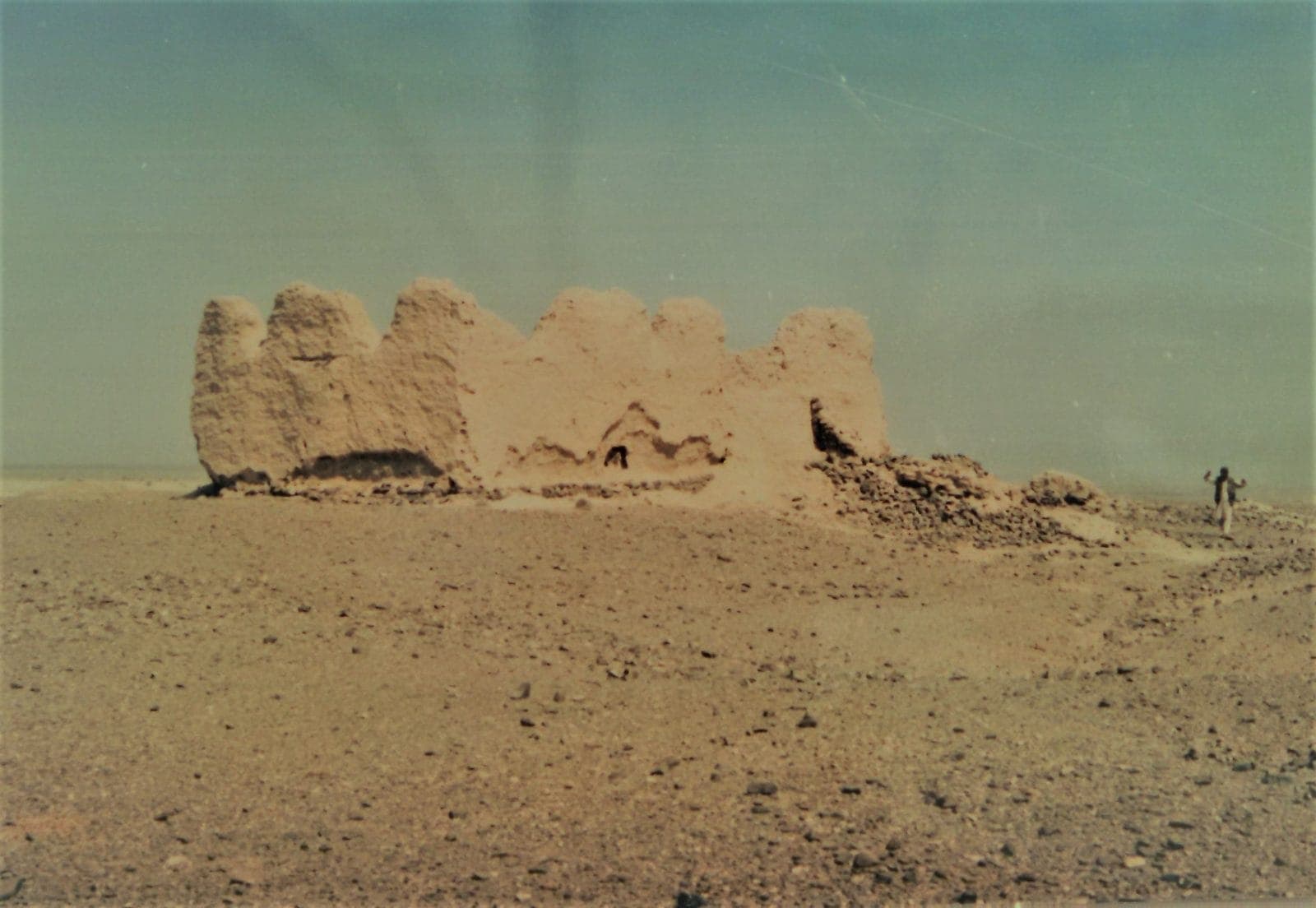
Fort wall of Jhalawar
The ancient remains at Jhalawar Pass are situated at a distance of about 80 km south-west of Kharan town.
Sight
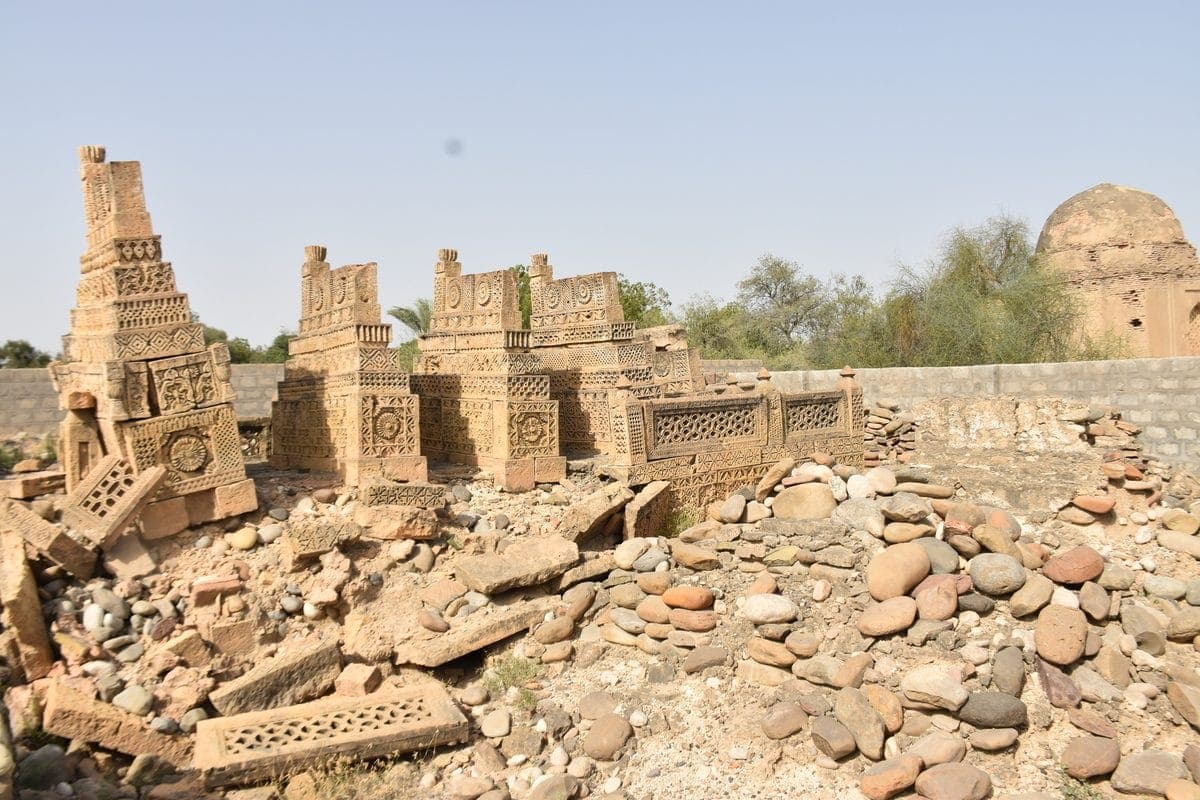
Ancestral Graveyard of Jam of Lasbela
The ancestral graveyard of Jam of Lasbela, the Chief Minister of Baluchistan is situated about 6.5 km to the North of Bela Town.
Sight
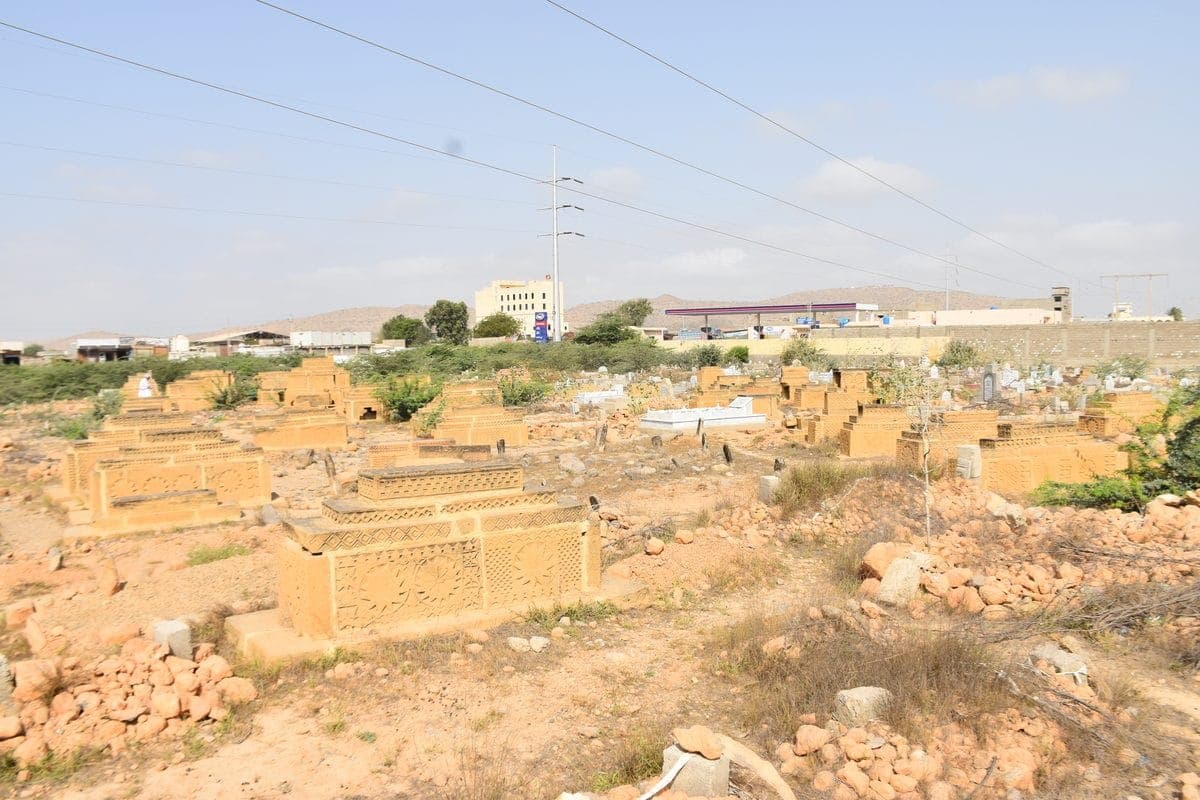
Greek (Rommis) Grave
Chaukhandi type of necropolis of pyramidal shape are mostly reported in Baluchistan and Sind.
Sight
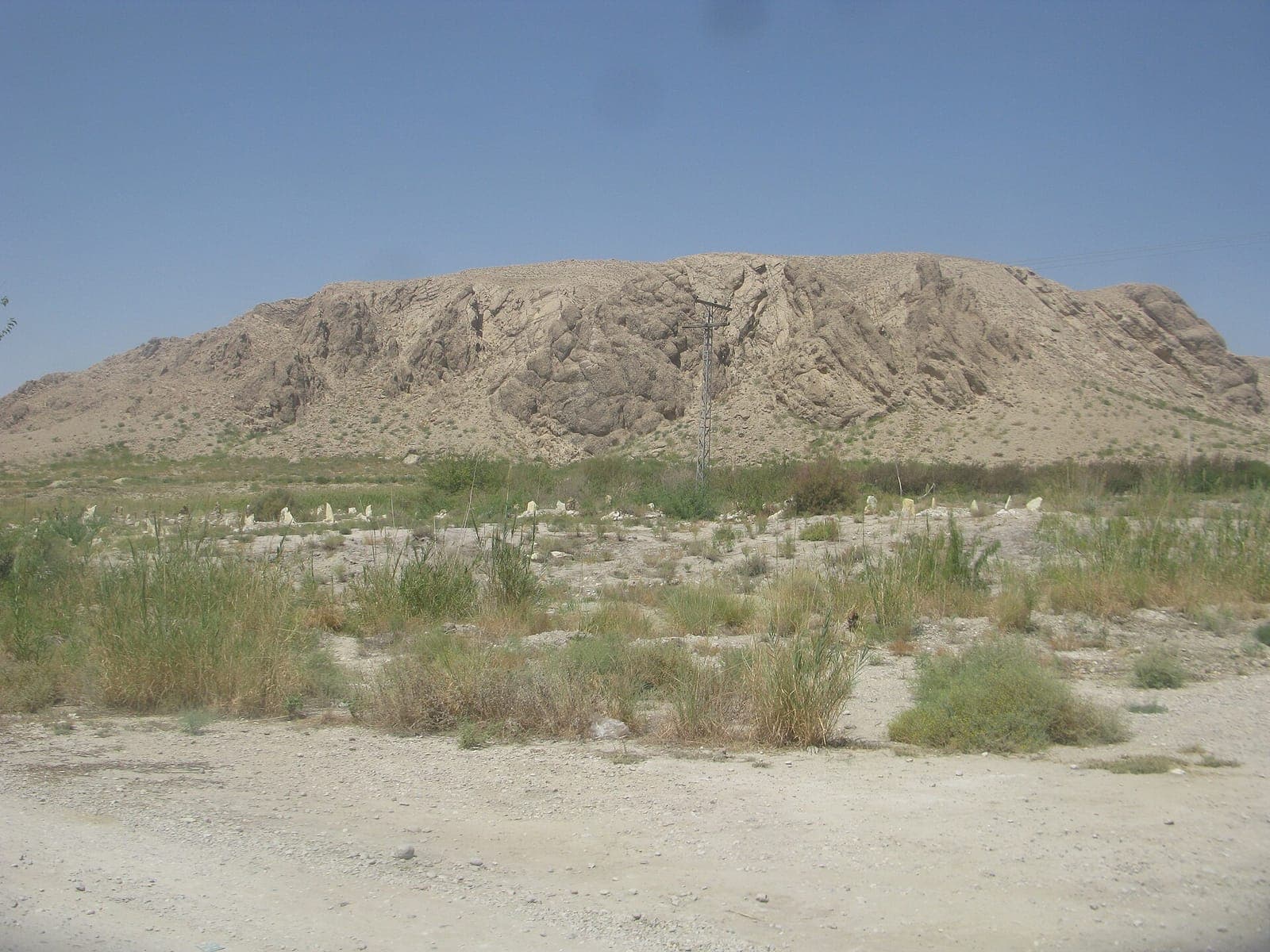
Pre-Historic Mound (Harian)
A prehistoric mound near Harian Haider Zai in Loralai, Balochistan, 200 metres across and strewn with painted pottery of about 5600–3500 BCE.
Bookable journeys
Being prepared
Dedicated journeys in this category are being prepared. Until then, request a private itinerary that combines stays, transport, guiding, and the places listed above.
Request a private itineraryReady to wander?
Design your custom Cultural Heritage itinerary
Connect with our travel team to combine the stays, transport, and coastal sights of Pakistan into a private, tailor-made trip.