
Loading…
Experiences / Faith (Religious) Tourism / Buddhist heritage
Gandhara archaeology from Taxila to Swat, museums, monasteries, and valley routes.
156 of 156 field guides
Punjab
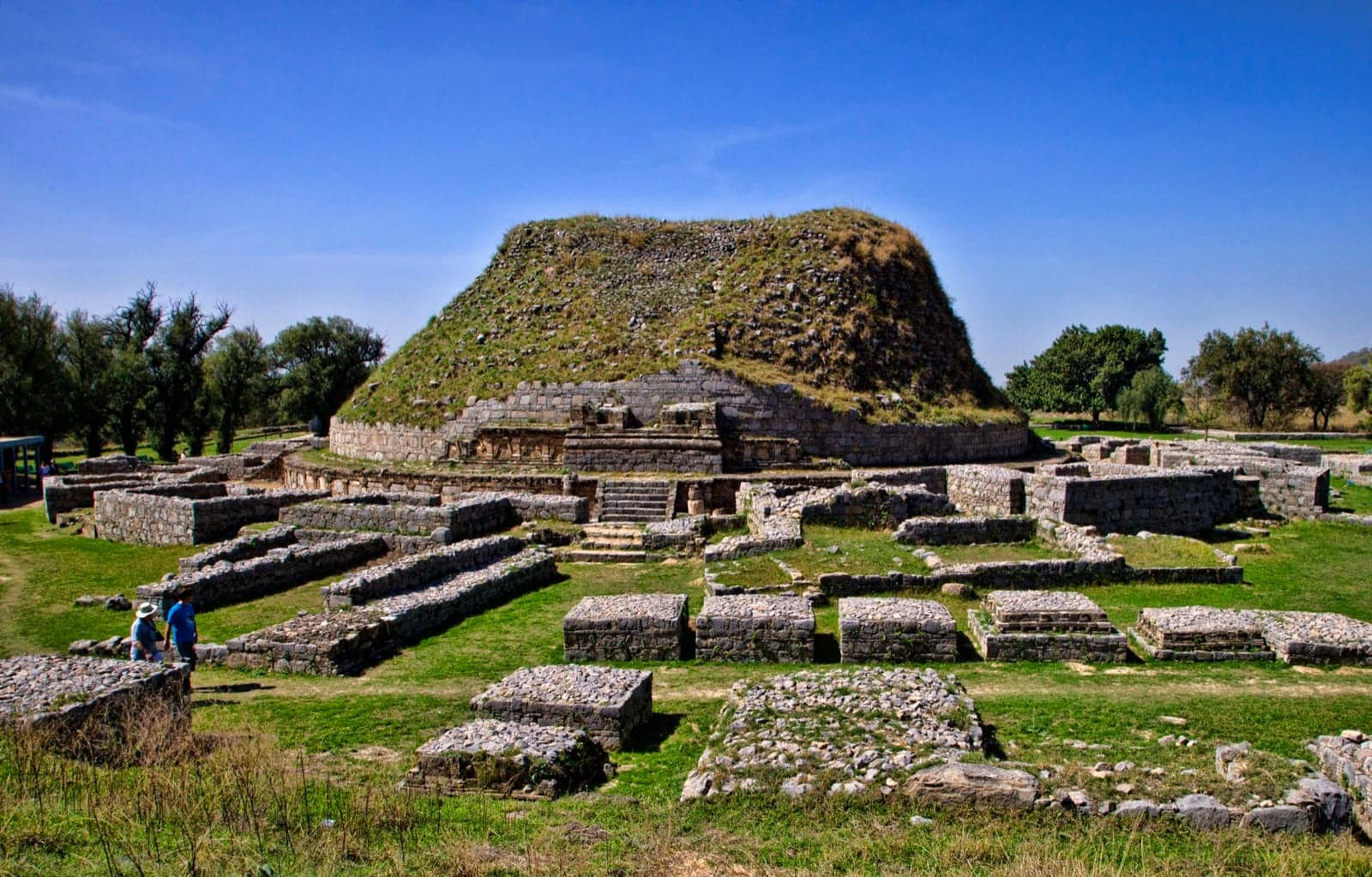
UNESCO archaeological complex and museum.
Khyber Pakhtunkhwa
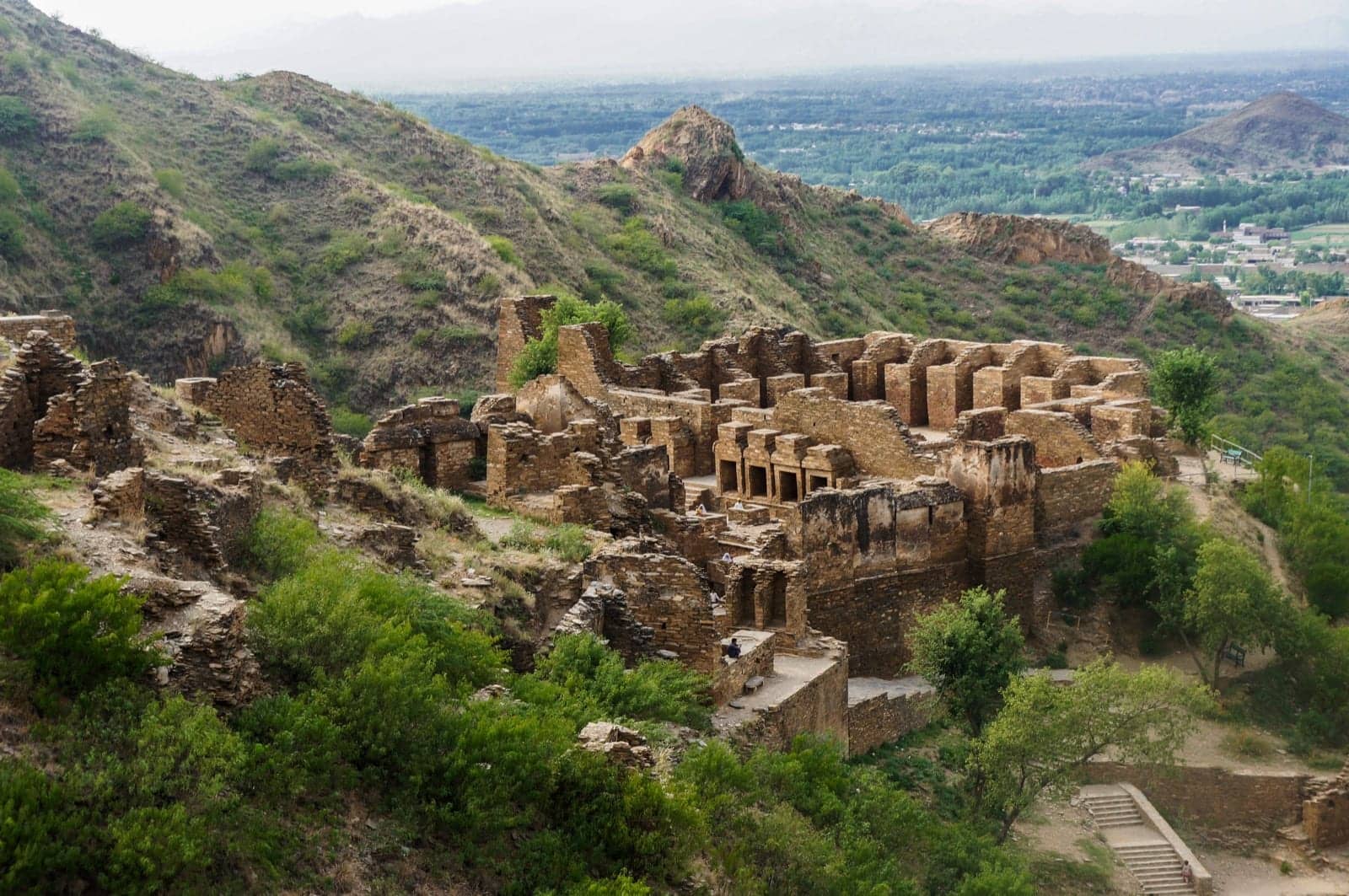
Hilltop monastic ruins above Mardan.
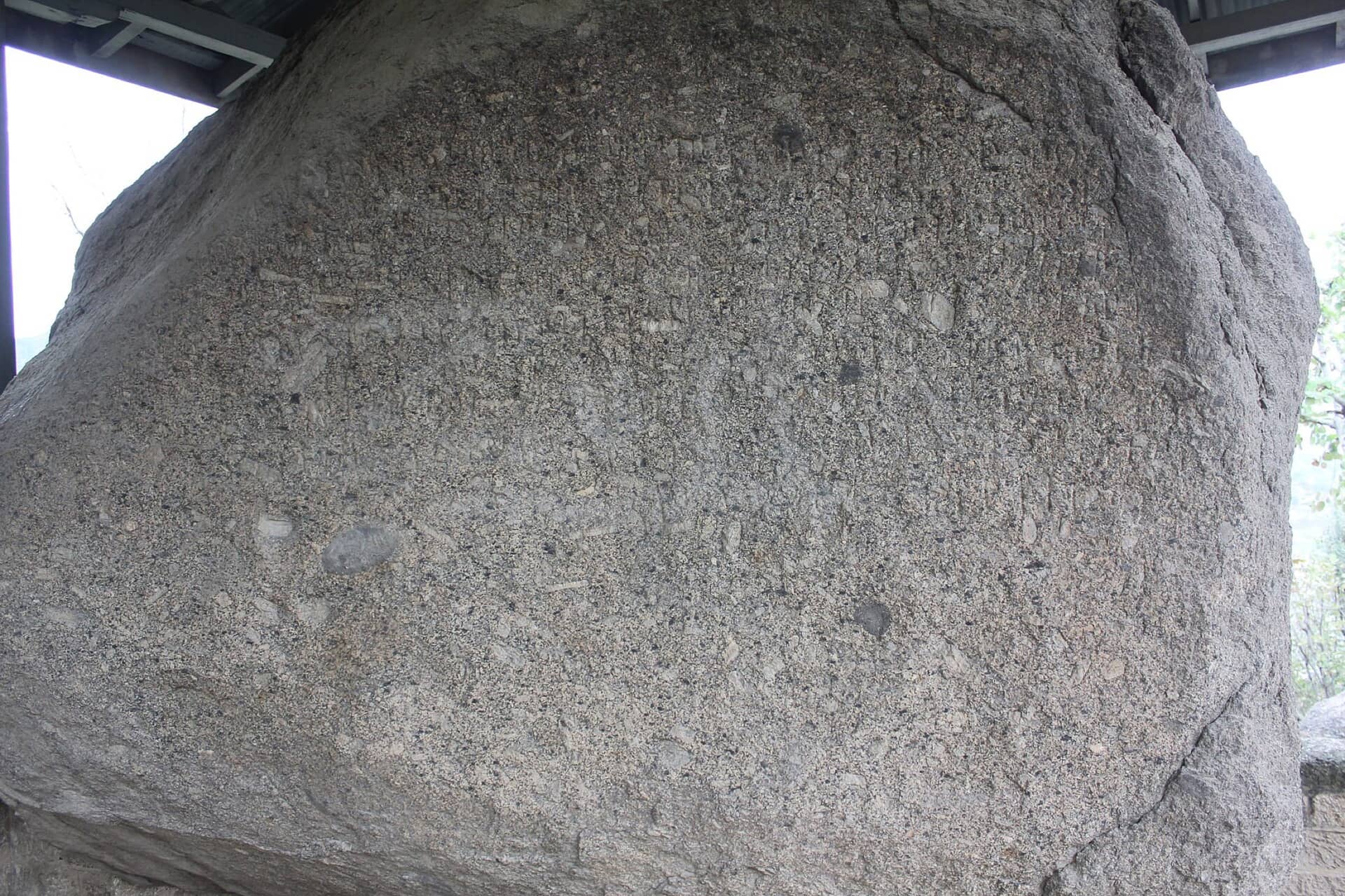
A set of Ashokan rock edicts on boulders above Mansehra town, sister inscriptions to Shahbazgarhi's and among Pakistan's oldest surviving written records.
Sindh
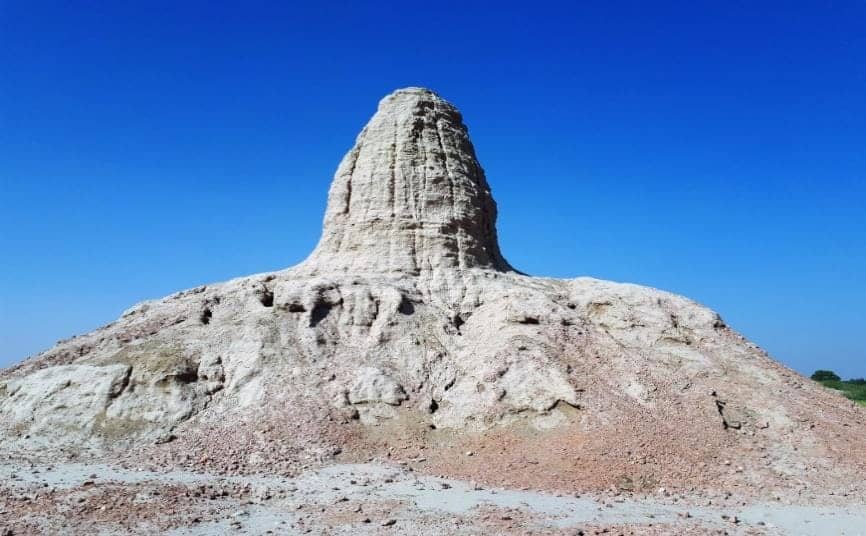
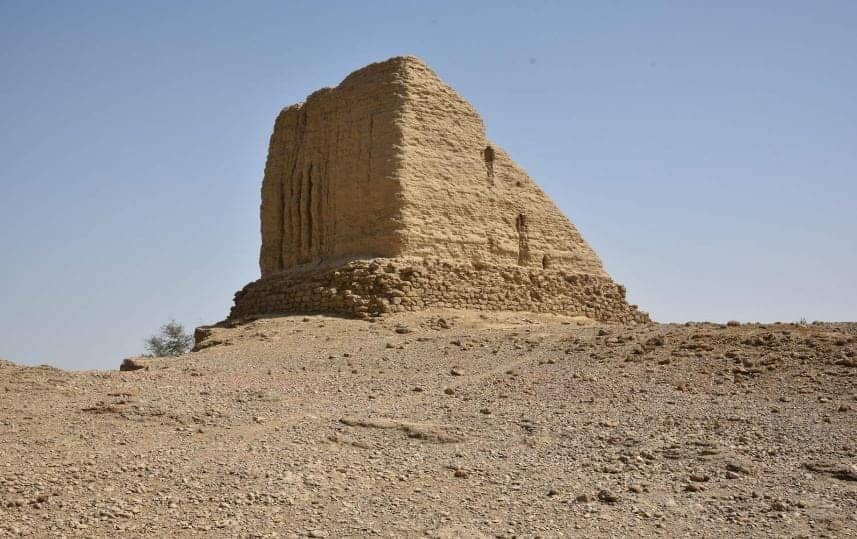
The Thul Hairo Khan is a Buddhist stupa located near Johi in Sindh, Pakistan, believed to have been built between the 5th and 7th centuries CE.
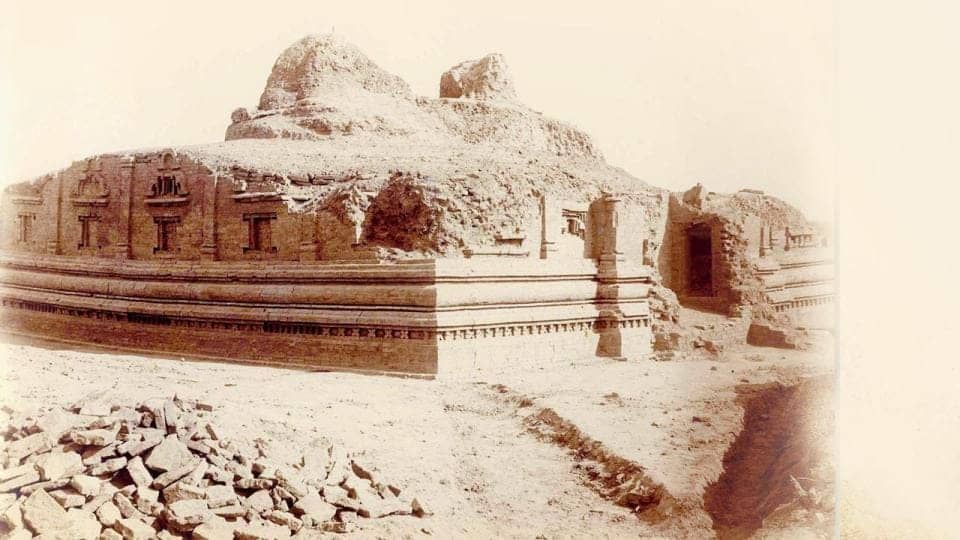
The Kahu-Jo-Daro, or Mirpur Khas stupa, is an important Buddhist site located in Sindh, Pakistan, spread over 30 acres.
The Thul Mir Rukan is a Buddhist stupa located near Kazi Ahmed and Daulatpur in Sindh, Pakistan.
Sirnikot is an important Buddhist site located along the left bank of the Indus River in Sindh, Pakistan, specifically in deh Sadhoja, near New Jatoi town in Taluka Moro, Naushahro Froze District.
The Kot Diji site, located in Khairpur district, Sindh, is an archaeological site dating back to the 5th - 6th century CE, associated with the Buddhist period in the region.
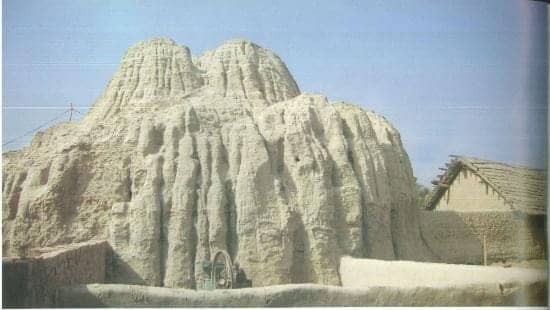
The Sudheran-jo-Thul site, located in Taluka Mula Katyar, District Tando Muhammad Khan, Sindh, is an archaeological site with a stupa made from mud clay and mud bricks.
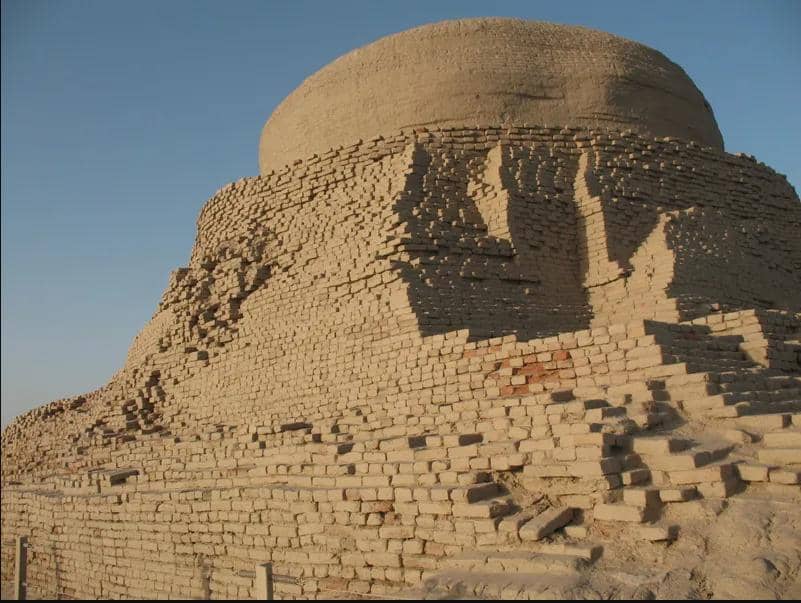
Mohen-jo-Daro, an ancient Indus Valley Civilization site, is often associated with early Buddhist history due to the discovery of a Buddhist stupa in the area.
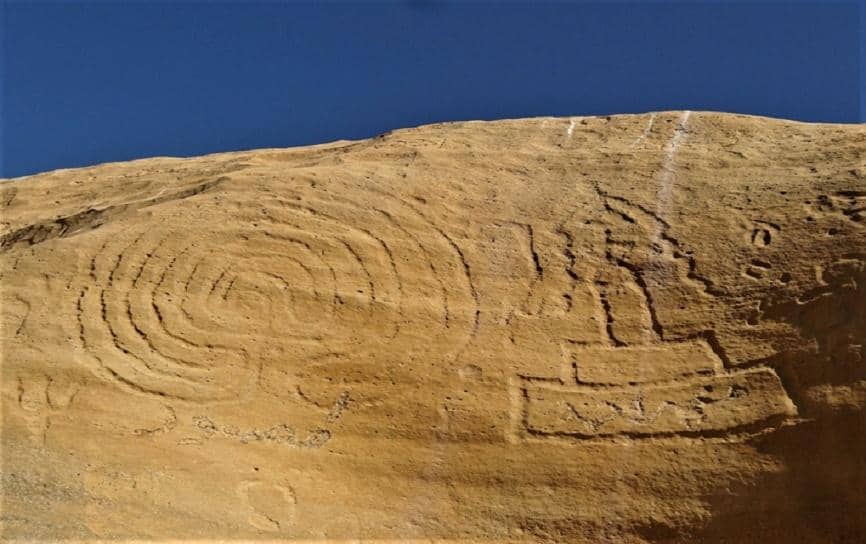
The ancient rock carvings of Sindh, located in the Khirthar Mountain Range, span across several districts including Jacobabad, Qambar Shahdadkot, Dadu, and Jamshoro.
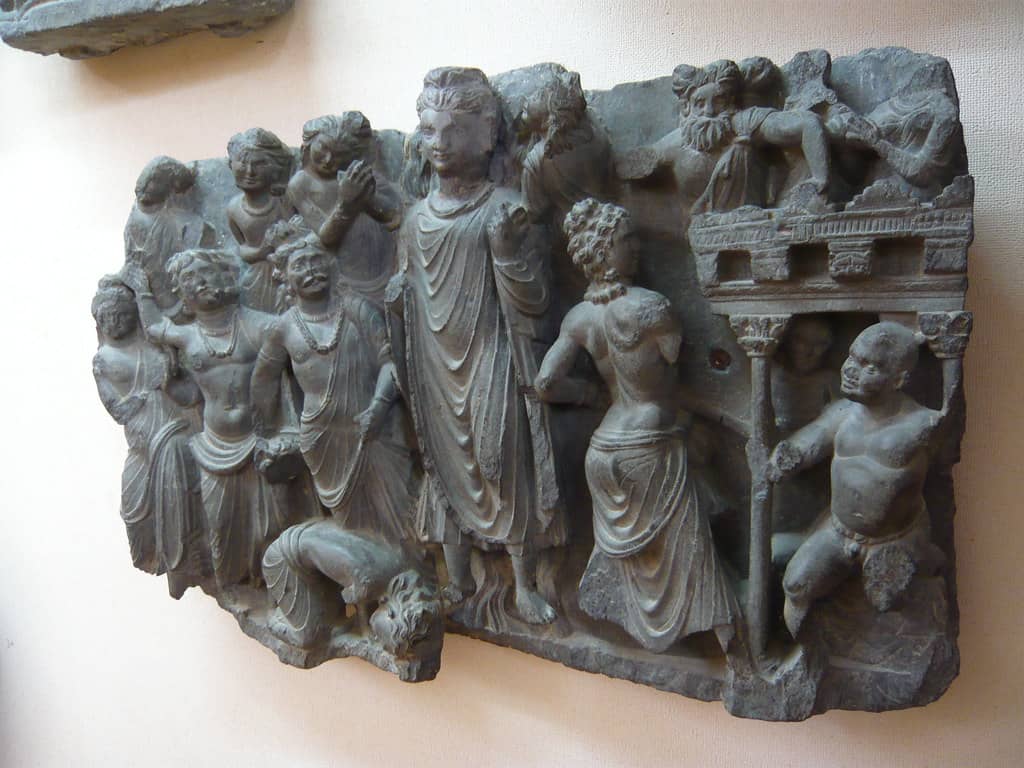
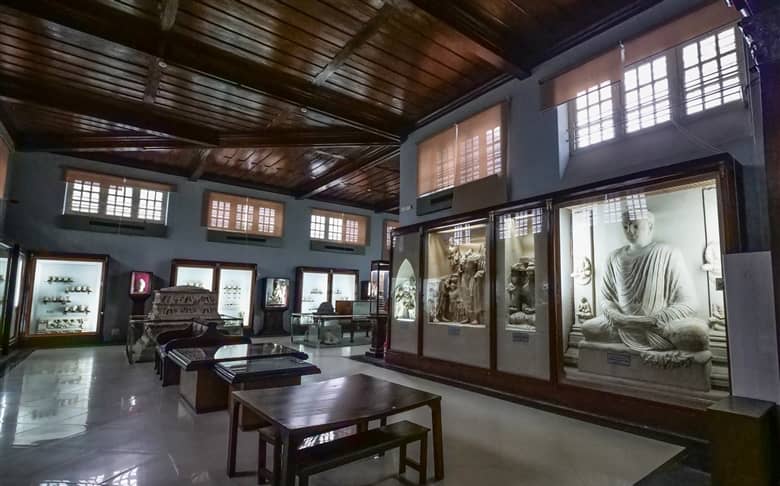
The National Museum of Pakistan in Karachi houses a significant collection of Buddhist artifacts, particularly from the Gandhara civilization.
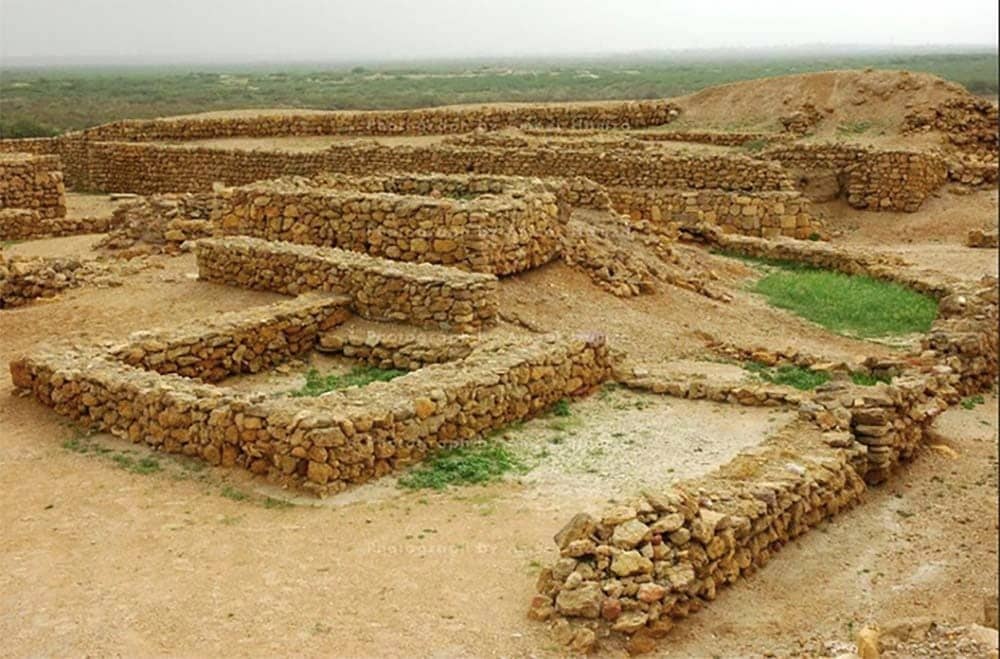
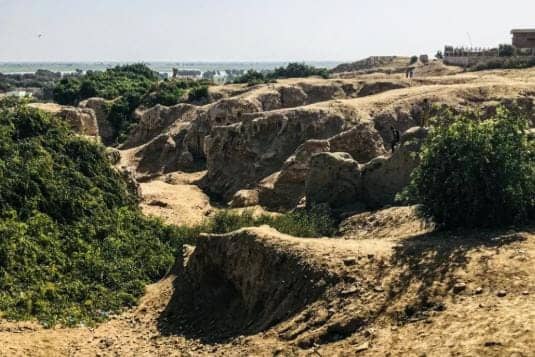
Bhambore (or Bhanbhore) is an ancient city located in Sindh, Pakistan, with a history spanning from the 1st century BCE to the 13th century AD.
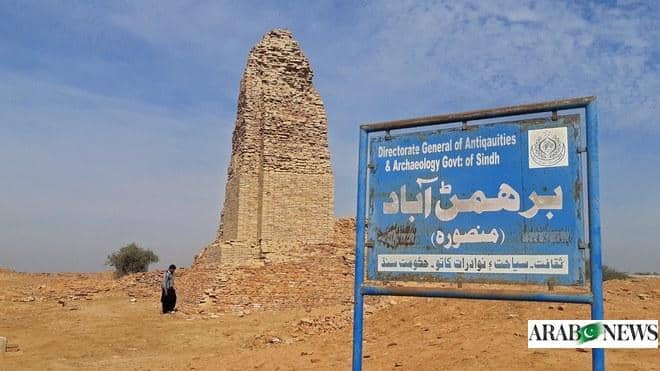
Mansura, also known as Brahmanabad, was the capital of the Umayyad and Abbasid Caliphates in Sindh from the 8th to 10th centuries.
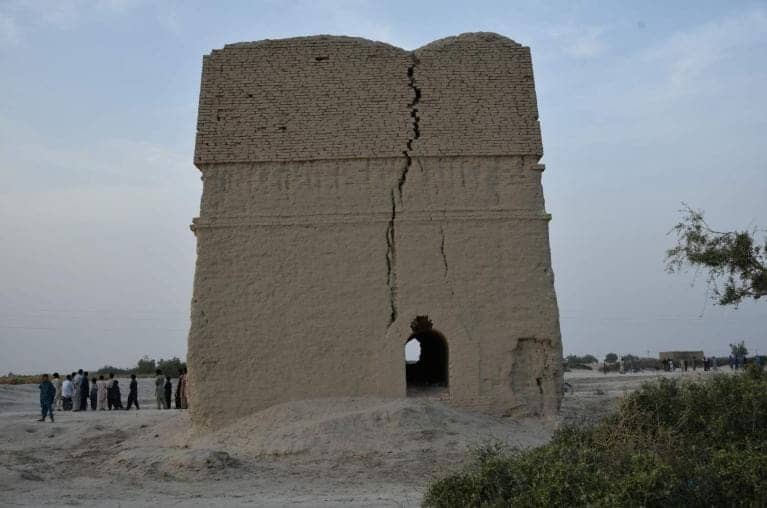
The Square Tower at Larkana, located in the Sindh province of Pakistan, is an important historical site that dates back to the pre-Islamic period.
The archaeological site, located in Larkana District, Sindh, dates to the Proto-Historic period, approximately between 3500 BCE and 1800 BCE.
Bhaleel Shah Thul, located in the Dadu district of Sindh, Pakistan, is an important historical and archaeological site.
Veer Thari is a large archaeological site near Seerani in Badin, divided into two mounds— Mound-I and Mound-II—dating from the 7th to 12th century AD.
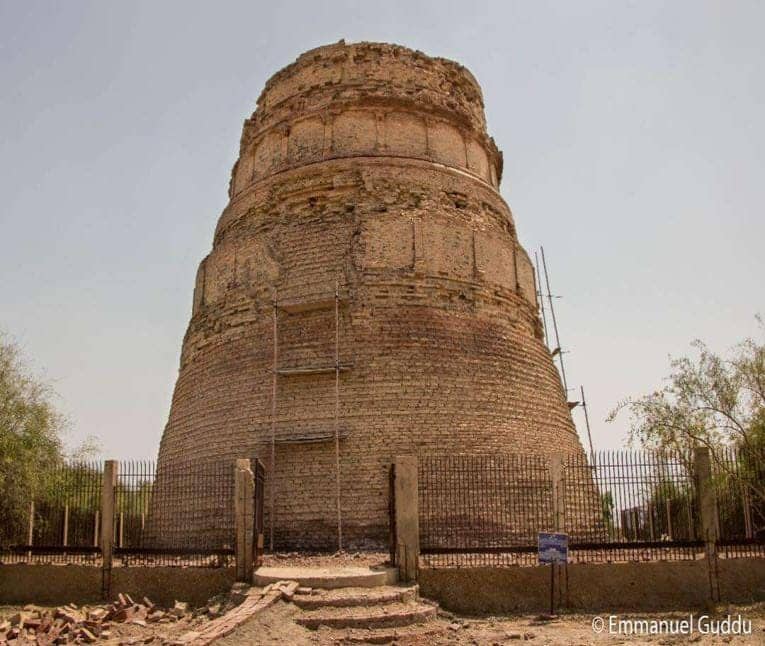
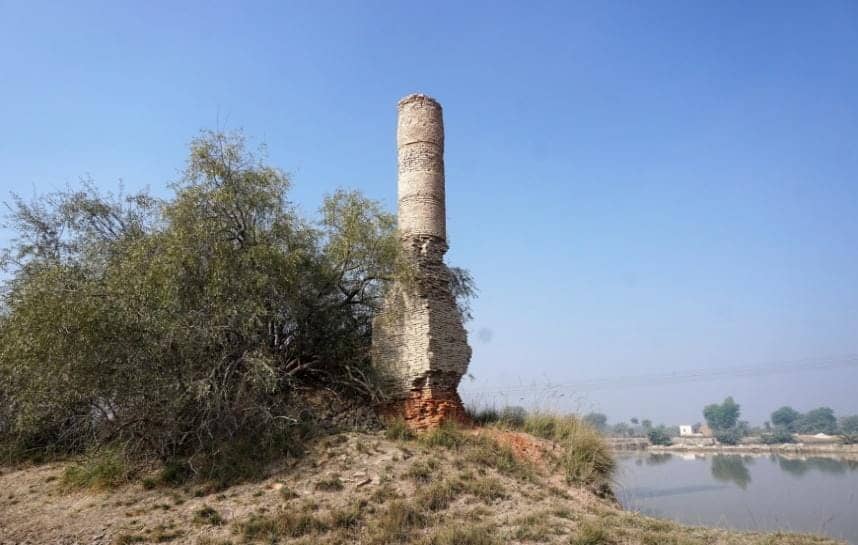
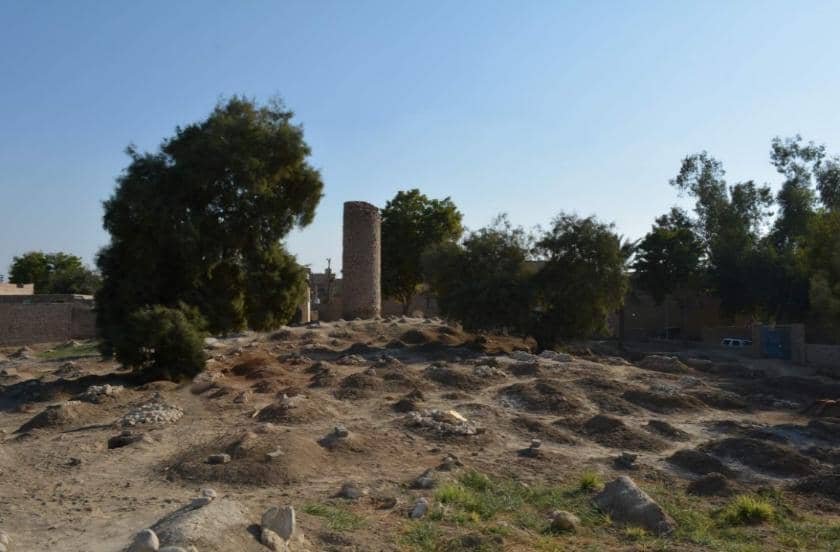
Thul Peer is a mysterious cylindrical structure in Piryaloi village, Khairpur, built with large burnt bricks and mud mortar.
Maroo Thul is a 2nd-7th century AD Buddhist monument located 6 km northeast of Faridabad, Sindh.
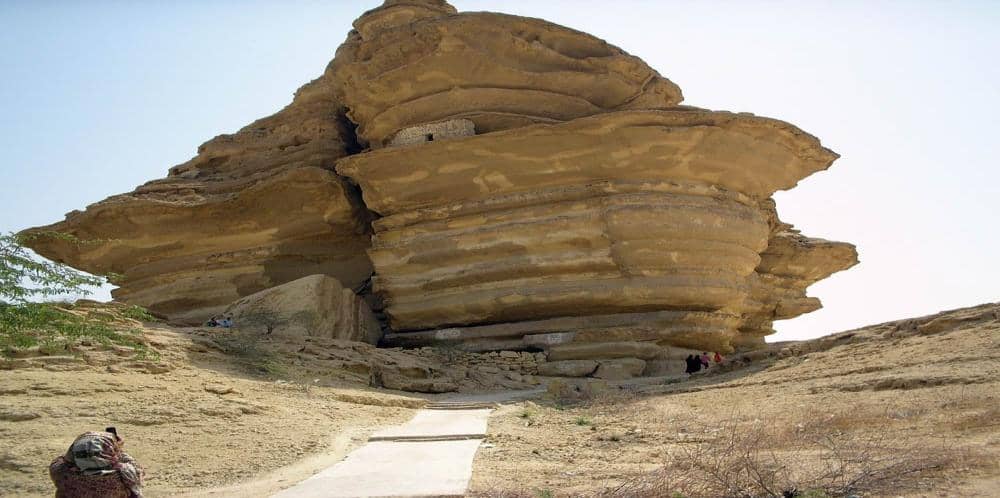
The Naig Stupa, situated in the scenic Naig Valley of Jamshoro District, Sindh, is an important Buddhist archaeological site.
The stupa of Village Thull, about 15 km southwest of Johi, stands on a hill one kilometer west of the village.
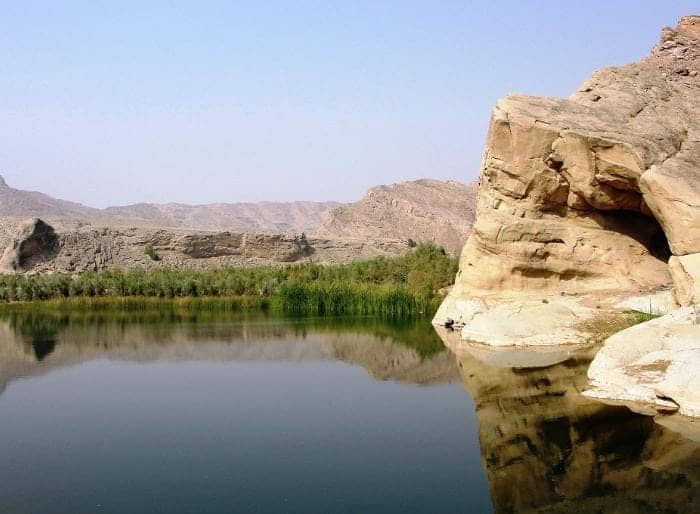
The Gaj Valley, located in the Jamshoro District of Sindh, is a historically rich but largely neglected Buddhist archaeological site.
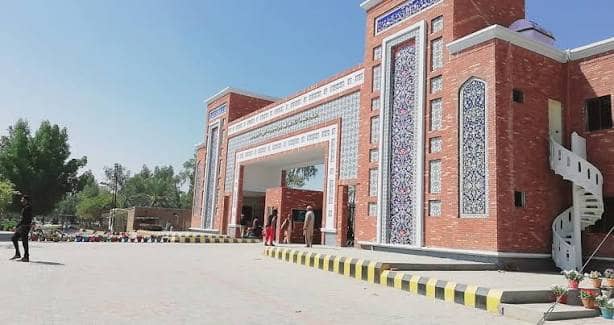
The Shah Abdul Latif University Museum in Khairpur, Sindh, preserves a wide range of artifacts from the Indus Valley, Buddhist, Hindu, and Islamic periods.