
Destinations / Punjab
The Plains & Pilgrimage · Regional Guide
Punjab
Mughal cities, Sikh gurdwaras, Hindu temple complexes, and cool hill stations above the southern plains, the cultural heartland between five rivers.
Why go
Faith, Food, and Layered History
Punjab is the cultural heartland, Mughal cities, Sikh gurdwaras, Hindu temple complexes, and Sufi shrines between five rivers. Travel here is as much about faith and food as landscape.
Nankana Sahib, birthplace of Guru Nanak, draws Sikh pilgrims from across the world year-round to its gurdwaras and langar halls; Katas Raj's pool-side Hindu temple complex pairs naturally with a Salt Range day trip past Khewra's pink-veined mine, one of the world's oldest and largest salt mines, still worked by hand in places.
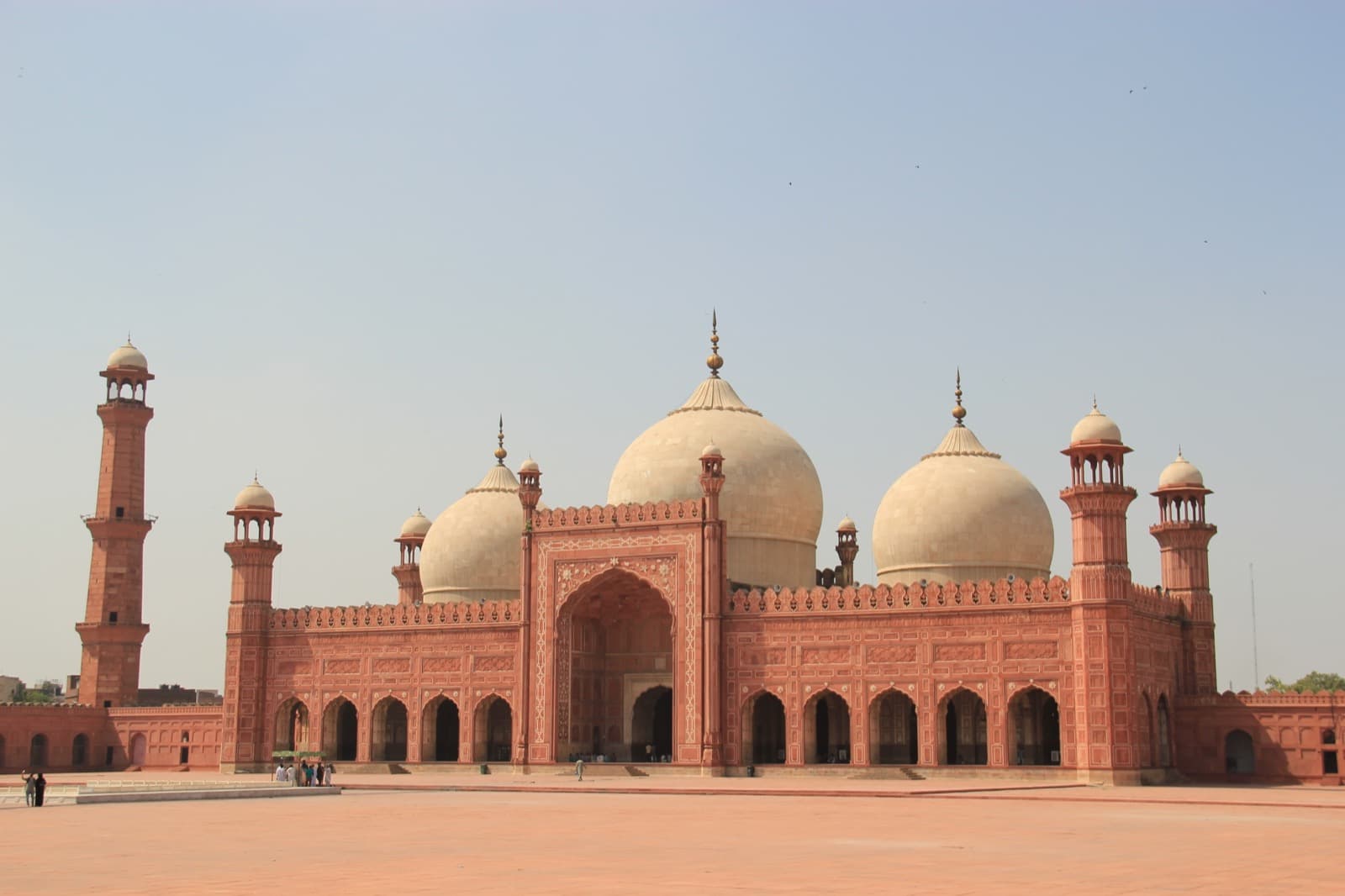
Multan's shrine city lies further south, centred on Bahauddin Zakariya's blue-tiled tomb, where Sufi qawwali still runs late into the night; the same blue-and-white tilework tradition, brought by Central Asian craftsmen centuries ago, later spread north to shape the shrines and mosques of the whole province. Lahore itself rewards a long weekend on its own: the fort, Badshahi Mosque, the walled city's food streets, and Wazir Khan's tiled facade all sit within walking distance of each other, alongside Data Darbar, one of South Asia's largest Sufi shrines, the Samadhi of Ranjit Singh, and the tomb of Allama Iqbal in the same Hazuri Bagh square. A short drive across the city, Minar-e-Pakistan marks the spot where the 1940 Lahore Resolution was passed, Chauburji's four tiled minarets still stand over a Multan Road roundabout, and Lahore Museum holds the Fasting Buddha and the country's finest Gandhara collection.
Further south, Noor Mahal headlines Bahawalpur's cluster of Nawab-era palaces, paired naturally with Lal Suhanra National Park's desert, forest, and wetland reserve and its reintroduced blackbuck herds, while Multan Fort and the ruined Prahladpuri Temple on its mound add another layer to the city's shrine circuit; further east, Pakpattan's dargah of Baba Farid opens its Bahishti Darwaza gate to pilgrims only once a year, during the Muharram urs. West of Lahore, the daily Wagah border ceremony is one of the province's most popular single experiences, and the Salt Range corridor extends past Katas Raj and Khewra to Kallar Kahar Lake and the boulder-carved Takht-e-Babri. Faisalabad's Ghanta Ghar clock tower, Sialkot's Iqbal Manzil, and Rawalpindi's Ayub National Park round out the province's three biggest cities beyond Lahore and Multan.
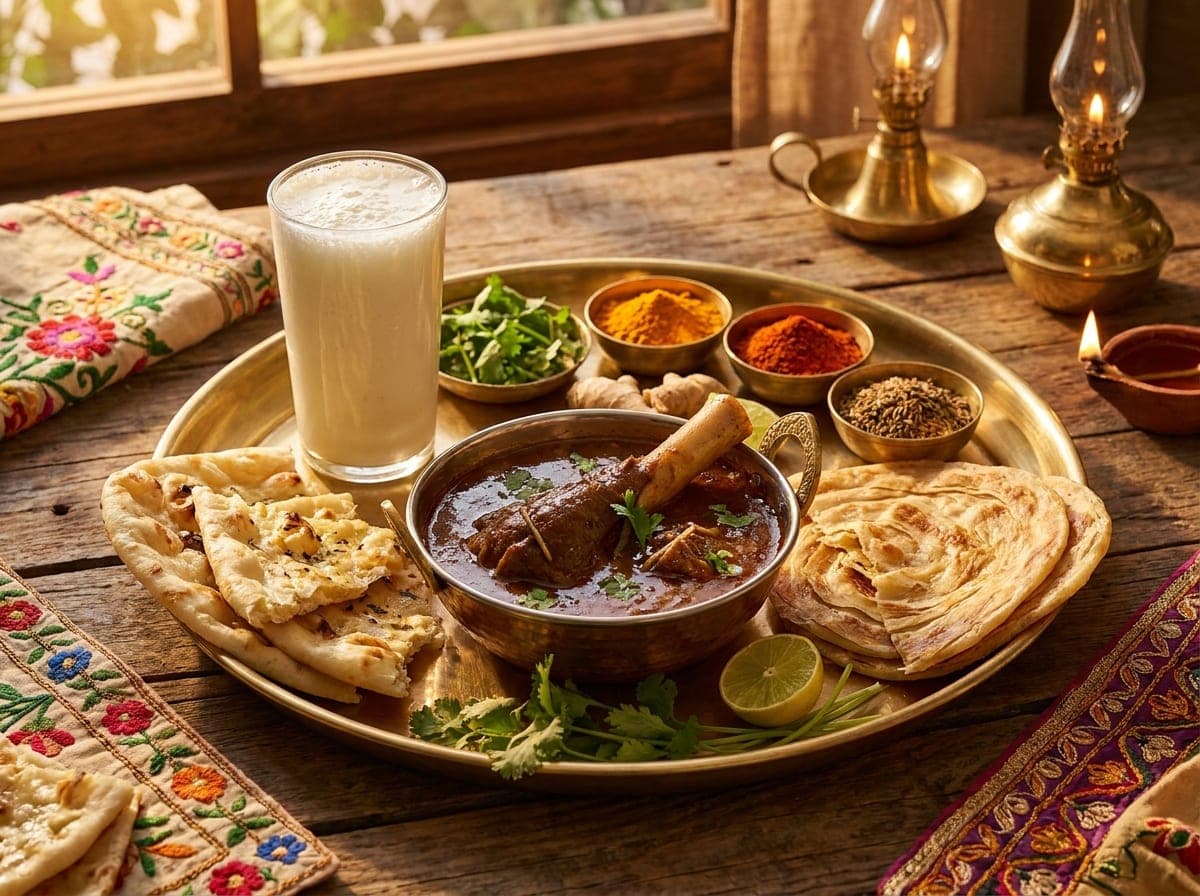
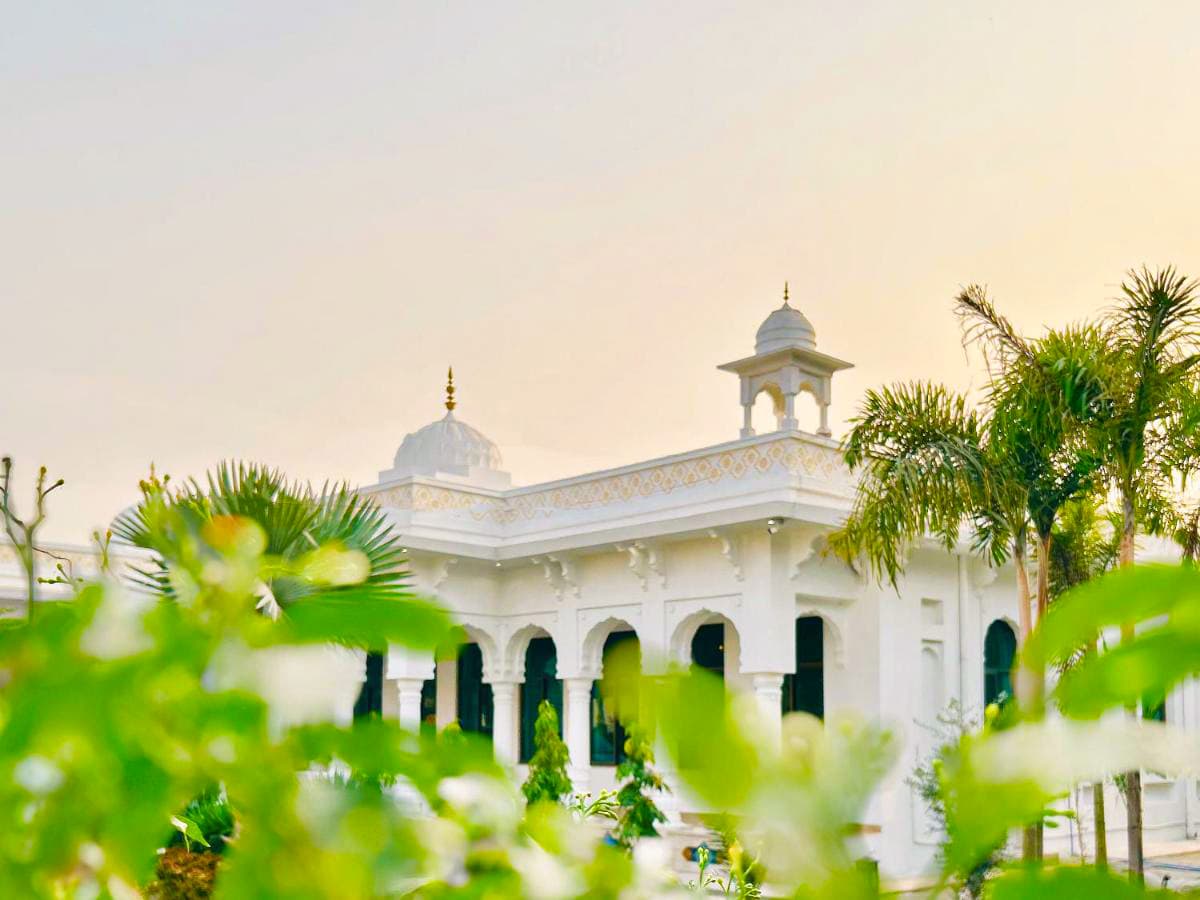
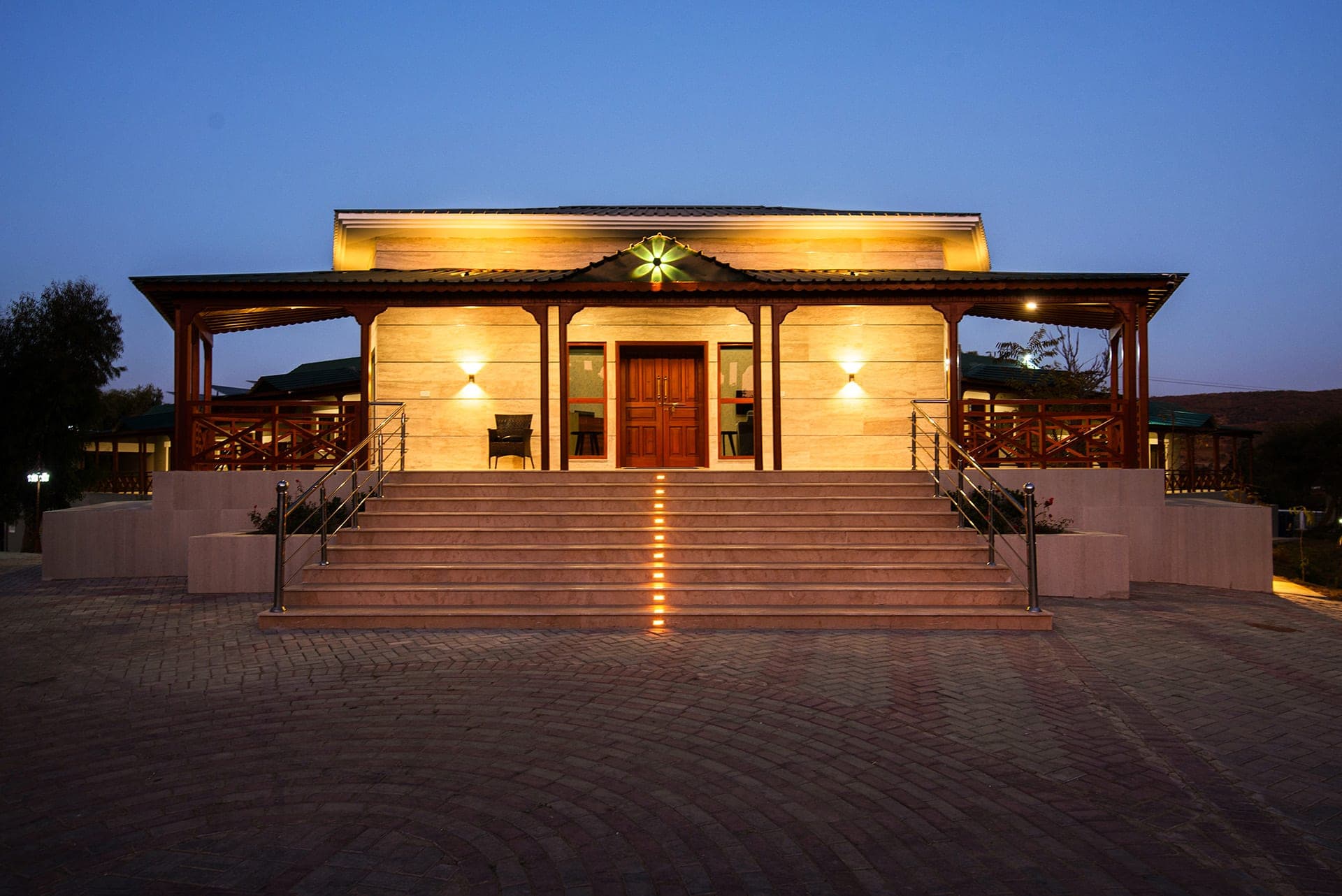
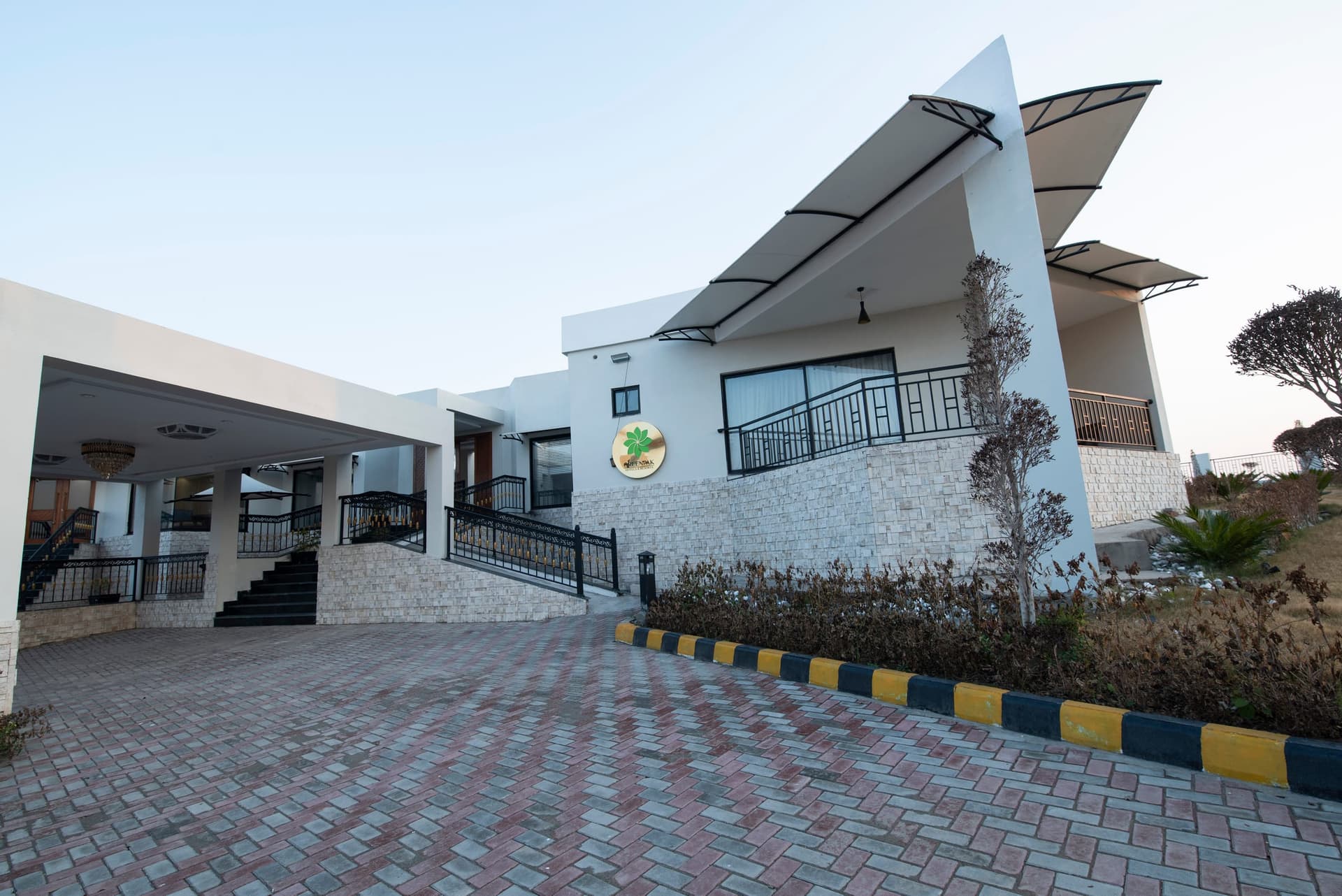
Heat shapes the calendar more than altitude does here: June to August on the plains is intense, so most heritage routes run October to March, with Fort Munro's cooler hill air offering a break partway through a longer loop. Between shrines, expect nihari simmered overnight for a dawn breakfast, saag and makki roti through winter, and old-city falooda stalls that have barely changed their recipe in generations. GreenPak hotels at Nankana, Katas Raj, and Fort Munro anchor religious and heritage itineraries.
Orient yourself
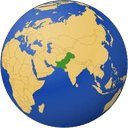
The Region on the Map
Place by place
Every Sight in Punjab
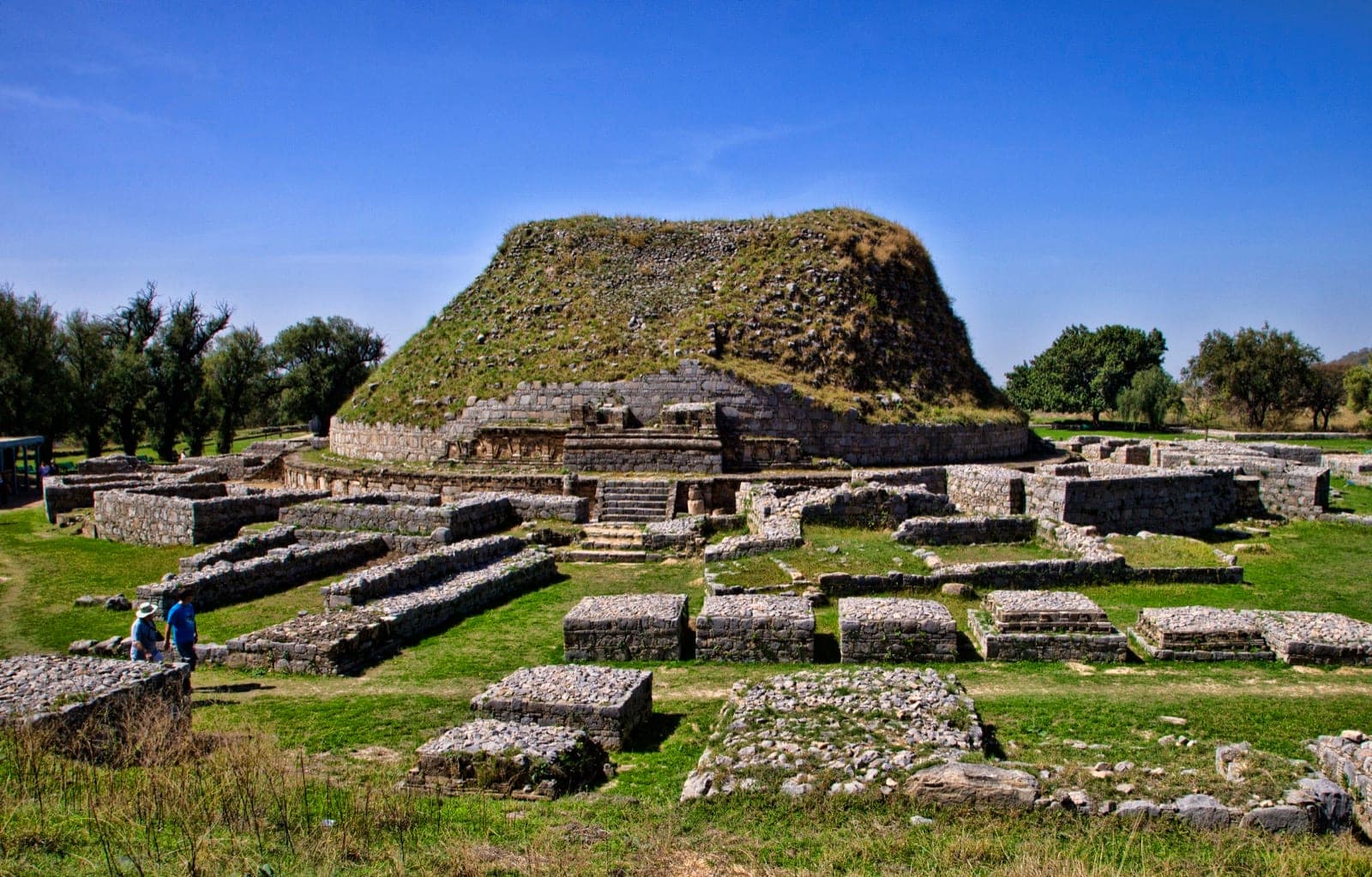
Taxila: UNESCO World Heritage Site
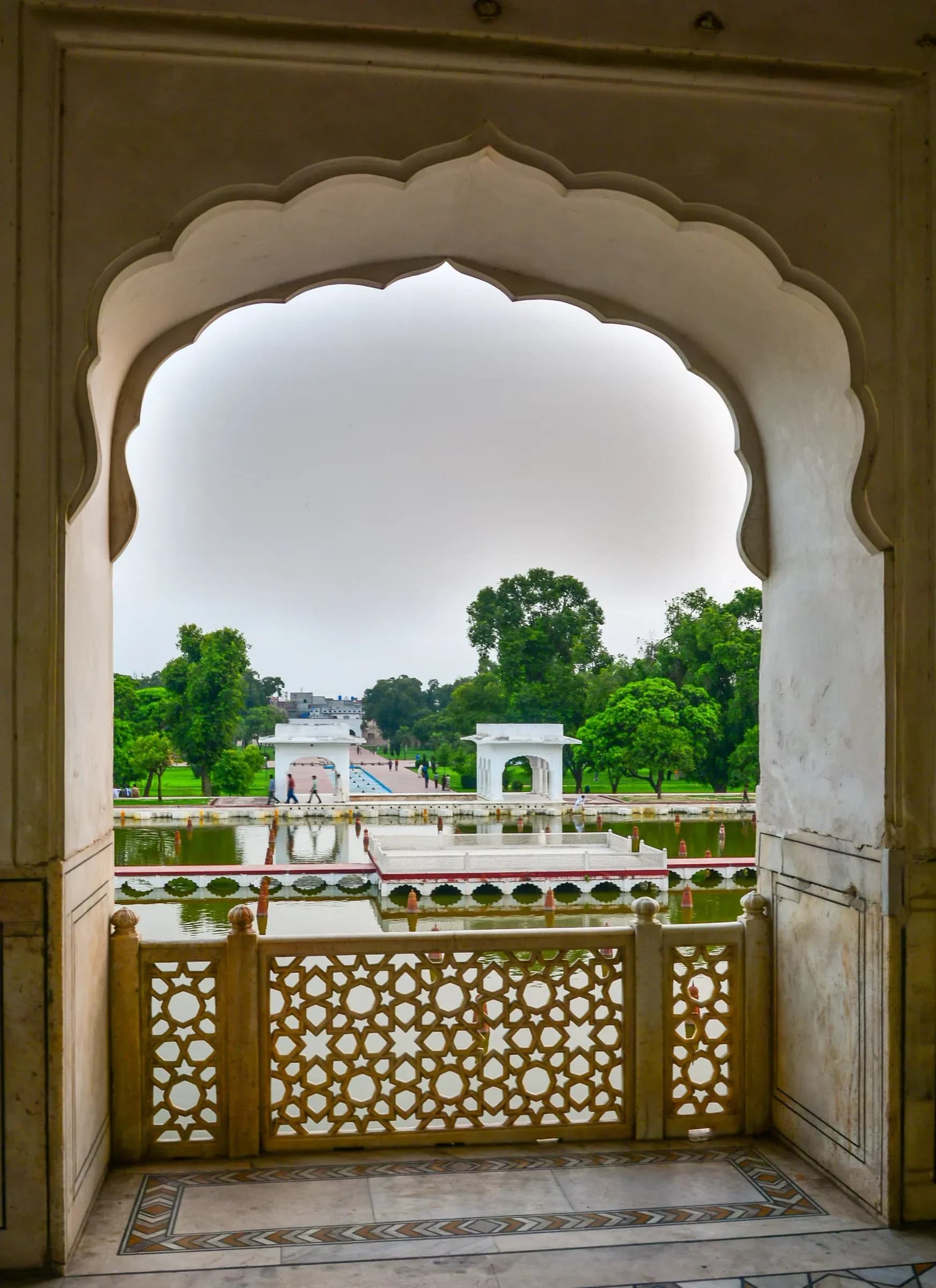
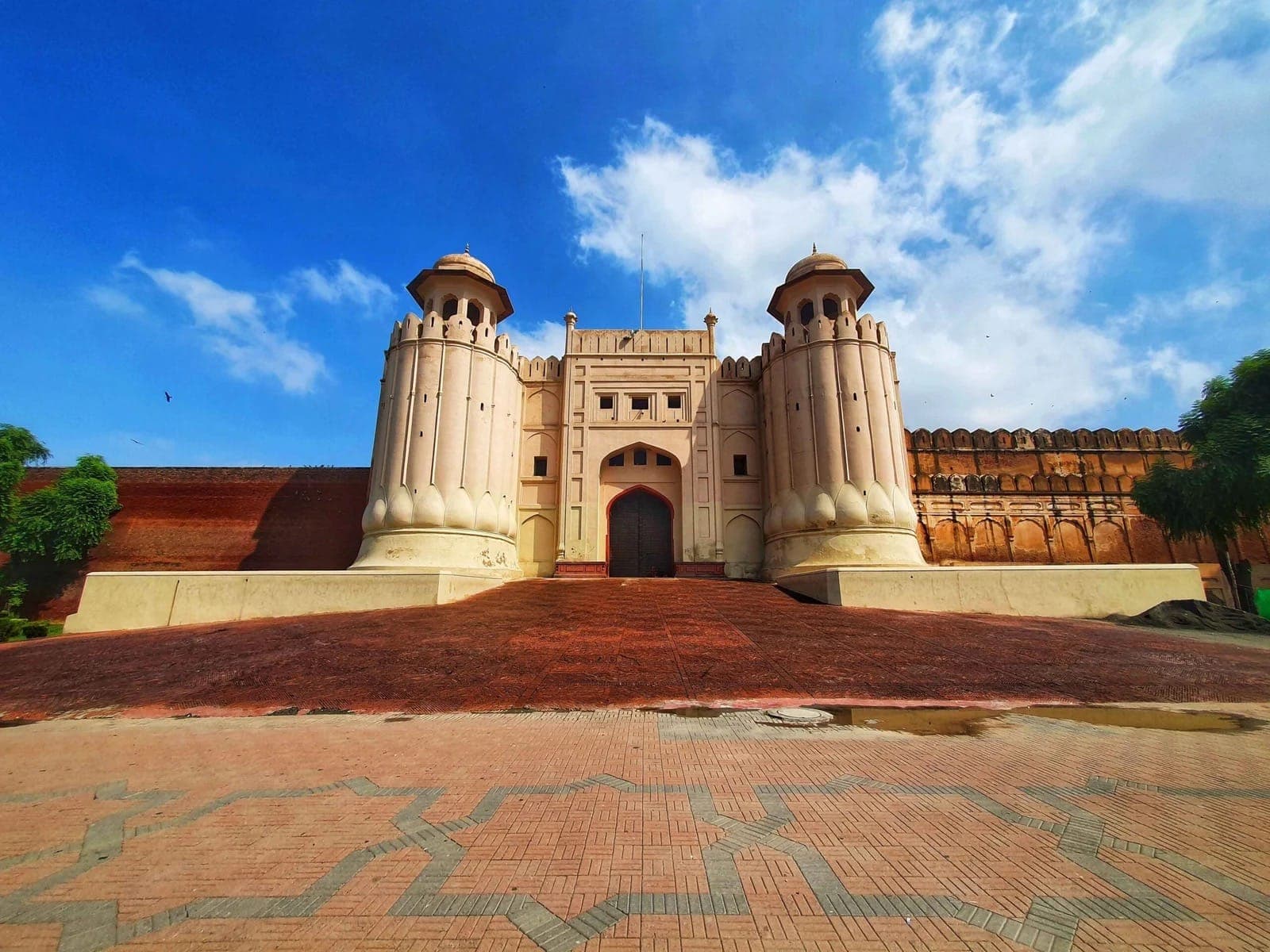
Lahore Fort and Shalamar Gardens: UNESCO World Heritage Site
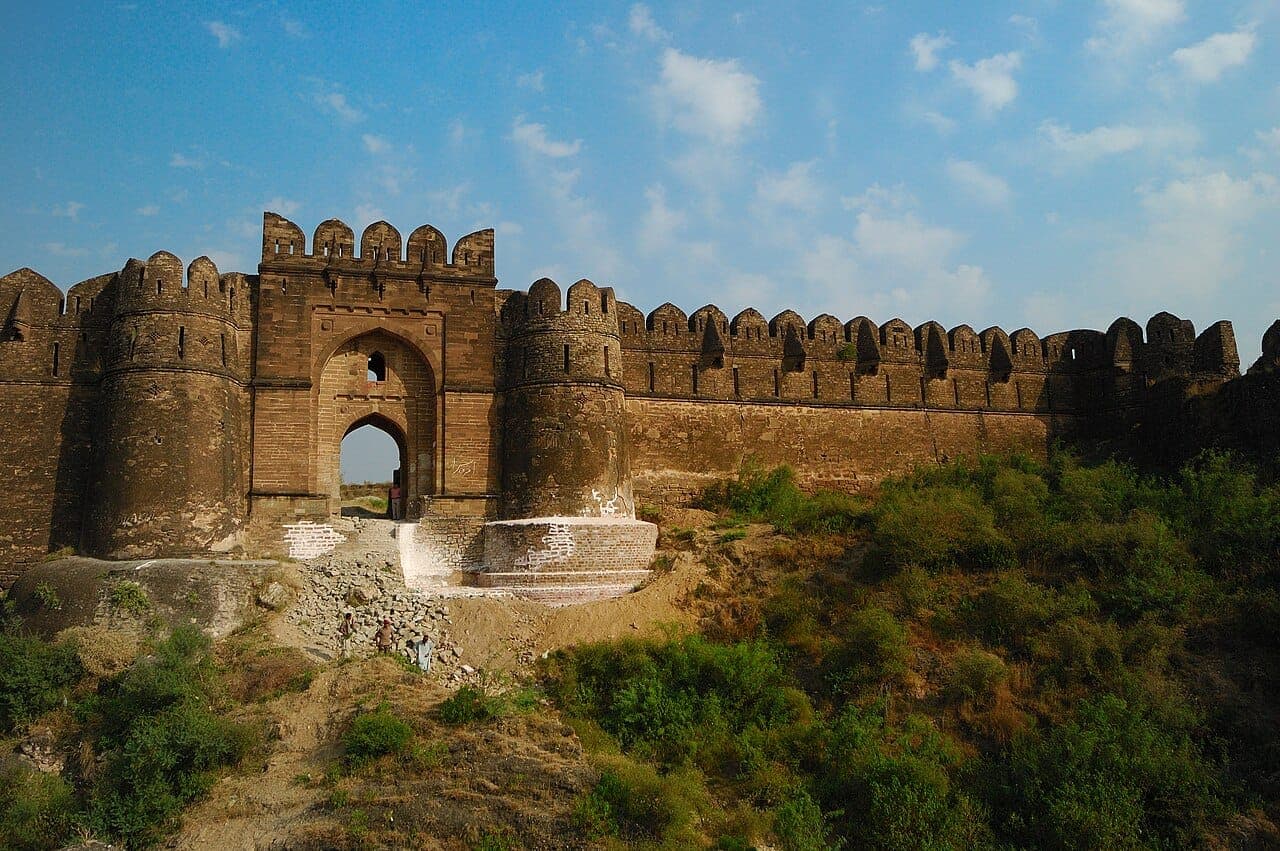
Rohtas Fort: UNESCO World Heritage Site
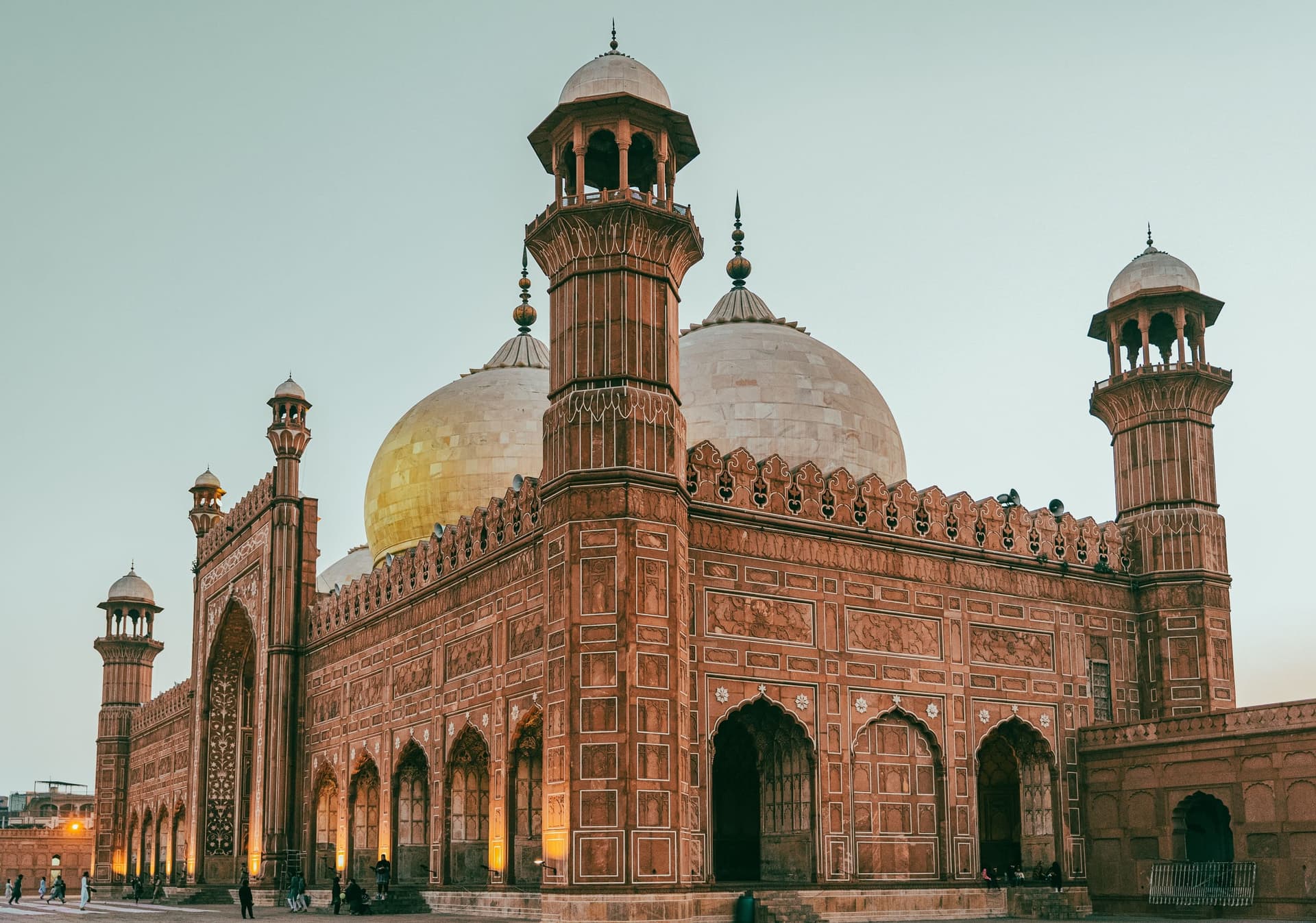
Badshahi Mosque
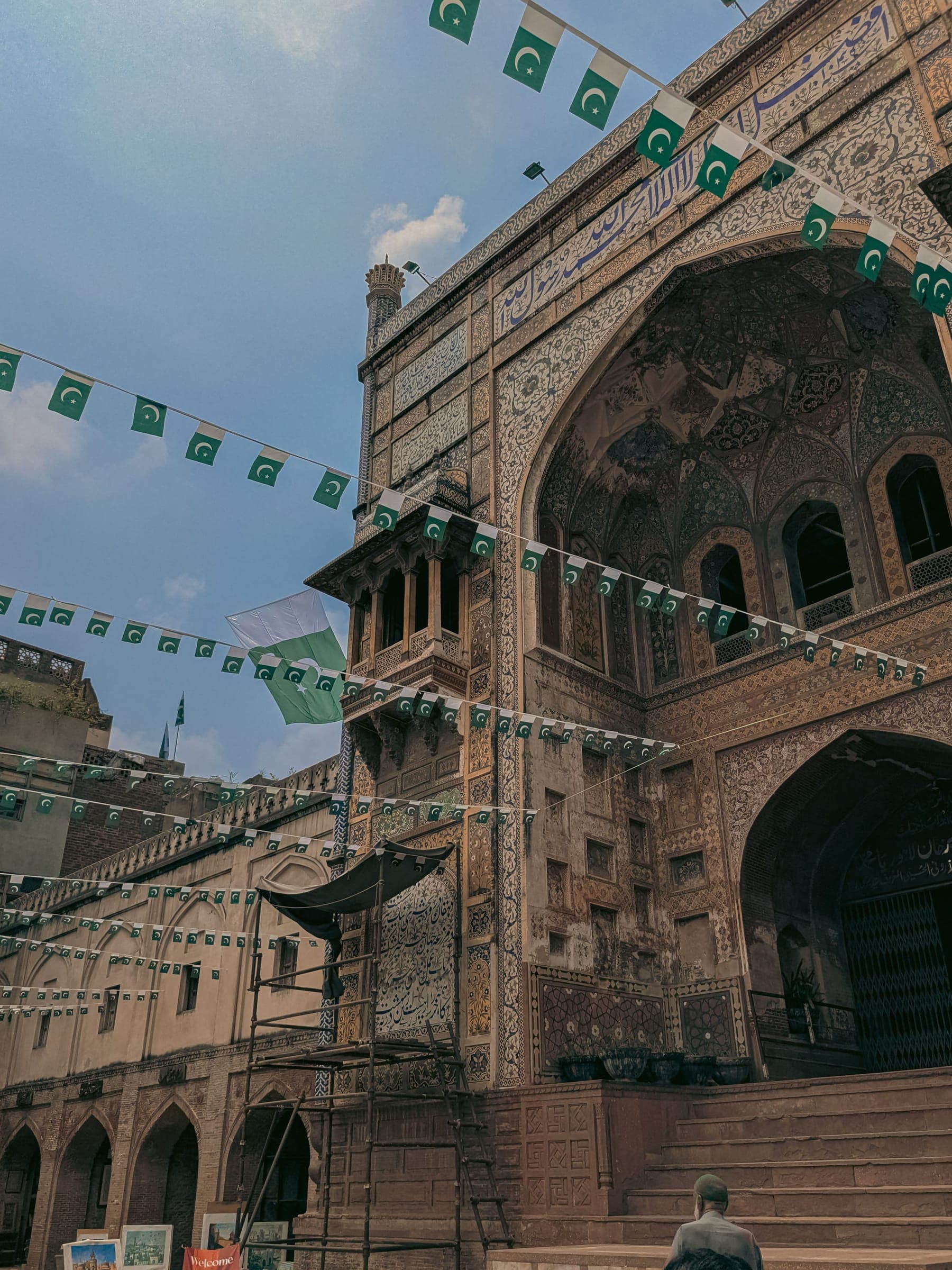
Wazir Khan Mosque
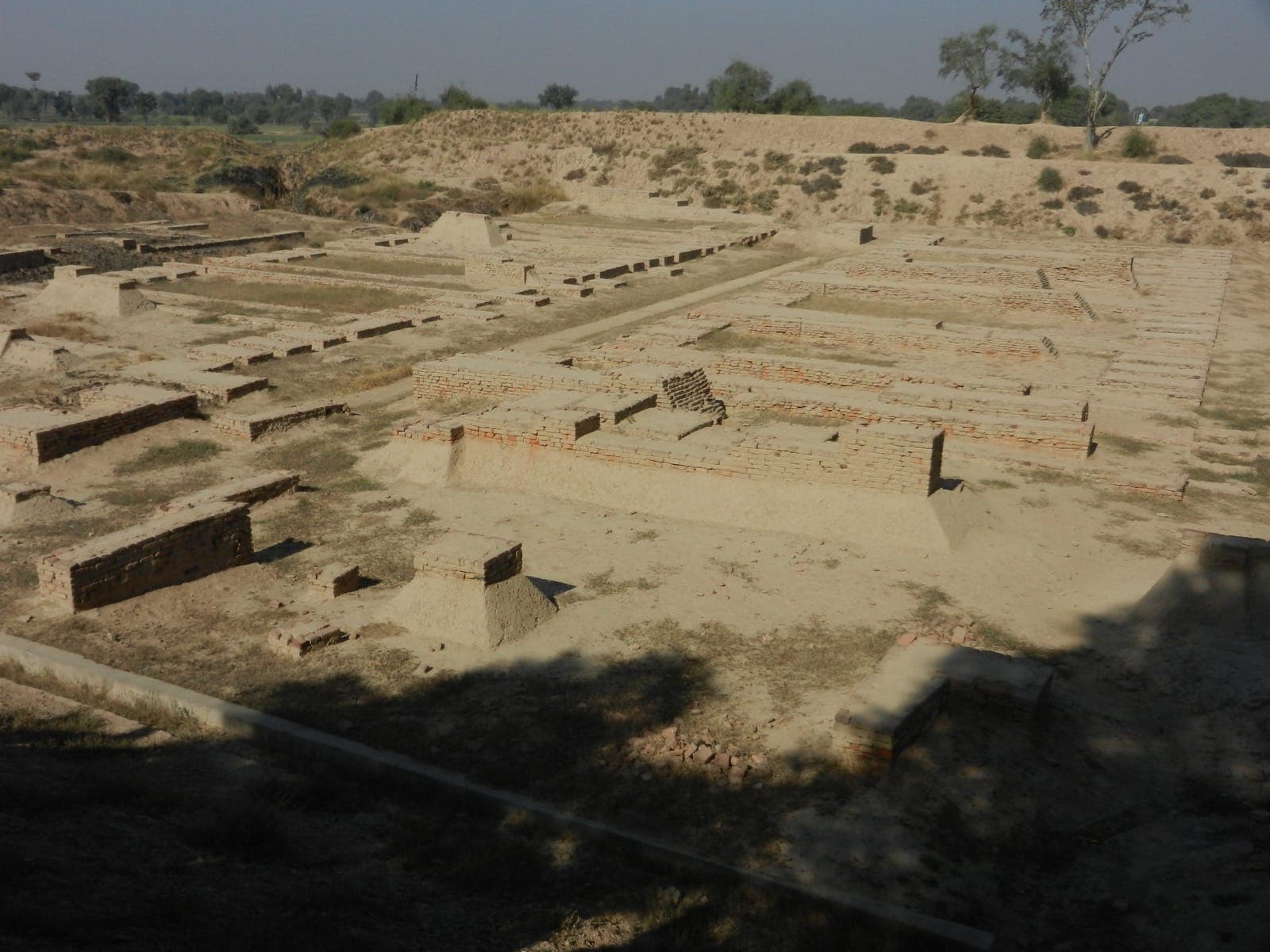
Harappa
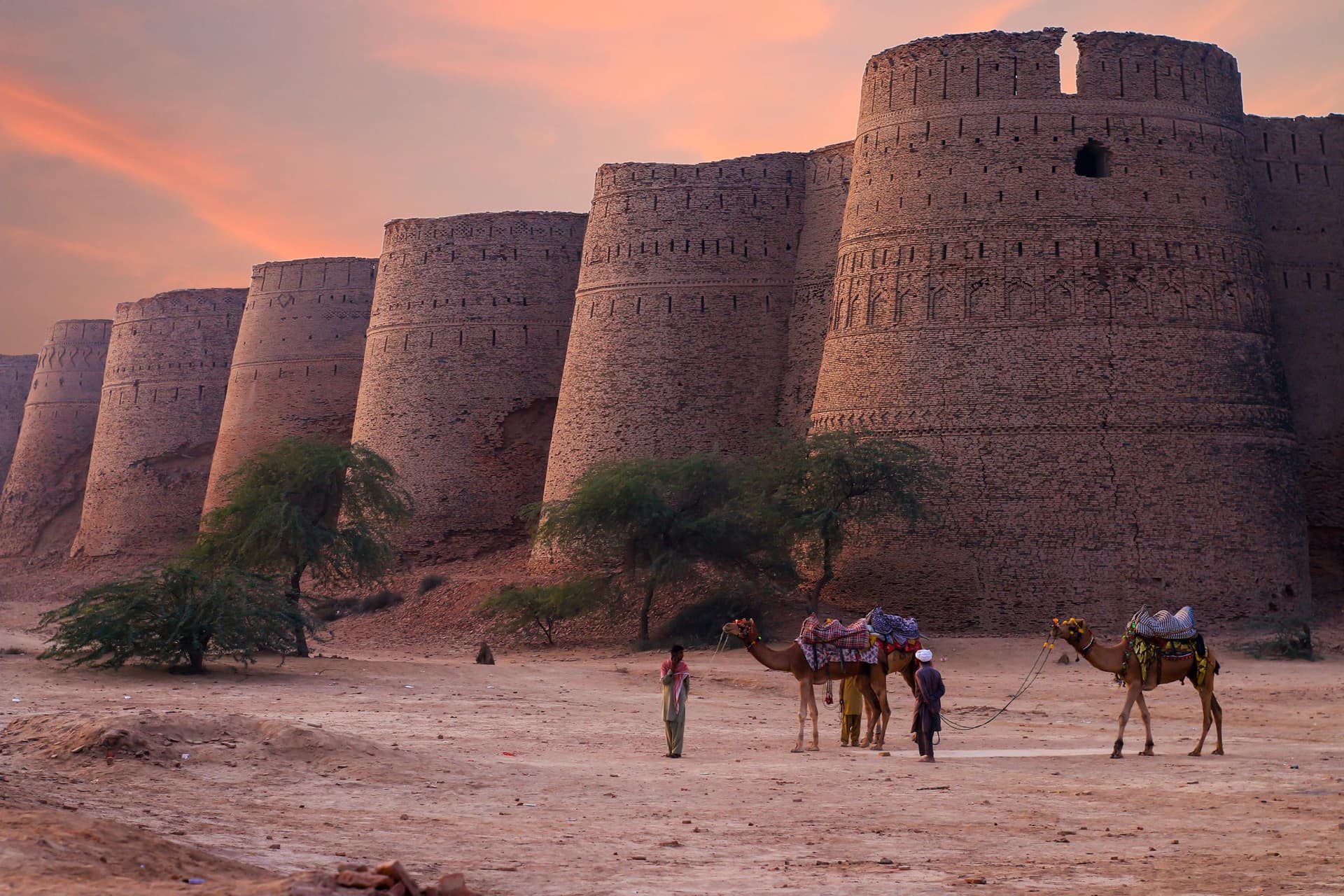
Derawar Fort
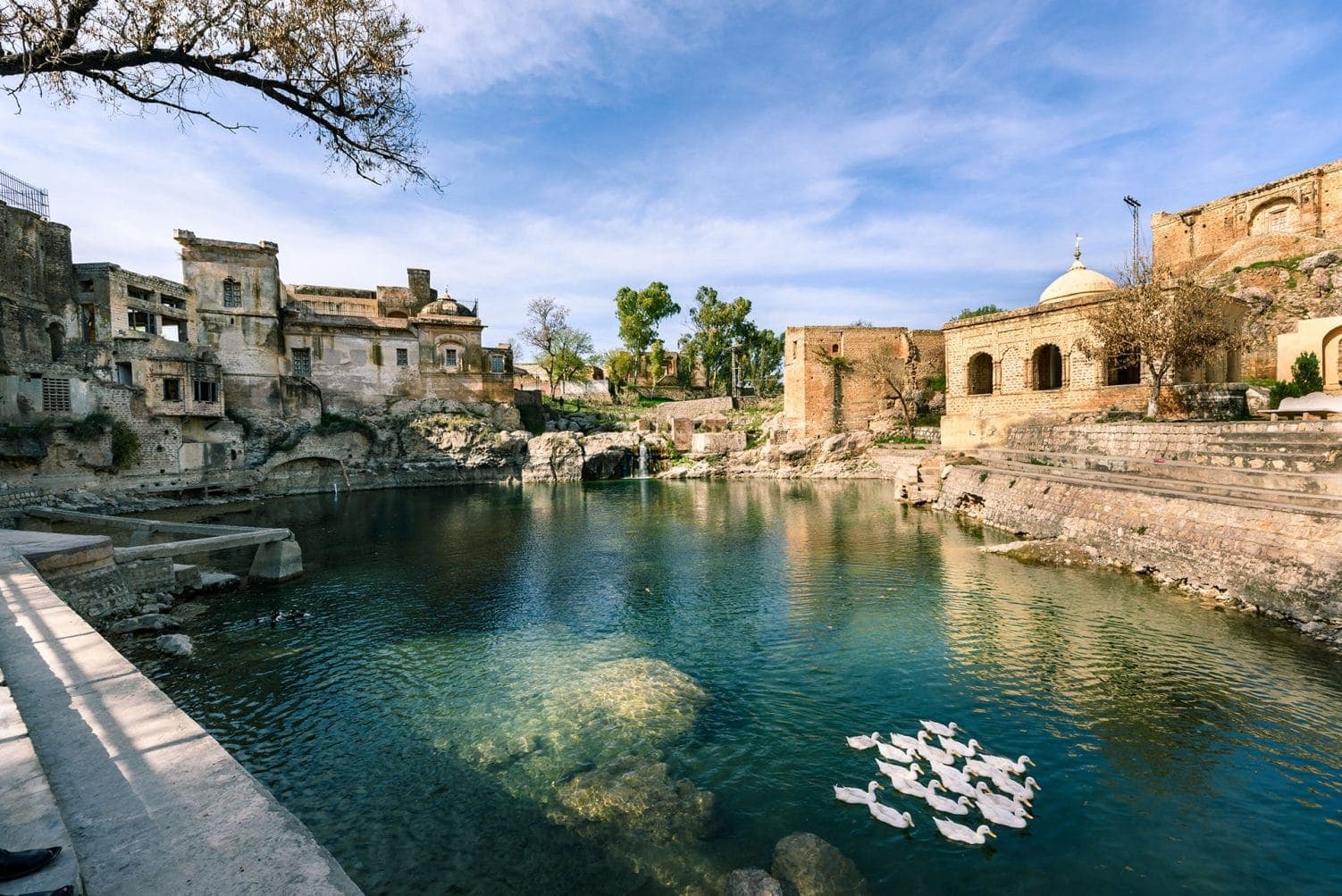
Katas Raj Temples
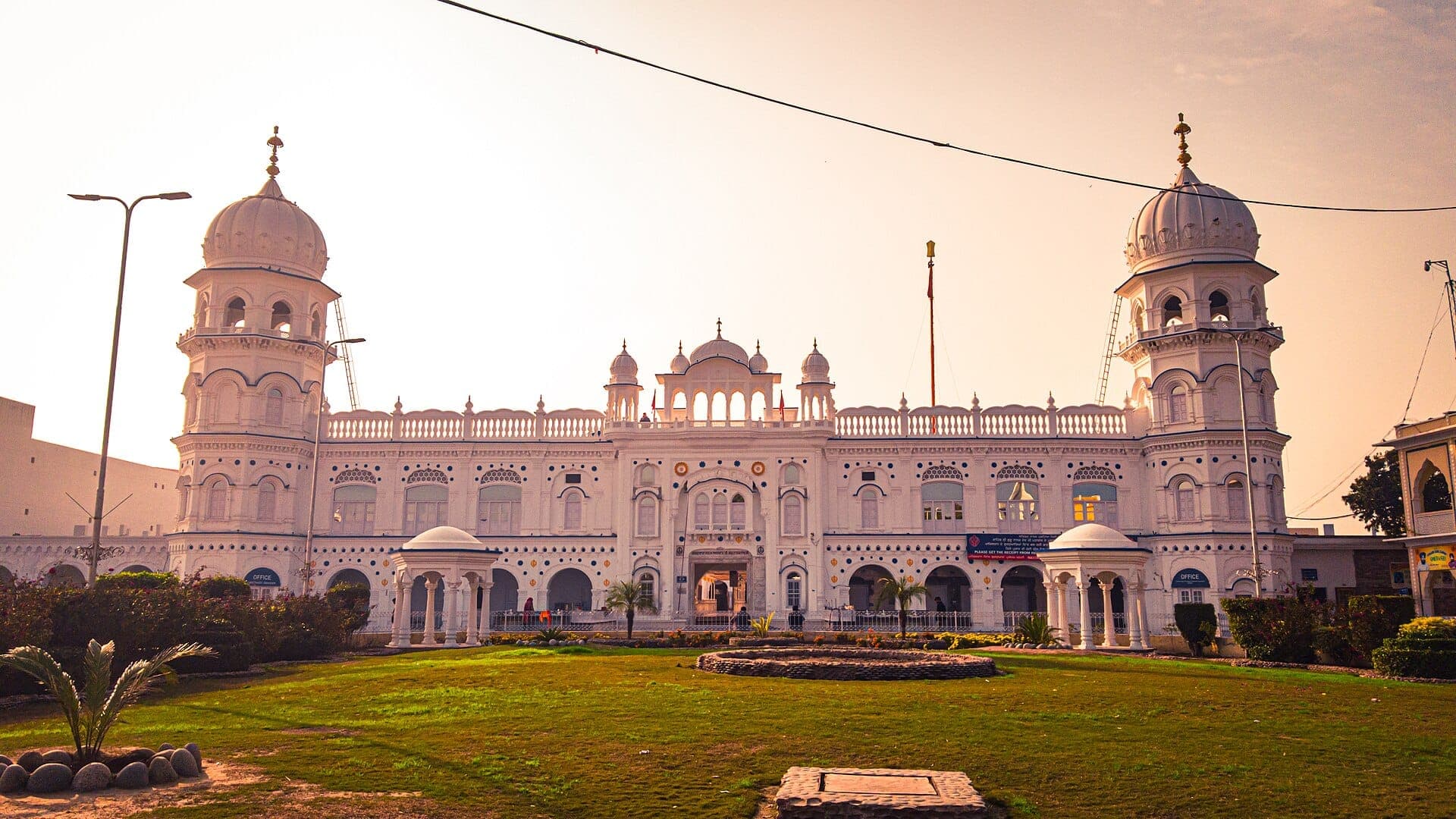
Nankana Sahib
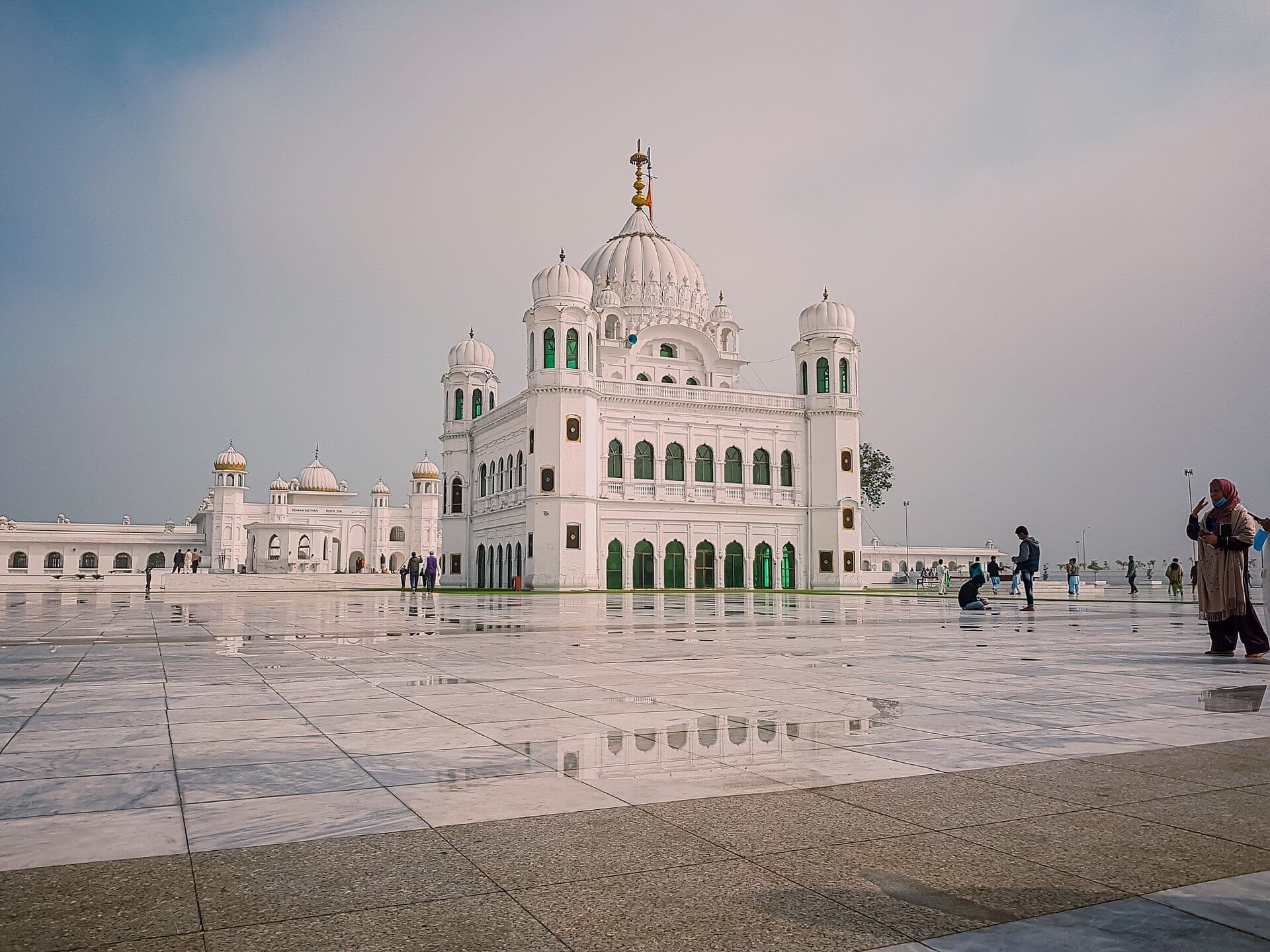
Kartarpur Sahib
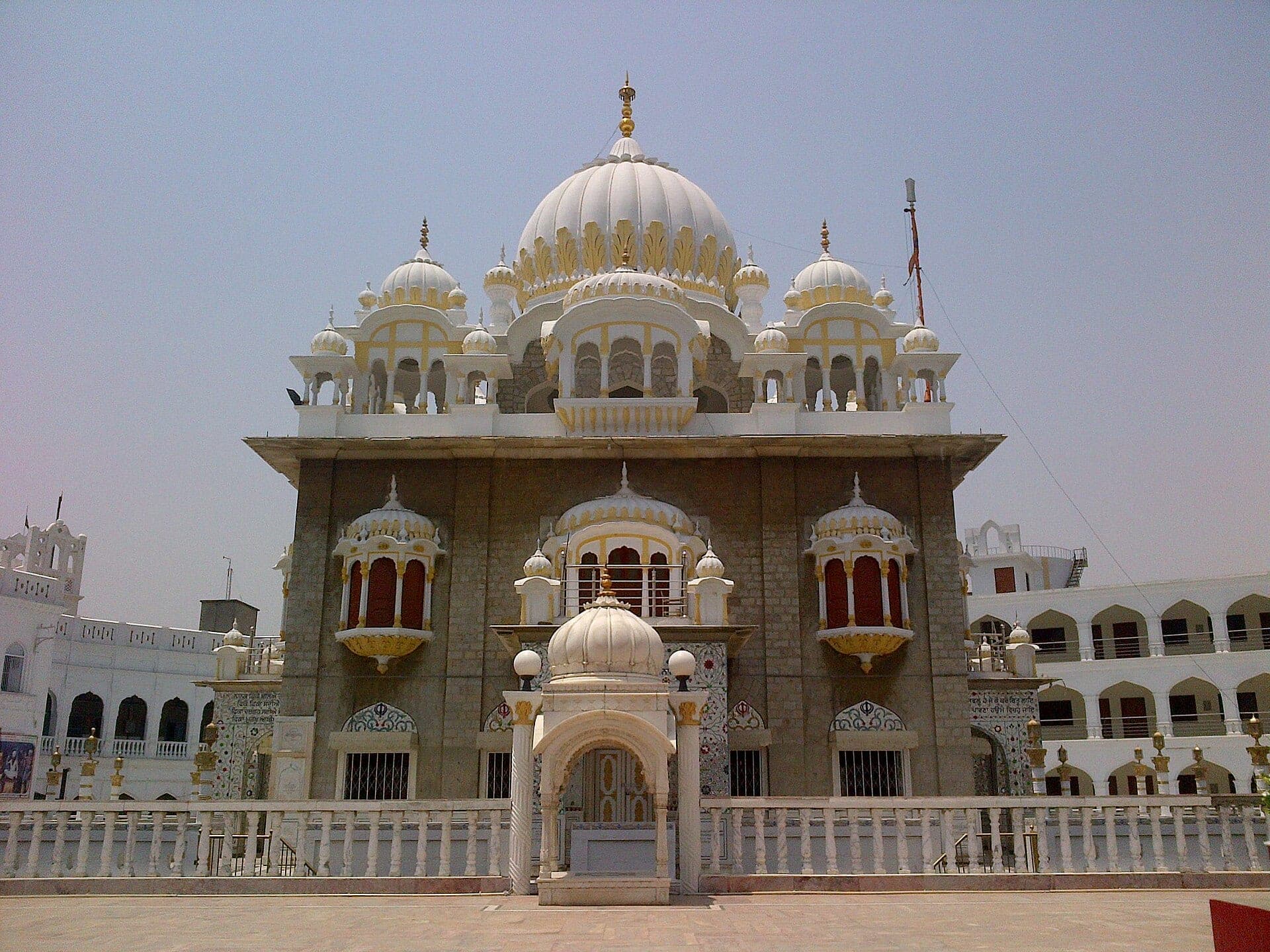
Panja Sahib
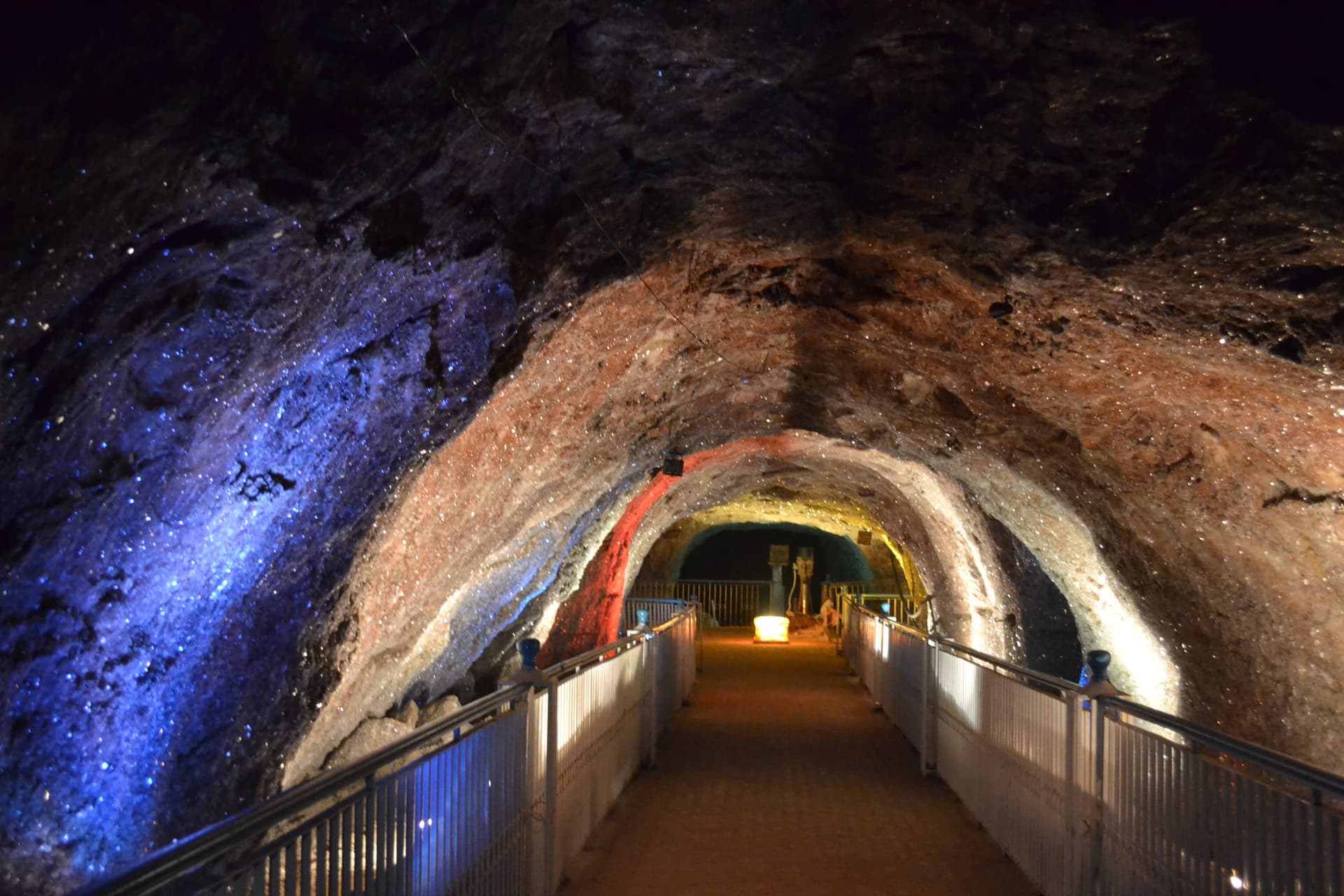
Khewra Salt Mine
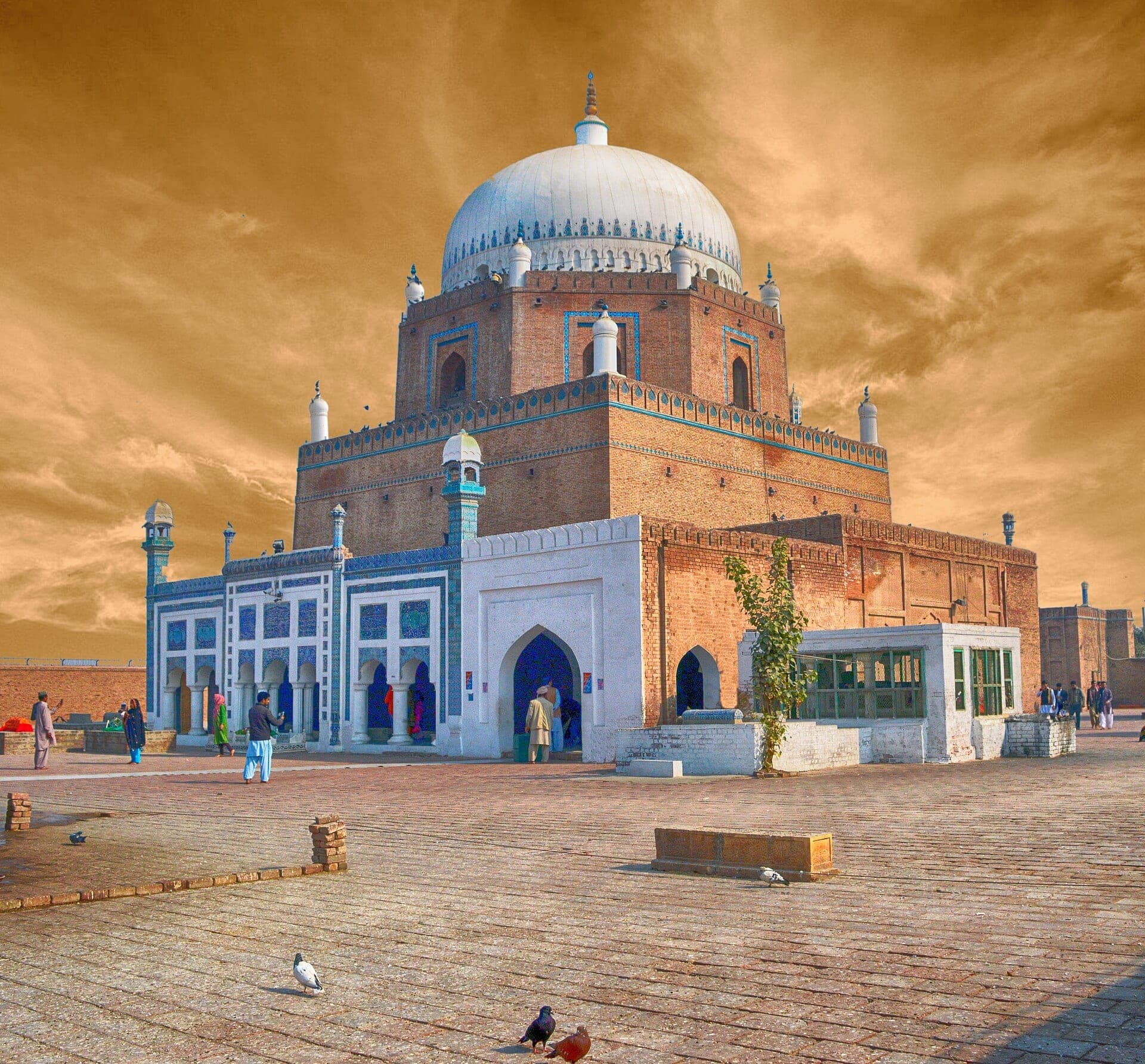
Shrine of Bahauddin Zakariya
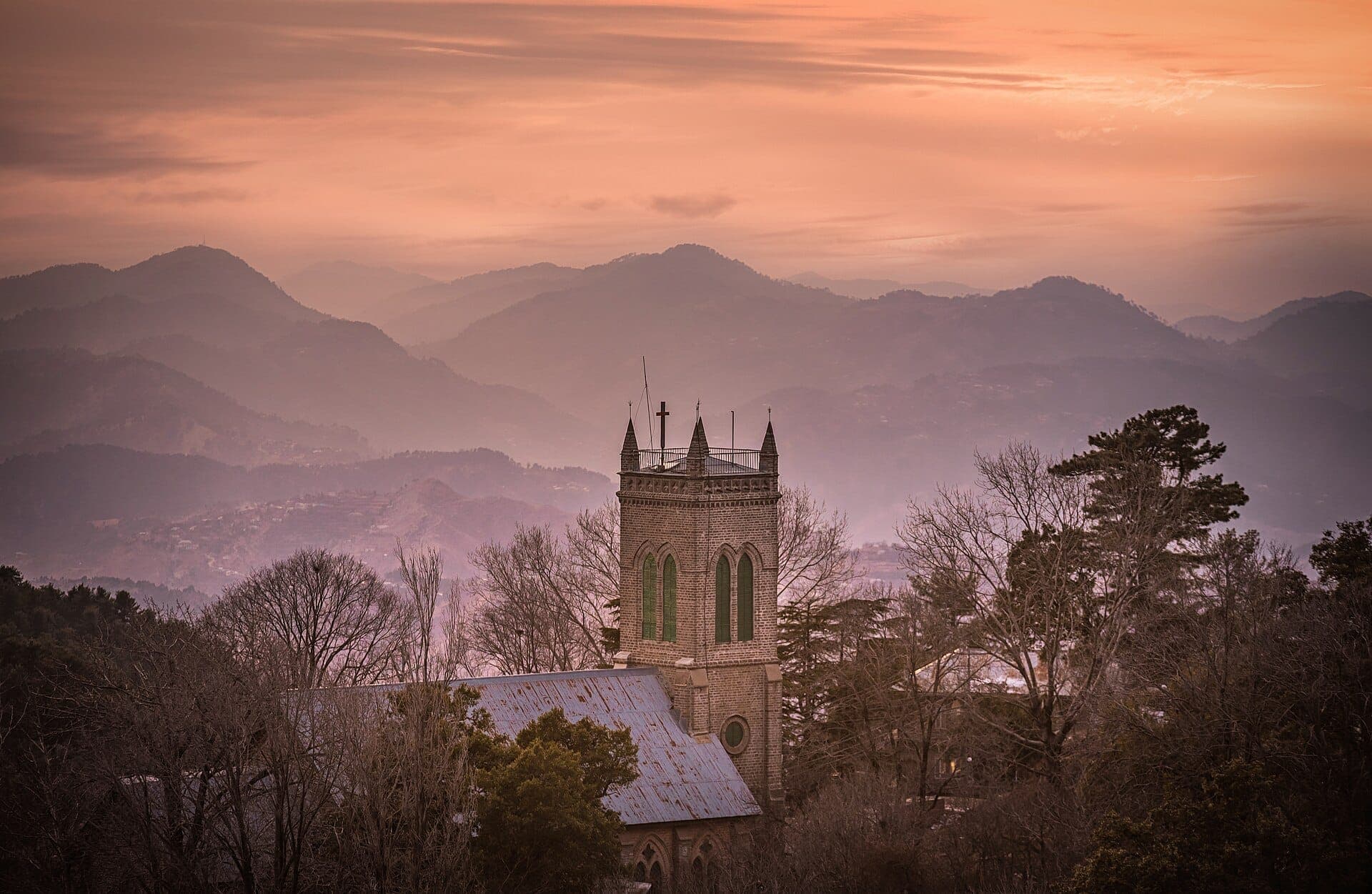
Murree
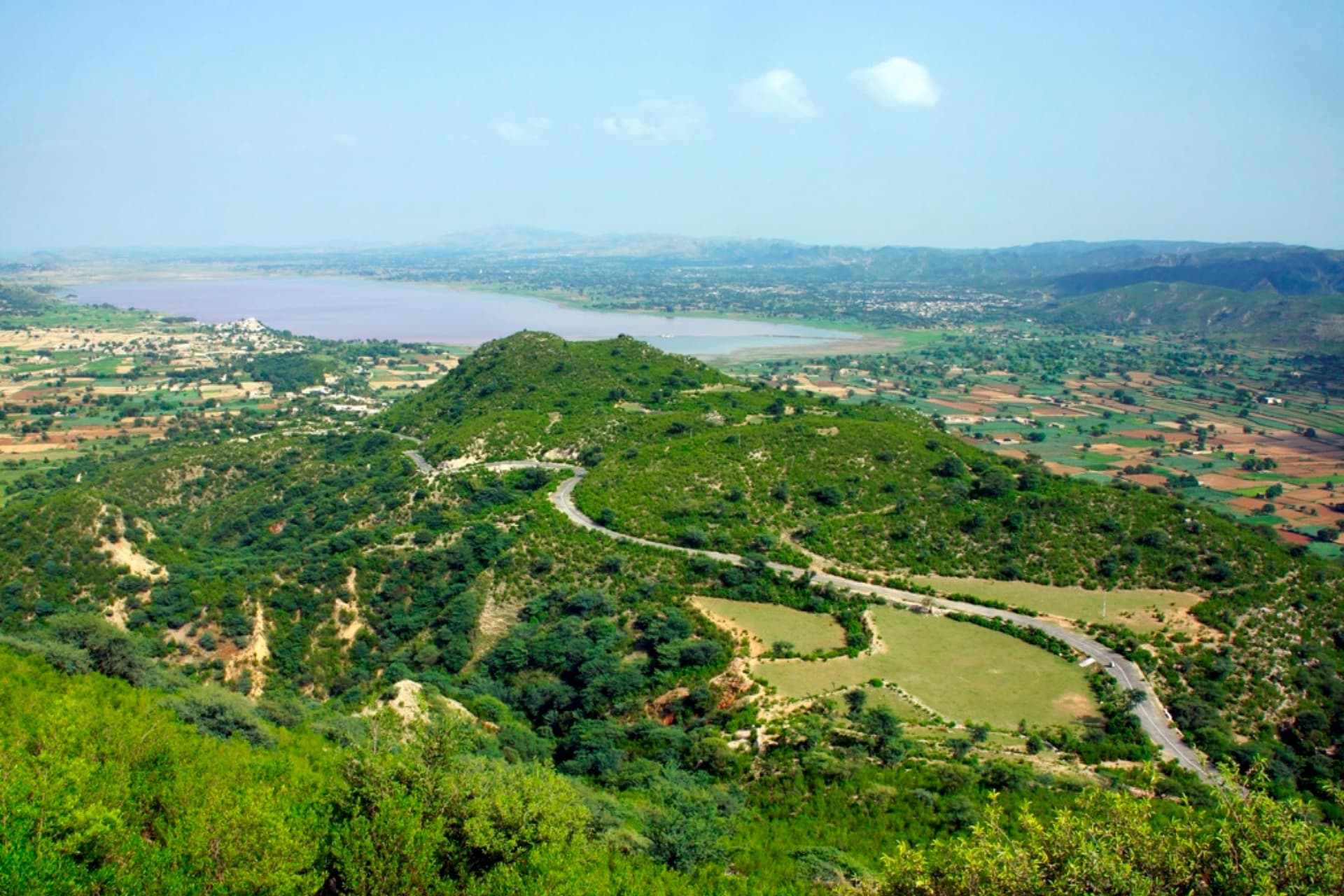
Soon Sakesar Valley
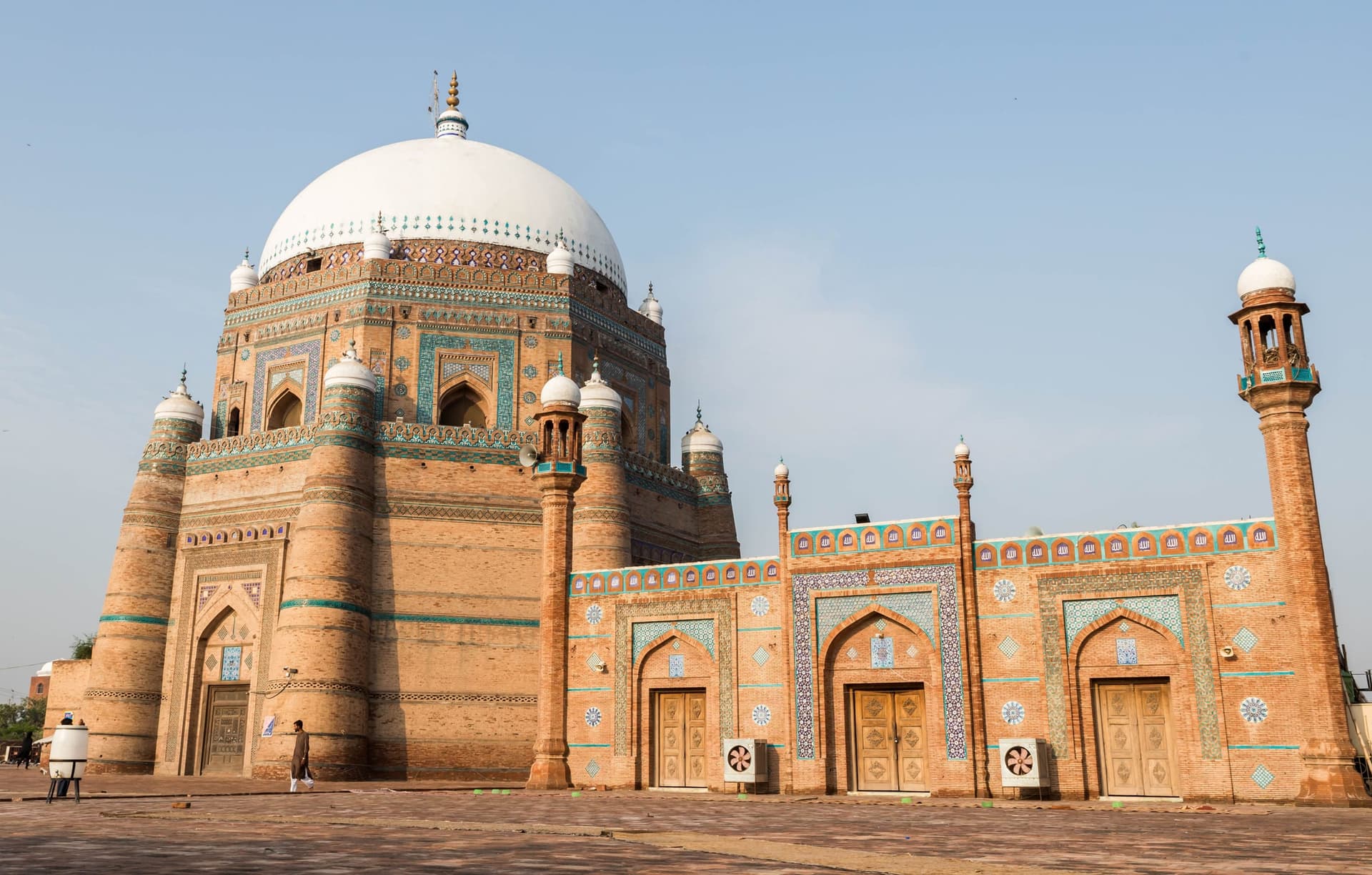
Multan, City of Saints
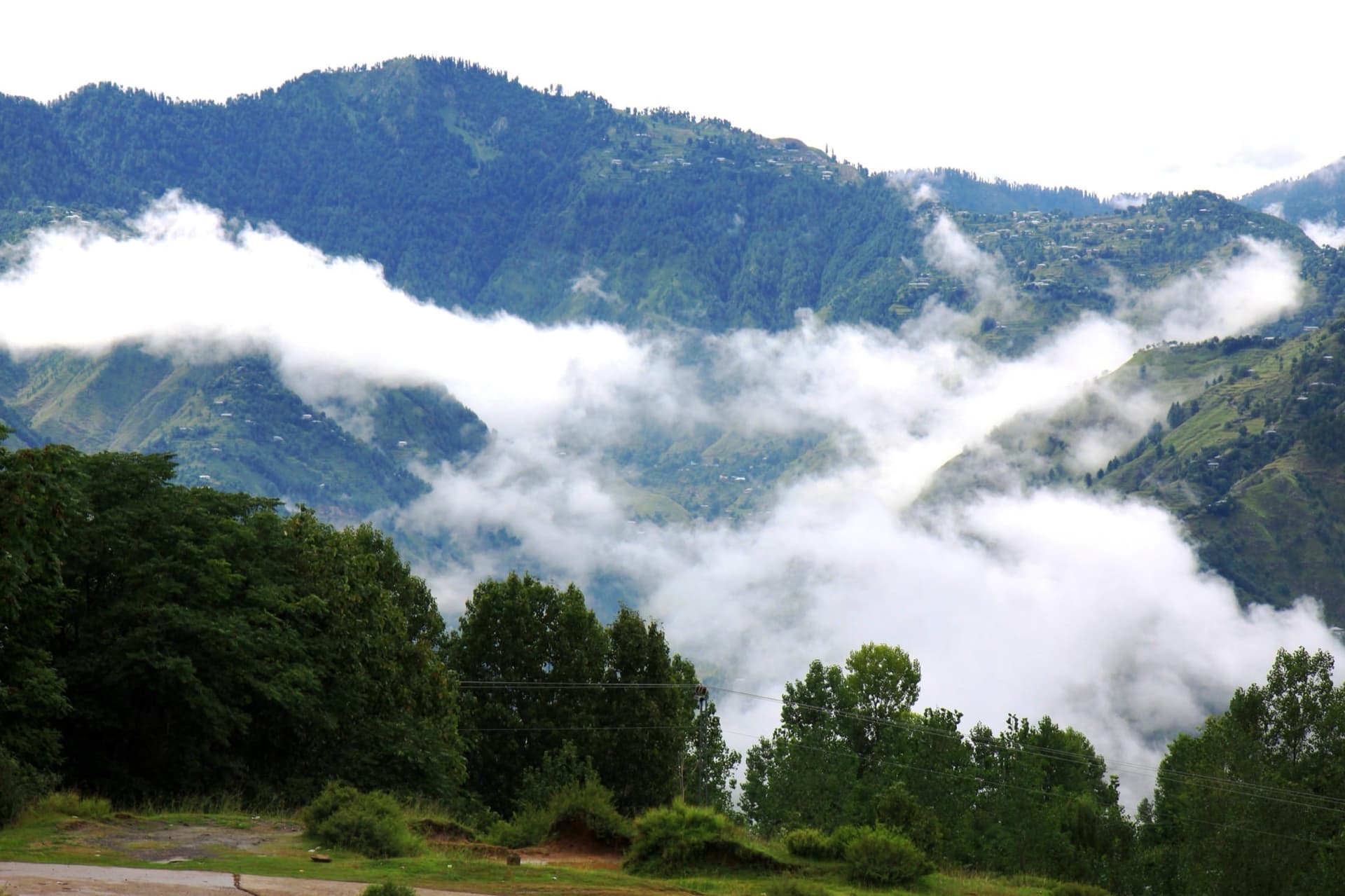
Bhurban
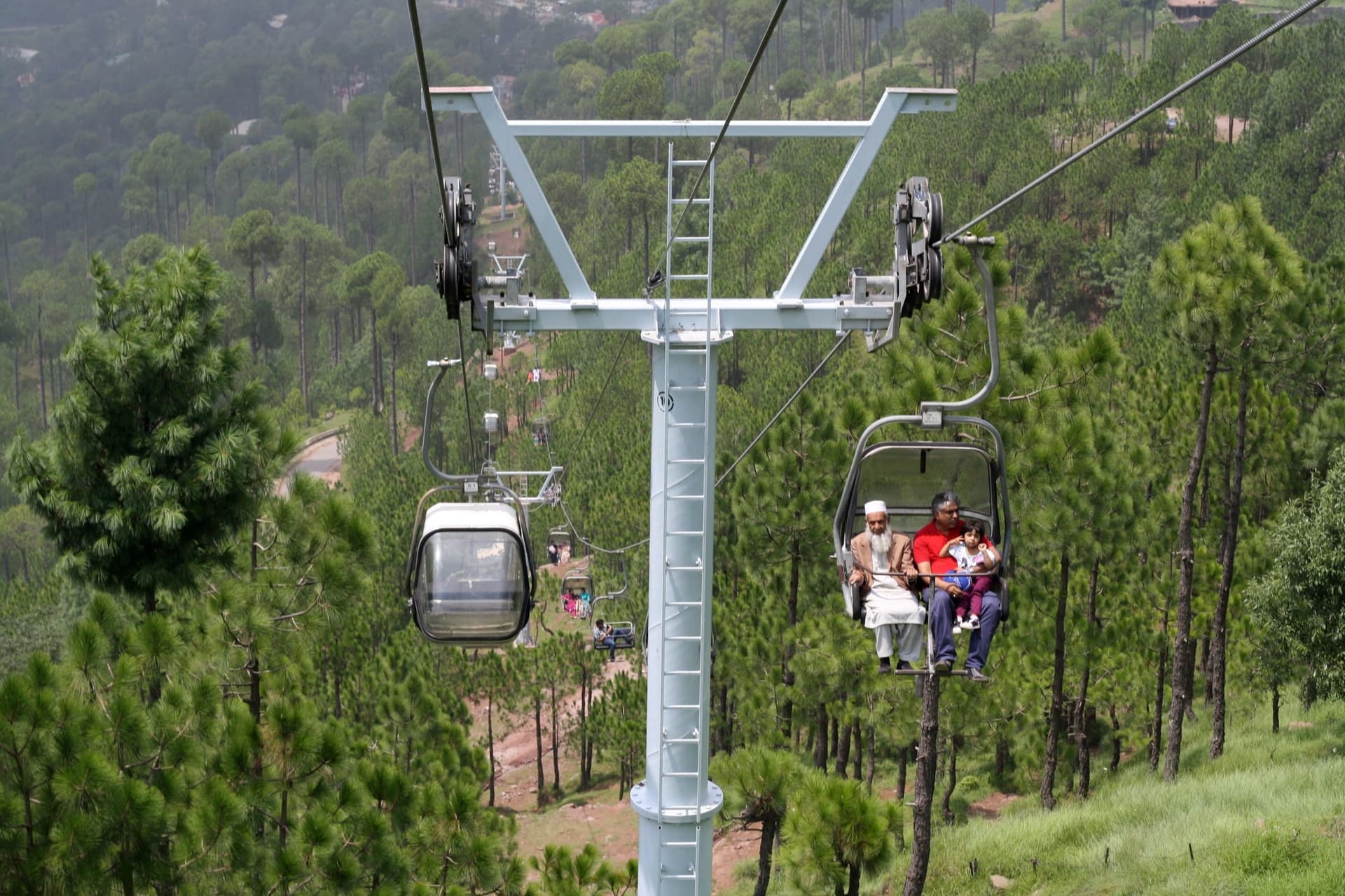
Patriata (New Murree)
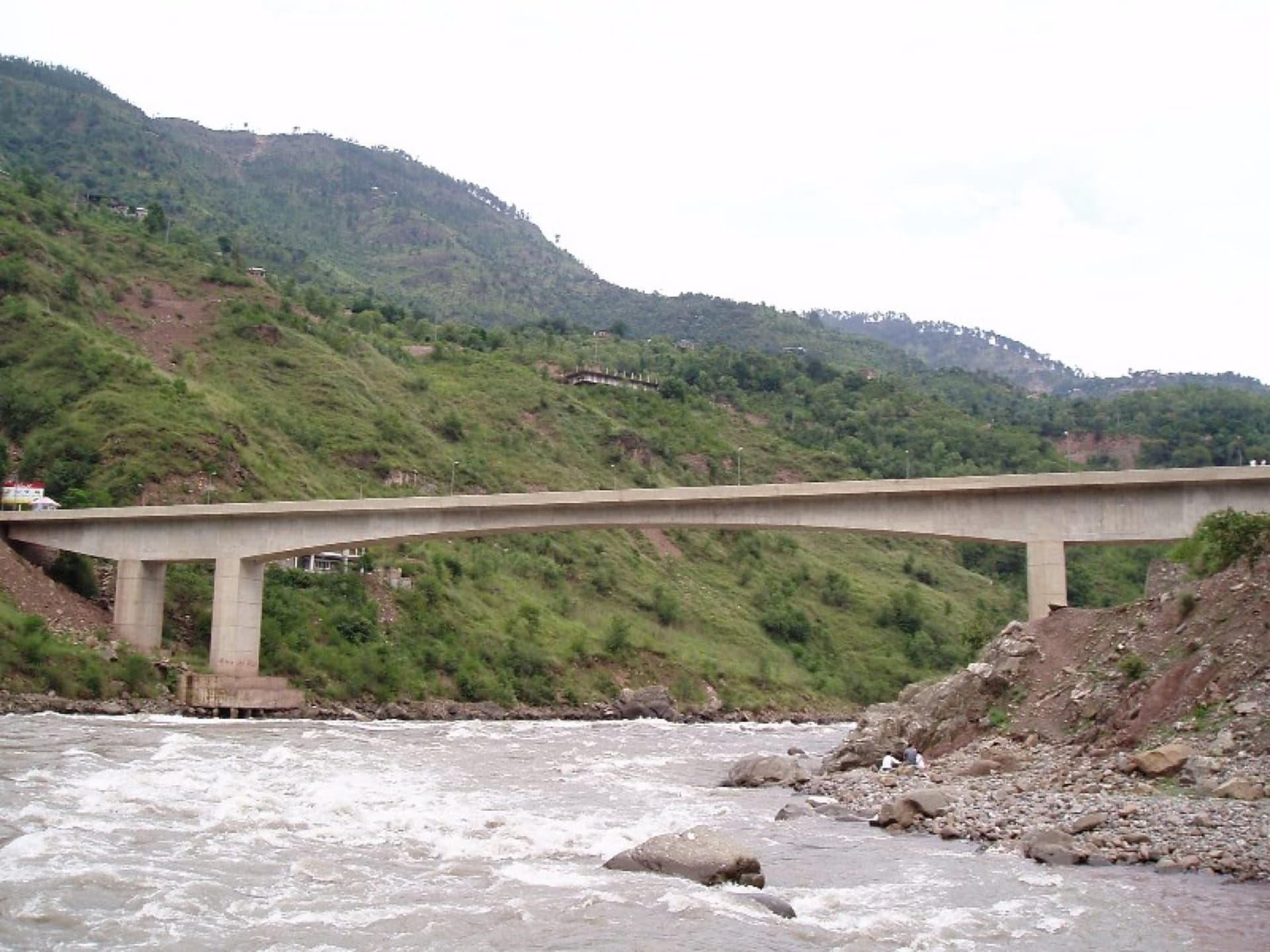
Kohala Bridge
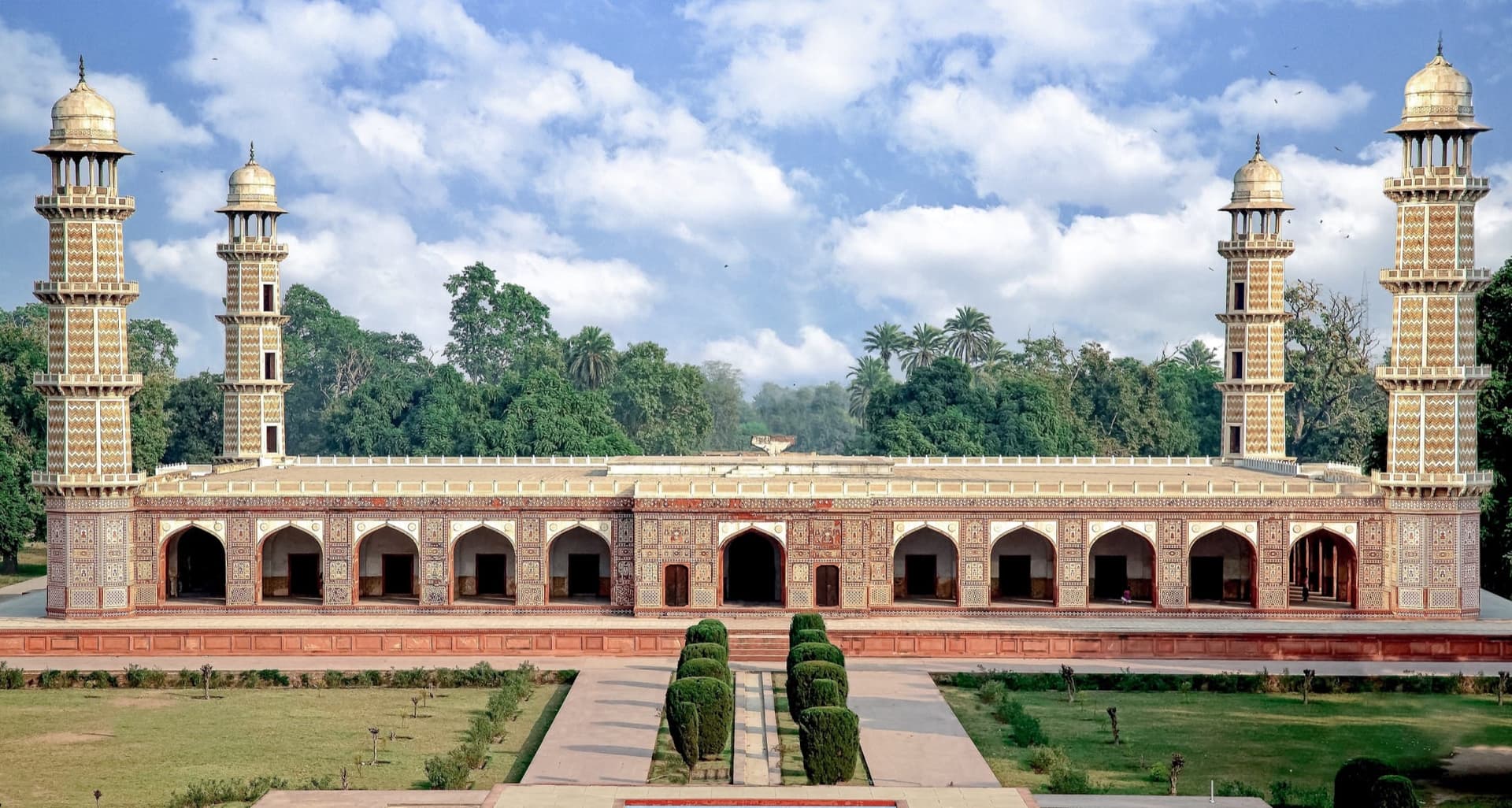
Tomb of Jahangir & Asif Khan (Shahdara Bagh)
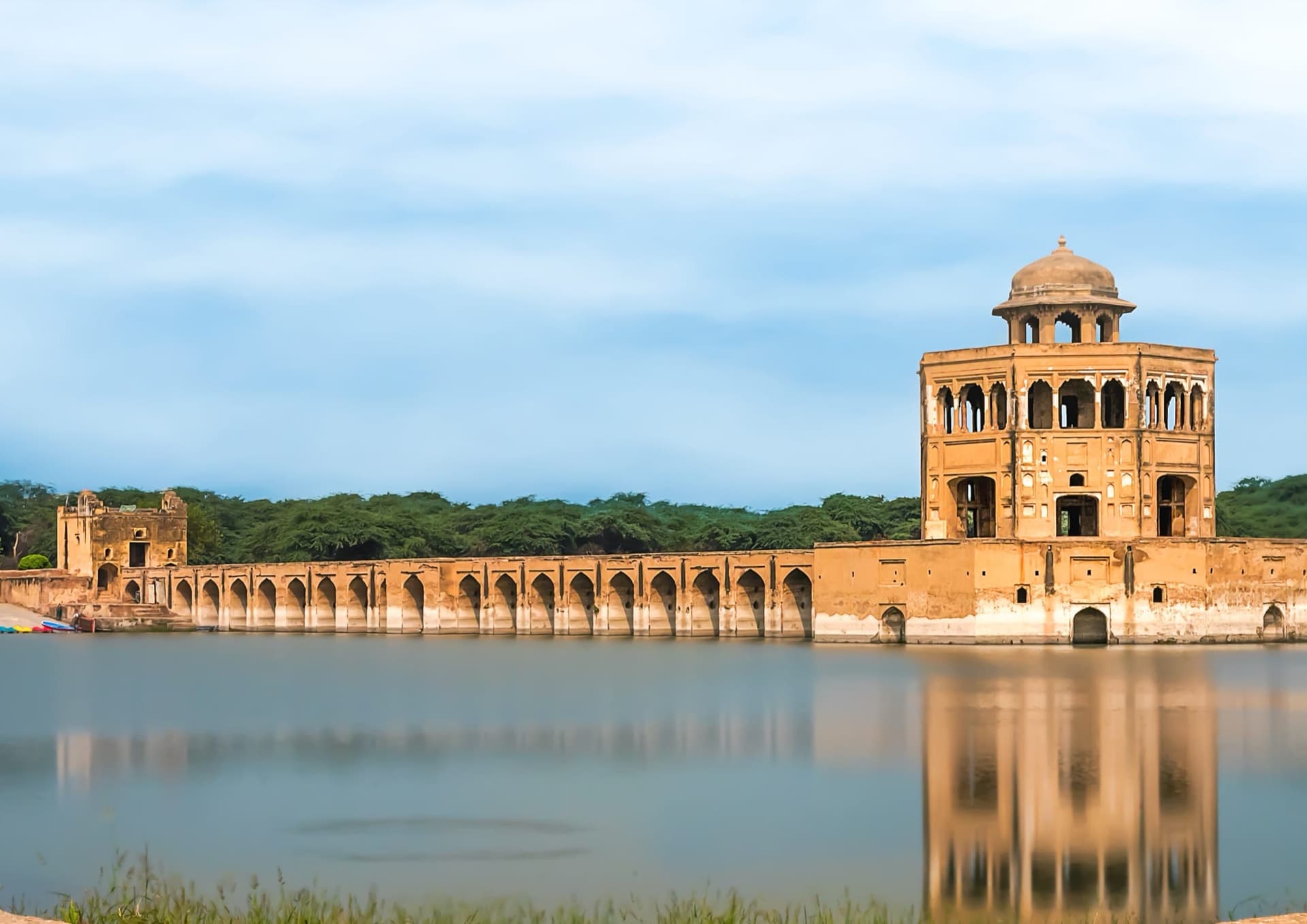
Hiran Minar & Tank
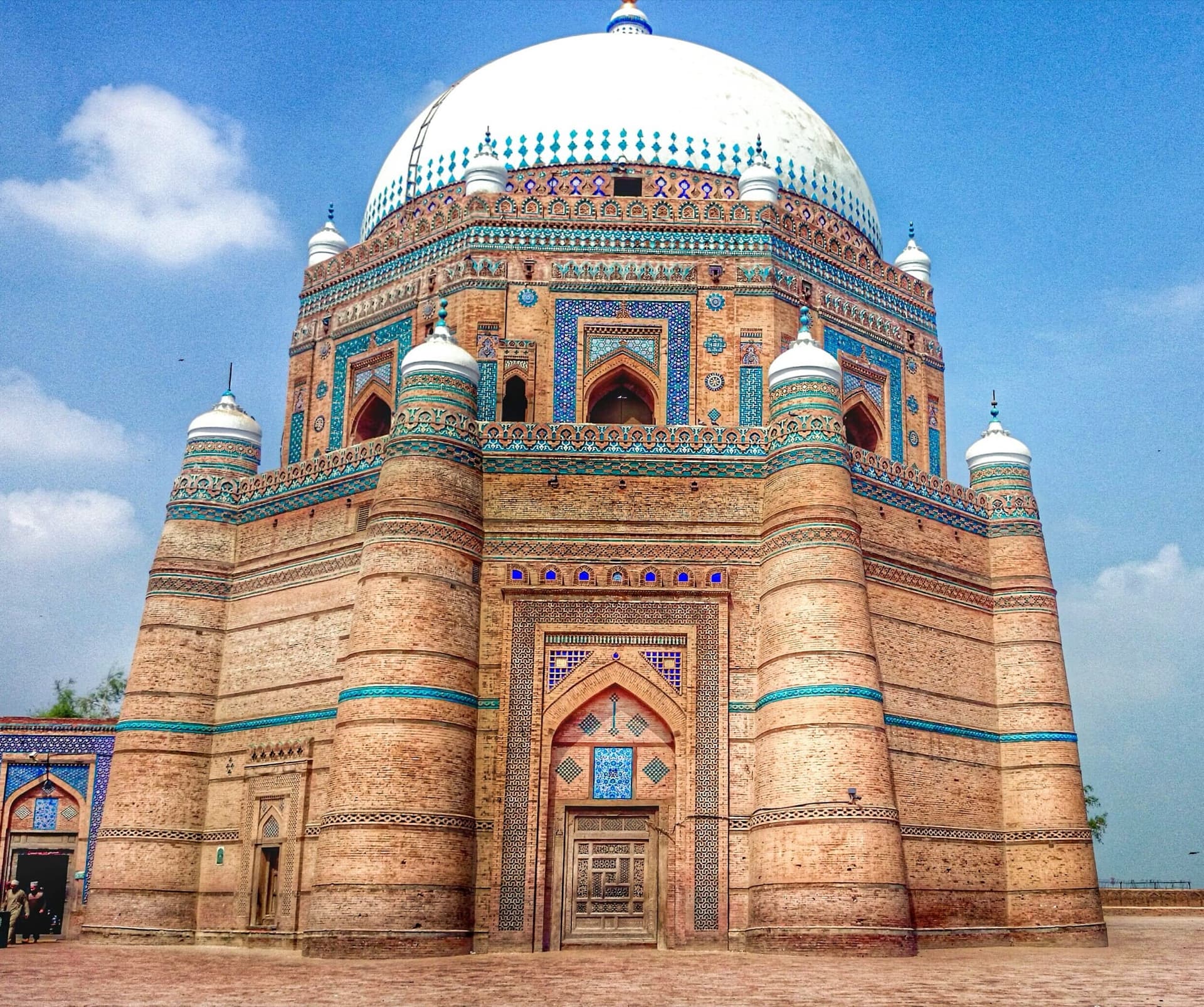
Tomb of Shah Rukn-e-Alam
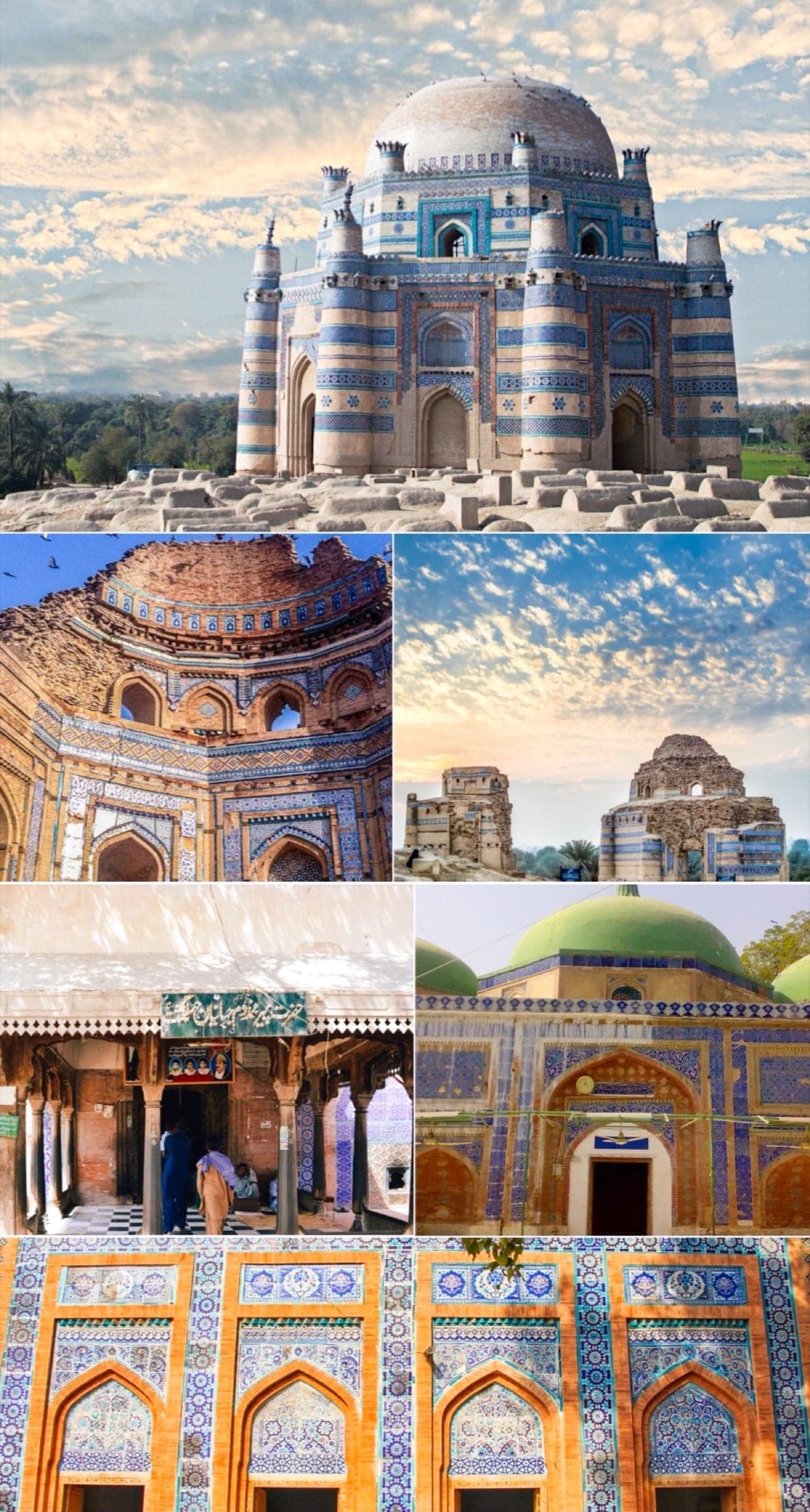
Tombs of Uch Sharif
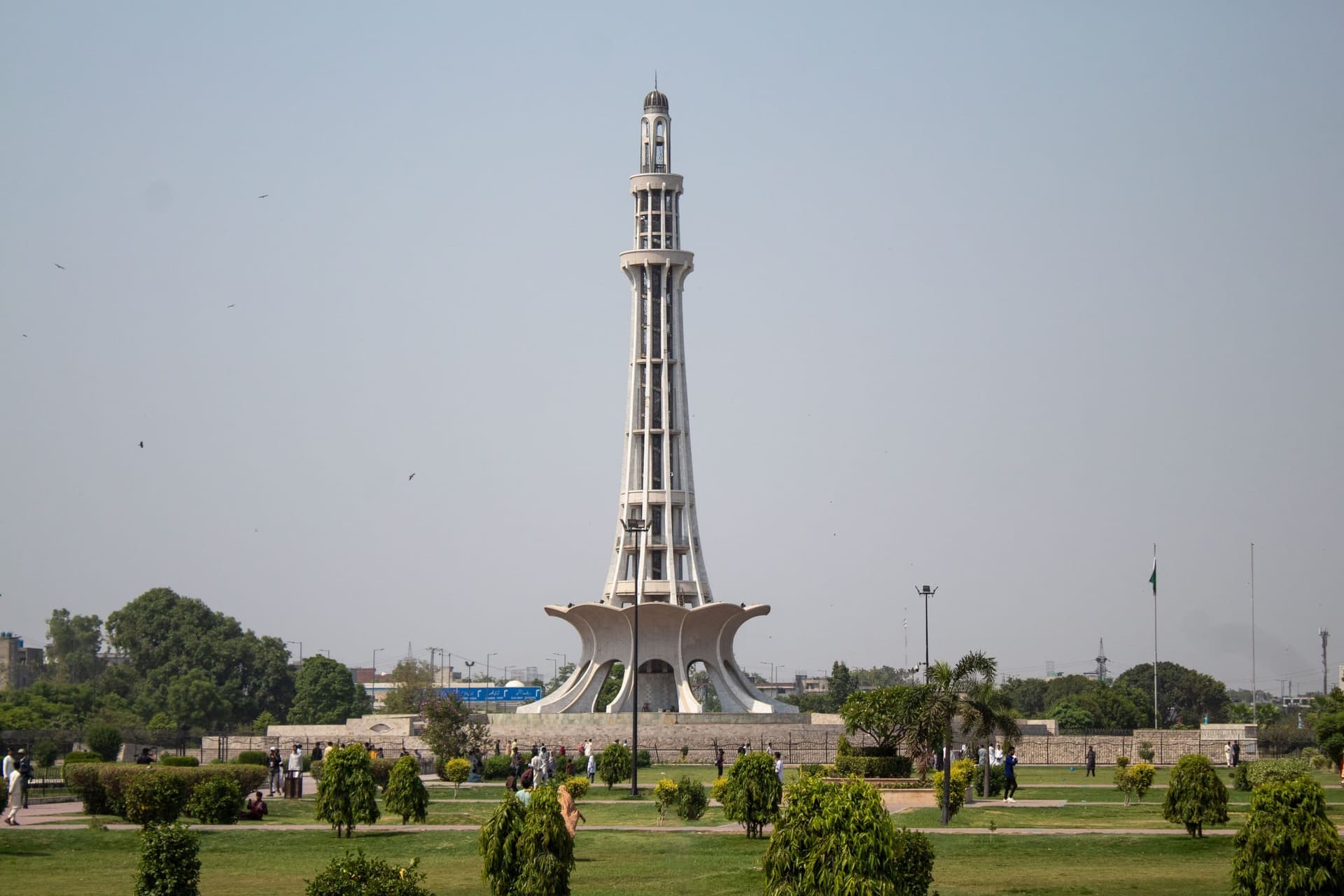
Minar-e-Pakistan
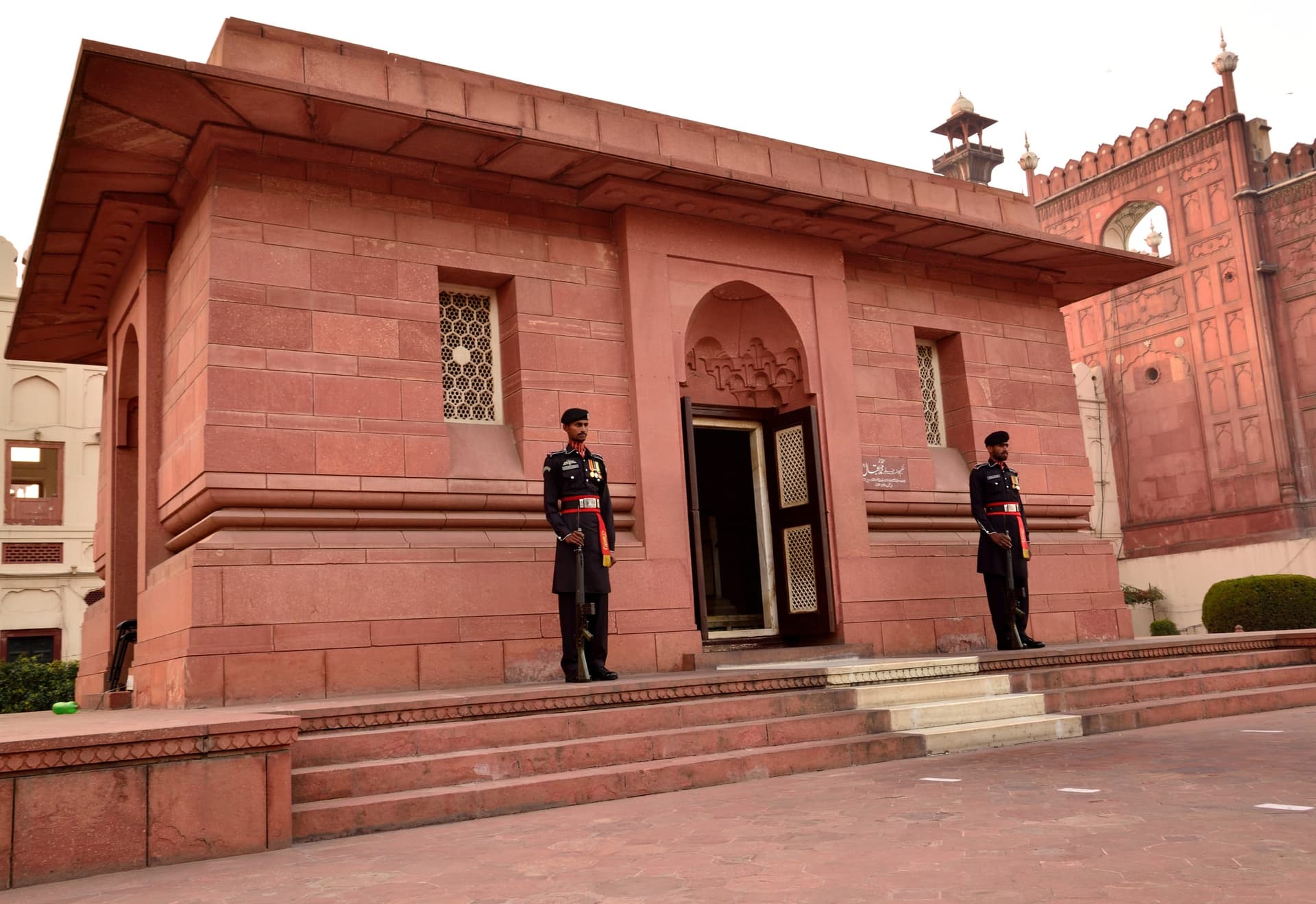
Tomb of Allama Iqbal
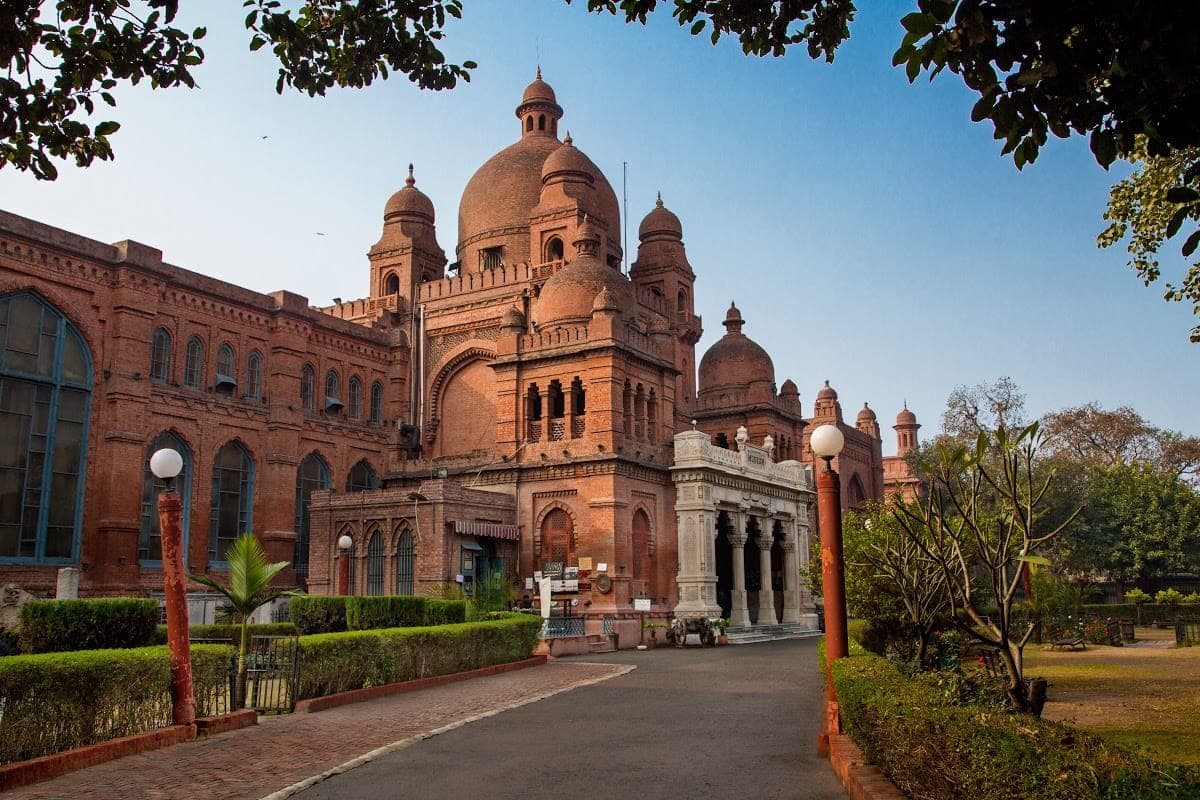
Lahore Museum
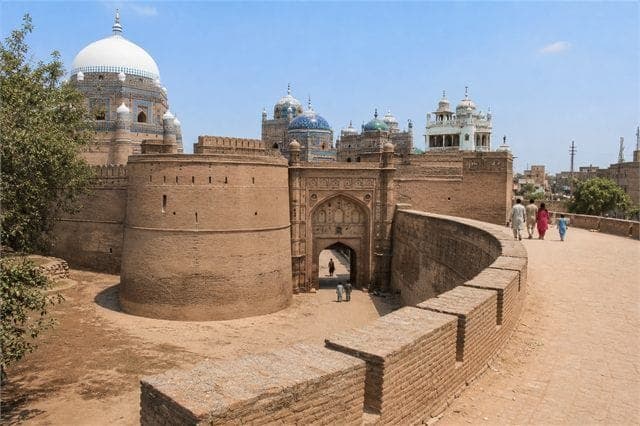
Multan Fort (Qila Kohna)
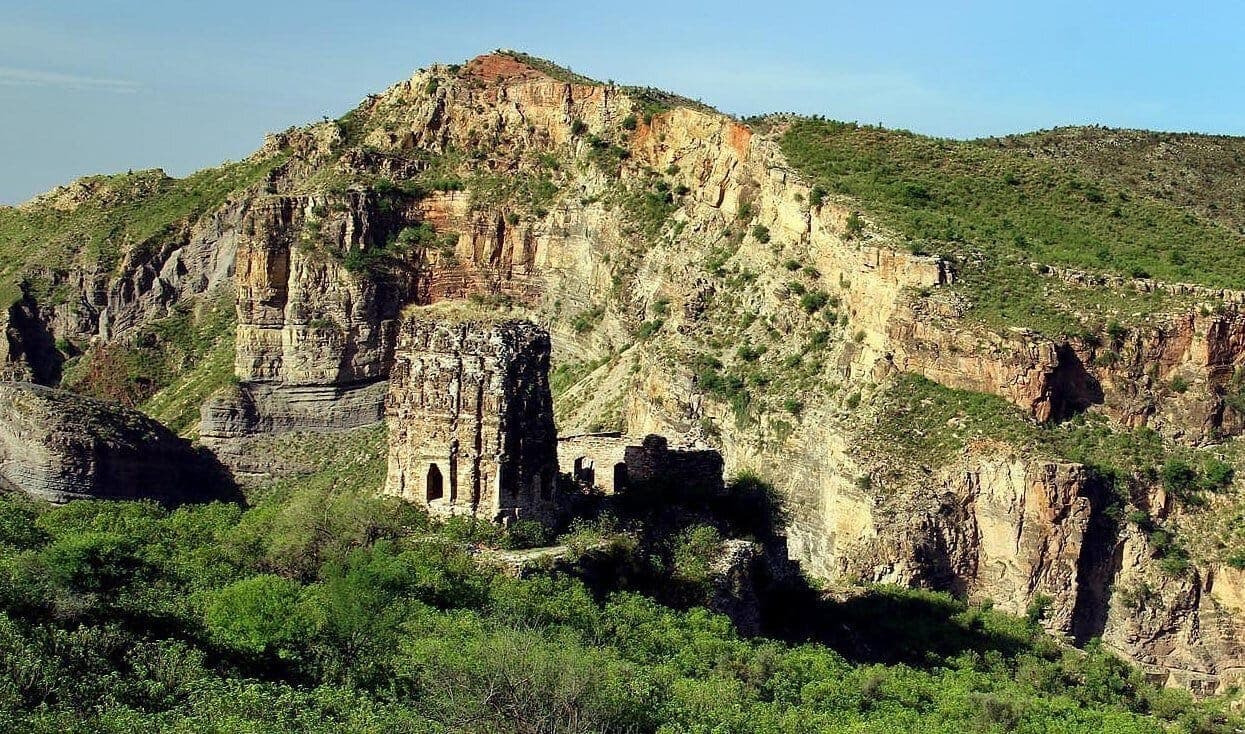
Nandana Fort
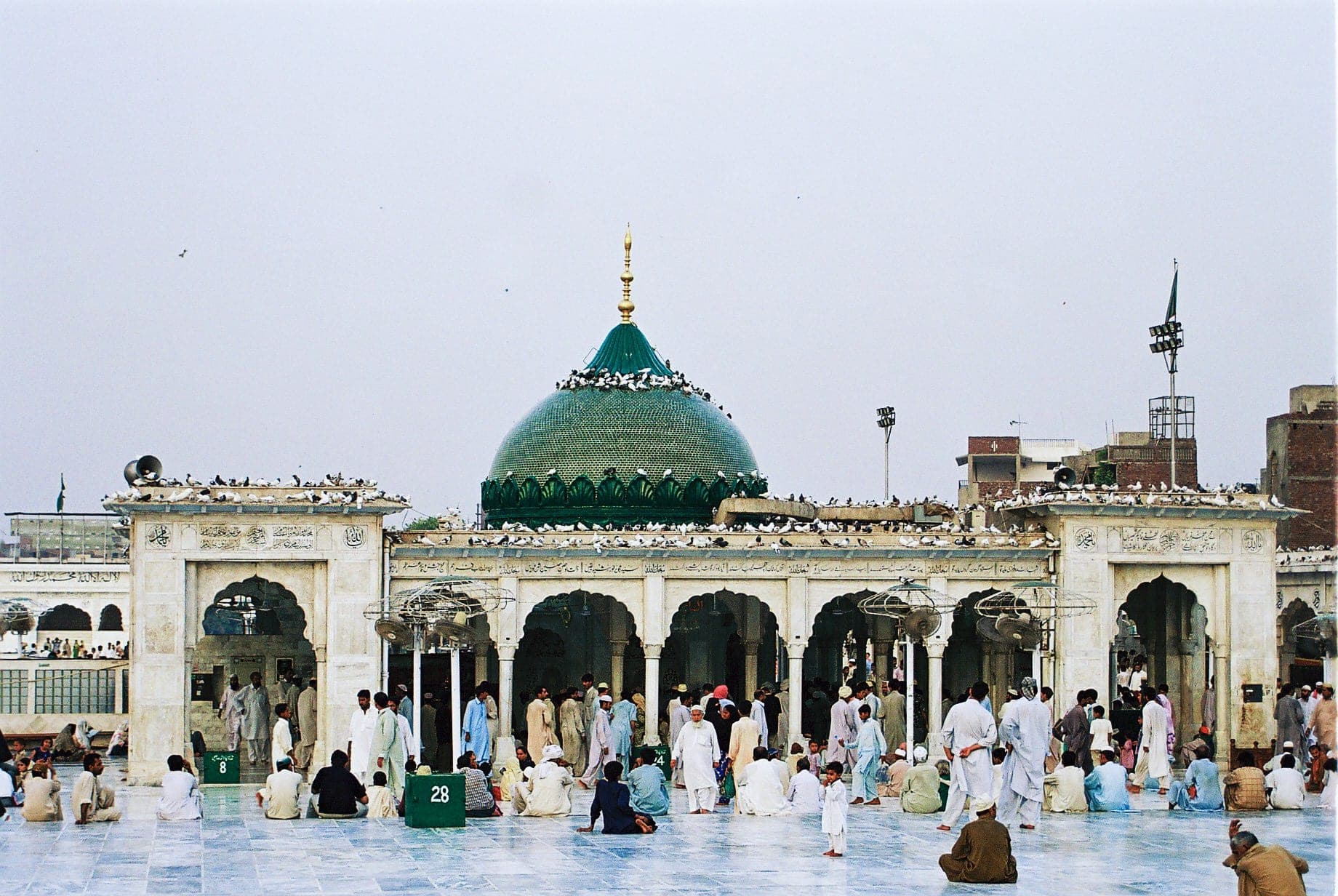
Data Darbar
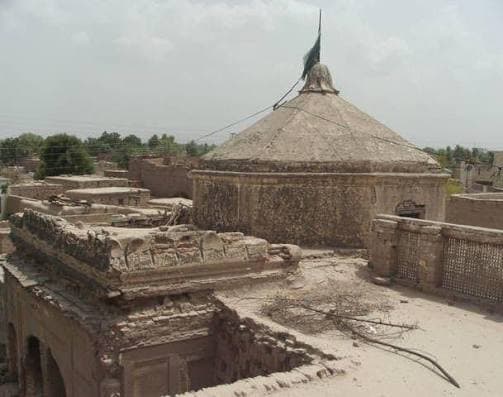
Prahladpuri Temple
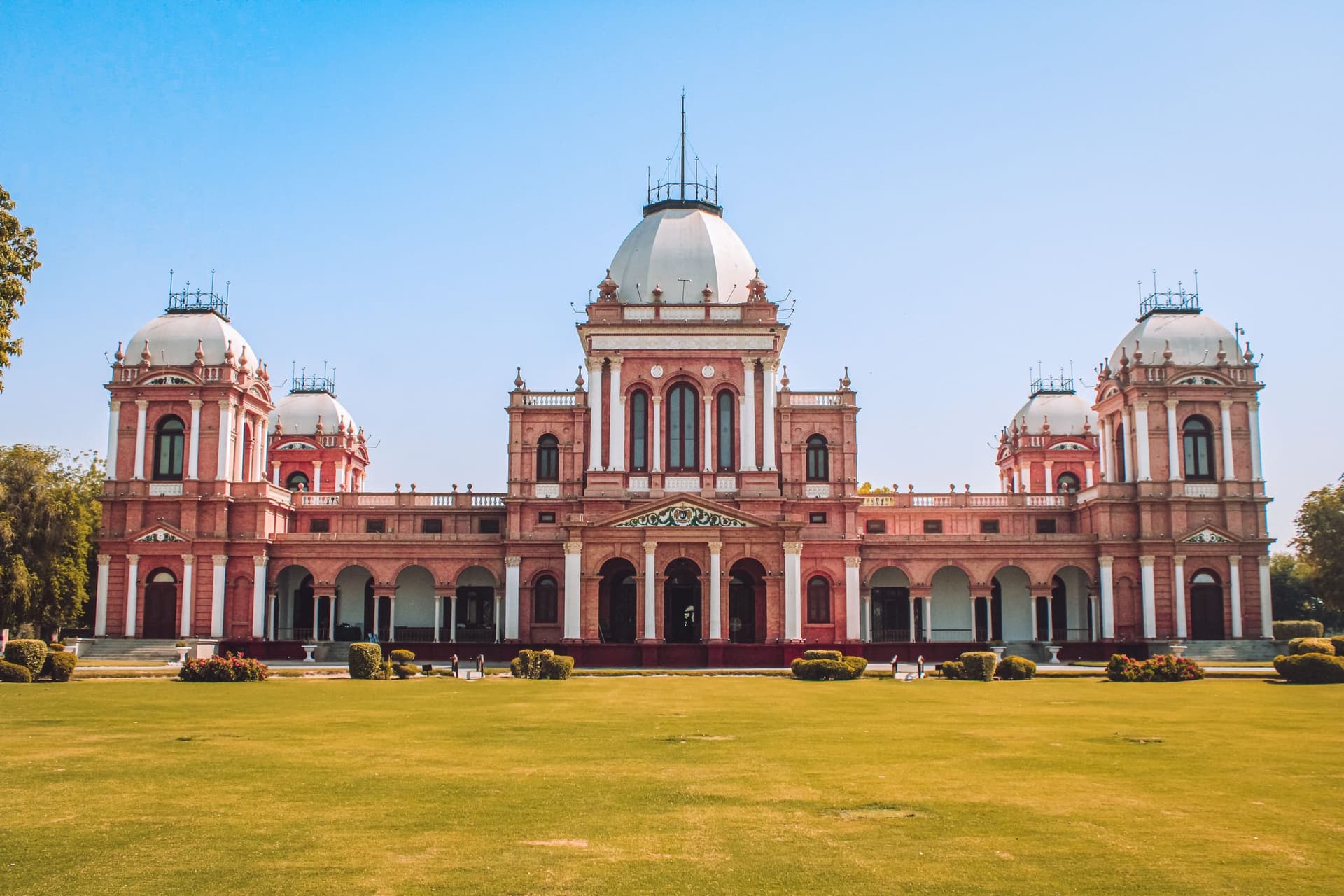
Noor Mahal
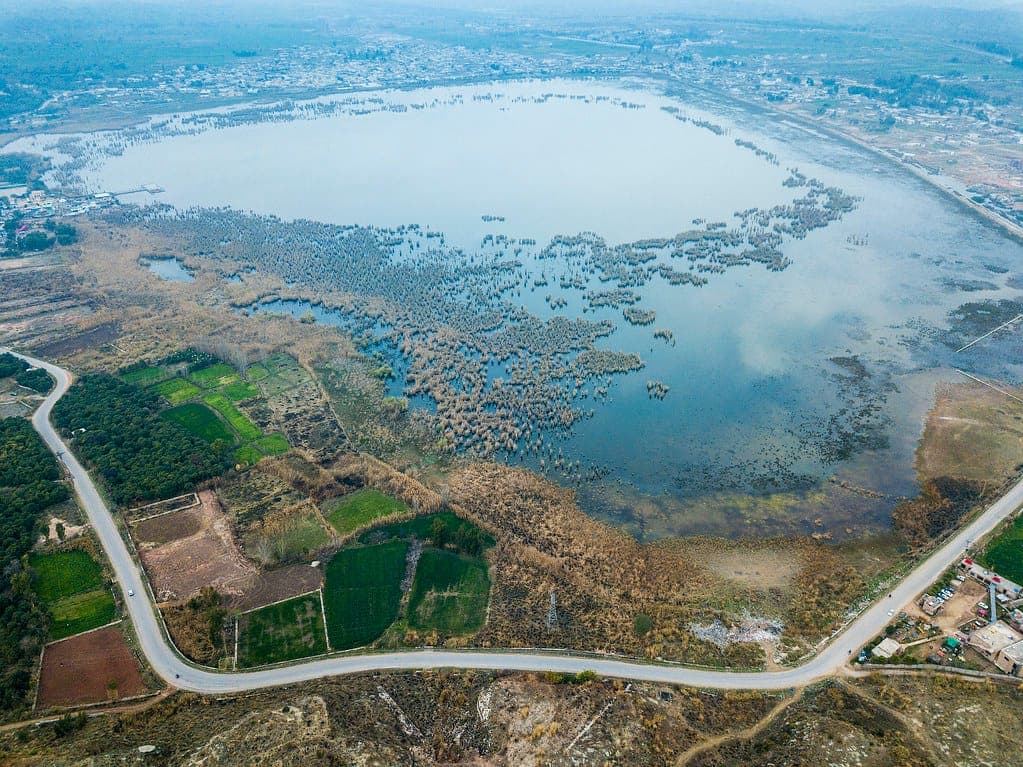
Kallar Kahar Lake
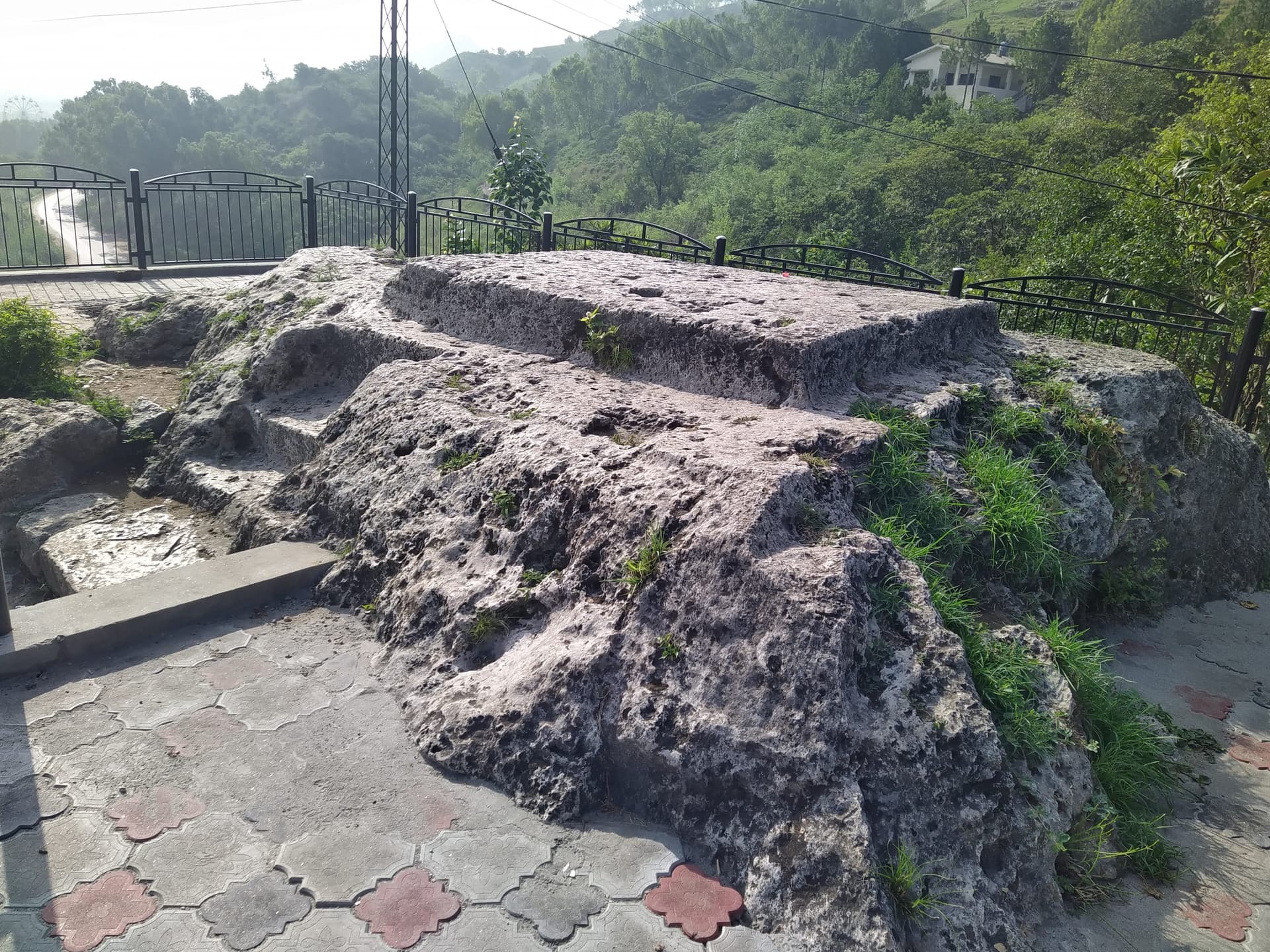
Takht-e-Babri
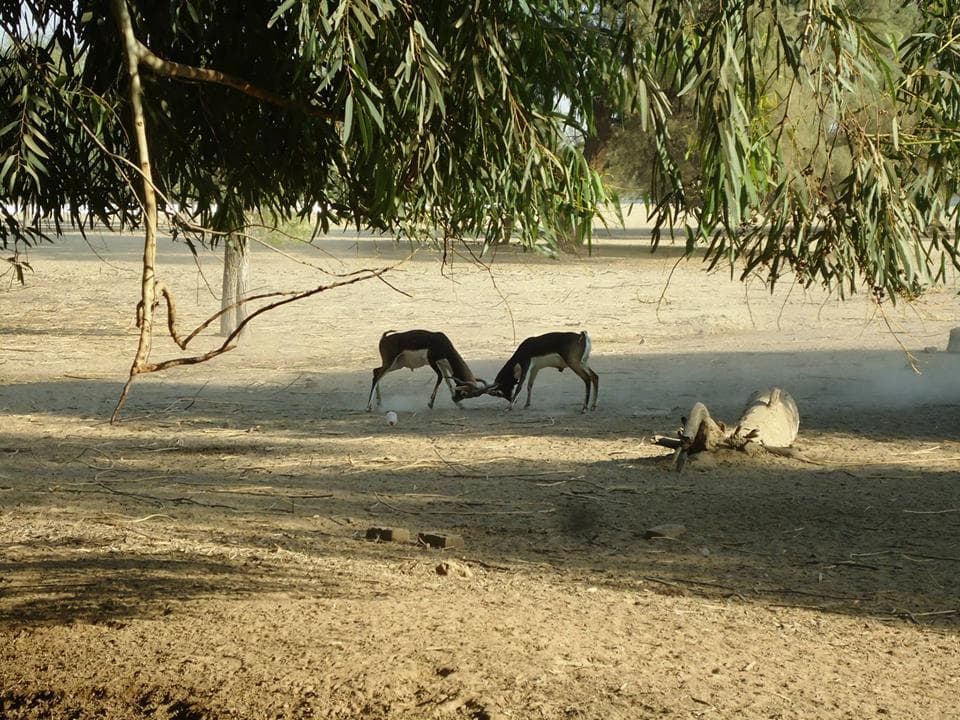
Lal Suhanra National Park
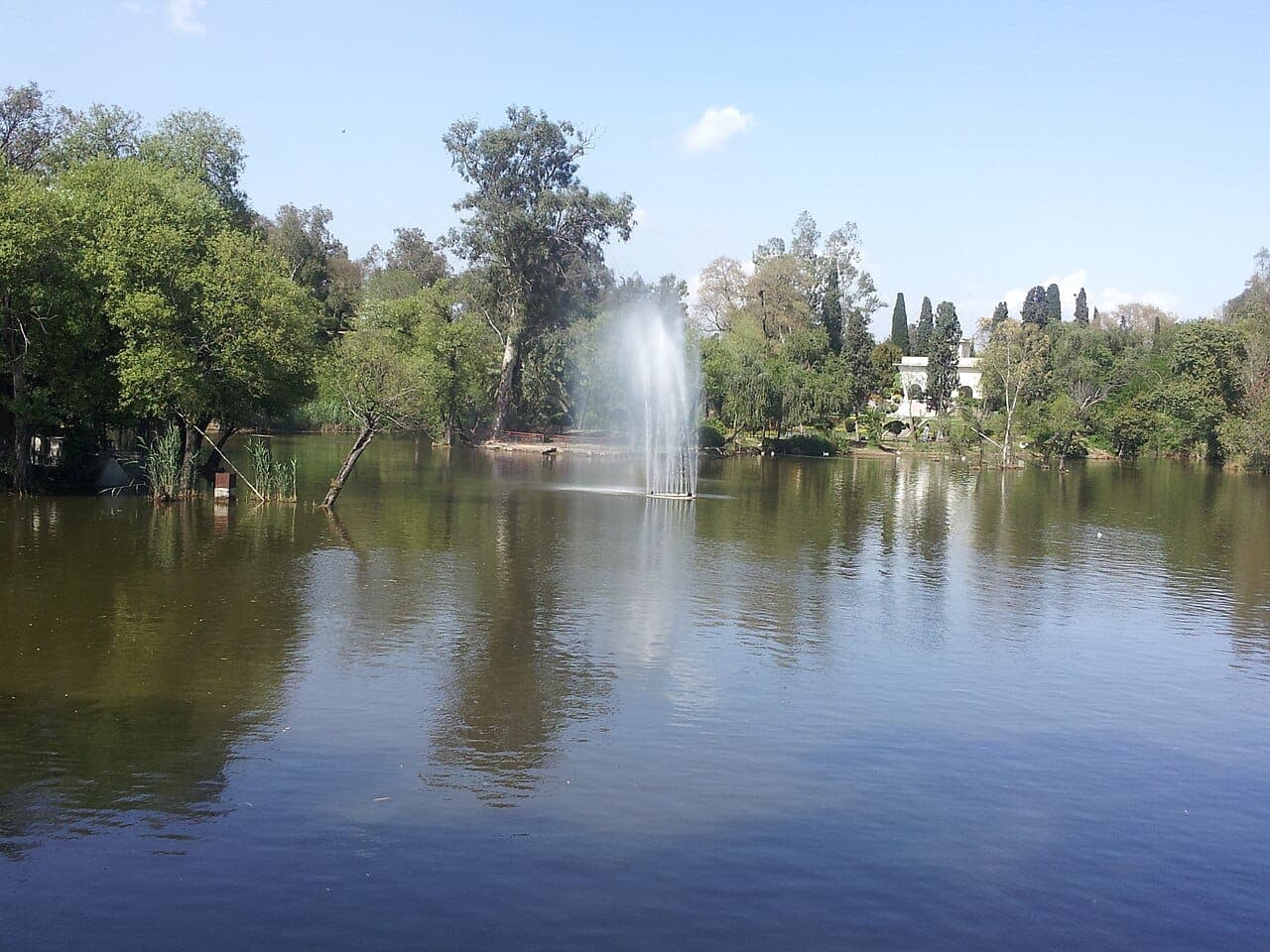
Ayub National Park, Rawalpindi
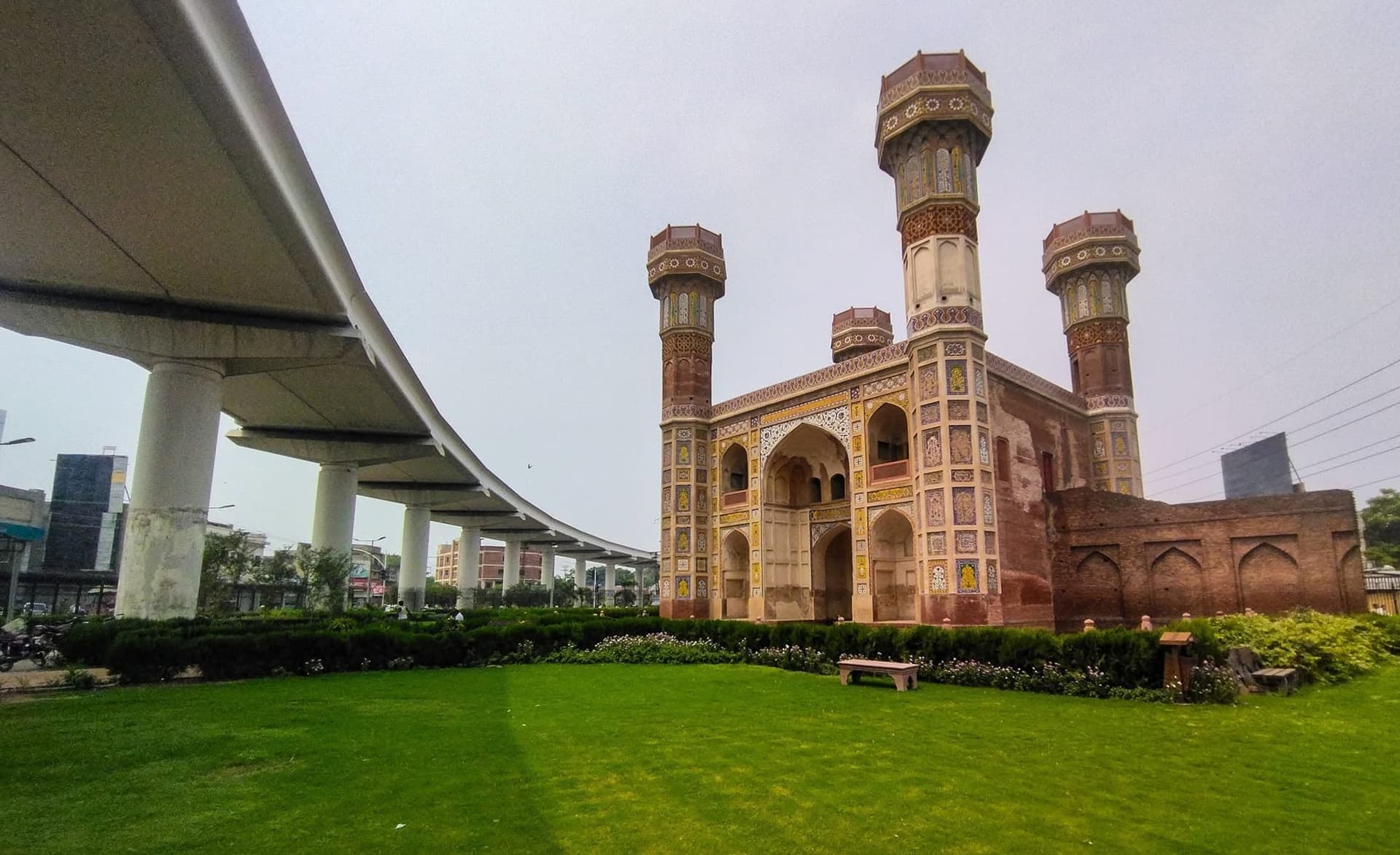
Chauburji
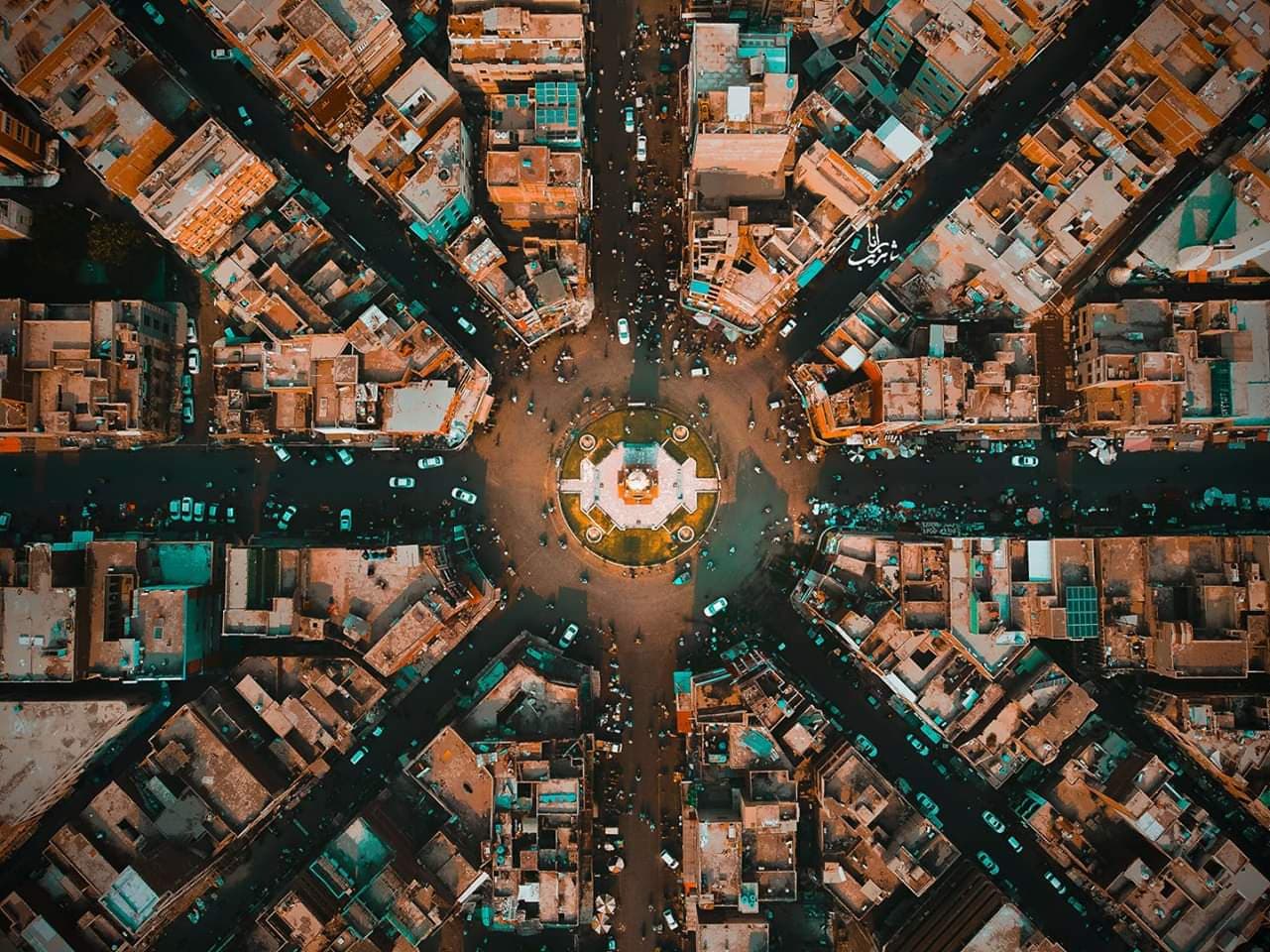
Clock Tower (Ghanta Ghar), Faisalabad
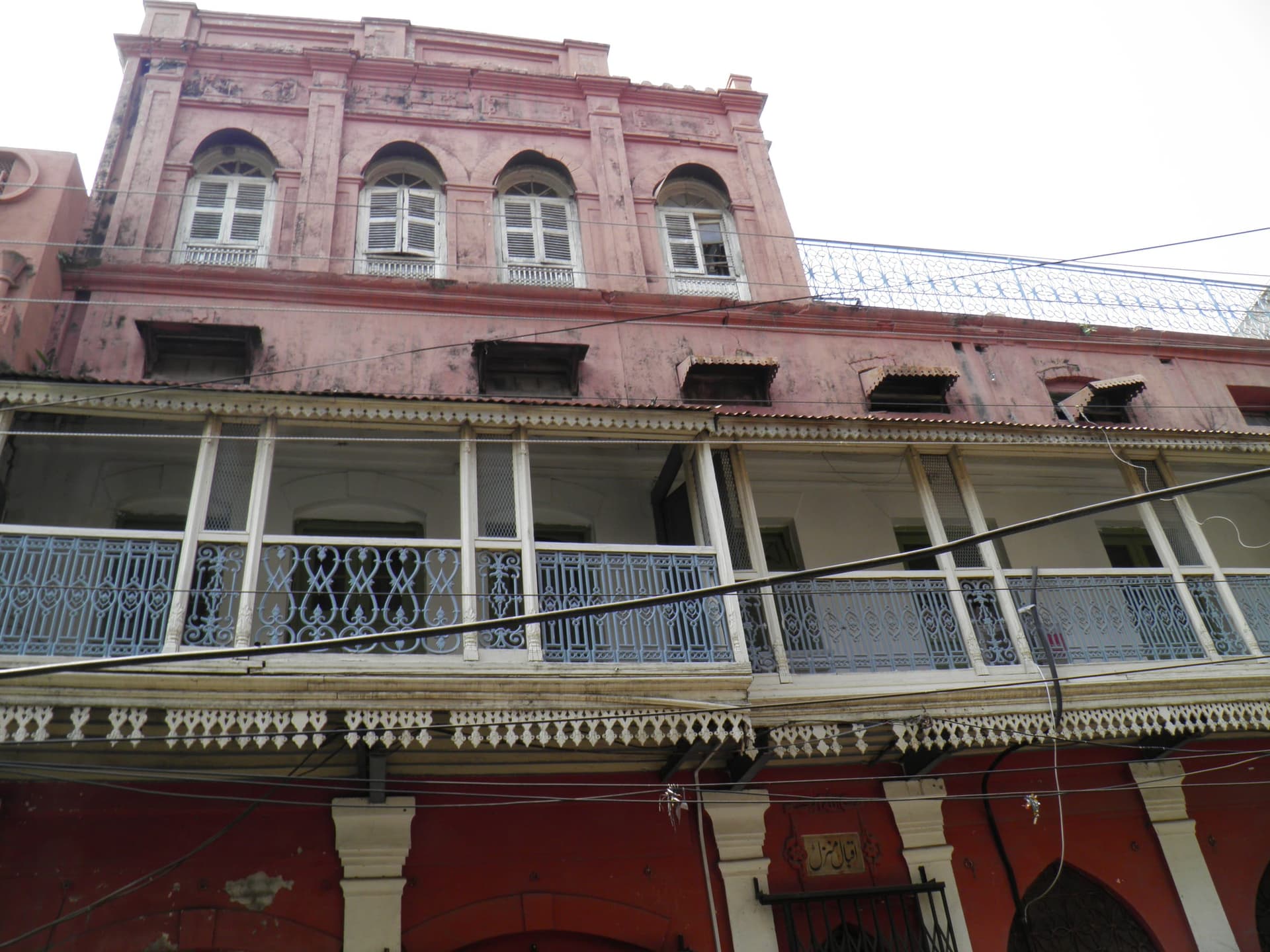
Iqbal Manzil, Sialkot
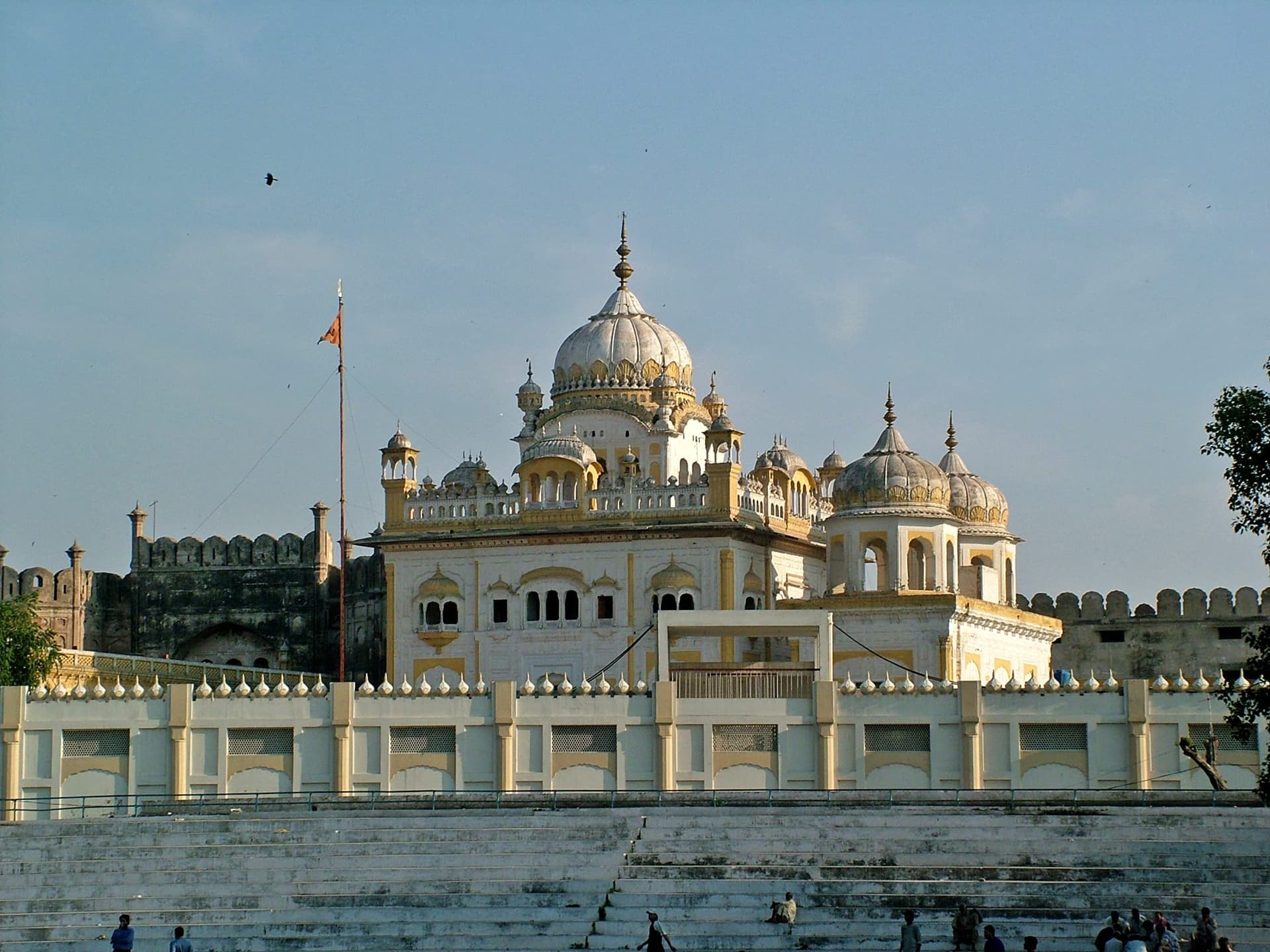
Samadhi of Ranjit Singh
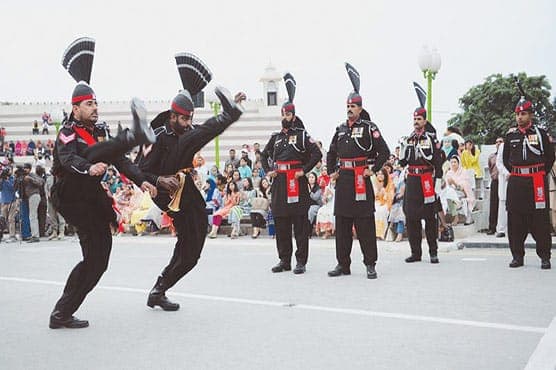
Wagah Border Ceremony
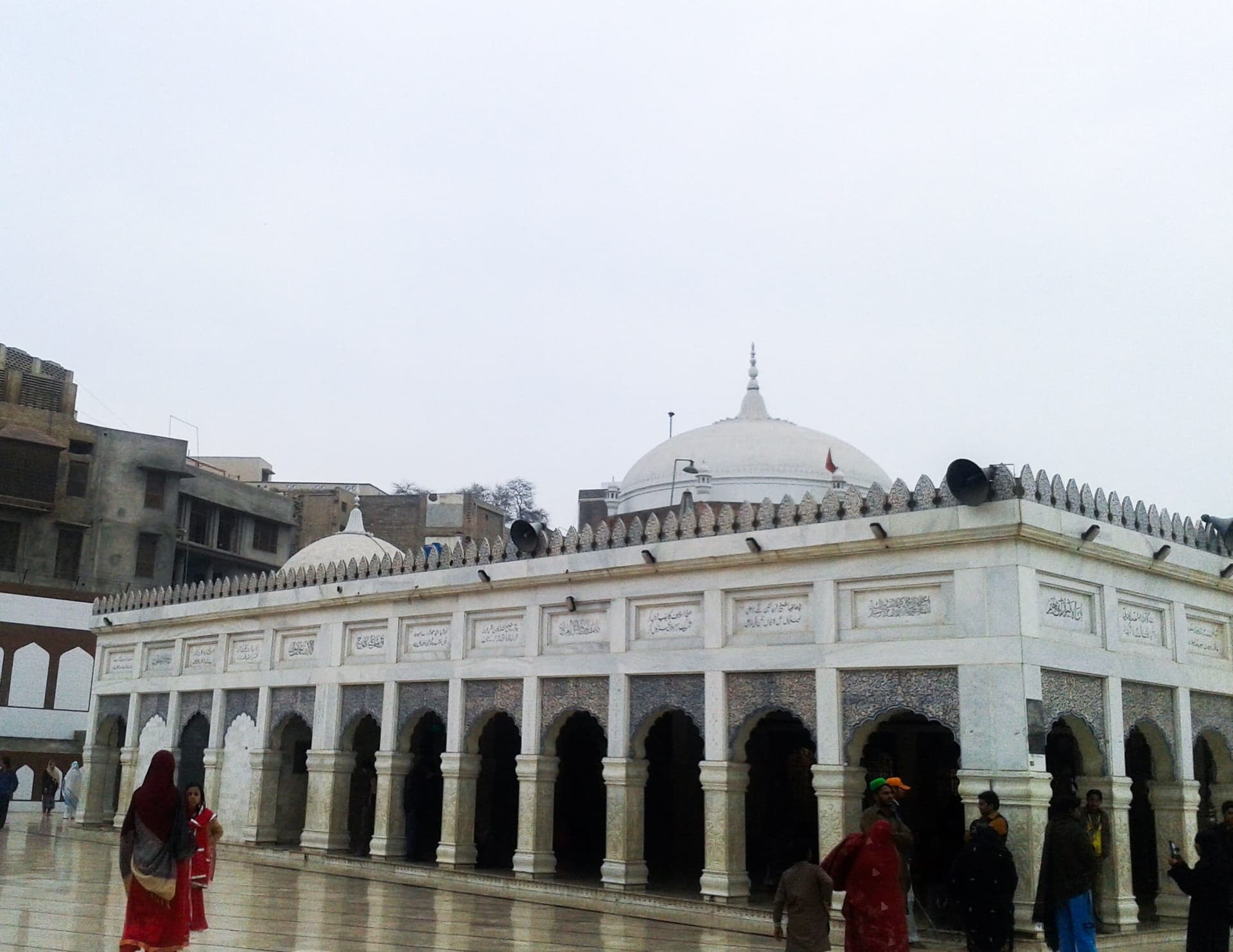
Shrine of Baba Farid, Pakpattan
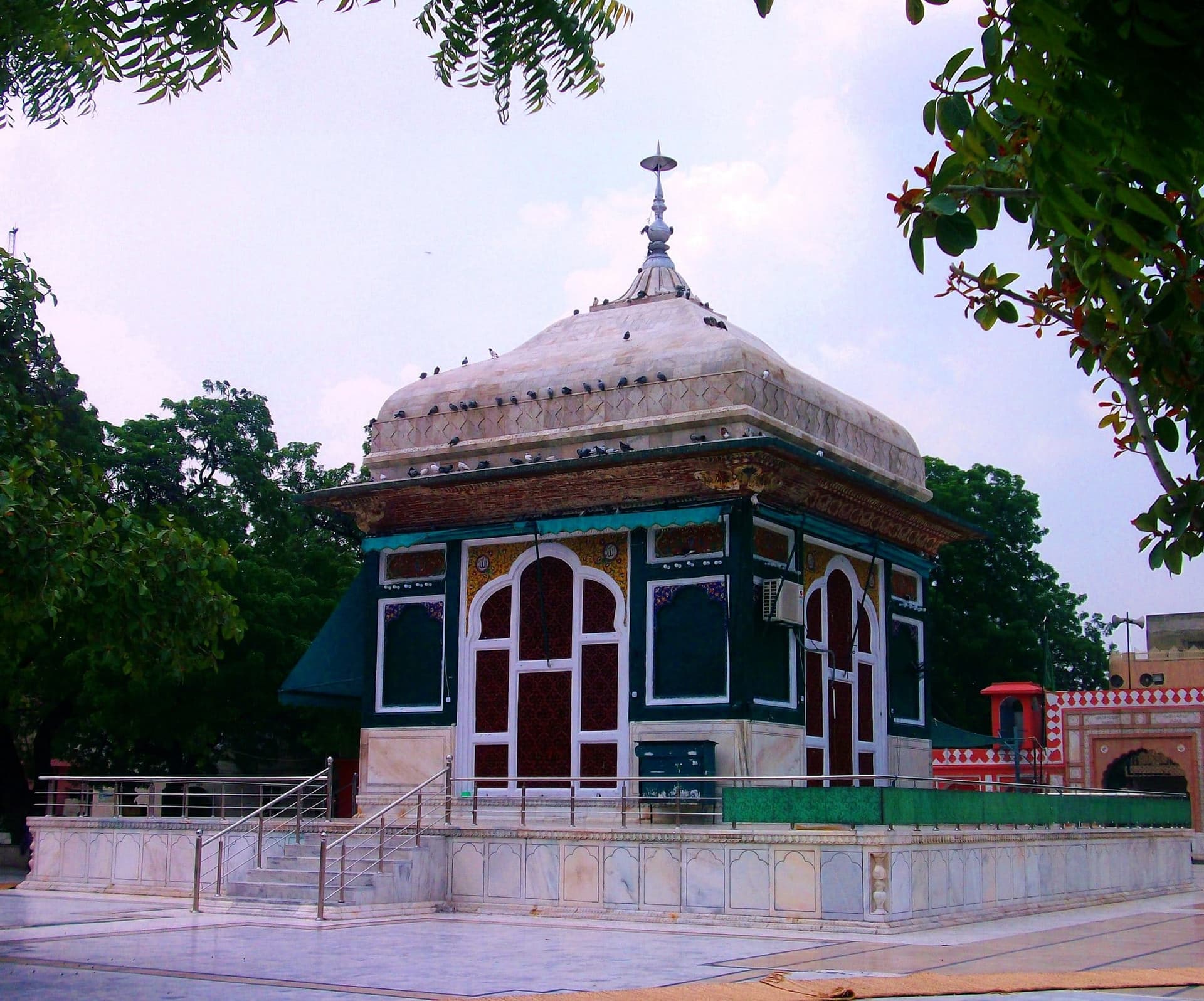
Shrine of Mian Mir
A suggested route
Punjab Heritage Loop · 6 Days
Lahore, pilgrimage sites, and a cool hill finish, paced for heat and prayer times.
Stop 1 of 5 · Days 1-2
Lahore
Days 1-2
Lahore
Fort, Badshahi Mosque, old city food walk, and Wazir Khan at leisure.
Day 3
Nankana Sahib
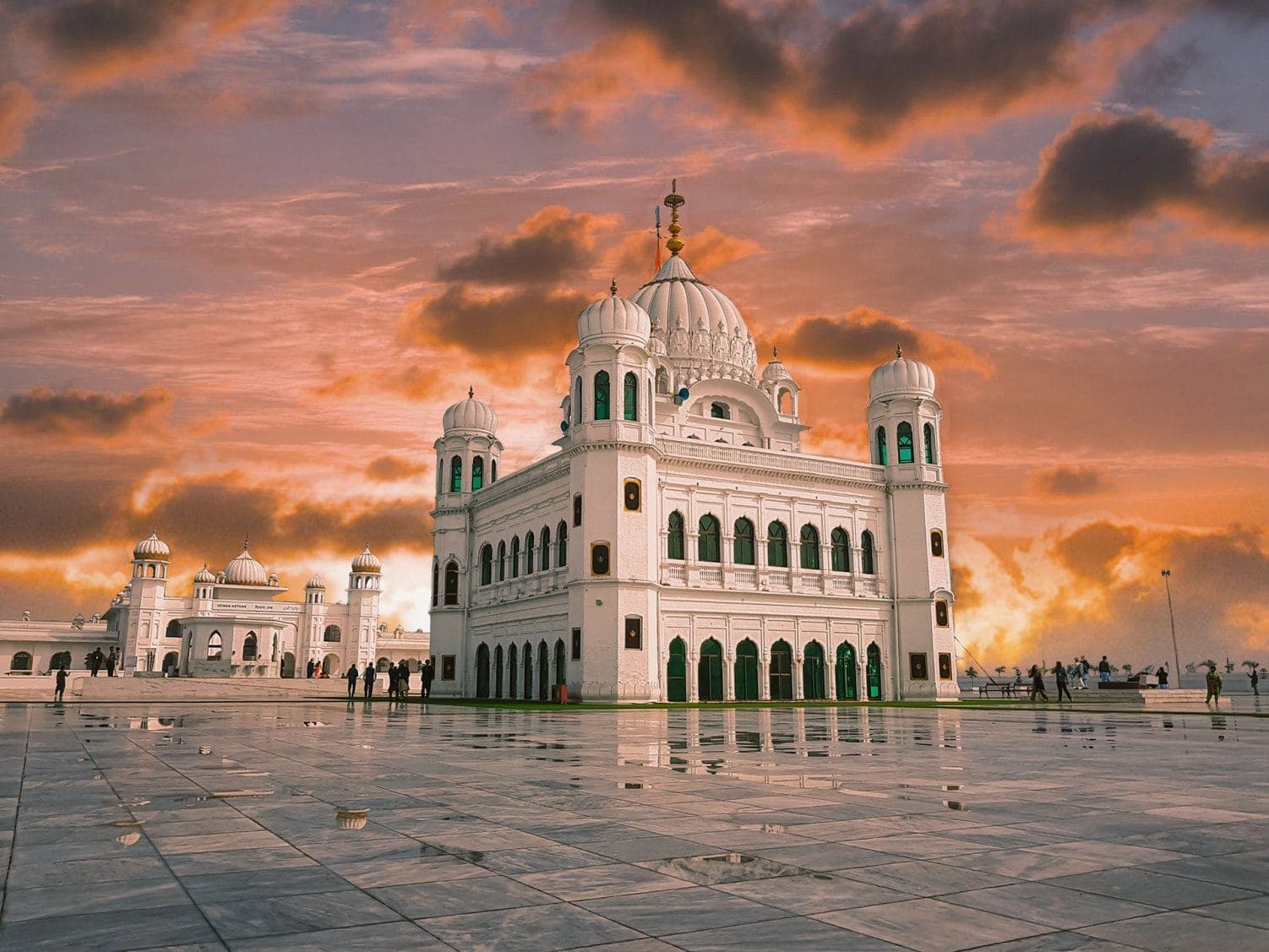
Pilgrimage day with GreenPak stay, langar, gurdwara etiquette, and quiet evening.
Day 4
Katas Raj & Salt Range
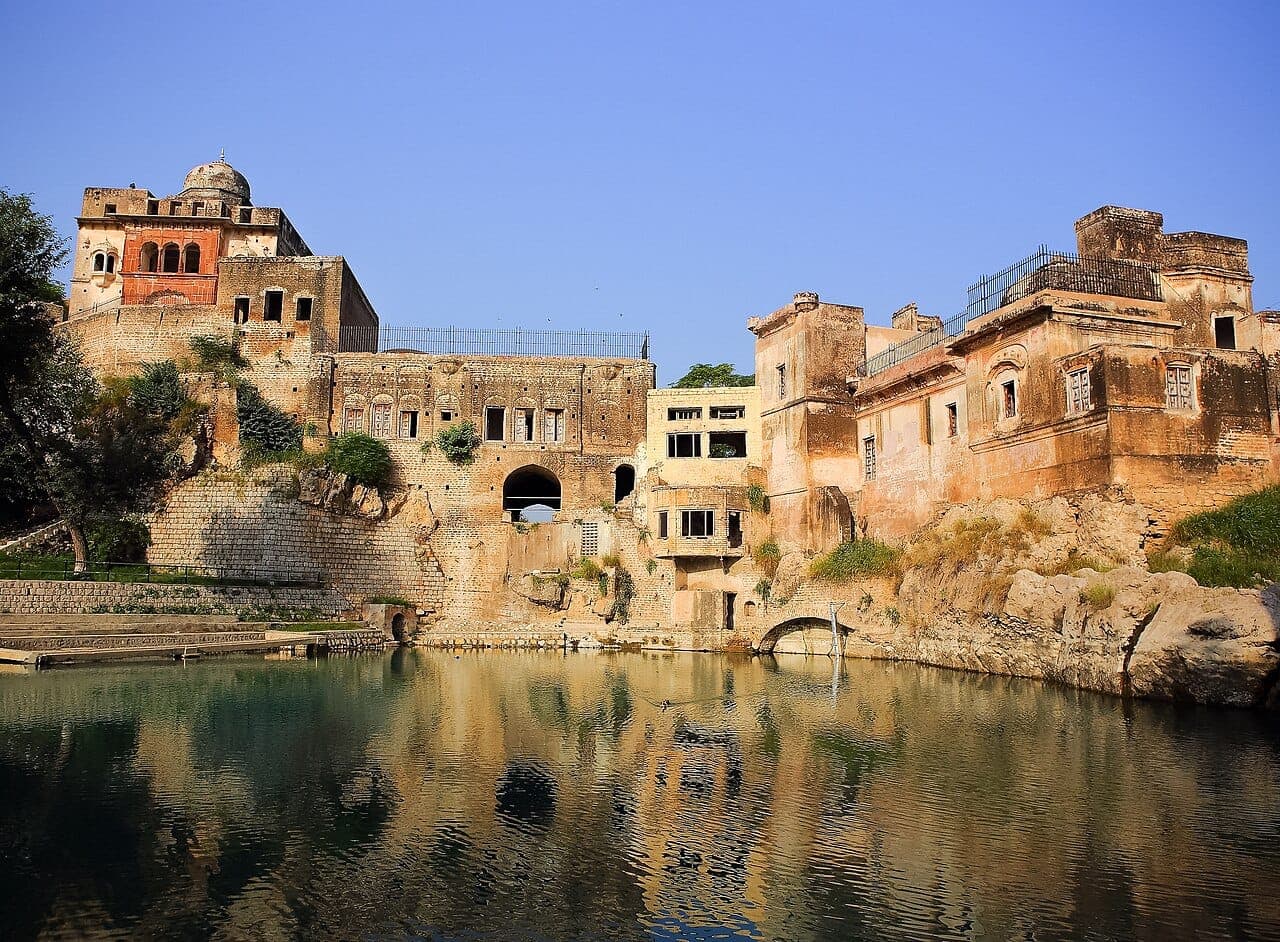
Temple pools, Khewra salt mine optional, overnight at Katas Raj.
Day 5
Fort Munro
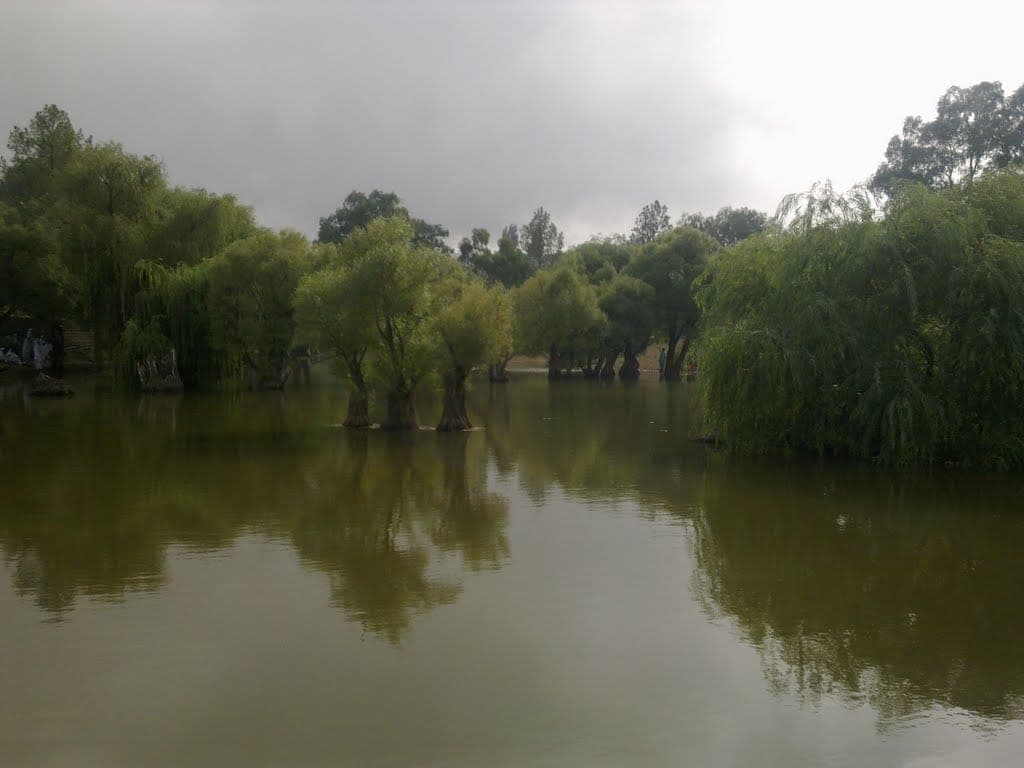
Descent to the southern hills, cool evenings above the plains.
Day 6
Return via Multan or Lahore
Flexible routing for Sufi shrines or direct airport transfer.
Timing
When to Go
Blossom around heritage sites; warming plains, start early.
Use Fort Munro for cool nights; Lahore before 10am; avoid midday plains.
Ideal heritage weather, clear skies and comfortable walking.
Best season for plains travel; fog can delay morning flights.
Through the year
Festivals & Events
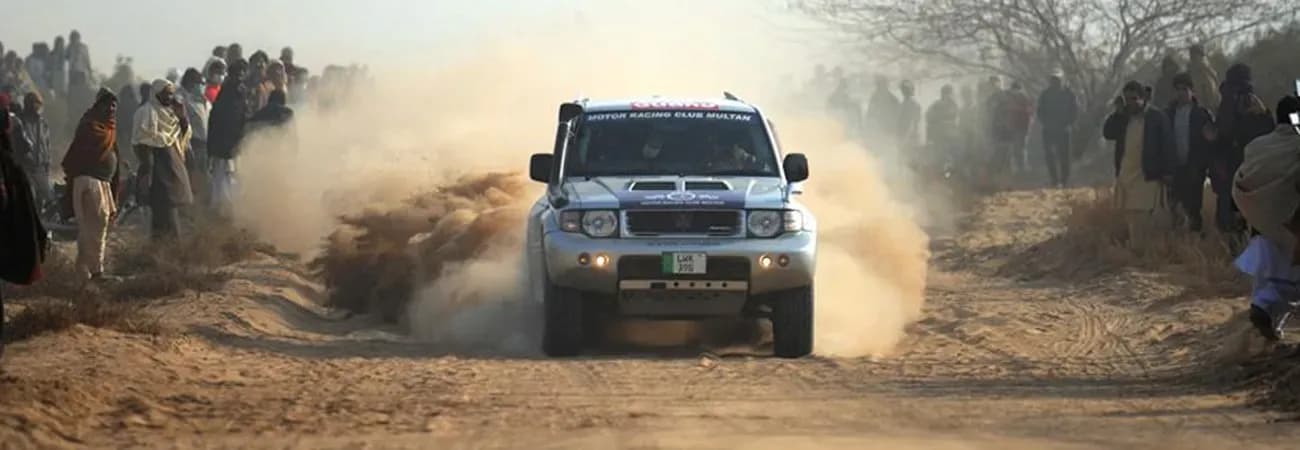 February
Cholistan Desert Jeep Rally
Pakistan's largest motorsport event, a multi-day off-road rally across the Cholistan dunes, staged around the great Derawar Fort.
 February
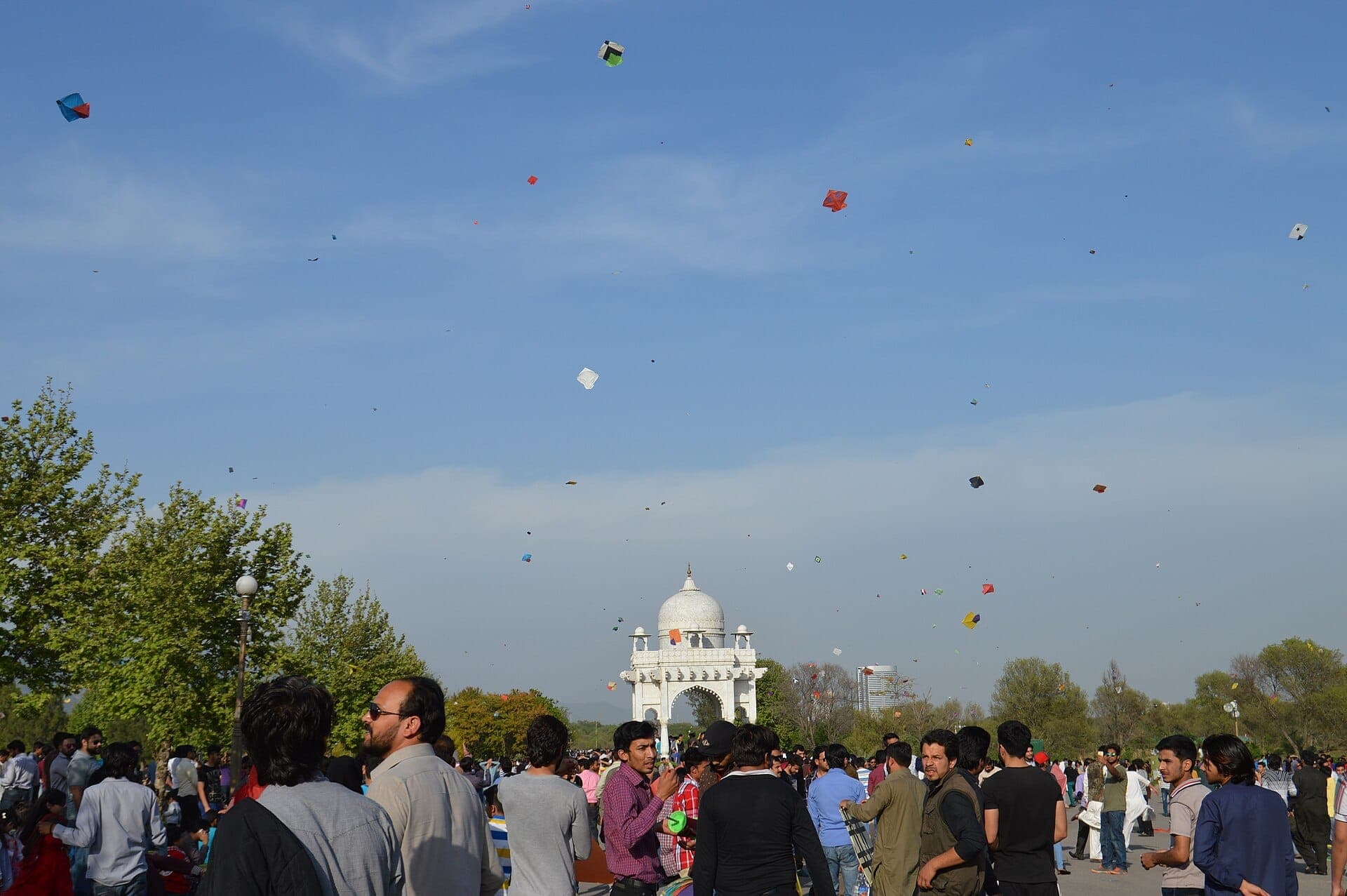
Basant, Jashn-e-Baharan
Lahore's spring kite festival, rooftops and skies fill with colour to welcome the end of winter.
MarchMela Chiraghan, Festival of Lights
Lahore's “Festival of Lights”, the Urs of the Sufi poet Shah Hussain, celebrated with lamps, music, and devotion.
 14 March
Punjabi Culture Day
Bhangra, giddha, folk poetry, and a full Punjabi table, a spirited celebration of Punjab's living heritage.
April (Vaisakhi)Baisakhi (Vaisakhi) Mela
The Sikh harvest festival and pilgrimage, prayers, langar, and processions at Panja Sahib and Nankana Sahib.
Muharram (Islamic calendar)Urs of Baba Farid
Pakpattan's great Punjabi Sufi gathering at the shrine of Baba Farid, qawwali, poetry, and the Bahishti Darwaza.
 14 August
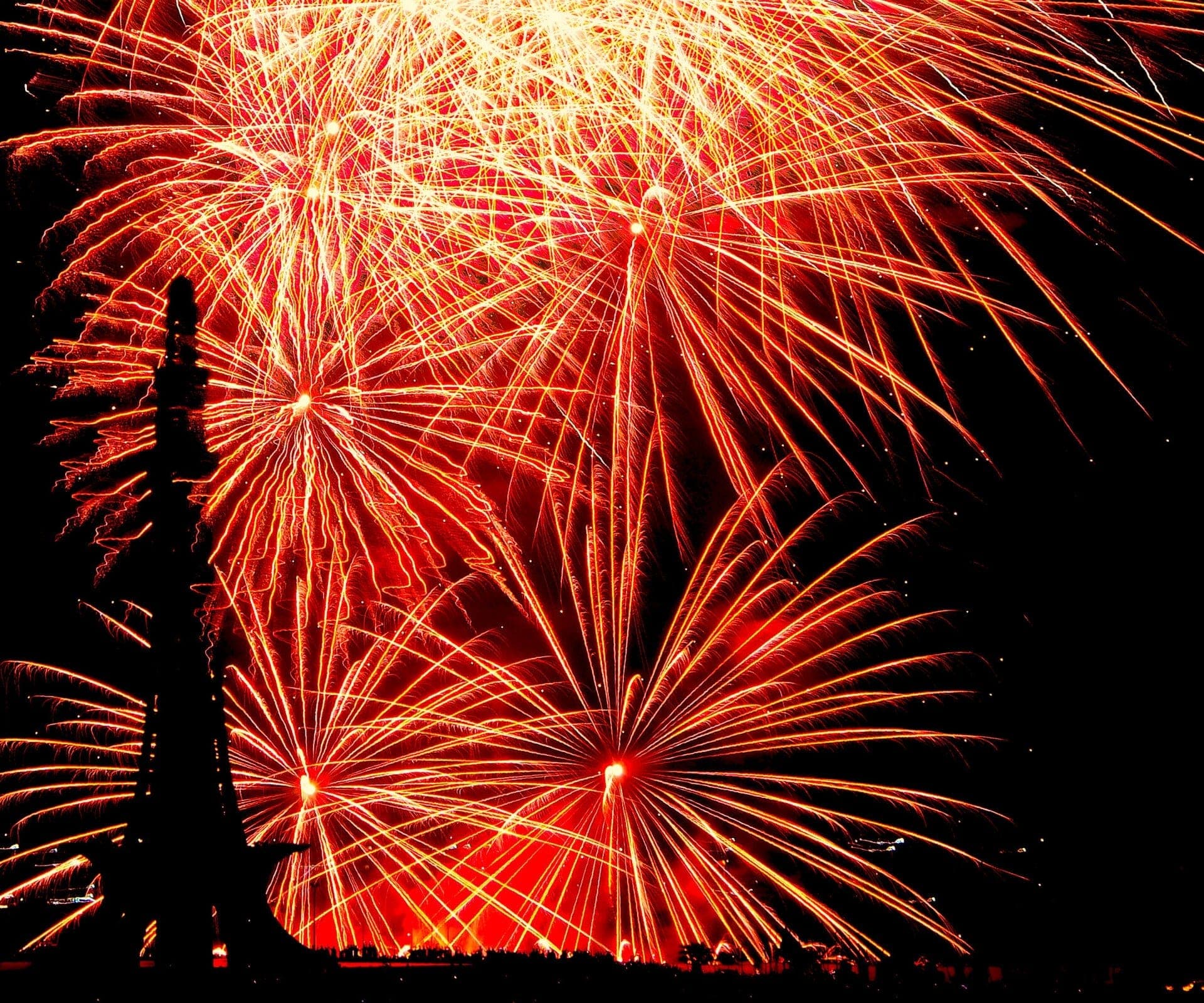
Independence Day, Jashn-e-Azadi
Pakistan's national day on 14 August, flags, fireworks, and celebration nationwide, with Lahore's Minar-e-Pakistan at the symbolic centre.
 18-20 Safar (Islamic calendar)
Urs of Data Ganj Bakhsh
Lahore's greatest Sufi gathering at Data Darbar, chadar processions, qawwali, dhamal, and langar for huge crowds.
NovemberThal Desert Rally & Cultural Festival
A desert jeep rally across the Thal, wrapped in Saraiki music, food, and craft from southern Punjab.
November (Sikh calendar)Guru Nanak Gurpurab
The birth anniversary of Guru Nanak, Sikhism's most important pilgrimage in Pakistan, at Nankana Sahib and Kartarpur.
Eat & culture
Plains & Pilgrimage Flavours
Punjab is the country's breadbasket, butter-laden parathas, nihari at dawn, falooda in Lahore's old city, and langar at gurdwaras. Plan long lunches; heat slows the afternoon.
Good to know
Getting Around & Practicalities
Getting There
Lahore and Islamabad airports serve the province. Nankana, Katas Raj, and Fort Munro are road journeys, pilgrimage routes often combine several sites in one loop.
Heritage rhythm
Lahore rewards long weekends; Katas Raj pairs with Salt Range day trips; Nankana Sahib draws pilgrims year-round.
Dress & etiquette
Cover shoulders and legs at shrines and temples; remove shoes where required. Photography may be restricted in prayer halls, ask first.
Journeys Here
Journey finder →
Before you ask
Common Questions
Nankana Sahib, Katas Raj, and Lahore heritage pair well in a four-to-six-day loop from Lahore or Islamabad.
June-August on the plains is intense. Plan early starts, use Fort Munro for cooler nights, or travel October-March.
The old city rewards a half-day guide for food, mosque etiquette, and navigation, we arrange trusted local hosts.
October-March for comfortable plains travel; spring for blossom around heritage sites.
Plan a Punjab Journey
Heritage, pilgrimage, or both, tell us your dates and we'll stitch the loop together.