

Experiences / Cultural Heritage / Punjab
Travel by interest
Cultural Heritage in Punjab
A guide-led way into Pakistan's living culture, from craft towns and museums to the Kalash valleys' indigenous traditions.
← Back to the Punjab guide·View Cultural Heritage across all of Pakistan
Punjab
Cultural Heritage in Punjab
Craft towns, living traditions, and indigenous culture
Sight
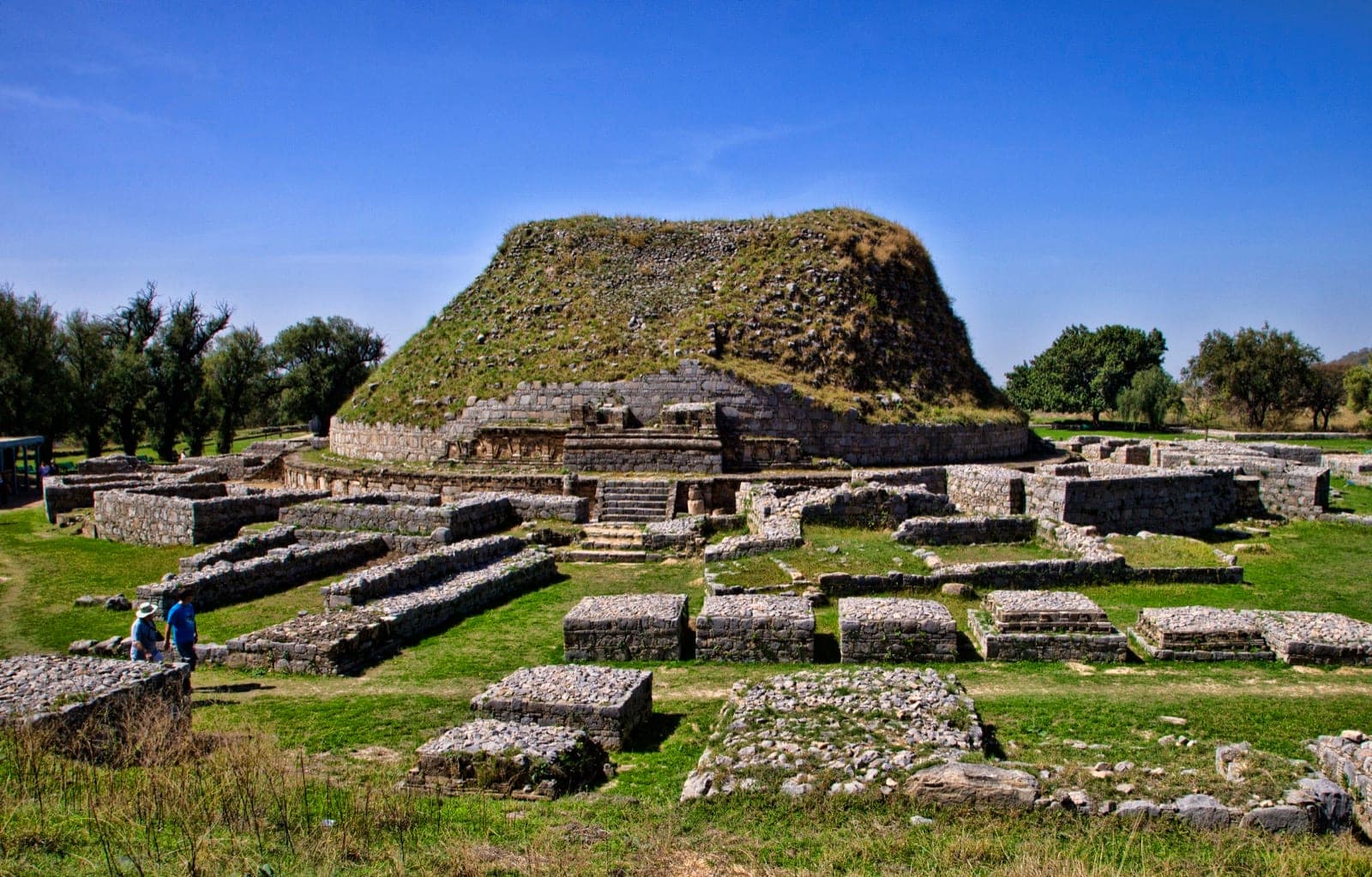
Taxila: UNESCO World Heritage Site
UNESCO-listed archaeological landscape with strong Gandhara and Buddhist heritage.
Sight
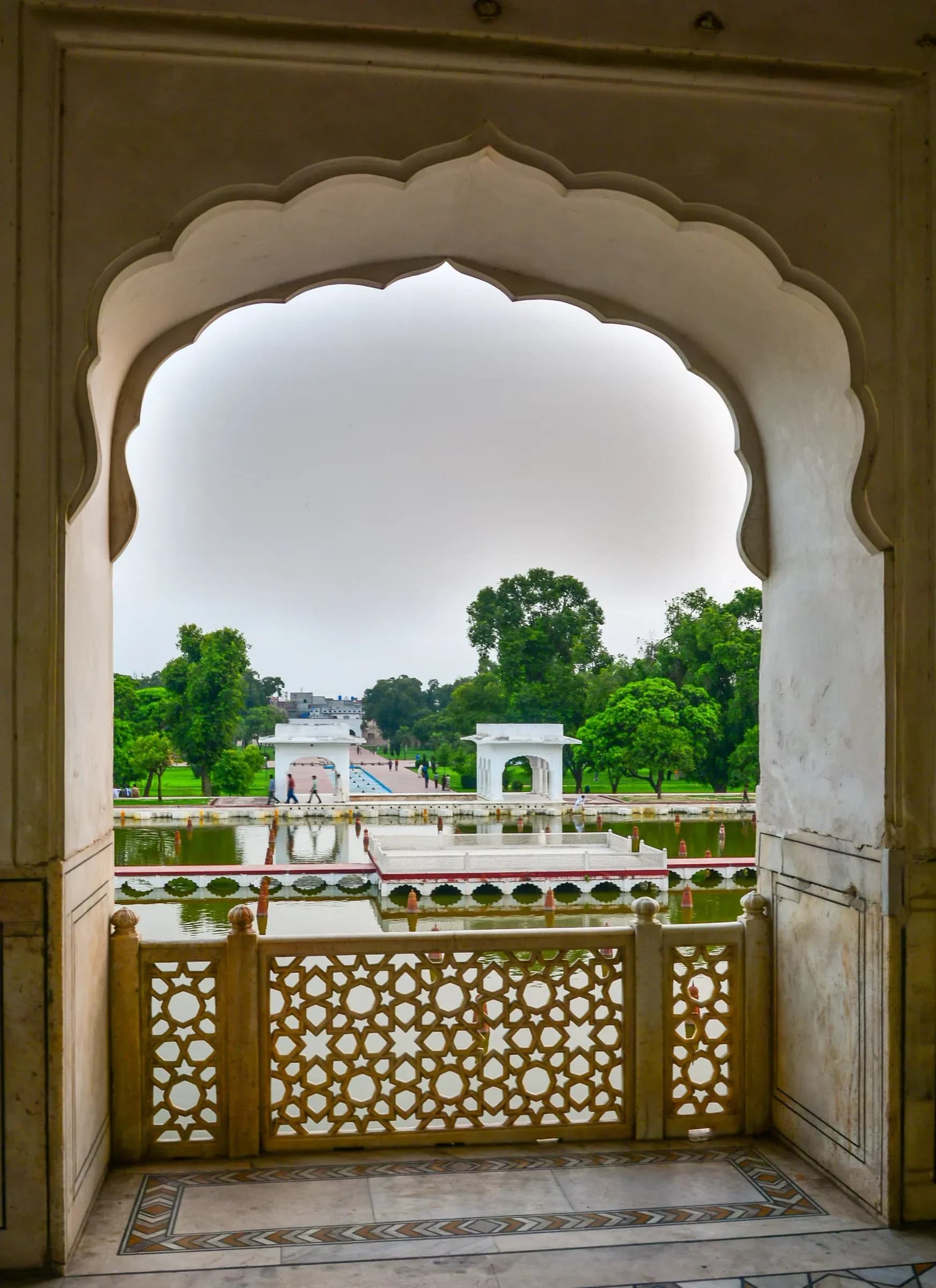
Lahore Fort and Shalamar Gardens: UNESCO World Heritage Site
Explore two masterpieces of Mughal architecture and landscape design in the historic city of Lahore.
Sight
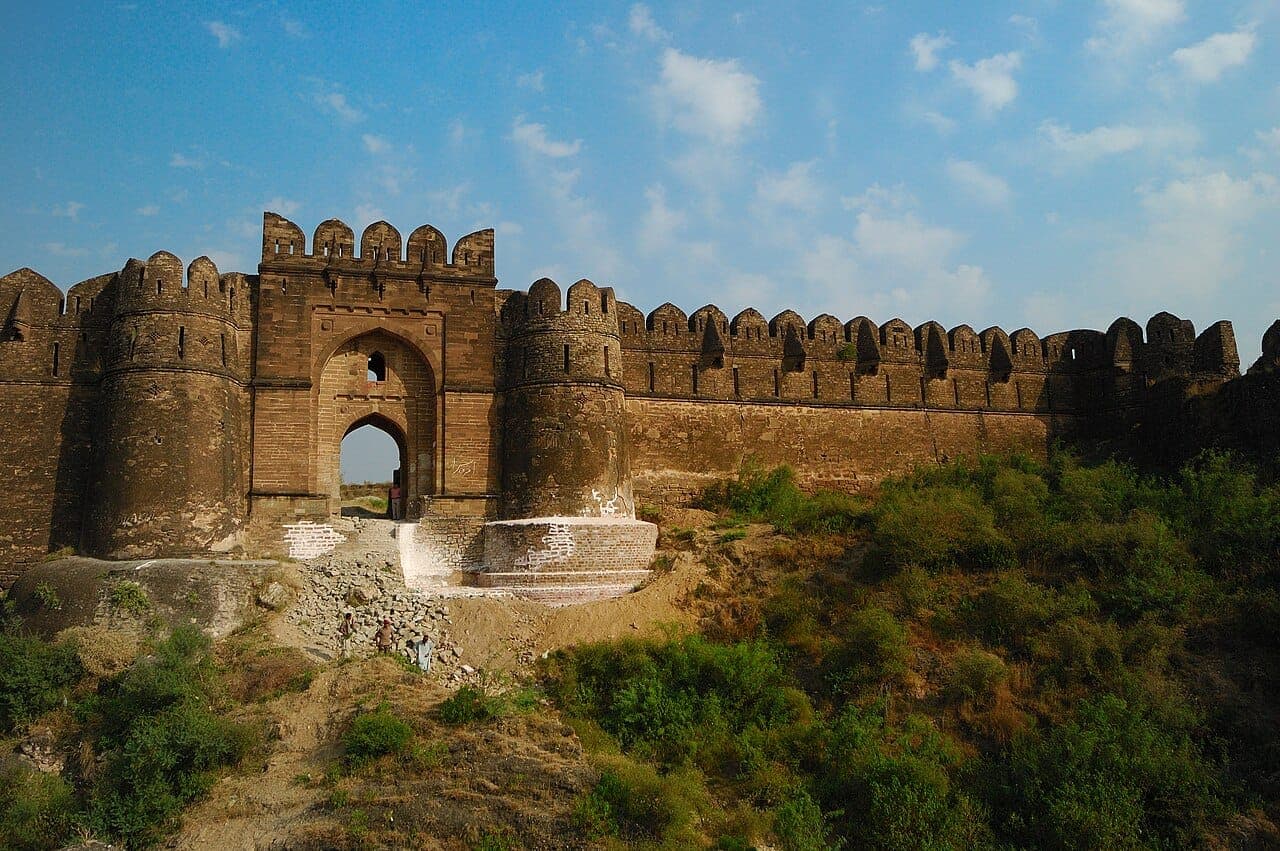
Rohtas Fort: UNESCO World Heritage Site
UNESCO-listed 16th-century fortress and a major military architecture site.
Sight
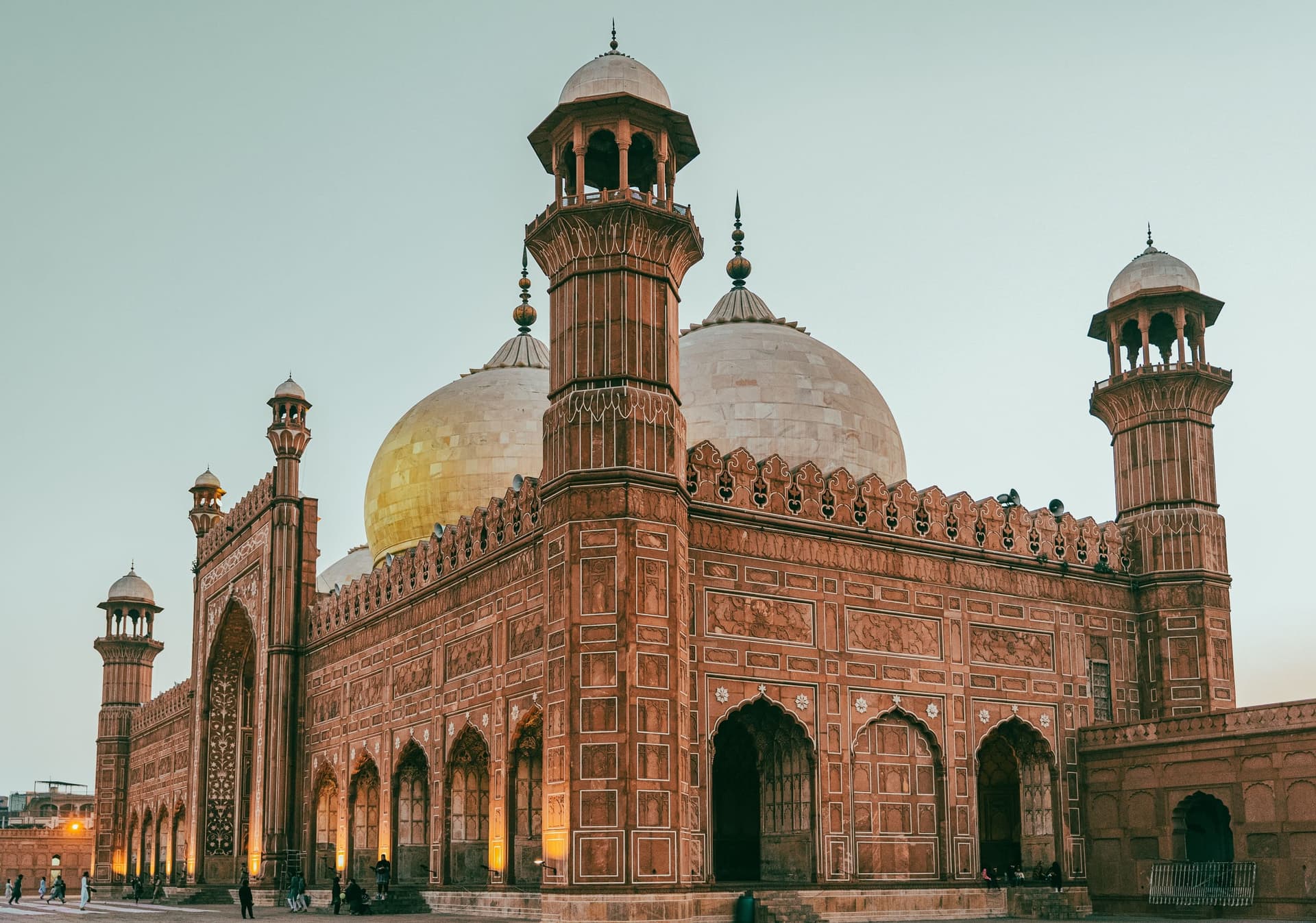
Badshahi Mosque
UNESCO tentative site and landmark of Islamic and Mughal heritage in Lahore.
Sight
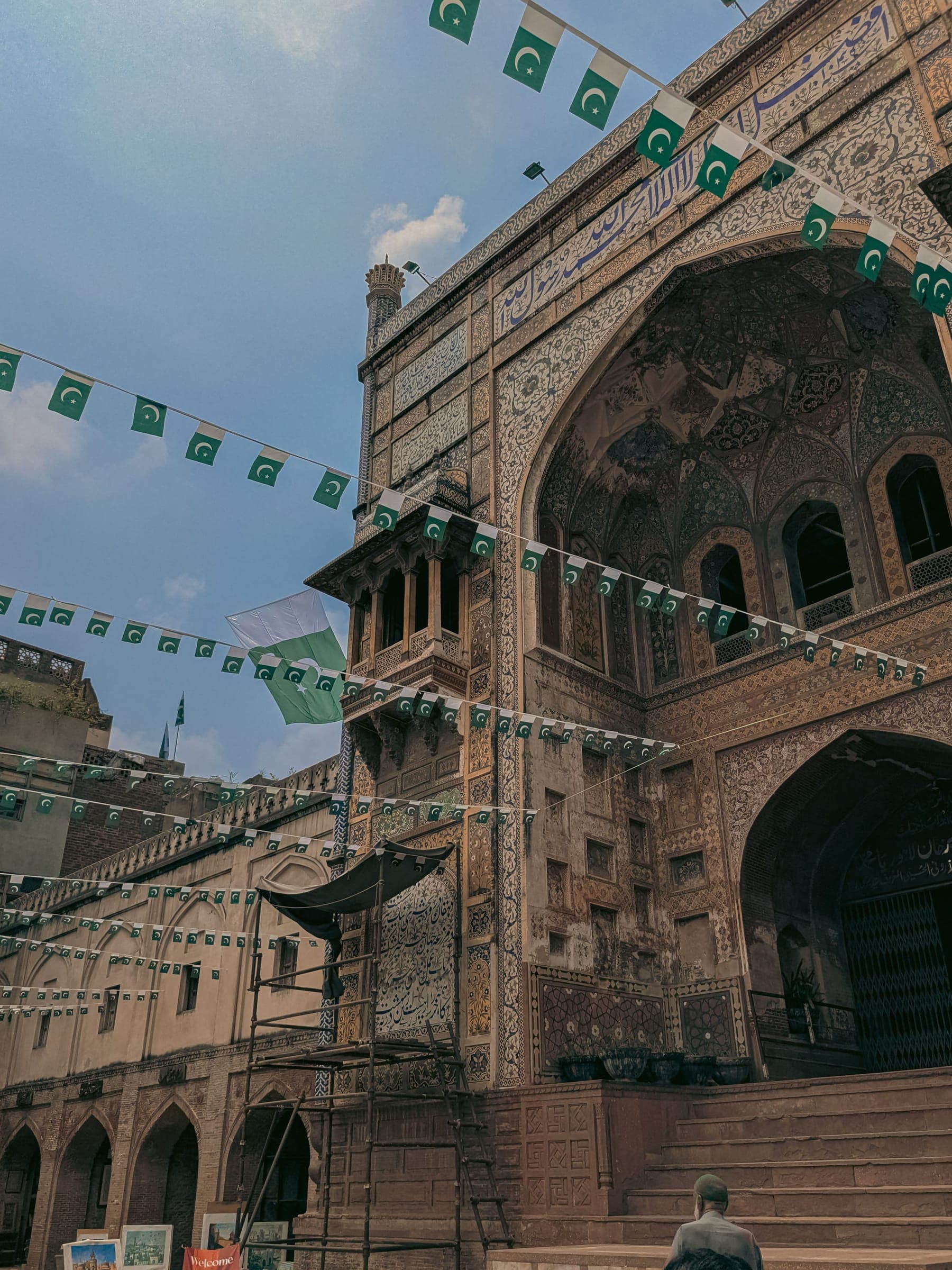
Wazir Khan Mosque
UNESCO tentative site known for tilework and old-city Lahore context.
Sight
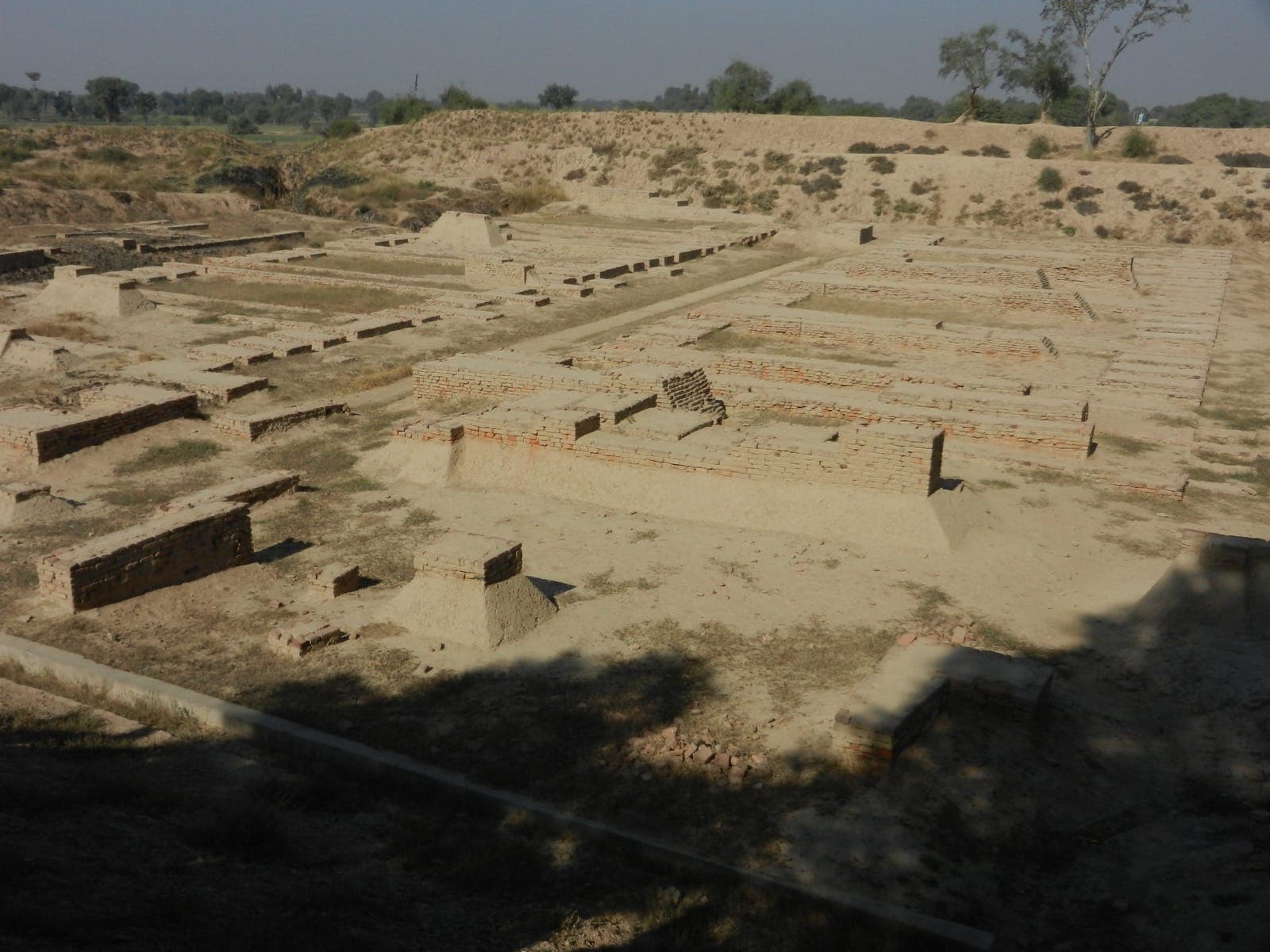
Harappa
UNESCO tentative archaeological site linked to the Indus Valley Civilization.
Sight
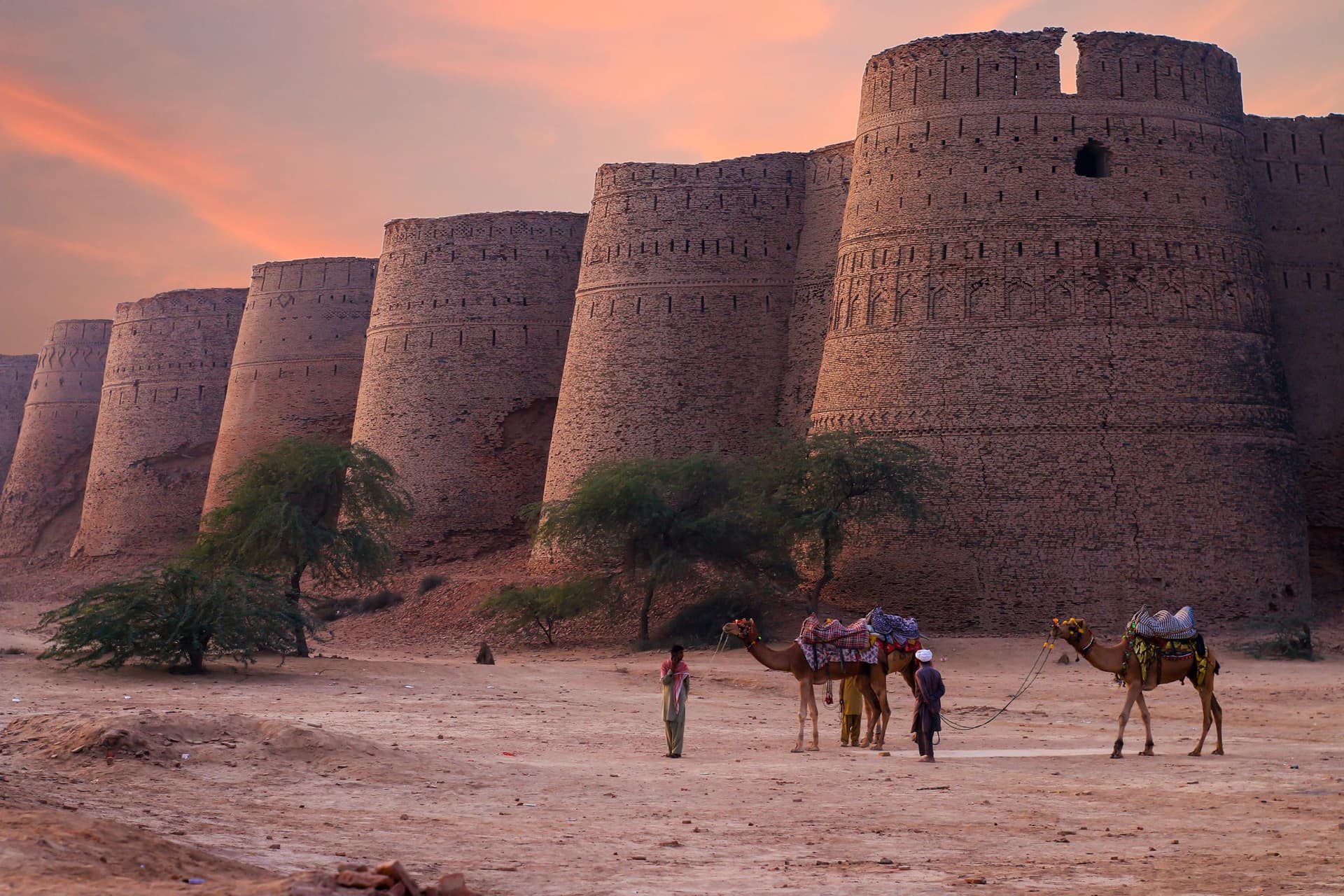
Derawar and Cholistan Desert Forts
UNESCO tentative desert fort landscape in Cholistan.
Sight
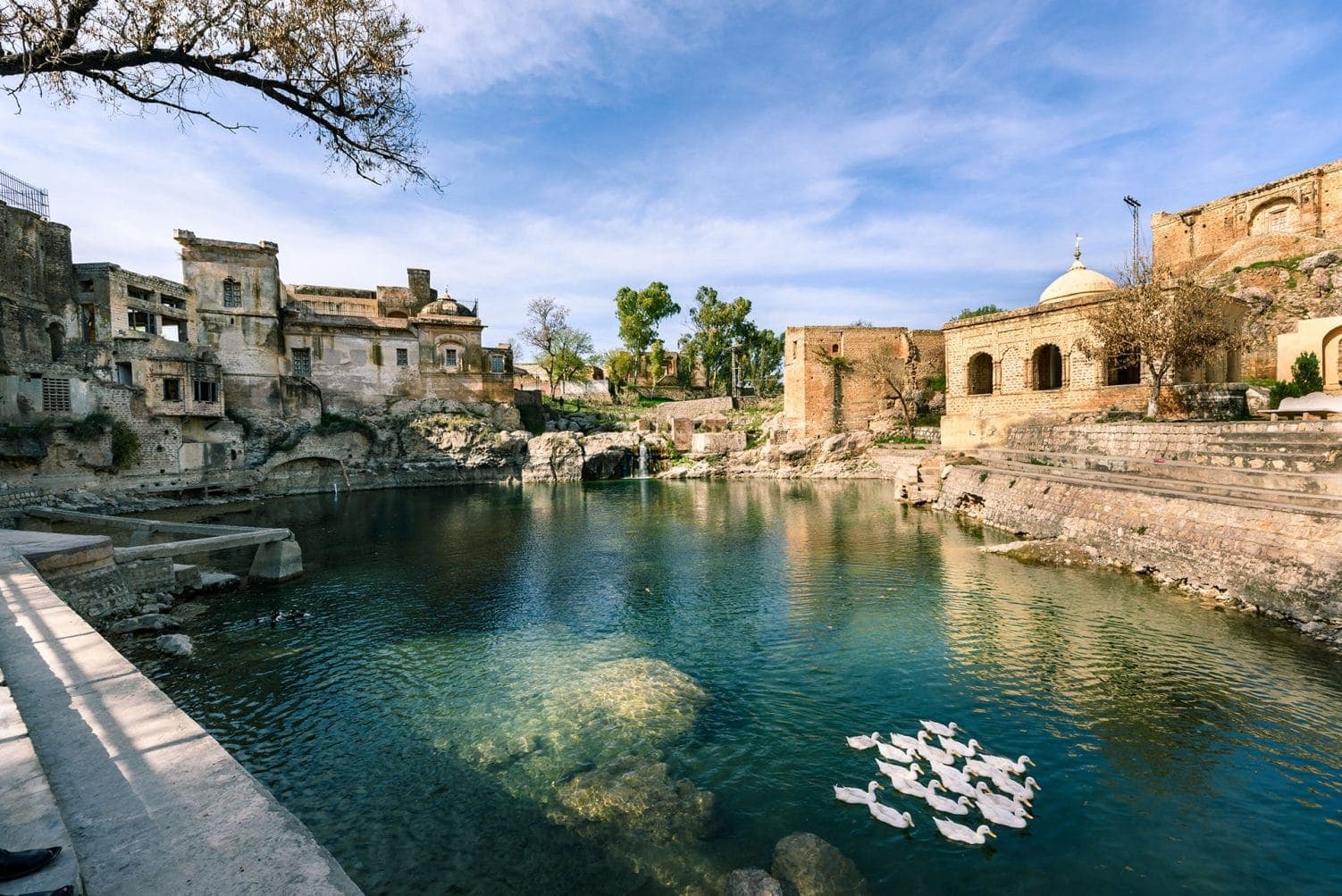
Katas Raj Temples
Ancient Hindu temple complex and sacred pool in the Salt Range.
Sight
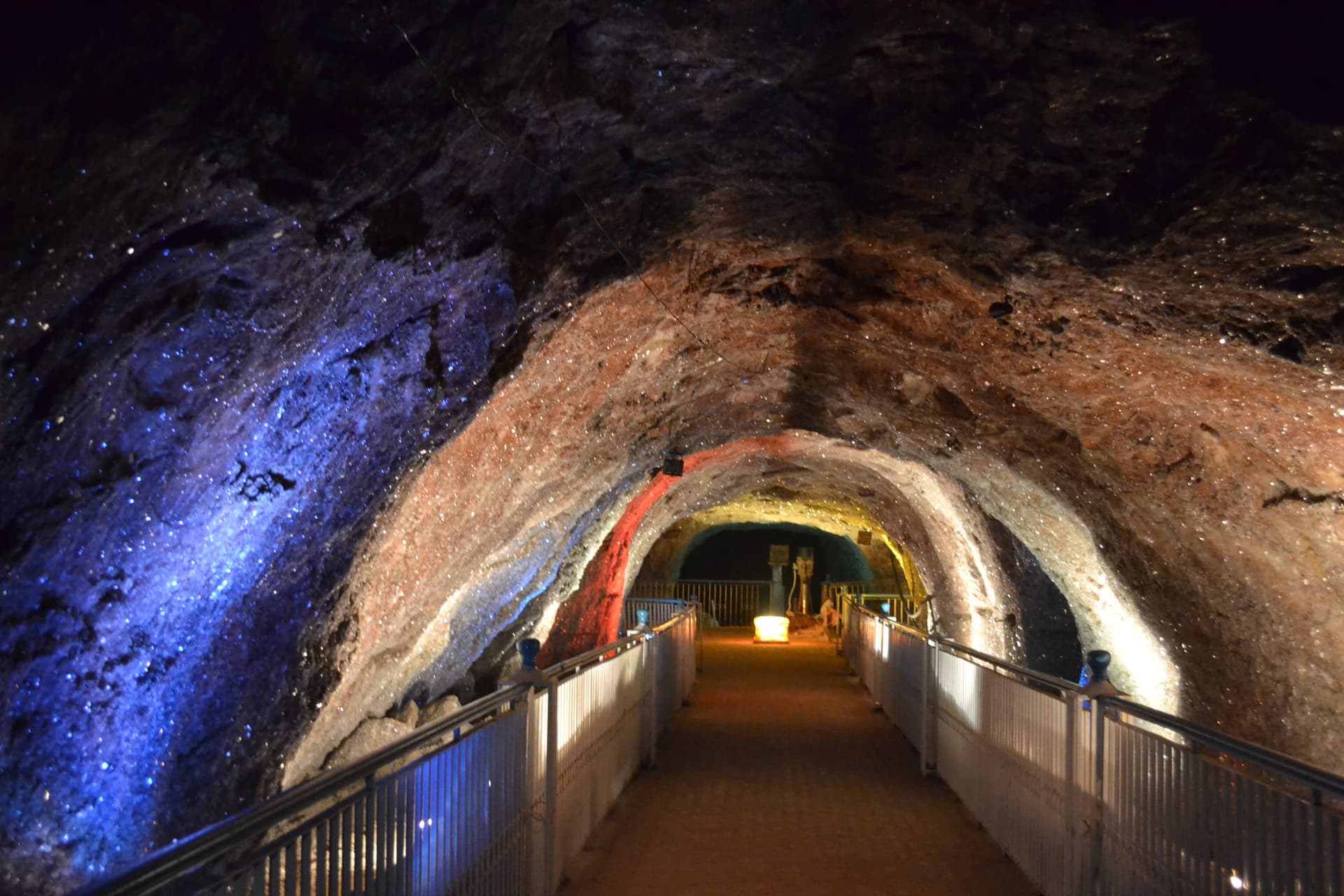
Salt Range and Khewra Salt Mine
UNESCO tentative Salt Range landscape and one of the world's best-known salt mines.
Sight
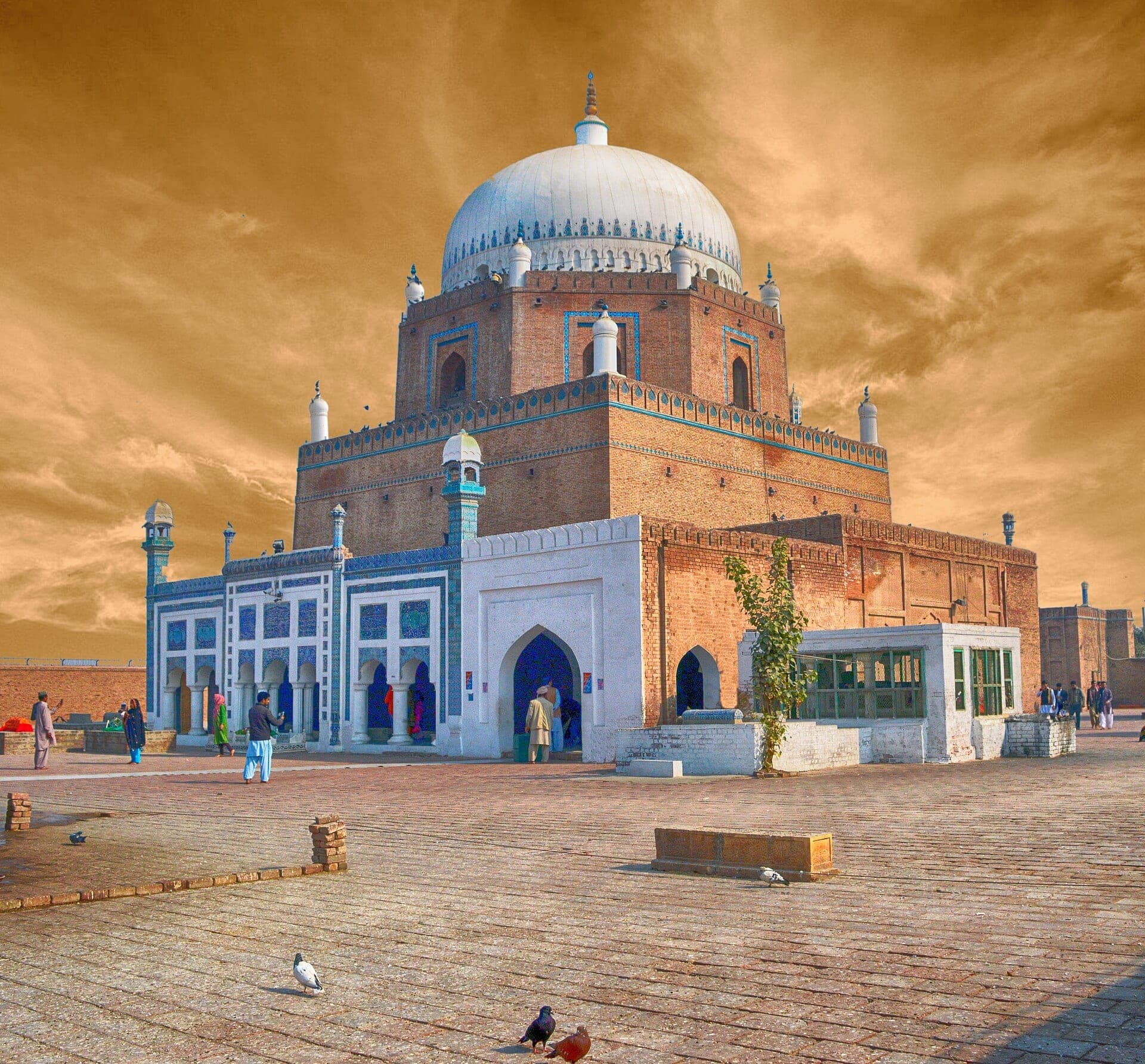
Shrine of Bahauddin Zakariya
The 13th-century Sufi mausoleum that crowns Multan's old fort mound, heart of the “City of Saints”.
Sight
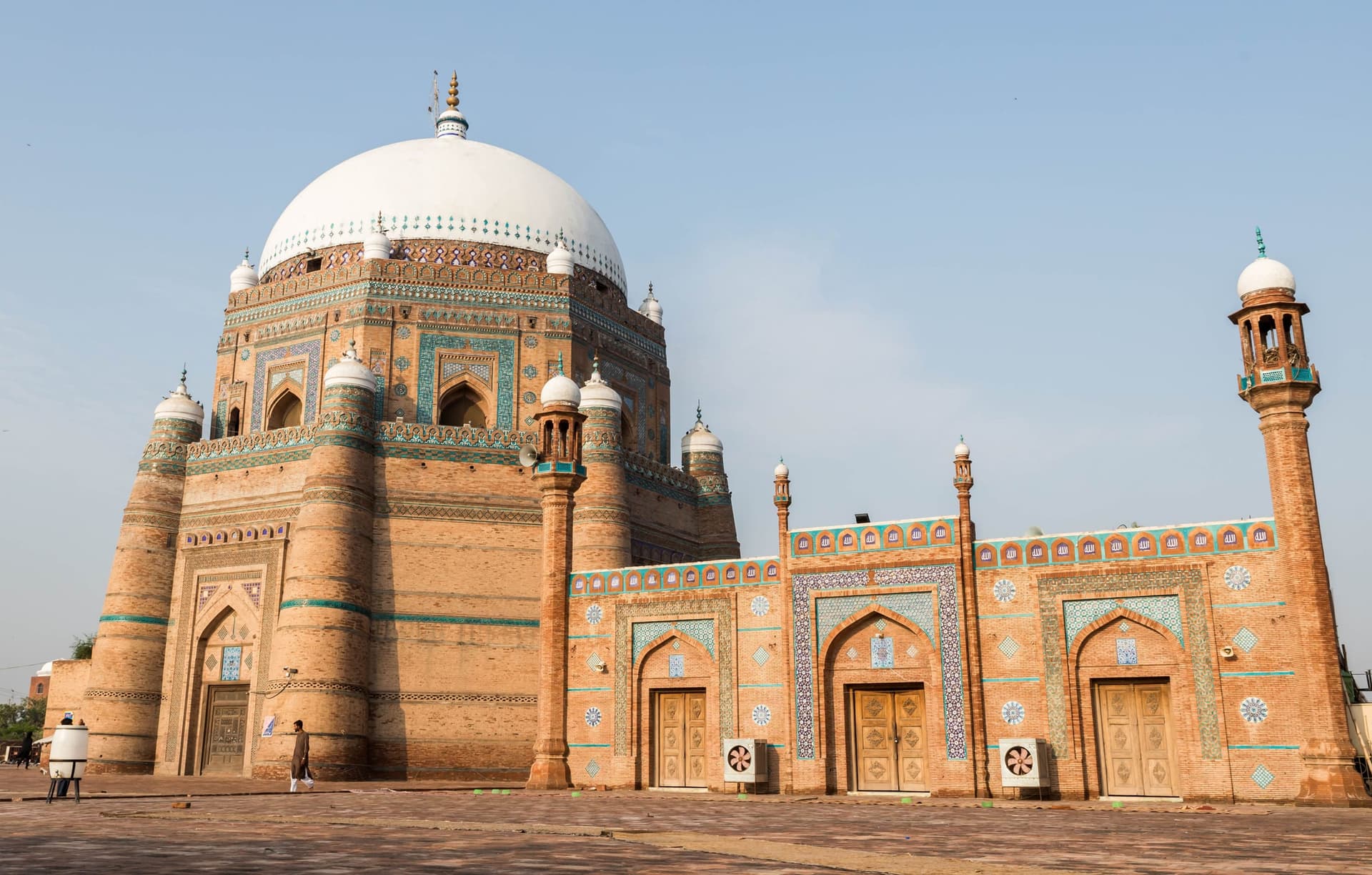
Multan, City of Saints
One of the world's oldest cities, famed for its Sufi shrines, blue-tilework mausoleums, Blue Pottery craft, mangoes, silk, and as the spiritual heartland of the Punjab.
Sight
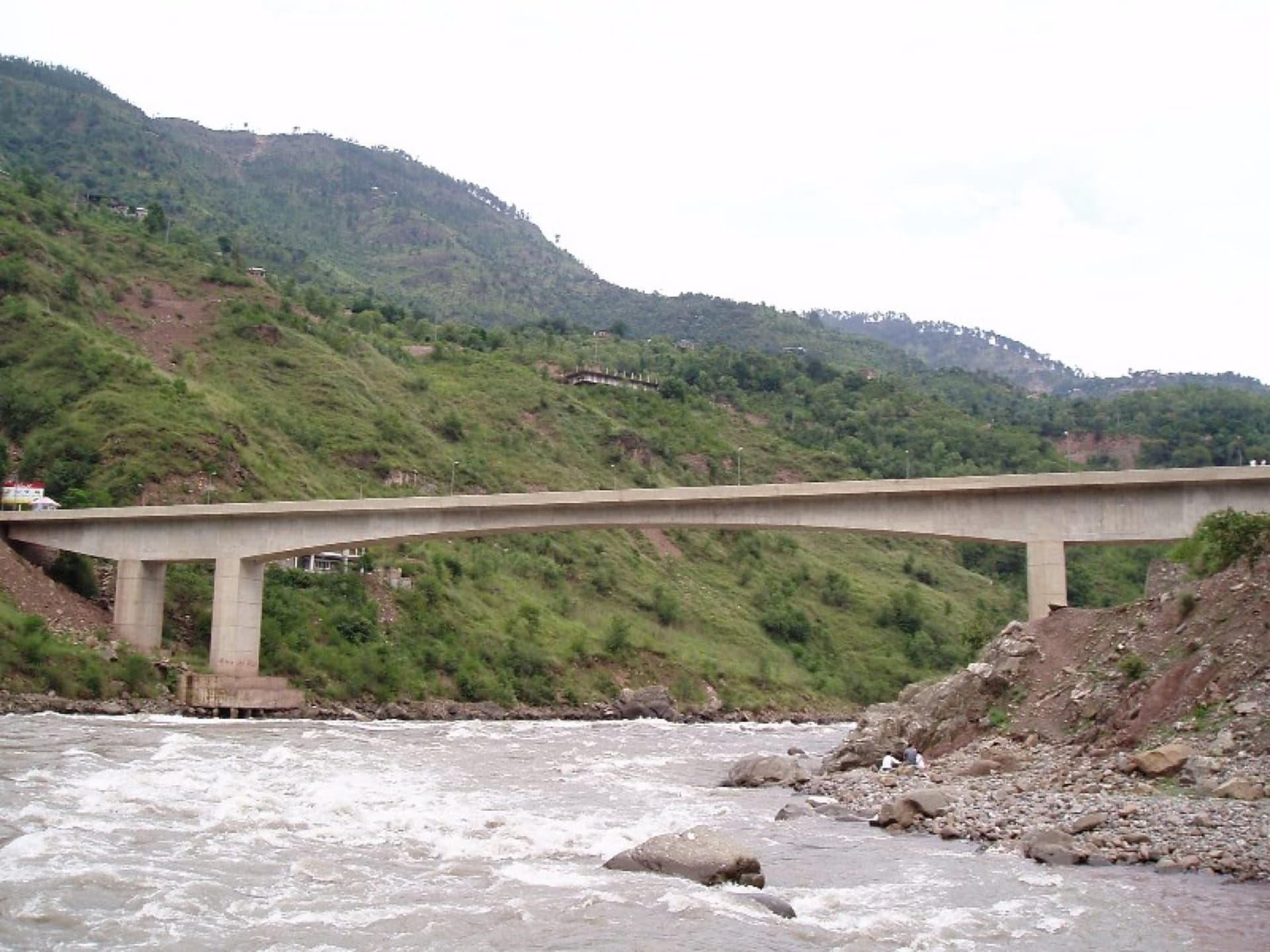
Kohala Bridge
The historic two-lane bridge over the fast, turquoise Jhelum River, the gateway from Punjab into Azad Jammu and Kashmir, with riverside restaurants known for white trout.
Sight
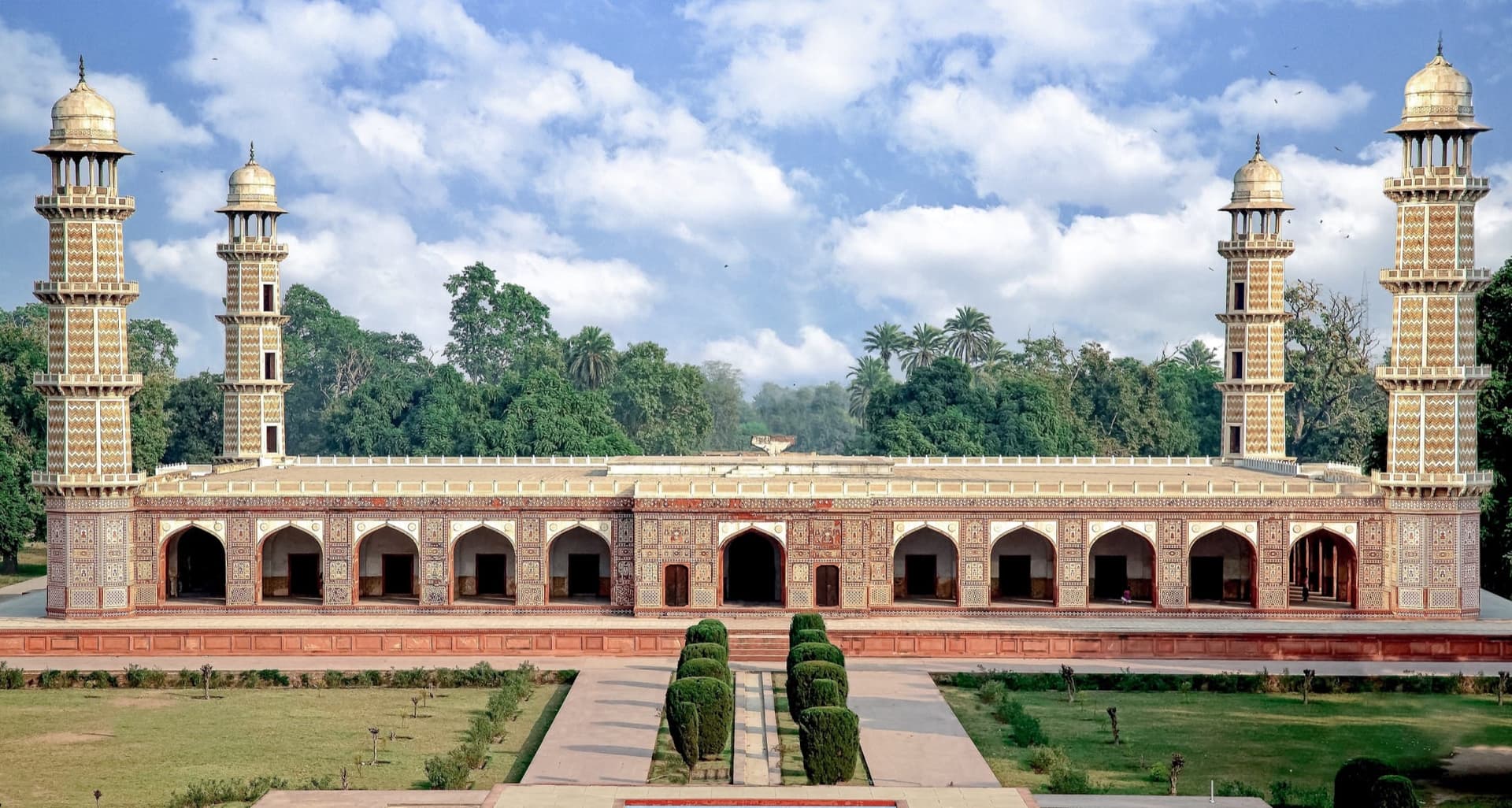
Tomb of Jahangir & Asif Khan (Shahdara Bagh)
The Mughal emperor Jahangir's mausoleum across the Ravi from Lahore, its four minarets and pietra dura panels among the finest Mughal funerary architecture in Pakistan, alongside the neighbouring tomb of Asif Khan and the Akbari Sarai.
Sight
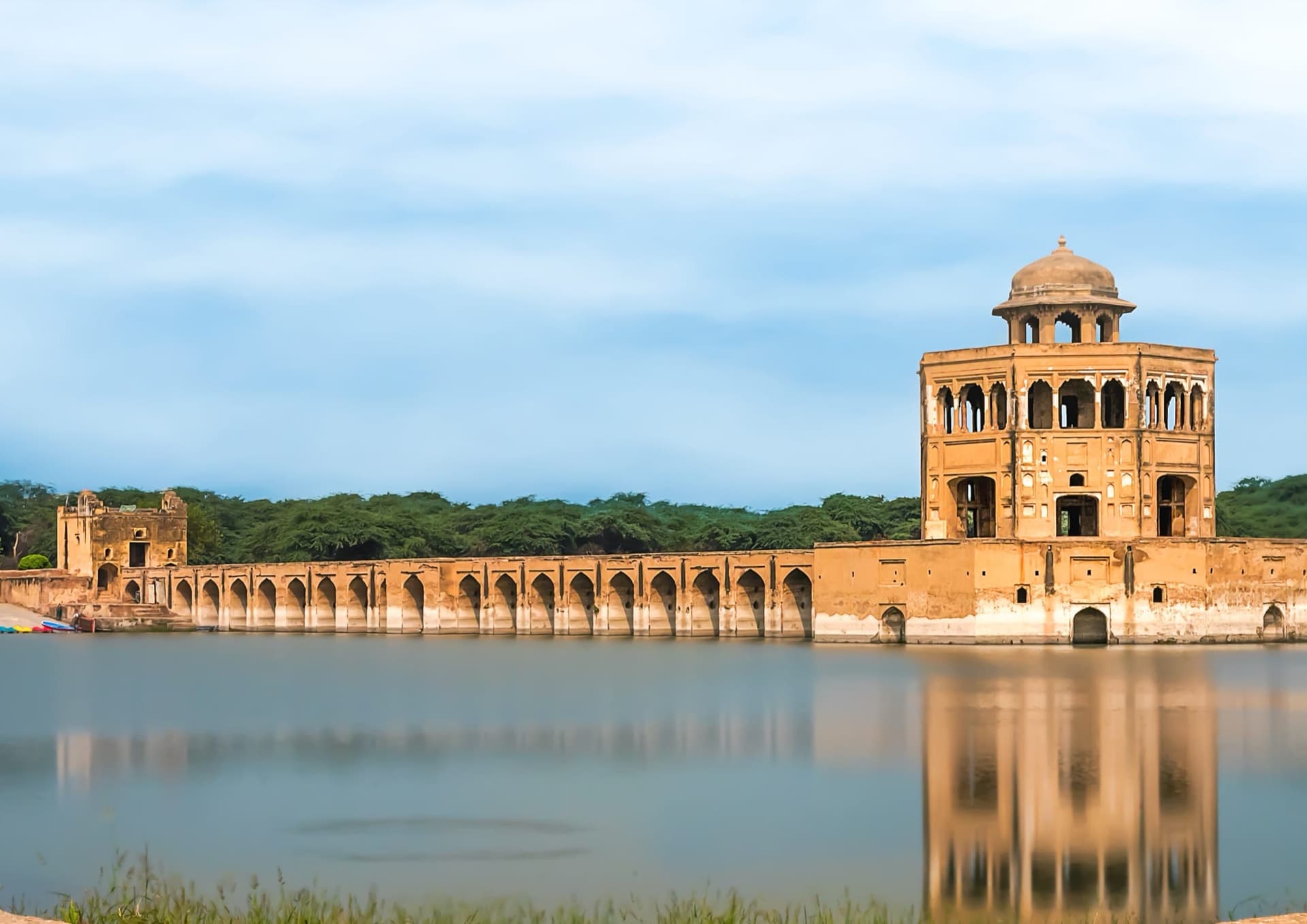
Hiran Minar & Tank
A Mughal-era minaret and octagonal pavilion rising from a large water tank near Sheikhupura, built by Emperor Jahangir as a memorial to his pet antelope.
Sight
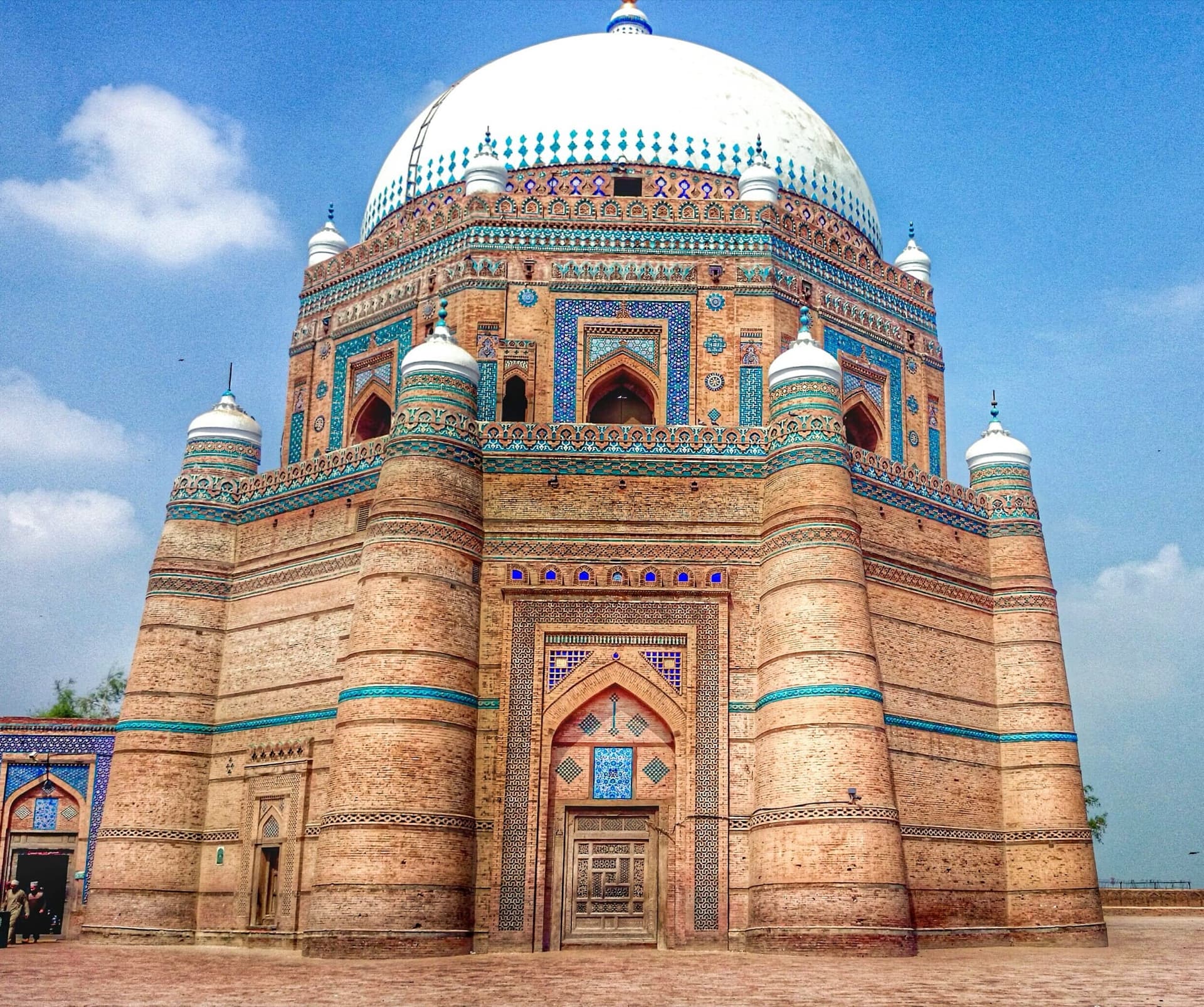
Tomb of Shah Rukn-e-Alam
A soaring 14th-century brick tomb inside Multan Fort, its blue-and-turquoise glazed tilework among the finest examples of Multani craftsmanship, and one of the earliest and grandest Tughlaq-era monuments in South Asia.
Sight
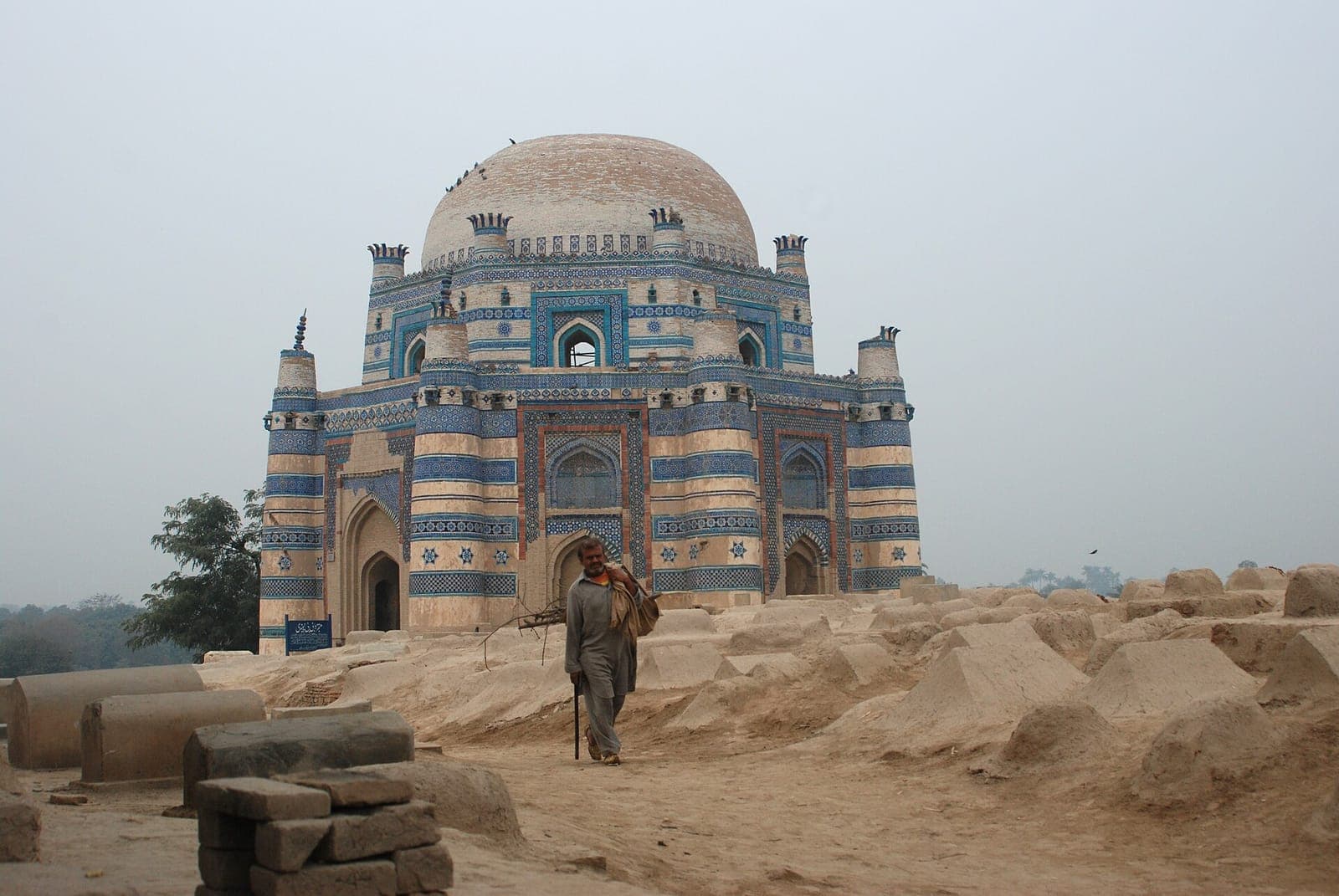
Tombs of Uch Sharif
A cluster of glazed-tile Sufi shrines in the ancient town of Uch Sharif near Bahawalpur, including the tomb of Bibi Jawindi, showcasing centuries of Multani-style blue and turquoise tilework.
Sight
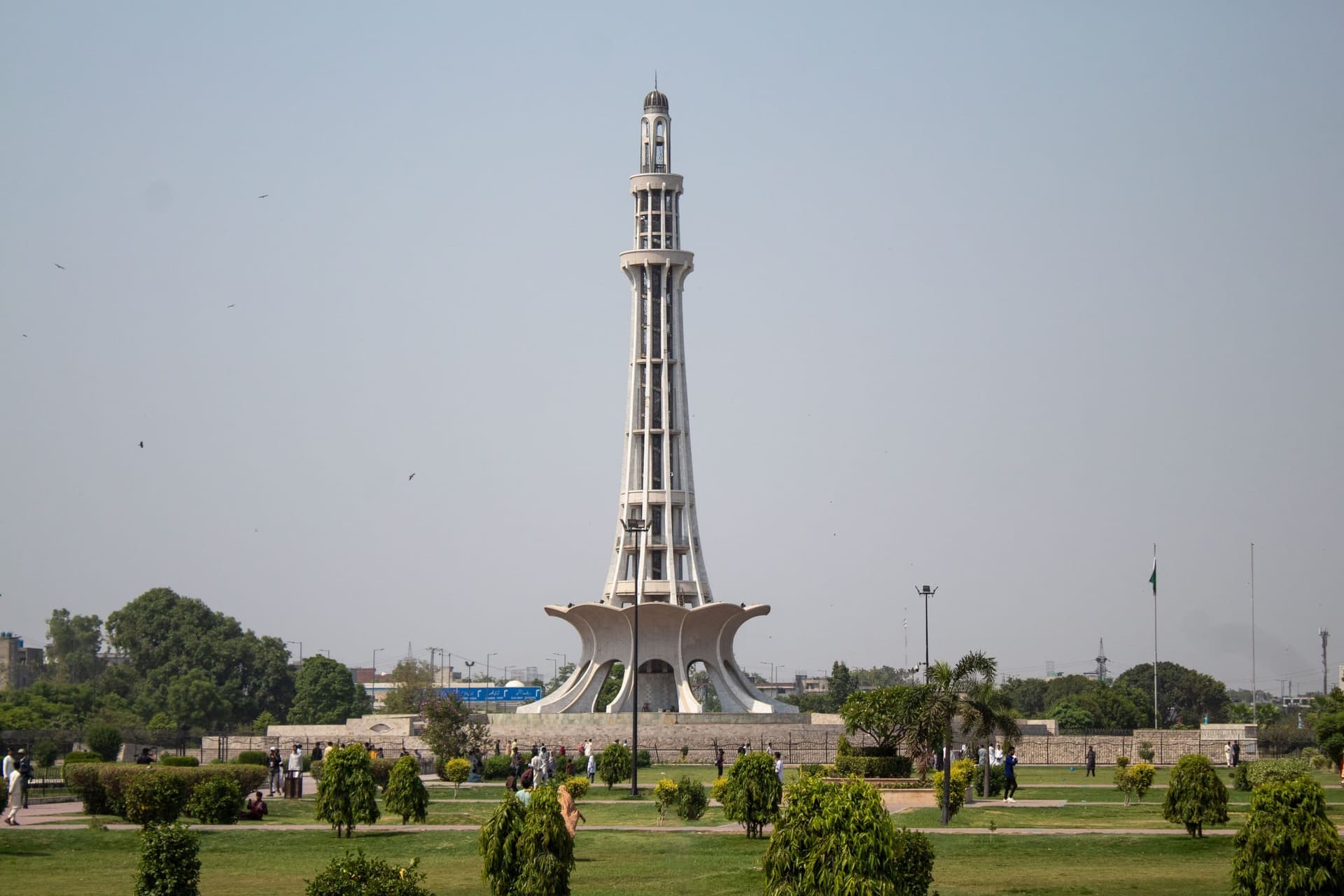
Minar-e-Pakistan
Pakistan's national monument in Lahore's Greater Iqbal Park, a 70-metre minaret completed in 1968 on the exact spot where the 1940 Lahore Resolution was passed, with views toward the Badshahi Mosque from its viewing gallery.
Sight
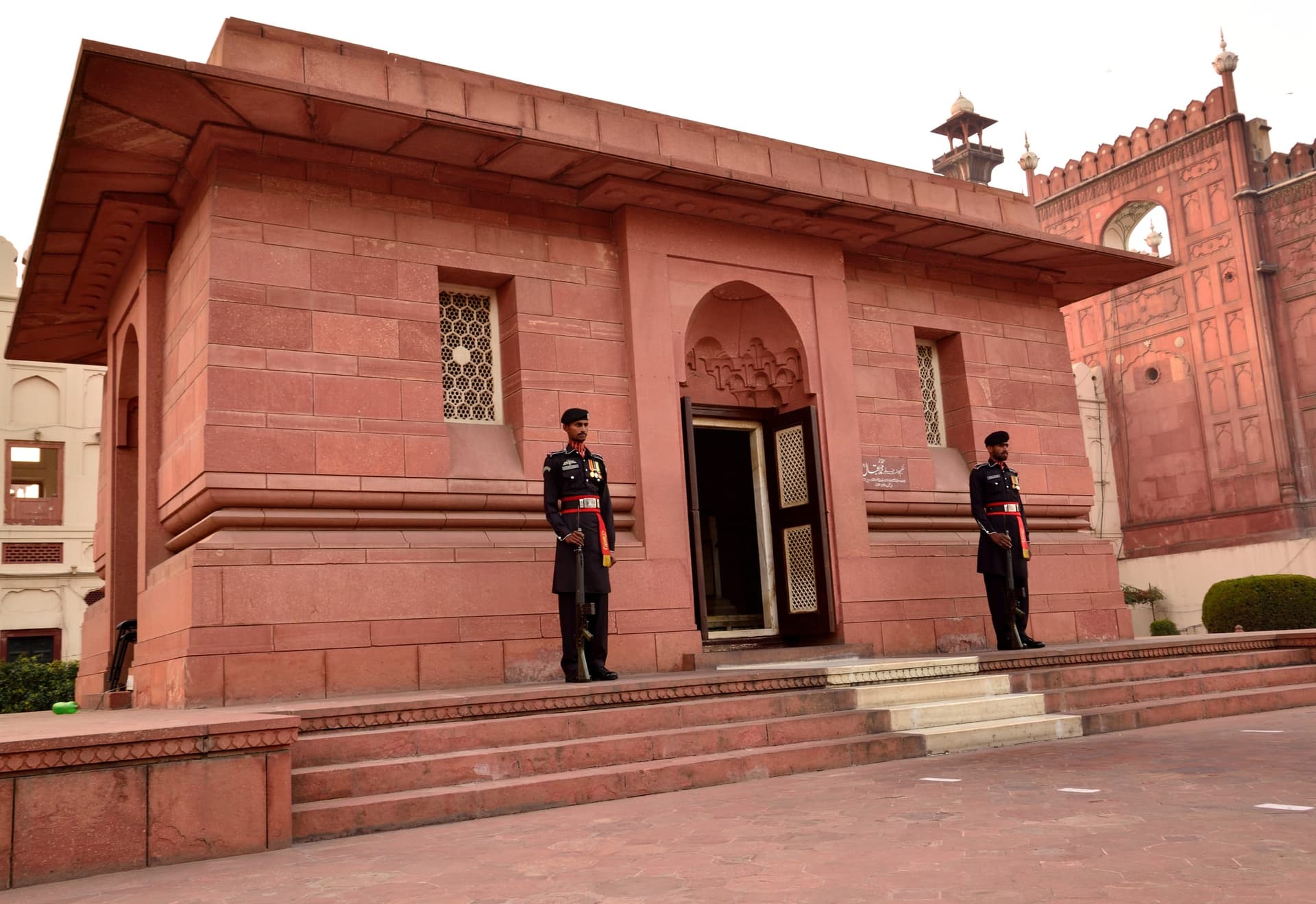
Tomb of Allama Iqbal
The red-sandstone mausoleum of national poet-philosopher Muhammad Iqbal, built in 1951 in the Hazuri Bagh between Lahore Fort and Badshahi Mosque, with a marble cenotaph and a ceremonial guard on permanent duty.
Sight
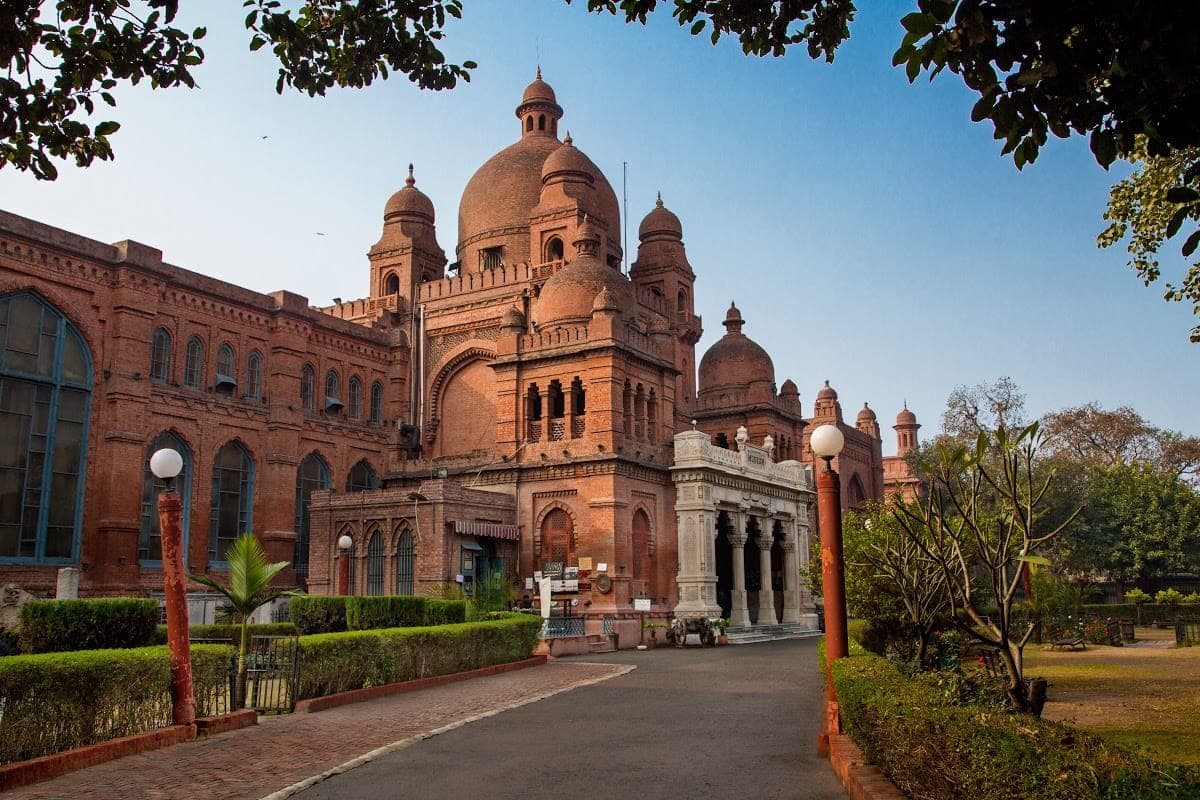
Lahore Museum
Pakistan's largest museum, opened in its Indo-Saracenic building on The Mall in 1894, holding some 60,000 artefacts across Gandhara Buddhist sculpture, Mughal miniatures, and the Sikh gallery, including the celebrated Fasting Buddha.
Sight
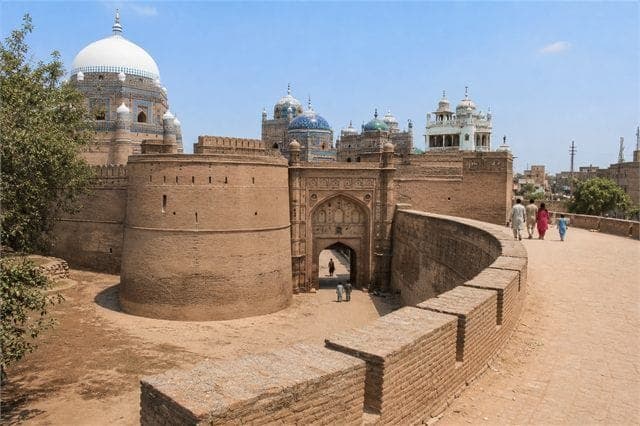
Multan Fort (Qila Kohna)
The ancient citadel mound at the heart of Multan, once among the subcontinent's strongest forts before the British largely levelled it in 1848-49, its surviving Qila-e-Kohna mosque and Damdama platform still commanding city views.
Sight
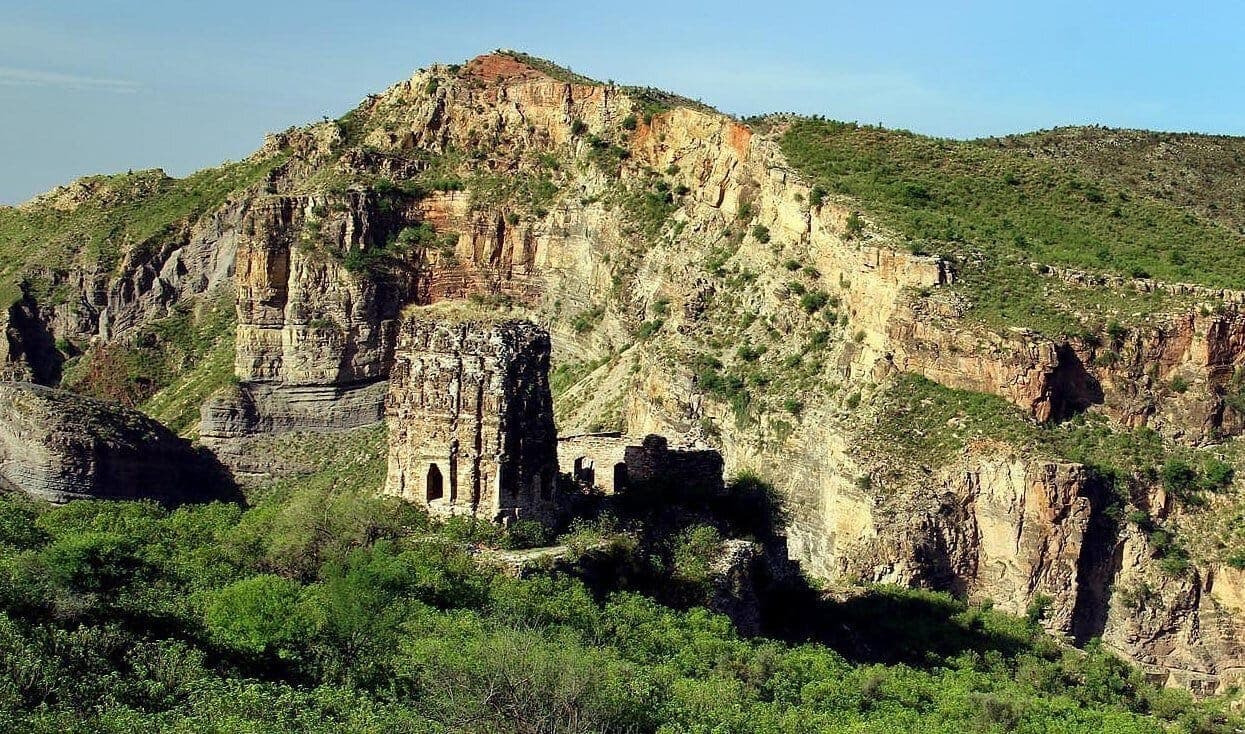
Nandana Fort
A ruined hilltop fortress of the 9th-11th century Odi Shahi dynasty on the eastern Salt Range near Baghanwala, reached by a steep trek and celebrated as the spot where the polymath Al-Biruni is said to have measured the Earth's radius.
Sight
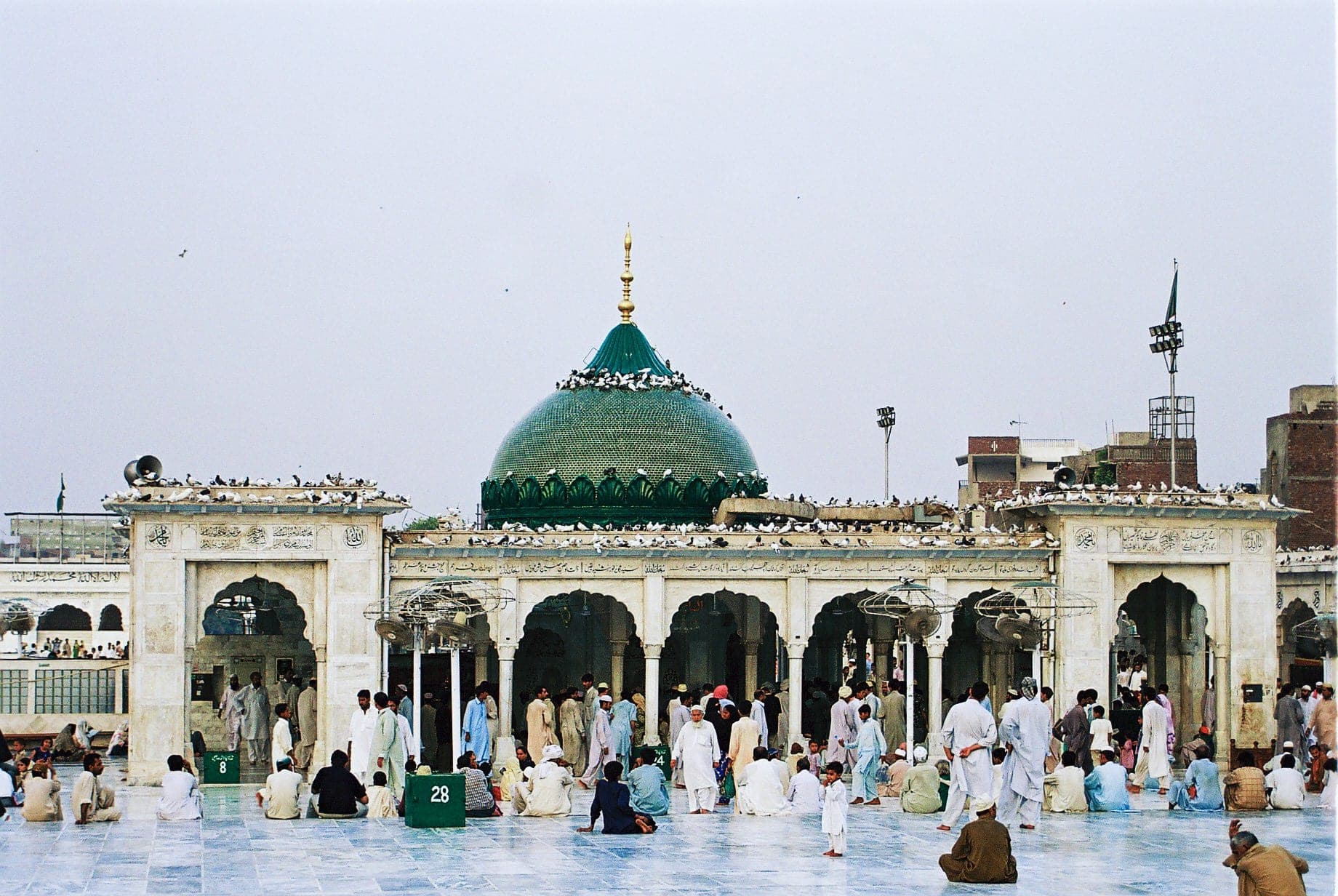
Data Darbar
The largest Sufi shrine in South Asia, built around the tomb of 11th-century saint Ali Hujwiri in Lahore, its marble courtyard and minarets drawing round-the-clock devotion and an enormous annual urs.
Sight
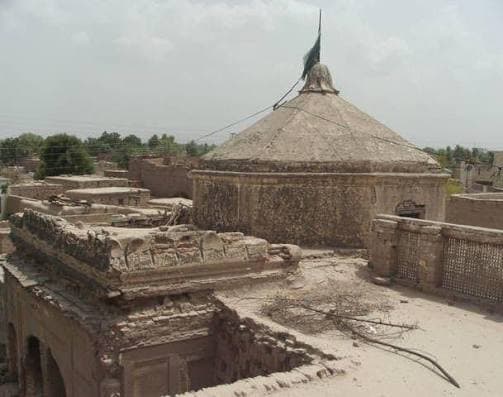
Prahladpuri Temple
A ruined Hindu temple on the Multan Fort platform, dedicated to Narasimha and tied by legend to the Prahlad-Holika story behind the origins of Holi, standing beside the shrine of Bahauddin Zakariya.
Sight
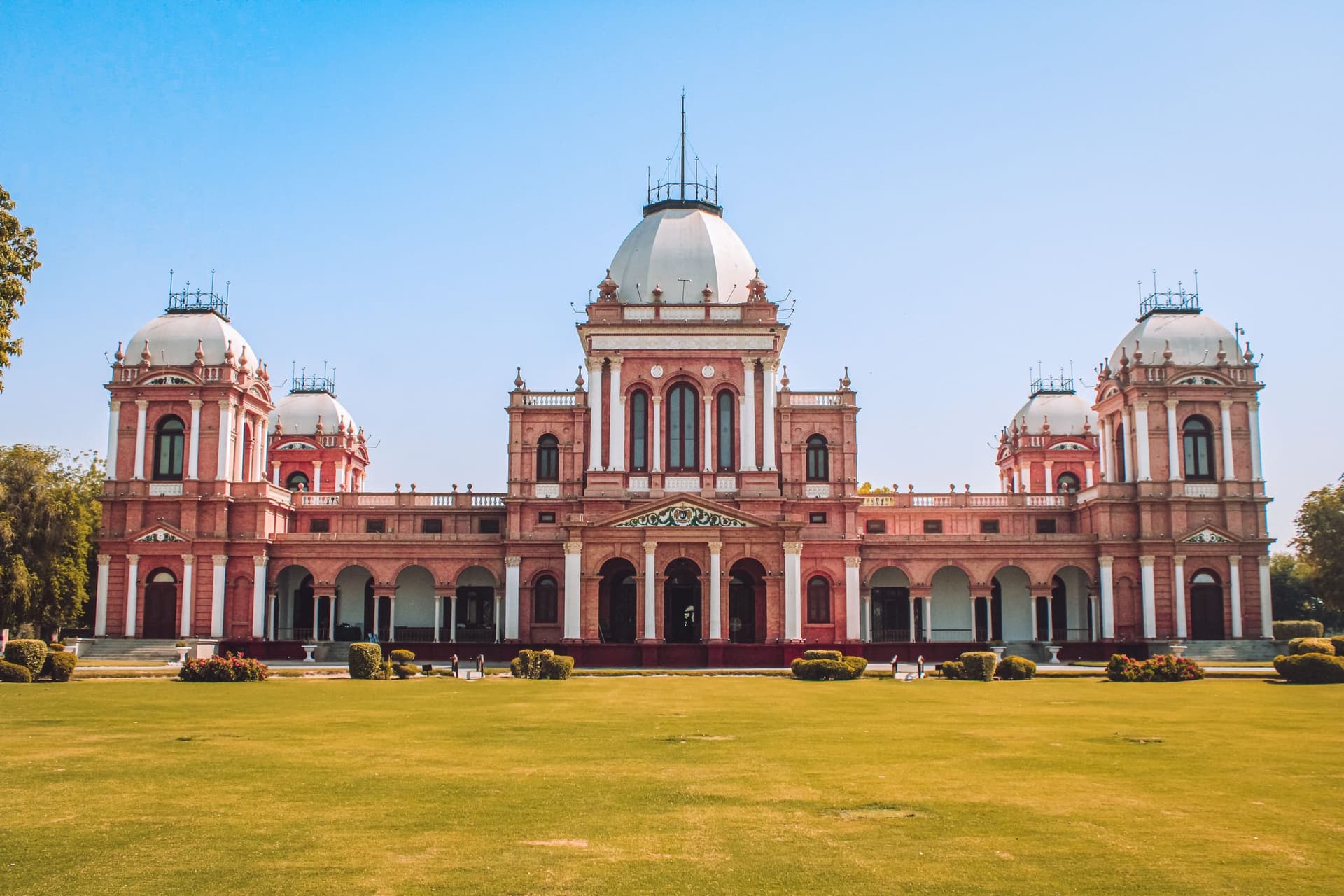
Noor Mahal
An 1870s Italianate palace built for the Nawabs of Bahawalpur and nicknamed the "Palace of Light," its 32 rooms, gold-plated furniture, and vintage chandeliers now maintained by the Pakistan Army as Bahawalpur's most photographed landmark.
Sight
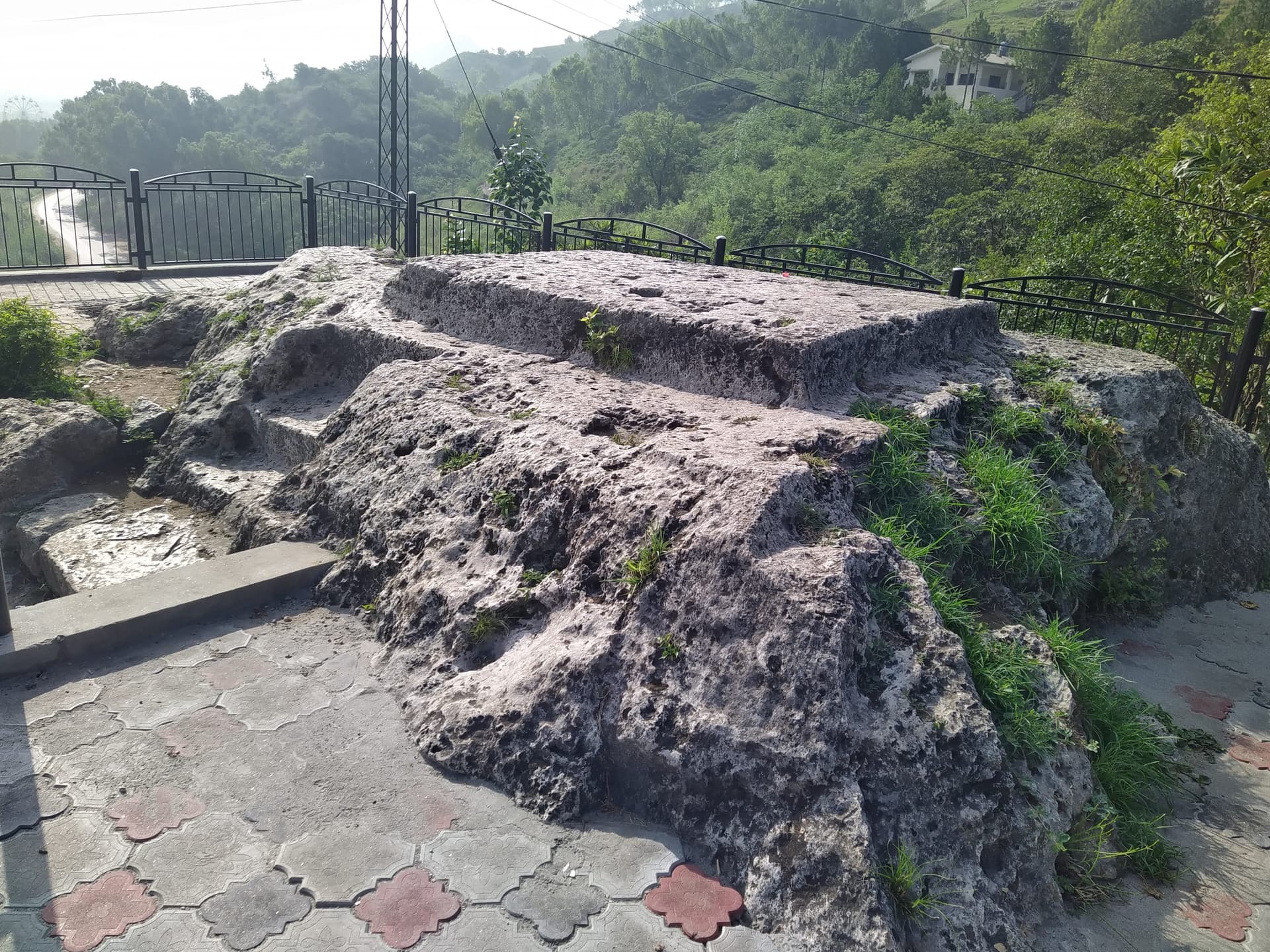
Takht-e-Babri
A stone platform carved from a Salt Range boulder at Kallar Kahar, where the first Mughal emperor Babur is said to have camped and addressed his troops in 1519 en route to Delhi.
Sight
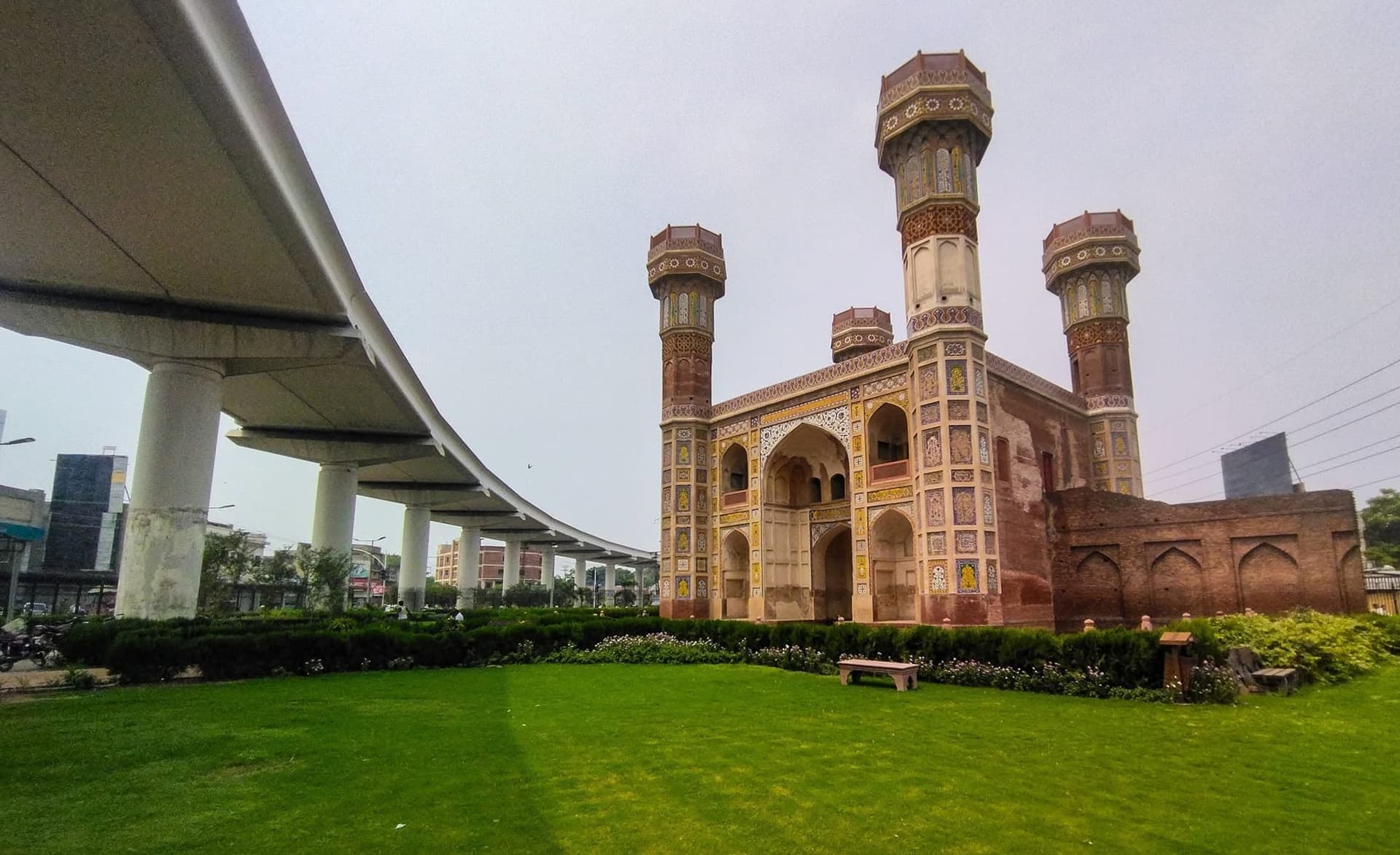
Chauburji
A 1646 Mughal gateway with four flaring minarets and coloured kashi tilework, once the entrance to a lost pleasure garden.
Sight
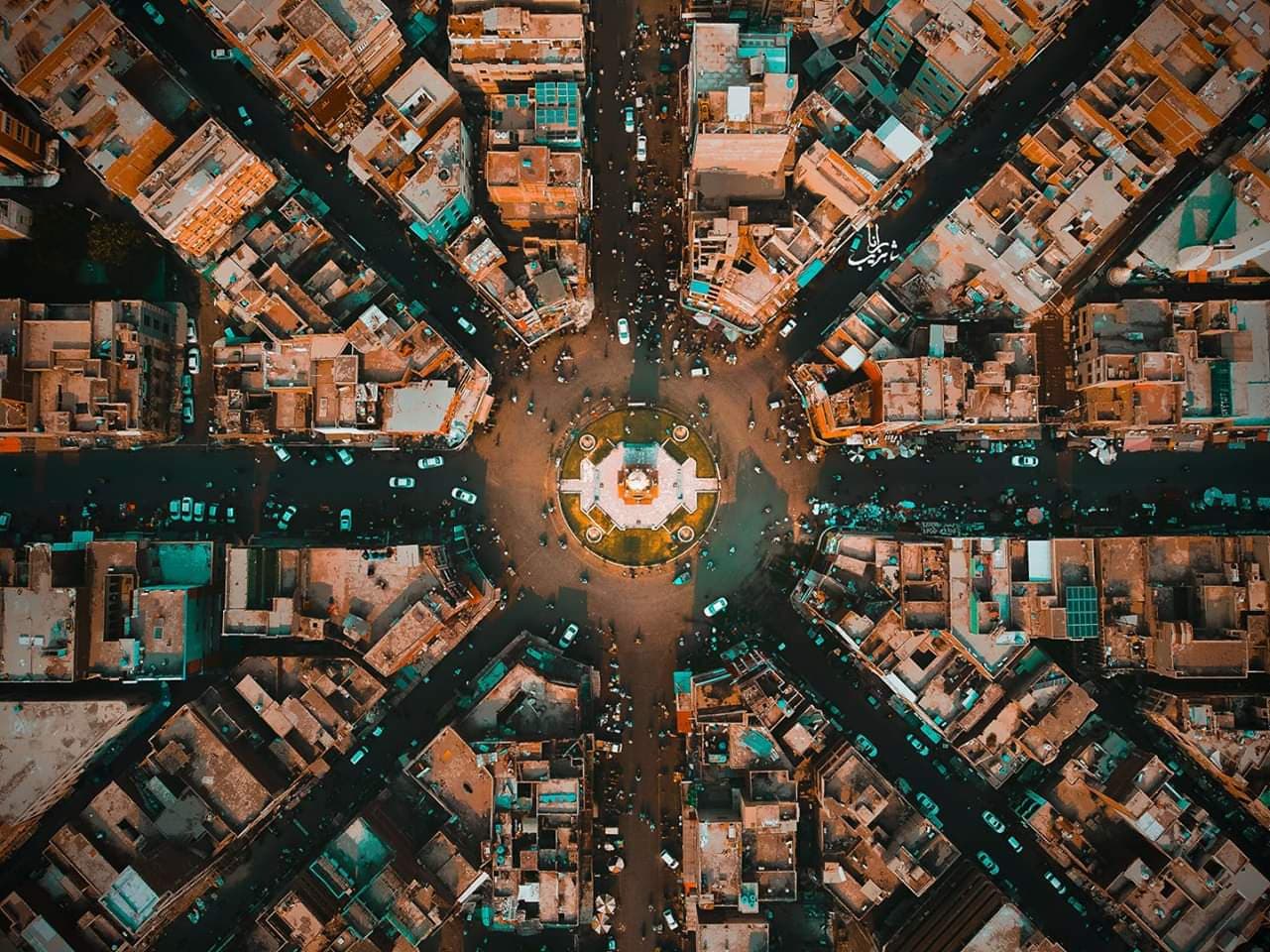
Clock Tower (Ghanta Ghar), Faisalabad
A British-era clock tower from around 1905, the hub from which eight bazaars radiate through Faisalabad's old colonial core.
Sight
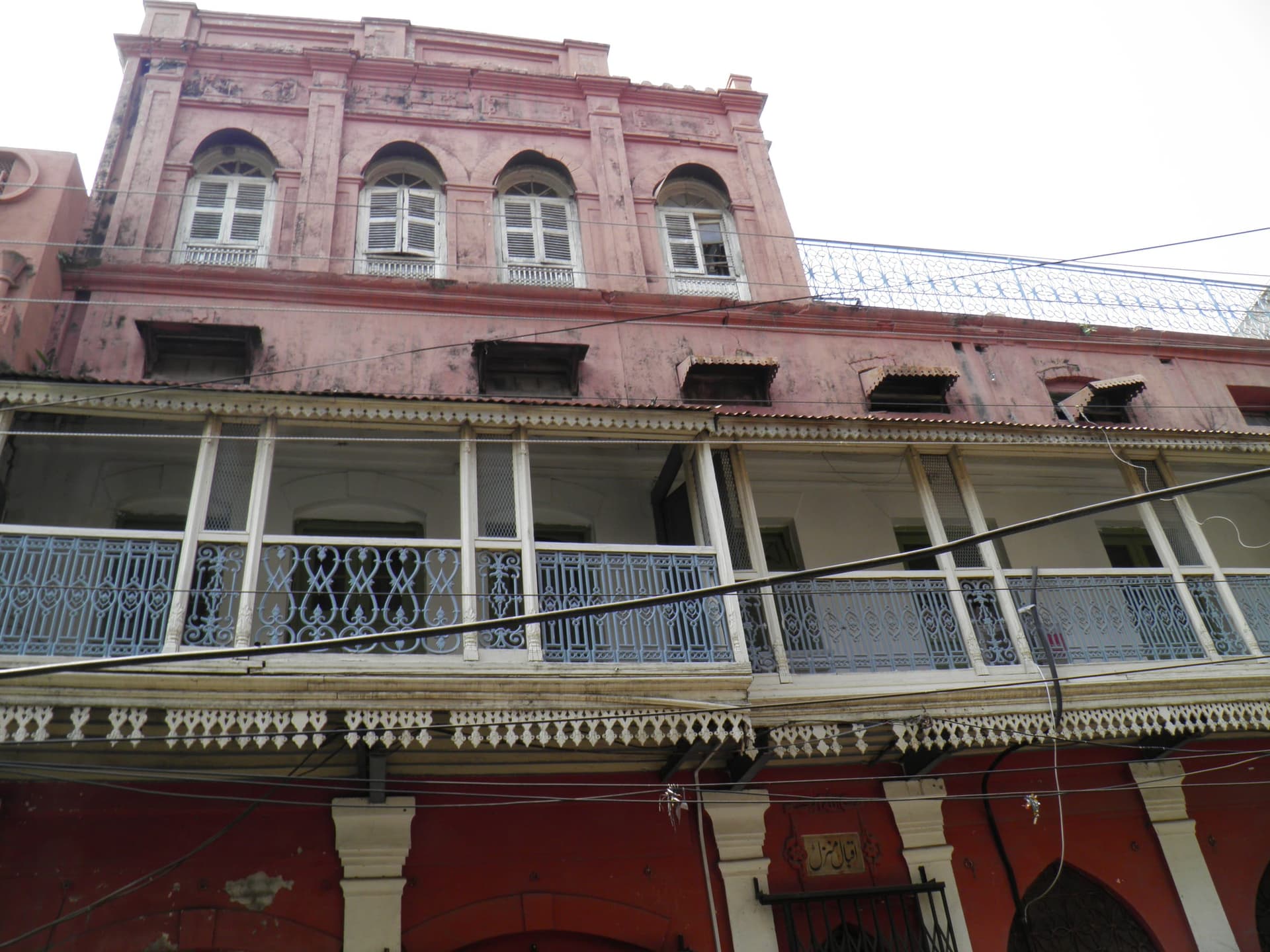
Iqbal Manzil, Sialkot
The ancestral home and birthplace of poet-philosopher Allama Iqbal, purchased by his family in 1861 and preserved as a heritage museum.
Sight
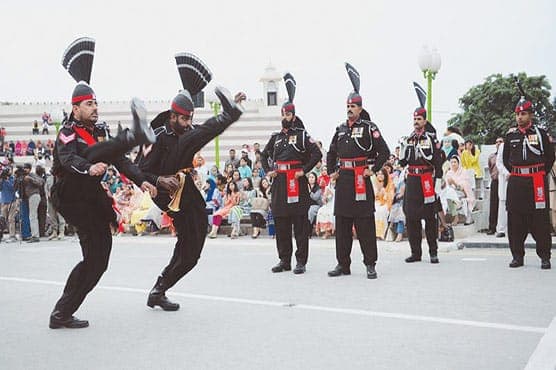
Wagah Border Ceremony
The daily flag-lowering ceremony at Pakistan's only open land border crossing, performed by the Pakistan Rangers each sunset since 1959.
Sight
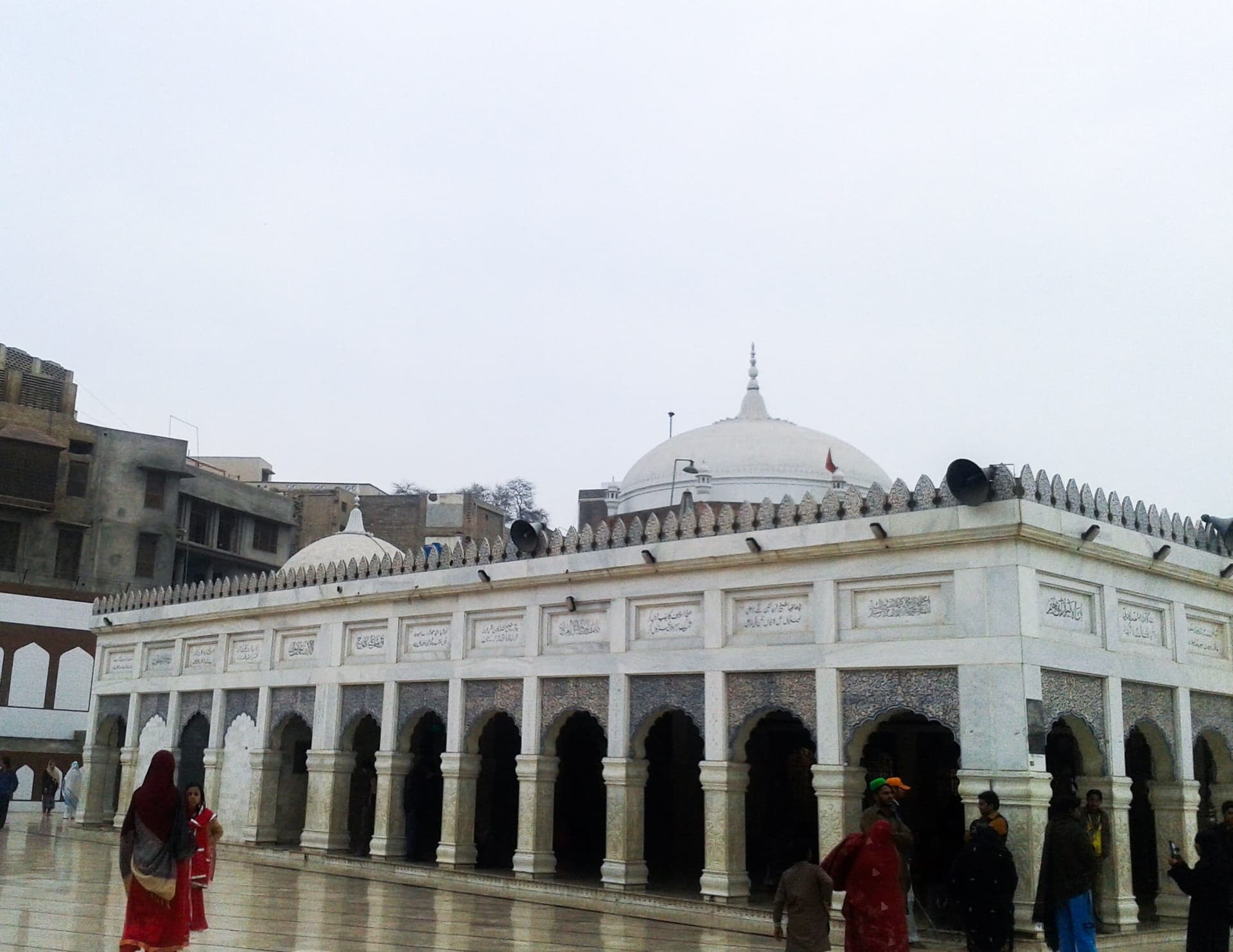
Shrine of Baba Farid, Pakpattan
The 13th-century dargah of Baba Fariduddin Ganj-e-Shakar, seat of the Chishti Sufi order and resting place of Punjab's first great classical poet.
Sight
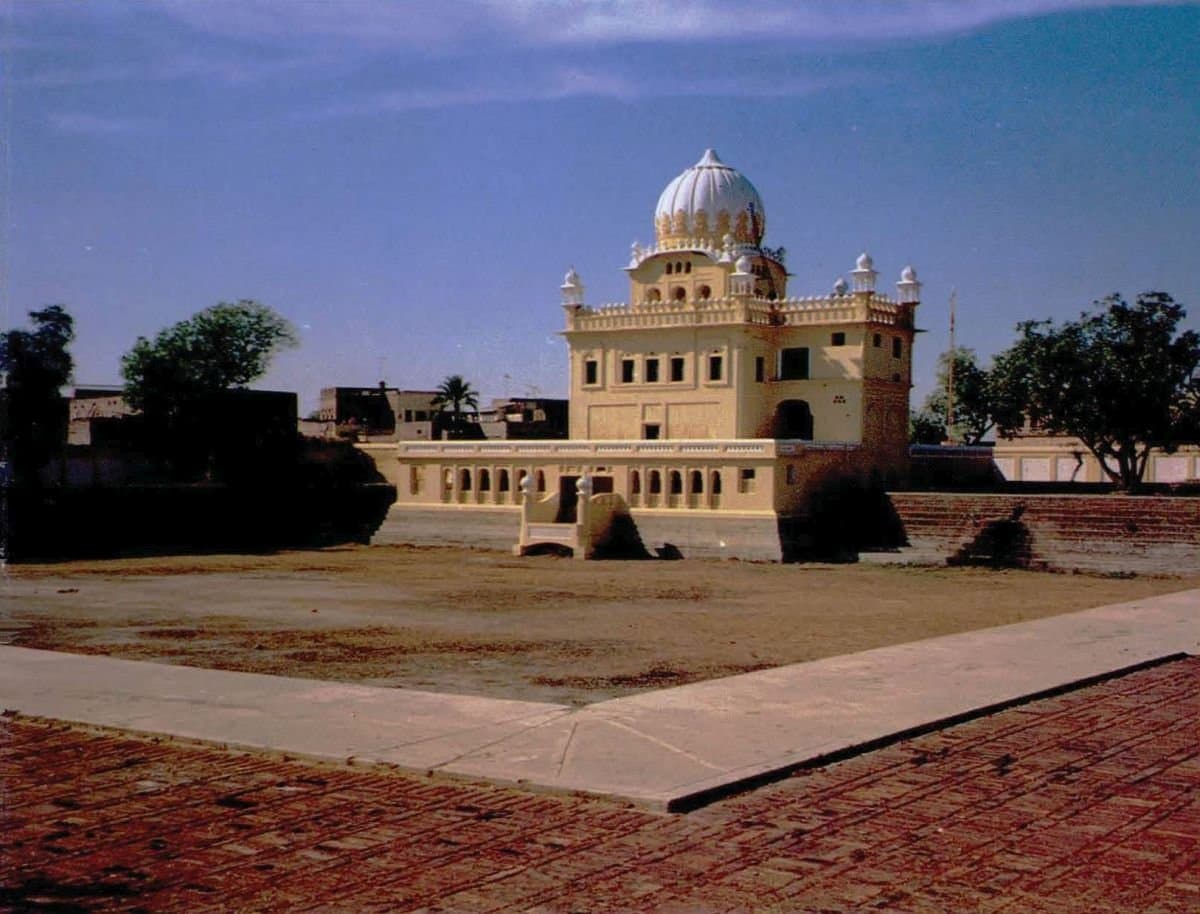
Gurdwara Bal Lila Sahib, Nankana Sahib
Where the child Nanak played, about 225 metres south-east of the Janam Asthan in Nankana Sahib.
Sight
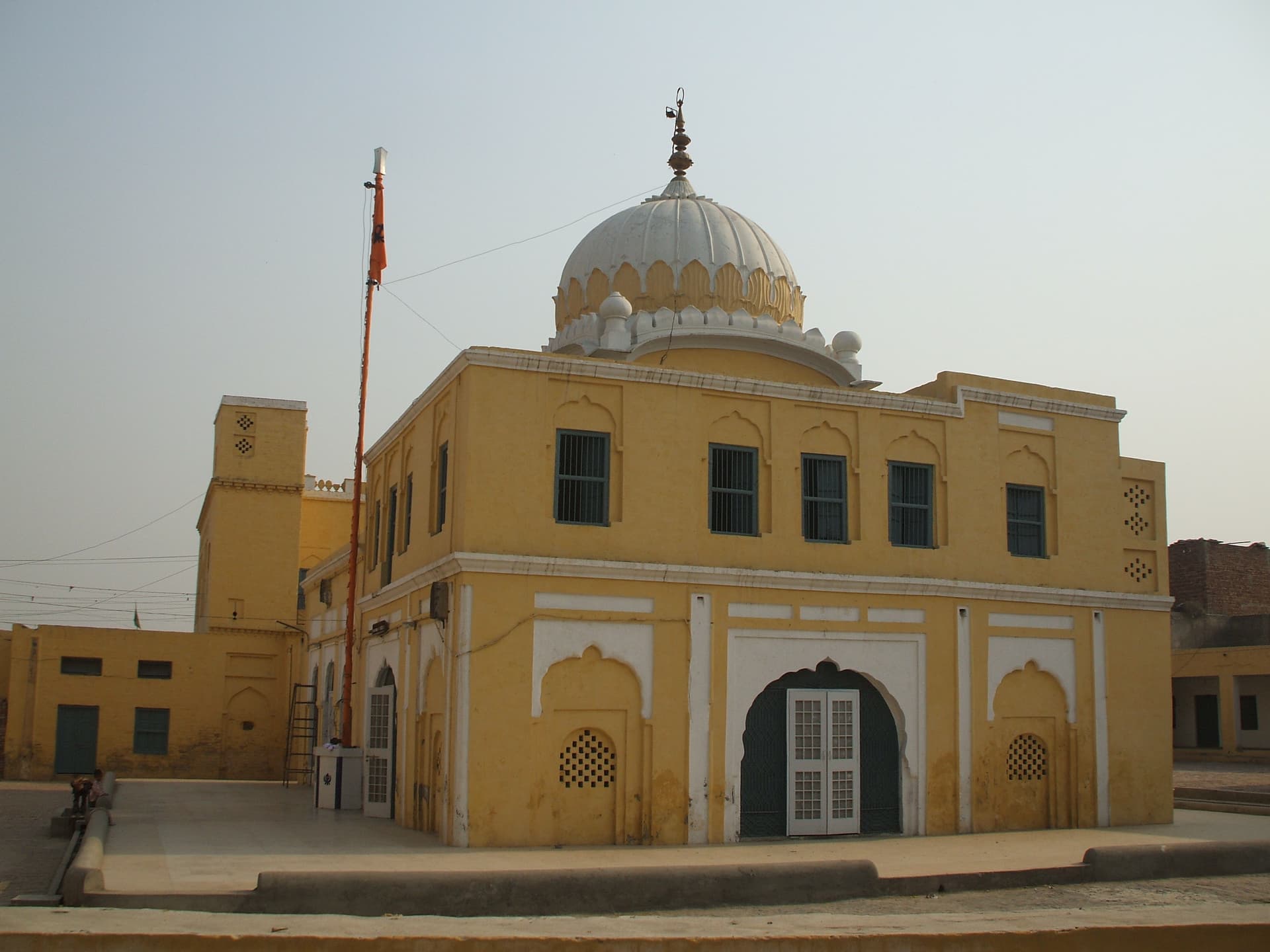
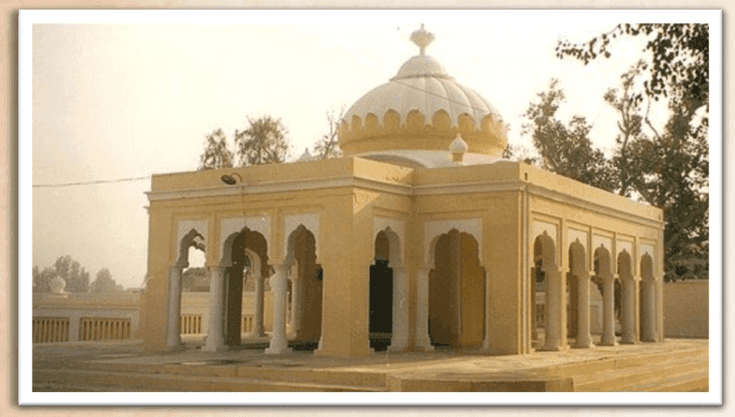
Gurdwara Patti Sahib, Nankana Sahib
Where the young Nanak studied with his teachers and composed the Patti in Rag Asa.
Sight
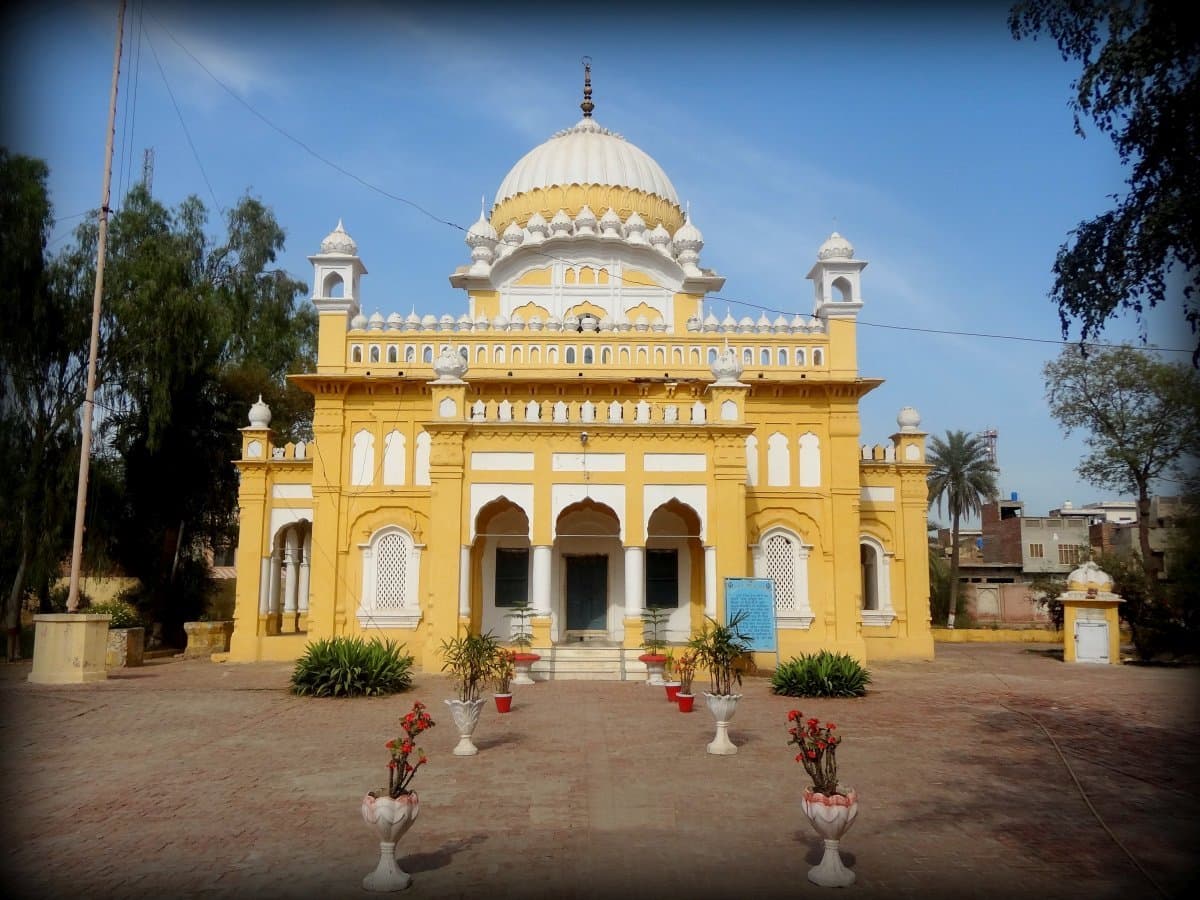
Gurdwara Kiara Sahib, Nankana Sahib
Where the young Nanak's buffaloes grazed a farmer's field, which was found green and undamaged.
Sight
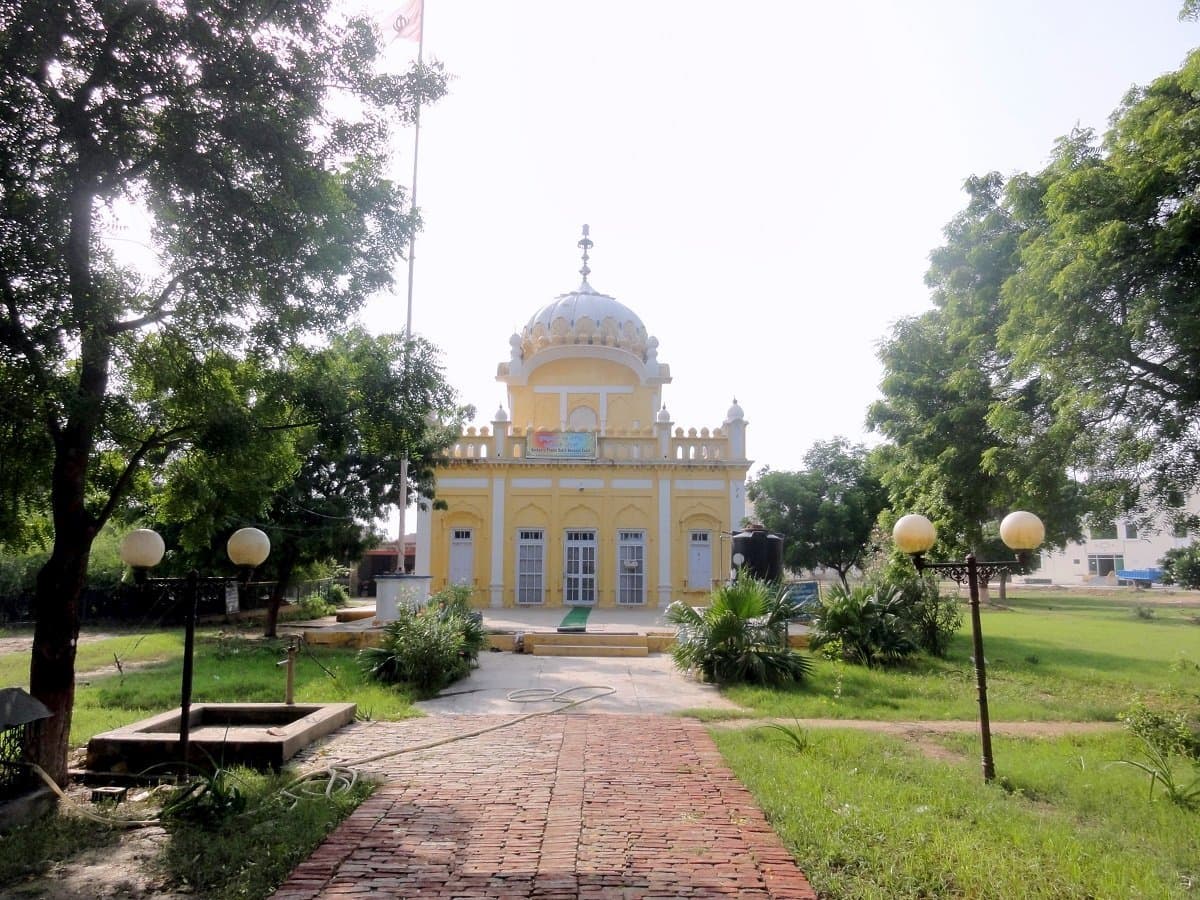
Gurdwara Mal Ji Sahib, Nankana Sahib
Where a cobra is said to have shaded the sleeping child Nanak as he grazed his buffaloes.
Sight
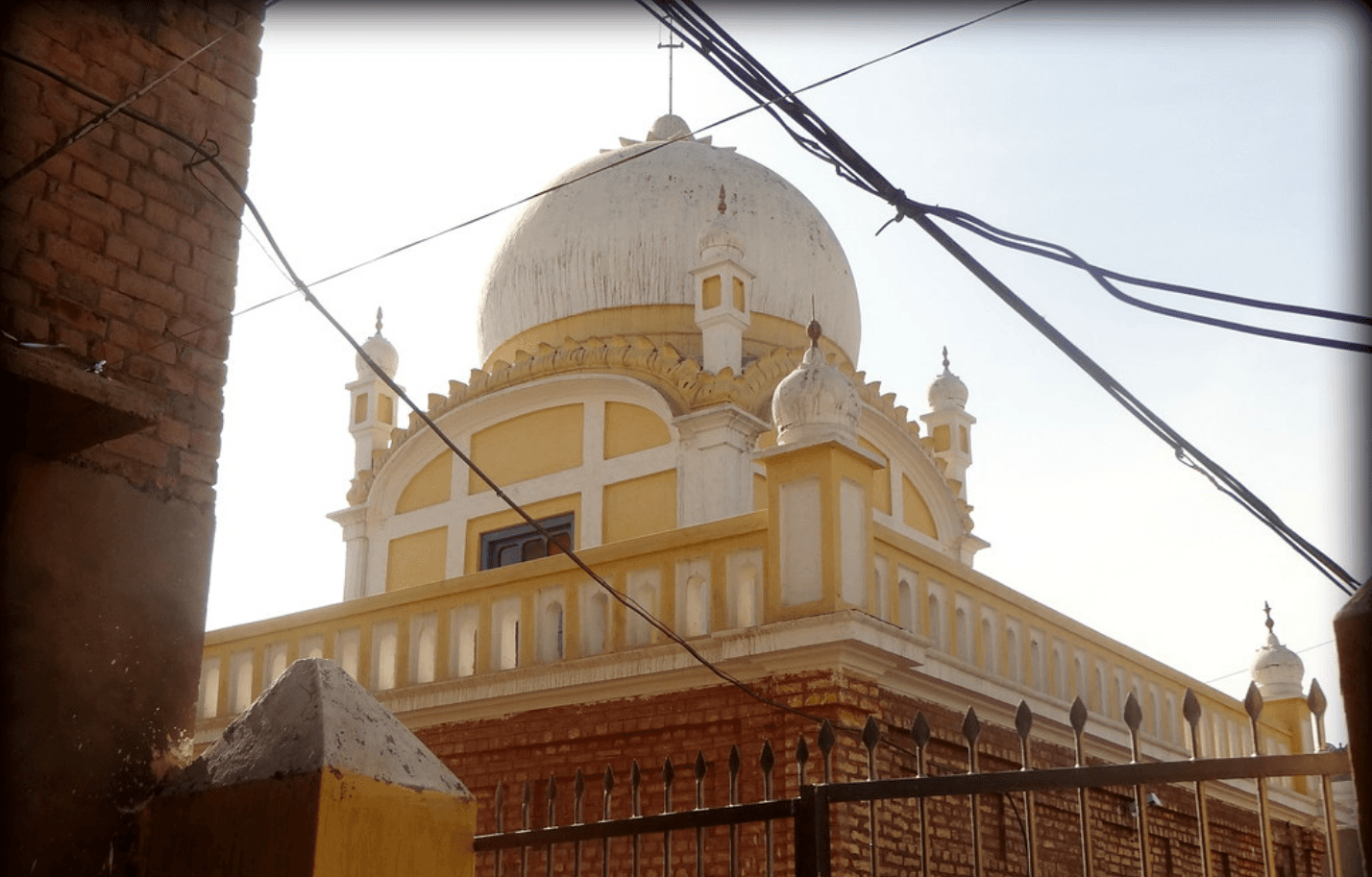
Gurdwara Tambu Sahib, Nankana Sahib
The tent-like van tree where Guru Nanak and Bhai Mardana sheltered after the 'true bargain', still standing.
Sight
Gurdwaras Panjvin and Chhevin Patshahi, Nankana Sahib
Twin shrines of Guru Arjan and Guru Hargobind near Tambu Sahib, sharing one boundary wall.
Sight
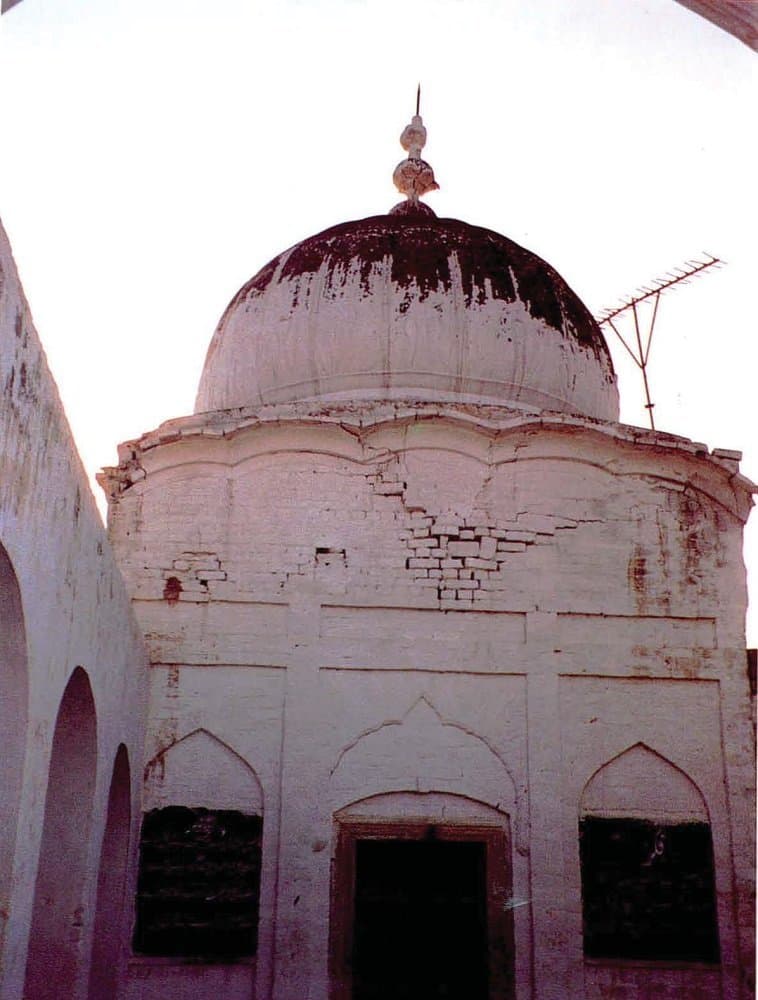
Gurdwara Guru Arjan Sahib, Bucheki
A domed gurdwara in Bucheki, where Guru Arjan came from Nankana Sahib.
Sight
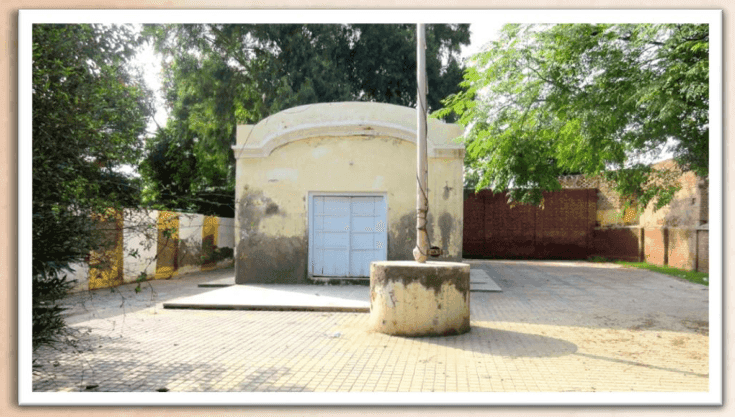
Gurdwara Nihang Singhan, Nankana Sahib
The Nihang Singhs' own prakash place in Nankana Sahib, beside Gurdwara Tambu Sahib.
Sight
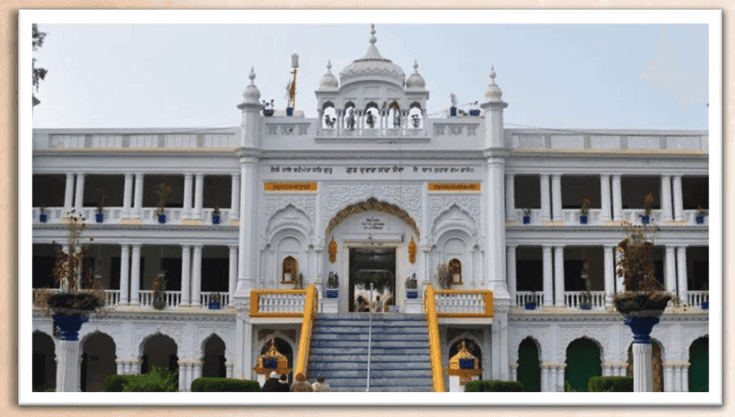
Gurdwara Sacha Sauda, Farooqabad
The fort-like gurdwara where the young Guru Nanak spent his father's twenty rupees feeding hungry ascetics, his 'true bargain'.
Sight
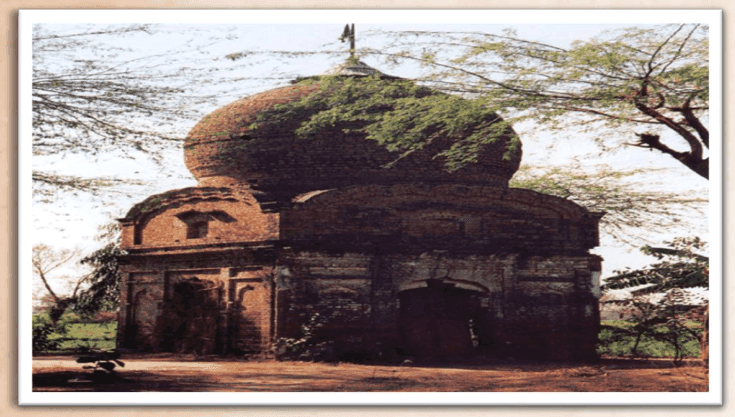
Gurdwara Sach Khand, Chuhrkana
A domed gurdwara in the fields near Sacha Sauda, where the tale of the merchant's sugar and sand is told.
Sight
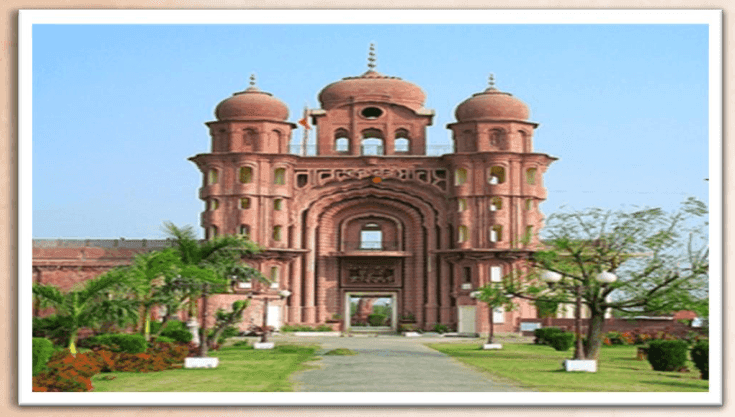
Gurdwara Rori Sahib, Eminabad
Where Guru Nanak sat on a bed of pebbles and was taken prisoner by Babur's army in 1521.
Sight
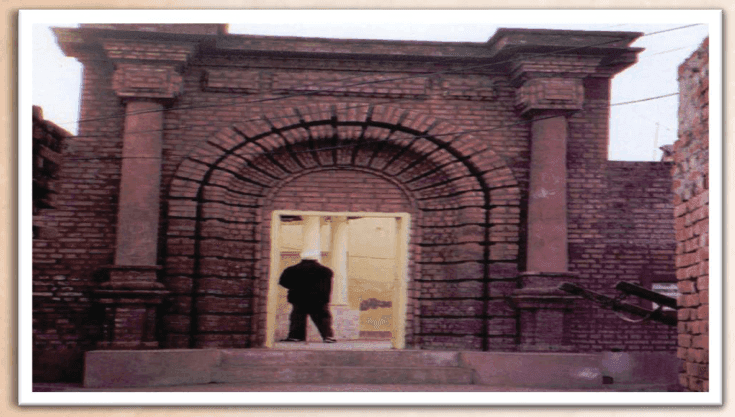
Gurdwara Khui Bhai Lalo, Eminabad
The house and well of Bhai Lalo, the carpenter whose plain bread Guru Nanak chose over a rich man's feast.
Sight
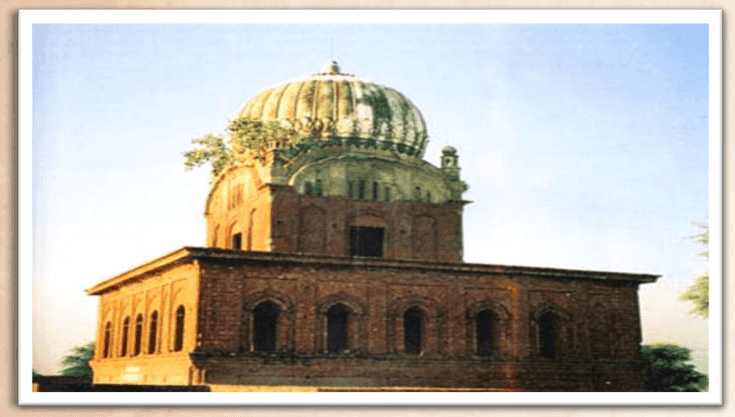
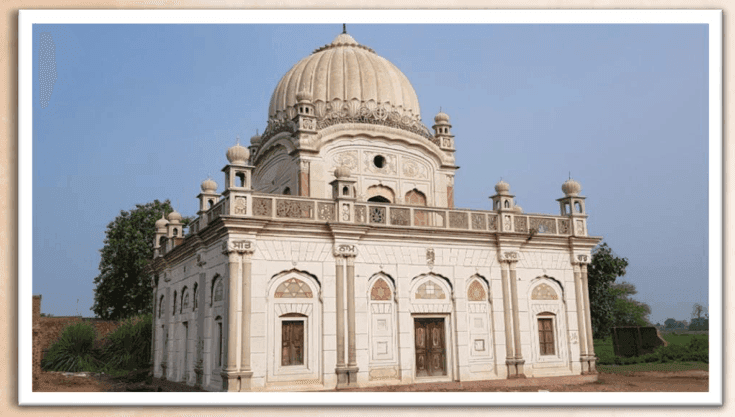
Gurdwara Bhai Lalo Ji, Tatliali
A three-storey, domed gurdwara of 1939, paid for by Sikh sangats in Africa, in the centre of Tatliali.
Sight
Gurdwara Khara Sahib, Bhaike Mattu
Where Guru Hargobind told a smoker named Hargobind to give up tobacco, and he became a disciple.
Sight
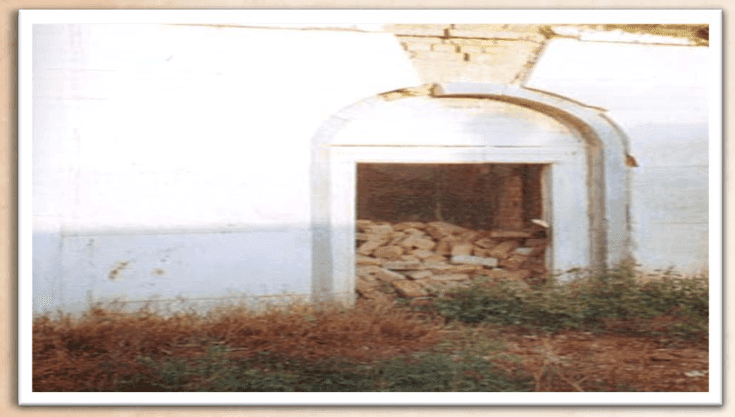
Gurdwara Chhevin Patshahi, Kotli Bhaga
A small gurdwara of Guru Hargobind where the pipal tree he sat under still stands.
Sight
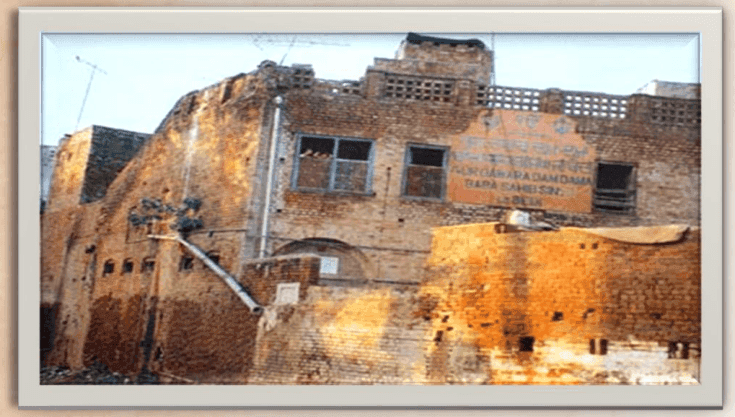
Gurdwara Damdama Sahib Baba Sahib Singh Bedi, Gujranwala
A large gurdwara right beside the railway line at Gujranwala, built for the preacher Baba Sahib Singh Bedi.
Sight
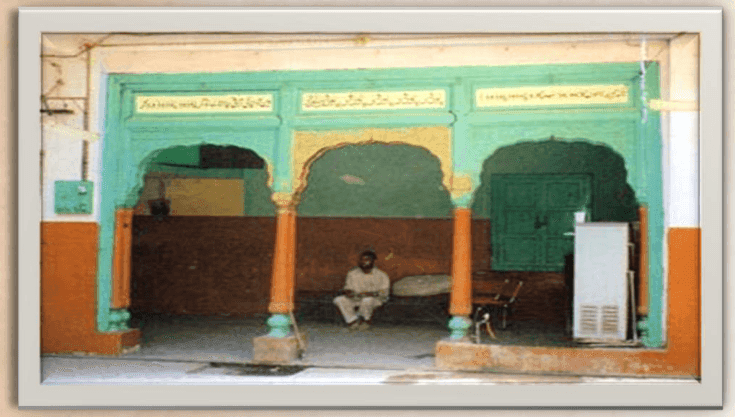
Haveli of Hari Singh Nalwa, Gujranwala
The ancestral mansion in Gujranwala's Kasera Bazaar where the Sikh general Hari Singh Nalwa was born.
Sight
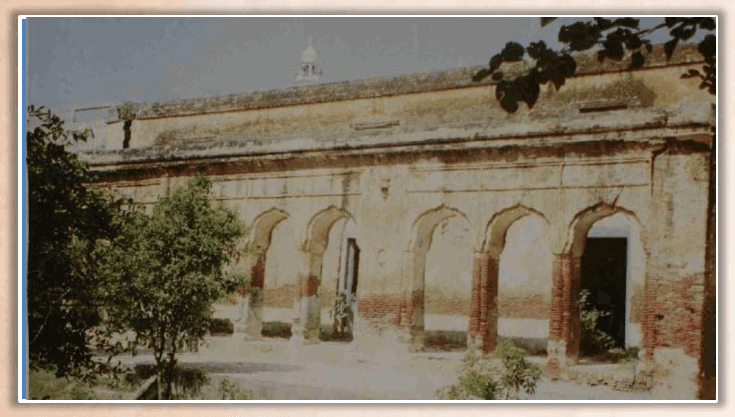
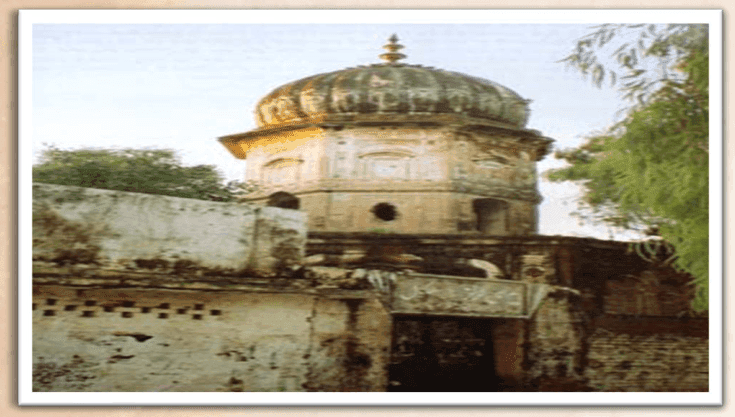
Samadh of Sardar Charat Singh, Gujranwala
The samadh of Charat Singh, founder of the Sukerchakia Misl and grandfather of Ranjit Singh.
Sight
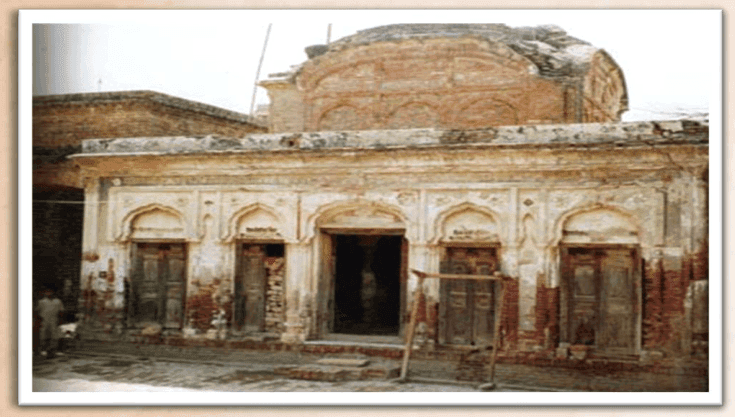
Samadh of Sardar Mahan Singh, Gujranwala
The samadh of Mahan Singh, Ranjit Singh's father, built by the Maharaja in a corner of Sheranwala Bagh.
Sight
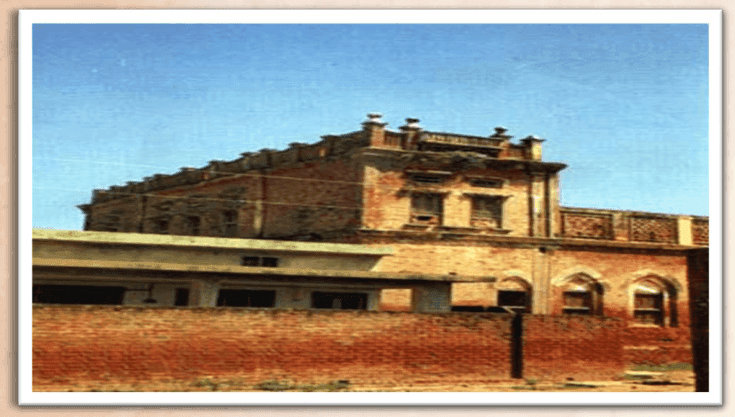
Gurdwara Chhevin Patshahi, Rasul Nagar
A small domed darbar in Rasul Nagar, on the Chenab, where Guru Hargobind stopped between Wazirabad and Hafizabad.
Sight
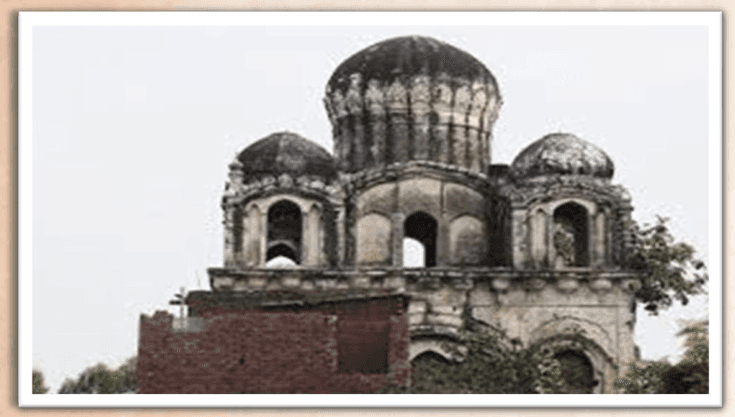
Gurdwara Panjvin Patshahi (site), Chak Ram Das
Where Guru Arjan stayed at Chak Ram Das for love of Bhai Prana; the gurdwara has vanished.
Sight
Gurdwara Guru Kotha, Wazirabad
The house of Bhai Khem Chand in Wazirabad, where Guru Hargobind stayed on his way back from Kashmir.
Sight
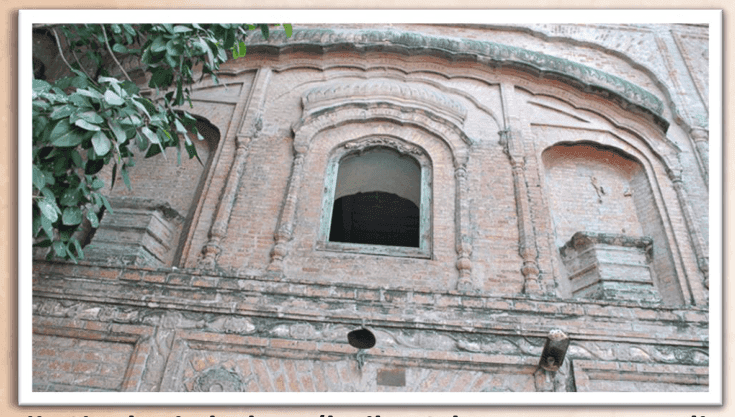
Haveli of Maharaja Ranjit Singh, Gujranwala
The stately haveli where Ranjit Singh was born on 13 November 1780, son of Mahan Singh of the Sukerchakia Misl.
Sight
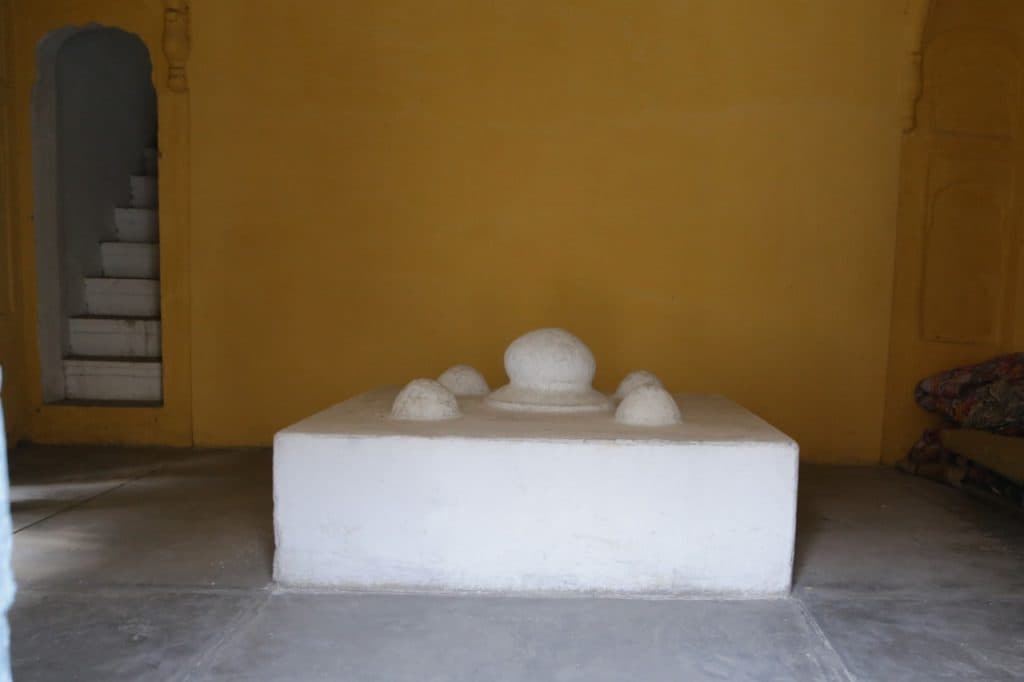
Samadhi of Maharaja Ranjit Singh, Lahore
The domed samadhi of Ranjit Singh, who ruled Punjab and Kashmir for forty years, beside the Badshahi Mosque.
Sight
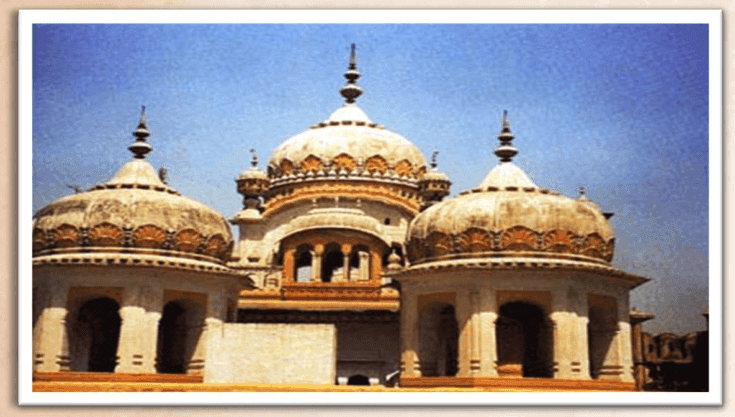
Samadhs of Maharaja Kharak Singh and Kanwar Nau Nihal Singh, Lahore
The samadhs of Ranjit Singh's son and grandson, on the west side of the Maharaja's samadh.
Sight
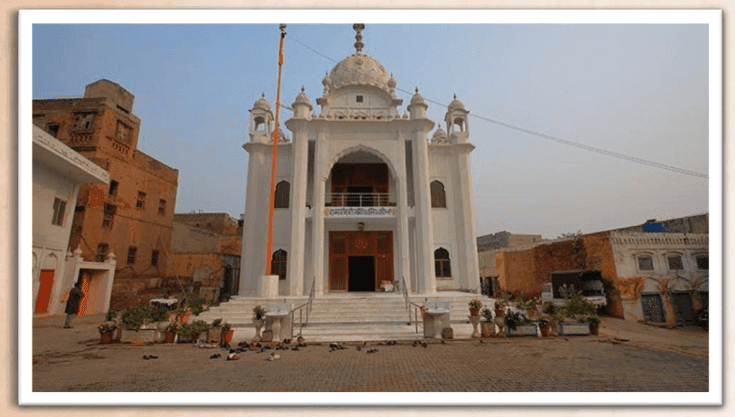
Gurdwara Shaheed Ganj Singh Singhnian, Lahore
The site in Naulakha Bazaar where Sikh men and women were martyred at the orders of Mir Mannu.
Sight
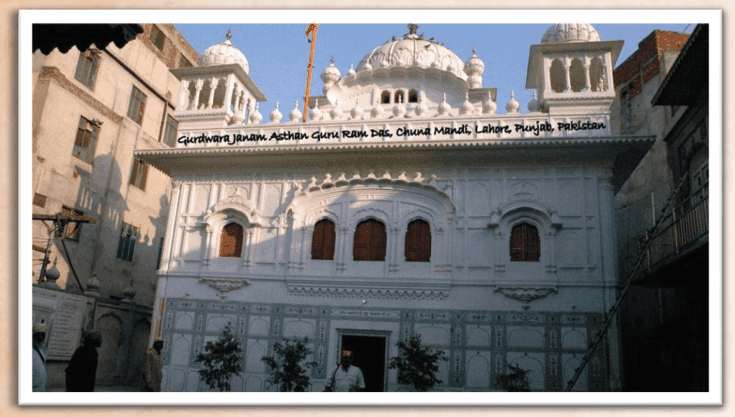
Gurdwara Janam Asthan Guru Ram Das, Lahore
The birthplace of Guru Ram Das in 1534, inside Delhi Gate, rebuilt by Ranjit Singh in the style of the Harmandir Sahib.
Sight
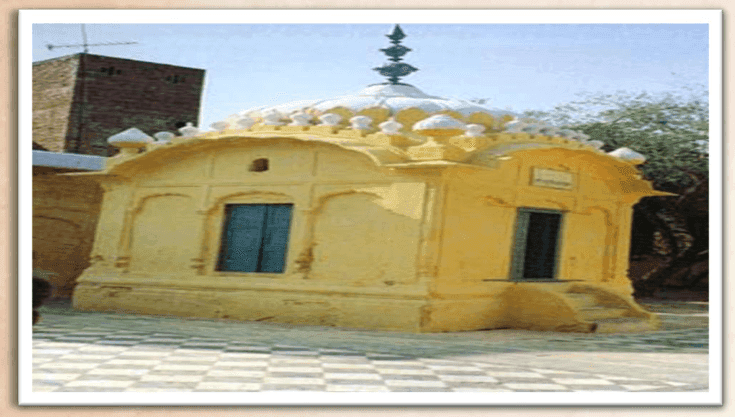
Gurdwara Shaheed Ganj Bhai Taru Singh, Lahore
The place in Naulakha Bazaar where Bhai Taru Singh was martyred in 1745, reciting the Japji Sahib.
Sight
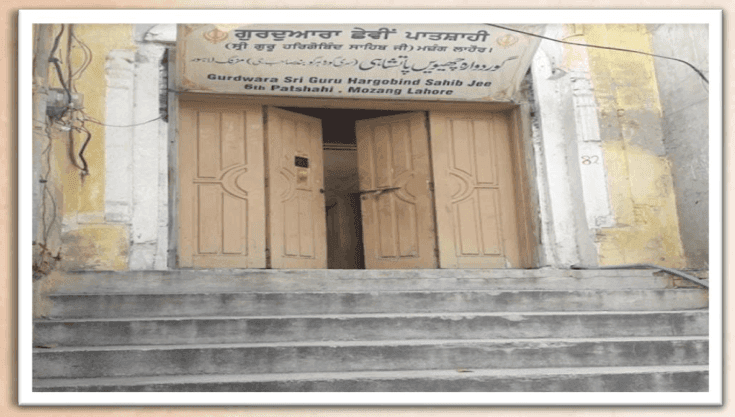
Gurdwara Chhevin Patshahi, Mozang
On Temple Road in Mozang, where Guru Hargobind stayed in Lahore in 1619 and asked Bibi Kaulan to ride his horse.
Sight
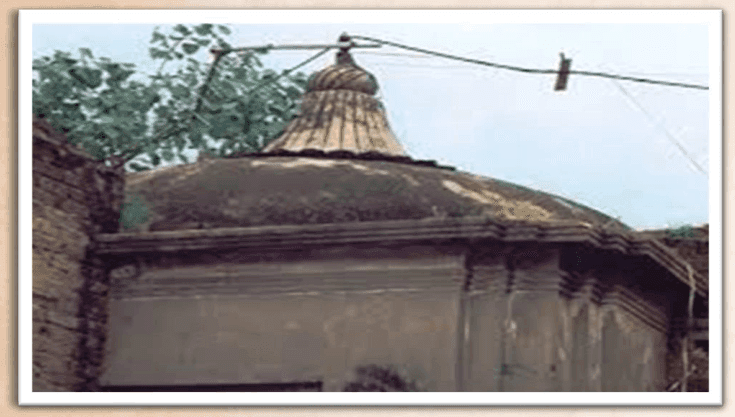
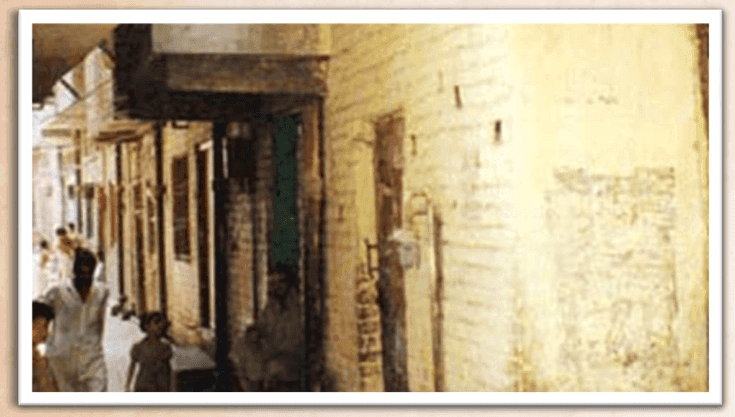
Shaheed Ganj Bhai Mani Singh, Lahore
The site inside Masti Gate where Bhai Mani Singh, childhood companion of Guru Gobind Singh, was martyred in 1724.
Sight
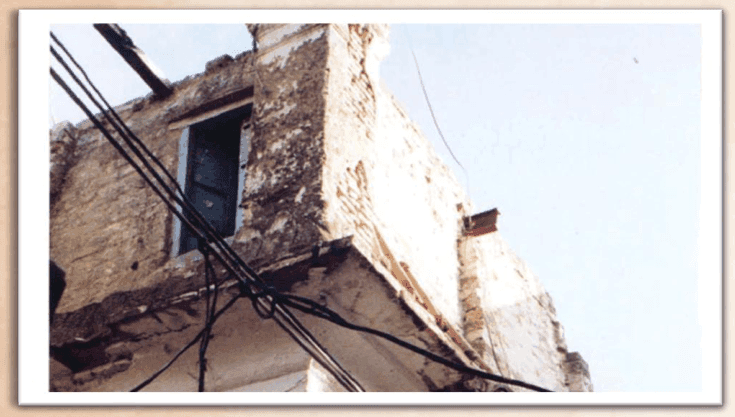
Gurdwara Chowmala Sahib (site), Bhati Gate
The site of Bhai Jivan's house inside Bhati Gate, where Guru Hargobind held congregations; the gurdwara is gone.
Sight
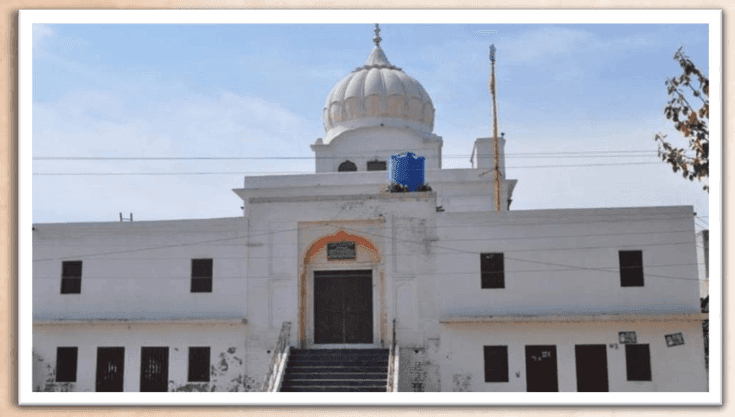
Gurdwara Chaubacha Sahib, Lahore
The shrine of Ram Rai around the small pool where Guru Nanak washed his feet, between Mughalpura and Dharampura.
Sight
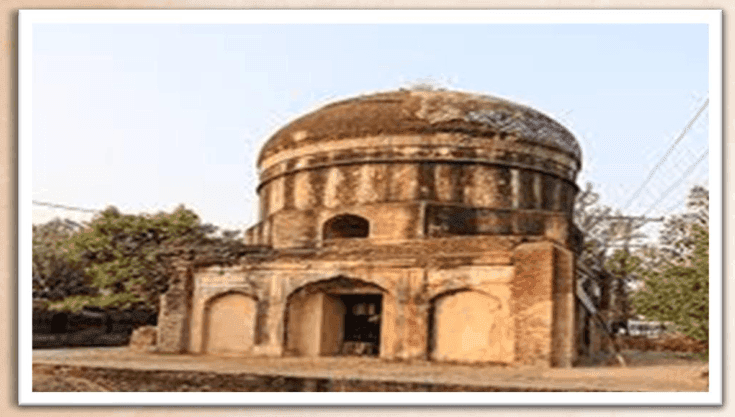
Gurdwara Janam Asthan Bebe Nanaki, Dera Chahal
The birthplace of Bebe Nanaki, Guru Nanak's elder sister, in the village of his maternal grandparents.
Sight
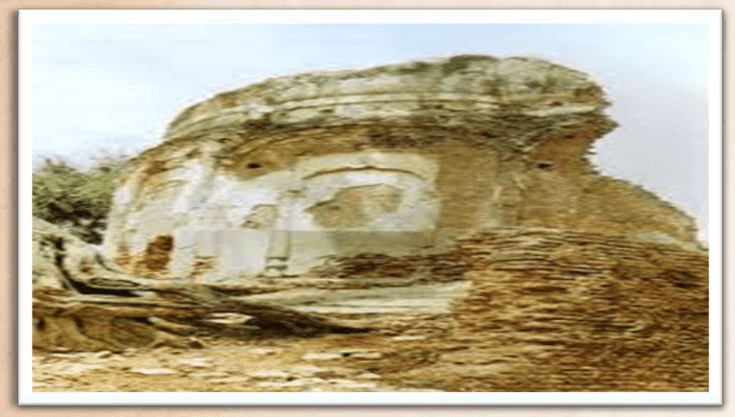
Gurdwara Bhai Buddhu da Awa, Lahore
The site of Bhai Buddhu's brick kiln on the GT Road, where Guru Arjan's blessing sold his unbaked bricks.
Sight
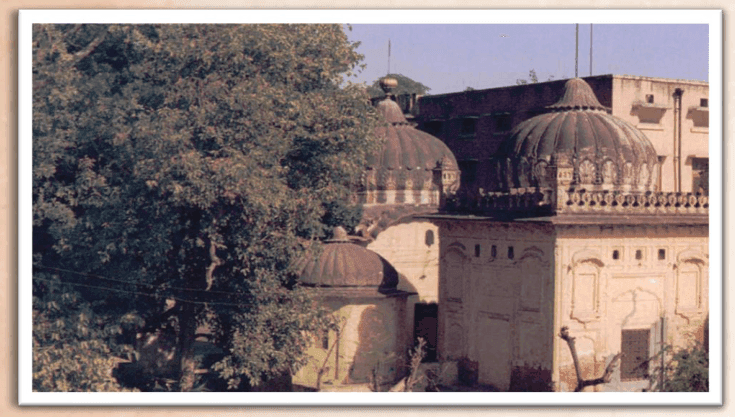
Samadh of Maharaja Sher Singh, Lahore
The samadhs of Maharaja Sher Singh, killed in 1843, his son and queens, beside Shah Bilawal's baradari.
Sight
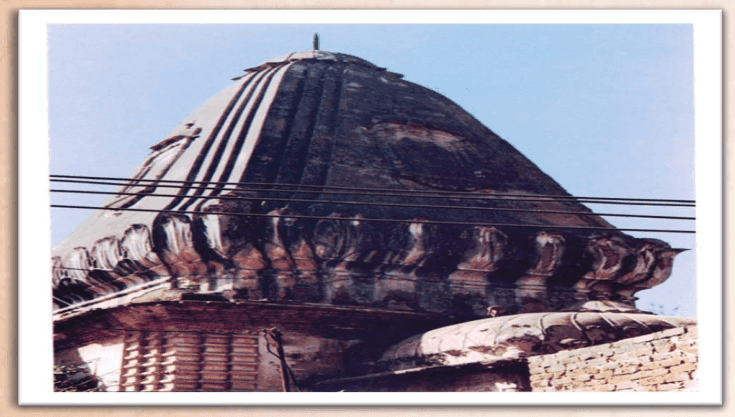
Samadhs of Maharani Nakain, Chand Kaur and Gulab Kaur, Lahore
Three Sikh-era samadhs in the lawns of Government Islamia College, Civil Lines, now used as the college office.
Sight
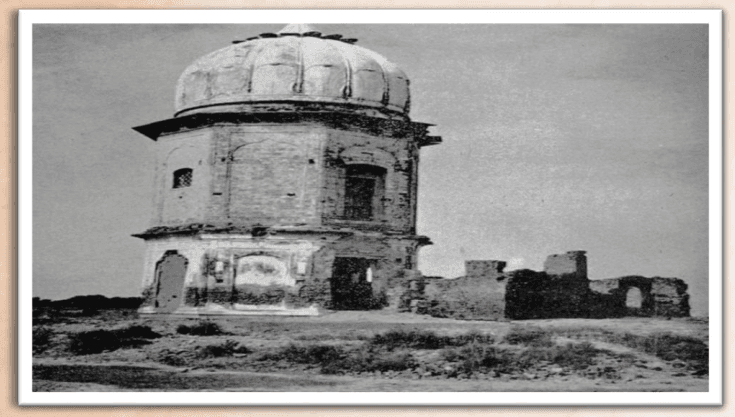
Samadh of Sardar Jawahar Singh, Lahore
The samadh of Jawahar Singh, Maharani Jindan's brother and minister to Maharaja Duleep Singh, killed in 1845.
Sight
Gurdwara Guru Mangat (site), Gulberg
The site in Gulberg, Lahore, where Guru Hargobind came after Mozang; the gurdwara no longer exists.
Sight
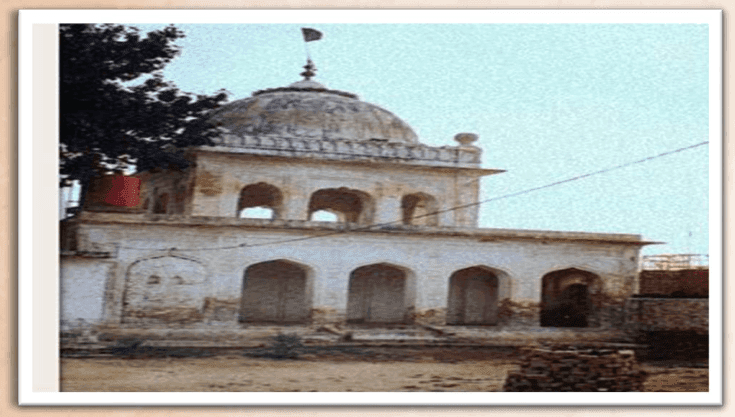
Gurdwara Chhevin Patshahi, Amar Sidhu
Also called Gurdwara Bibi Kaulan, where Guru Hargobind stayed with Bibi Kaulan coming from Guru Mangat.
Sight
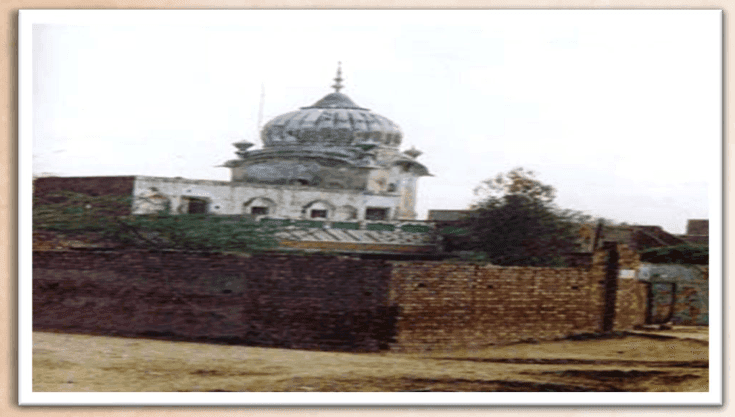
Gurdwara Chhevin Patshahi, Rampur Khurd
A domed gurdwara of Guru Hargobind in Rampur Khurd, of which little is left.
Sight
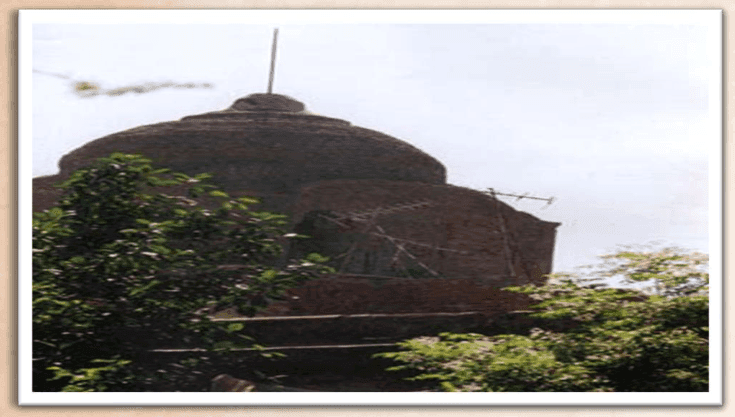
Samadh of Jamadar Khushal Singh, Lahore
The samadh of Khushal Singh, who rose from sepoy to Raja under Ranjit Singh, in his own garden outside Masti Gate.
Sight
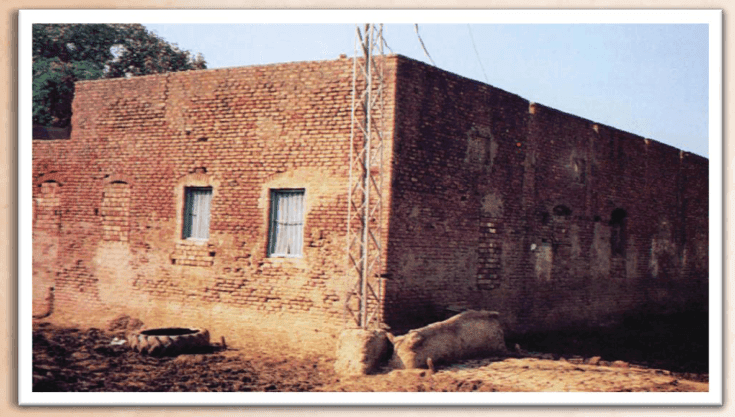
Gurdwara Lahura Sahib, Ghawindi
The gurdwara near Ghawindi where Guru Nanak rested under a lahura tree, the saffron-flowered tree it is named after.
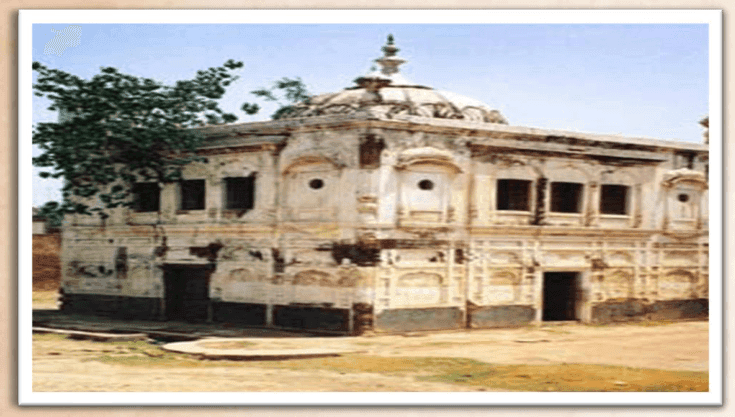
Sight
Gurdwara Baba Jamiat Singh, Kahna Nau
The three-storey shrine of Baba Jamiat Singh, the buffalo thief who turned devotee, finished in Samvat 1942.
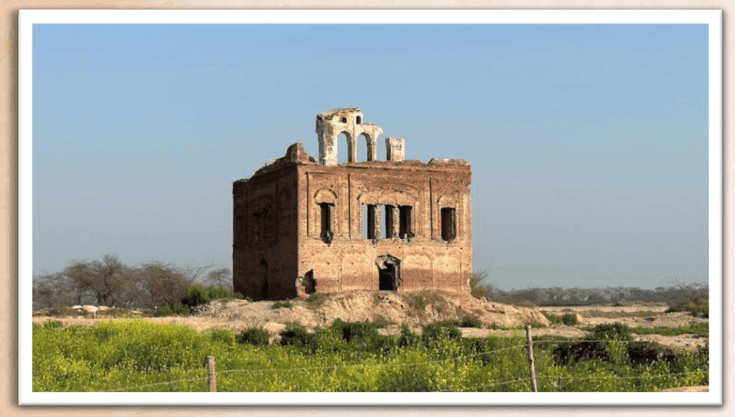
Sight
Gurdwara Rori Sahib, Jahman
A tall-domed shrine outside Jahman that Guru Nanak visited three times, his grandparents living at nearby Dera Chahal.
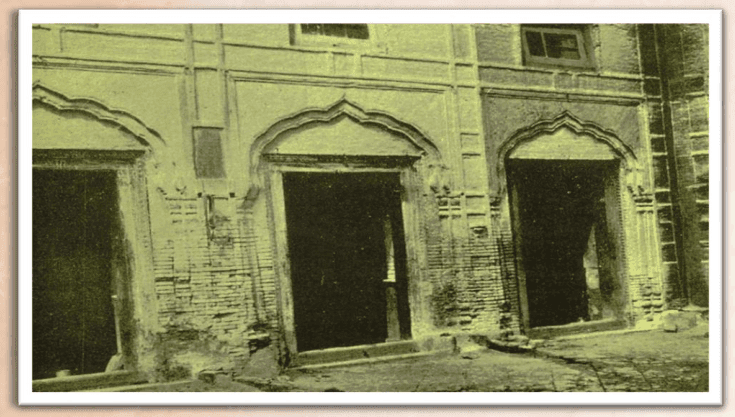
Sight
Gurdwara Diwan Khana Sahib, Chuna Mandi
The ancestral trading place of Guru Ram Das's family in Lahore's Chuna Mandi, where the young Arjan stayed.
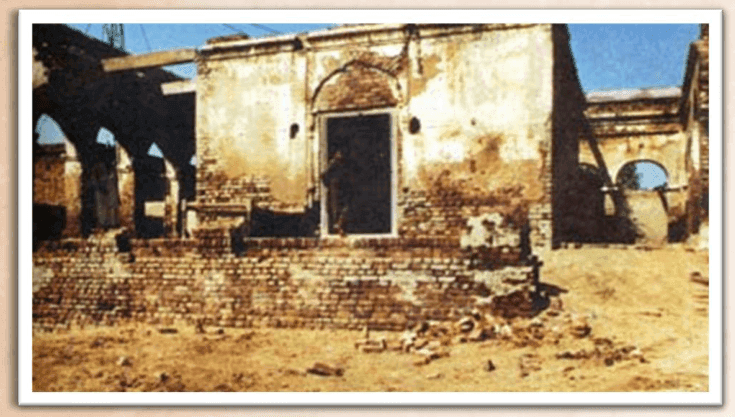
Sight
Gurdwara Shikargarh (Guru Arjan Niwas), Kacha
Where Guru Hargobind went hunting in what was then thick forest south of Lahore.
Sight
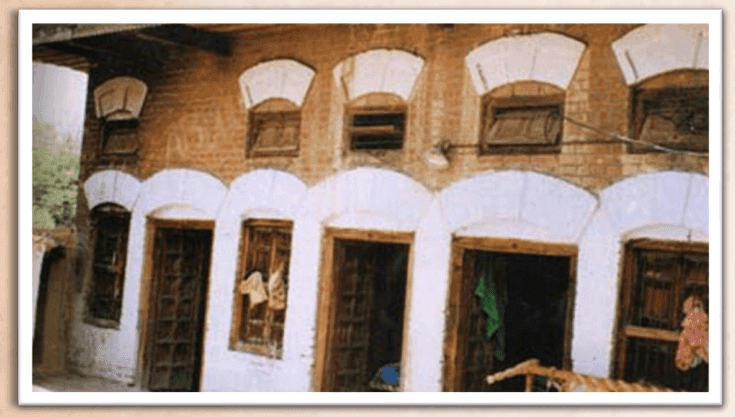
Gurdwara Chhevin Patshahi, Jhalian
A bungalow-style gurdwara in Jhalian marking Guru Hargobind's visit.
Sight
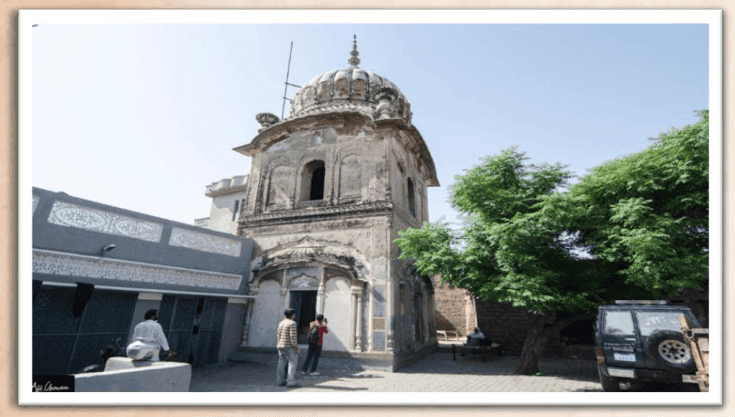
Gurdwara Chhevin Patshahi, Hudiara
The tallest building in Hudiara, marking Guru Hargobind's visit around 1620 to the village's large Sikh sangat.
Sight
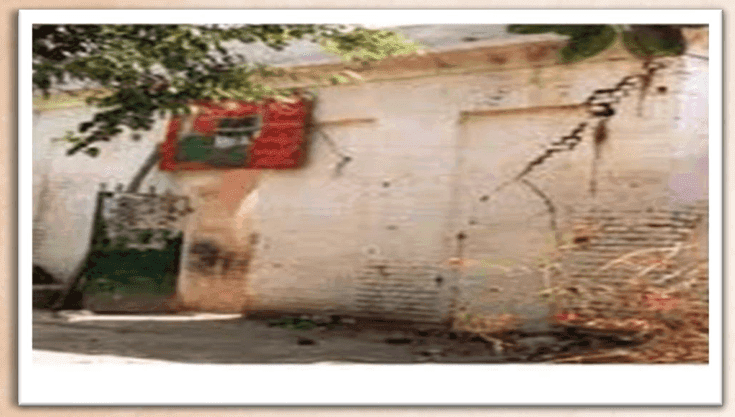
Gurdwara Baoli Sahib, Rang Mahal
The site of the stepped well Guru Arjan had built with a trader's unclaimed gold, behind Lahore's Sonehri Mosque.
Sight
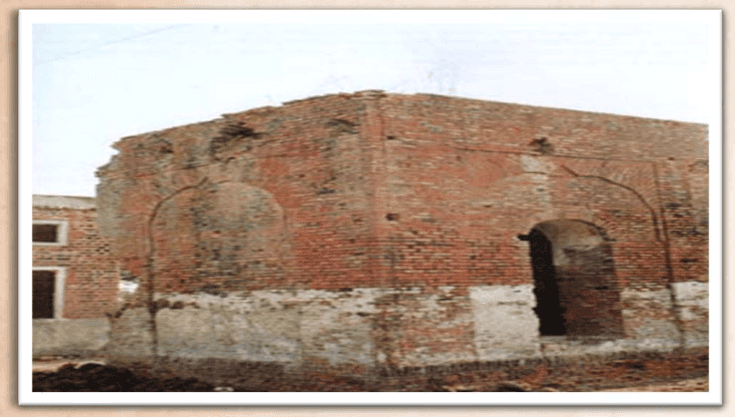
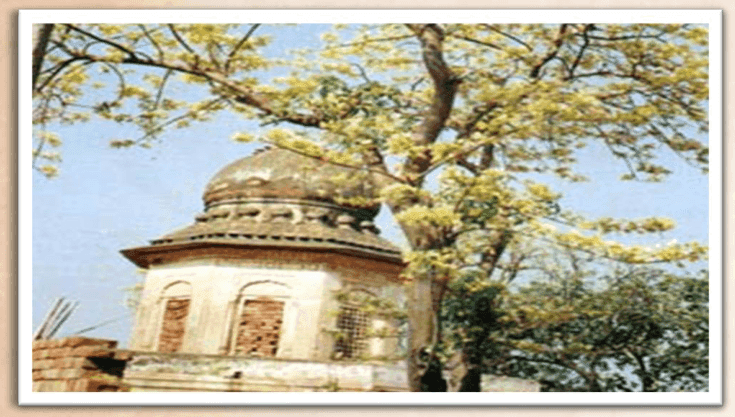
Manji Sahib Chhevin Patshahi, Dhilwan
The seat of Guru Hargobind outside Dhilwan, where he sat on his tour of the villages from Jhalian.
Sight
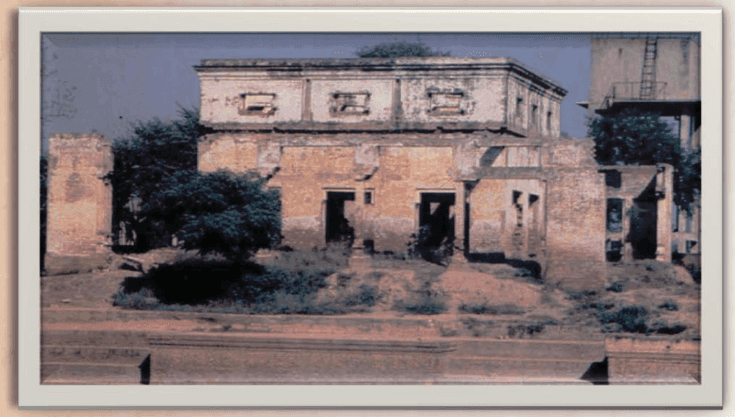
Gurdwara Chhevin Patshahi, Minhala
Guru Hargobind's gurdwara beside the village pond at Minhala, of which one tower still stands.
Sight
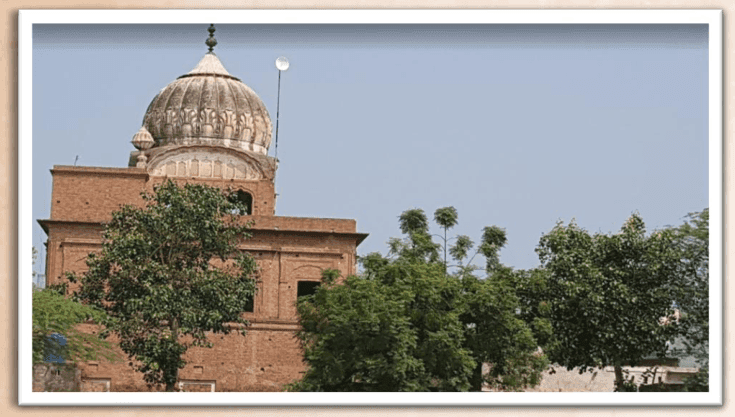
Gurdwara Chota Nanakiana, Manga
The site in Manga where Guru Nanak stayed, and later Guru Hargobind, on the road from Nankana Sahib.
Sight
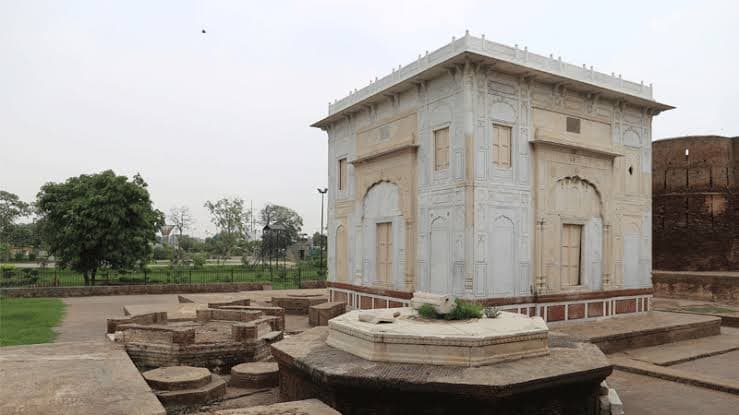
Gurdwara Chhevin Patshahi, Padhana
Where Guru Hargobind stayed in Padhana, coming from Dhilwan, and talked with the landlord Jalhan.
Sight
Samadhi of Bhai Vasti Ram, Lahore
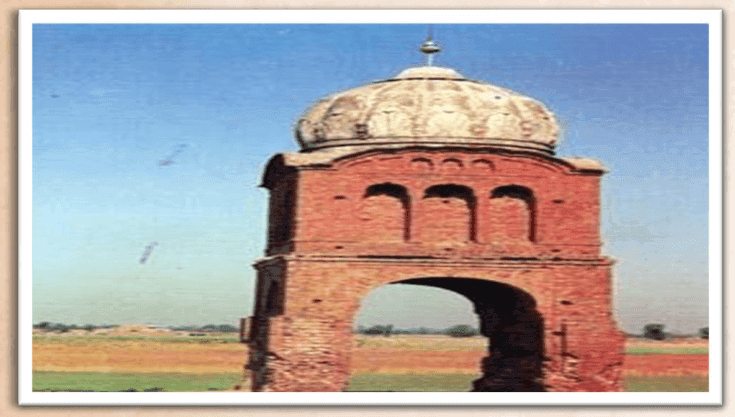
One of two small Sikh samadhis just outside the Lahore Fort wall, easily missed from Greater Iqbal Park.
Sight
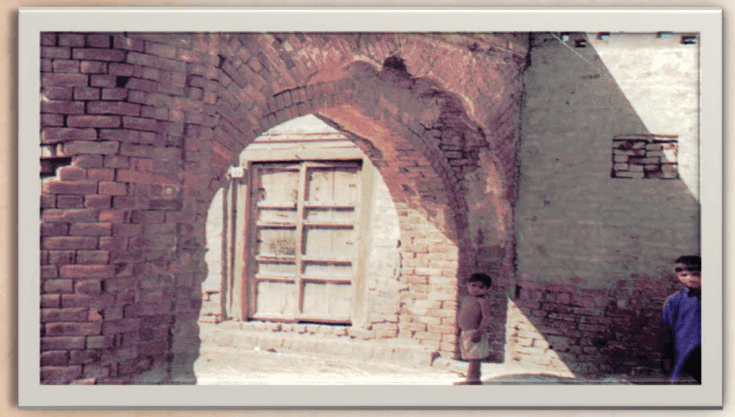
Gurdwara Jhari Sahib, Tergay
A small gurdwara in Tergay where Guru Amar Das stayed at the villagers' request on his way to Kasur.
Sight
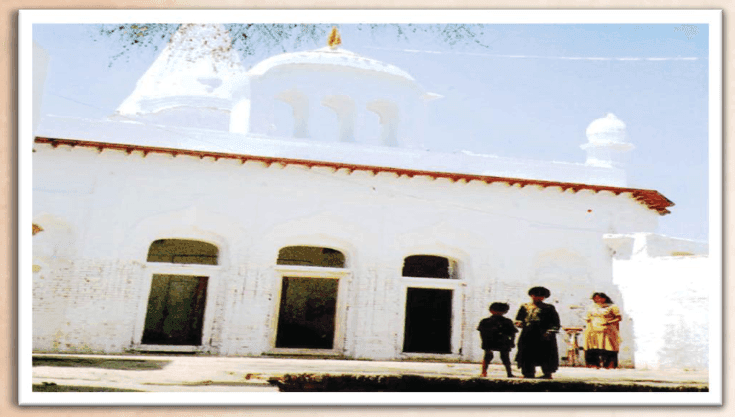
Gurdwara Pehli Patshahi, Bhail
Where Guru Nanak stayed in Bhail on his way from Manga to Ram Thaman; a single door survives.
Sight
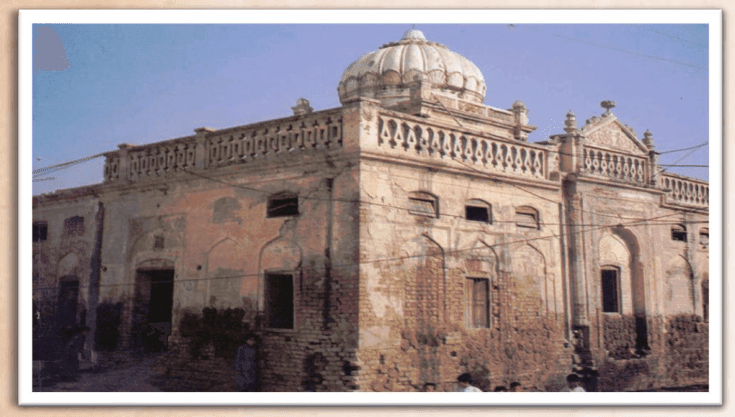
Gurdwara Baba Ram Thaman, Kalu Khara
The fort-like shrine of Baba Ram Thaman, Guru Nanak's cousin, where a fair still runs up to Vaisakhi.
Sight
Gurdwara Malji Sahib, Kanganpur
A gurdwara on a mound at Kanganpur, Kasur, remembering Guru Nanak's blessing on a village that had driven him away.
Sight
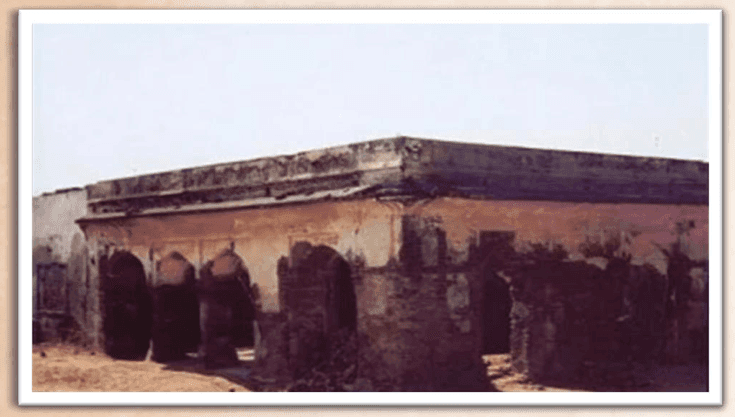
Gurdwara Bhai Bahlol, Qadiwind
Guru Amar Das's tank and rooms outside Qadiwind, on land given by Bhai Bahlol, with his samadh beside them.
Sight
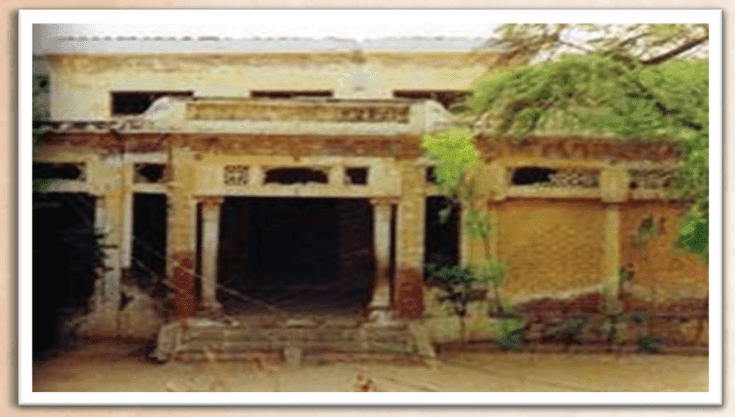
Gurdwara Panjvin Patshahi, Sheikam
A small gurdwara in the centre of Sheikam, where Guru Arjan came from Beherwal; now the Union Council office.
Sight
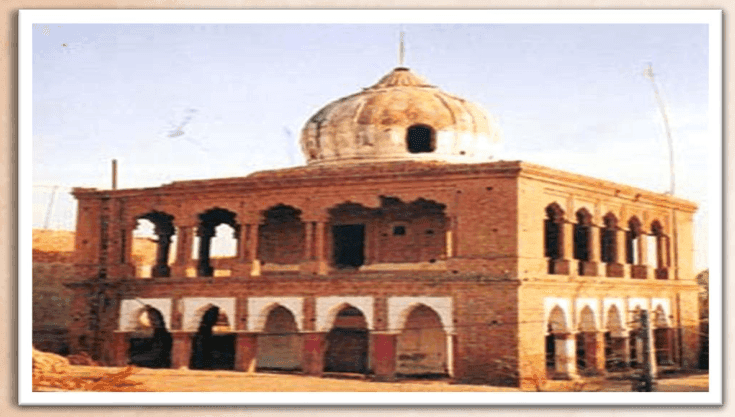
Gurdwara Tham Sahib, Jamber Kalan
A tall, spacious gurdwara in Jamber Kalan, where Guru Arjan came from Beherwal and five men became Sikhs.
Sight
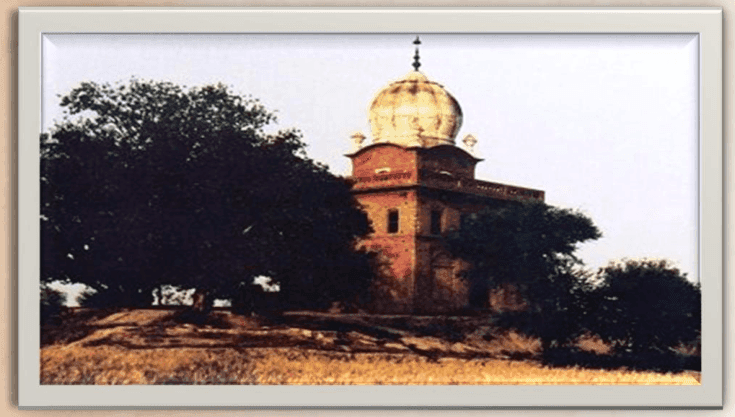
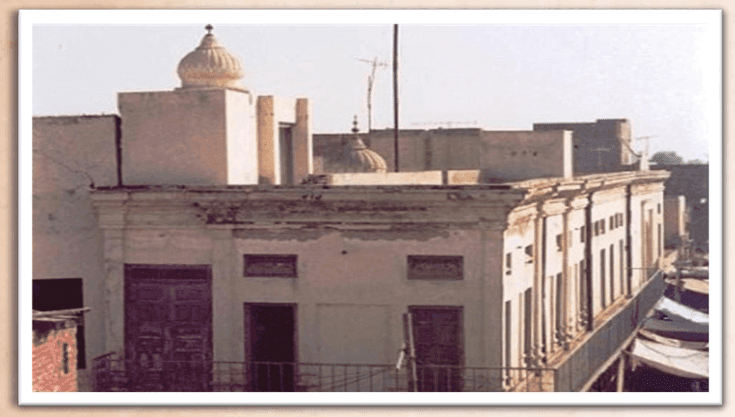
Gurdwara Sahari Pir, Hardusahari
The gurdwara and samadh of Pir Sahari, a Sikh of Guru Amar Das, now revered by the village's Muslims.
Sight
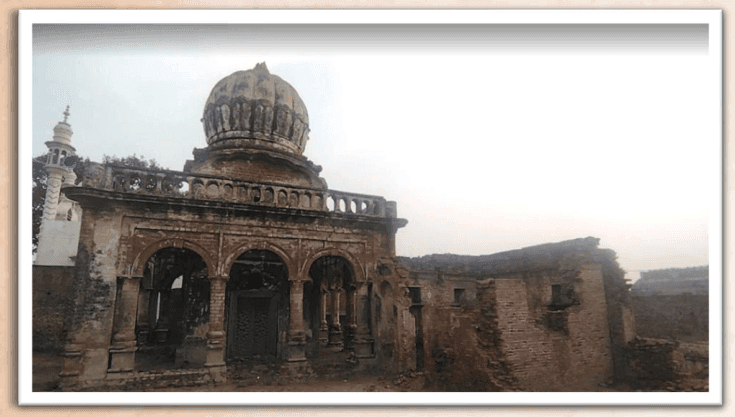
Gurdwara Bhai Pheru, Bhai Pheru
The samadh of Bhai Pheru, the honest ghee seller who became Guru Har Rai's collector, in the town named after him.
Sight
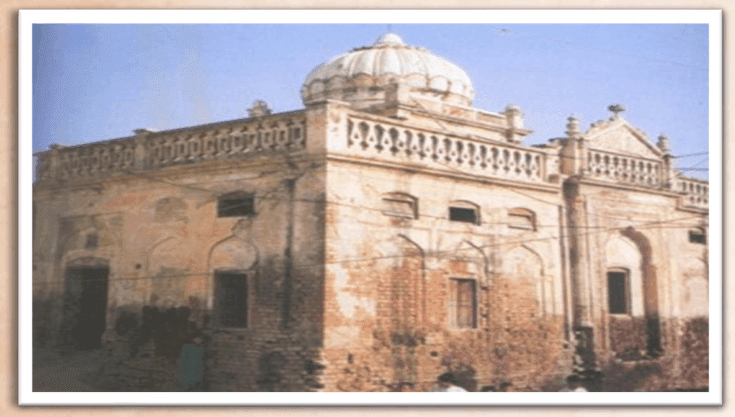
Gurdwara Sahib, Daftu
A large, fort-like gurdwara in Daftu where Bulleh Shah is said to have sheltered when banished by Pandoki's chiefs.
Sight
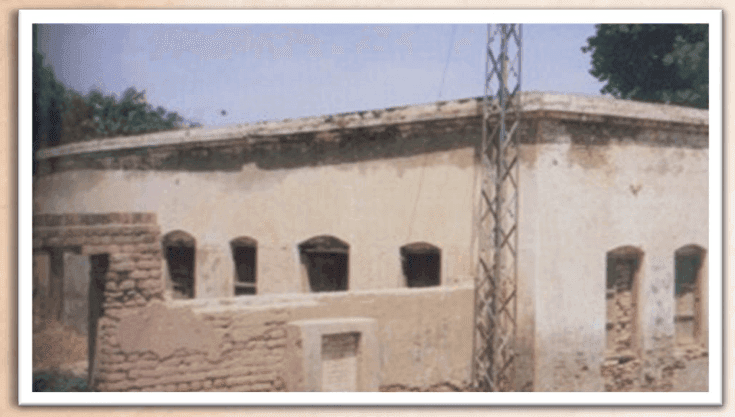
Gurdwara Principal Bara Singh Wadhawa, Kanganpur
A strong, domed gurdwara in Moti Masjid Mohalla of new Kanganpur, Kasur.
Sight
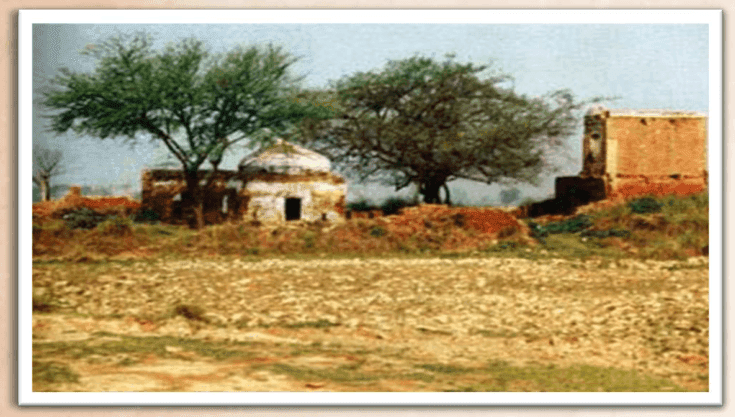
Gurdwara Pehli Patshahi, Alpa
Guru Nanak's stop at Alpa on the Ravi, coming from Nankana; three empty rooms remain.
Sight
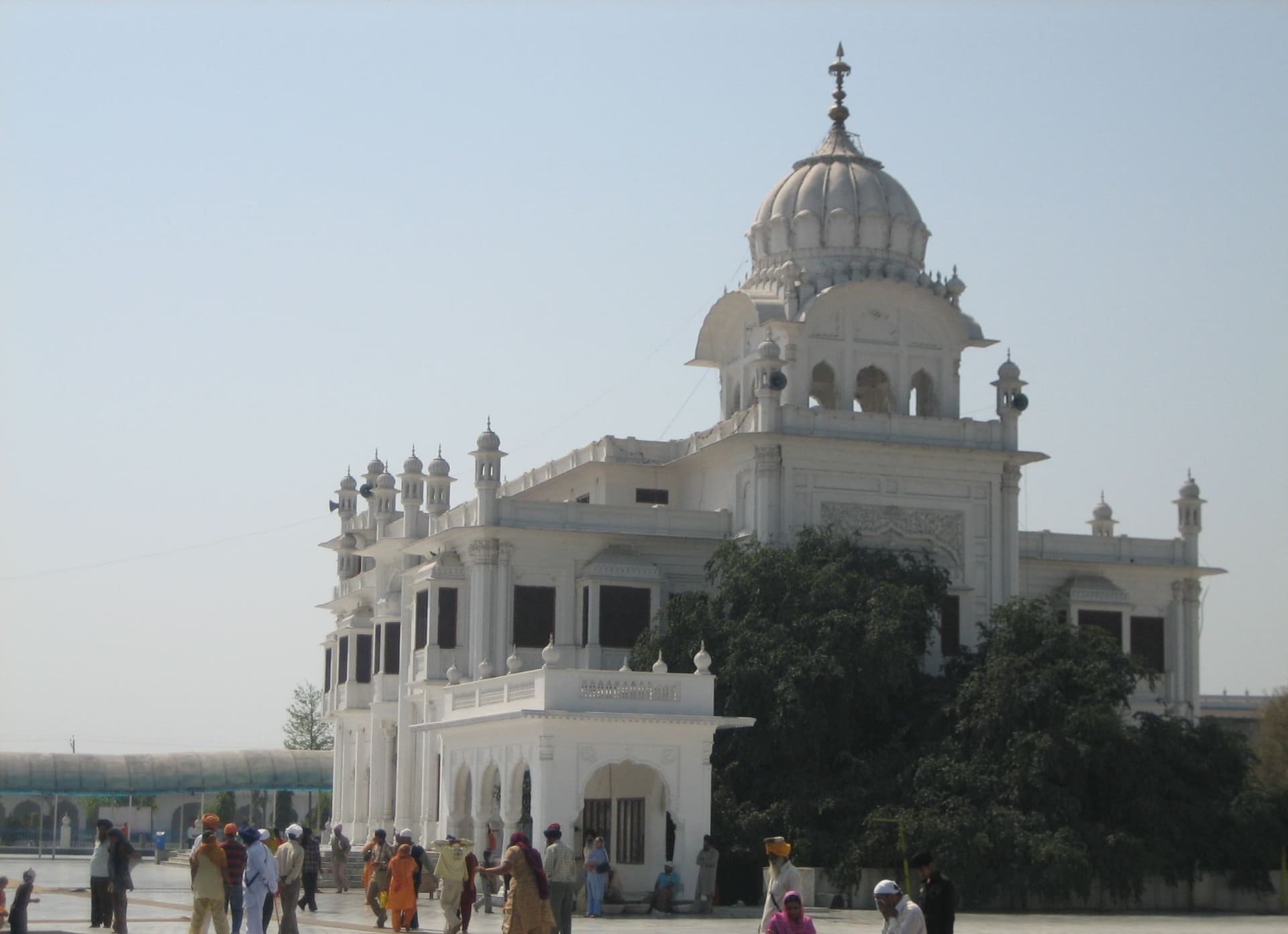
Gurdwara Mahme Sar, Lalyani
The residence and gurdwara of Baba Mahme Singh, a Sufi-minded saint, outside Lalyani.
Sight
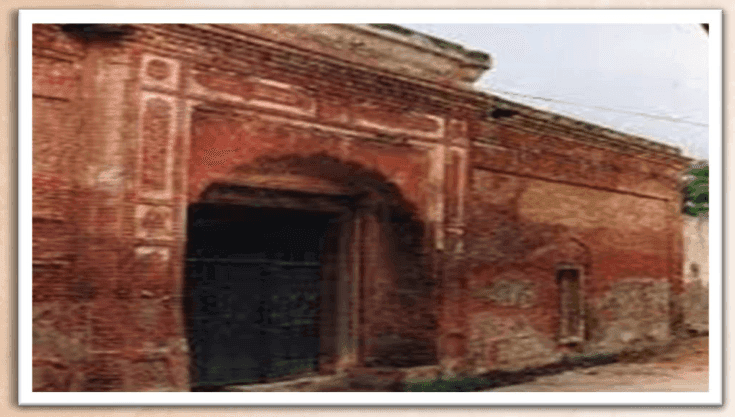
Gurdwara Bair Sahib, Sialkot
The gurdwara by the bair tree where Guru Nanak is said to have calmed the saint Hamza Ghaus and saved Sialkot.
Sight
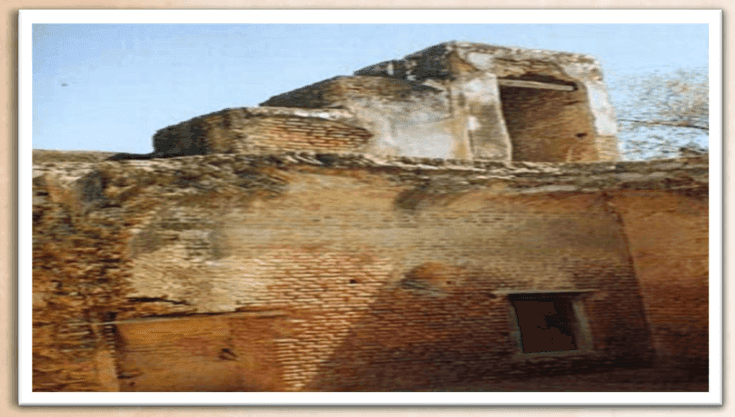
Gurdwara Pehli Patshahi, Fateh Bhinder
A small gurdwara on the south side of Fateh Bhinder, where Guru Nanak came for the local sangat.
Sight
Gurdwara Nanaksar (Guru Sar), Tilakpur
Where Guru Nanak stayed on his way back from Jammu; a few walls remain by the road.
Sight
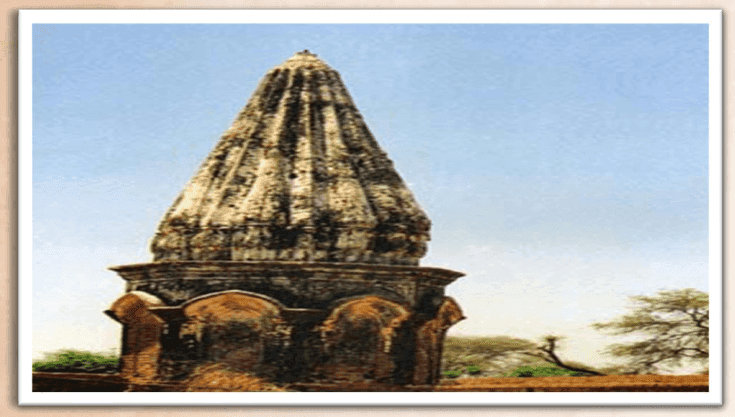
Gurdwara Kund Sahib, Rehsema (Salehpur)
The first of Rehsema's three Guru Hargobind shrines; only a meditation room survives.
Sight
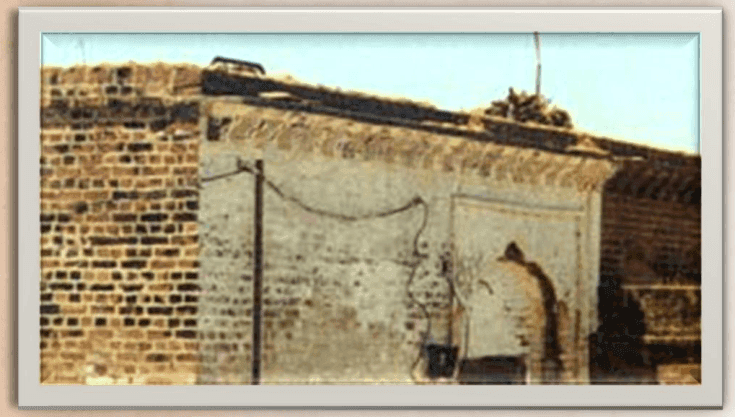
Gurdwara Gurusar, Rehsema (Salehpur)
One of three Guru Hargobind shrines at Rehsema, at the tank he is said to have filled by striking the earth with his lance.
Sight
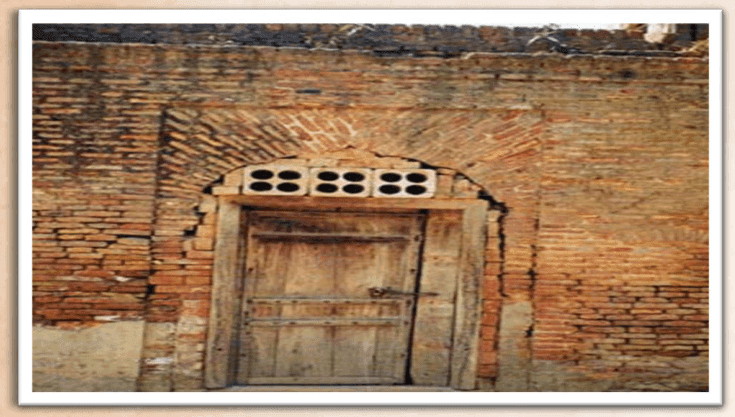
Gurdwara Tahli Sahib, Rehsema (Salehpur)
The third Guru Hargobind shrine at Rehsema, where he tied his horse to a shisham tree on his way to Kashmir.
Sight
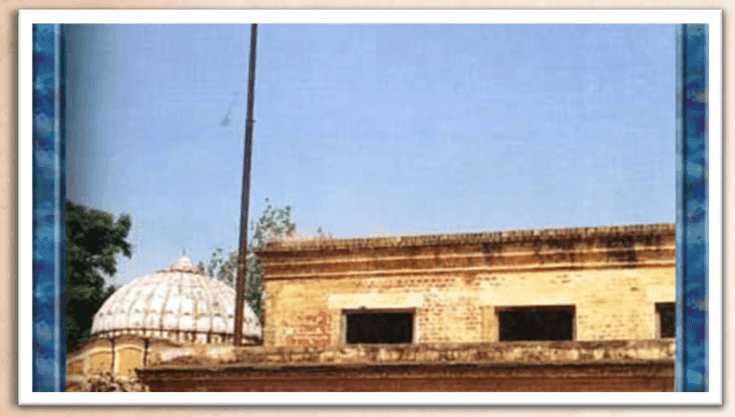
Gurdwara Baoli Sahib, Sialkot
Built on the site of Maula Karar's house in Sialkot, two hundred metres from Bair Sahib.
Sight
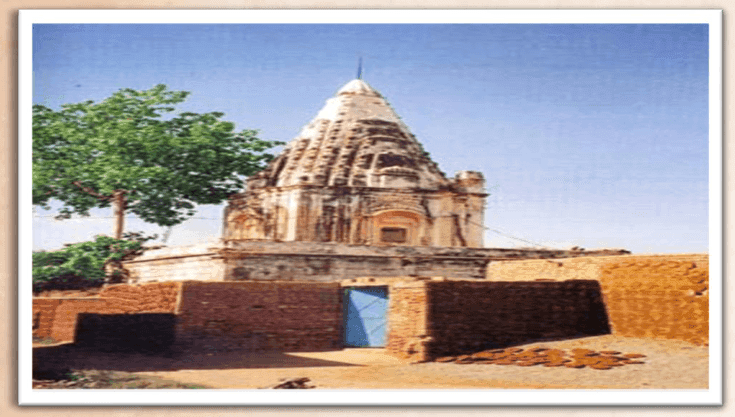
Gurdwara Nanaksar (Nanak Mandir), Sahowal
A temple-like gurdwara in Sahowal where Guru Nanak stayed for seven days, once standing in a 25-ghumaon pond.
Sight
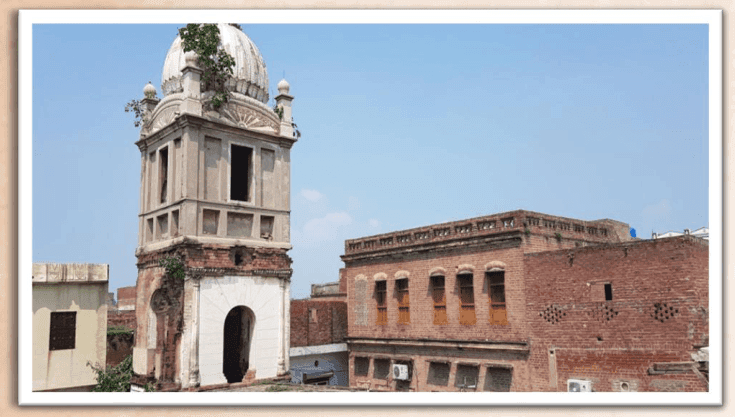
Gurdwara Chhevin Patshahi, Ghalotian Khurd
The tallest building in Ghalotian Khurd, a domed gurdwara of Guru Hargobind with a white marble prakash room.
Sight
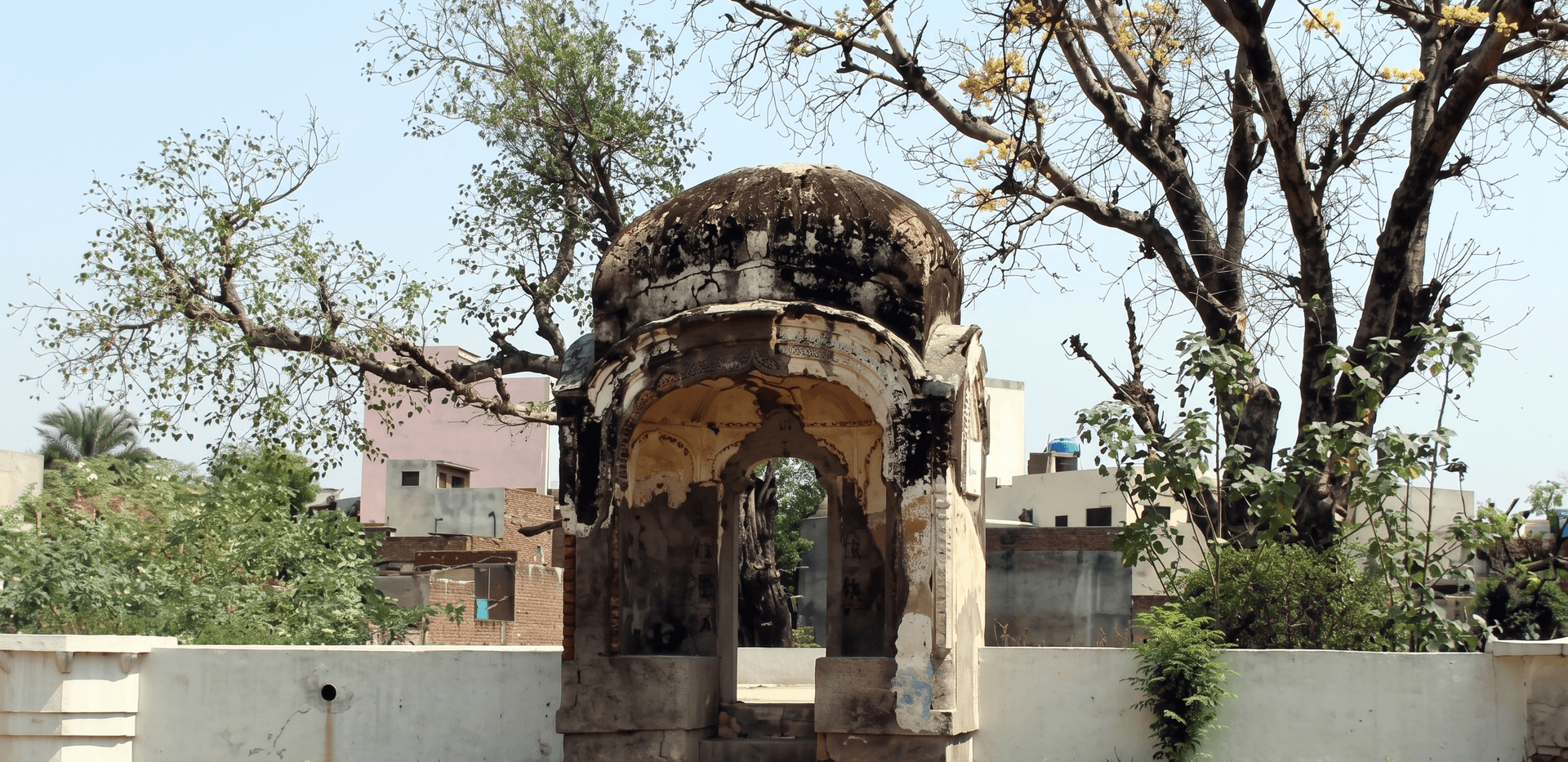
Gurdwara Manji Sahib, Deokay (Pasrur)
Where Guru Nanak held his discourse with the Sufi Mian Mittha, near Pasrur.
Sight
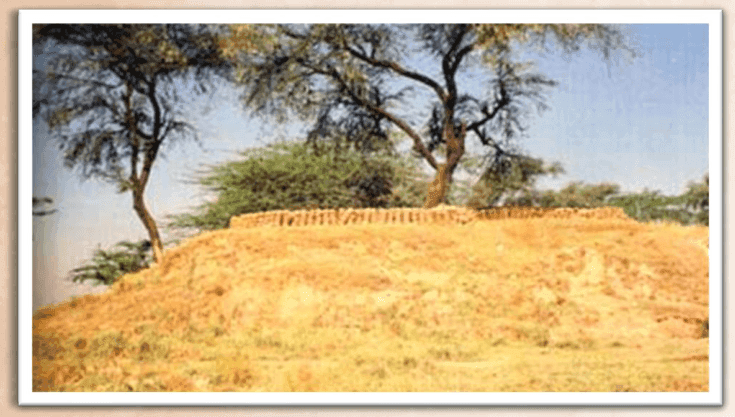
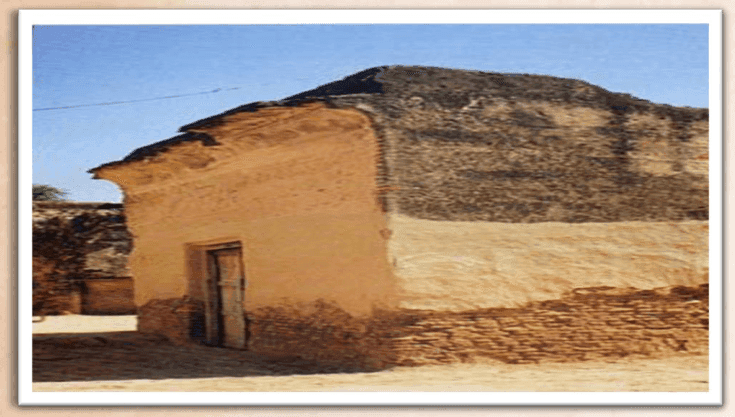
Gurdwara Pehli Patshahi, Mallah
Where Guru Nanak rested under a bair tree between Kartarpur and Sialkot; the old shrine fell in the 1952 Ravi floods.
Sight
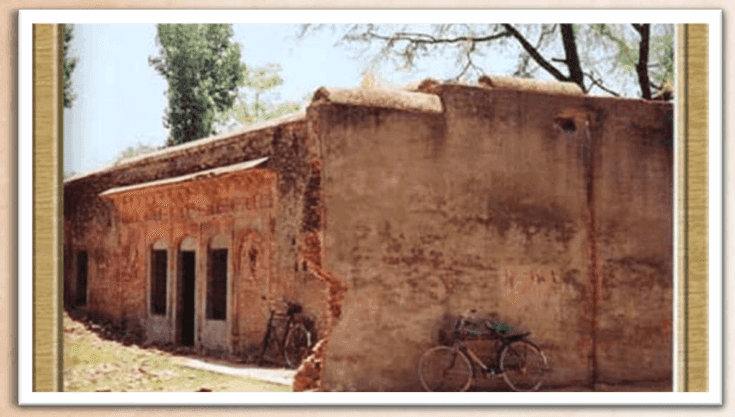
Gurdwara Tahli Sahib, Ghakka
Where Guru Har Rai stayed by a shisham tree for Bhai Fateh Chand's love; the bair tree beside it still stands.
Sight
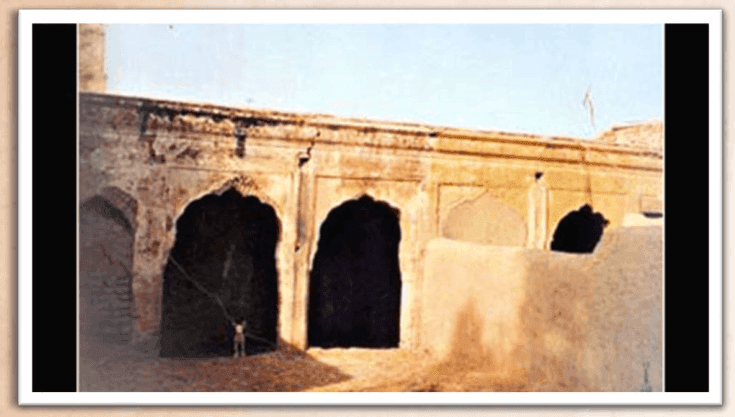
Gurdwara Baba Gurbaksh Singh, Nainakot
The mansion-like shrine of Baba Gurbaksh Singh, a descendant of Baba Budha, now a village primary school.
Sight
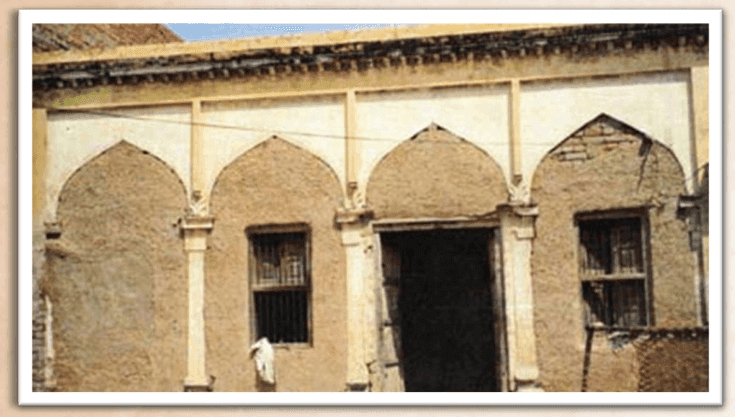
Gurdwara Sacchi Manji, Haftmadar
Where Guru Nanak's manji (bed) was kept with the Gill landowners of Haftmadar, and one shoe of Guru Amar Das.
Sight
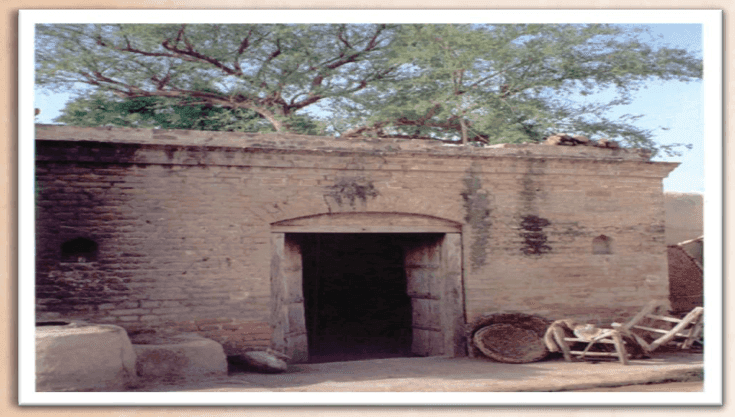
Gurdwara Ajnianwala
The seat of Surjan Das Khatri, founder of the Surjan Dasia sect and compiler of the 'Ajat Granth'.
Sight
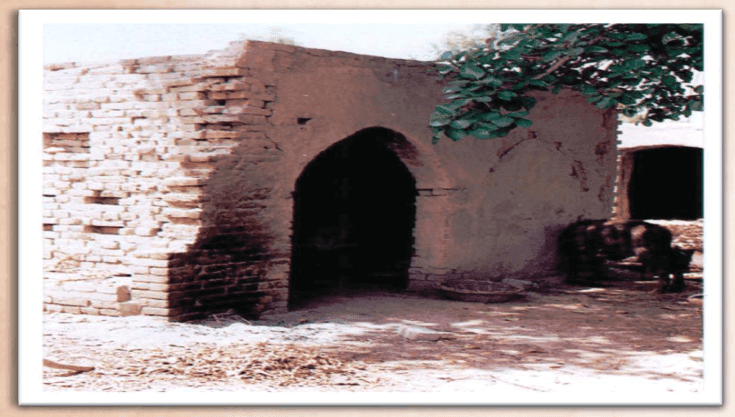
Gurdwara Chota Nanakiana, Hujra Shah Muqeem
The spot outside Hujra Shah Muqeem where Guru Nanak stopped, walking from Manak De Ke.
Sight
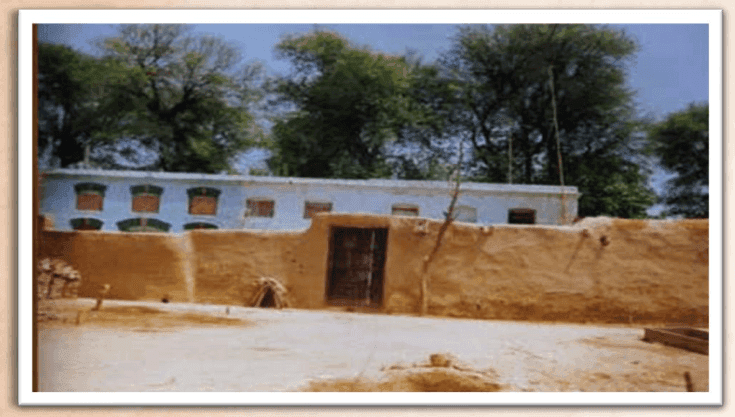
Gurdwara Chota Nanakiana, Dipalpur
Outside Dipalpur, the shrine by the pipal tree that is said to have turned green again when Guru Nanak rested under it.
Sight
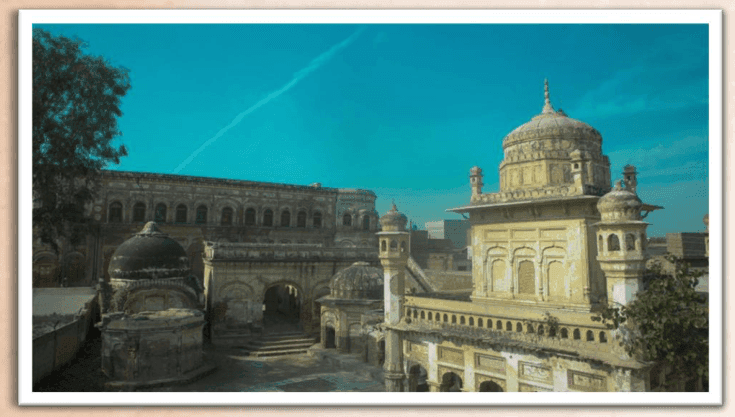
Gurdwara Ajeet Sar, Chak 11/1-L
A gurdwara in Chak 11/1-L, Okara district, part of which became the village high school.
Sight
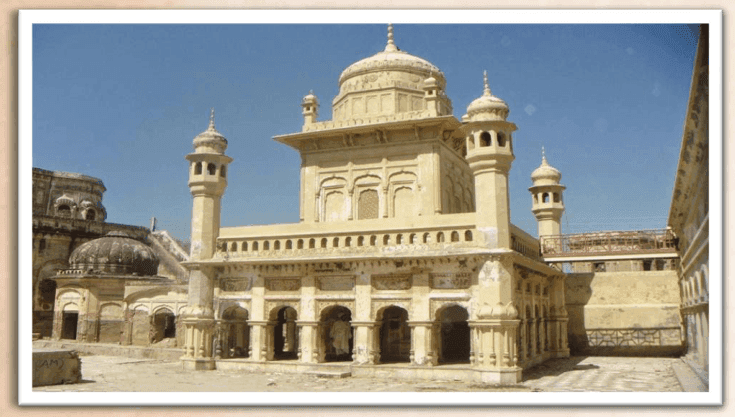
Darbar Baba Sri Chand, Bhuman Shah
A two-storey darbar of 1910 inside the Dera Baba Bhuman Shah complex, with frescoes of peacocks, tigers and elephants.
Sight
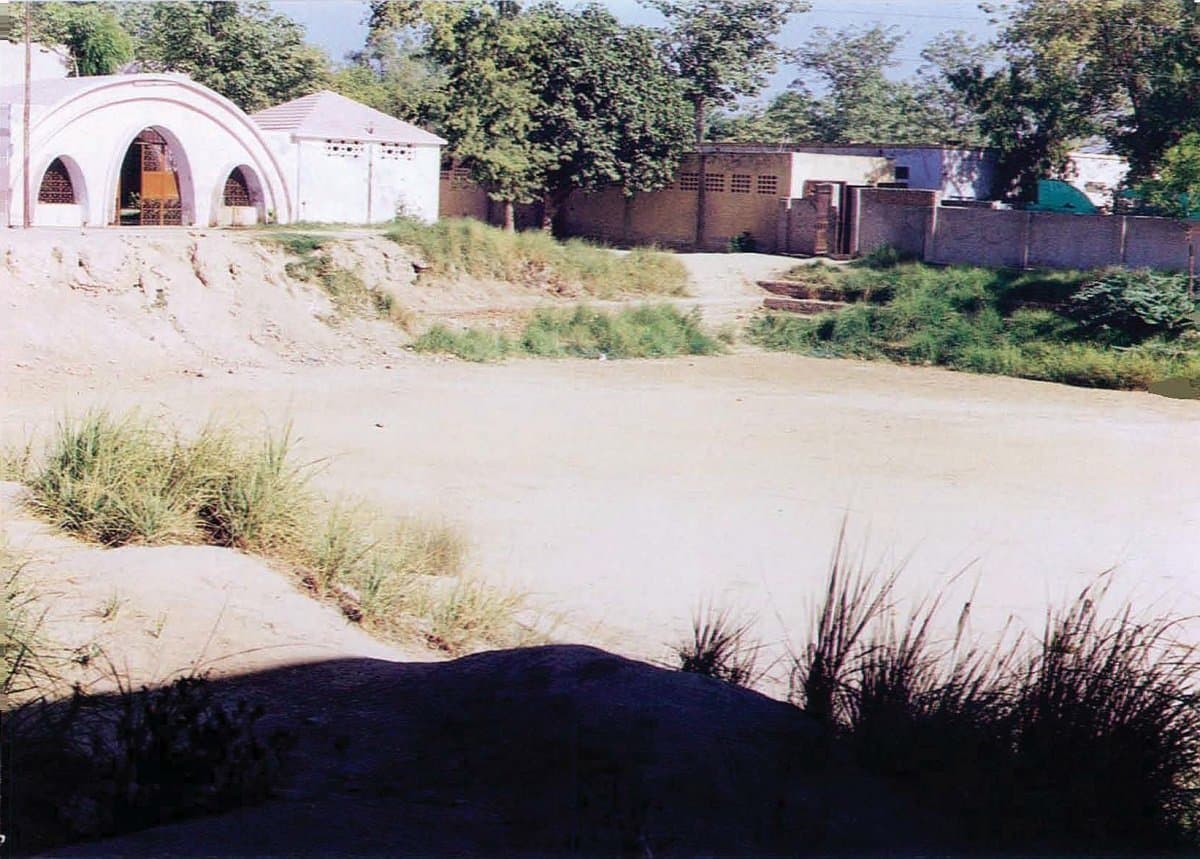
Dera Baba Bhuman Shah, Bhuman Shah
The fort-like Udasi complex of Baba Bhuman Shah (1687–1762), with hundreds of rooms, a tank and painted walls.
Sight
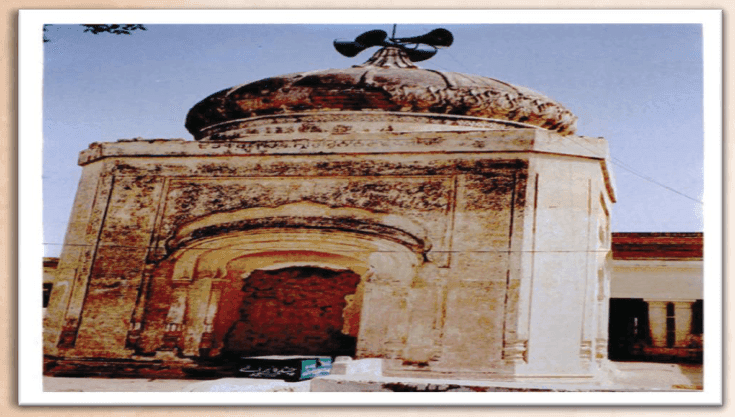
Gurdwara Nanaksar, Pakpattan
In the Samadhan quarter of old Pakpattan, where Guru Nanak stayed; only the tank survives.
Sight
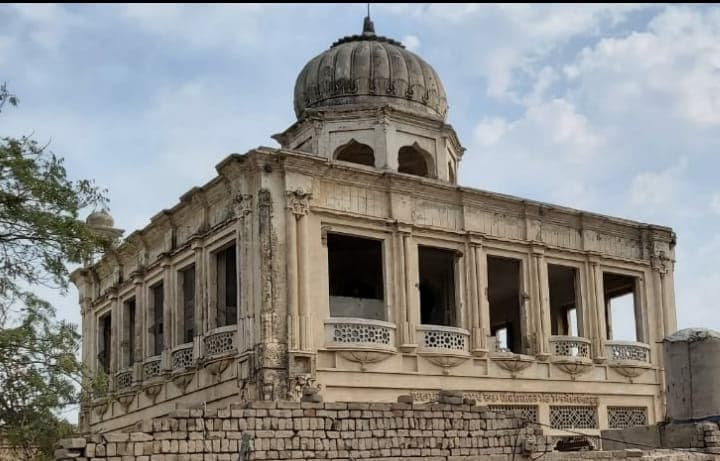
Gurdwara Nanaksar, Tibba Abhor
A large, well-kept Guru Nanak shrine on the Pakpattan–Arifwala road, with a baoli and a Persian-wheel well.
Sight
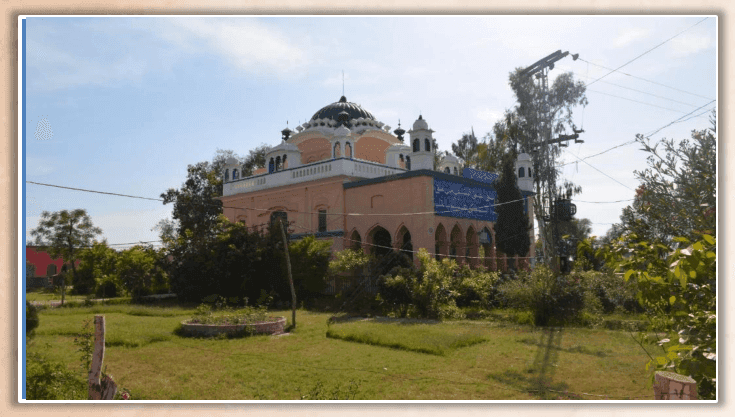
Gurdwara Nanaksar, Harappa
A grand Guru Nanak shrine in a grove about 1.25 km south of the Harappa ruins, begun in 1941.
Sight
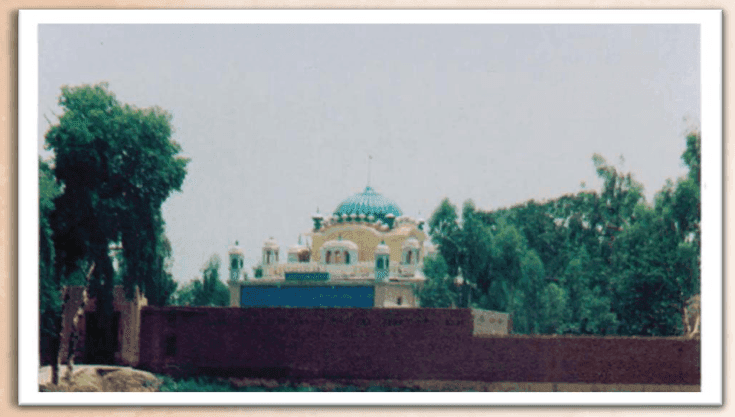
Gurdwara Sajjan Thag, Makhdoompur Pahoran
The inn of Sajjan the robber, who became Guru Nanak's follower, turned into a gurdwara near Tulamba.
Sight
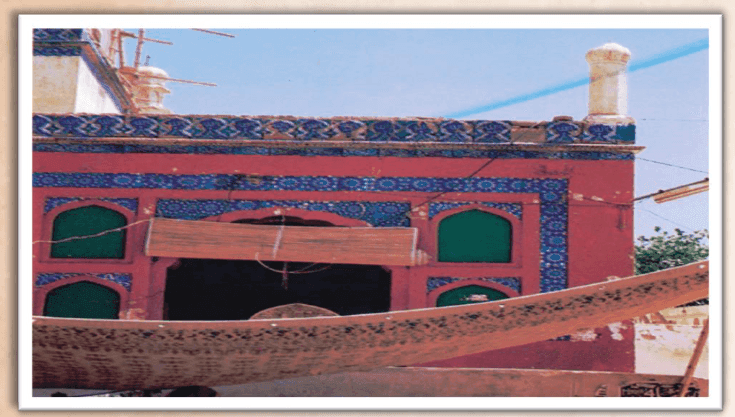
Thara Sahib, Shah Shams Tomb, Multan
The seat in the corridor of Shah Shams Sabzwari's tomb that marks Guru Nanak's stay in Multan.
Sight
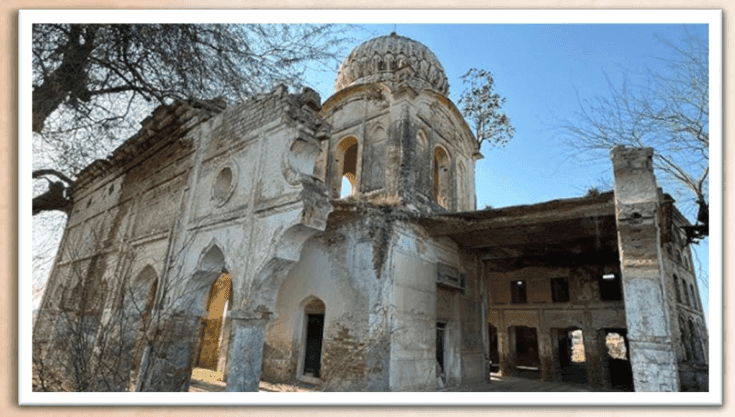
Guru Nanak's Well (Karrare da Khoh), Uch Sharif
The well in the fields at Uch Sharif known as Guru Nanak's well, near the shrine of Jalaluddin Bukhari.
Sight
Gurdwara Kot Bhai Than Singh, Fateh Khan
The samadh and gurdwara of the saint Baba Than Singh, built under Maharaja Ranjit Singh in Fateh Khan village, Attock.
Sight
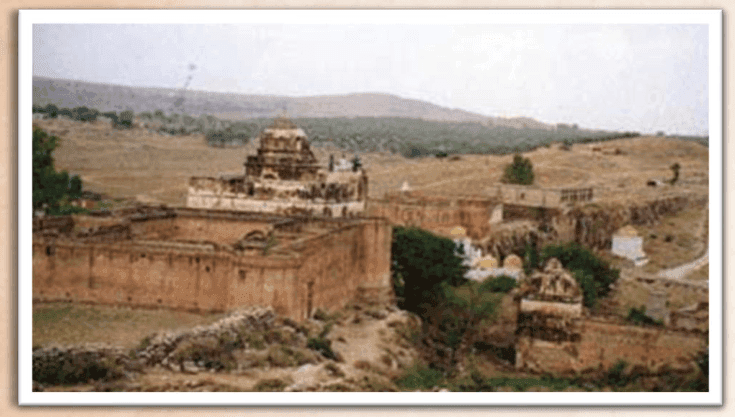
Nanak Niwas, Katas Raj
The place at Katas Raj where Guru Nanak stayed on the first of Vaisakh, among the temples around the sacred pool.
Sight
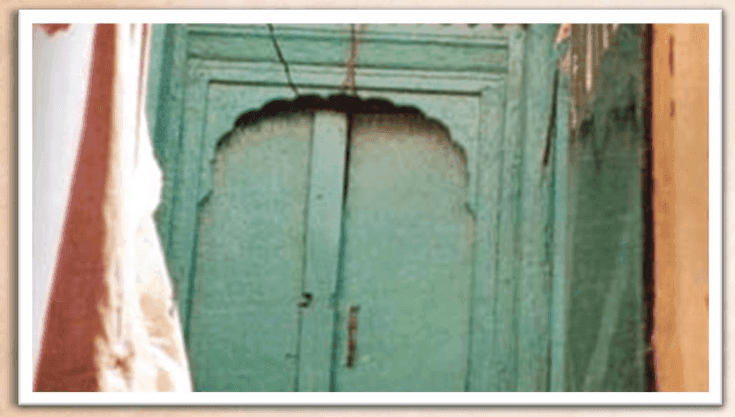
Thara Sahib, Sakhi Sarwar
The place where Guru Nanak stayed at Sakhi Sarwar, inside the tomb compound of Hazrat Sakhi Sarwar.
Sight
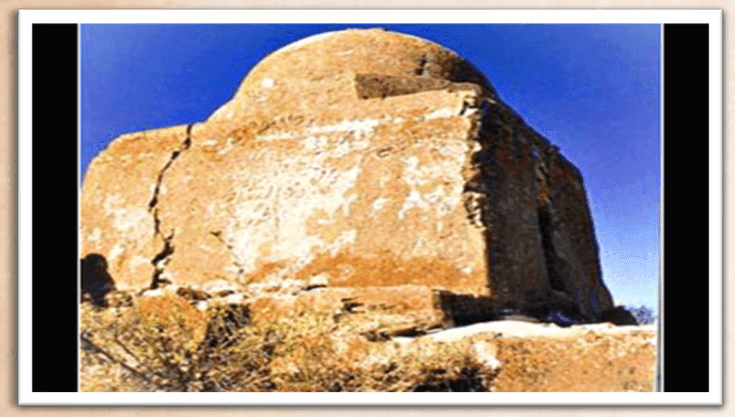
Guru Nanak's Shrine, Tilla Jogian
The shrine on Tilla Jogian where Guru Nanak met the jogi Bal Gondai, the hill where Ranjha became a jogi.
Sight
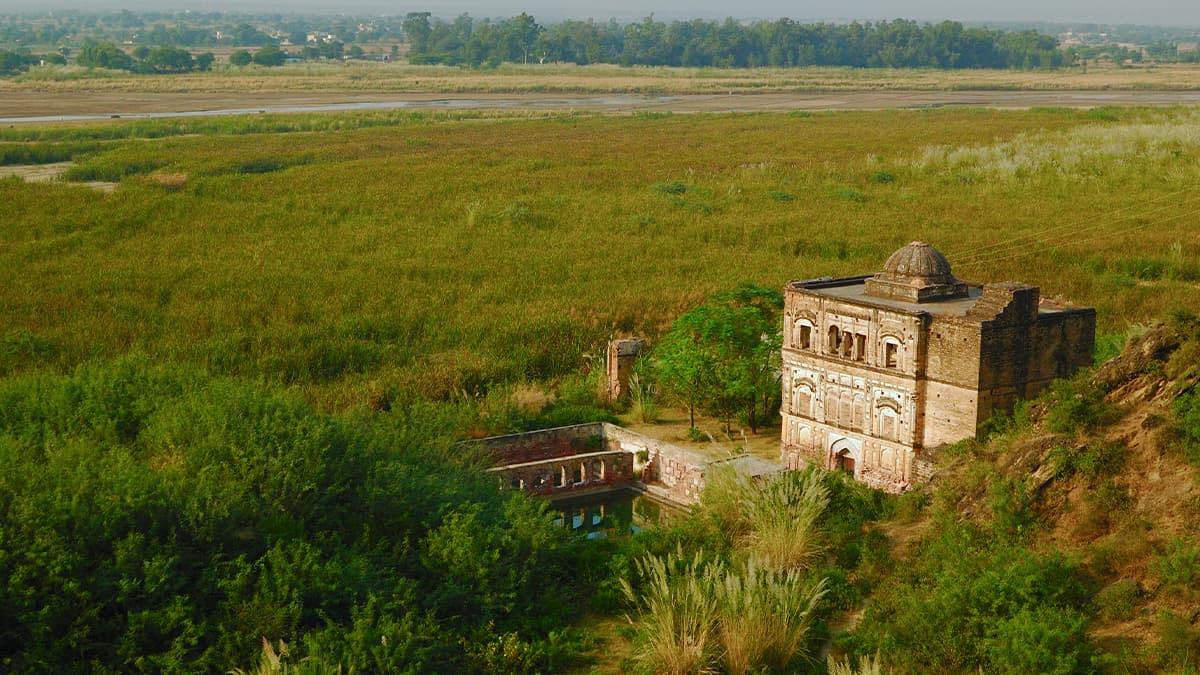
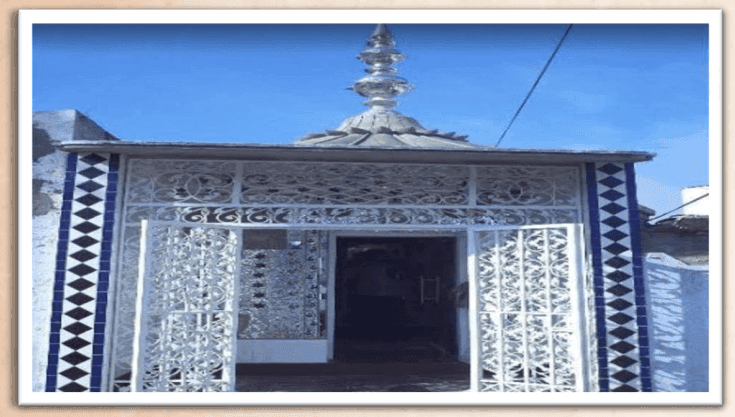
Gurdwara Chowa Sahib, Rohtas
The 1834 gurdwara outside Rohtas Fort's Kabuli Gate, at the spring Guru Nanak is said to have struck from the rock.
Sight
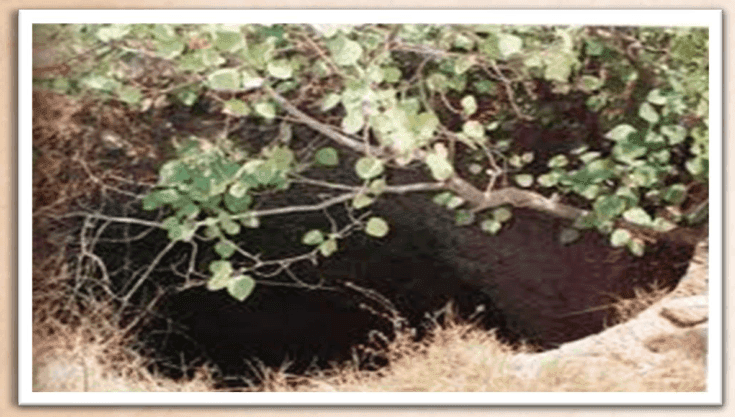
Janam Asthan Mata Sahib Kaur, Rohtas
The birthplace of Mata Sahib Kaur, wife of Guru Gobind Singh, inside Rohtas Fort.
Sight
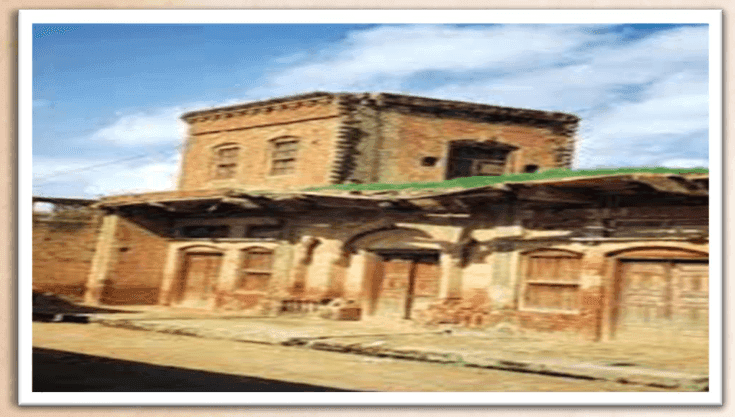
Gurdwara Nanaksar (site), Dinga
Where Guru Nanak exposed an ascetic's false fast at Dinga; the shrine has collapsed.
Sight
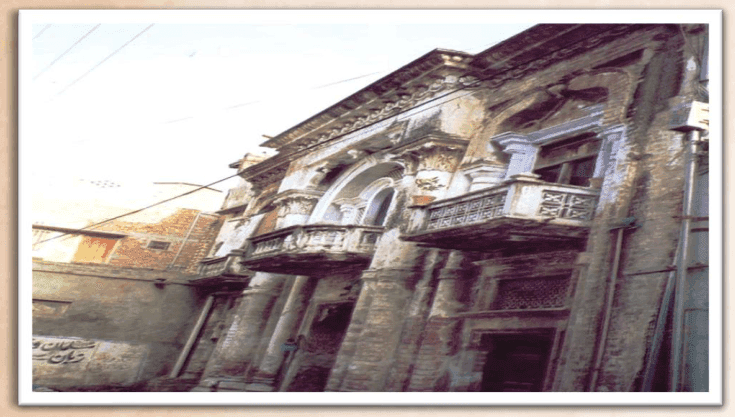
Gurdwara Chhevin Patshahi, Buzurgwal
Where Guru Hargobind stayed returning from Kashmir to Gujrat; only faint marks of the gurdwara remain.
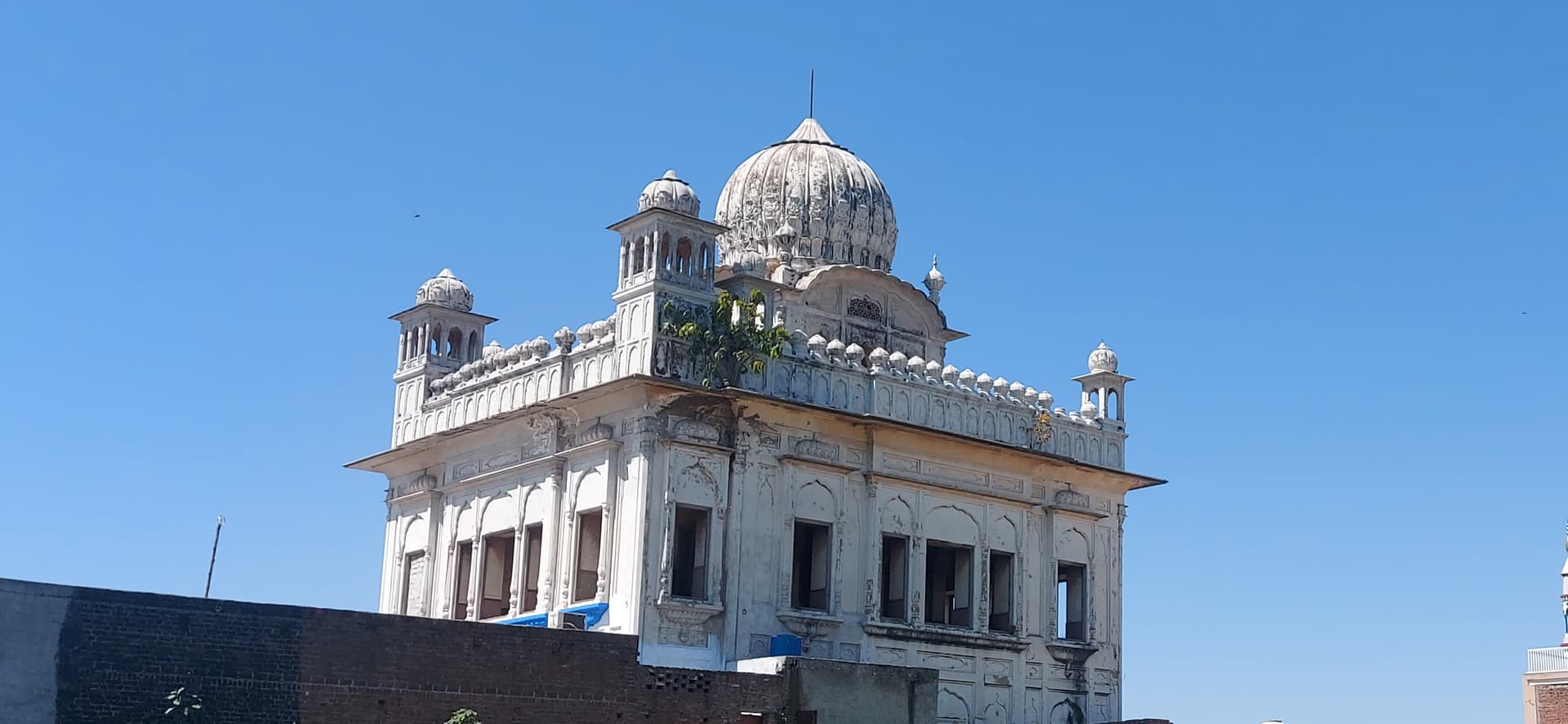
Sight
Haveli Chhevin Patshahi, Gujrat
Inside Gujrat's Kabuli Gate, the house where Guru Hargobind stayed on his way back from Kashmir.
Sight
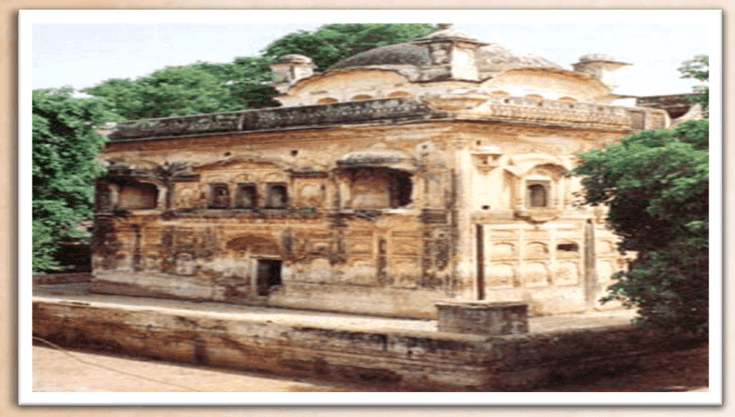
Gurdwara Kair Sahib, Jai Sukh Wala
A three-storey Ranjit Singh-era gurdwara where Guru Nanak dissuaded an angry mystic from cursing the village.
Sight
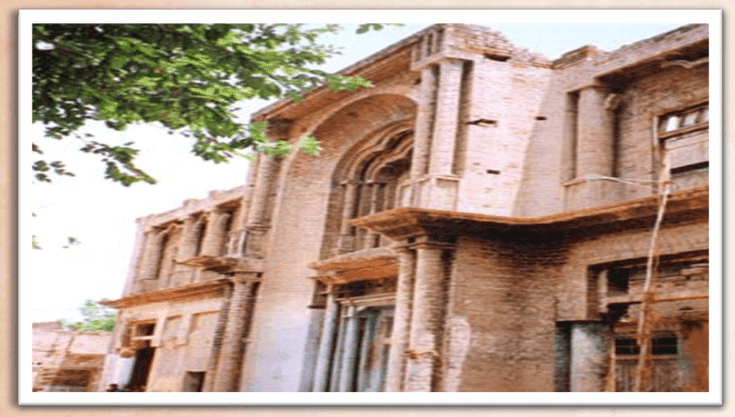
Gurdwara Bhai Bannu, Mangat
The home of Bhai Bannu, devotee of Guru Arjan, whose 'Bhai Bannu wali beerr' of the Granth was kept here.
Sight
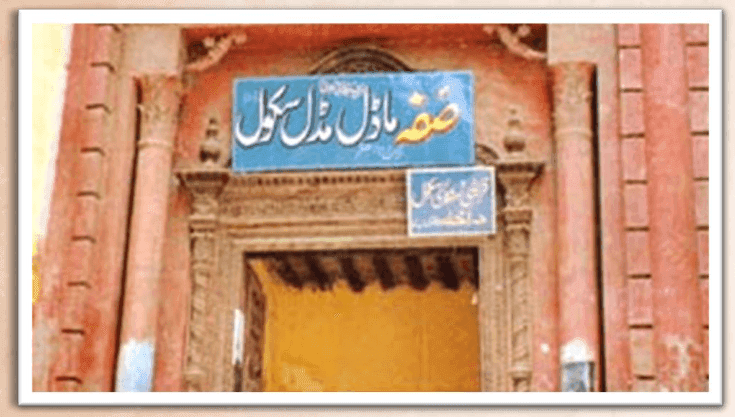
Gurdwara Bhai Khan Chand, Jhang
A well-known gurdwara in Chambeli Bazaar, Jhang-Magghiana, rebuilt by the Government of Pakistan in 1953–54.
Sight
Dharamsala Bhai Hema Ji, Jhang
A three-storey pilgrims' dharamsala built by Bhai Hema for the fair on Guru Nanak's birthday.
Sight
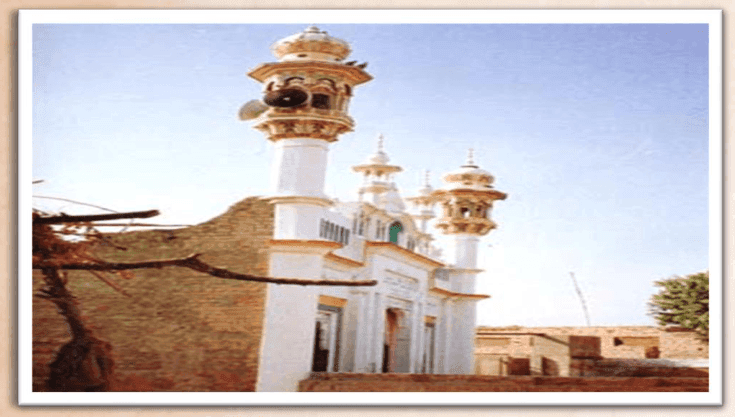
Gurdwara Garh Fateh Shah
A village gurdwara abandoned in 1947 and turned into a mosque in 1990, still called the 'gurdware wali maseet'.
Sight
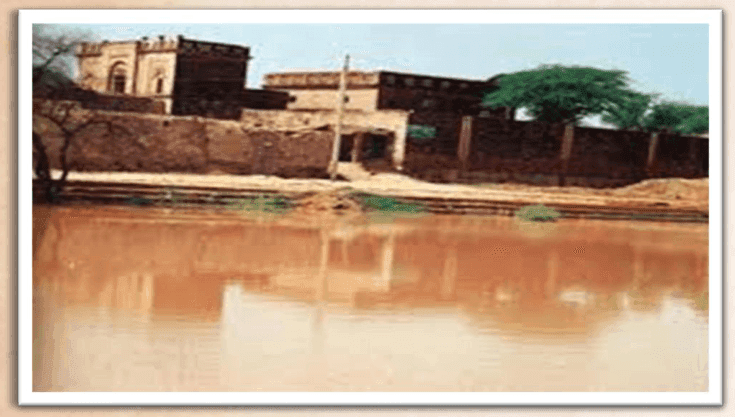
Gurdwara Nanaksar, Jhang
A spacious gurdwara on a mound outside Jhang, where Guru Nanak stayed, with a fine tank on its right.
Sight
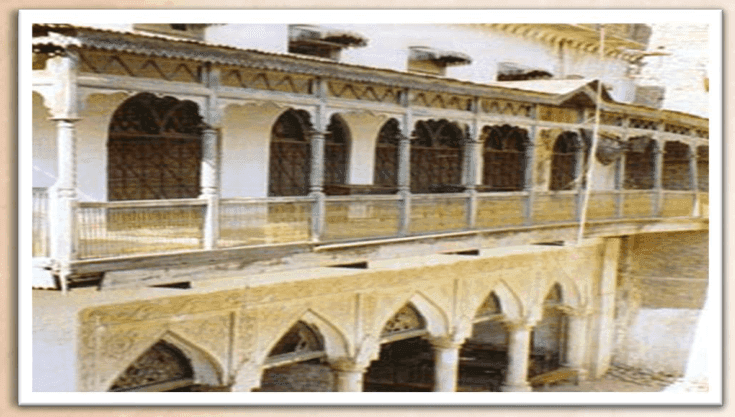
Gurdwara Nirankari, Rawalpindi
The birthplace of the Nirankari movement, founded by Bhai Dayal Singh, in Rawalpindi's Narankari Bazaar.
Sight
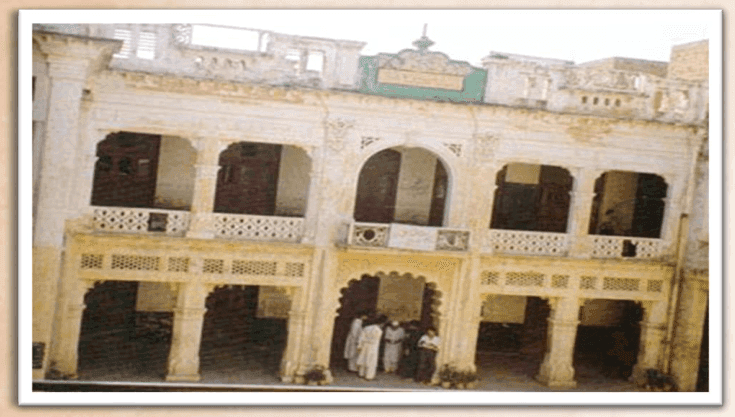
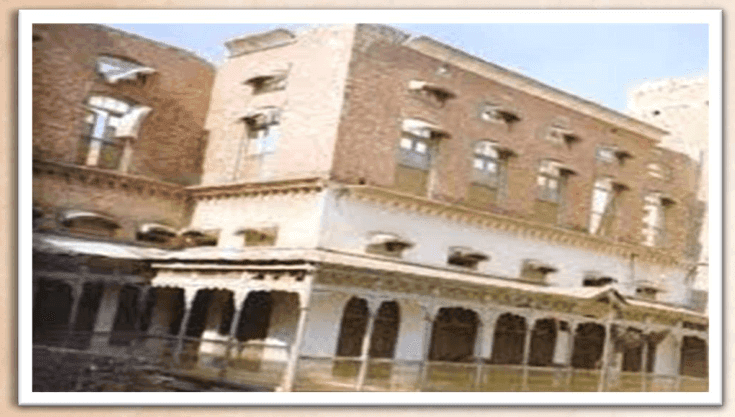
Gurdwara Singh Sabha, Rawalpindi
The large double-storey gurdwara in Raja Bazaar that was the centre of Rawalpindi's Akali Sikhs.
Sight
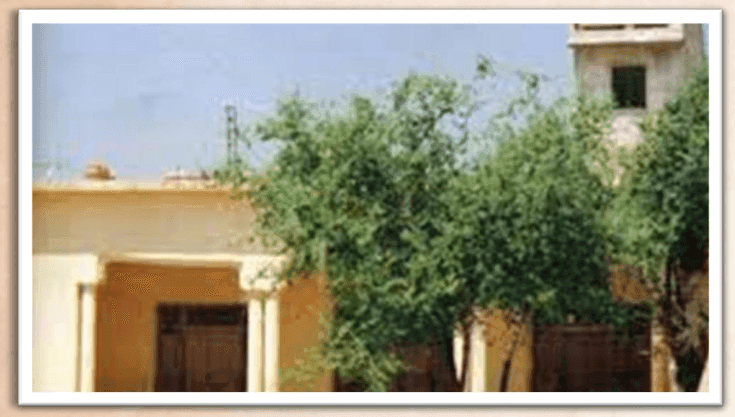
Gurdwara Bhai Mani Singh, Rawalpindi
A double-storey darbar in Rawalpindi's Sarrafa Bazaar, built in memory of Bhai Mani Singh.
Sight
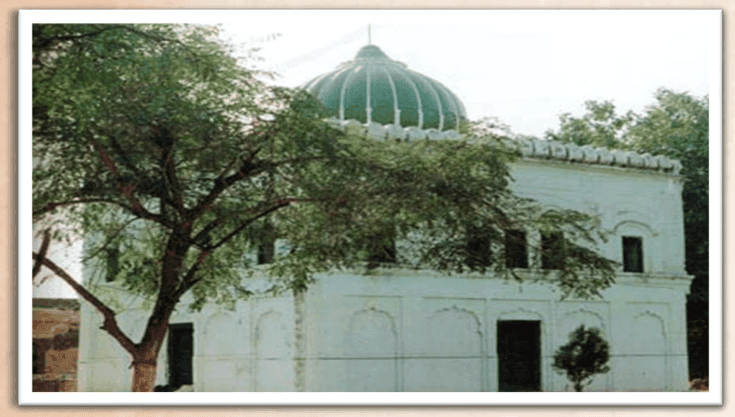
Gurdwara Damhial, Rawalpindi
The village gurdwara where shoes given by Guru Gobind Singh and Mata Sahib Kaur to two devotees were kept.
Sight
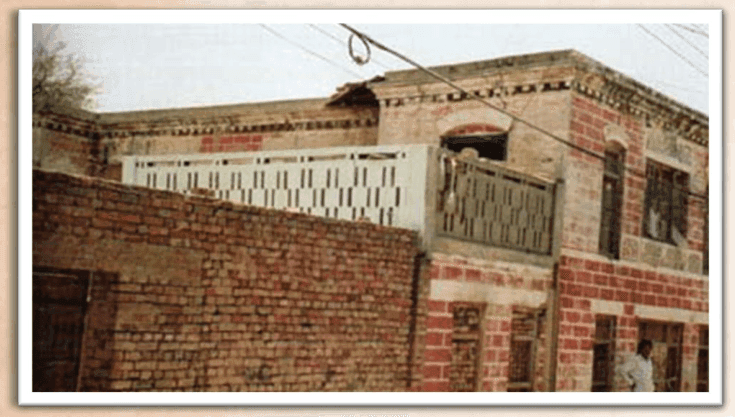
Gurdwara Rori Sahib (Chhevin Patshahi), Hafizabad
Also called Rori Sahib and Killa Sahib: where Guru Hargobind rested and tied his horse, coming from Rasul Nagar.
Sight
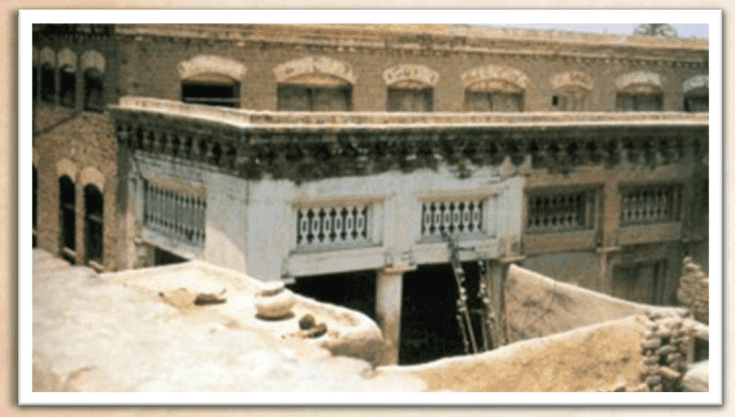
Gurdwara Ichcha Parak, Vinni
A house-like gurdwara in Vinni marking Guru Hargobind's short visit from Hafizabad.
Sight
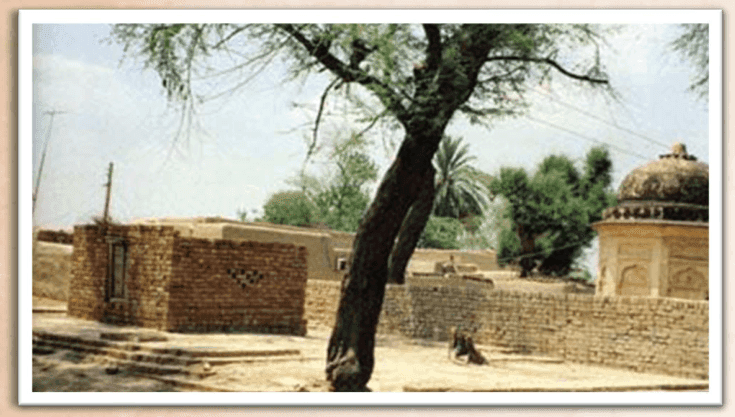
Gurdwara Guru Amar Das, Dhunni
Where one of the pair of shoes Guru Amar Das gave his devotee Bhai Cheena Mal was kept.
Sight
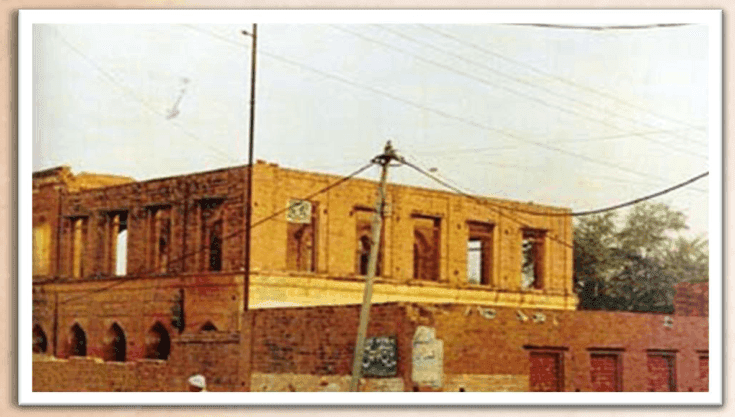
Gurdwara Chhevin Patshahi, Baache
Where Guru Hargobind preached in the tiny village of Baache, coming from Vinni.
Sight
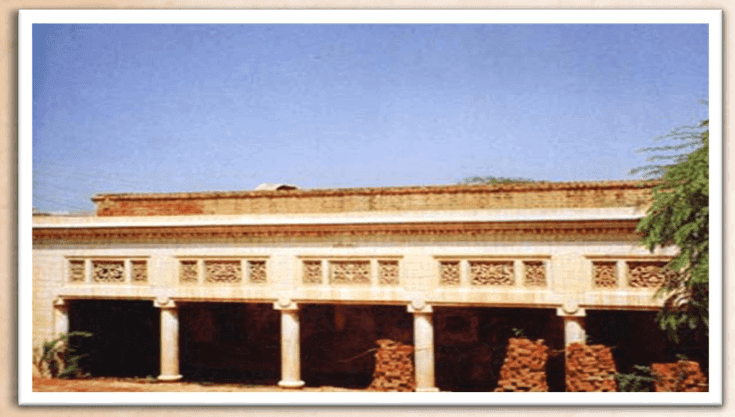
Gurdwara Panjvin Patshahi, Beherwal
Where Guru Arjan turned a brackish well sweet, the story goes, and blessed Bhai Hema, forebear of the Nakai Misl.
Sight
Gurdwara Shaheed Bhai Dalip Singh, Chak 132 RB
A gurdwara in memory of Shaheed Bhai Dalip Singh, whose courtyard now holds the village's Jamia Mosque.
Sight
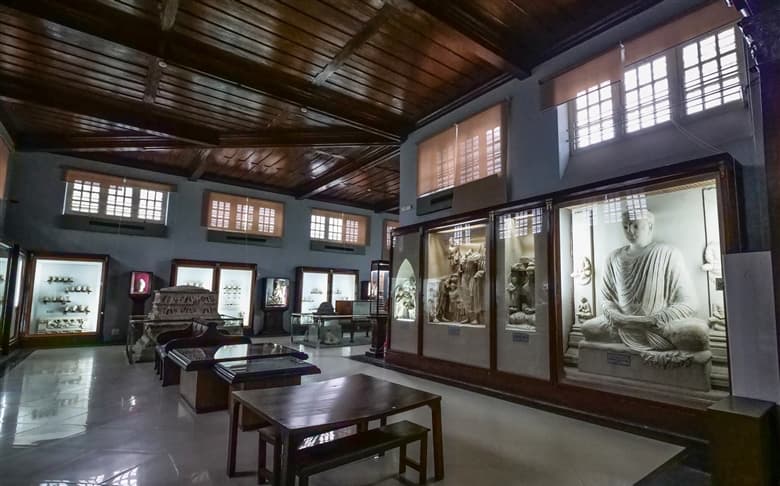
Taxila Museum
The Taxila Museum is a prominent museum located in Taxila, Punjab, Pakistan, and is renowned for its extensive collection of Gandharan art dating from the 1st to 7th centuries CE.
Sight
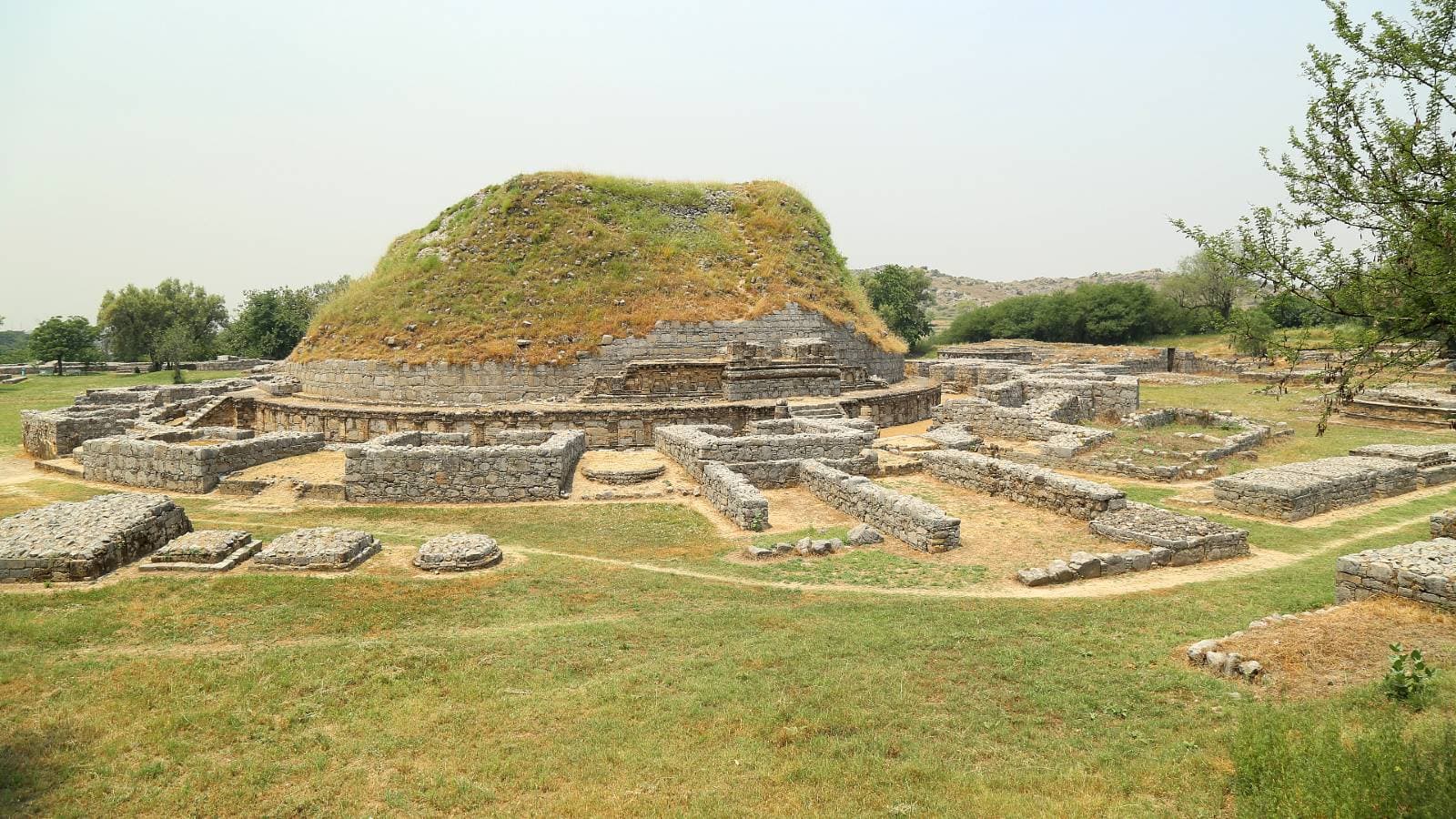
Dharmarajika Stupa, Taxila
The Dharmarajika Stupa is a significant Buddhist site near Taxila, Pakistan, built by Emperor Ashoka in the 3rd century BCE to house relics of the Buddha.
Sight
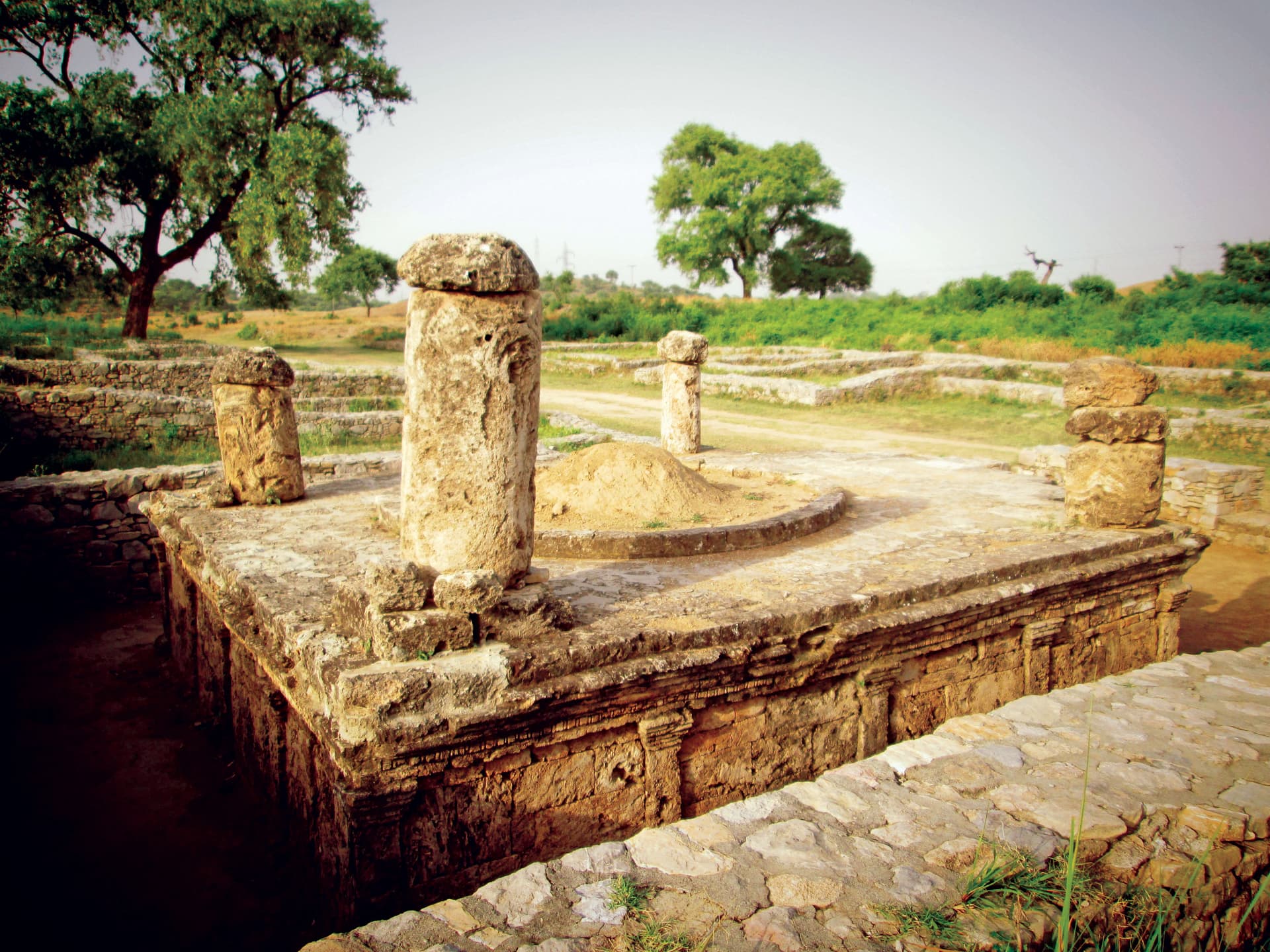
Bhir Mound, Taxila
The Bhir Mound is an important archaeological site in Taxila, Punjab, Pakistan, containing some of the earliest ruins of the ancient city, dating back to 800–525 BC.
Sight
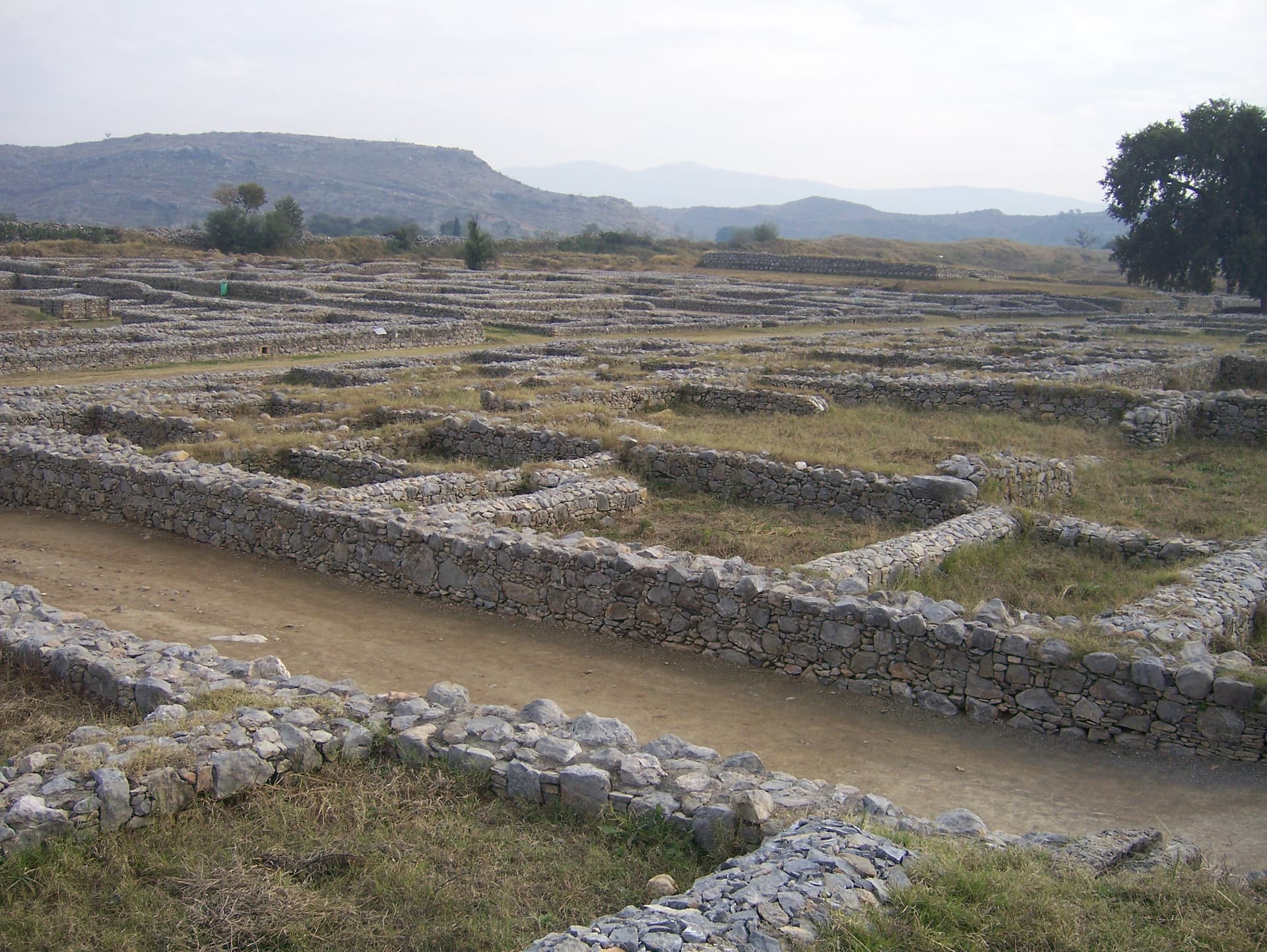
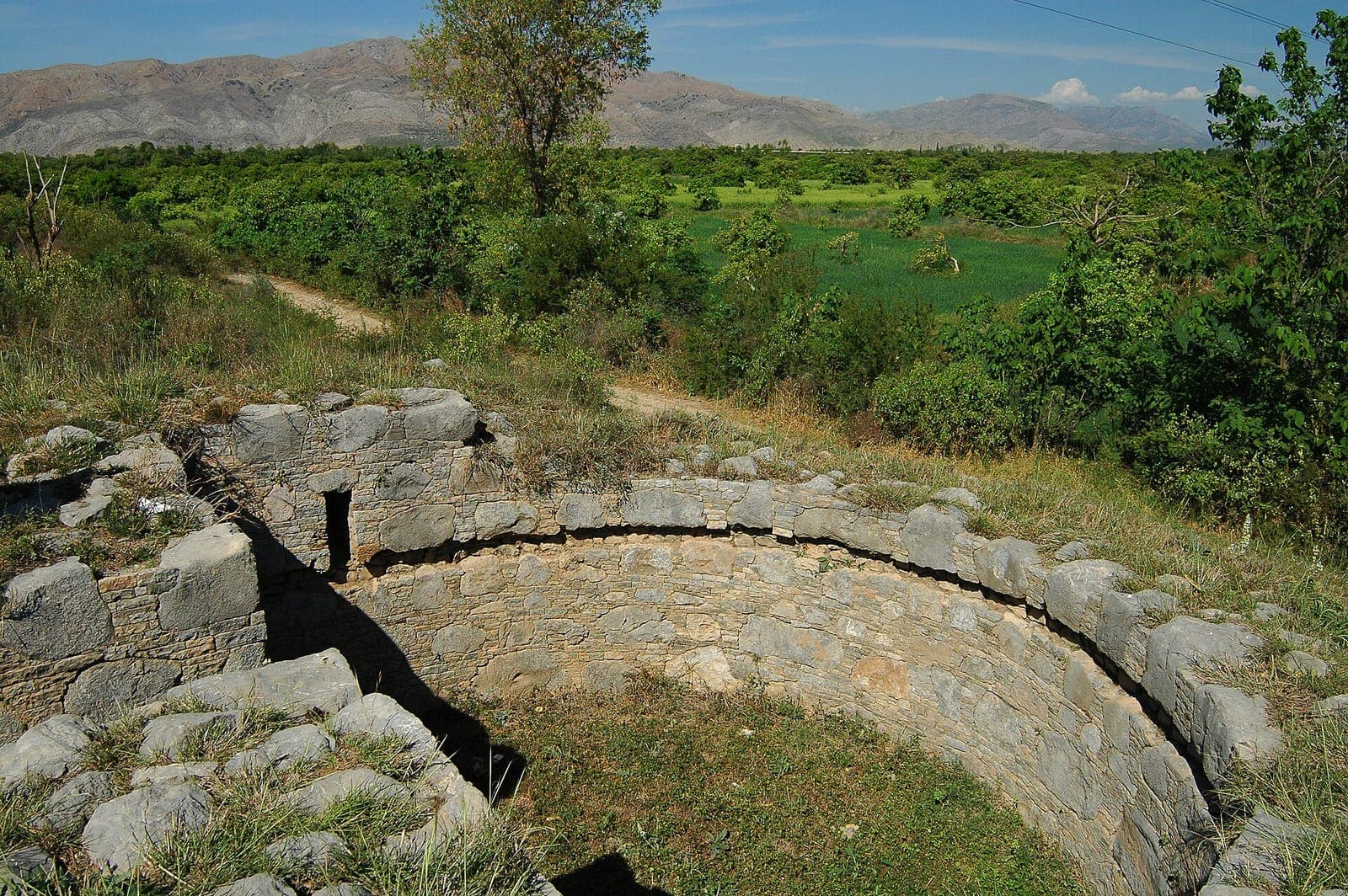
Sirkap, Taxila
Sirkap, located near Taxila, was founded by the Greco-Bactrian king Demetrius around 180 BC and was later rebuilt by King Menander I.
Sight
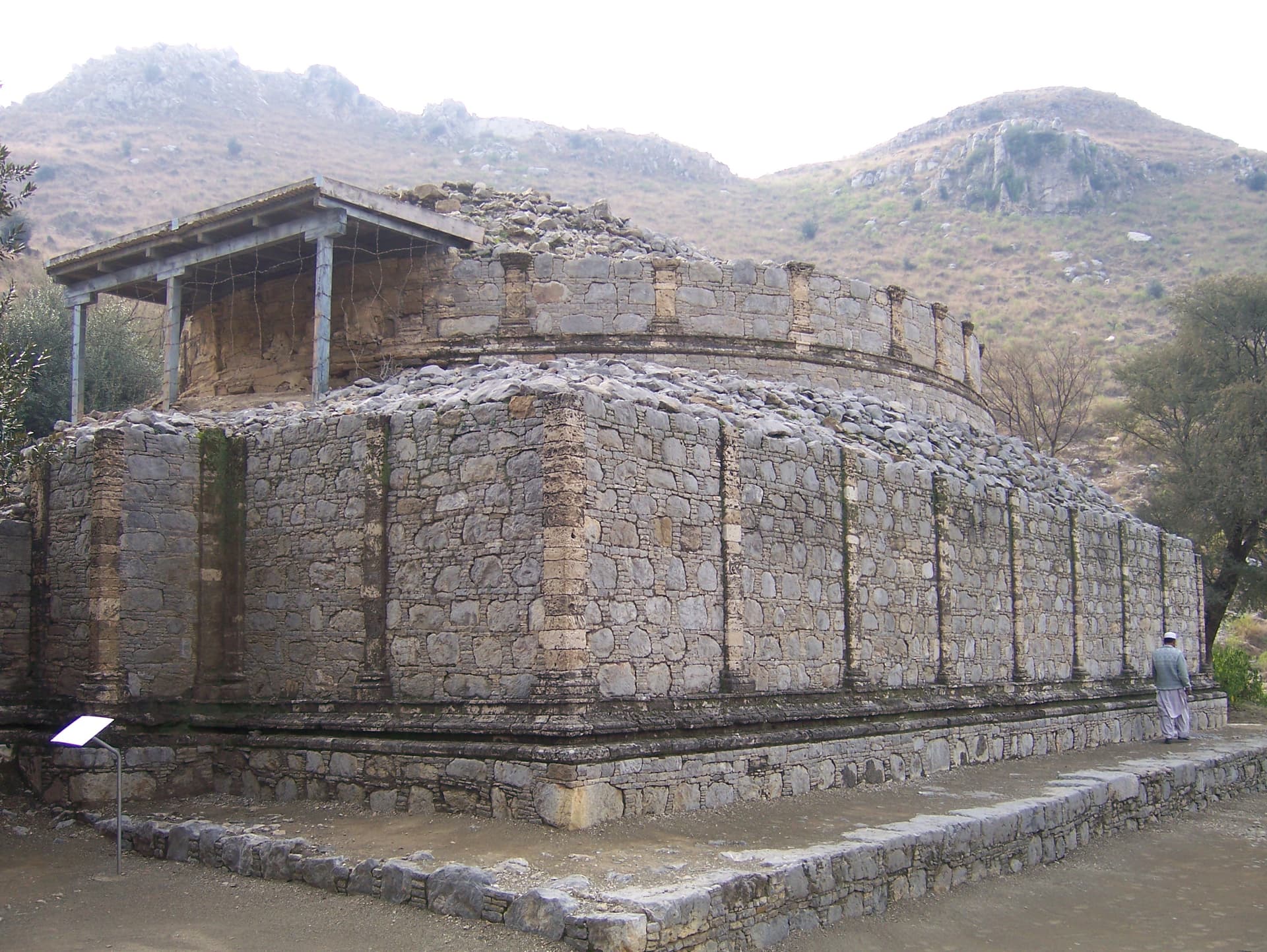
Sirsukh, Taxila
The city of Sirsukh is said to have been founded during the Kushan era after 80 CE, and is the last of the great ancient cities of Taxila.
Sight
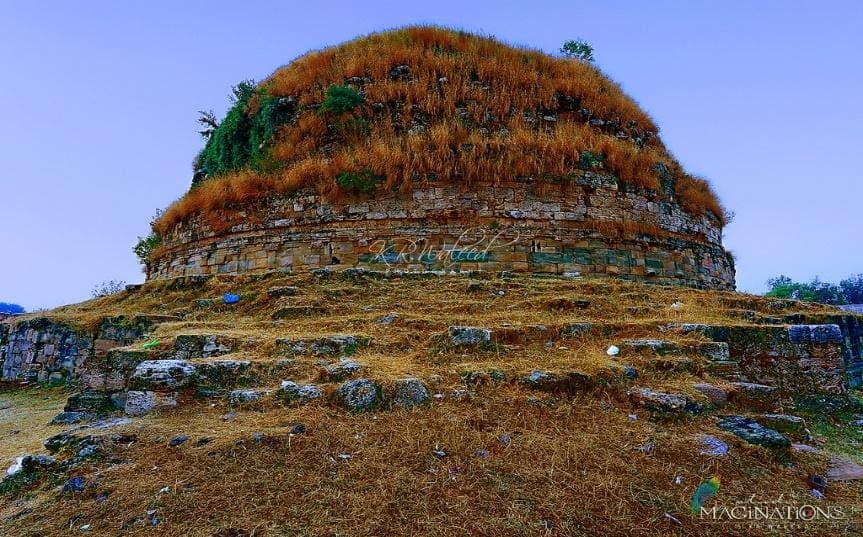
Mohra Moradu, Taxila
Mohra Muradu is an important archaeological site near Taxila in Punjab, Pakistan, renowned for its Buddhist stupa and monastery.
Sight
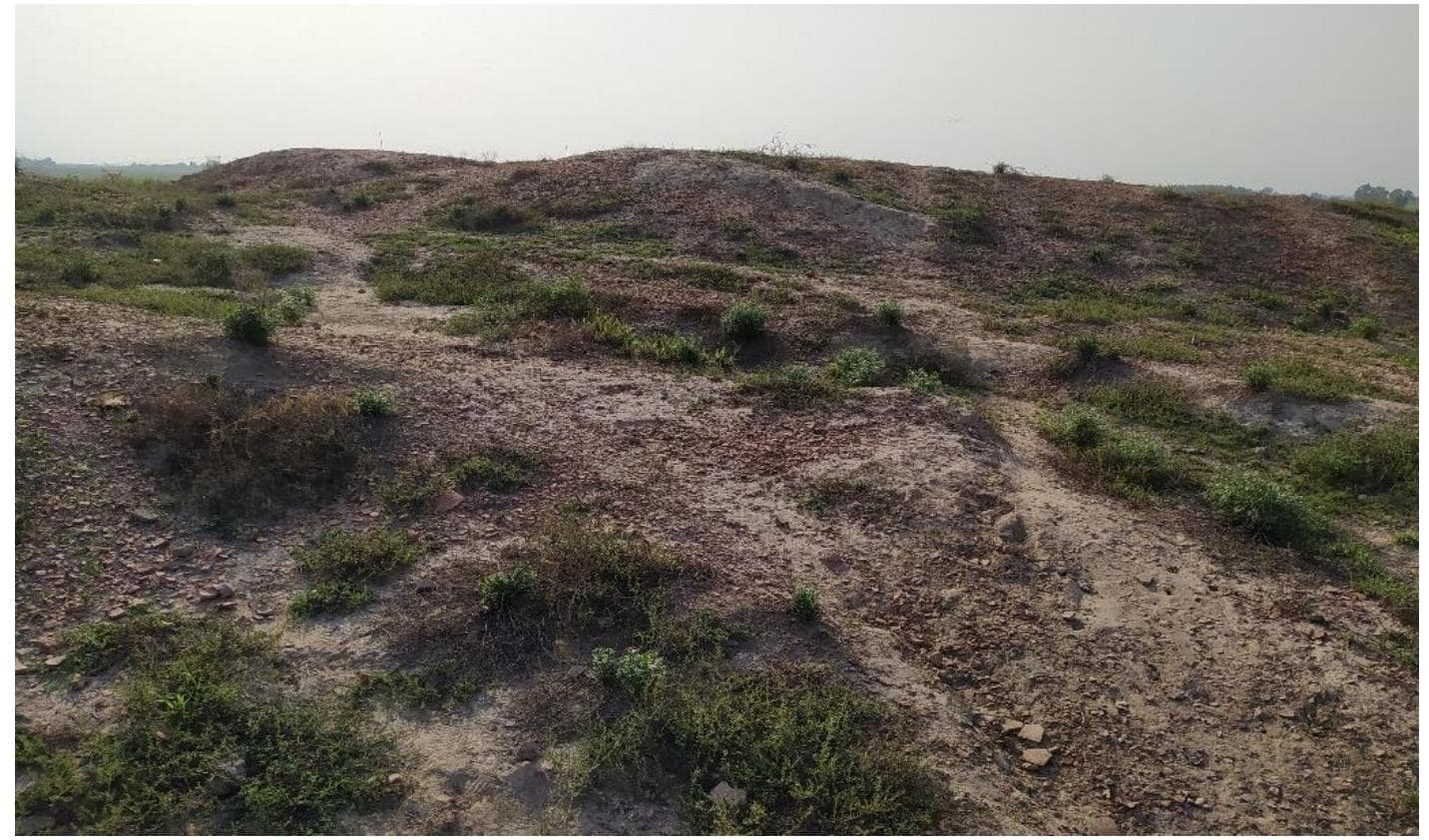
Mankiala Stupa, Rawalpindi
The Manikyala Stupa is a significant Buddhist site located near Tope Mankiala, in Pakistan’s Pothohar region, roughly 36 km southeast of Islamabad, close to Rawalpindi.
Sight
Rokhri (site), Mianwali
The ancient Buddhist site of Rokhri, located near the Indus River in Mianwali District, Punjab, revealed important Gandhāran-era remains including stucco heads, coins, pottery, and architectural fragments.
Sight
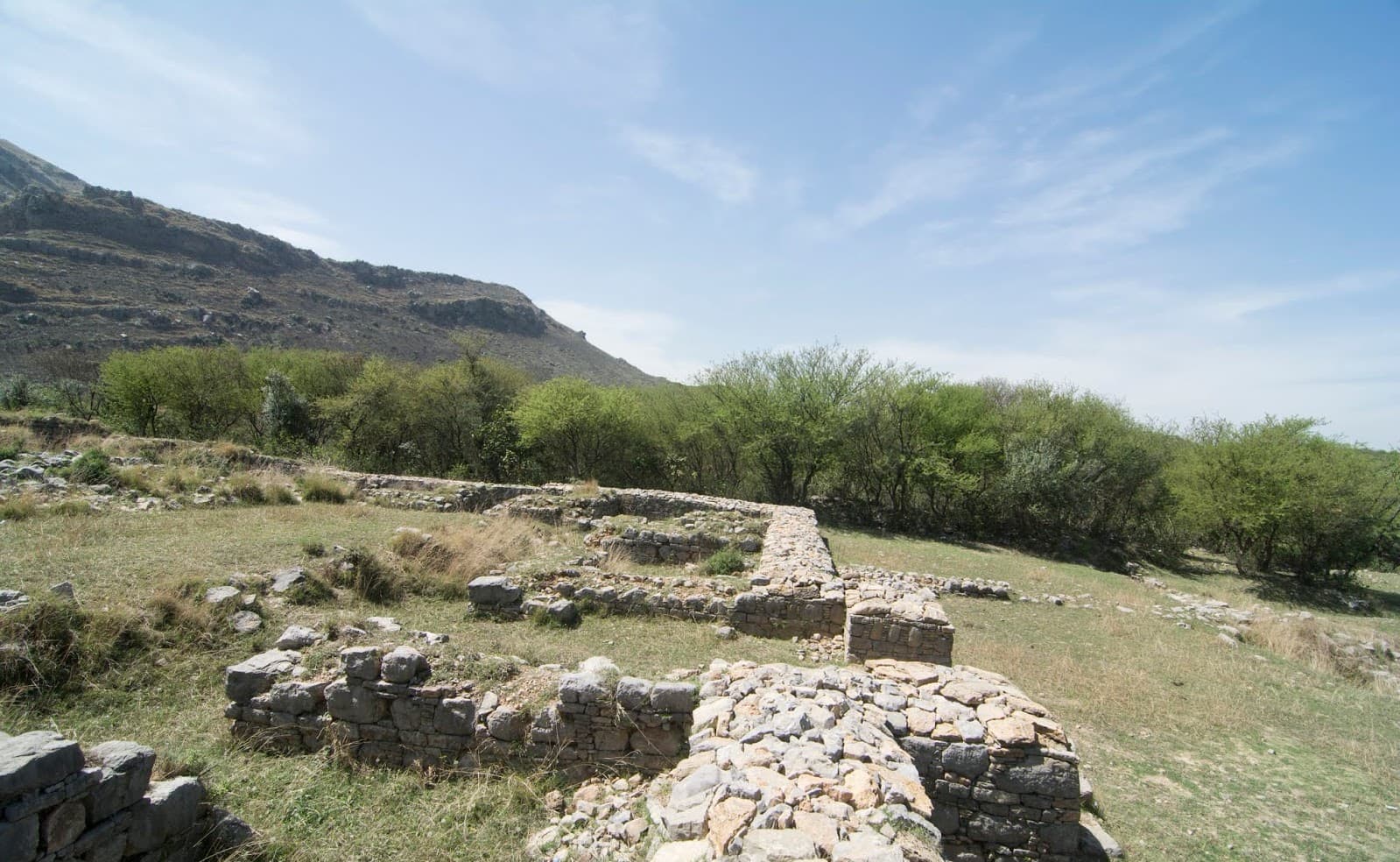
Giri Buddhist Remains, Taxila
The Giri Remains is an archaeological site located in Rawalpindi, Punjab, Pakistan.
Sight
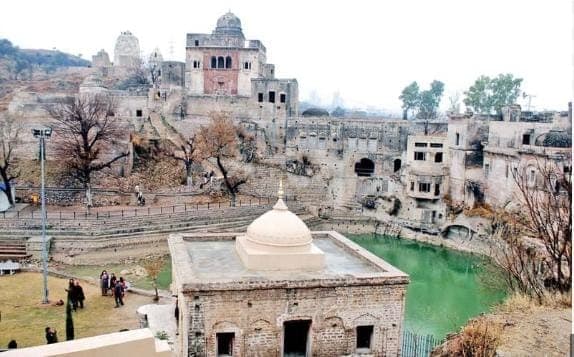
Katas Raj Stupa Remains, Chakwal
The Katas Raj Temples have a significant connection to both Hindu and Buddhist traditions, with historical ties to both religions.
Sight
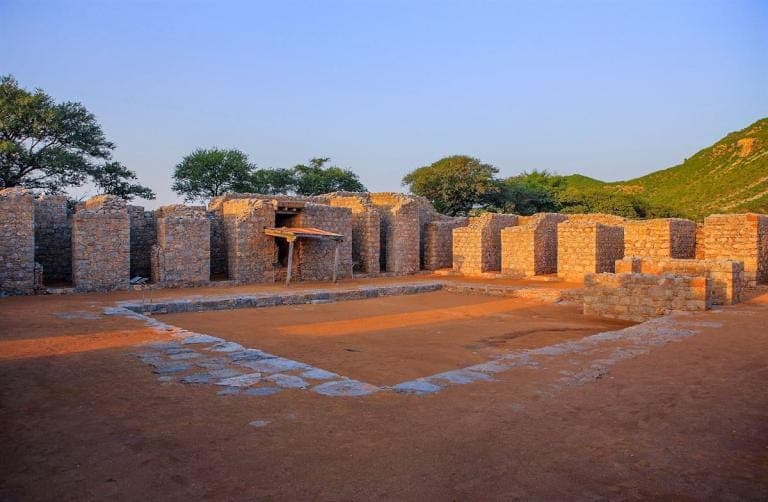
Jaulian Buddhist Monastery, Taxila
Jaulian is a ruined Buddhist monastery dating from the 2nd century CE, located in Taxila, Pakistan, and is part of the UNESCO World Heritage Site, the Ruins of Taxila.
Sight
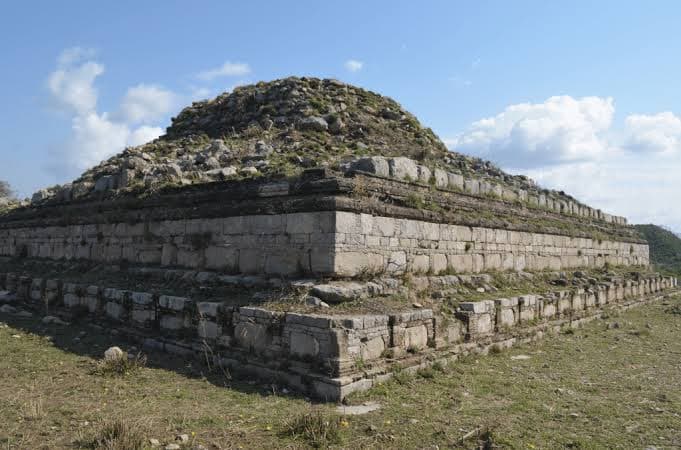
Kunala Stupa, Taxila
Kunala Stupa is a Kushan-era Buddhist stupa and monastery complex located southeast of Taxila, Pakistan, dating back to the 2nd century CE.
Sight
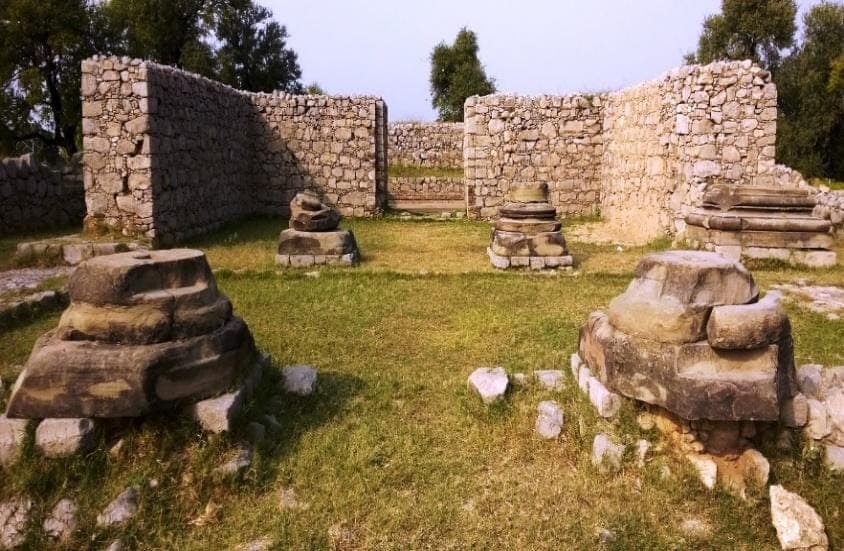
Jandial Temple, Taxila
Jandial is an ancient temple located near Taxila in Punjab, Pakistan, renowned for its Ionic columns and Hellenistic architectural style.
Sight
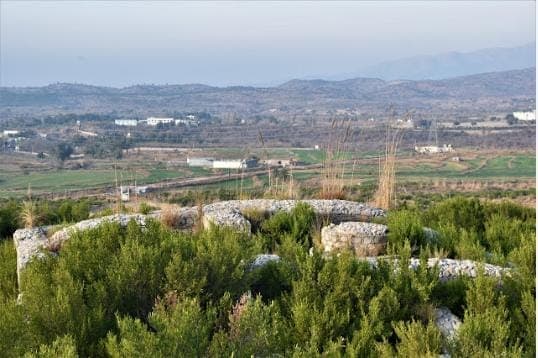
Kalawan Monastery, Taxila
Kalawan is an important archaeological site located near Taxila, Pakistan, known for its significant role in early Buddhist history.
Sight
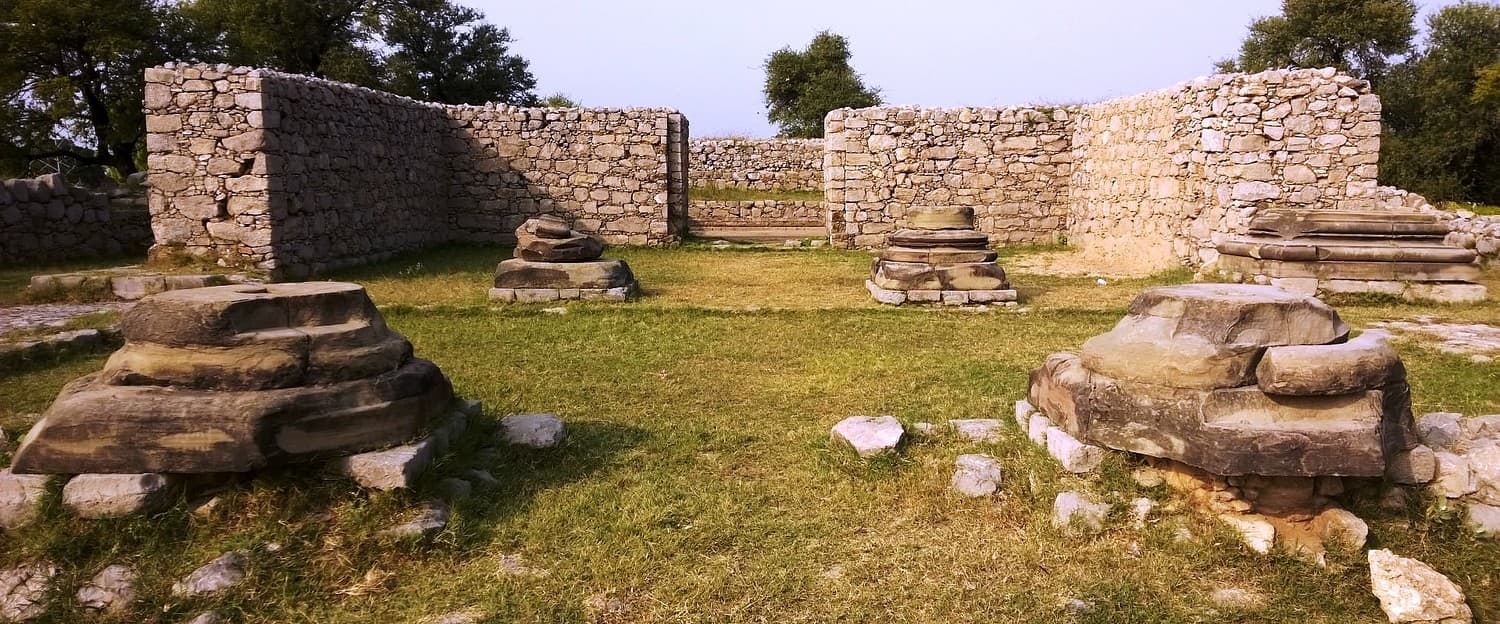
Jandial Temple 2, Taxila
The Jandial 2 Temple, located near Taxila, Pakistan, dates back to the 2nd century BCE and is part of the Gandhara region, a key center for Buddhist art and culture.
Sight
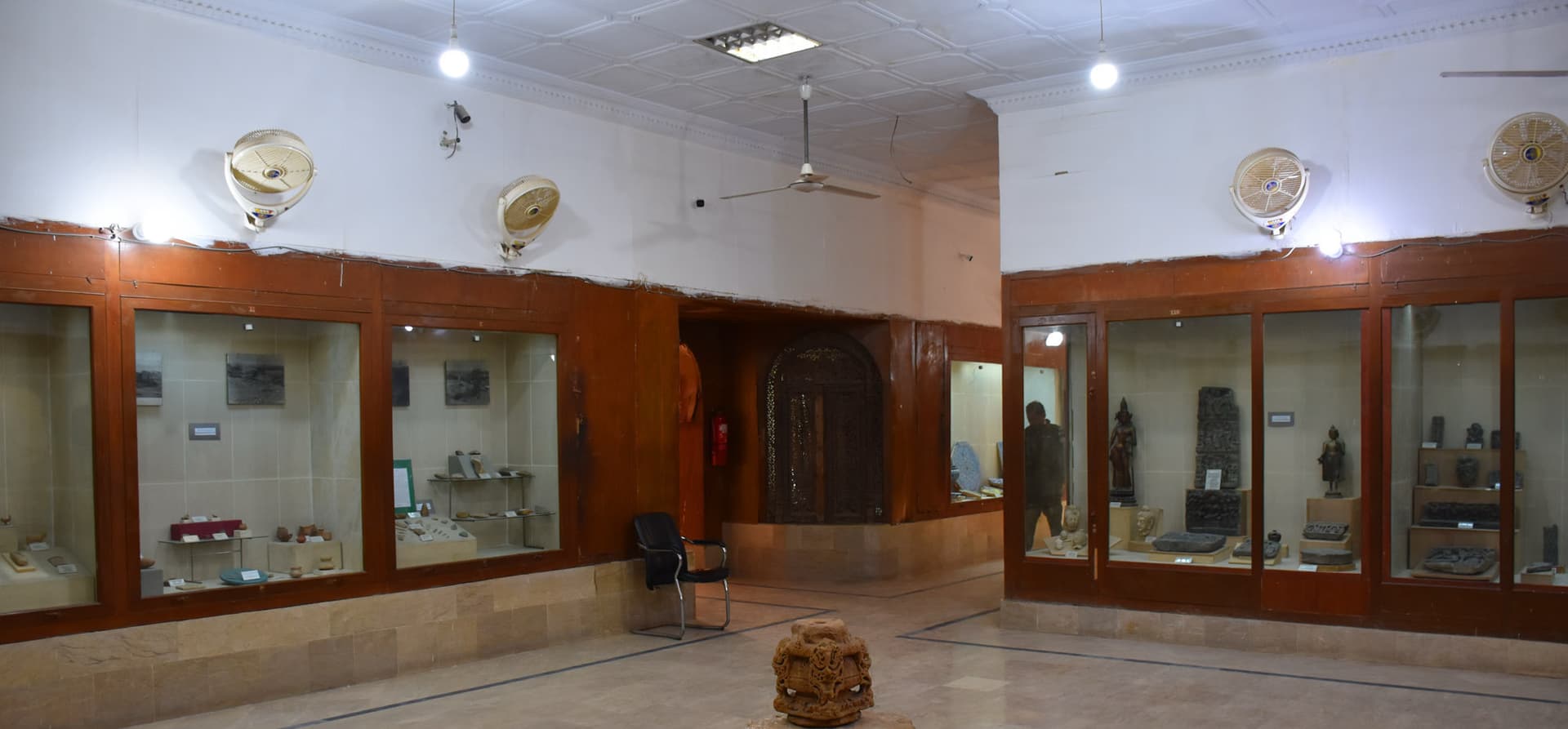
Bahawalpur Museum
The Bahawalpur Museum in Punjab showcases Buddhist relics from the ancient Gandhara civilization, including sculptures of Buddha, Bodhisattvas, narrative reliefs, and stupa fragments from the 1st to 5th century CE.
Sight
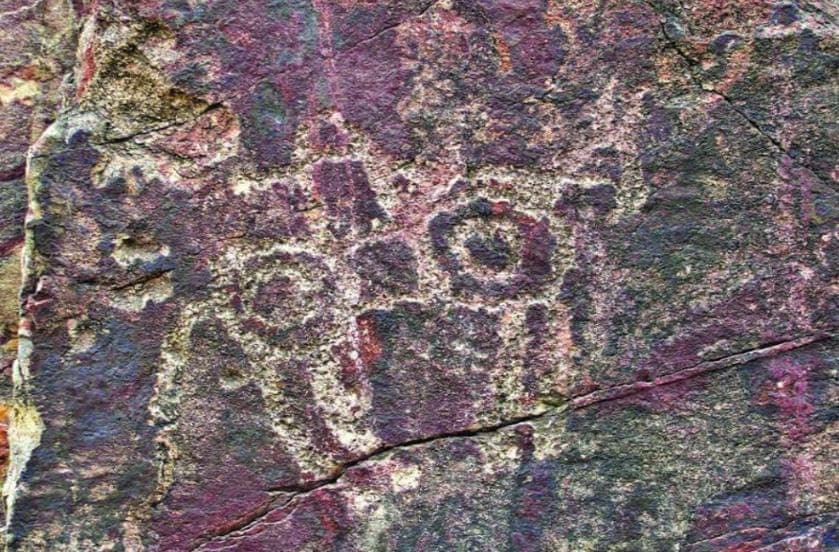
Chenab Nagar Rock Art, Chiniot
The rock art sites of Chenab Nagar (Chiniot), Punjab reveal a blend of cultural influences, including Buddhist, Zoroastrian, Iranian, and Hunic traditions.
Sight
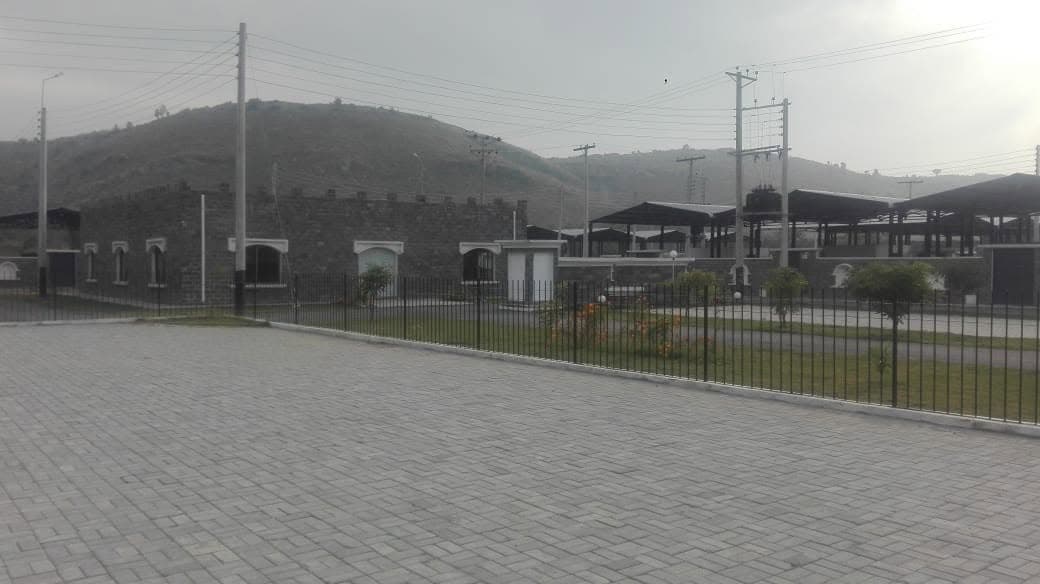
Gandhara Art Village, Taxila
The Gandhara art tradition, which spans over a thousand years, flourished from the 1st century CE during the Saka-Parthian and Kushan periods, peaking under King Kanishka.
Sight
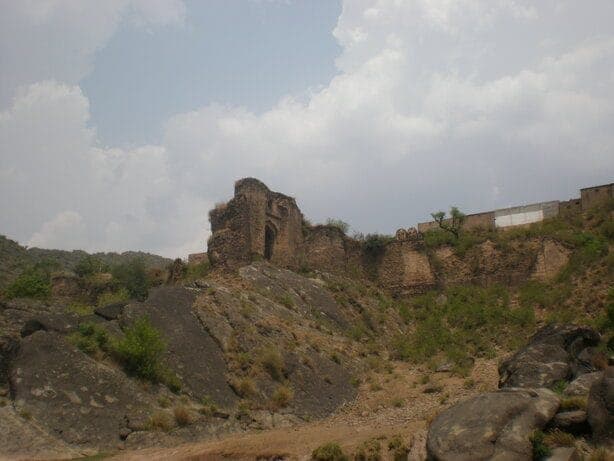
Pharwala Fort
Pharwala (Par Wala) Fort was built between 1008 and 1015 CE by Sultan Kai Gohar, founder of the Gakhar dynasty.
Sight
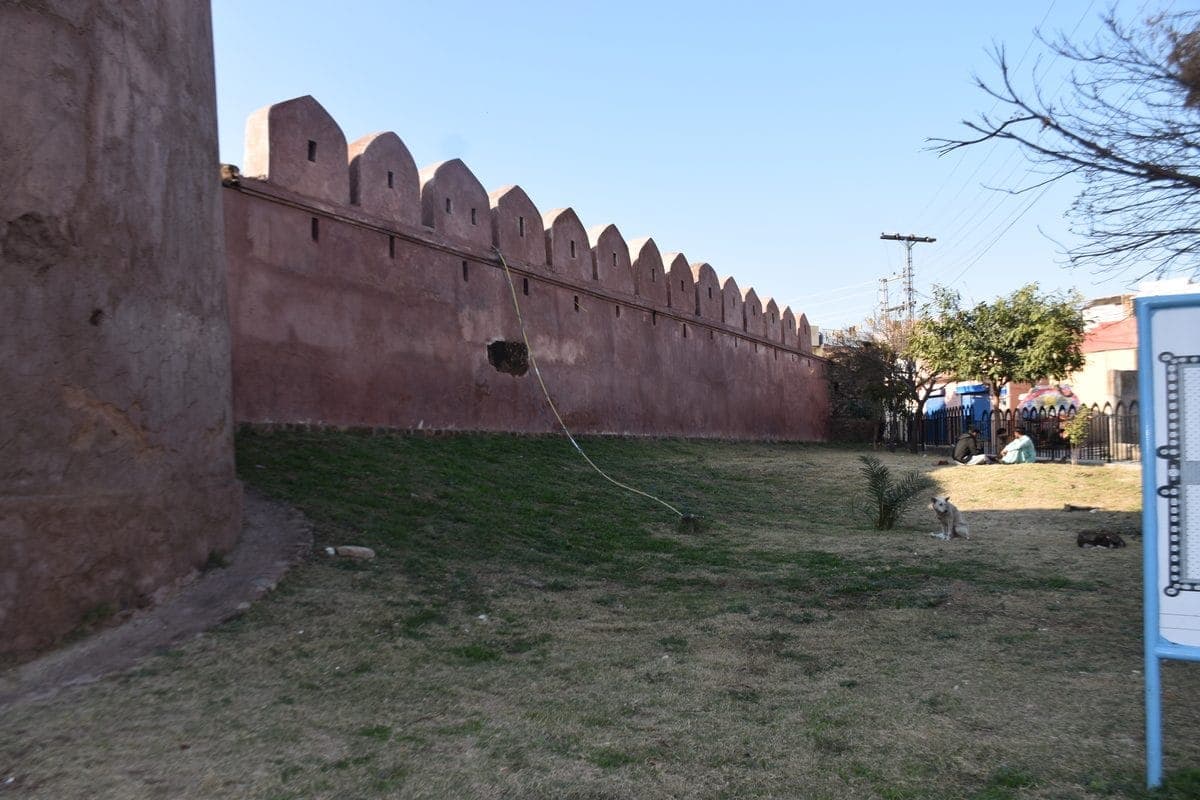
Rawat Fort
The name Rawat is thought to come from the Arabic rabat, a caravanserai, and the fort seems to have begun as an ancient sarai about 18 km from Rawalpindi towards Jhelum, close to the G.T. Road.
Sight
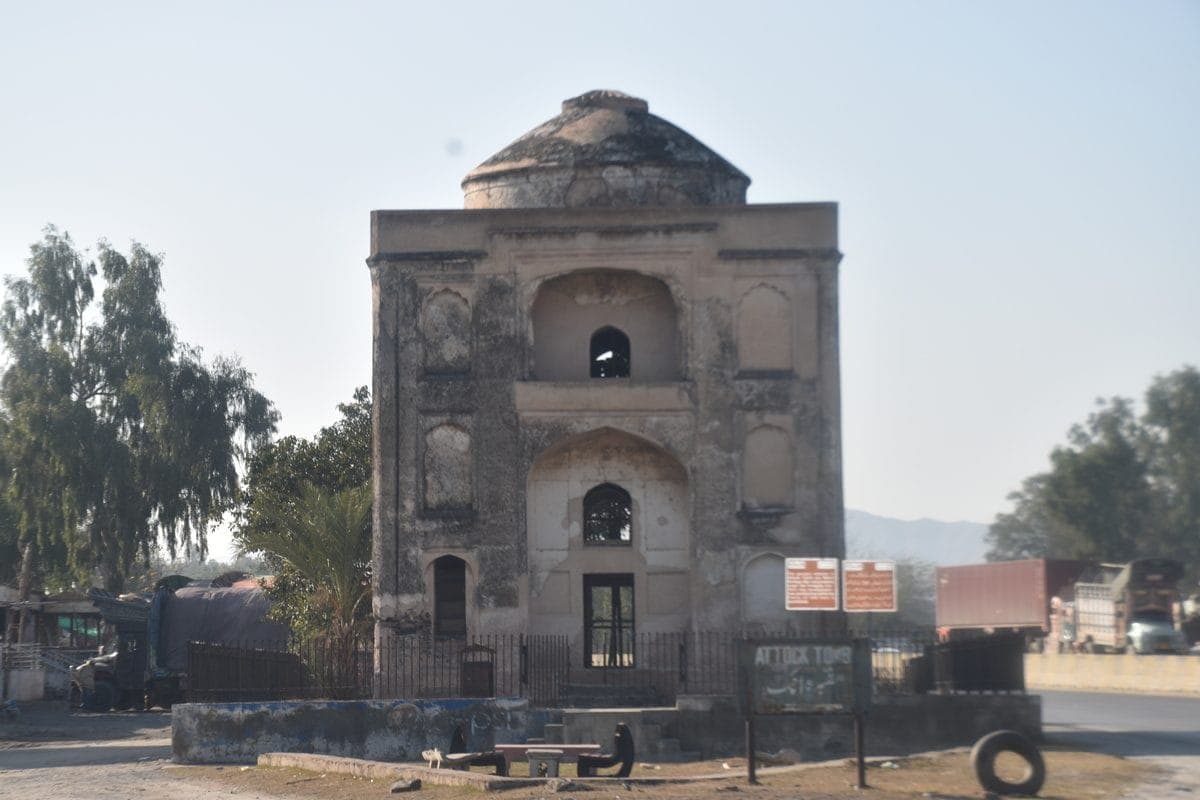
Attock Tomb
A double-domed tomb at Attock, close to the G.T. Road, perhaps the earliest of its type in this part of the country.
Sight
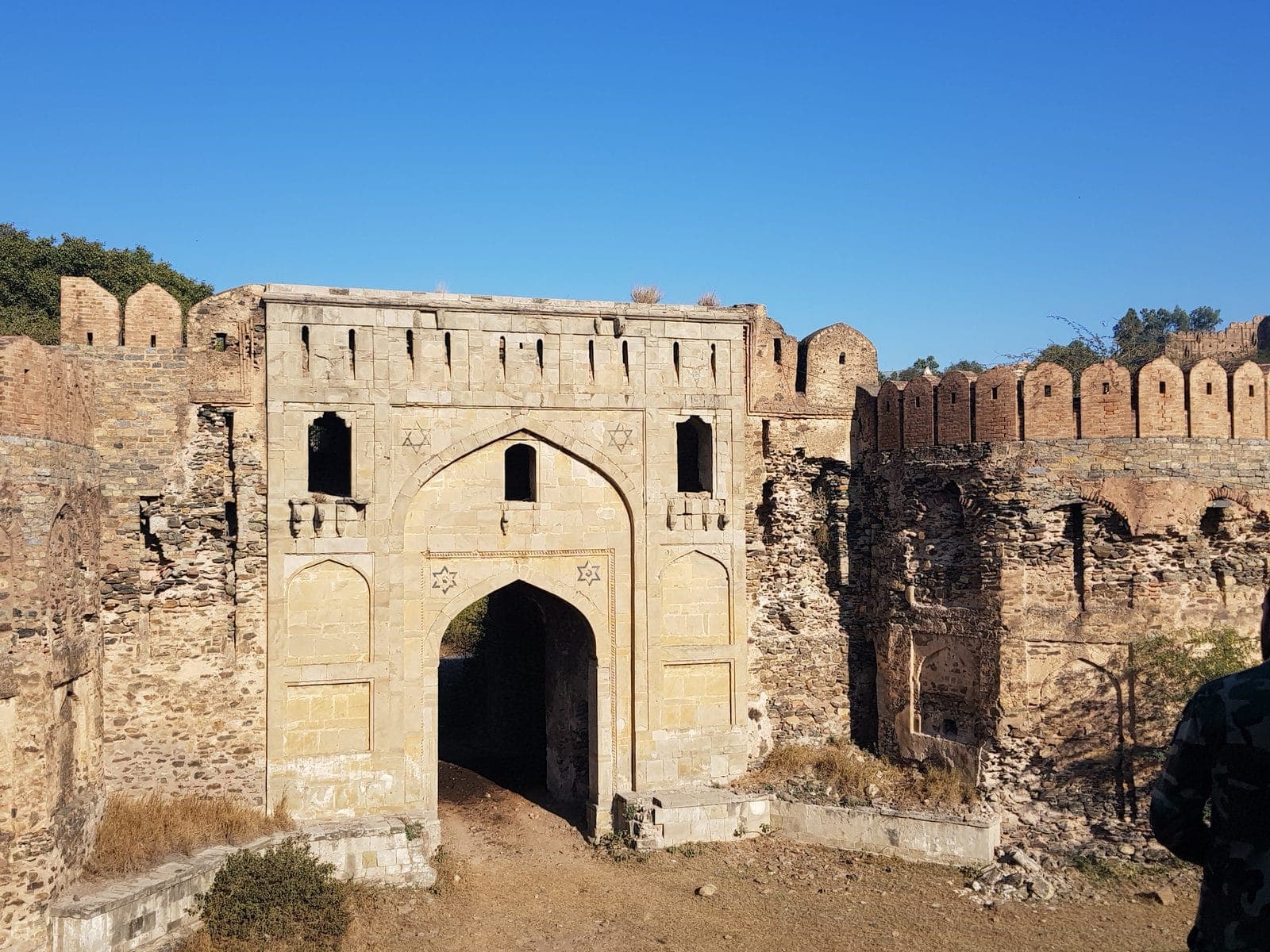
Attock Fort
Attock Fort is a historic fort located in Attock, Punjab, Pakistan.
Sight
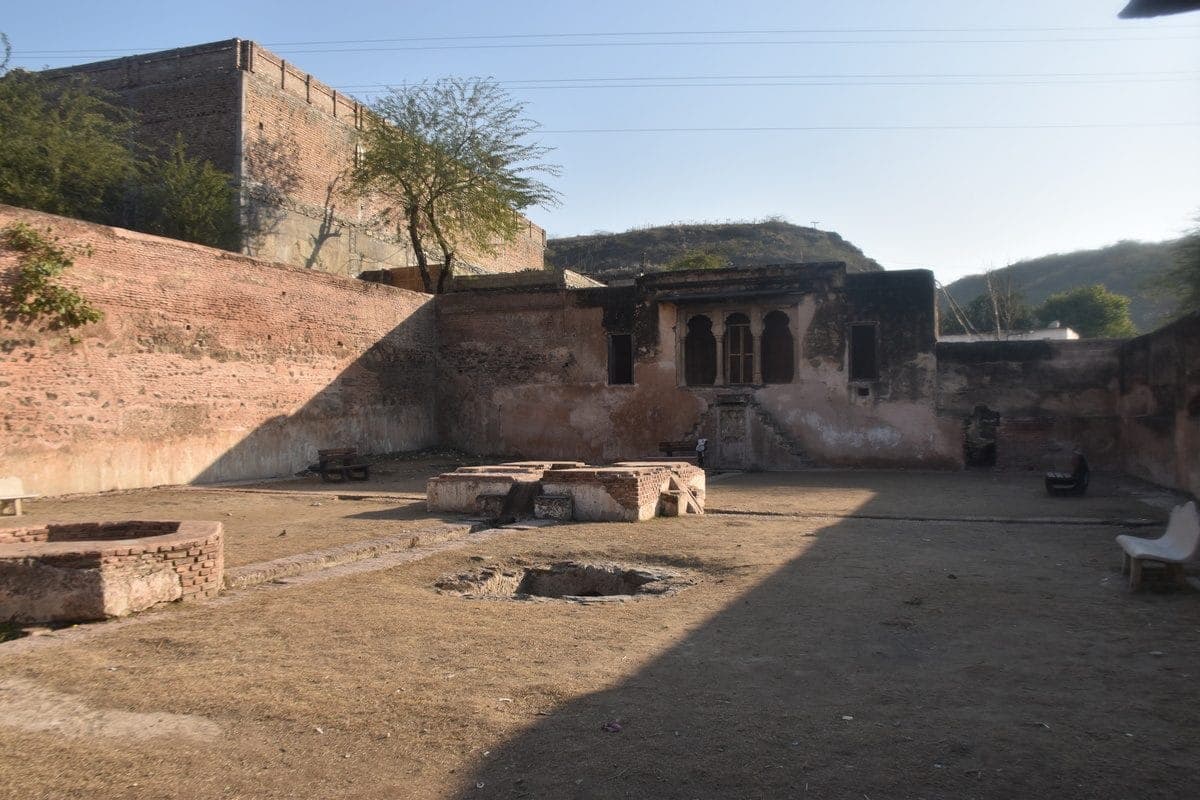
Behram ki Baradari
A baradari on the G.T. Road, held to be architecturally the best monument of its locality.
Sight
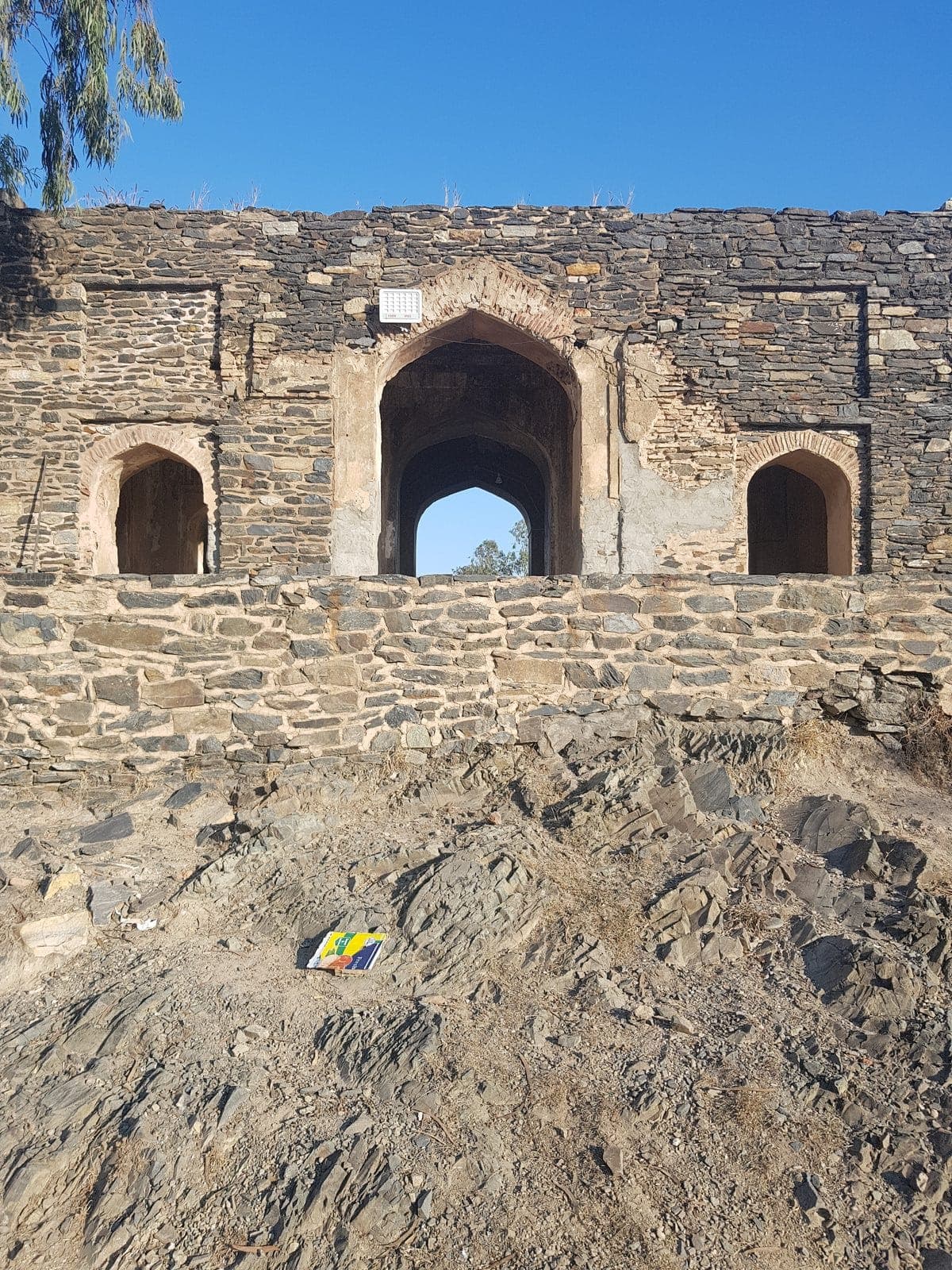
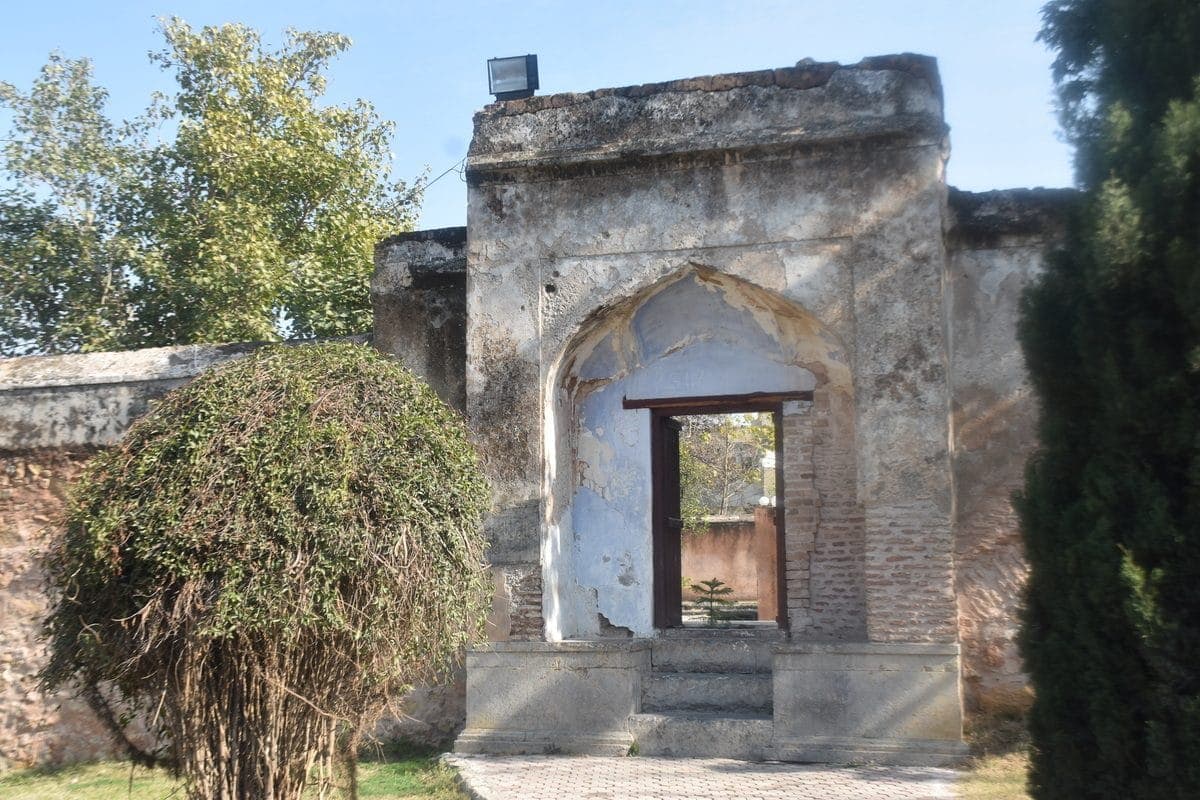
Begum ki Sarai
A Mughal caravanserai beside Attock Fort, where travellers on the Grand Trunk Road rested before crossing the Indus. Closed to visitors.
Sight
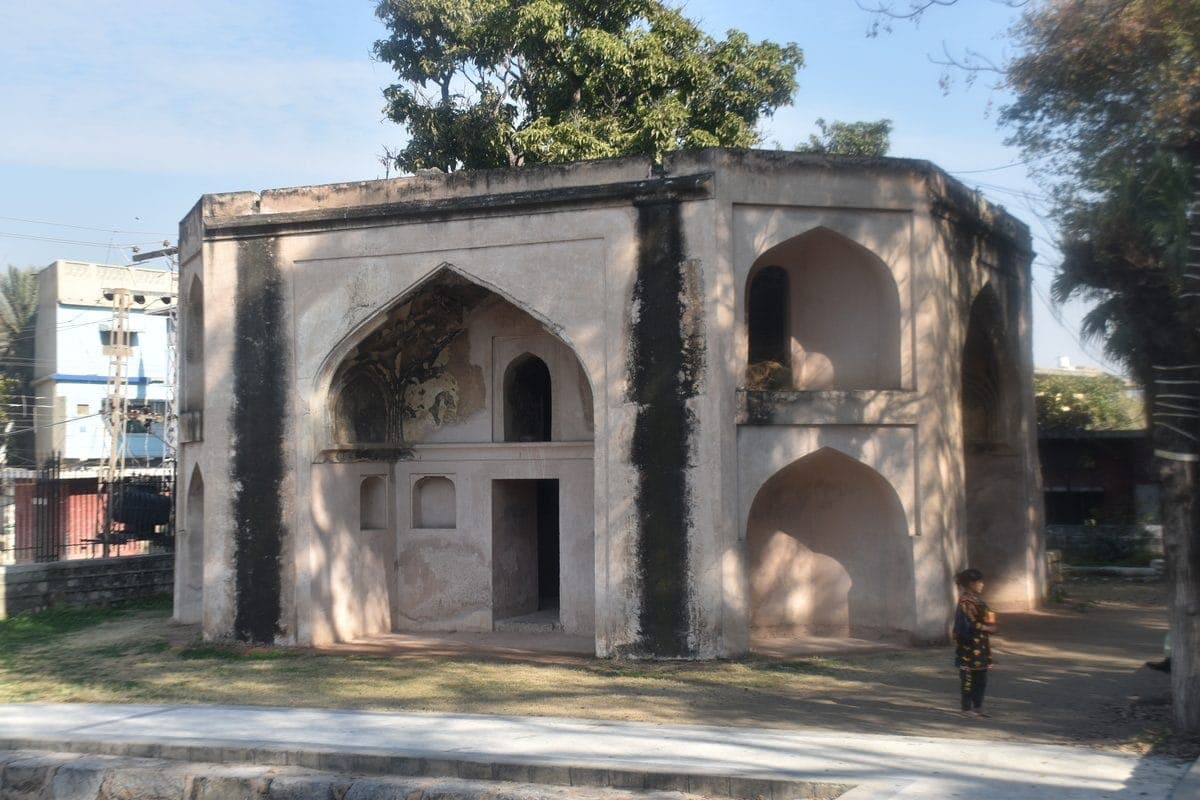
Lala Rukh's Tomb
Lala rukh tomb is situated at Hasan Abdal near Hakim`s tomb, present name is misleading as the monument has not been known as such, in the past.
Sight
Hakim's Tomb
Hakim`s tomb and a tank are stated on a platform being 38.4 m long and 21 m wide.
Sight
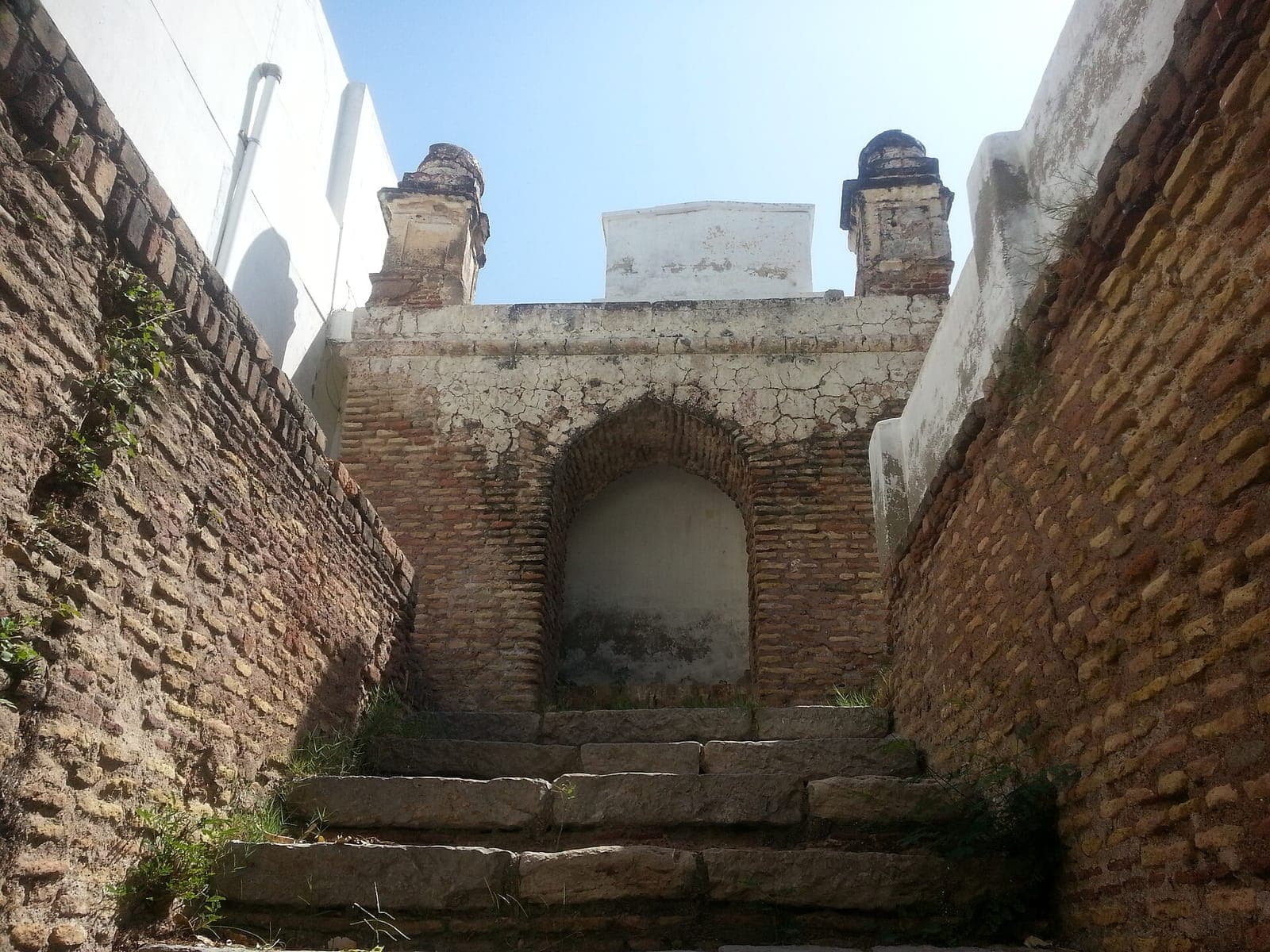
Saidan Baoli
Saidan Baoli at Hattian on the old G.T. Road near Attock: a 16th–17th-century brick stepwell with a Persian-wheel mount, protected since 1922.
Sight
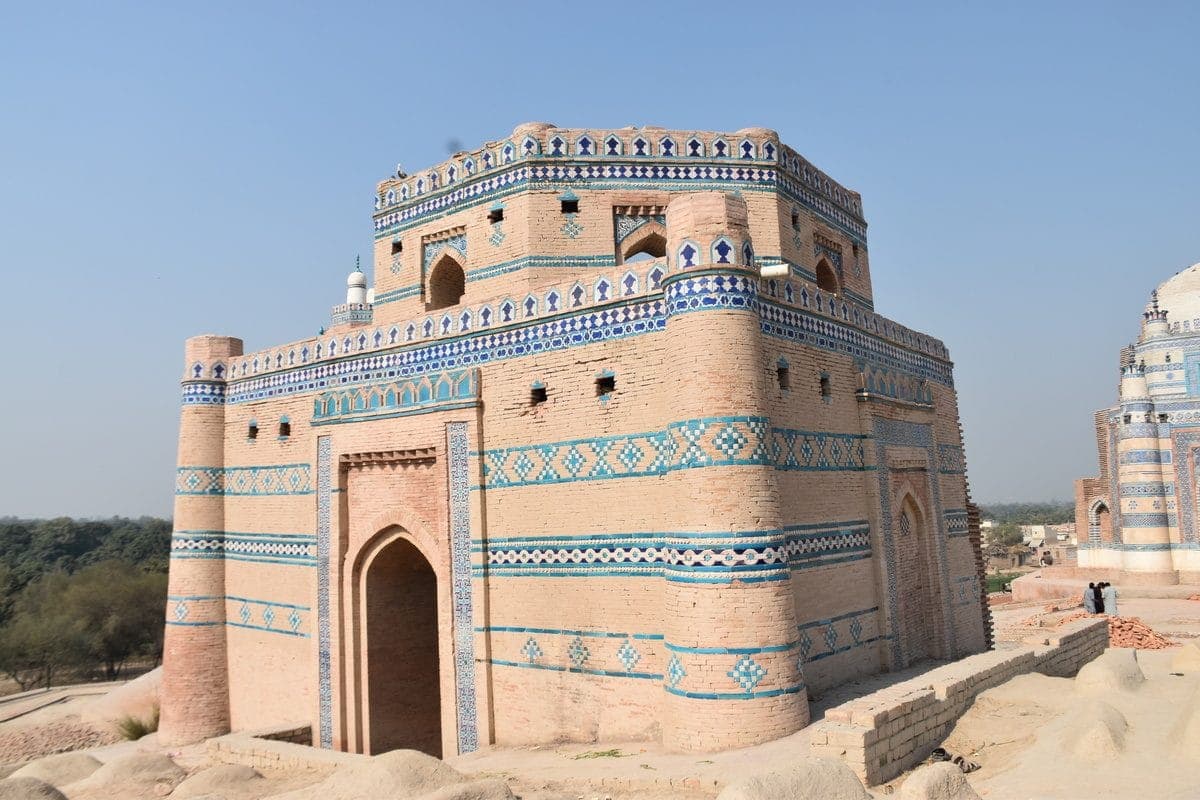
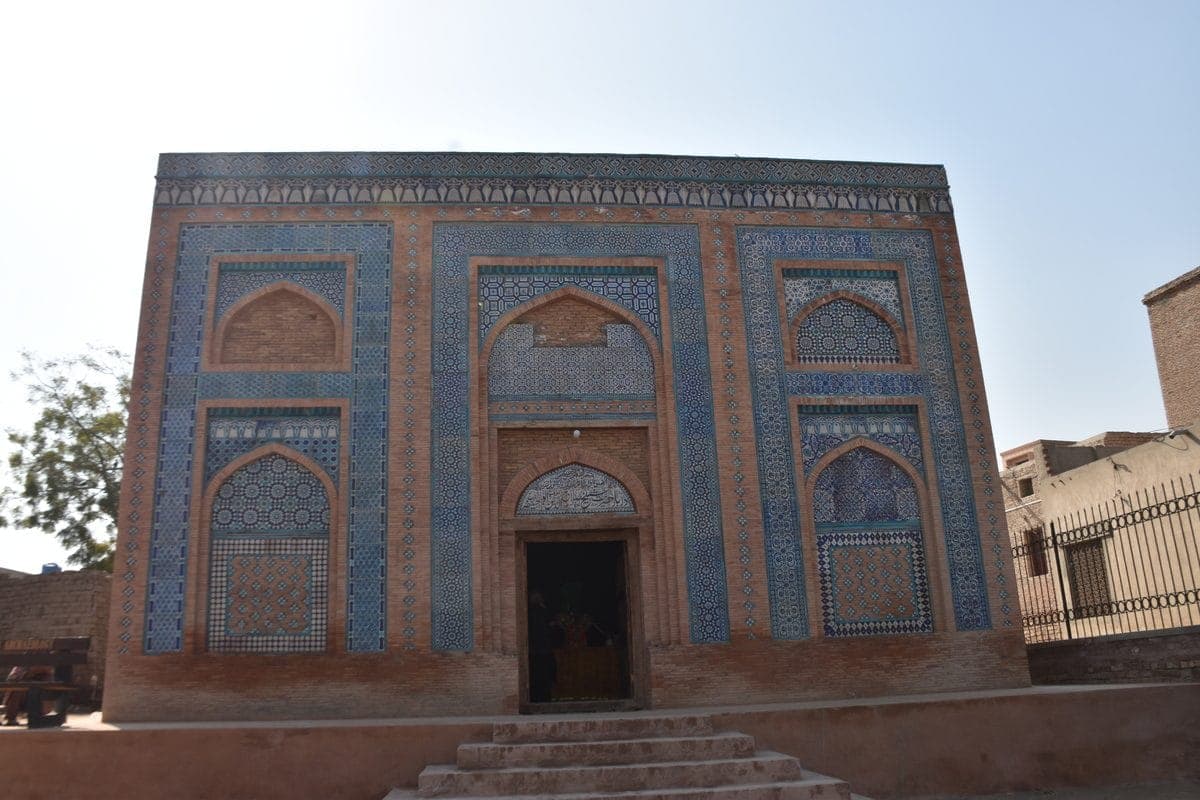
Tomb of Nuria
The tomb at Uch Sharif of the architect who built the neighbouring saints' mausoleums, the Tomb of Ustad on the UNESCO list.
Sight
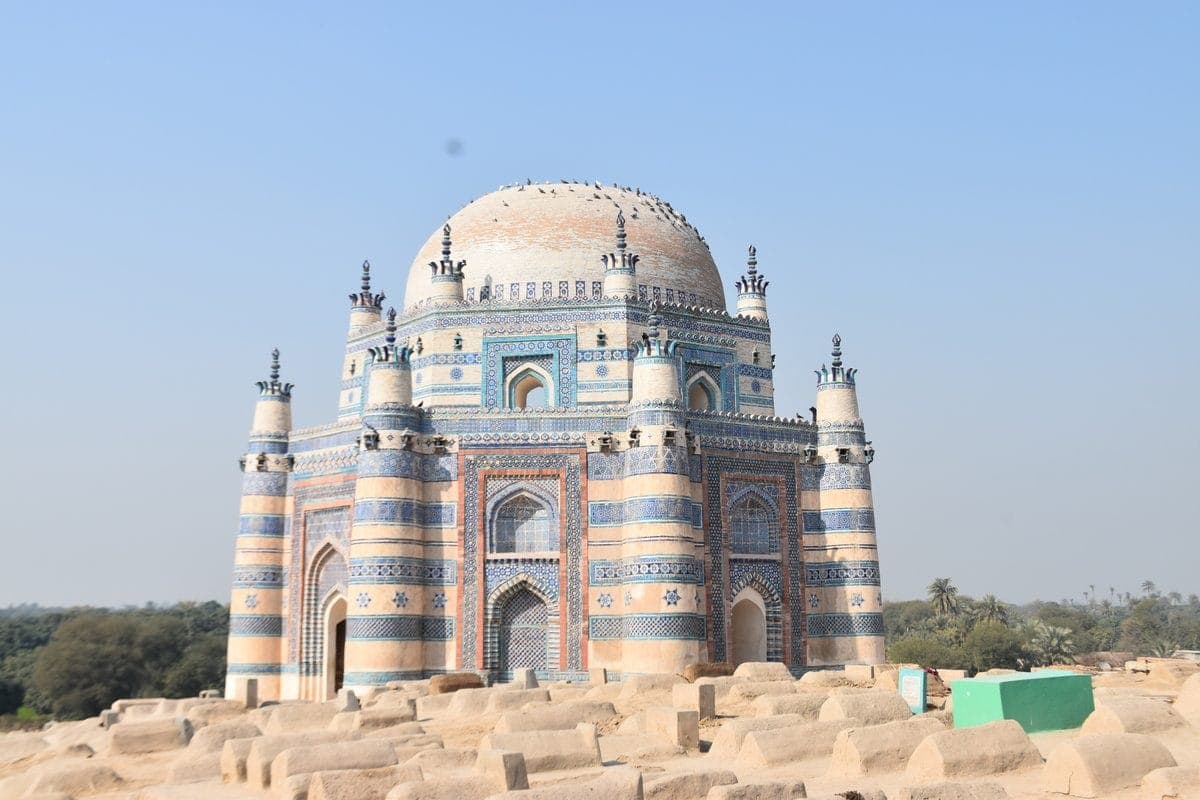
Tomb of Abu Hanifa
A ruined tile-decorated tomb on the mound at Uch Sharif, among the tombs of the town's Bukhari saints and their followers.
Sight
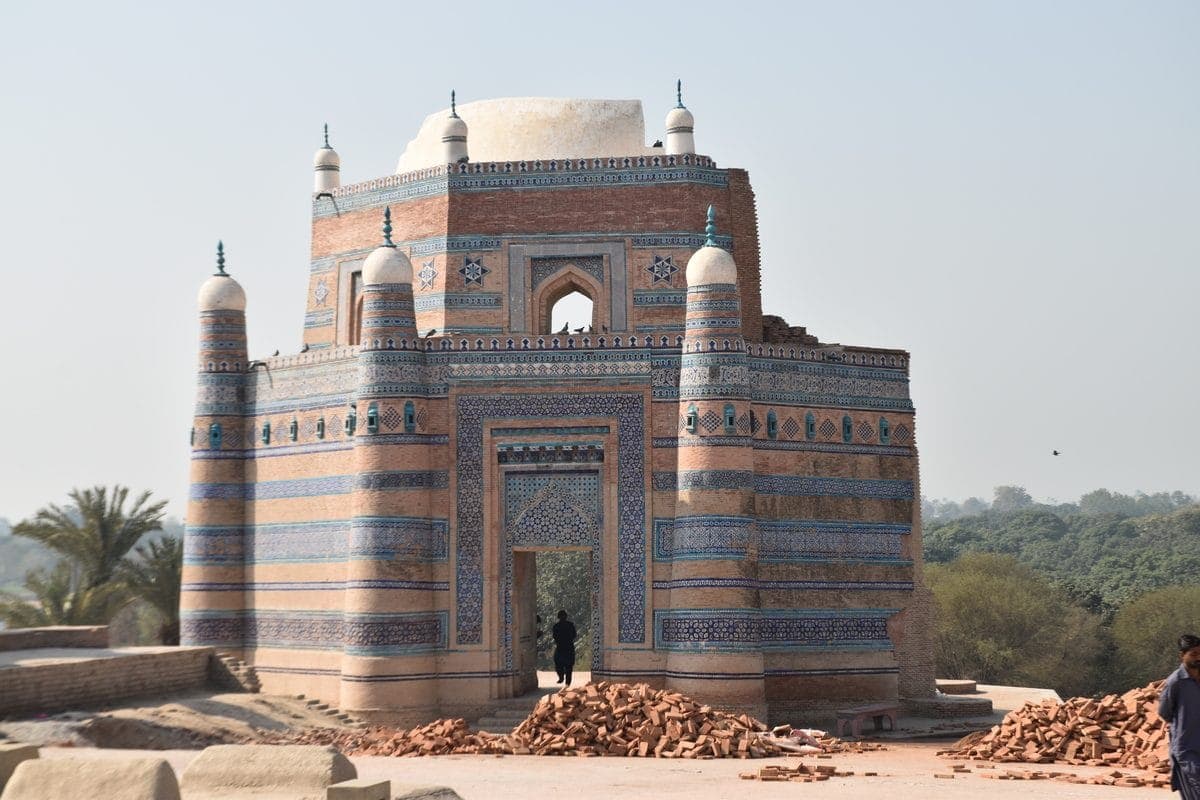
Tomb of Bibi Jawindi
The glazed-tile tomb of Bibi Jawindi at Uch Sharif, one of five Uch monuments on Pakistan's UNESCO tentative list.
Sight
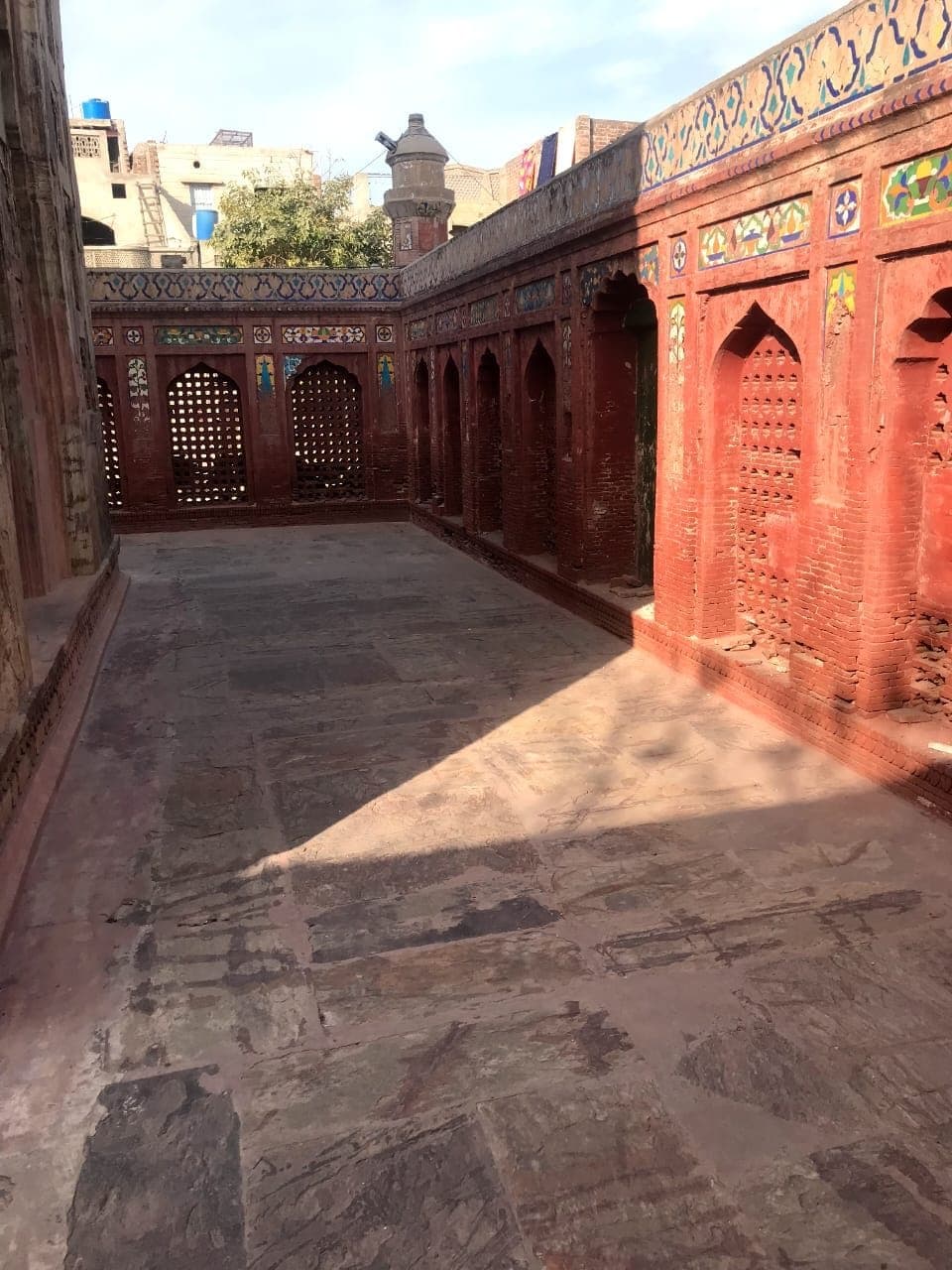
Tomb of Bhawal Haleem
An octagonal tomb at Uch with turrets at each corner, banded in cut brick and glazed tile.
Sight
Tomb of Shah Burhan
A Chiniot tomb of dark grey stone and white marble, square below and octagonal above, under a white marble dome.
Sight
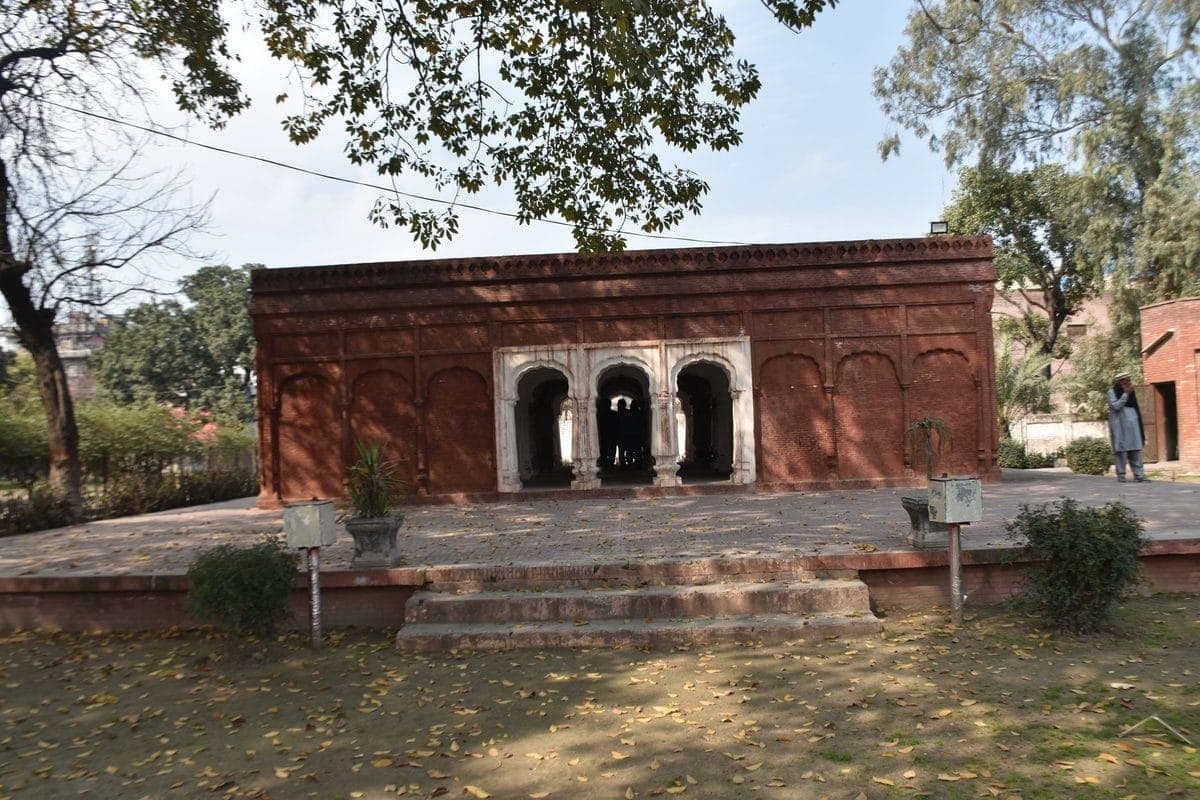
Sheranwala Garden Baradari
A frescoed Sikh garden pavilion in Gujranwala beside the samadhi of Mahan Singh, father of Maharaja Ranjit Singh.
Sight
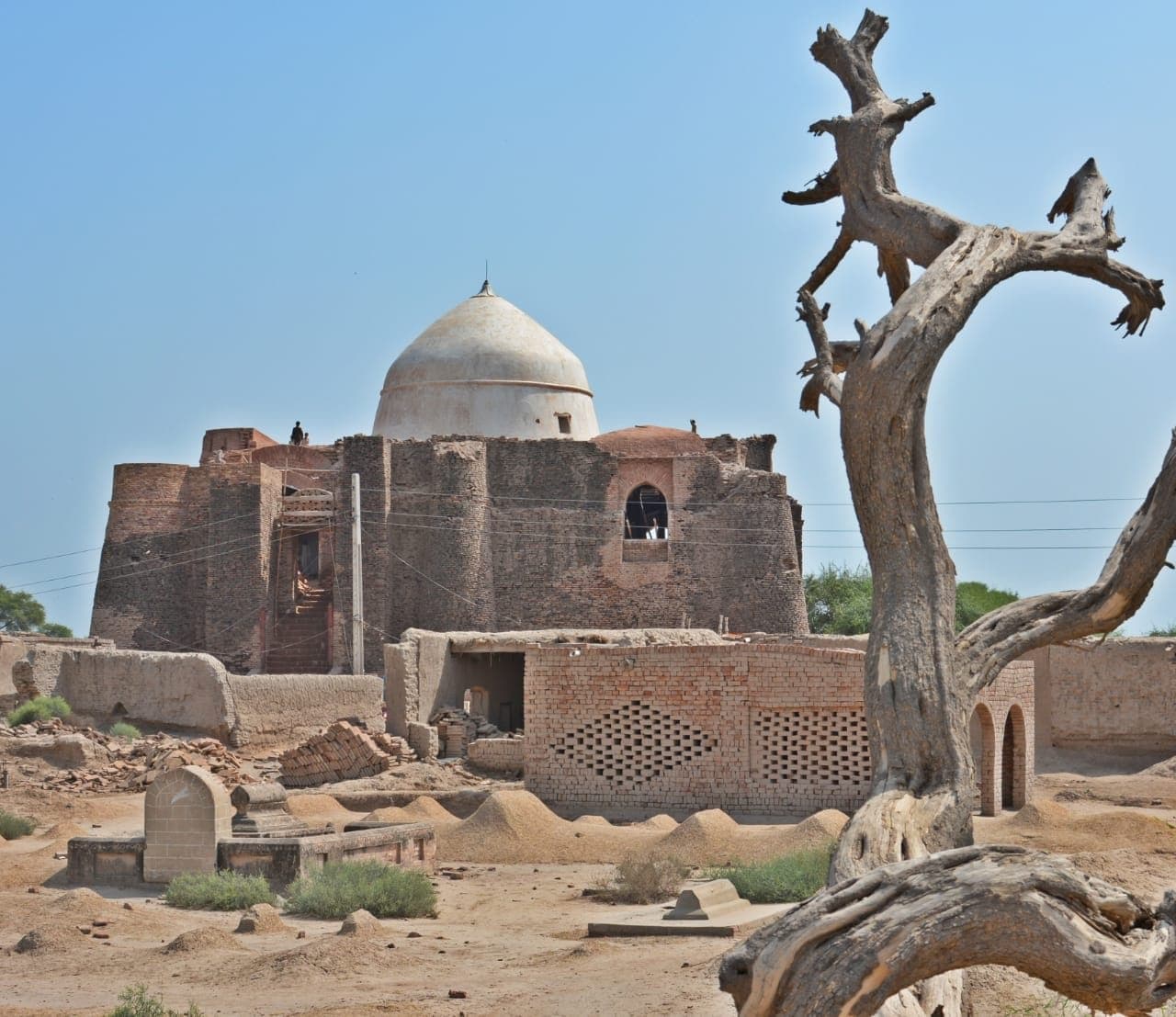
Tomb of Khalid Waleed
A tomb in Punjab built like a small fort, with round corner bastions and retaining walls on a low mound.
Sight
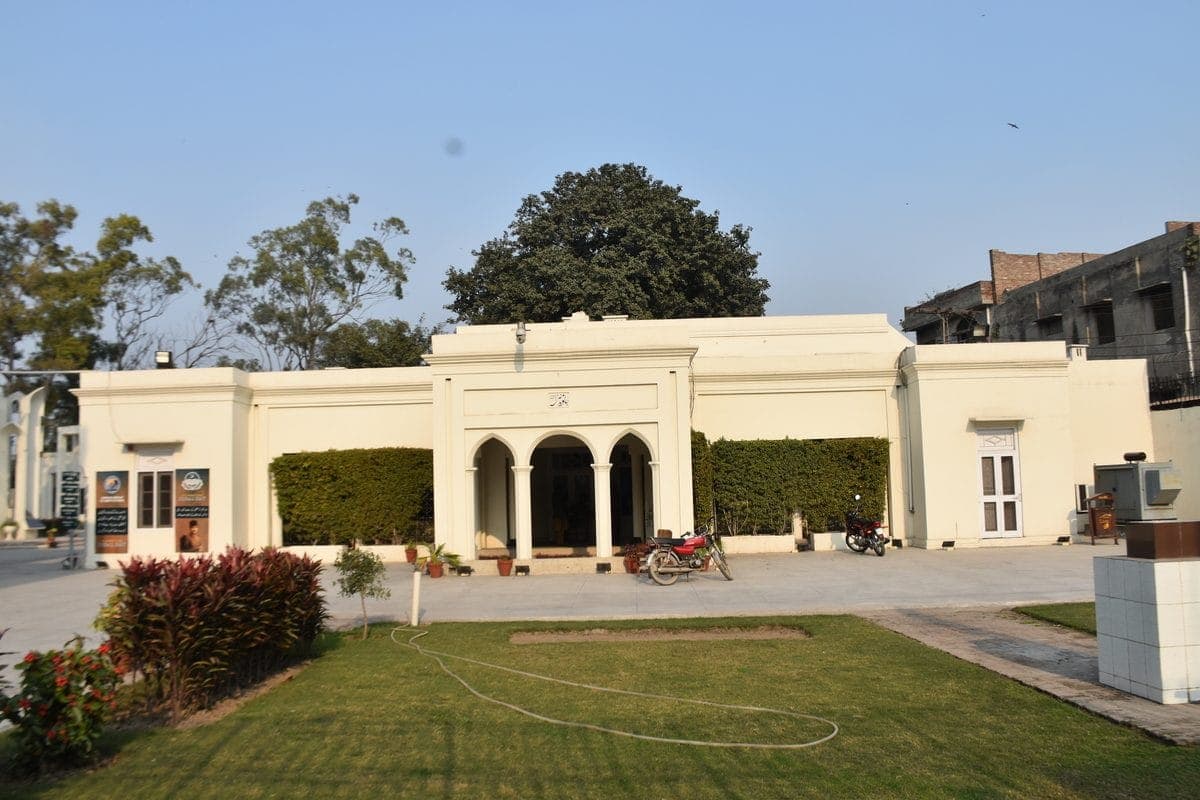
Javaid Manzil
Allama Iqbal's last home, on Mayo Road (now Allama Iqbal Road) in Lahore, where he lived from 1935.
Sight
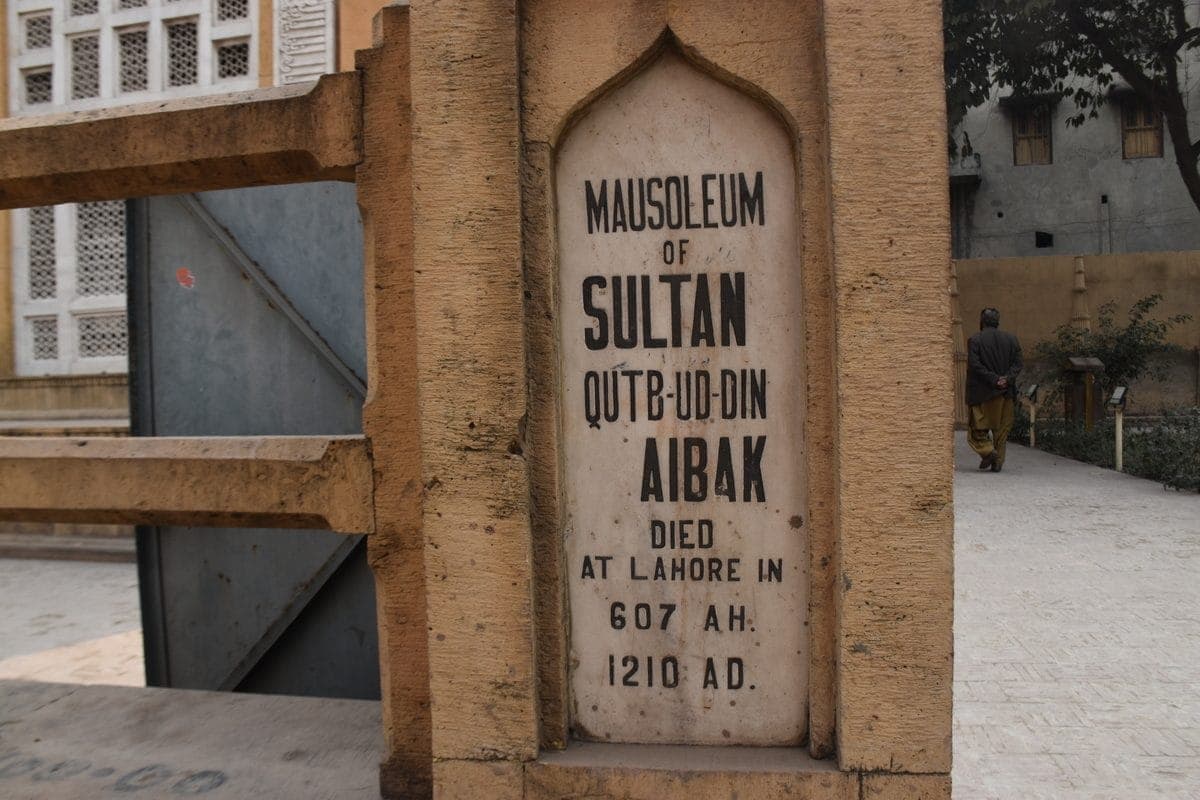
Qutbuddin Aibak Tomb
The grave in Lahore's Anarkali of Qutbuddin Aibak, founder of the Delhi Sultanate, who died in a polo match in 1210.
Sight
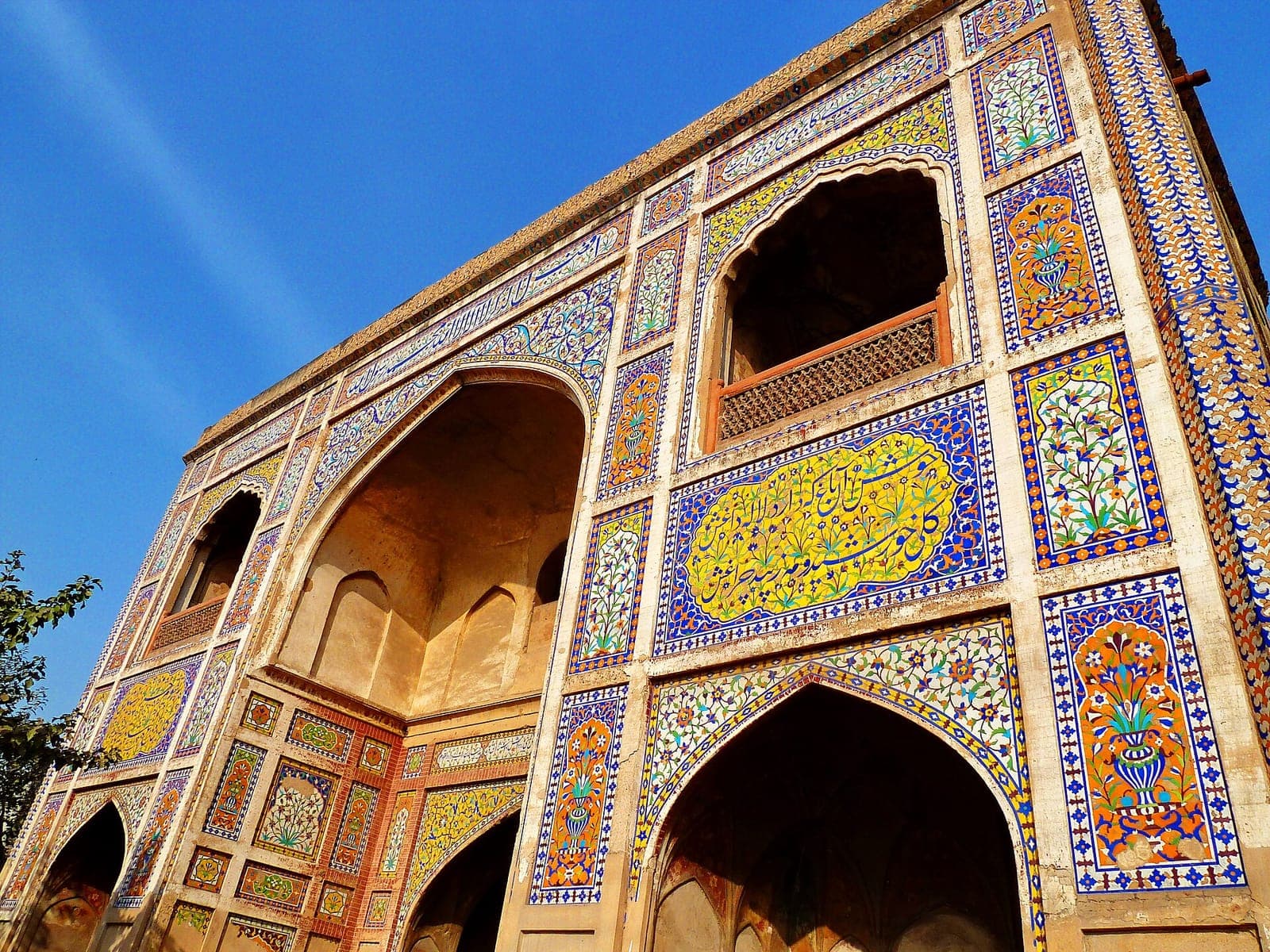
Gulabi Bagh Gateway
The Gulabi Bagh gateway in Begumpura, Lahore: the tiled Mughal entrance to a lost pleasure garden, beside the tomb of Dai Anga.
Sight
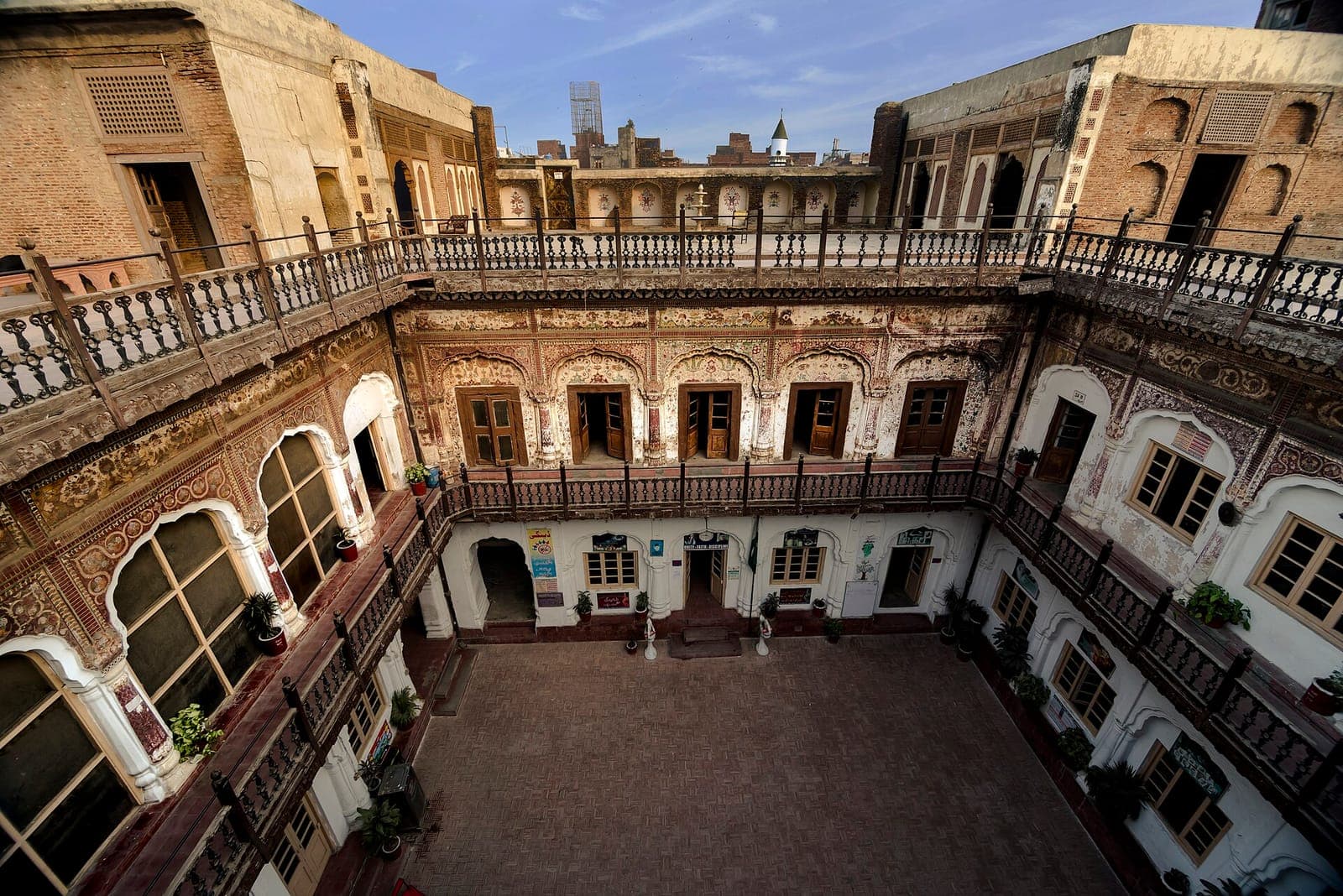
Haveli Nau Nihal Singh
The frescoed and mirrored Lahore mansion of Nau Nihal Singh, grandson of Ranjit Singh and briefly Maharaja in 1839–40.
Sight
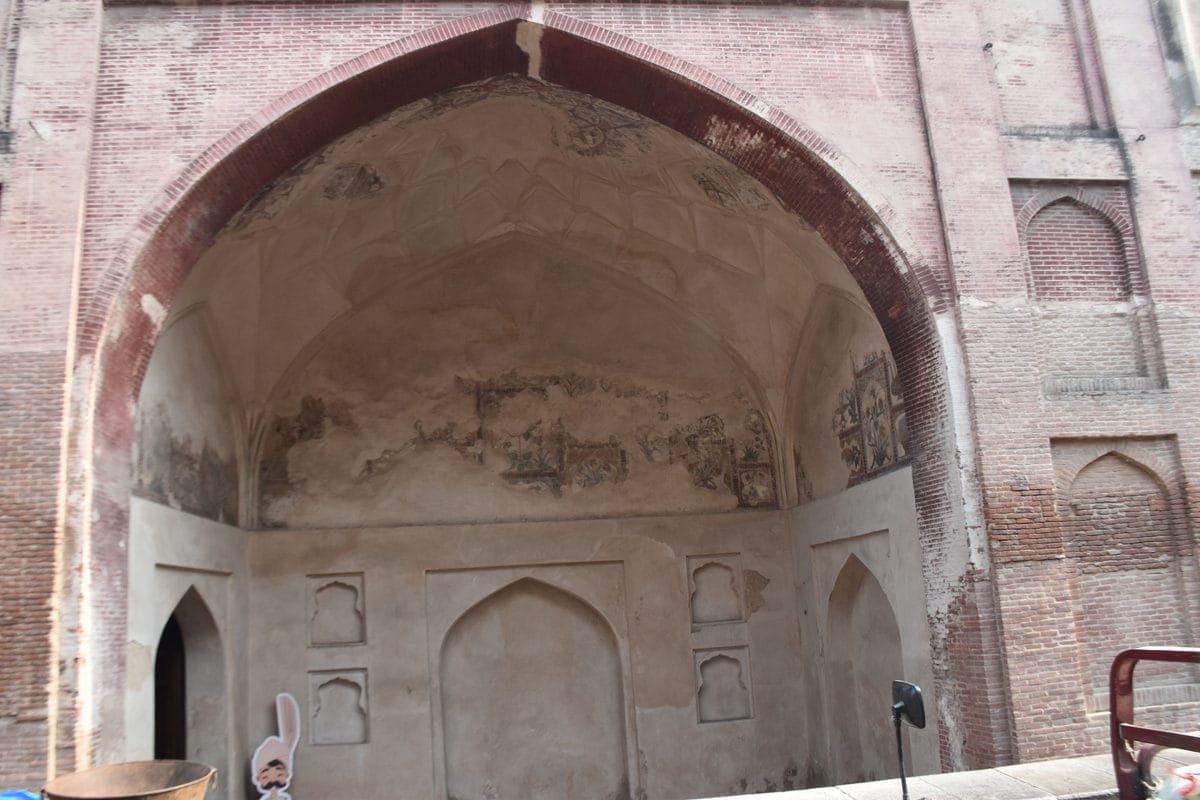
Wazir Khan's Hammam
Wazir Khan's Hammam, a Persian-style Mughal bathhouse of 1635 just inside Delhi Gate in Lahore's Walled City, restored in 2013–2015.
Sight
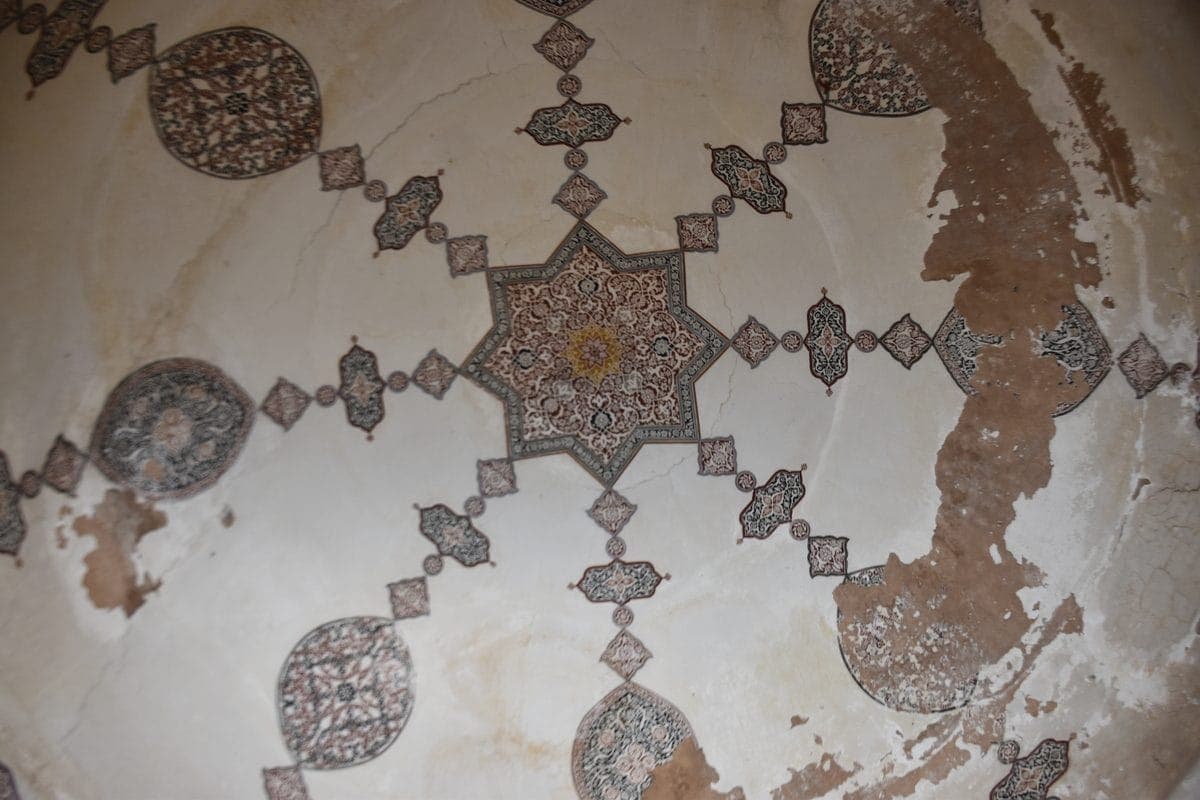
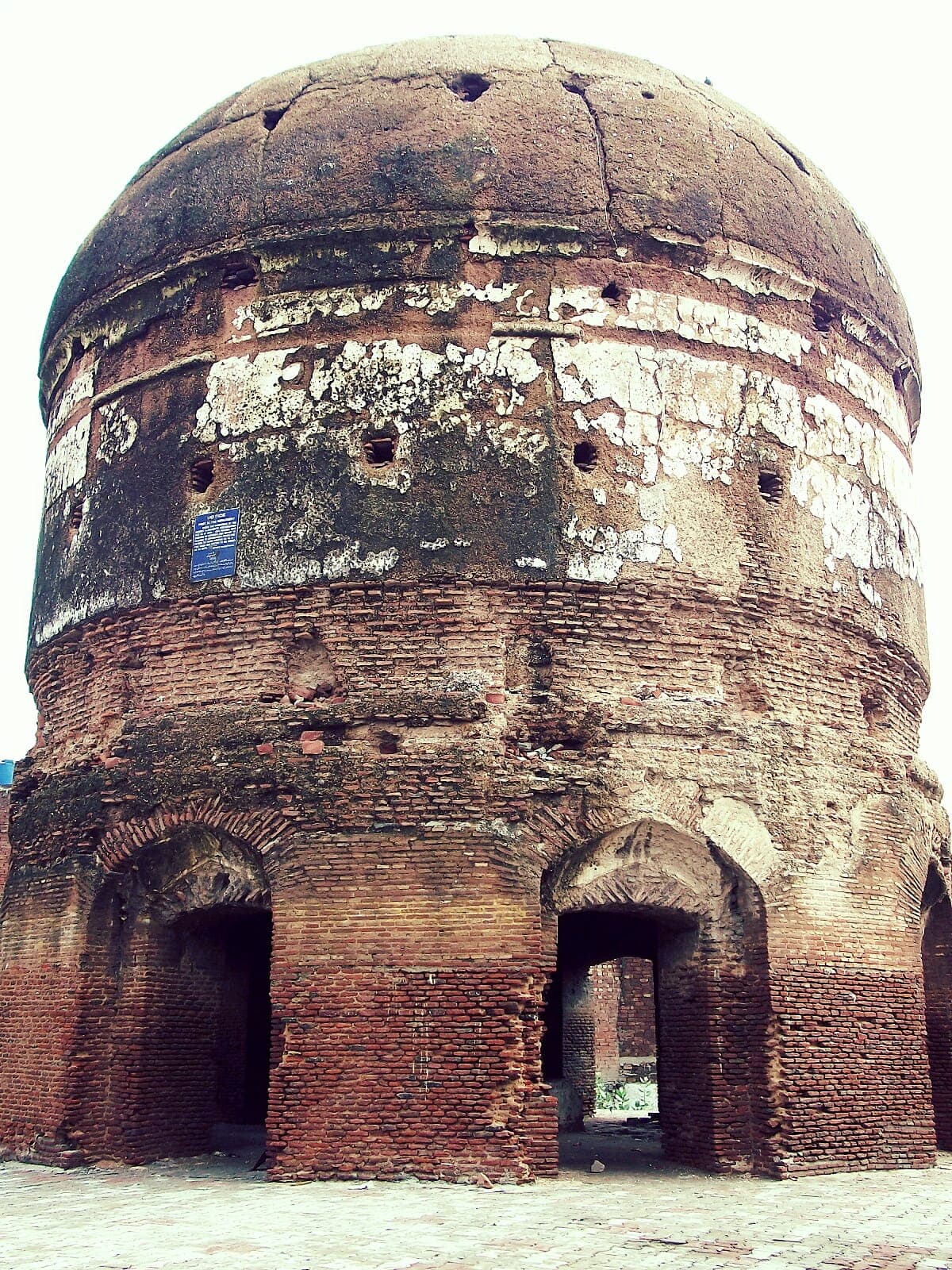
Mariam Zamani Mosque
Lahore's oldest Mughal mosque, built by Jahangir for his mother Mariam-uz-Zamani, and a model for the Wazir Khan Mosque.
Sight
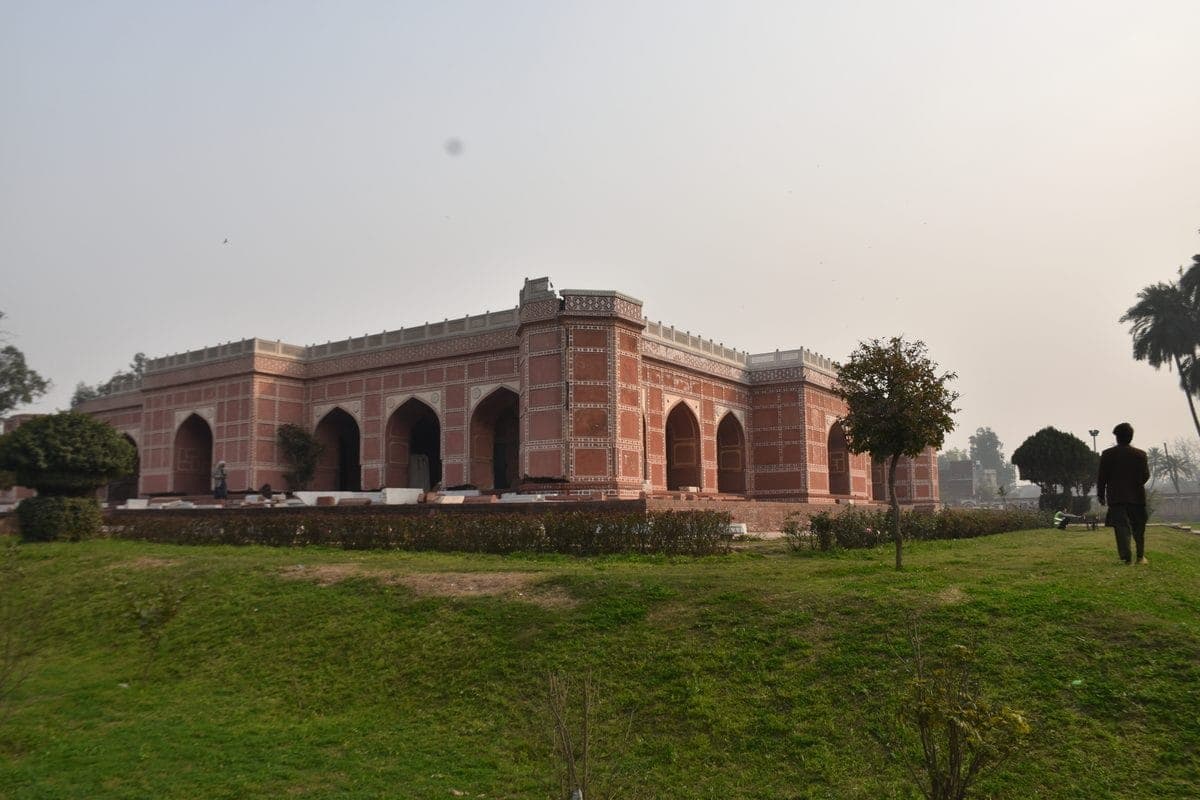
Tomb of Prince Pervaiz
The tomb of Prince Parviz, Jahangir's second son (died 1626), in Lahore: an octagonal tomb on an arcaded platform, with a tall drum under a Persian-style dome.
Sight
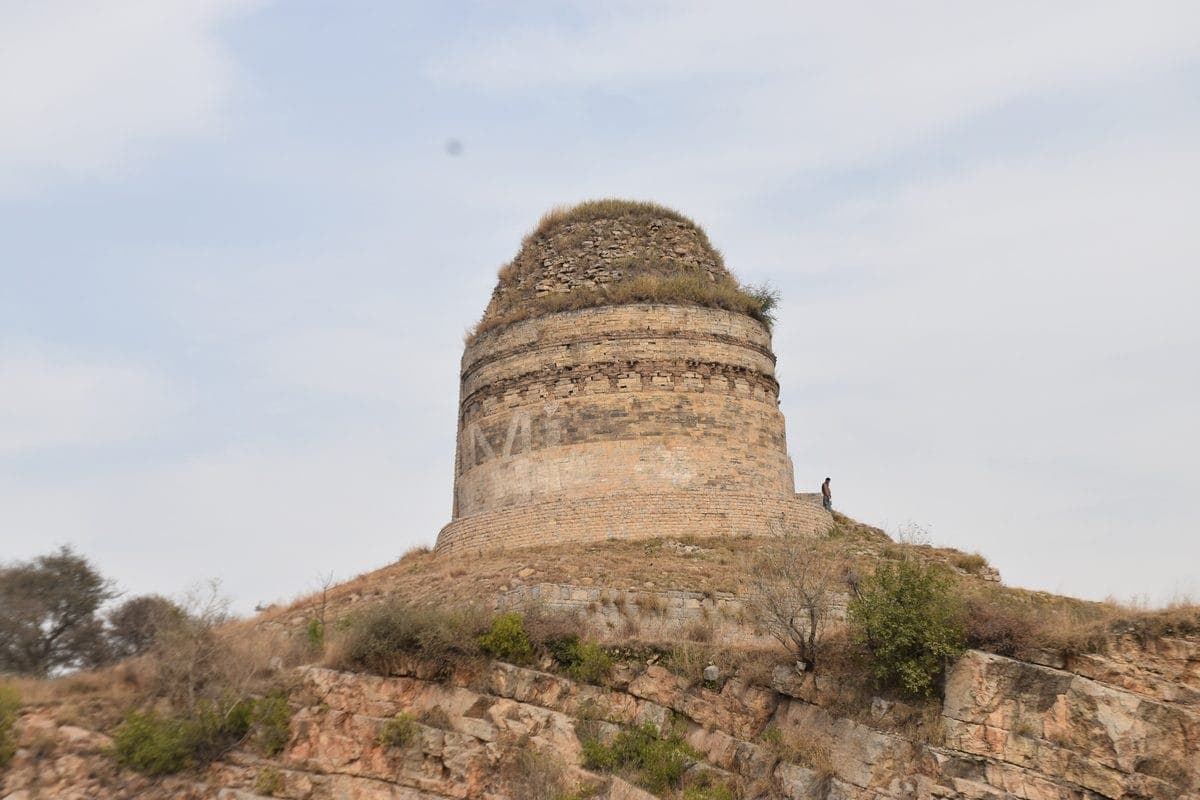
Tomb of Noor Jahan
The Shahdara tomb of Empress Nur Jahan, wife of Jahangir, where she and her daughter Ladli Begum are buried.
Sight
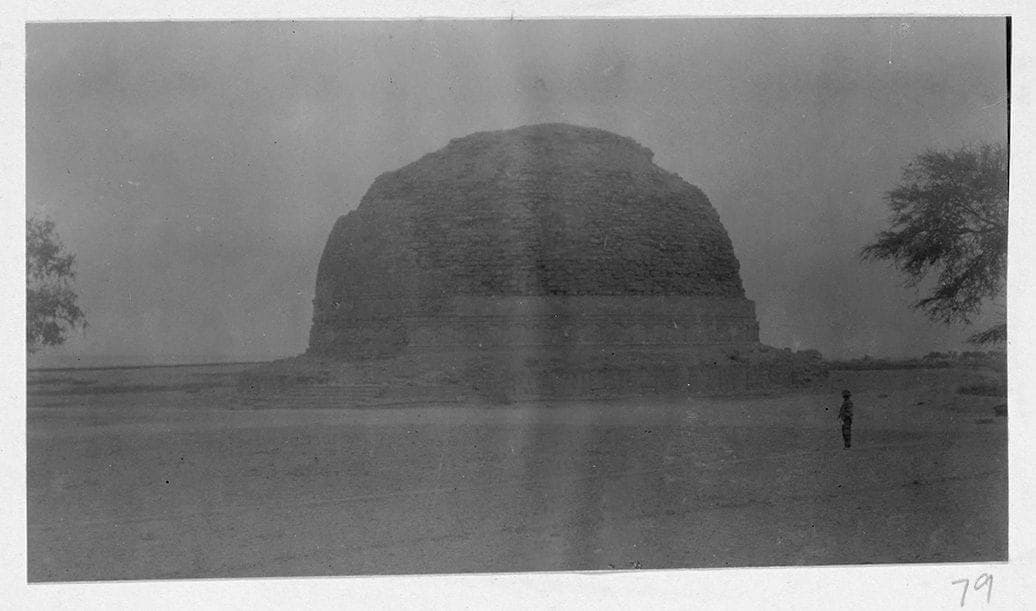
Tope or Stupa (Bhallar)
An archaeological site comprised of a stupa (tope), standing at a most commanding position on the last spur of the long range of hills, forming the north boundary of the Haro valley.
Sight
Tope or Stupa (Mankiyala)
A Kushan-era stupa beside the Grand Trunk Road south-east of Islamabad, marking where the Buddha in a past life fed a starving tigress.
Sight
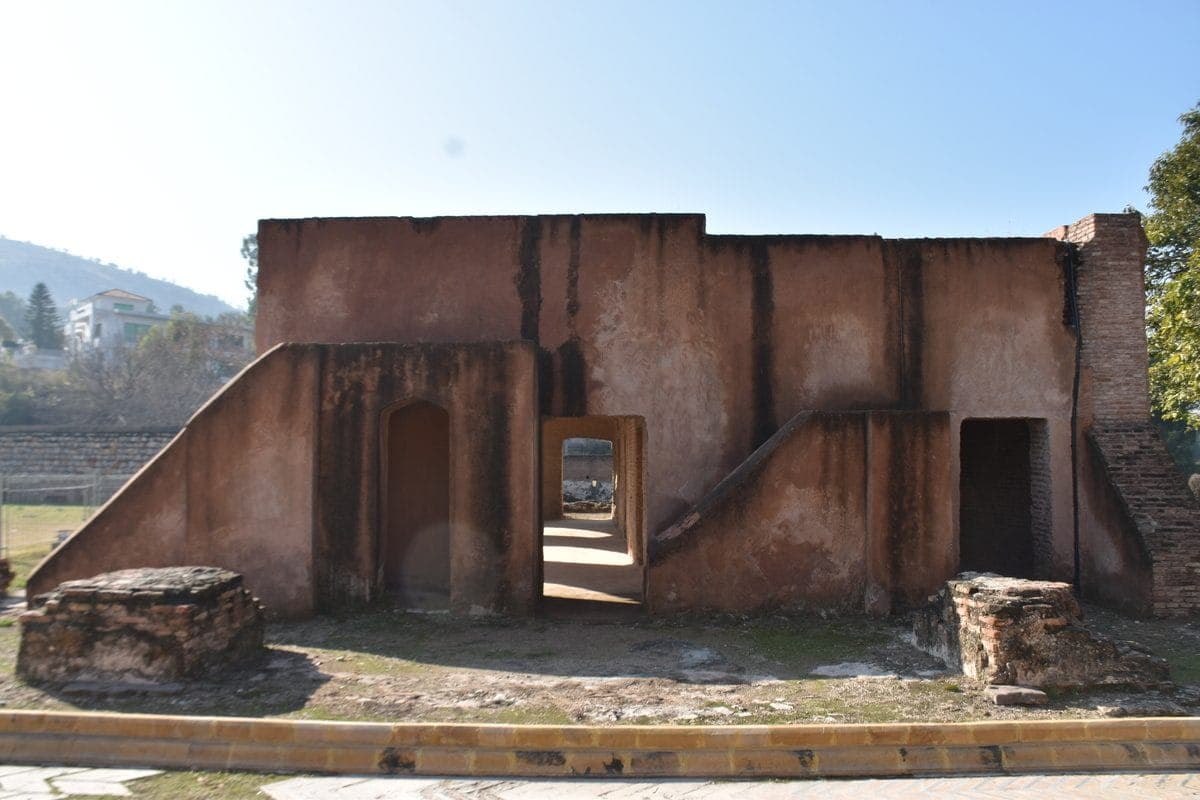
Farud Gah, Shahan e Mughlia
A Mughal garden of pavilions and tanks at Wah, about 15 km from Taxila, built by Man Singh in Akbar's time.
Sight
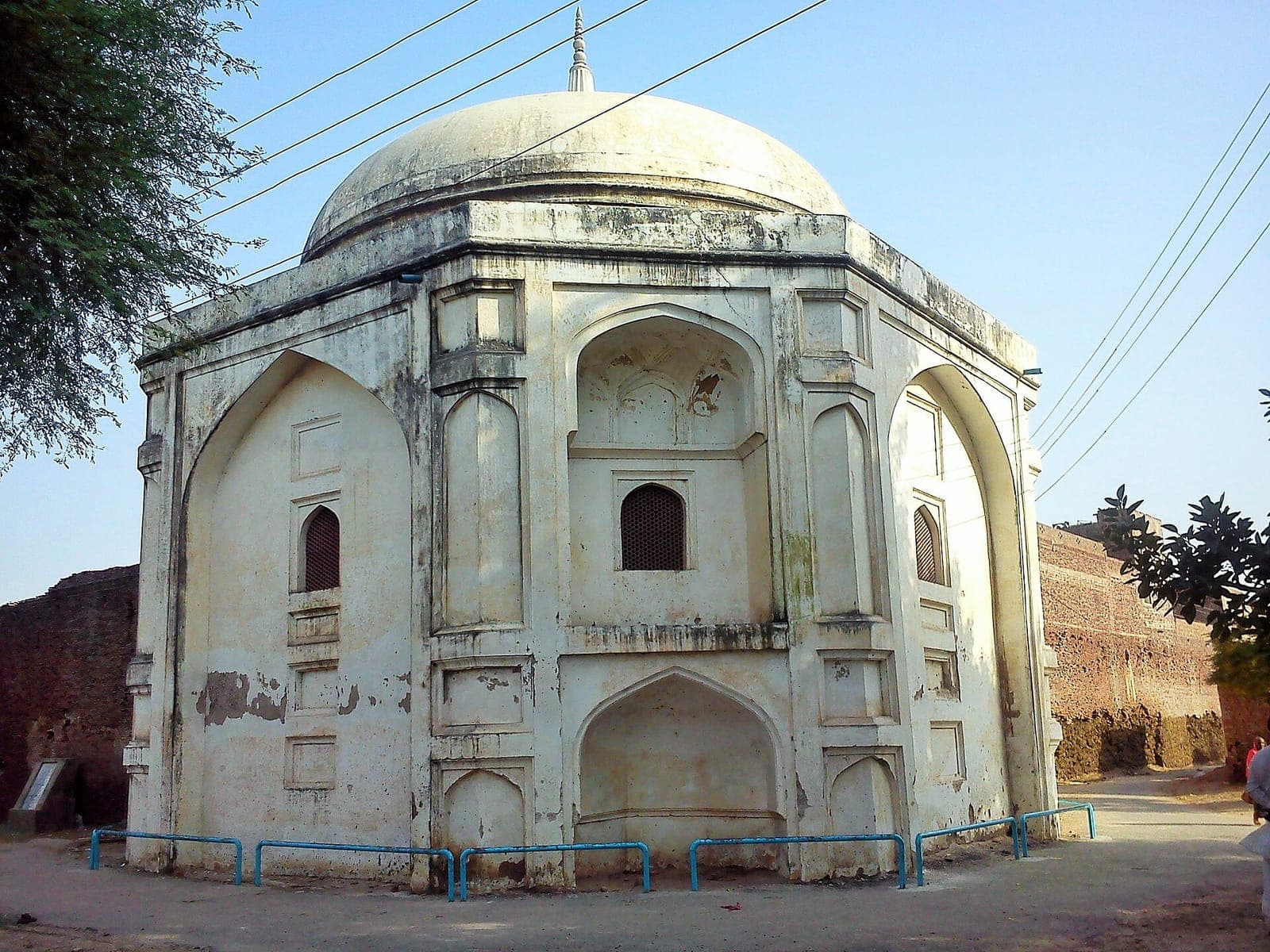
Mir Chakar's Tomb
The tomb of Mir Chakar Rind, the Baloch folk hero, at Satghara in Okara, Punjab: an octagonal brick tomb whose dome has fallen.
Sight
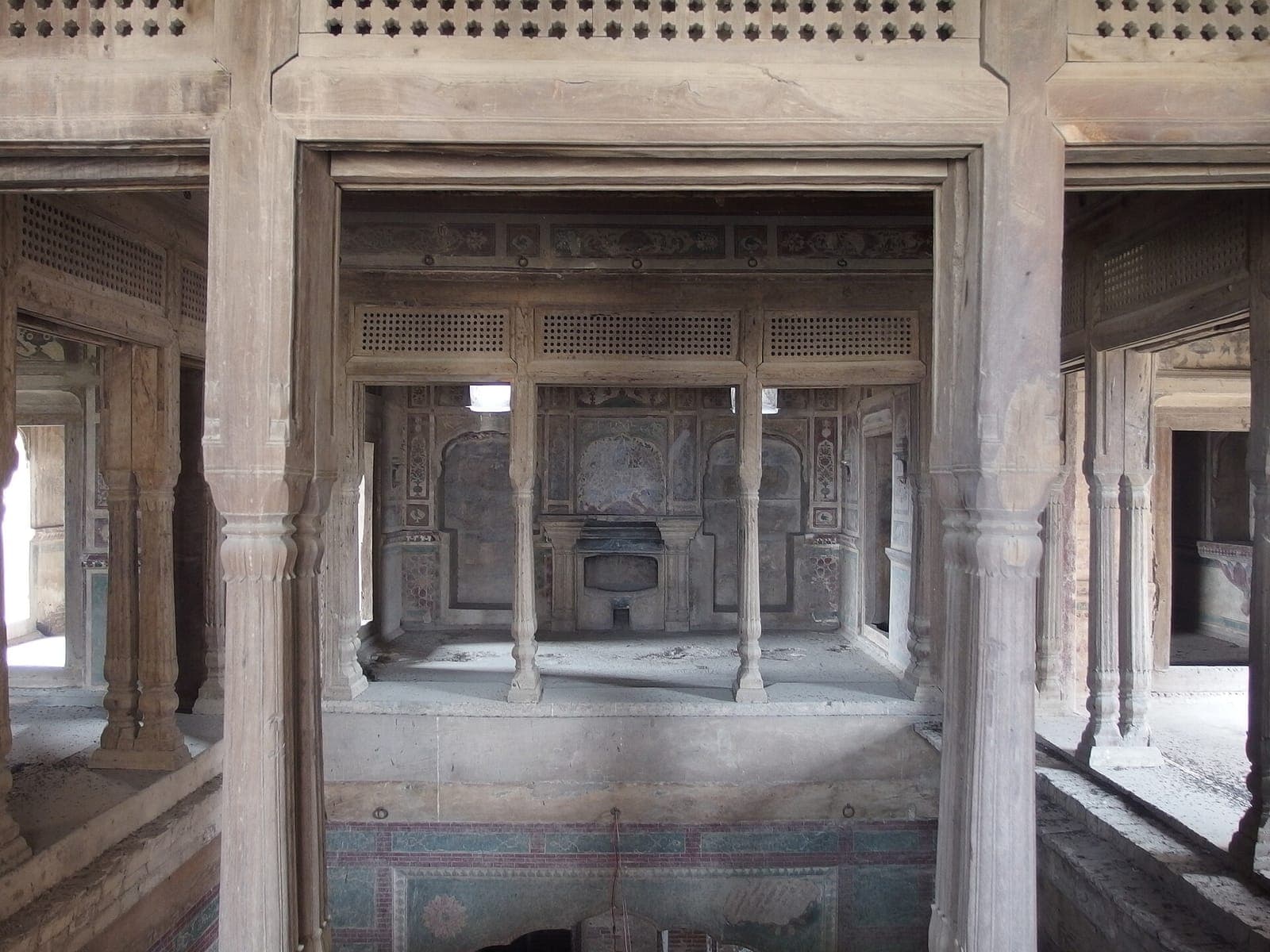
Sheikhupura Fort
Jahangir's hunting lodge of 1607, raised beside the Hiran Minar he built over the grave of his pet antelope — and the fort that gave the town its name.
Sight
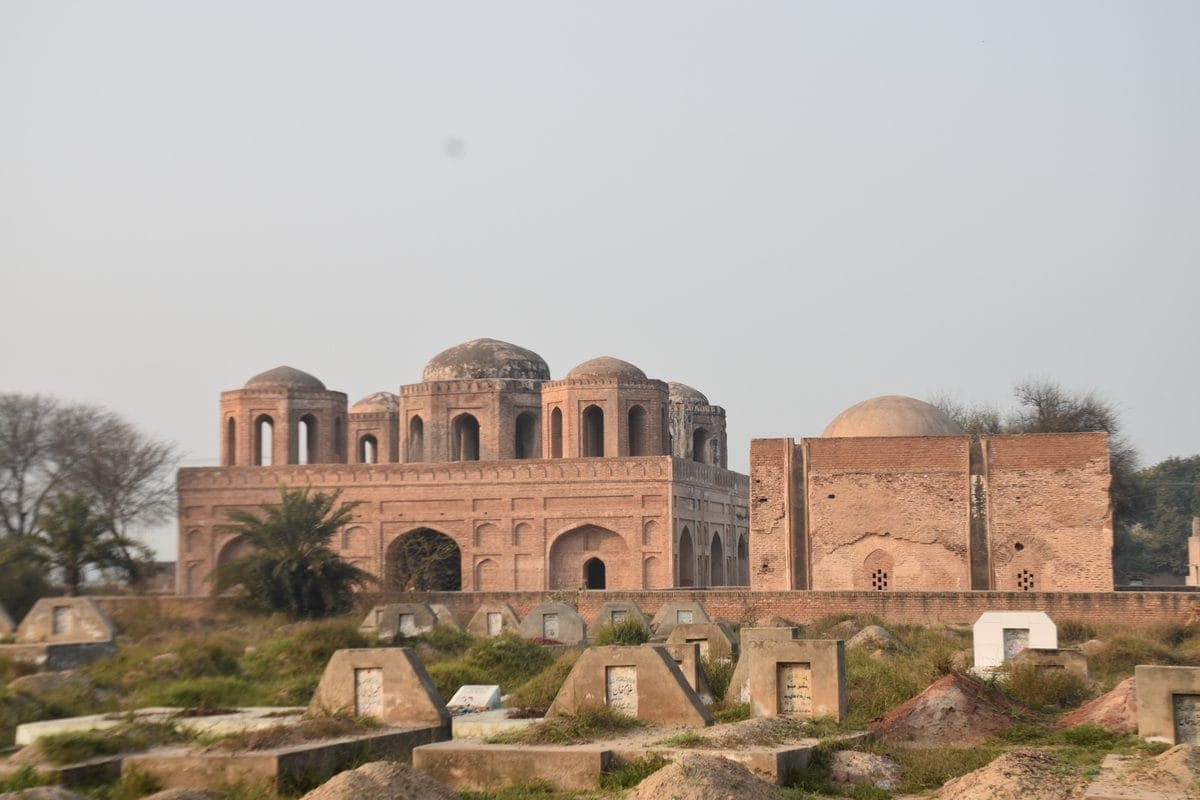
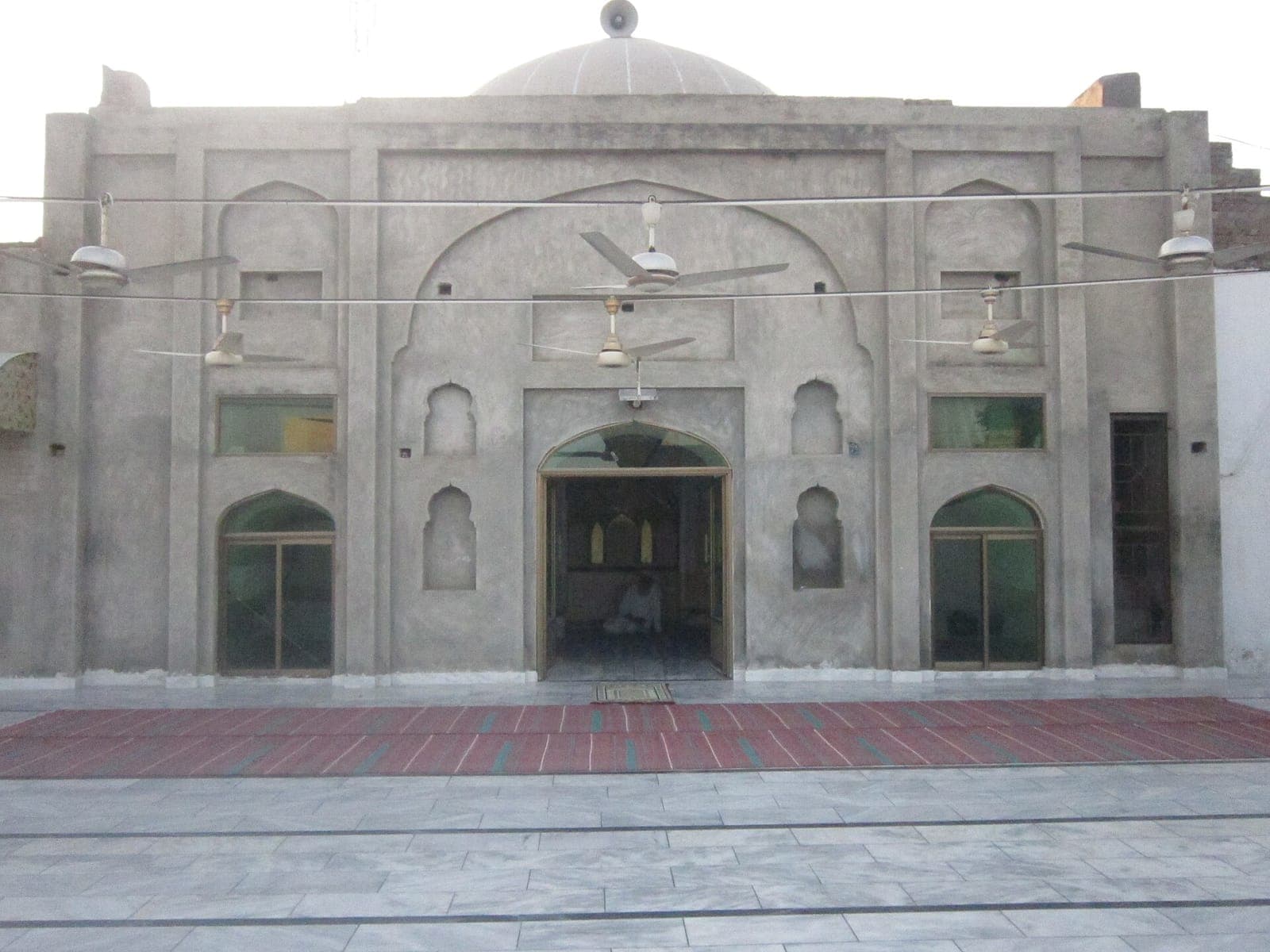
Baoli & Mosque
The baoli and the mosque are located on the north-western fringe of the village, constructed by Sher Khan during the time of Akbar.
Sight
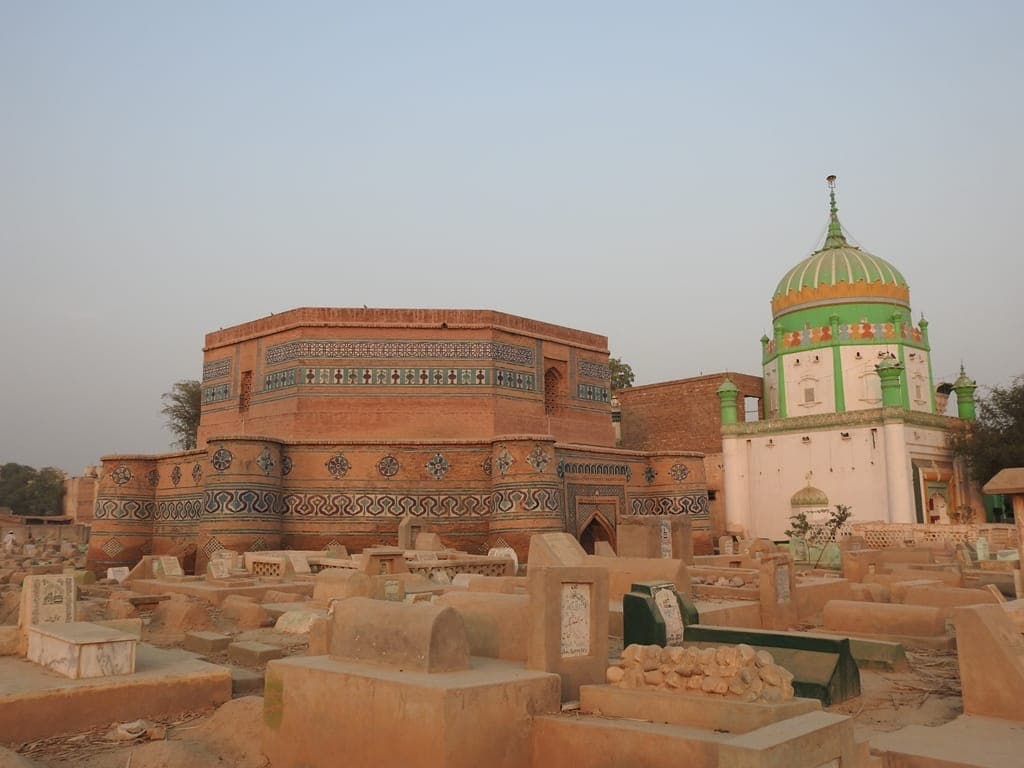
Inderkot Mosque
Inderkot Mosque in Fateh Jang, Attock: a small late-Mughal mosque with frescoes, qalib kari plasterwork and Persian and Arabic inscriptions.
Sight
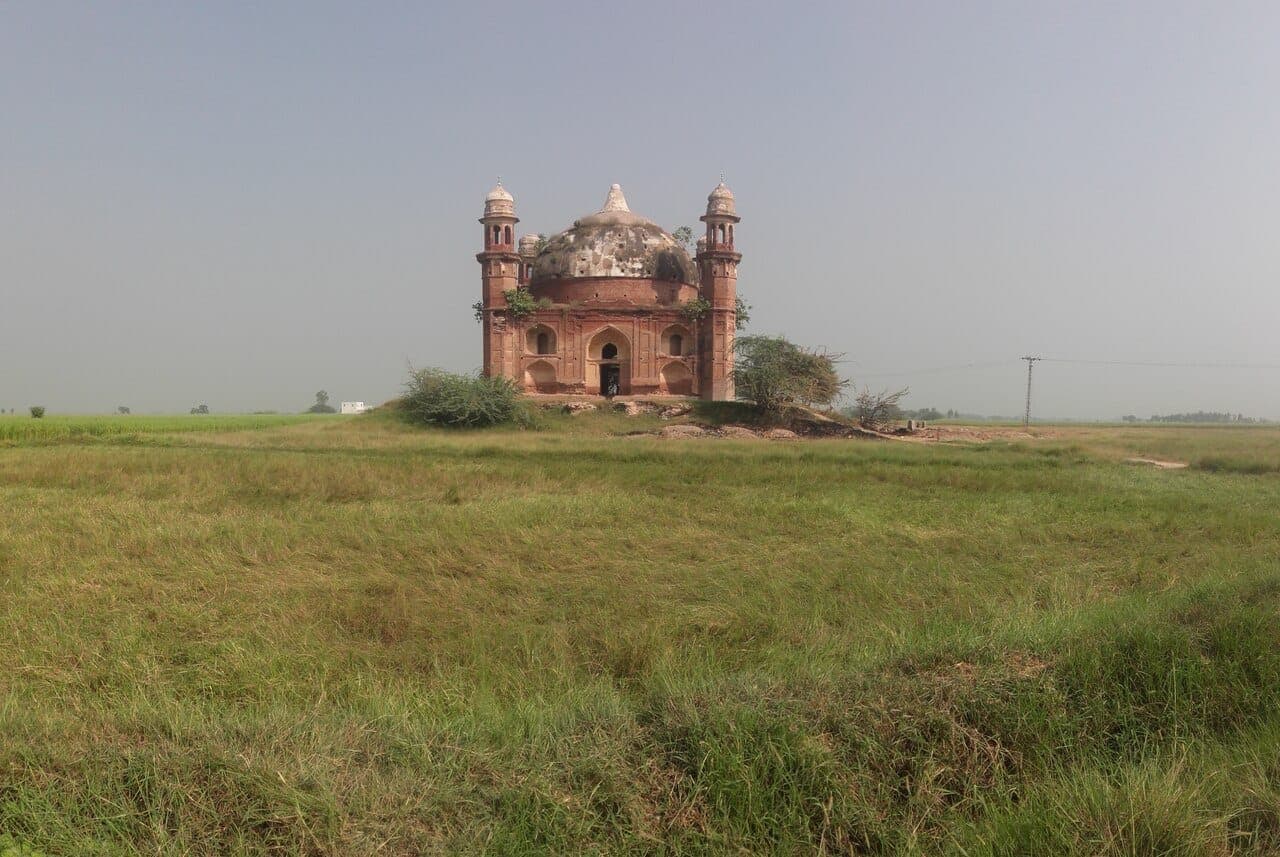
Ghazi Khan's Tomb
Ghazi Khan's Tomb in Dera Ghazi Khan: an octagonal, two-tiered brick tomb with turrets and tile mosaic, modelled on Shah Rukn-e-Alam's in Multan.
Sight
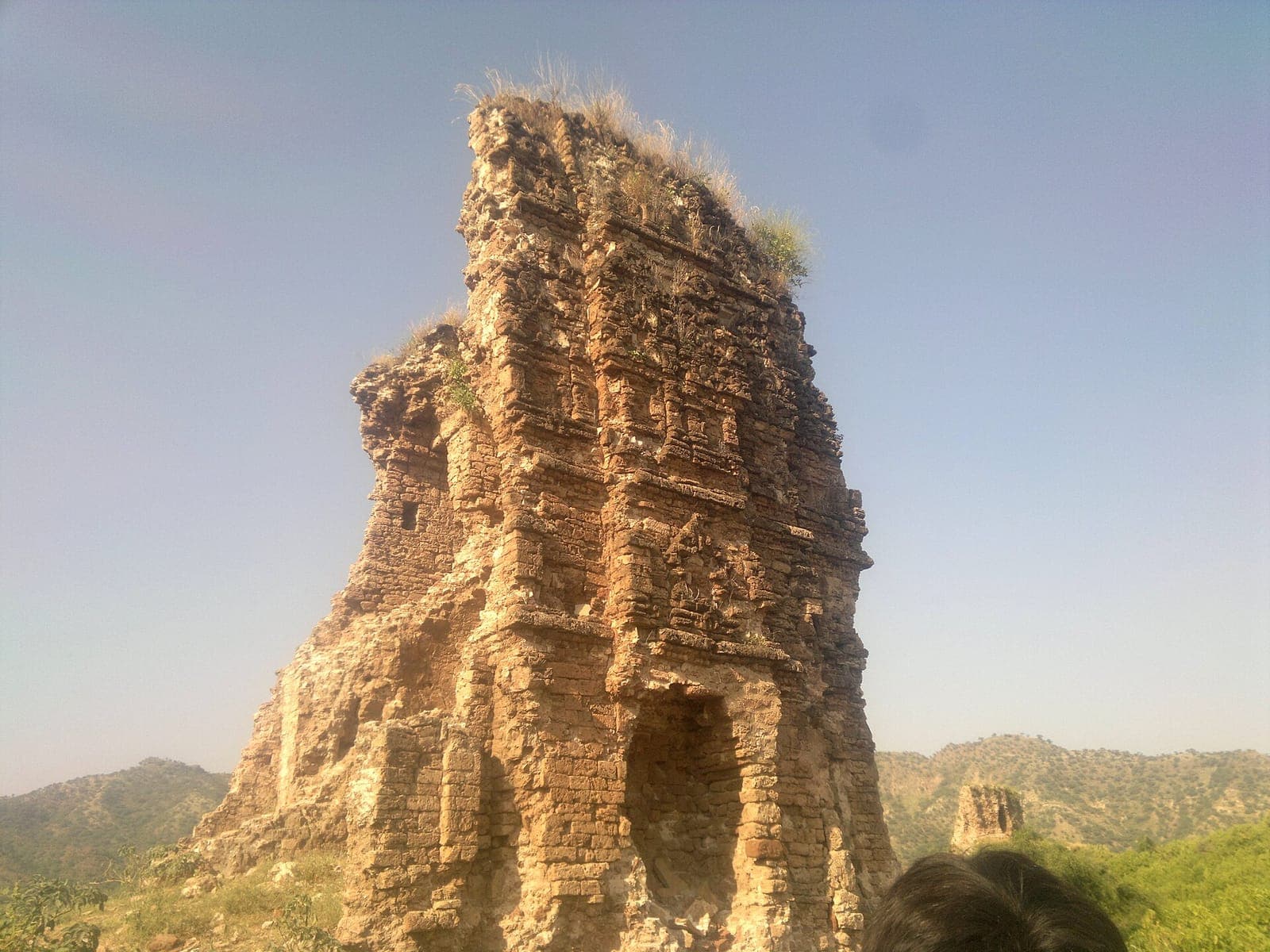
Tomb of Abdul Nabi
A tiled Mughal tomb in the fields at Kotli Maqbara near Gujranwala, with four minarets, a single dome and an underground grave chamber.
Sight
Two Ancient Temples, Nandana
Two ruined Hindu temples inside the hill fort of Nandana above Baghanwala in the Salt Range, Jhelum, built in the Kashmiri style of about the 9th century.
Sight
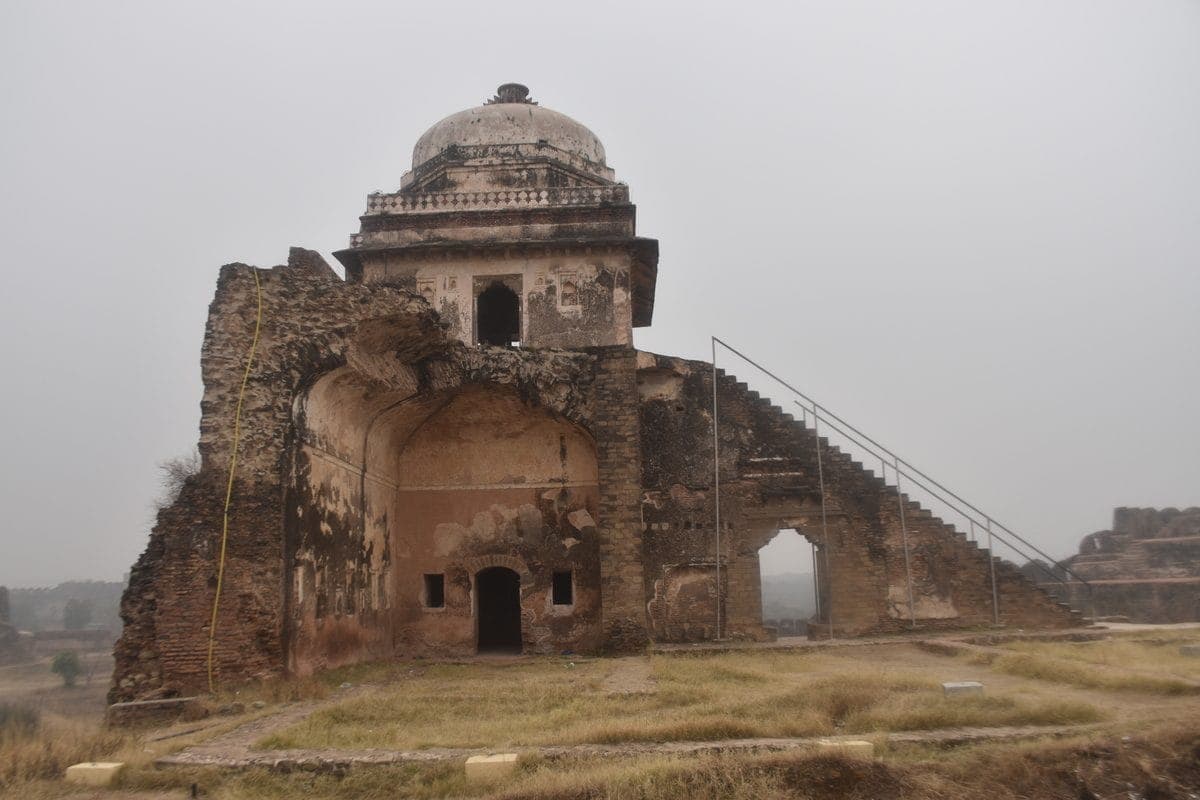
Raja Man Singh's Haveli
In the center of Rohtas Fort, there stands on a high part of the hill, the so-called Man Singh Haveli.

Sight
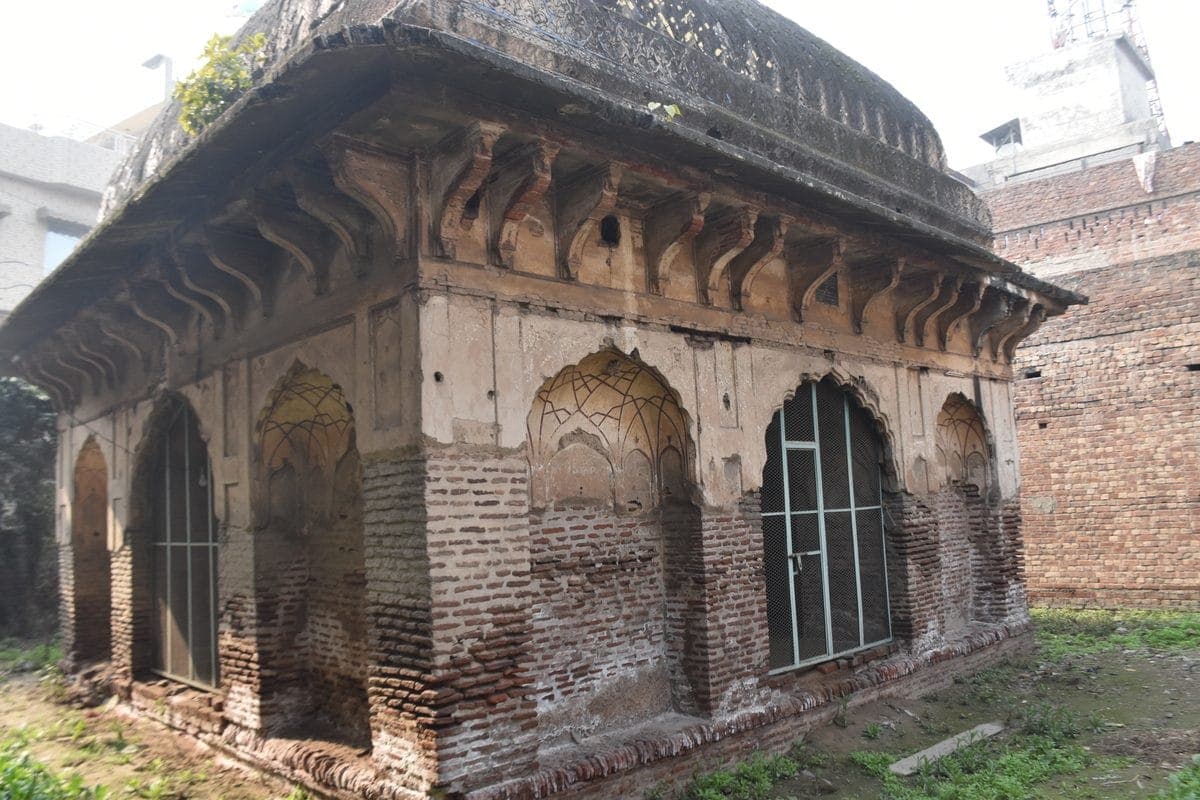
Tomb of Muhabbat Khan
A walled Mughal garden tomb in Baghbanpura, Lahore, near the Shalamar Gardens, linked with Mahabat Khan or his son.
Sight
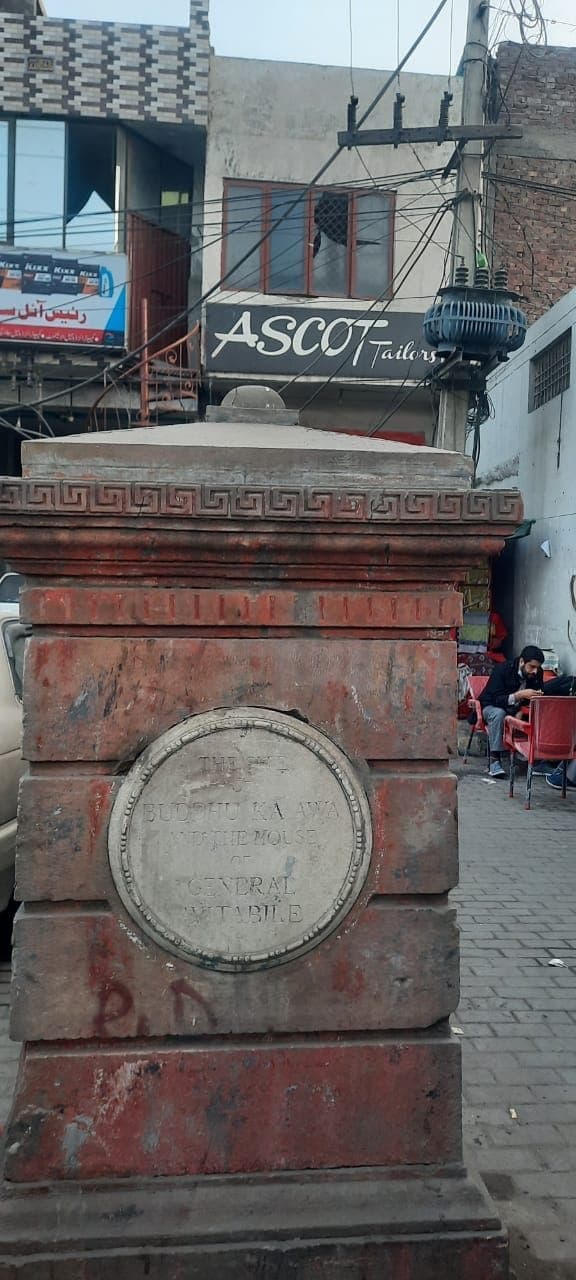
Jani Khan's Tomb
A small Mughal tomb in Lahore with an unusual curved roof decorated in zigzag tile mosaic.
Sight
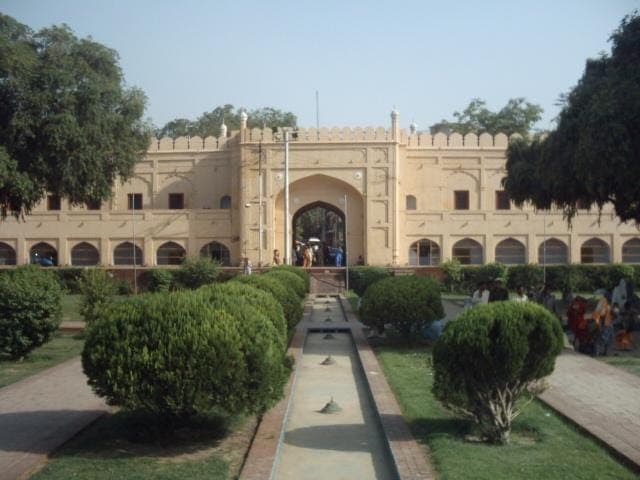
Budhu ka Awa Monument
A domed square Mughal tomb at Begumpura in Lahore, south of Shalimar Road.
Sight
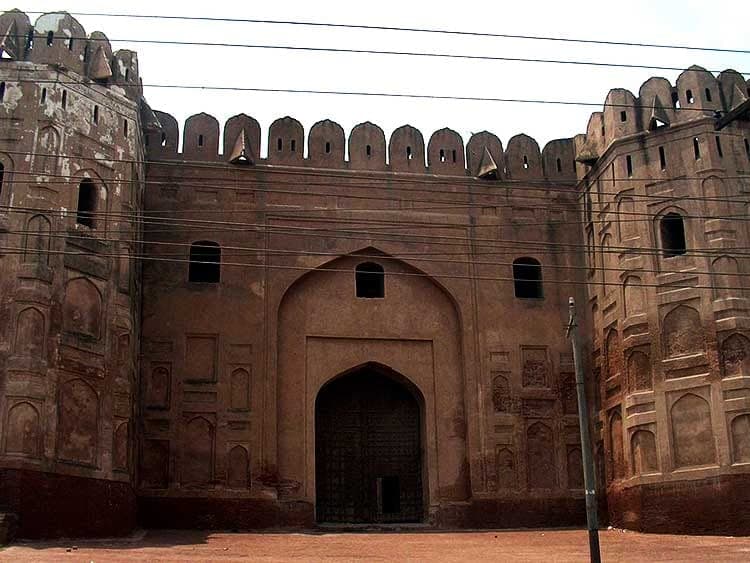
Roshnai Gate
The Gate of Lights, between Lahore Fort and the Badshahi Mosque: a lamp-lit Mughal entrance to the Walled City, later the gate to the Hazuri Bagh.
Sight
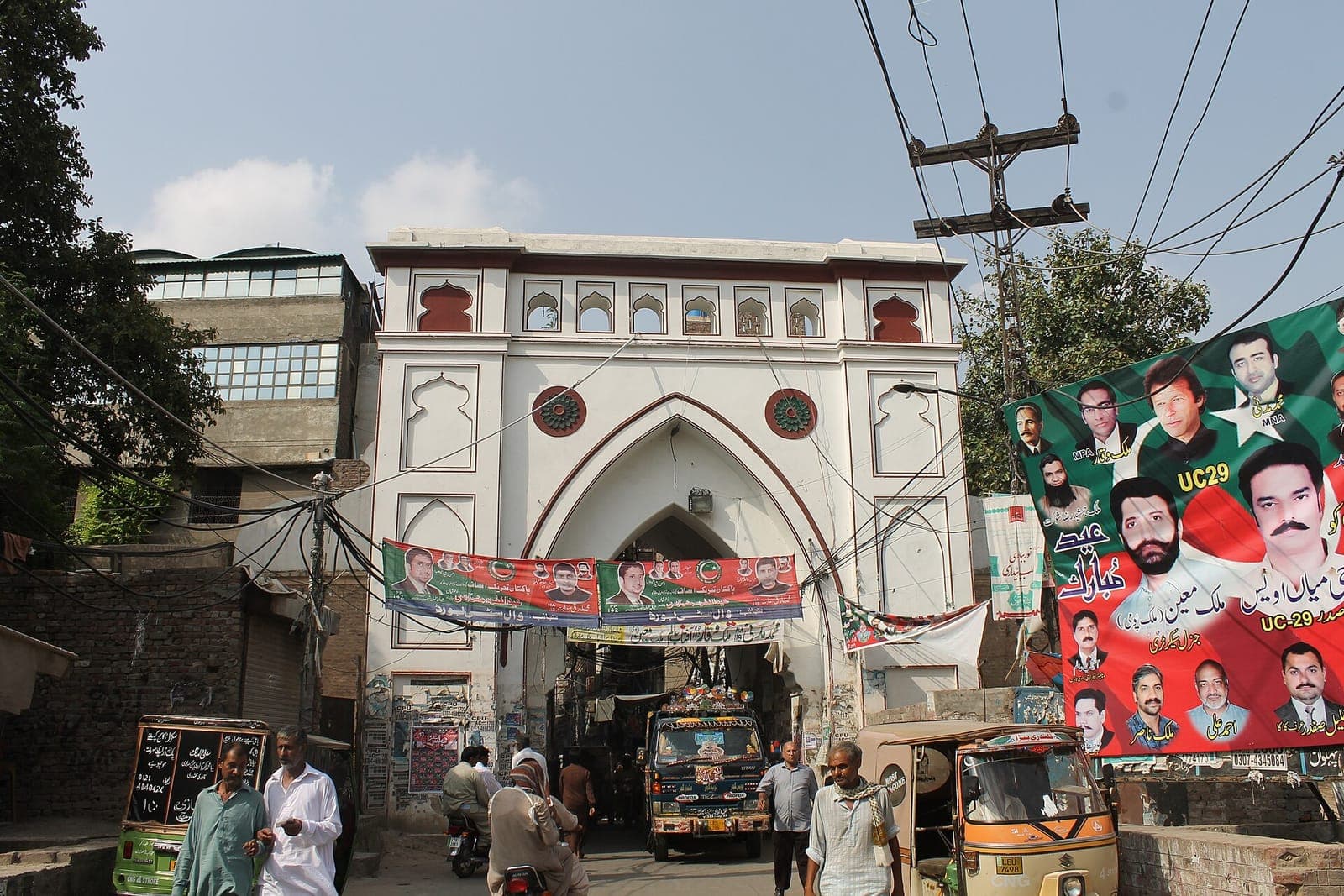
Masti Gateway
Masti Gate on the north side of Lahore's Walled City, named after the nearby Mariam Zamani mosque of 1614; the present gate is British-era.
Sight
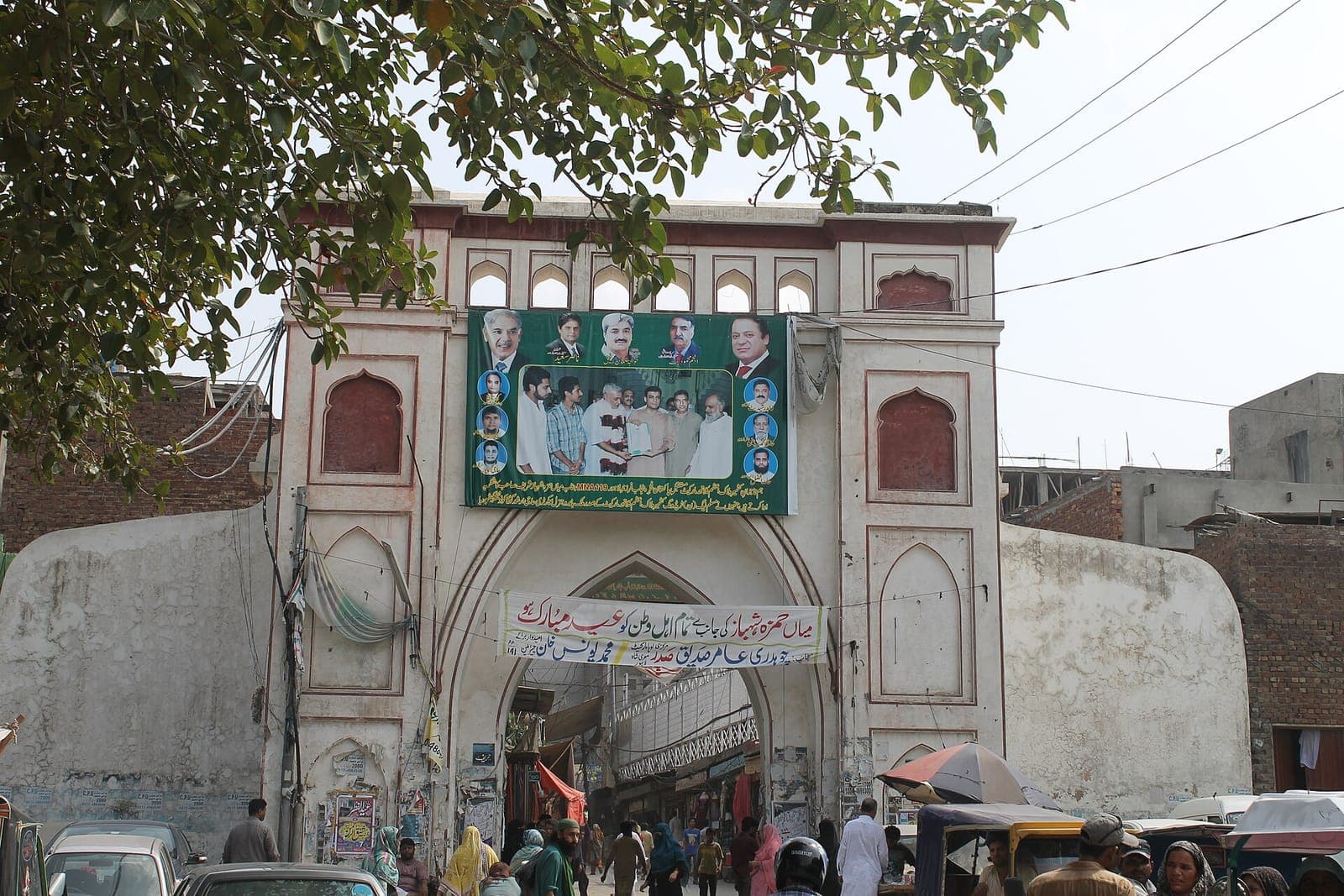
Bhati Gate
Bhati Gate on the west side of Lahore's Walled City, near Data Darbar, named after the Bhatti Rajputs; the present gate is a British-era rebuilding.
Sight
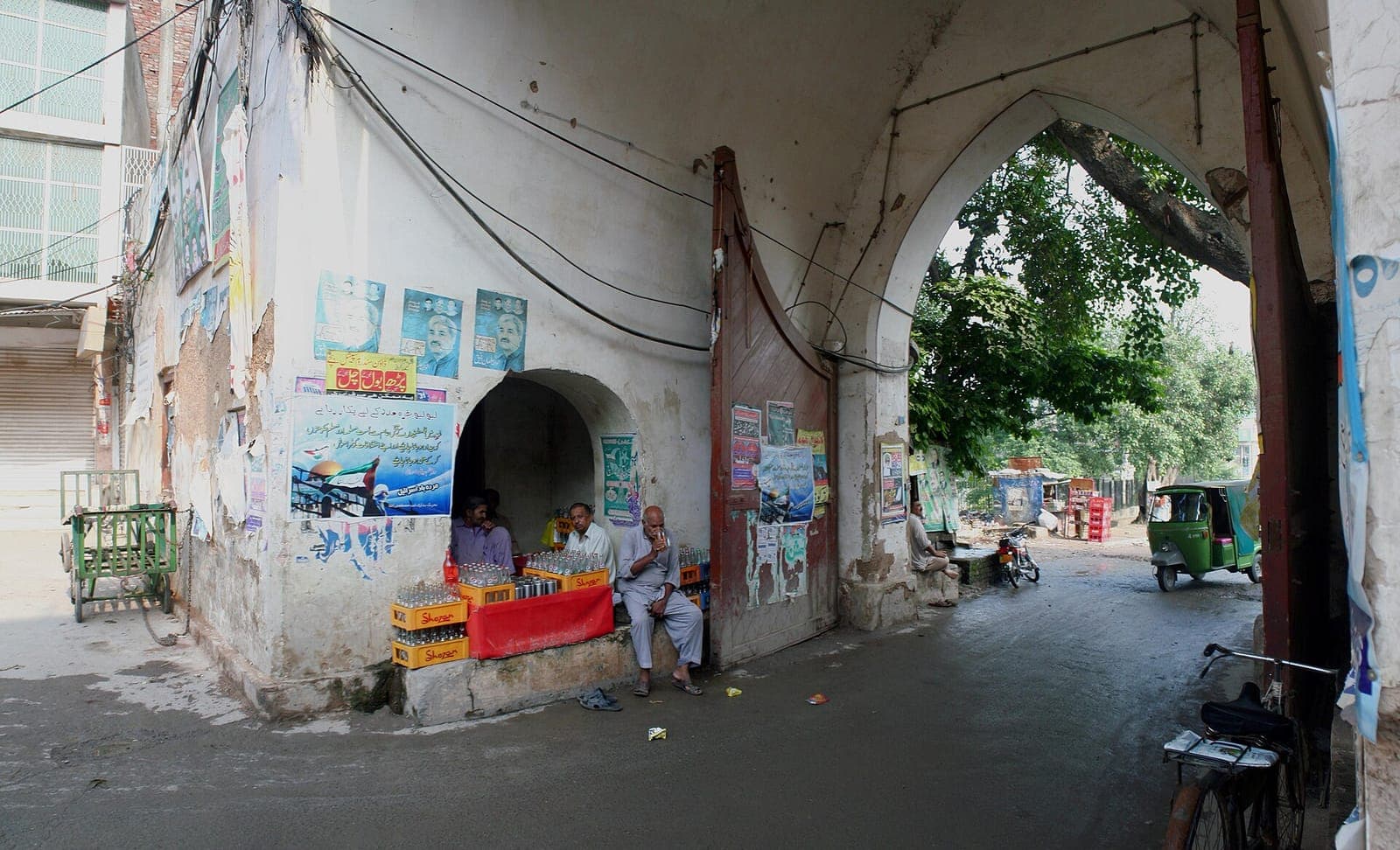
Sheranwala Gate
Sheranwala Gate, the Lions' Gate, on the north side of Lahore's Walled City: named after two lions Ranjit Singh kept here; once the Khizri Gate.
Sight
Kashmiri Gate
One of the thirteen gates of Lahore's Walled City, named for facing Kashmir, with Kashmiri Bazaar inside.
Sight
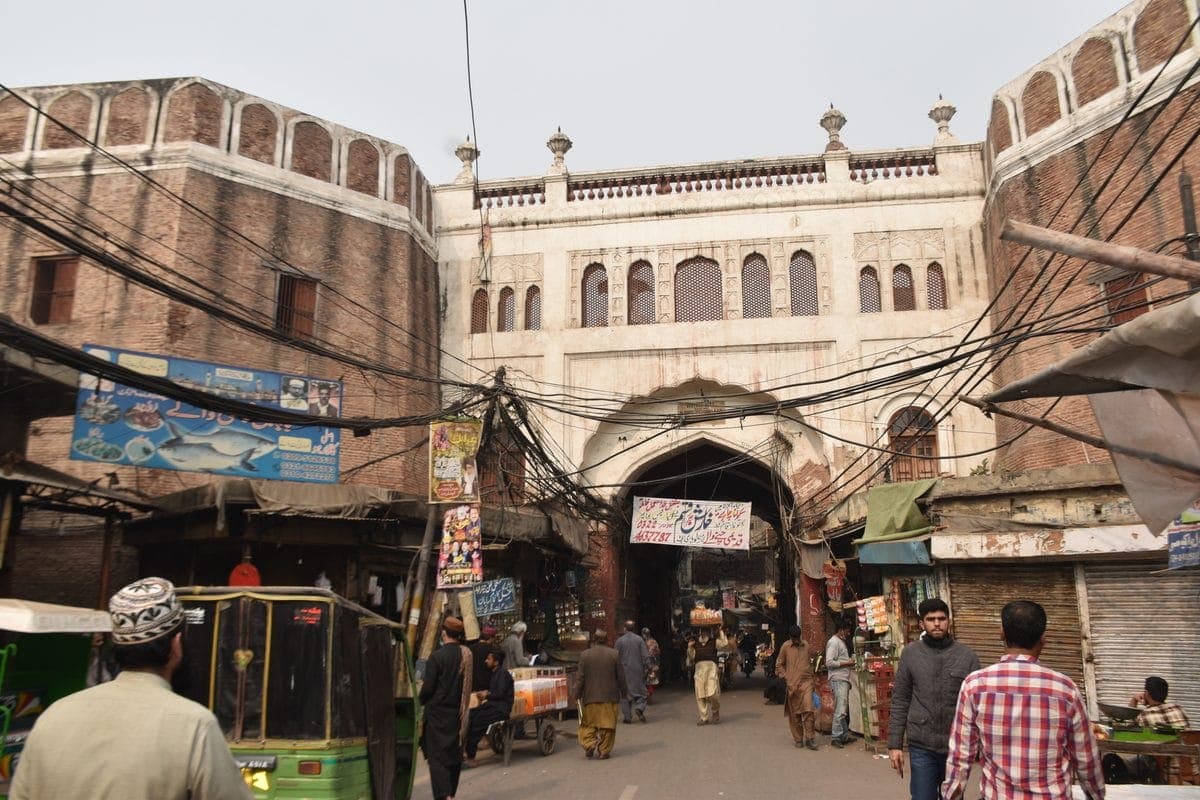
Lahori gate
The Lahori Darwaza (Gate) is the gate on the south named after the city of Lahore itself.
Sight
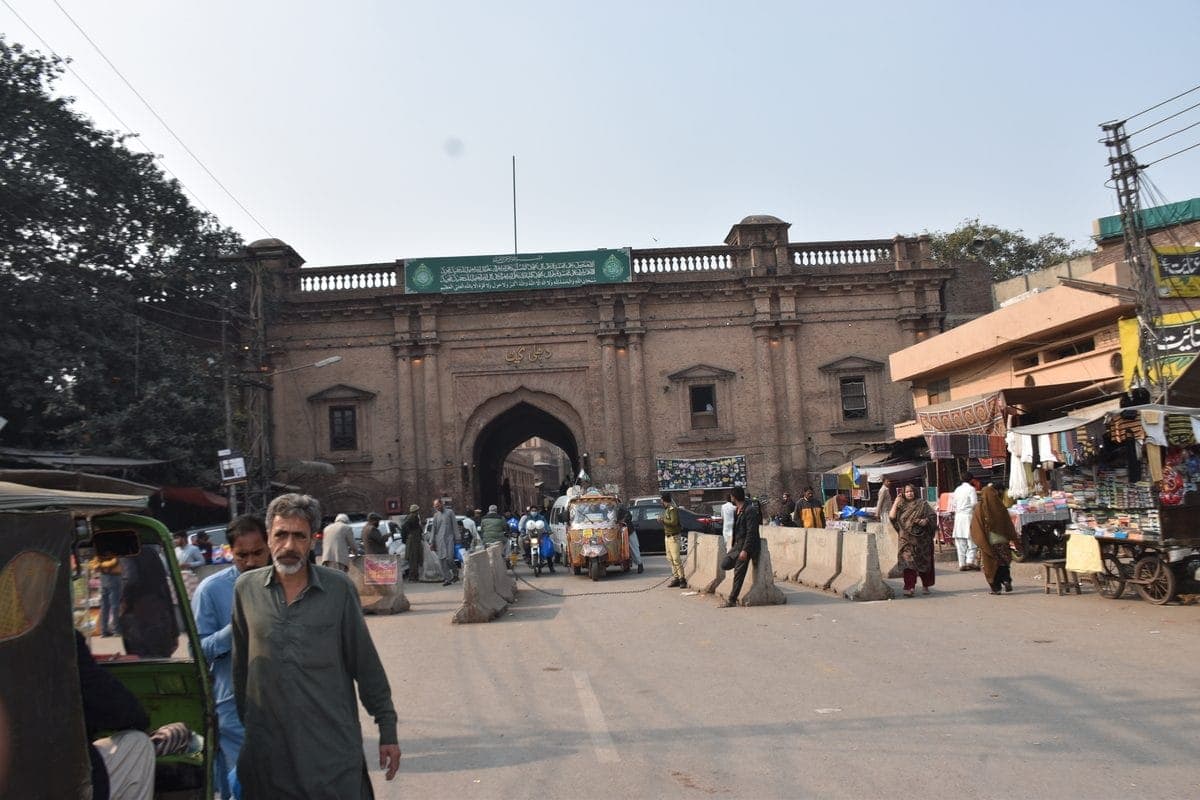
Delhi gate
Delhi Gate is situated in the fortification wall towards east facing Delhi city, as such it is called Delhi Gate.
Sight
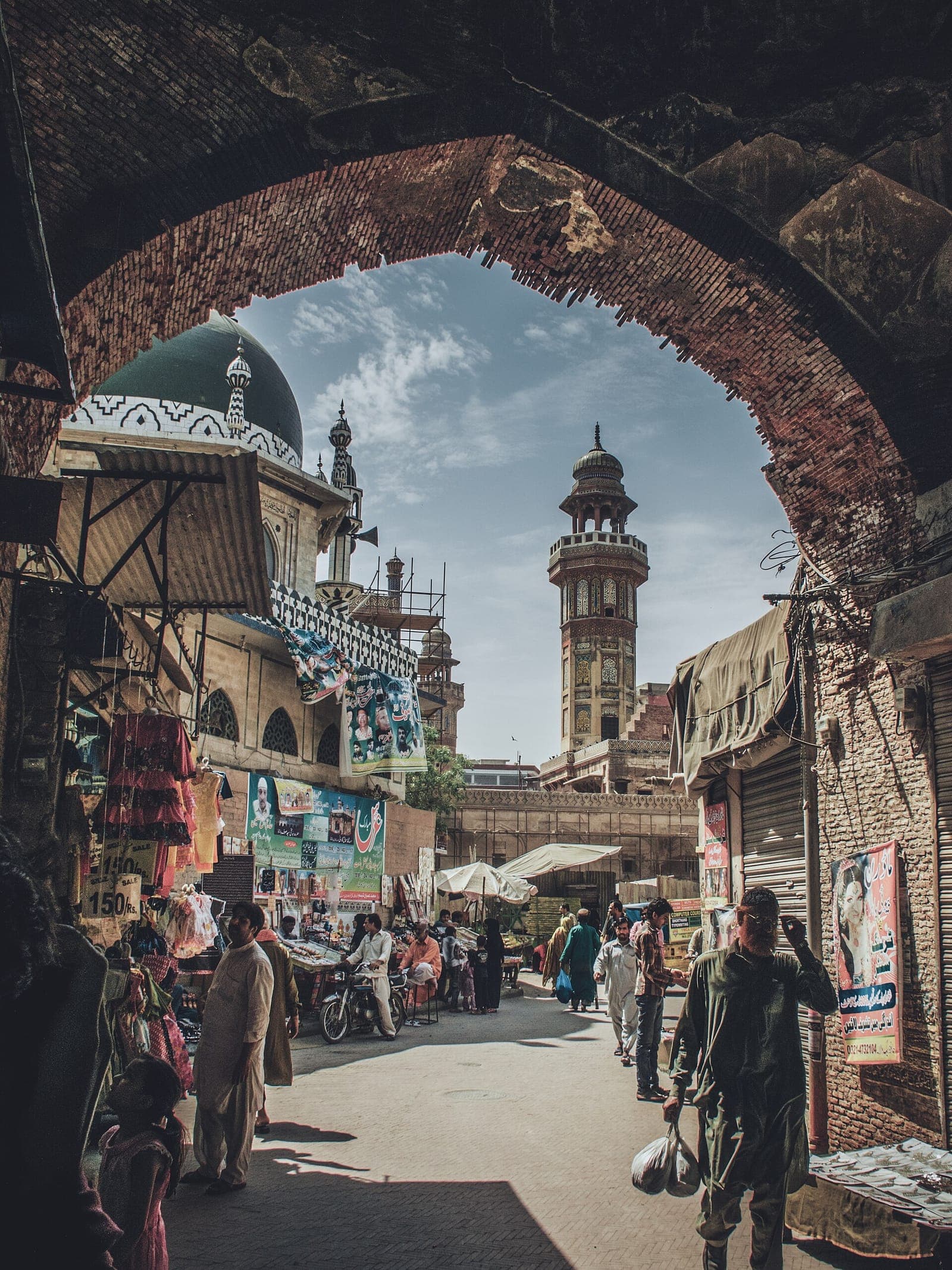
Chitta Gate
Chitta Gate, the White Gate, by the Wazir Khan Mosque in Lahore's Walled City: a 1650s arch that was once the city's original Delhi Gate.
Sight
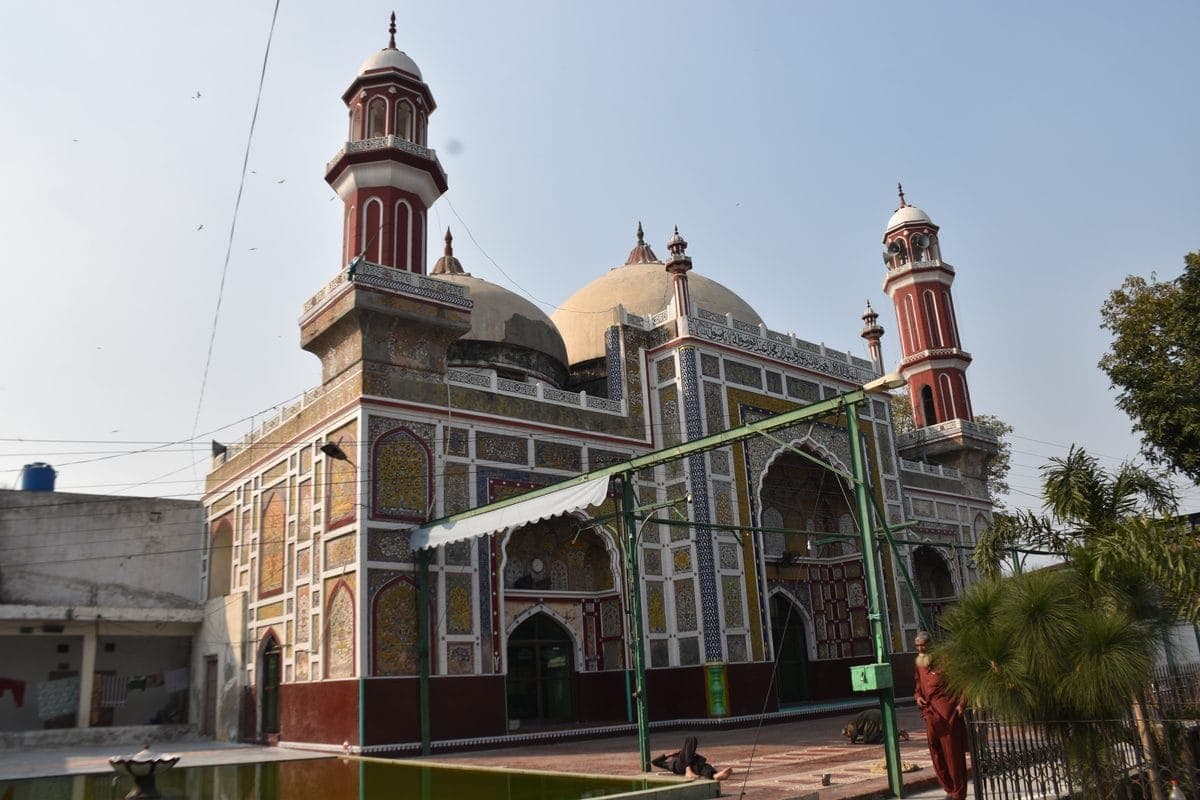
Dai Anga's Mosque
A mosque situated near the Railway station of Lahore and notable for its minute and refined enameled tile, mosaic work.
Sight
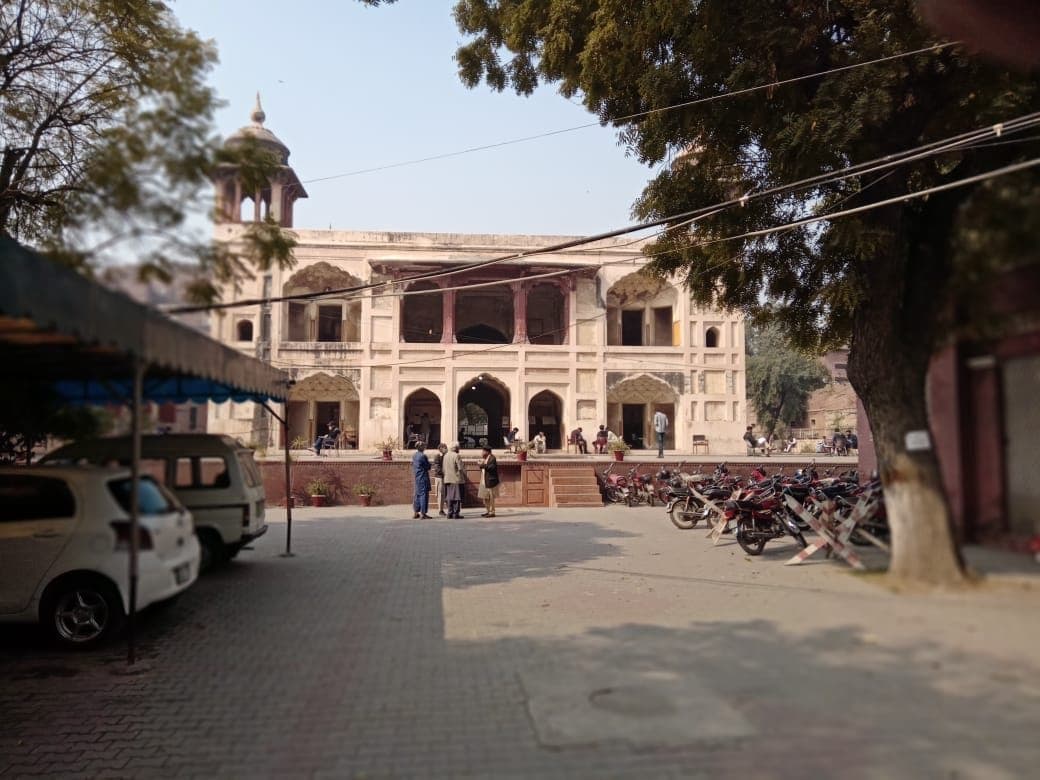
Wazir Khan's Baradari
Wazir Khans Baradari is a beautiful specimen of civic architecture belonging to the Mughal style of Shah Jahans days.
Sight
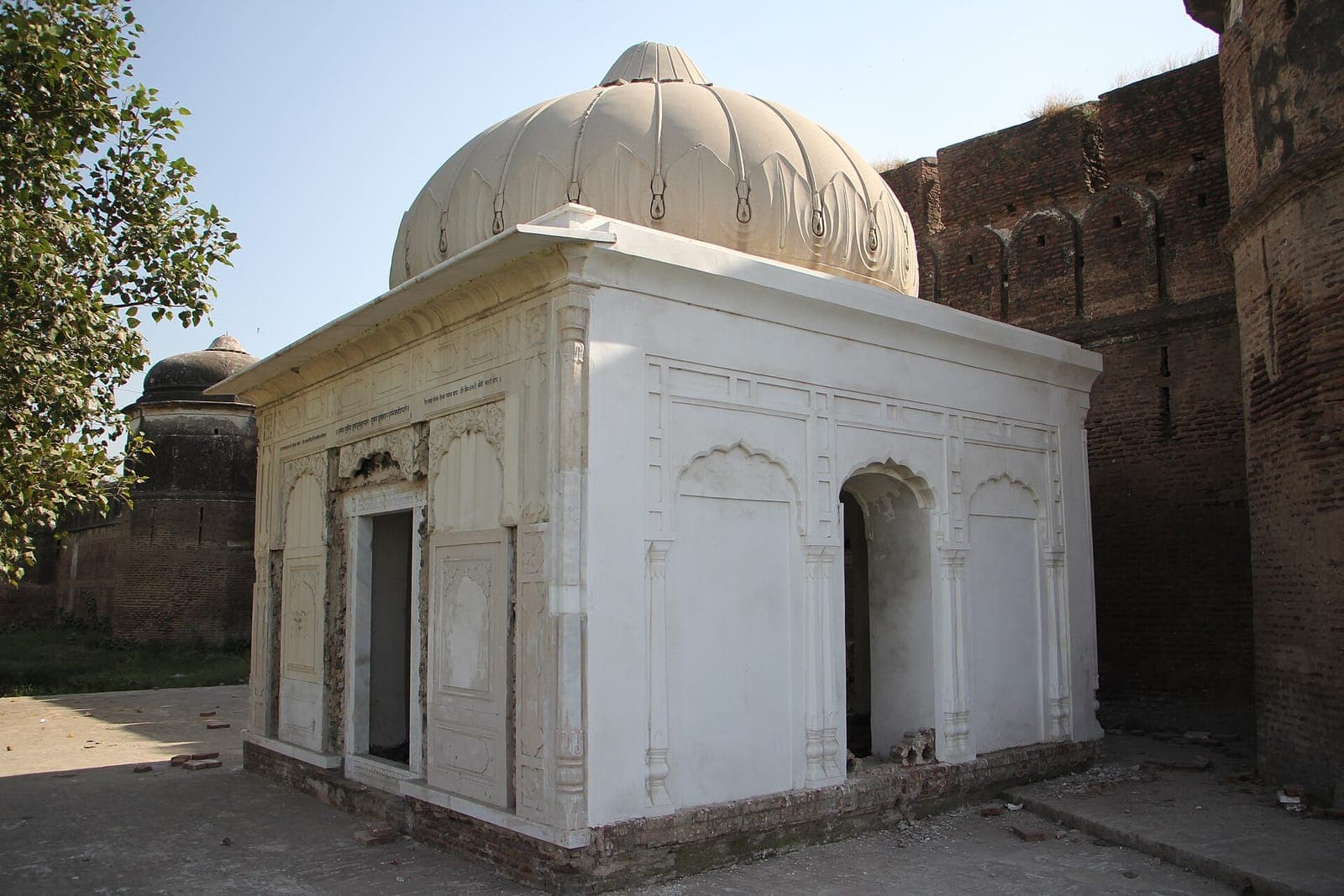
Smadh of Jahangir Shah Suthra
The samadh of Jhingar Shah Suthra beside the north wall of Lahore Fort: the only seat of the Suthra sect, a marble platform inlaid with pietra dura.
Sight
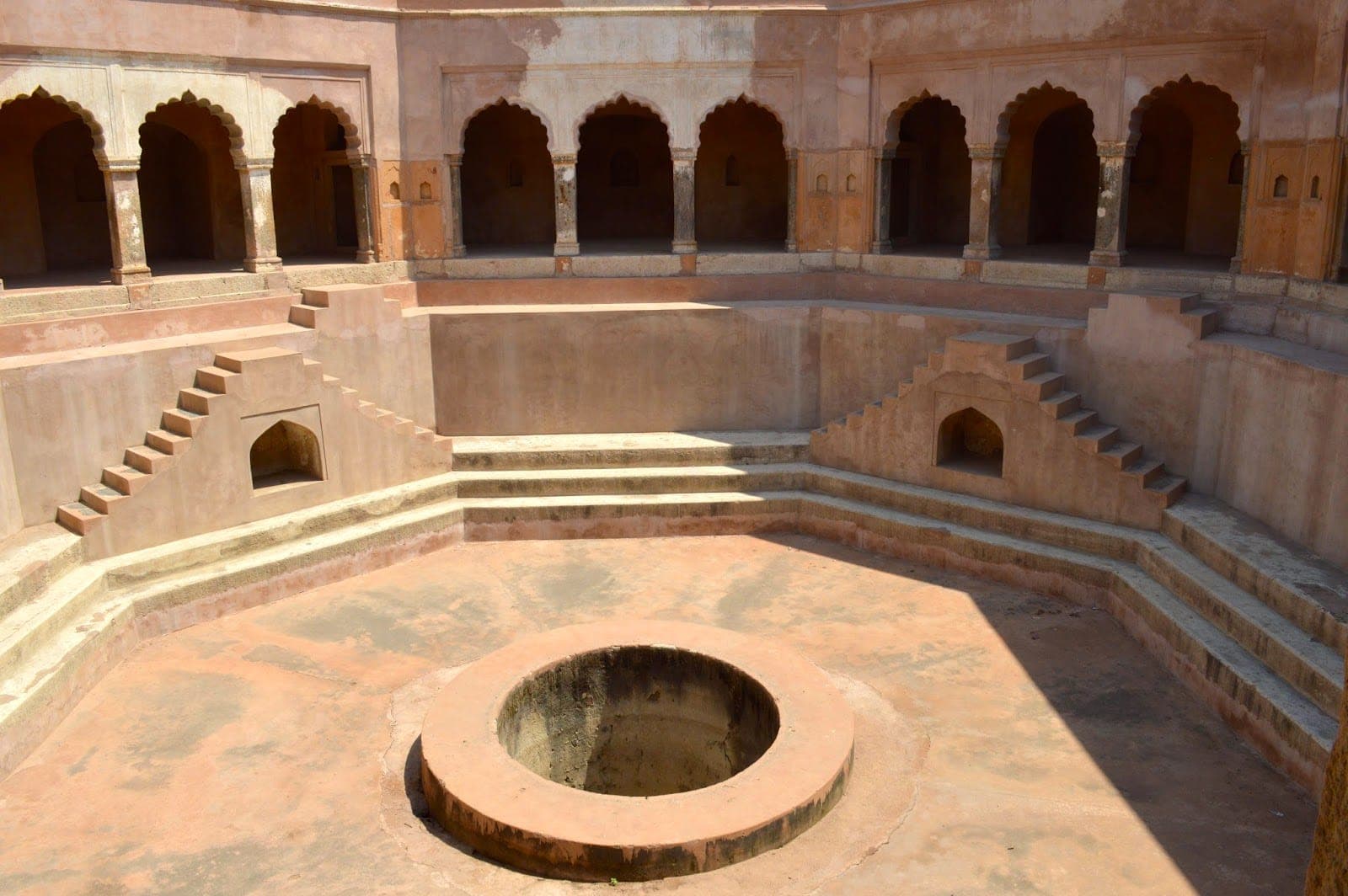
Sher Shah Baoli, Wan Bhachran
Sher Shah Suri's stepwell at Wan Bhachran, Mianwali: a brick baoli with a long stair down to the water, marked by two minarets at its entrance.

Sight
Tomb of Mai Mehrban
The unfinished tomb of Mai Mehrban in Multan, a three-stage brick tomb built in imitation of the great tomb of Shah Rukn-e-Alam.

Sight
Tomb of Shah Yusuf Gardezi
The tomb of Shah Yusuf Gardezi in Multan: a plain, flat-roofed building covered from top to bottom in blue and white glazed tiles.

Sight
Tomb of Shah Ali Akbar's Mother
The tomb of Shah Ali Akbar's mother at Suraj Miani, Multan: a tiled brick tomb with merlons and frescoed interior, near her son's shrine.

Sight
Tomb of Shah Shams Tabriz
The shrine of Shah Shams Tabrez in Multan: a three-storey brick tomb, 24 metres high, turning from square to octagon beneath its dome.

Sight
Tomb of Shah Ali Akbar
A tomb in Multan known as the 'mini Rukn-e-Alam', built in the old Tughluq form with Mughal fresco work inside.
Sight
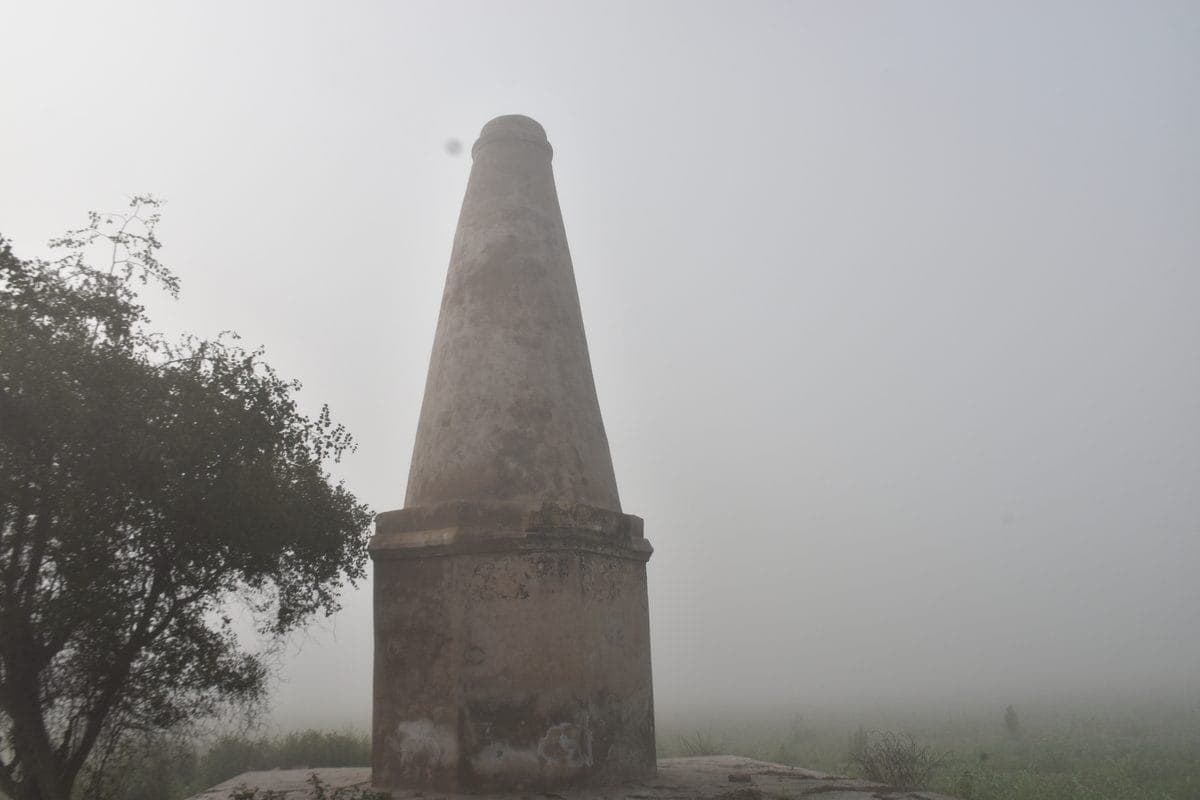
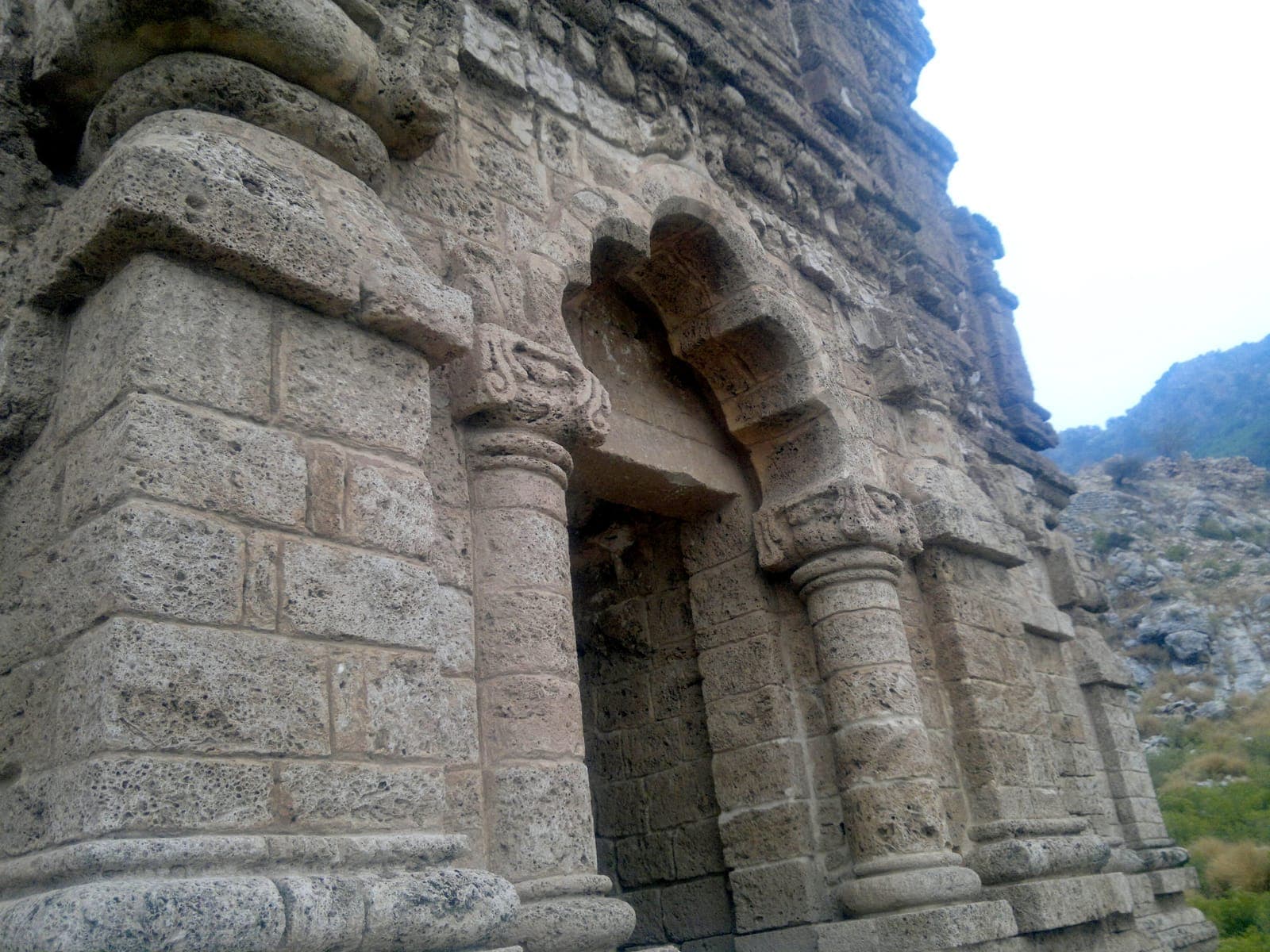
KOS Minar (Minola)
The Muslim Emperors of South-Asian sub-continent took good care of the major roadways leading to the Grand Trunk Roads as named by the British.
Sight
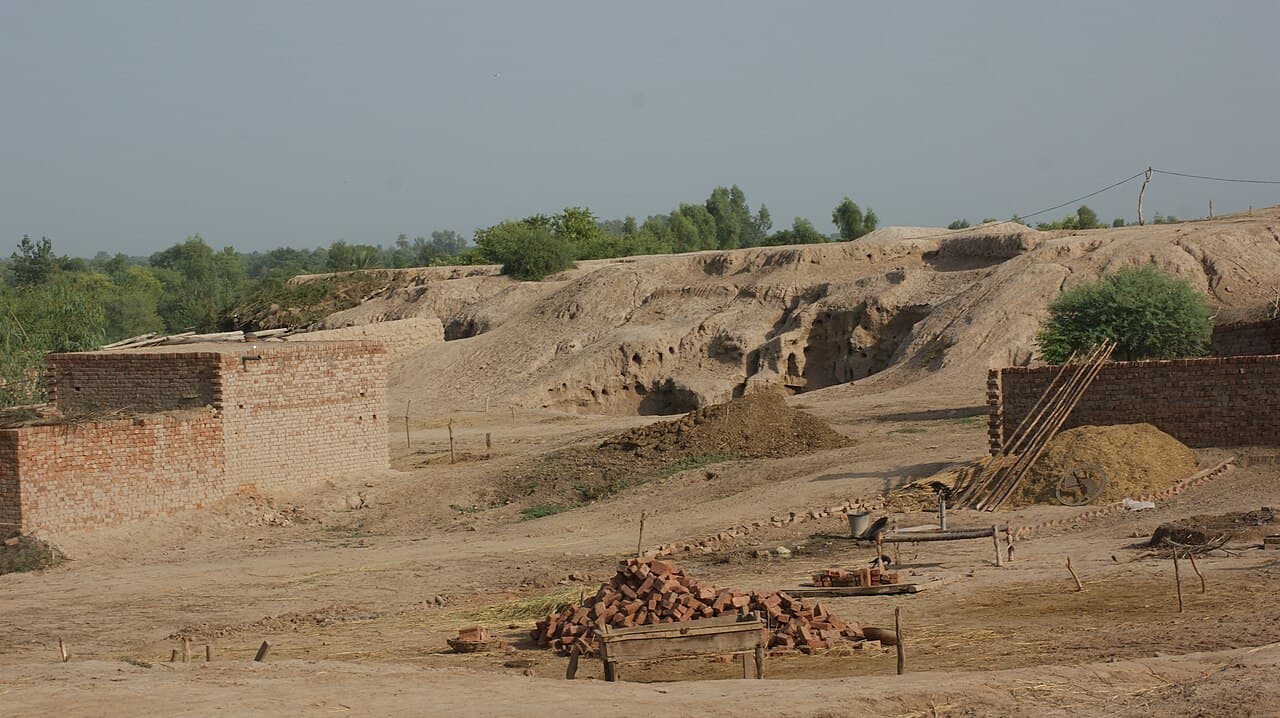
Amb Temples
The Amb Temples in the Salt Range near Sakesar: a 9th–10th-century Hindu temple complex of the Hindu Shahis, its main temple some 15 m tall.
Sight
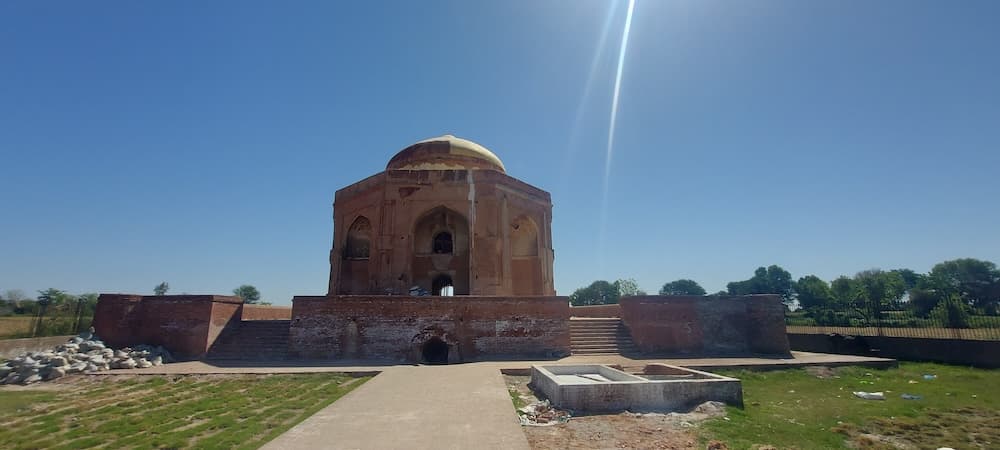
Sanghar wala Tibba
An archaeological site in the shape of a mound is located in Chak 742 of District Toba Tek Singh.
Sight
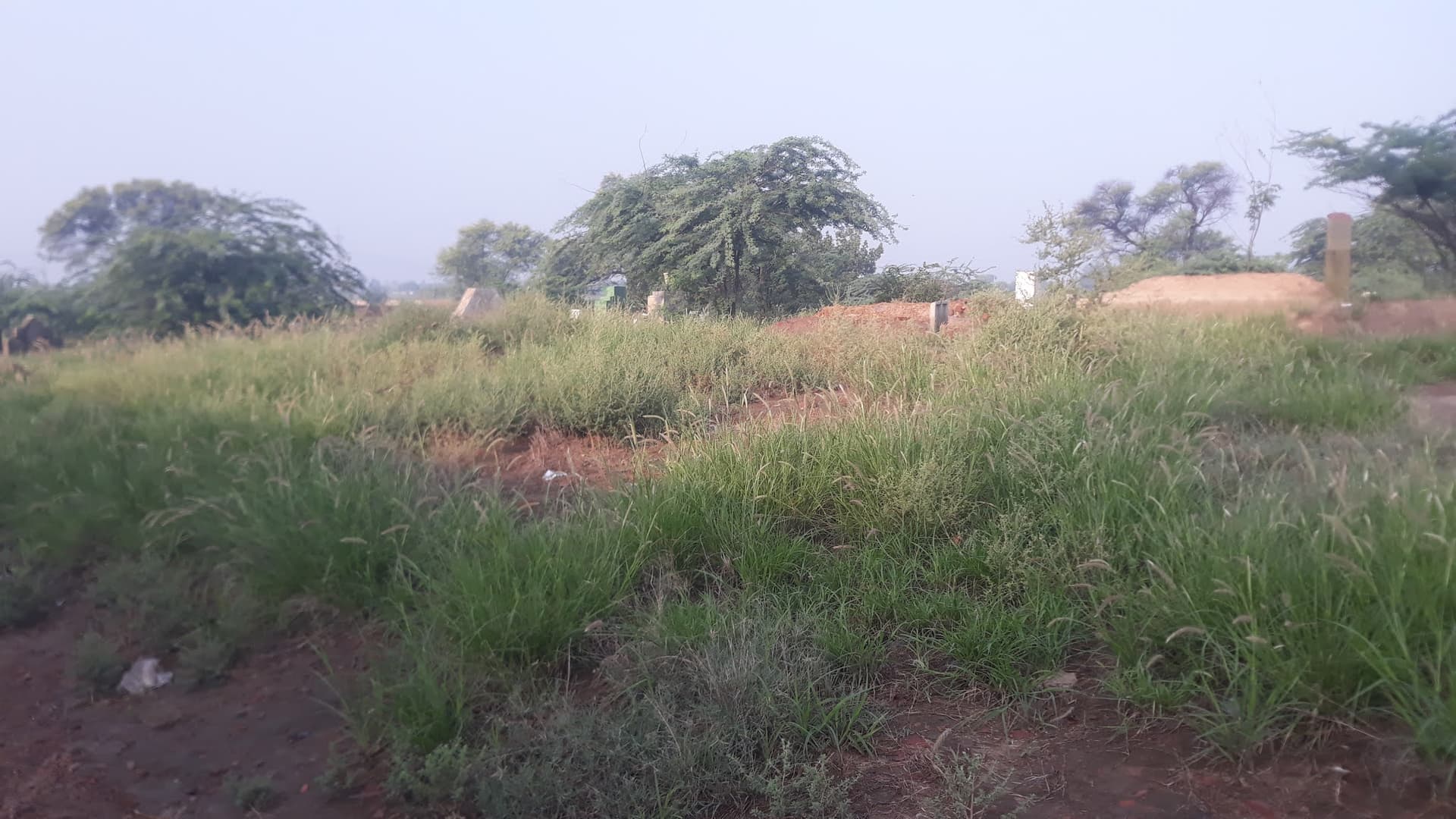
Tomb of Shaikh Ali Baig
An octagonal Mughal-era tomb on a raised platform at Hanjeera, near Helan village in Phalia tehsil, Mandi Bahauddin; a federally protected monument.
Sight
Kala Shah Kaku Mound
An archaeological site spread over an area of 183m across with an average height of 11m above the surrounding level.
Sight
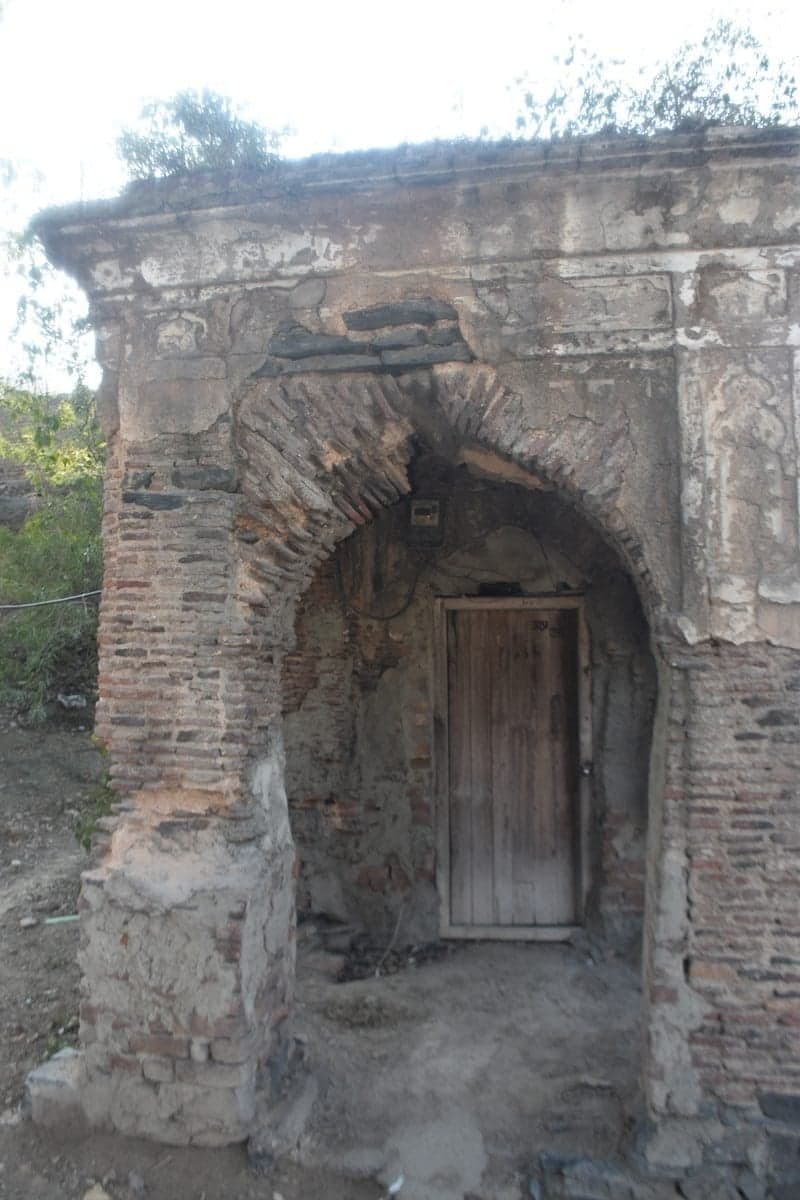
Hindu Temple-I (East of Indus View Hotel)
A small domed Hindu shrine at Attock, a rare survivor of the temples that once dotted the district.
Sight
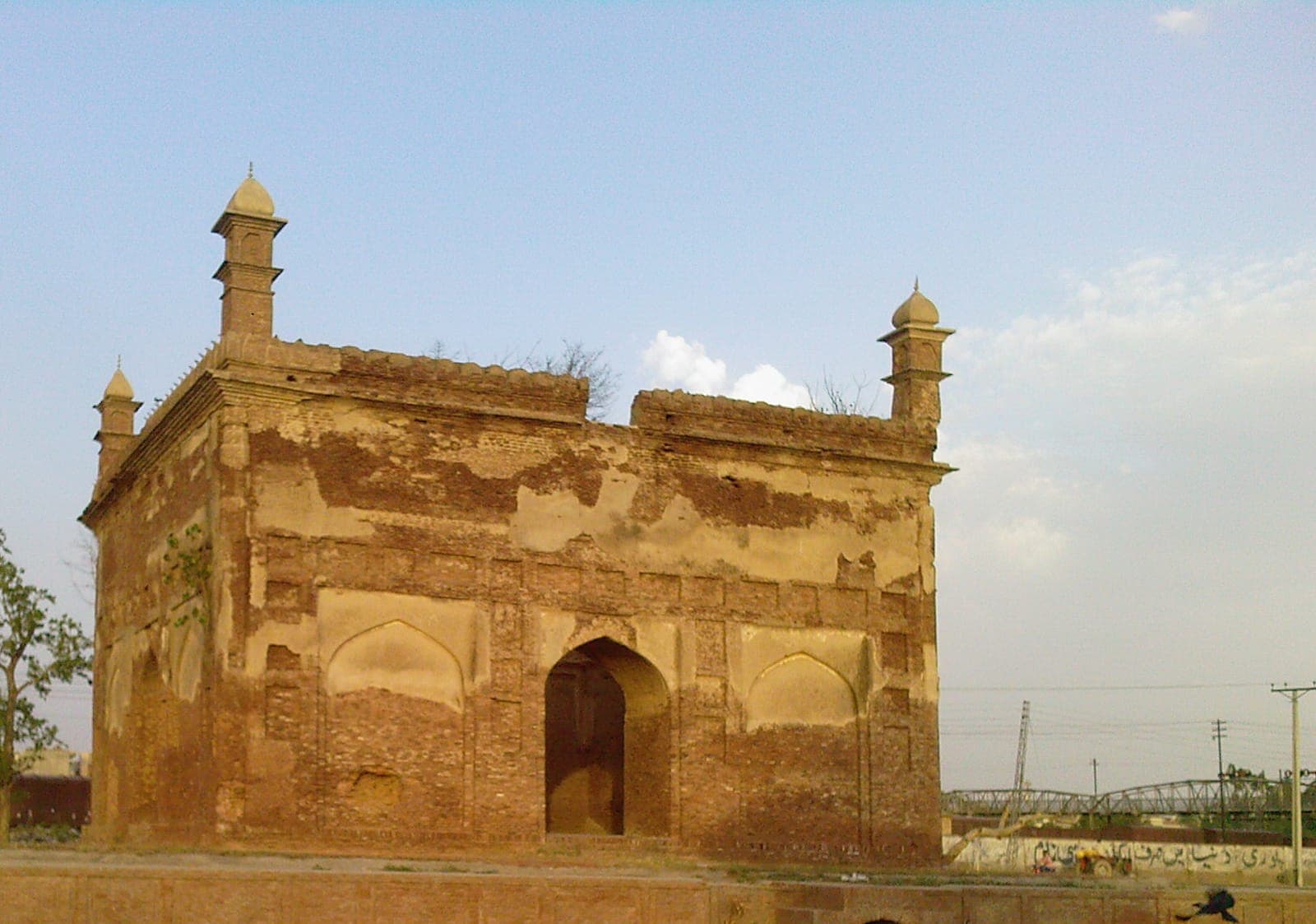
Dak Chowki, Wazirabad
A standalone Suri-period mail station at Wazirabad on the Grand Trunk Road, near the Chenab crossing.
Sight
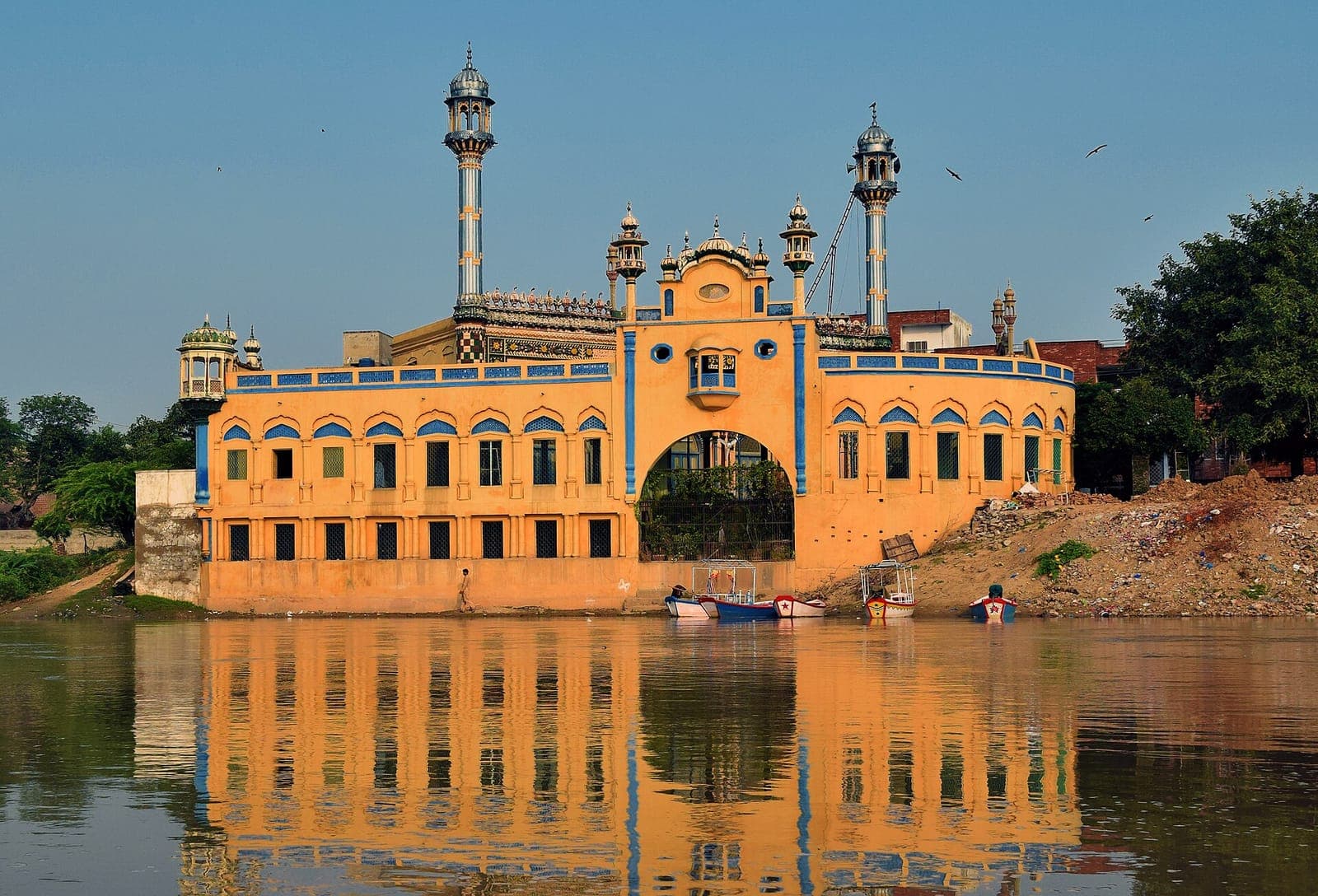
Masjid Afghana, Jhelum
Masjid Afghana on the bank of the Jhelum river: one of the city's oldest Jamia mosques, built in 1892 and still largely original.
Sight
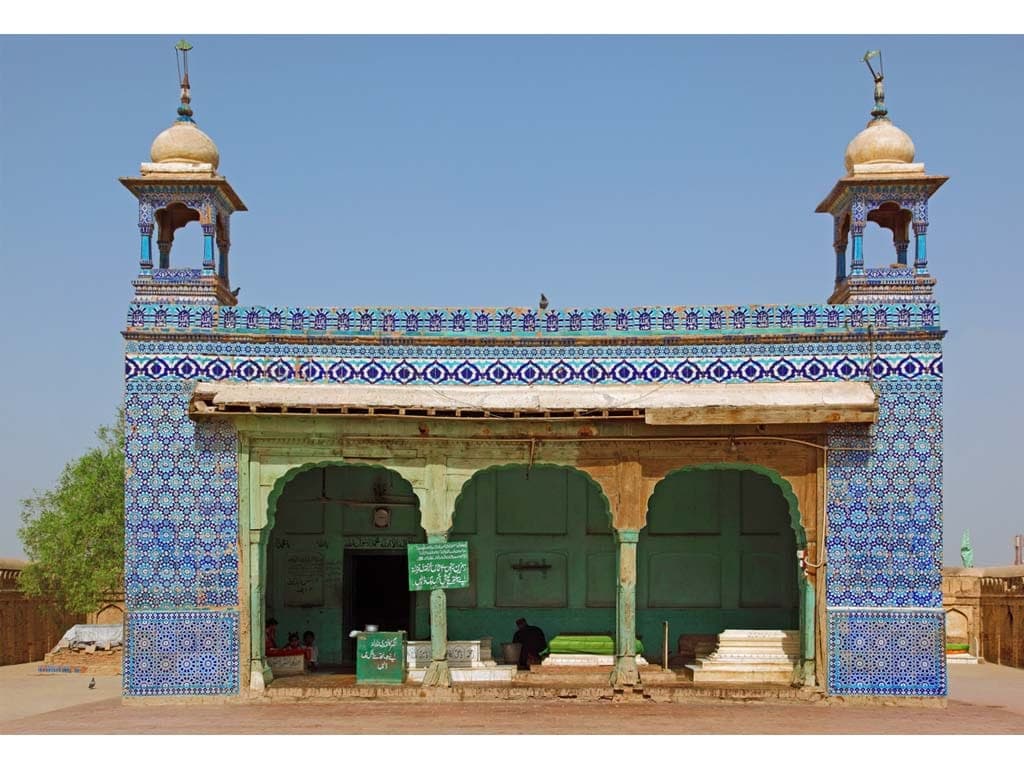
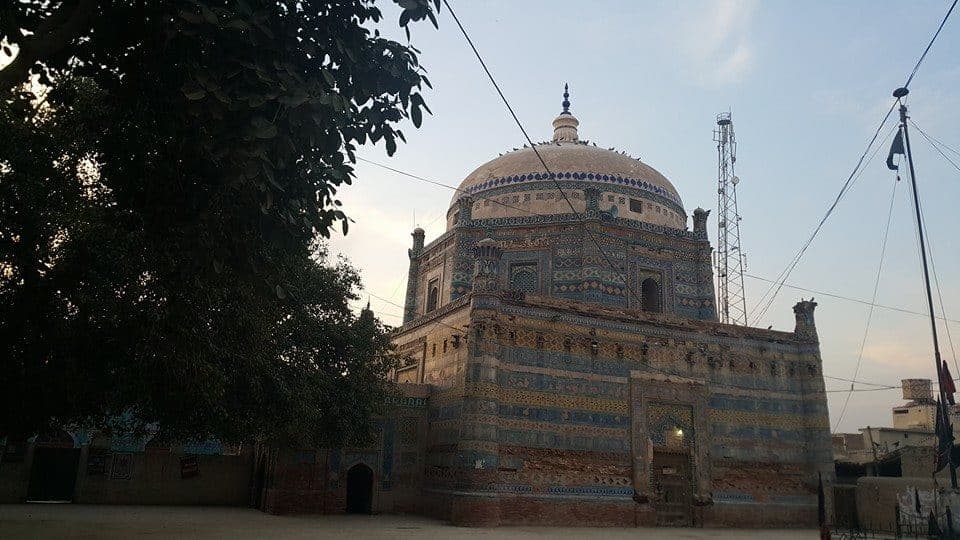
Shrine of Bibi Pak Daman, Multan
The tiled tomb of Bibi Pak Daman in Multan, mother of Shah Rukn-e-Alam, who died in 1295: a flat-roofed Multani tomb in blue and white tile.
Sight
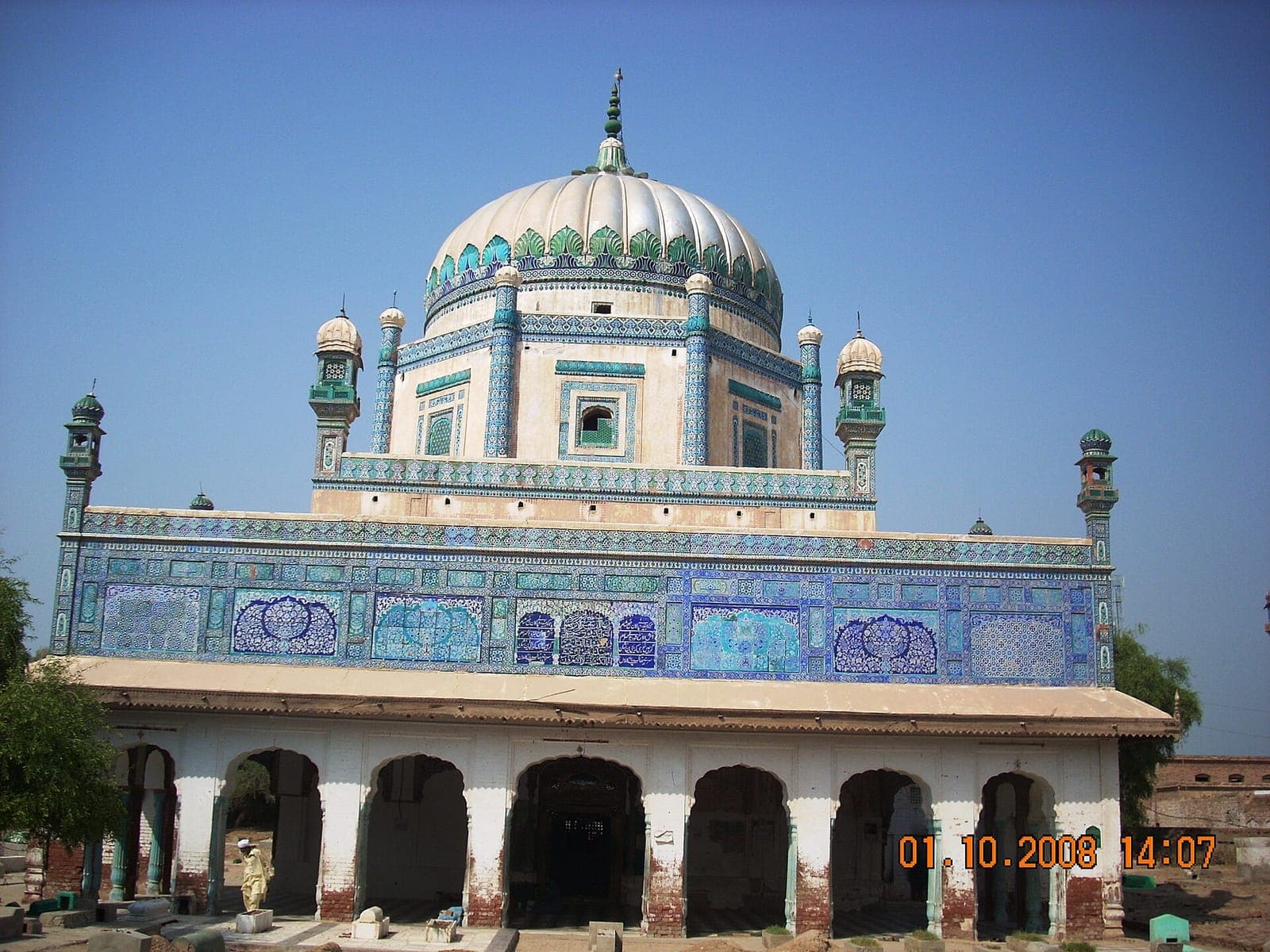
Shrine of Sultan Ahmad Qattal, Jalalpur Pirwala
The 35-metre shrine of Sultan Ahmad Qattal at Jalalpur Pirwala near Multan, a copy of Shah Rukn-e-Alam's tomb, famed for its calligraphy.
Sight
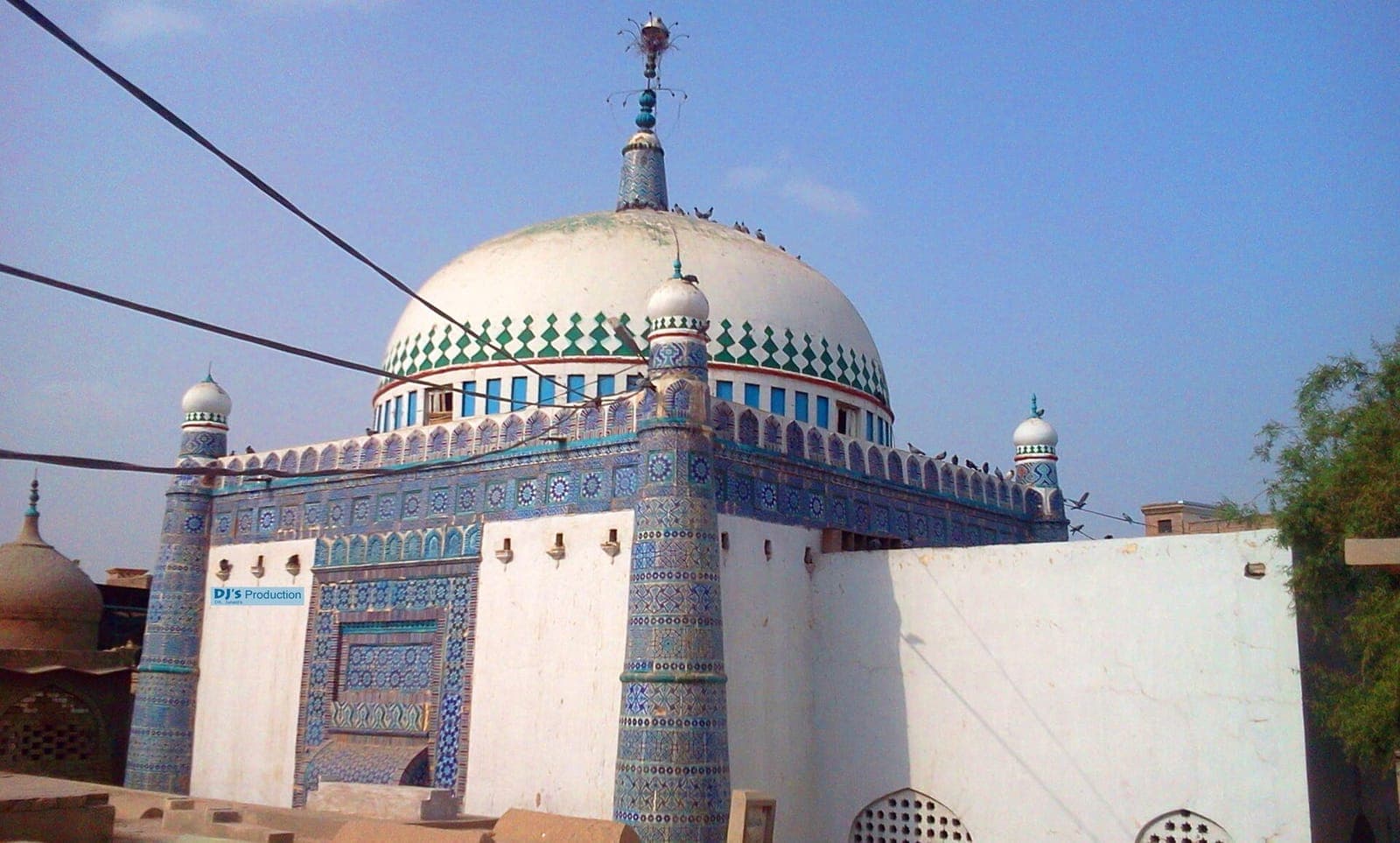
Shrine of Makhdum Rashid
The shrine of Makhdum Abdul Rashid Haqqani in the town of Makhdum Rashid near Multan, with a rare five-domed mosque in Multani blue tile.
Sight
Tomb of Khwaja Awais Khagga
The tomb of Khwaja Awais Khagga in Multan, about 1300: a square domed tomb with corner turrets, laid out like the Samanid Mausoleum in Bukhara.
Sight
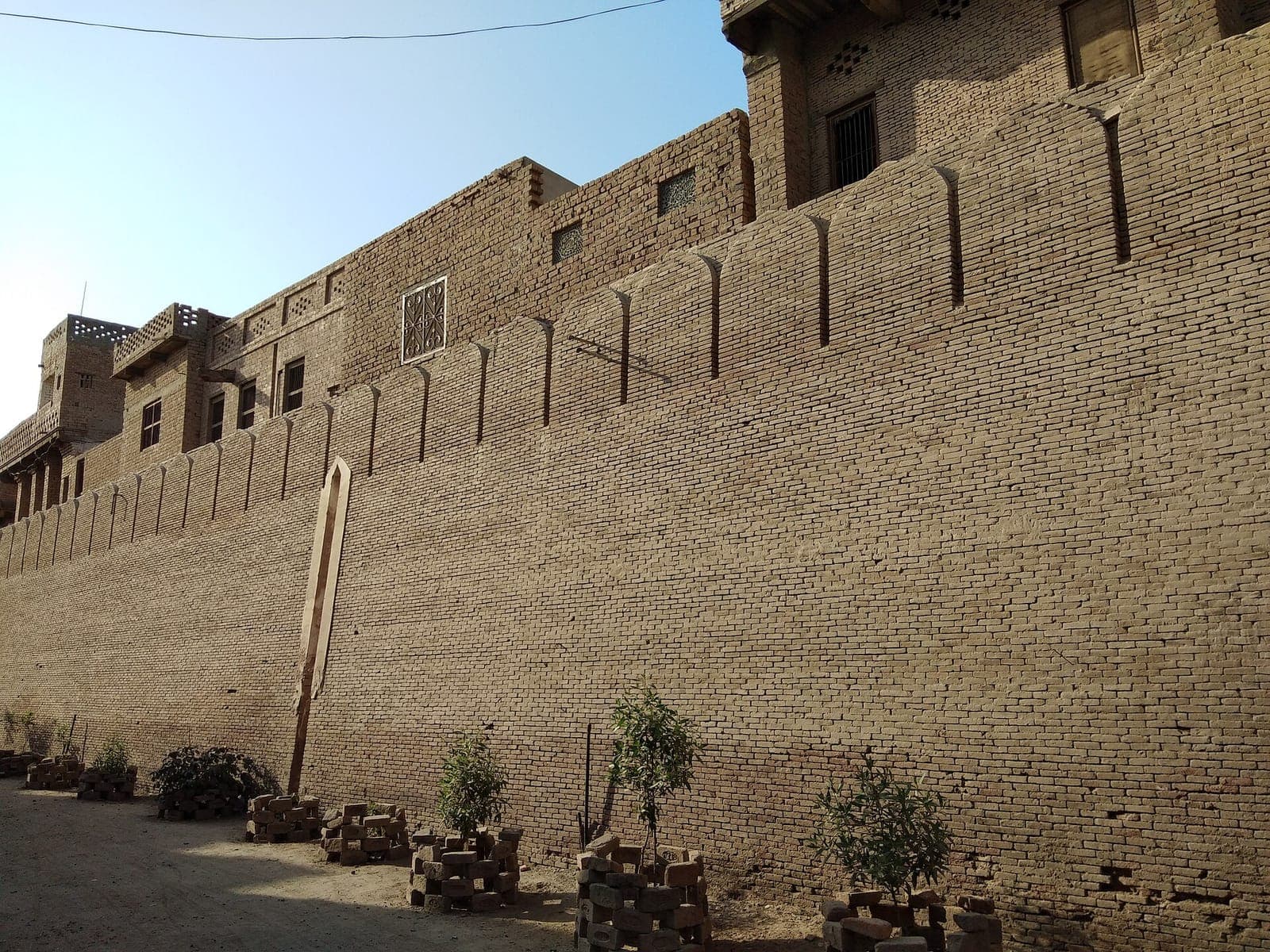
Shujabad City Walls
The walls of Shujabad near Multan, built 1767–1772 by Nawab Shuja Khan Sadozai around his planned city of four bazaars.
Sight
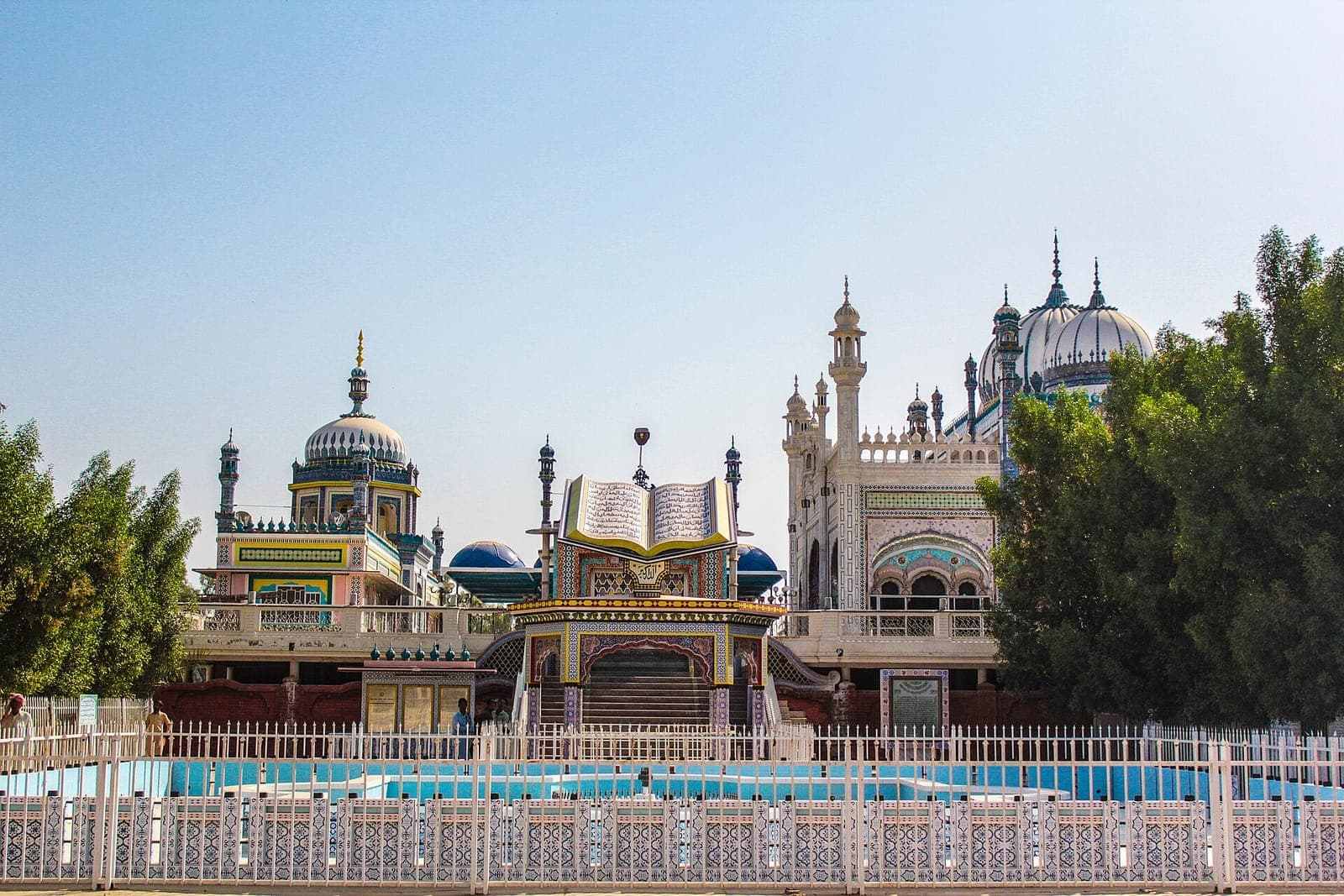
Bhong Mosque
Bhong Mosque in Rahim Yar Khan district: built over fifty years (1932–1982) and winner of the Aga Khan Award for Architecture in 1986.
Sight
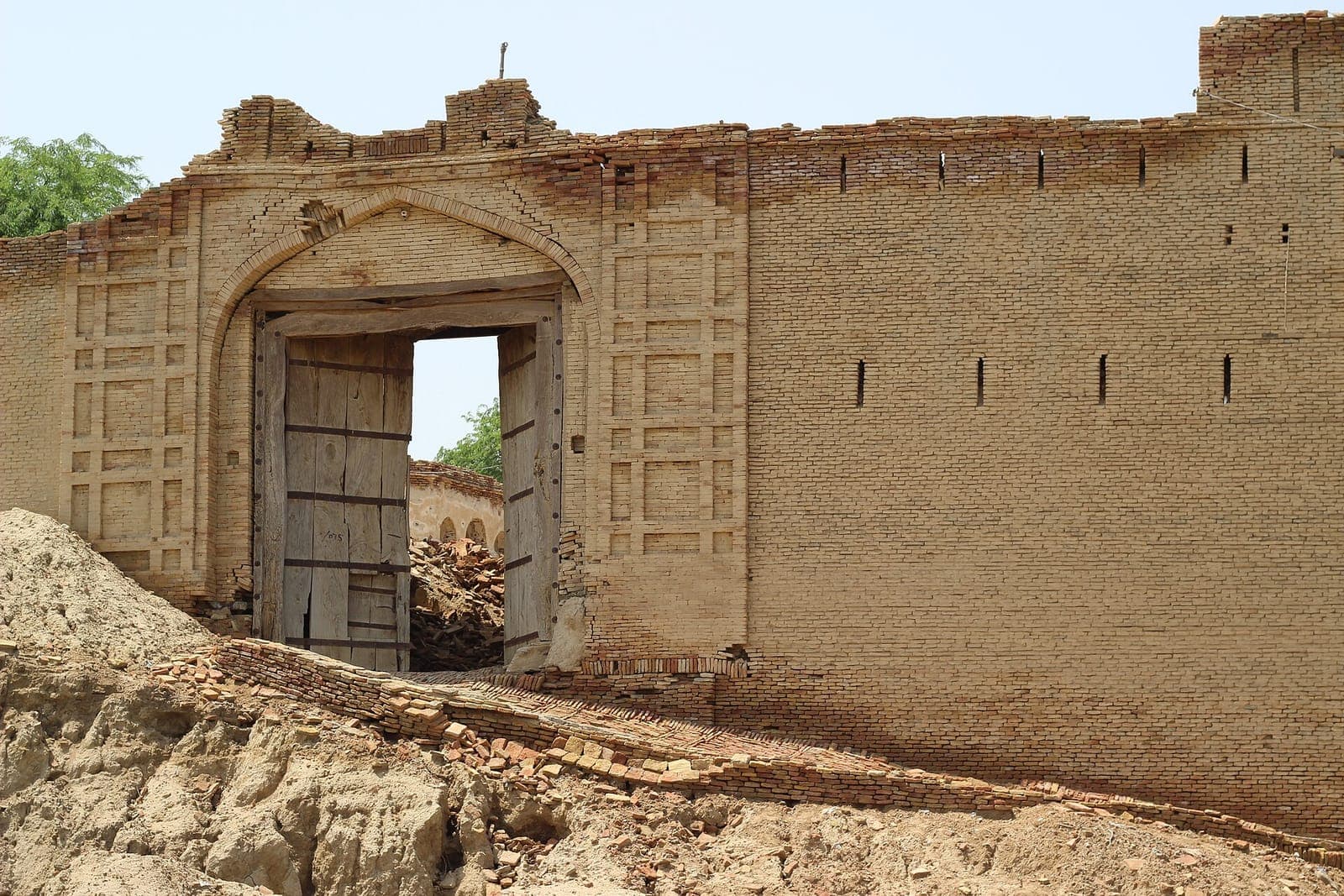
Harand Fort
Harand Fort near Dajal, Rajanpur: a near-circular brick fort with 16 bastions, guarding the mouth of the Chachar Pass below the Sulaiman Range.
Sight
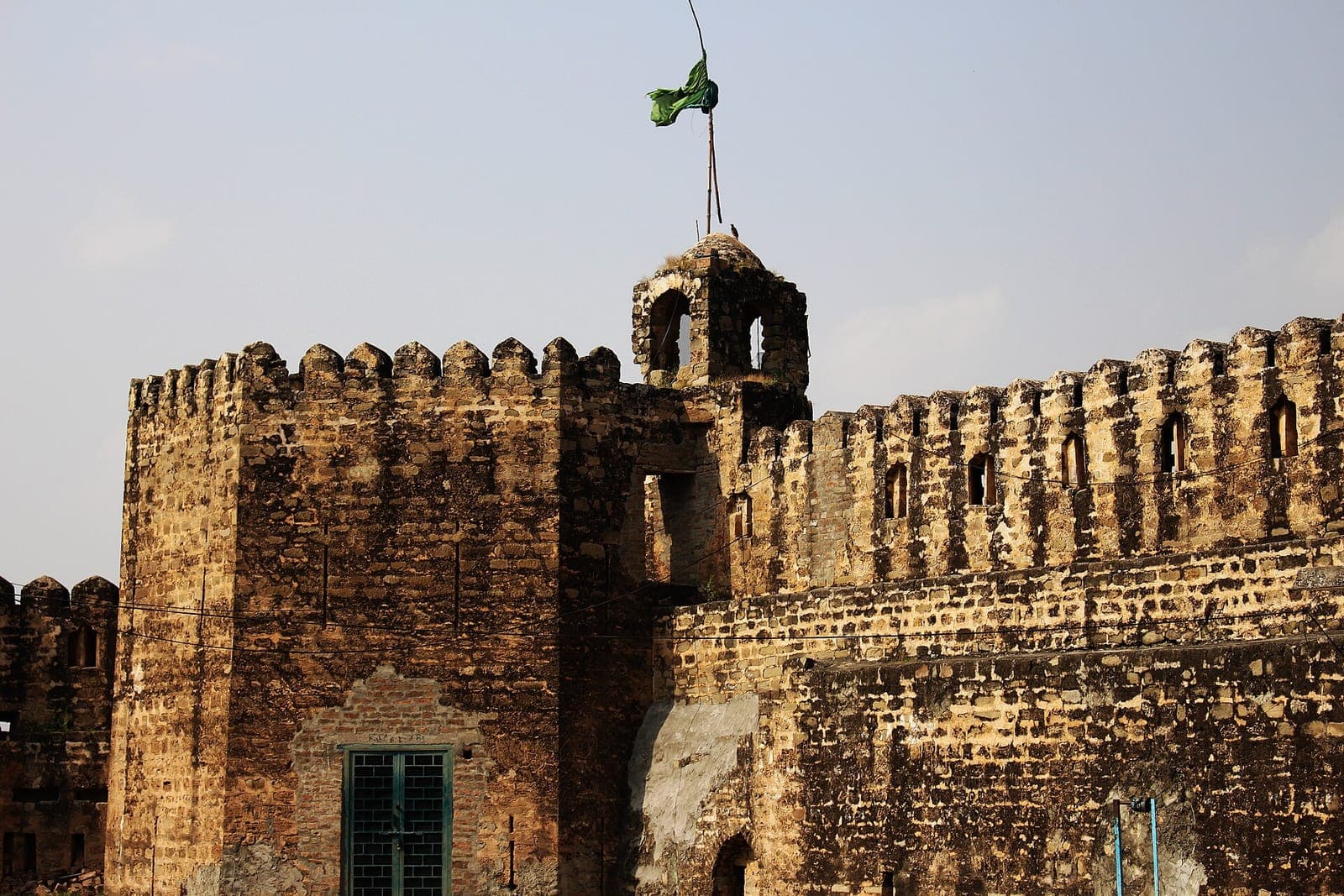
Sangni Fort
Sangni Fort near Takal village, Kallar Syedan: a square brick fort of about 44 metres a side with four bastions, set in the hills south-east of Rawalpindi.
Sight
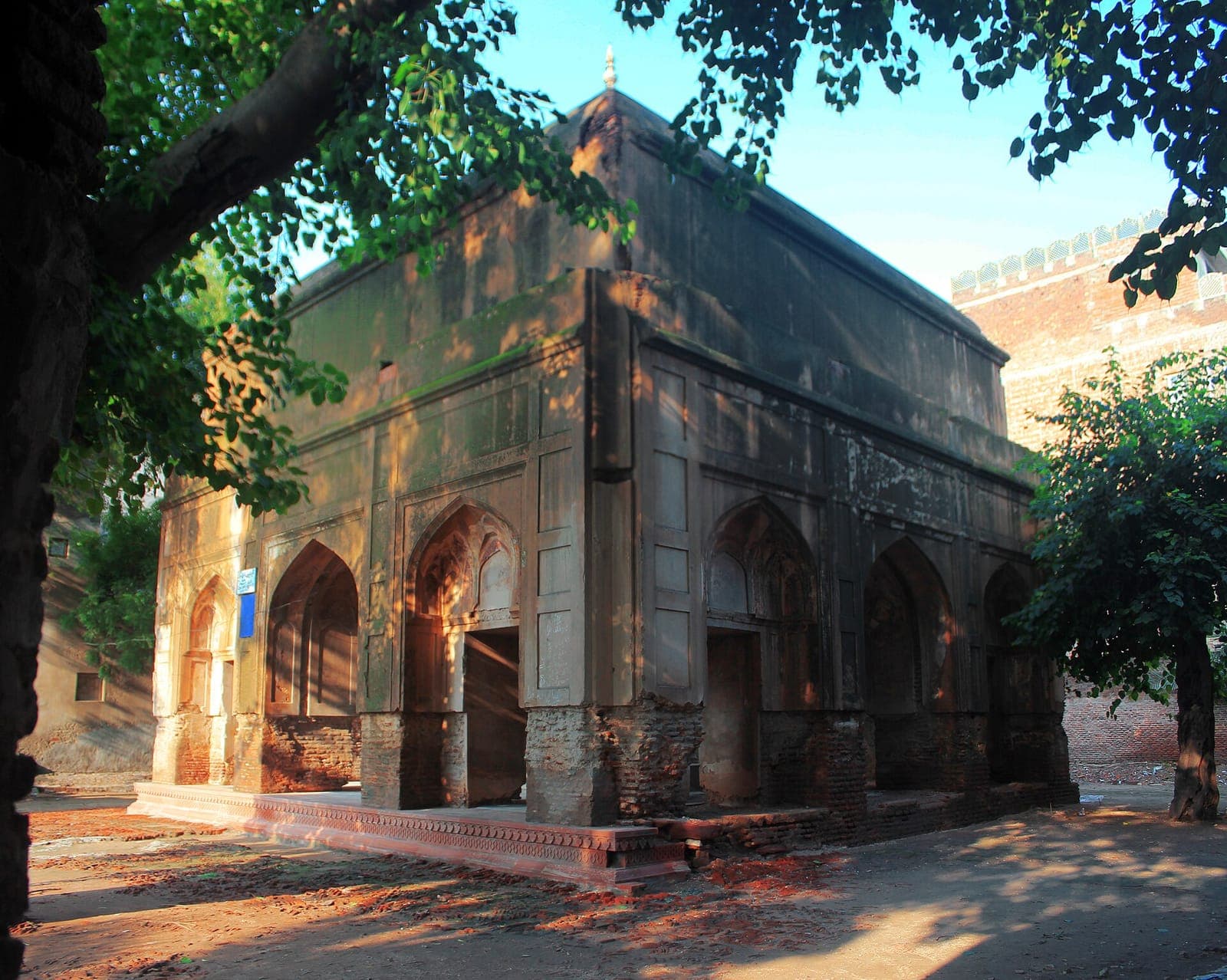
Tomb of Zeb-un-Nisa, Nawankot
The tomb at Nawankot, Lahore, traditionally of Zeb-un-Nisa: a stripped Mughal brick tomb with rare pietra-dura flooring and a unique pyramidal dome.
Sight
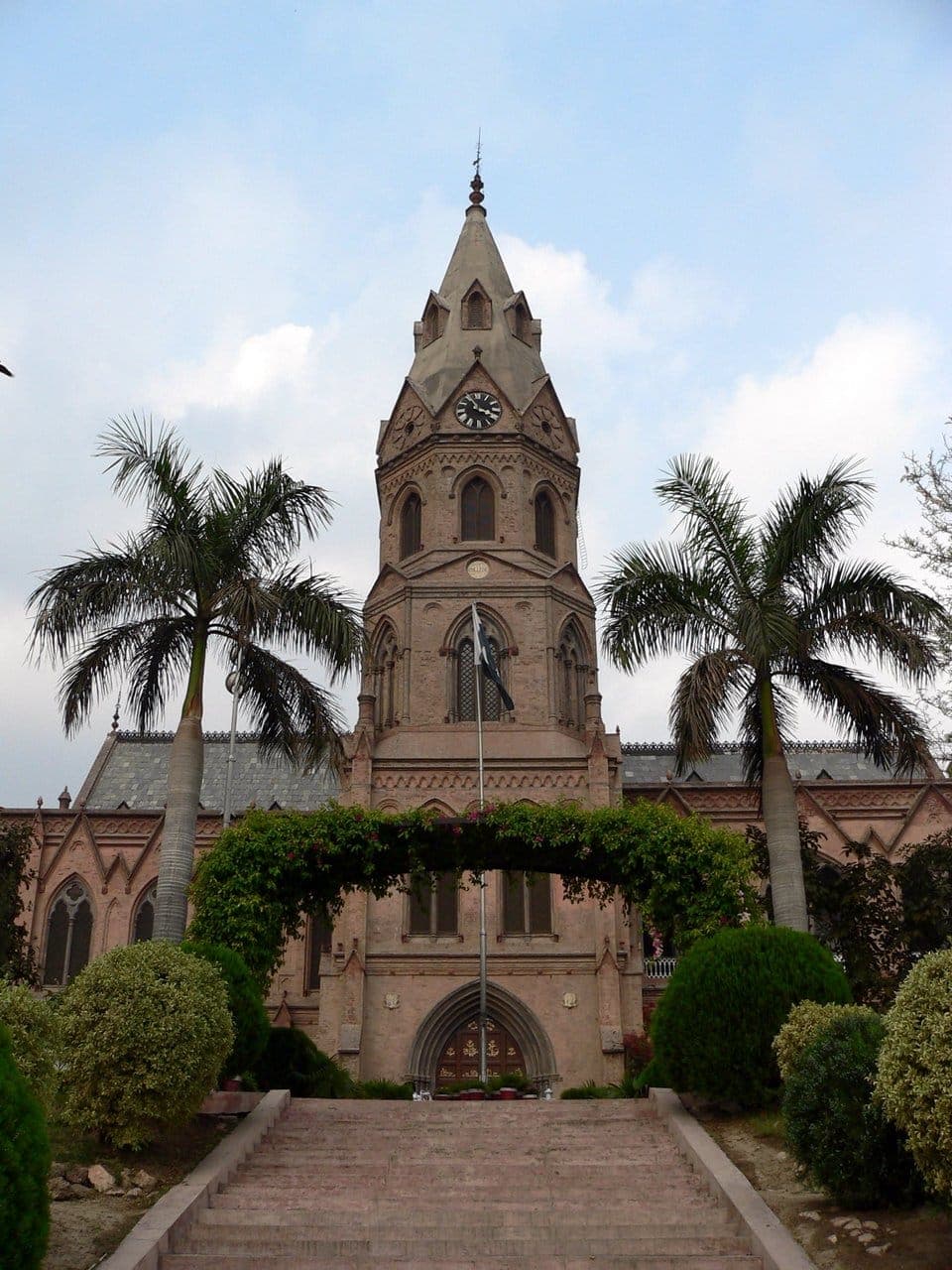
Government College University, Lahore
Government College, Lahore, opened in 1864: a Gothic-revival campus of Lahori brick and black Chiniot stone, crowned by its clock tower.
Sight
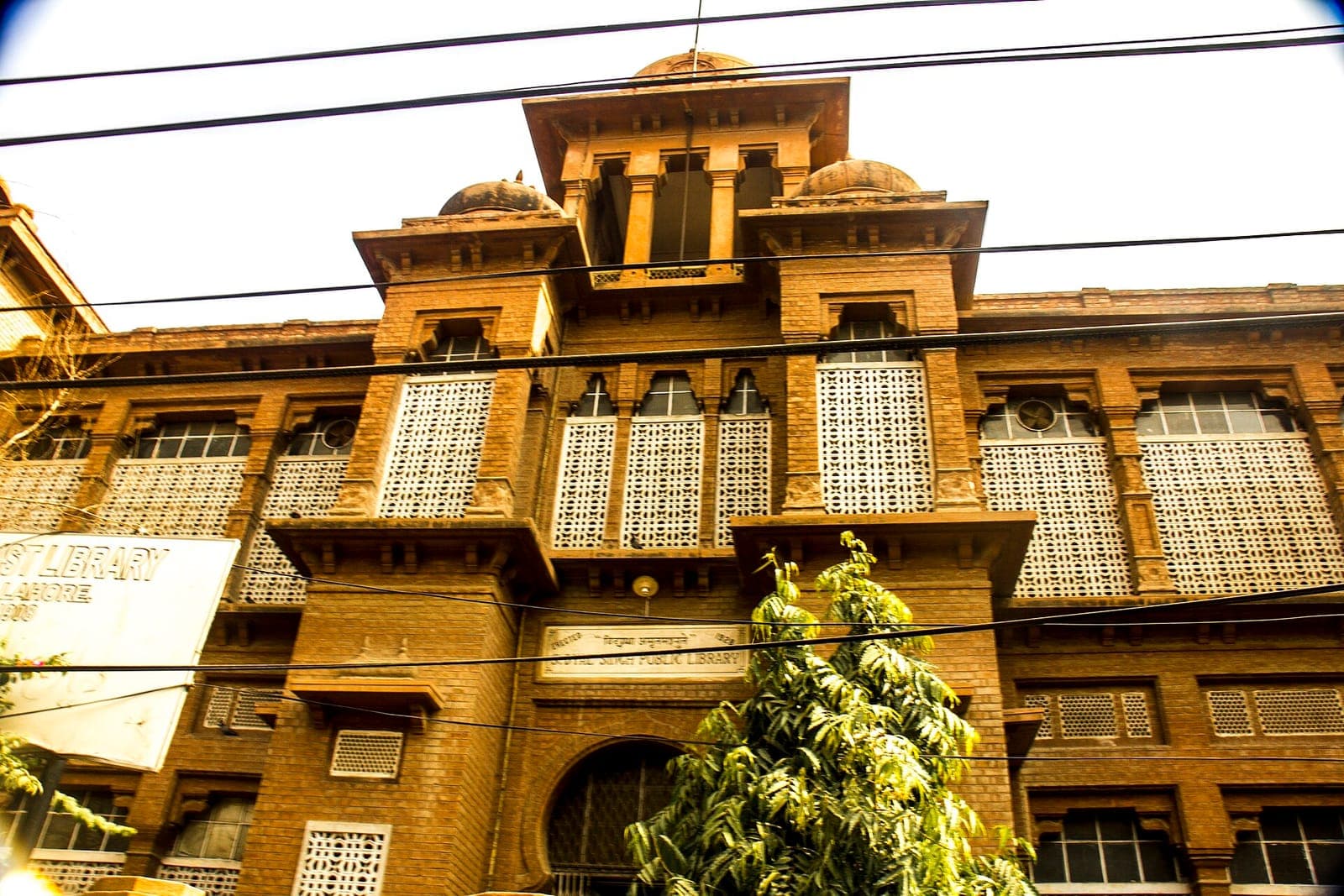
Dyal Singh Trust Library
The Dyal Singh Trust Library in Lahore: a public library founded under the will of the philanthropist Sardar Dyal Singh Majithia (1849–1898).
Sight
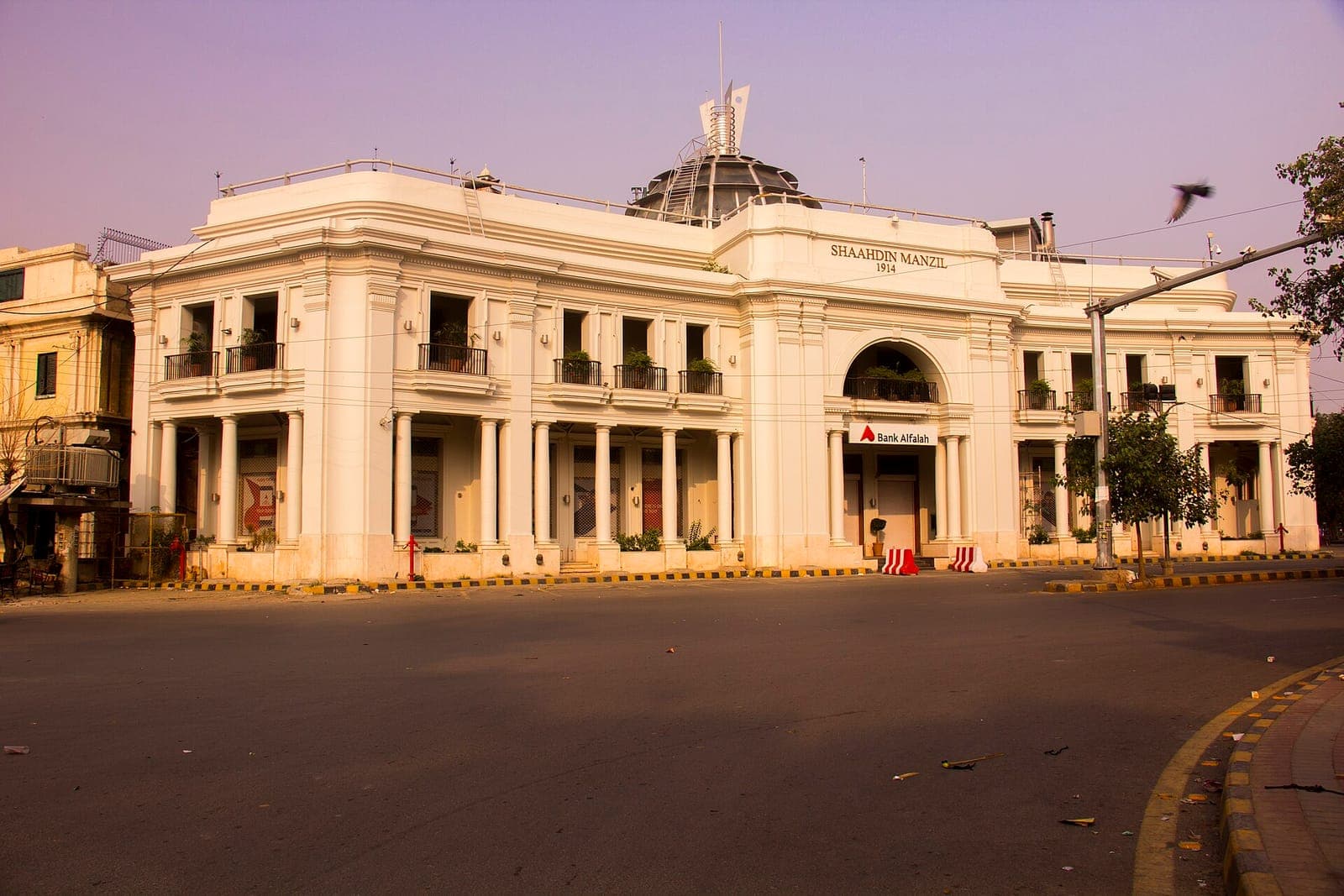
Shahdin Building, Lahore
The Shahdin Building at Charing Cross on Lahore's Mall: a domed colonial landmark, perhaps the first building on the Mall put up by a Muslim.
Sight
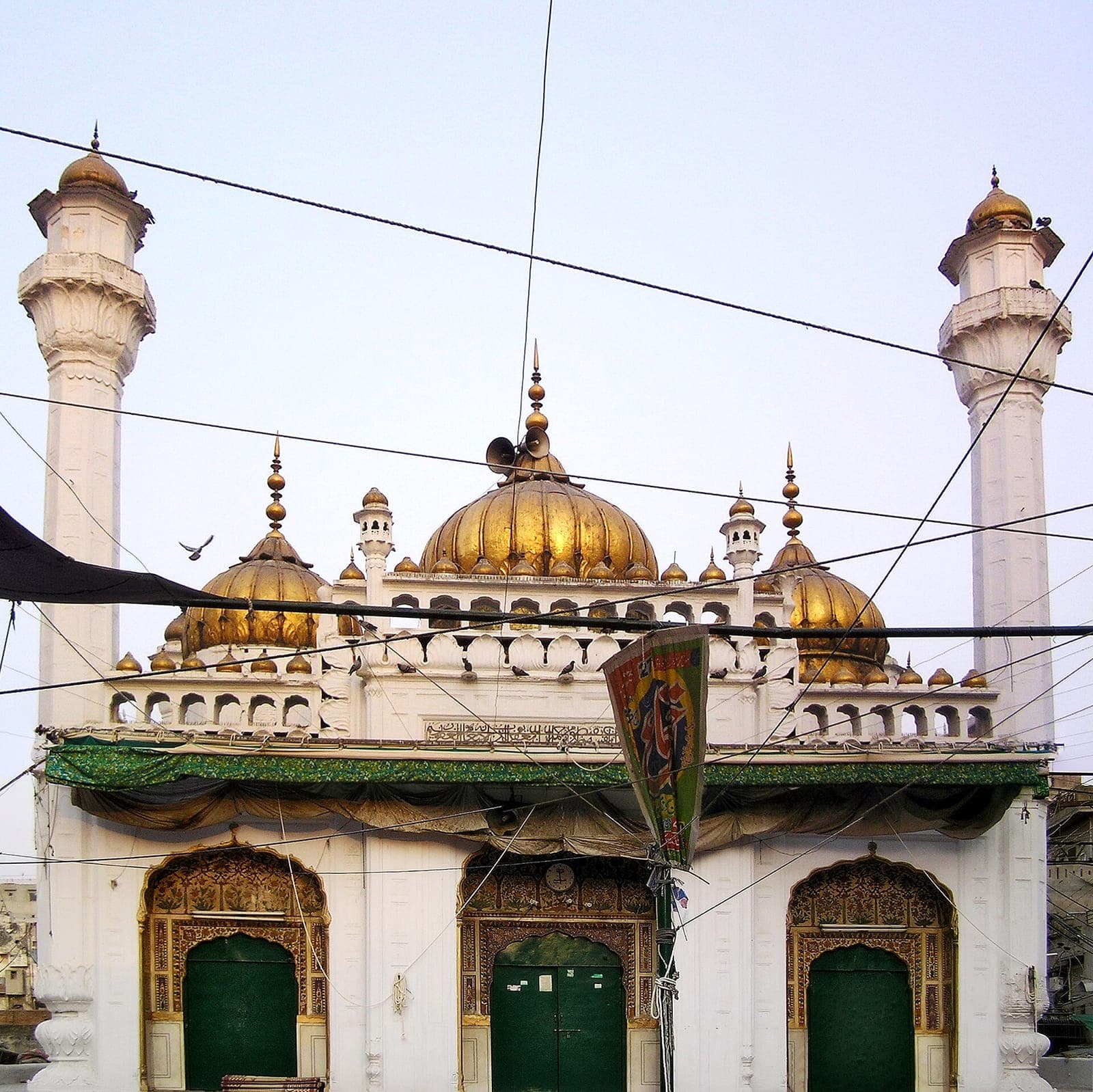
Shrine of Shah Chiragh, Lahore
The Mughal-period shrine and mosque of Shah Chiragh on the Mall in Lahore, beside the High Court, crowned by golden domes.
Sight
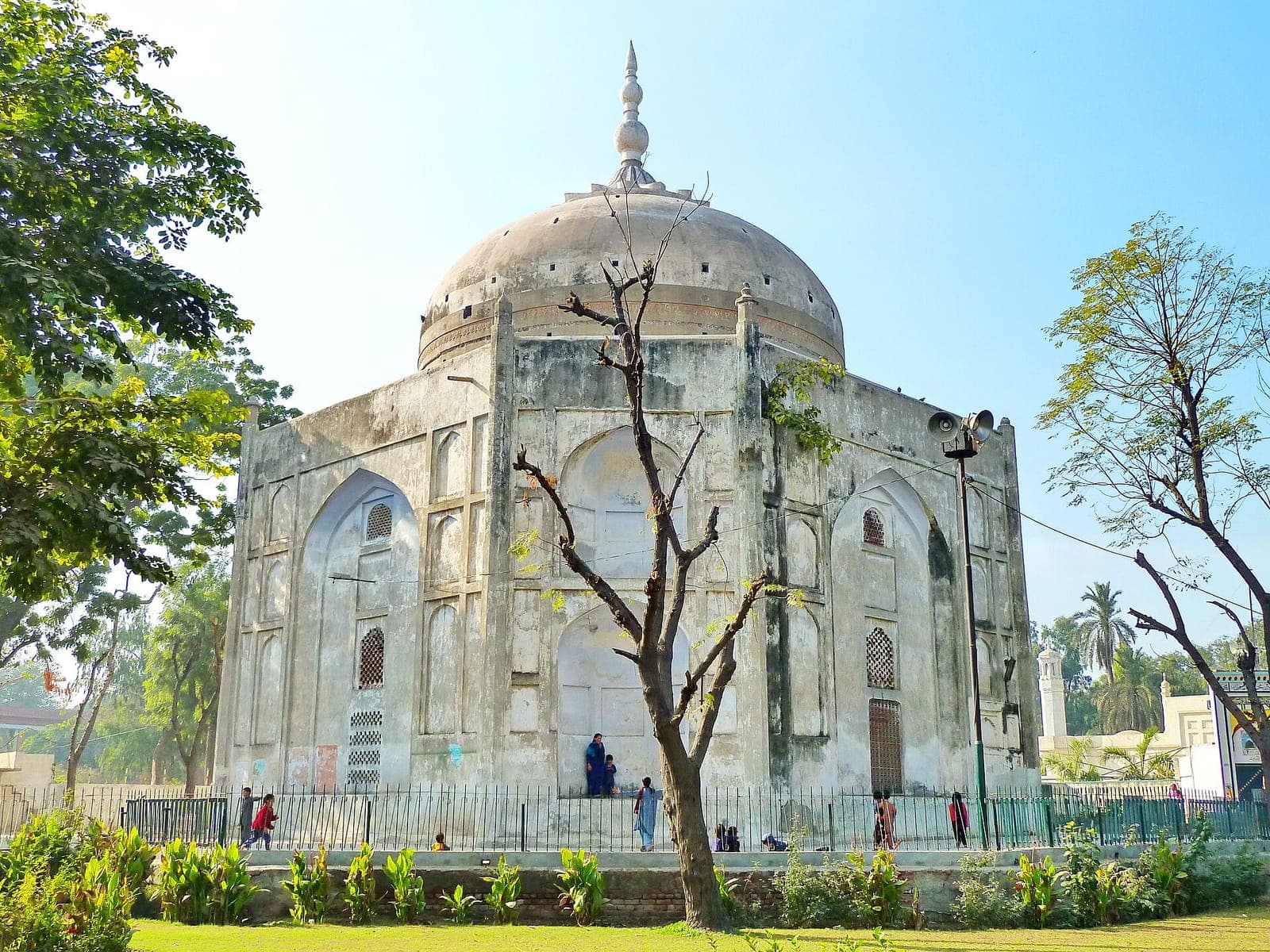
Shrine of Aishan Sahib, Lahore
The octagonal Mughal tomb of Hazrat Aishan Sahib in Lahore, with a bulbous dome on a round drum and a tall central arch.
Sight
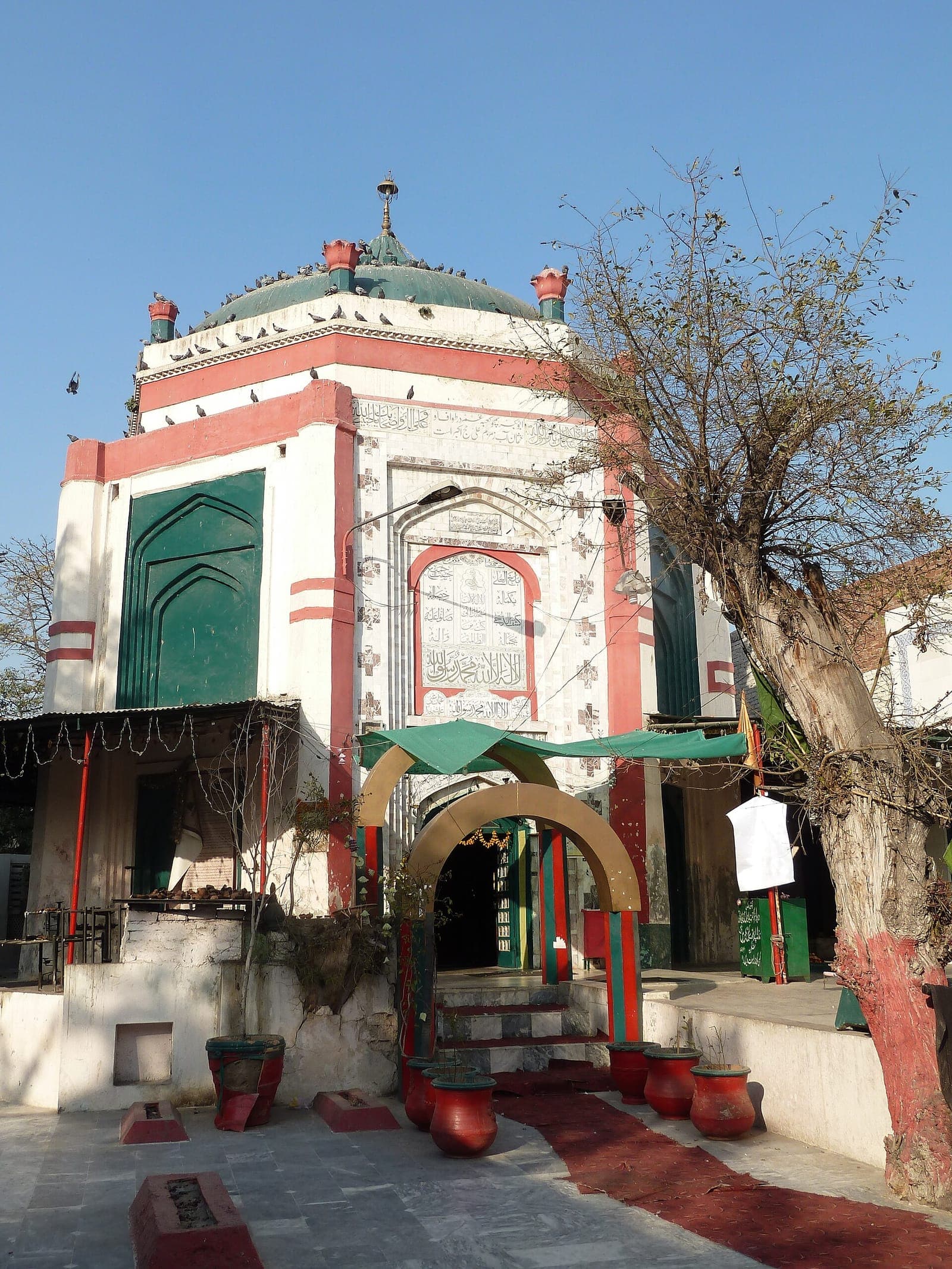
Shrine of Mauj Darya Bukhari, Lahore
The terraced shrine of Syed Miran Mauj Darya Bukhari on Lake Road, Lahore: an octagonal tomb under a domed upper storey with corner minarets.
Sight
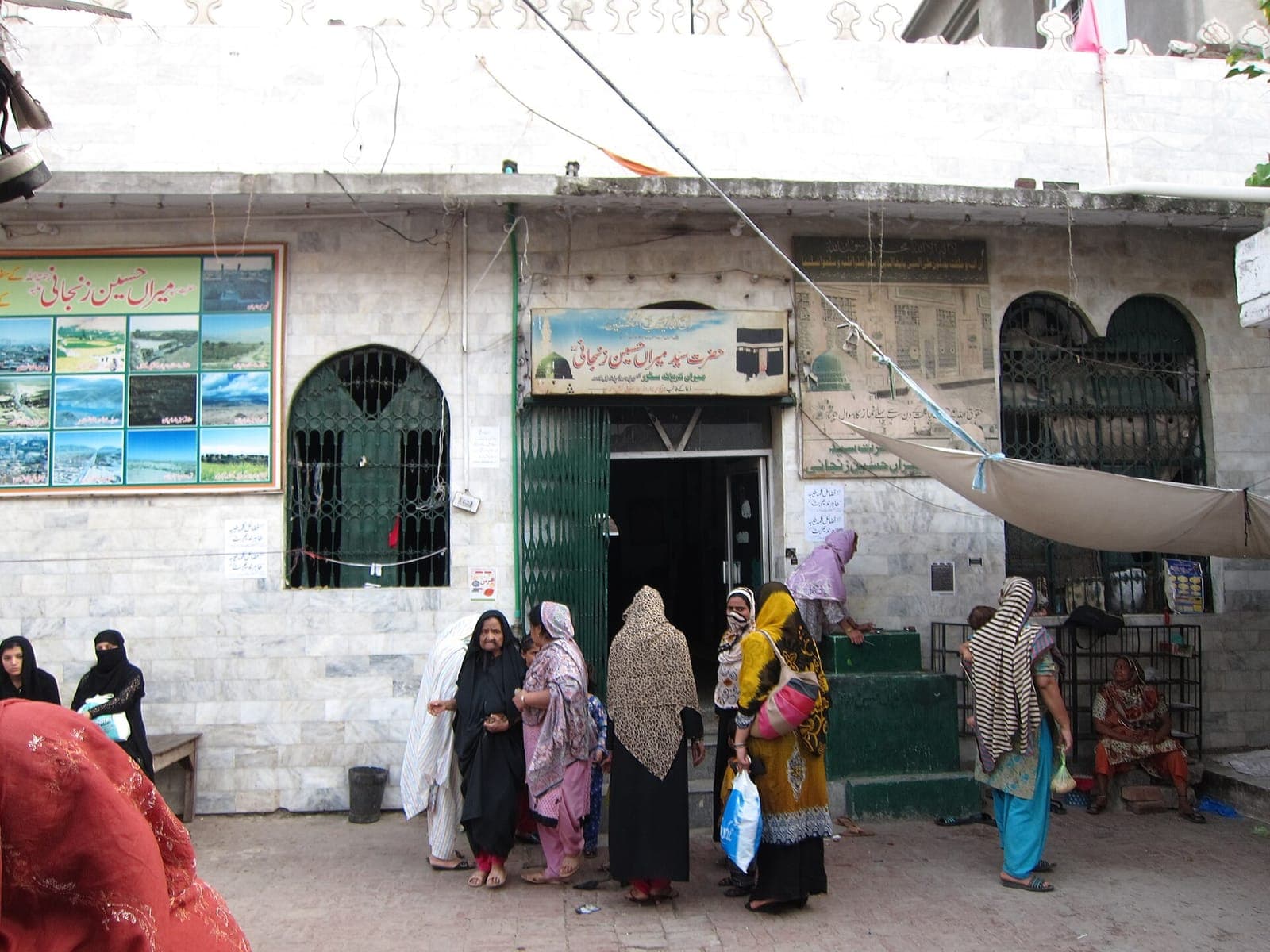
Shrine of Miran Hussain Zanjani, Lahore
The shrine of Syed Miran Hussain Zanjani in Chah Miran, Lahore: the grave of one of the city's earliest Sufis, who died in 1042.
Sight
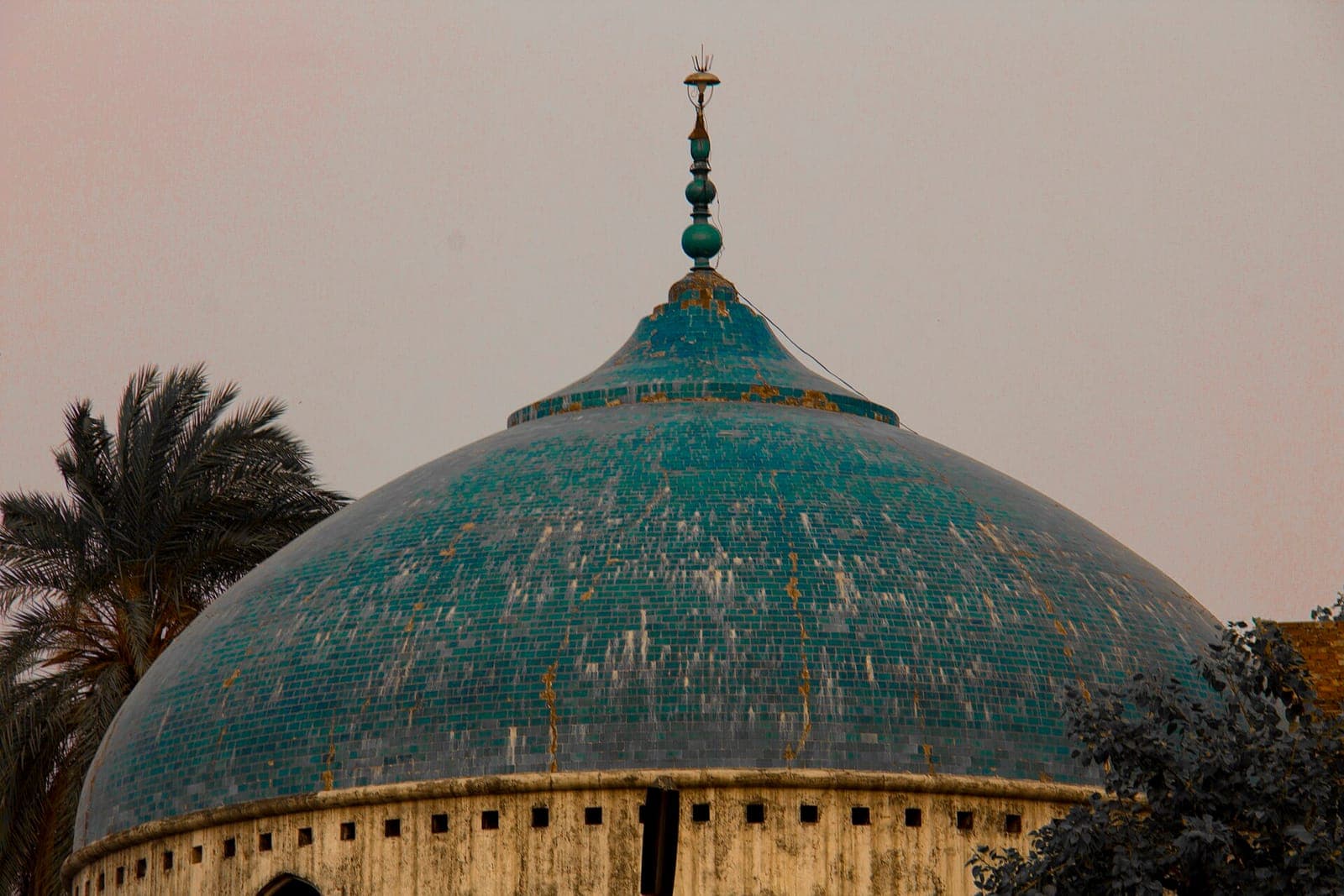
Neela Gumbat Mosque, Lahore
Neela Gumbat, the Blue Dome, in Lahore: a mosque with a blue-tiled dome beside the shrine of Abdul Razzaq Makki, restored to worship in 1856.
Sight
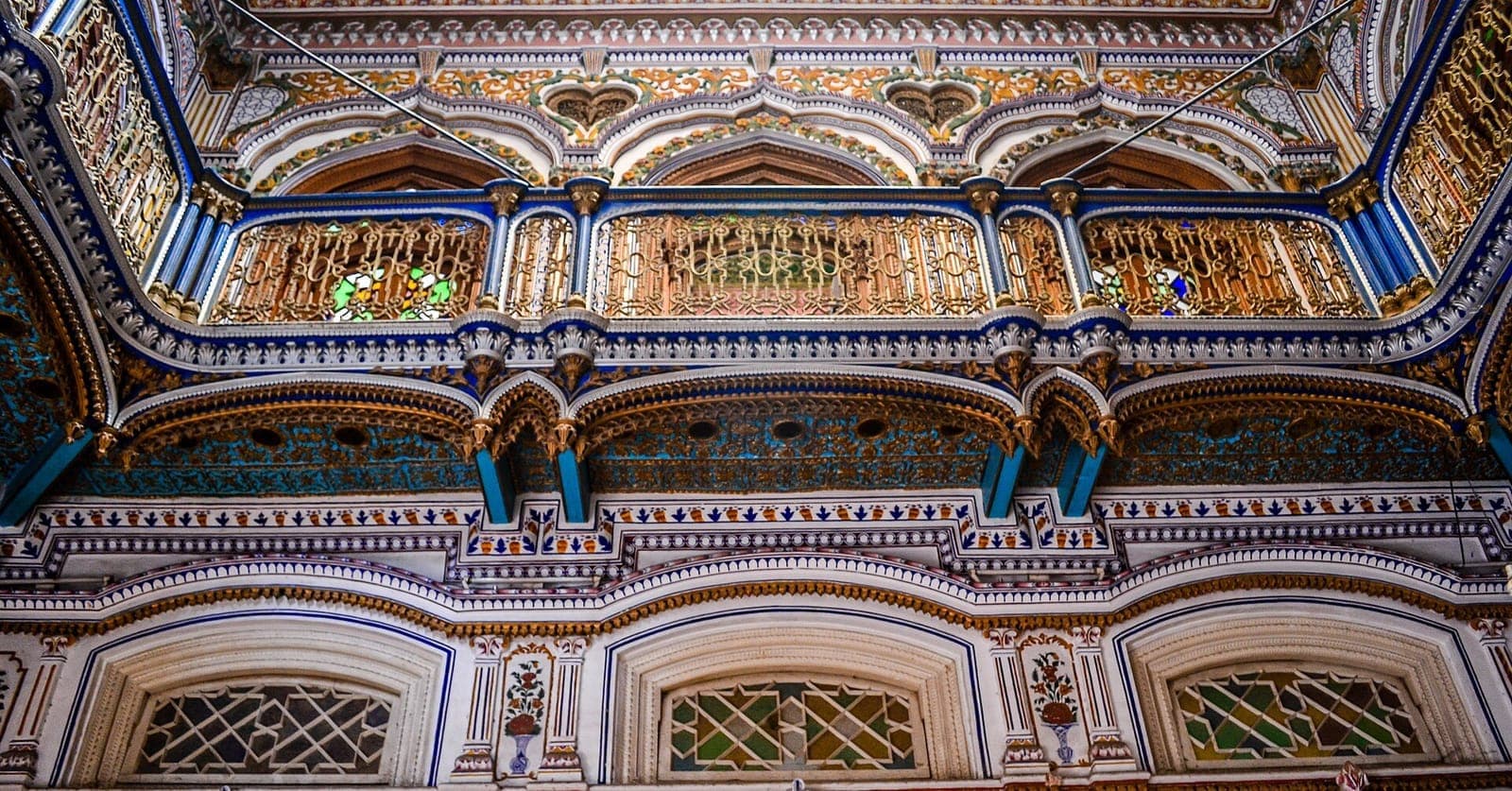
Omar Hayat Mahal, Chiniot
Omar Hayat Mahal in Chiniot: a wooden haveli built 1923–1935, lavishly carved by Chiniot's woodworkers — the town's showpiece of craft.
Sight
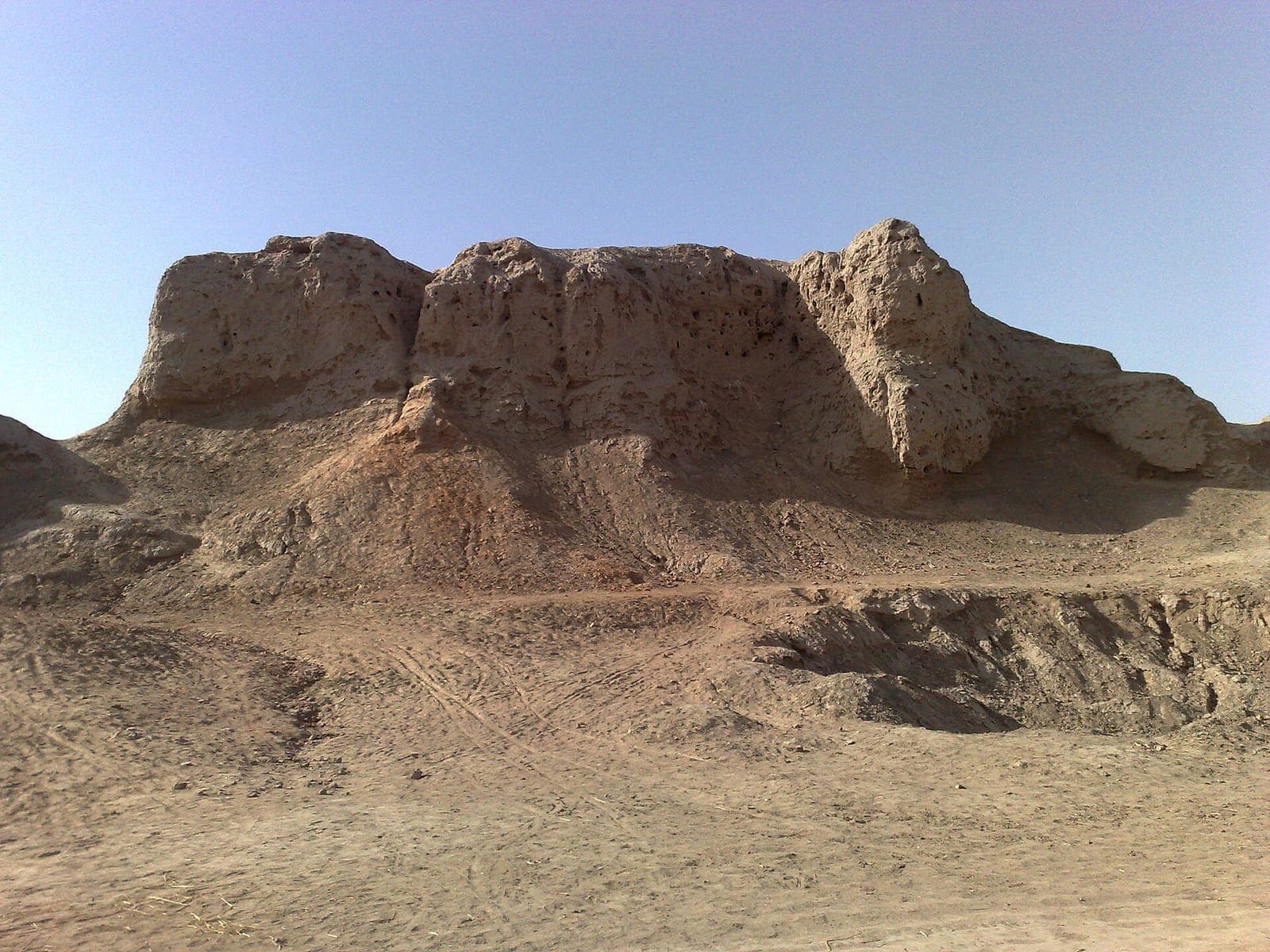
Old Tulamba Ruins
The ruins of old Tulamba beside the town of Tulamba, on the east bank of the Ravi between Abdul Hakeem and Mian Channu.
Sight
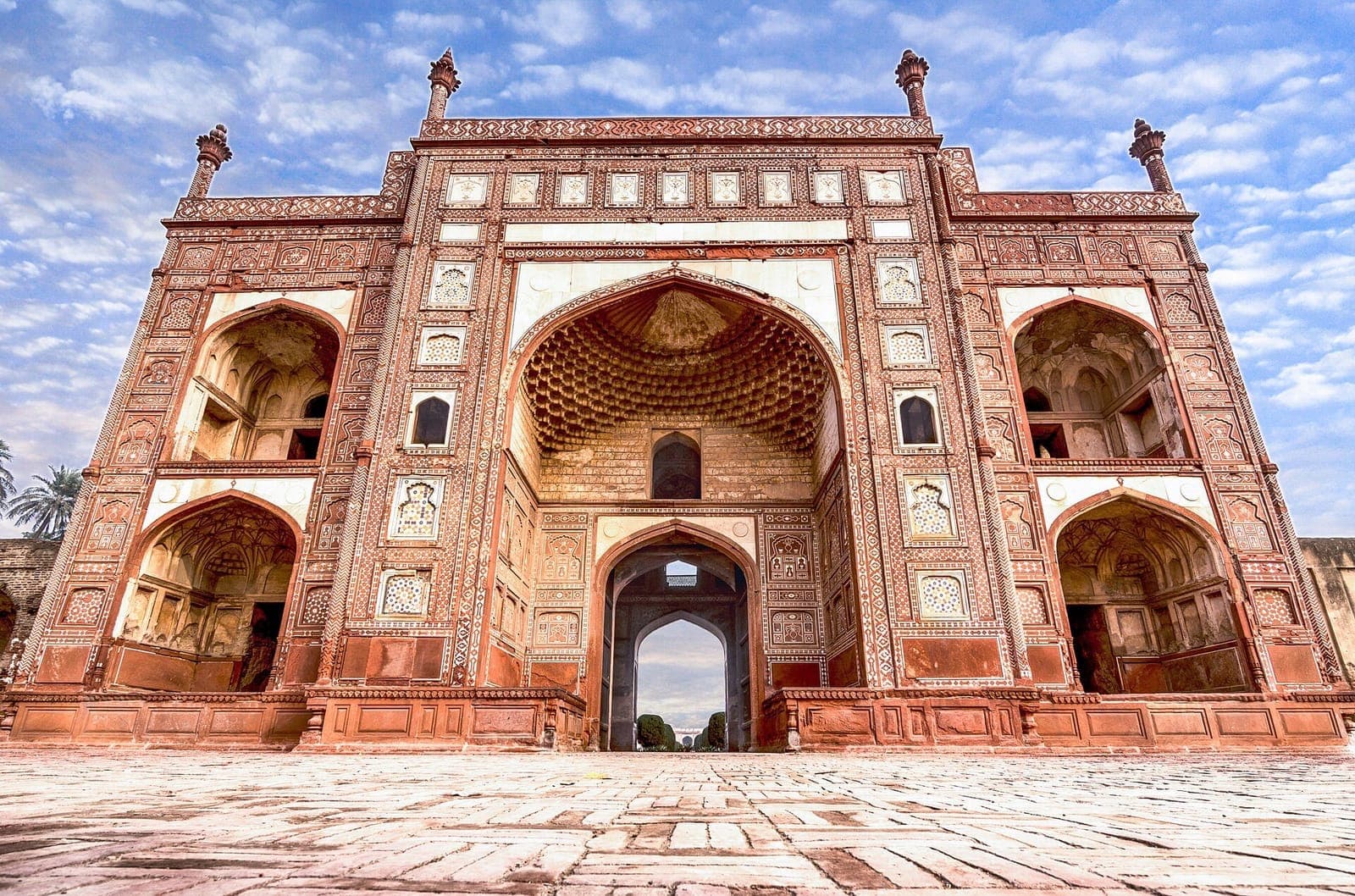
Akbari Sarai, Shahdara
Akbari Sarai at Shahdara, Lahore (1637): the best-preserved Mughal caravan inn in Pakistan and the gateway to Jahangir's tomb.
Sight
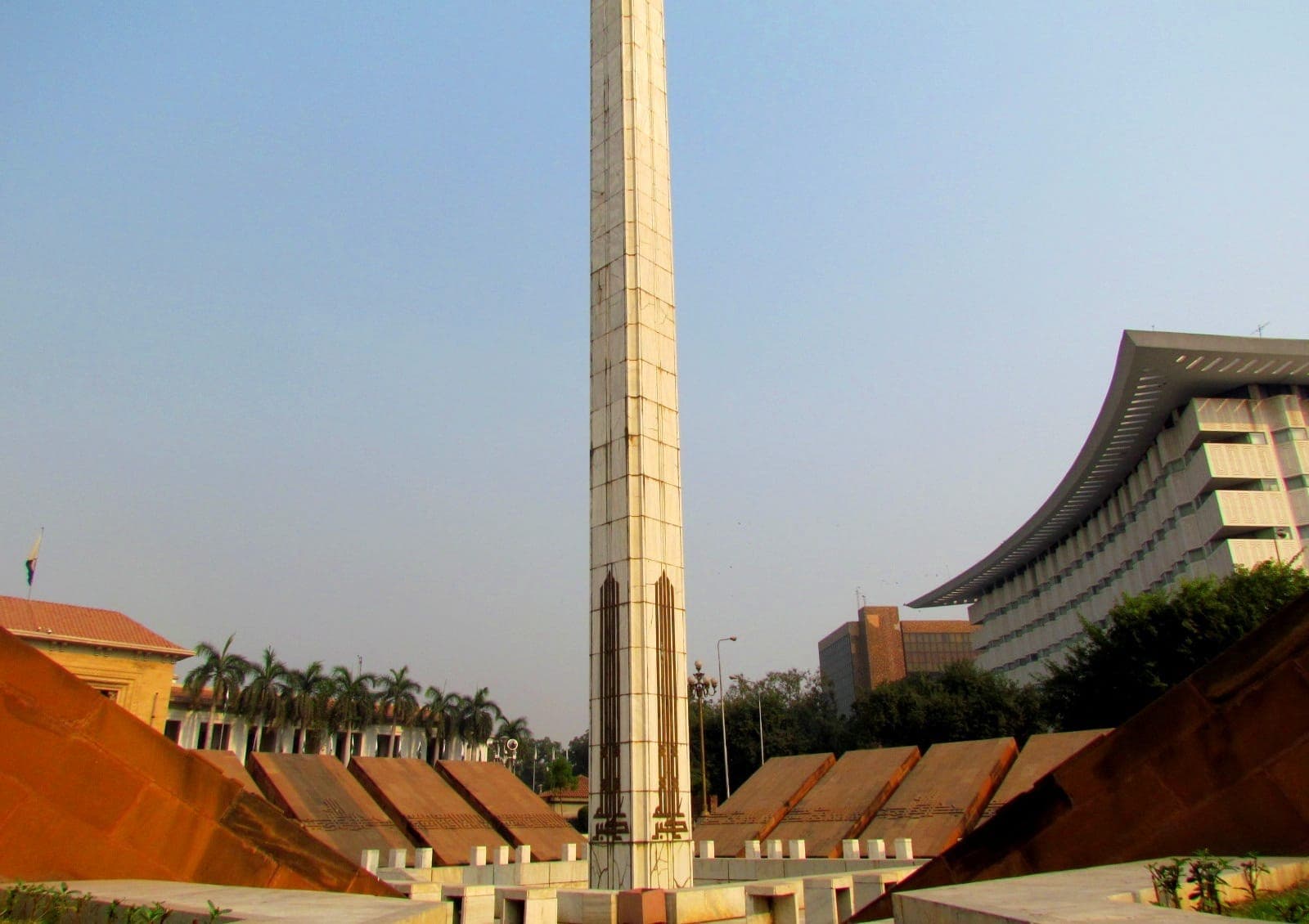
Summit Minar, Lahore
Summit Minar at Charing Cross, Lahore: a 47-metre obelisk marking the Islamic Summit held in the city in February 1974.
Sight
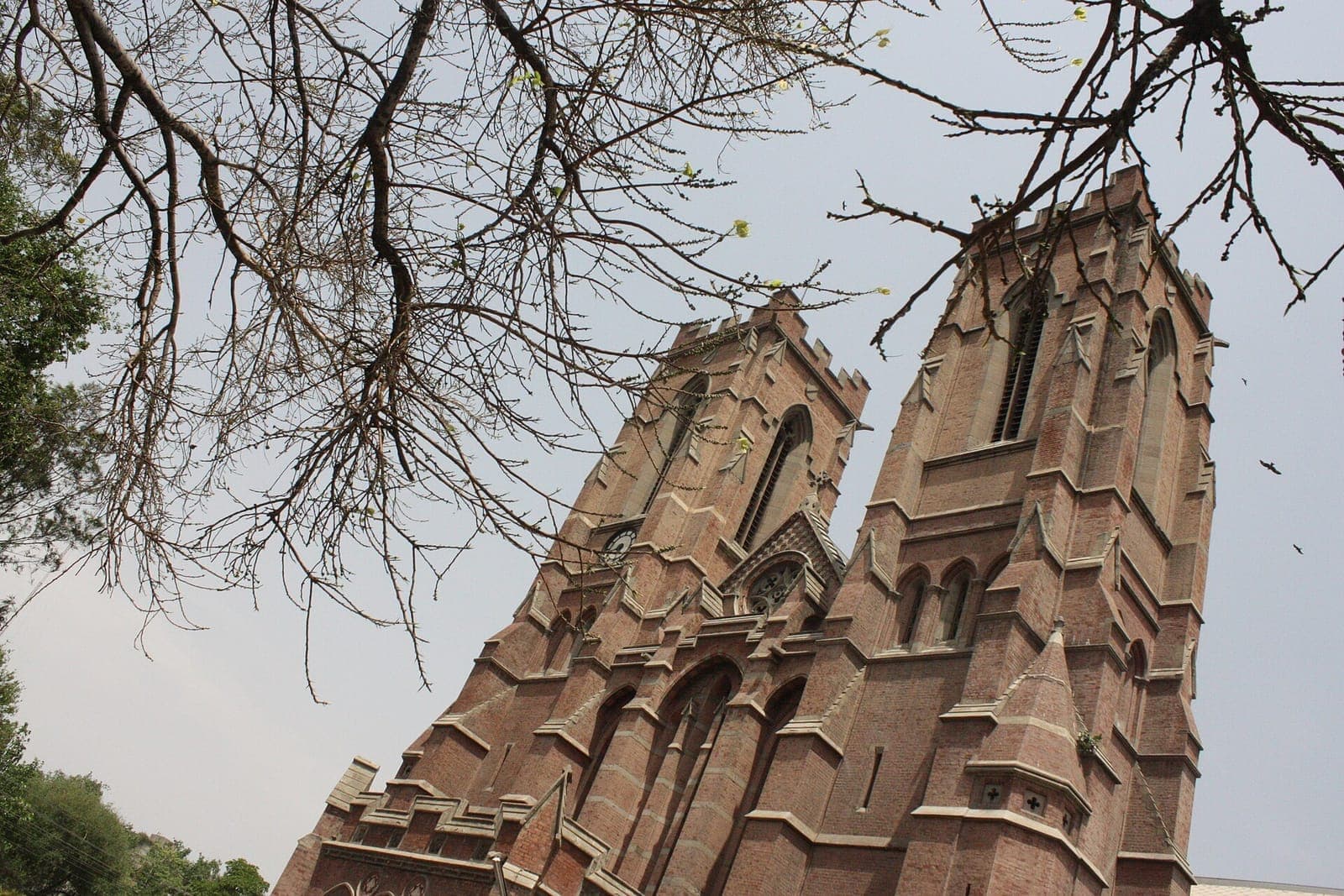
Cathedral Church of the Resurrection, Lahore
Lahore Cathedral on the Mall, consecrated in 1887: a Neo-Gothic cathedral by John Oldrid Scott, seat of the Diocese of Lahore.
Sight
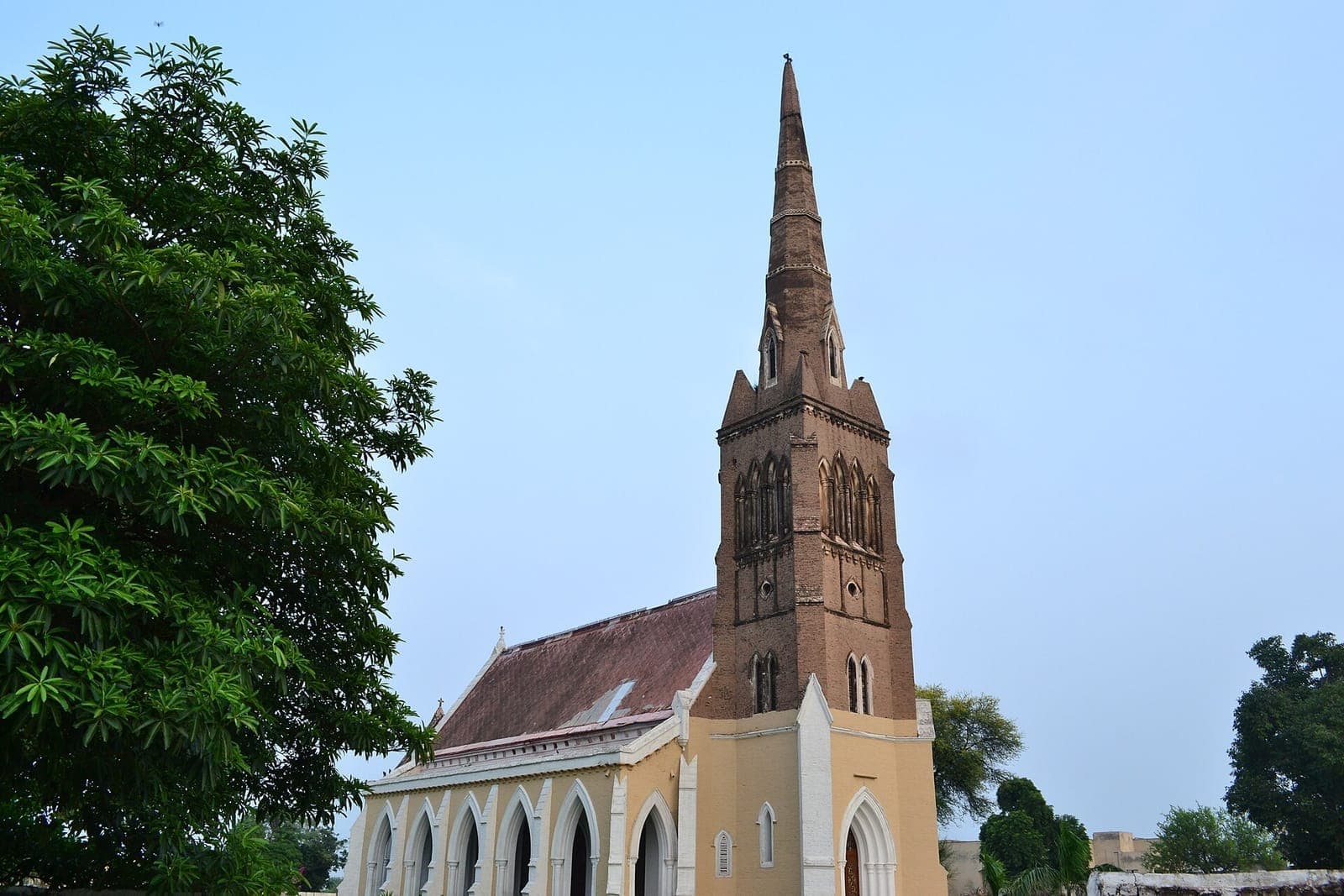
St. John's Church, Jhelum
St John's Church in Jhelum Cantonment: a mid-19th-century garrison church by the river, a memorial to soldiers killed in 1857.
Sight
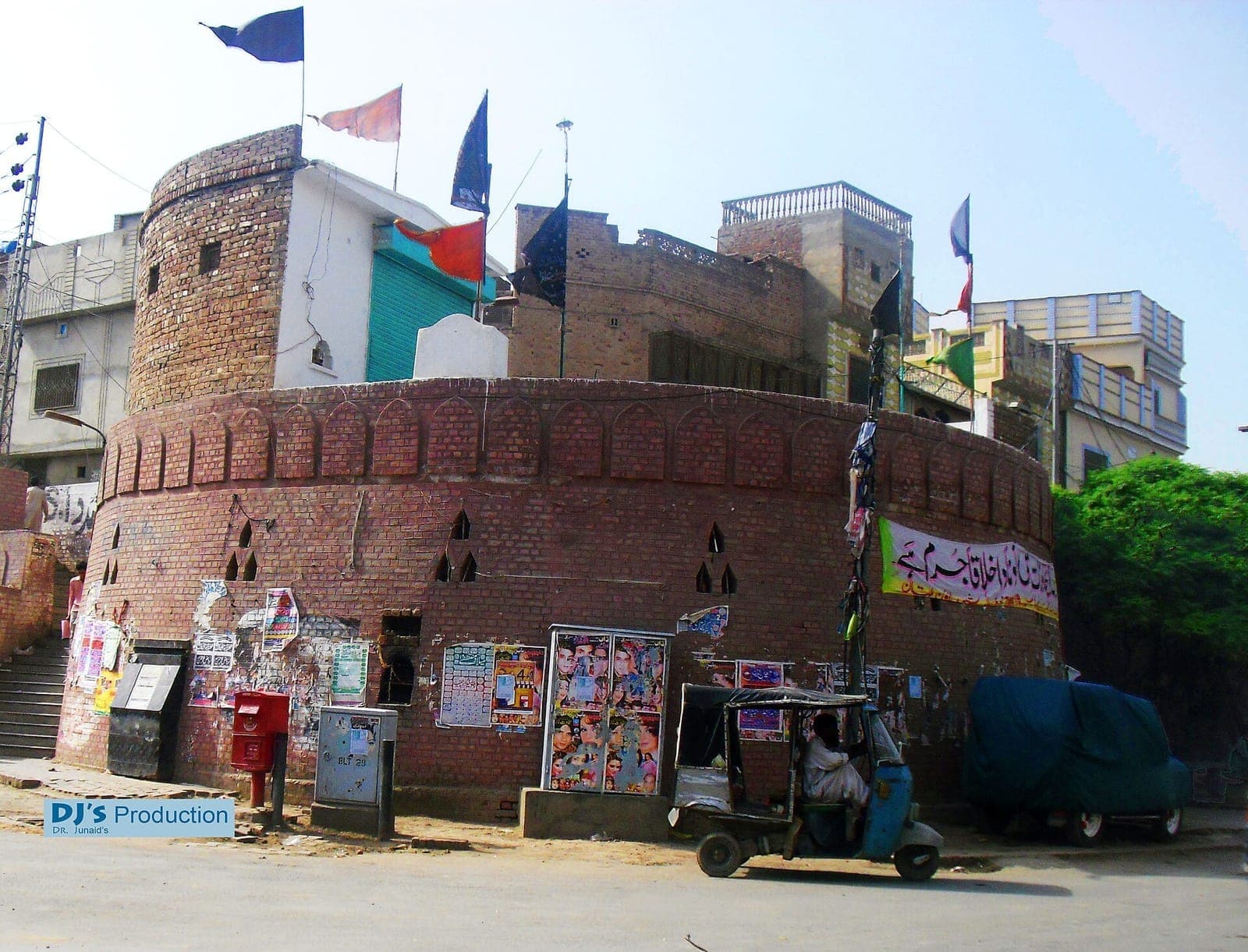
Bloody Bastion (Khooni Burj), Multan
Khooni Burj, the Bloody Bastion on Multan's old city wall between Pak Gate and Delhi Gate, linked by tradition with Alexander's wound.
Sight
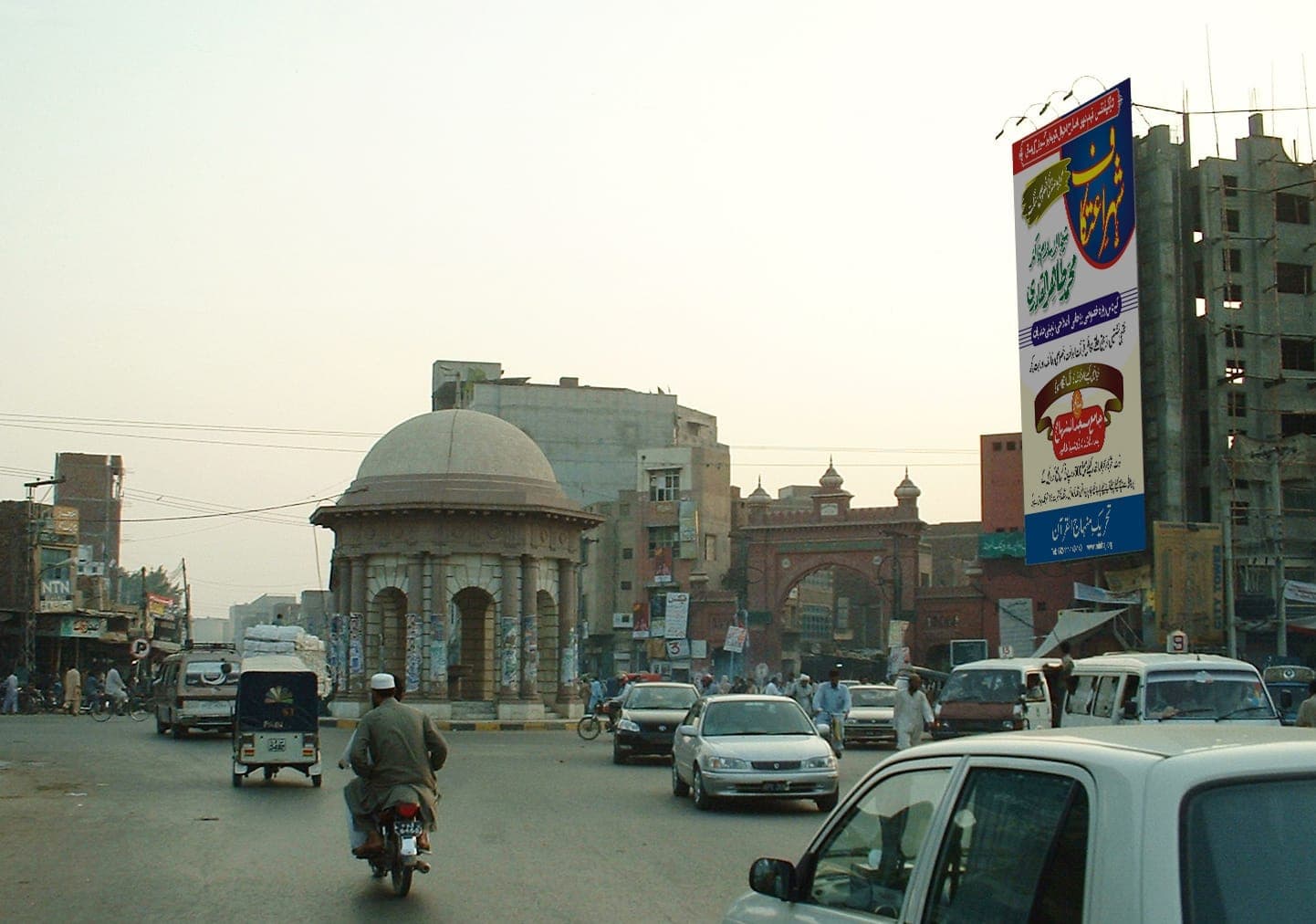
Gumti Fountain, Faisalabad
The Gumti, a domed British-era water fountain in Faisalabad, once the town's meeting place and now a roundabout with its fountain still running.
Sight
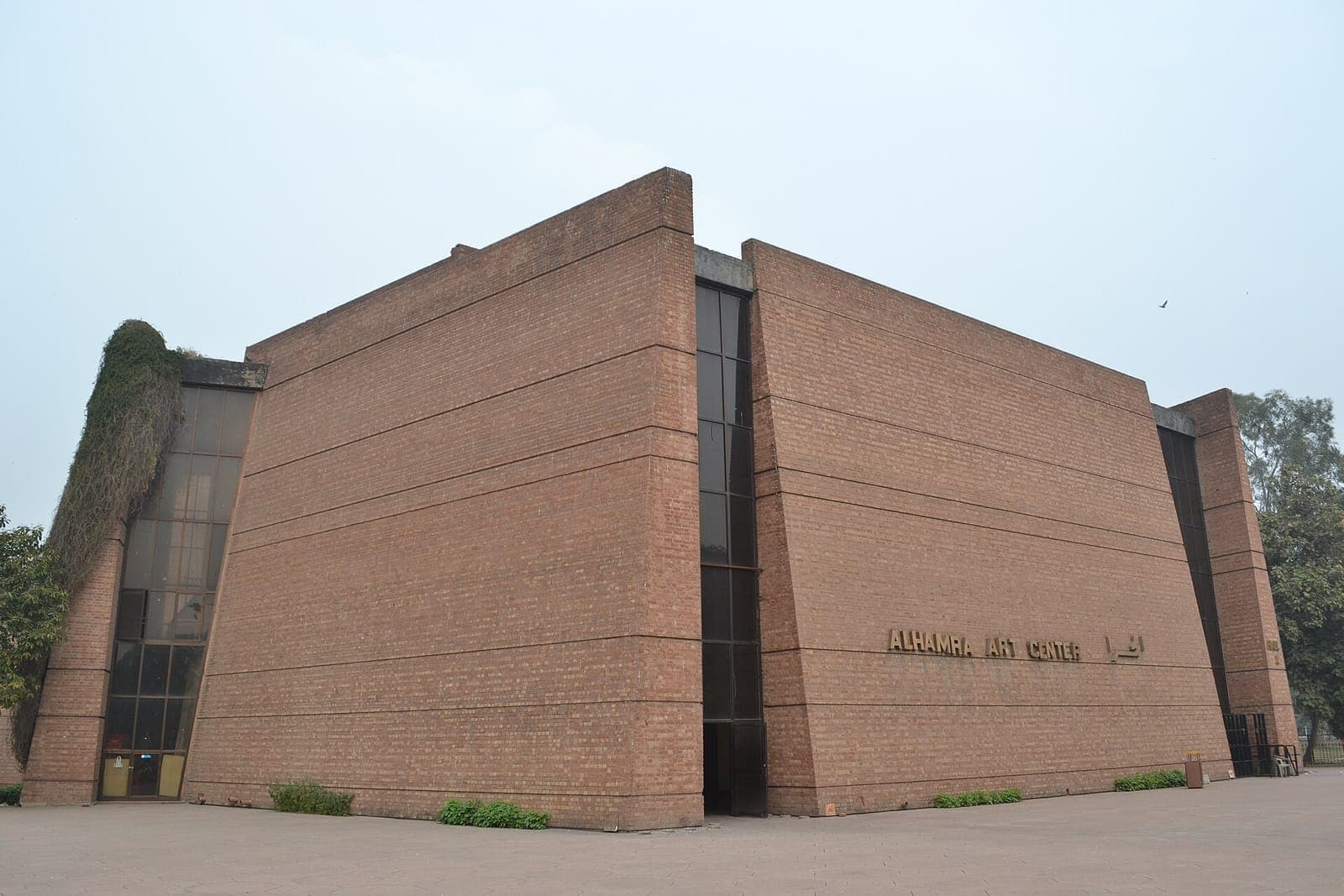
Alhamra Arts Council, Lahore
Alhamra on the Mall, Lahore: Nayyar Ali Dada's arts complex, completed in 1992, the city's main stage for theatre, music and art.
Sight
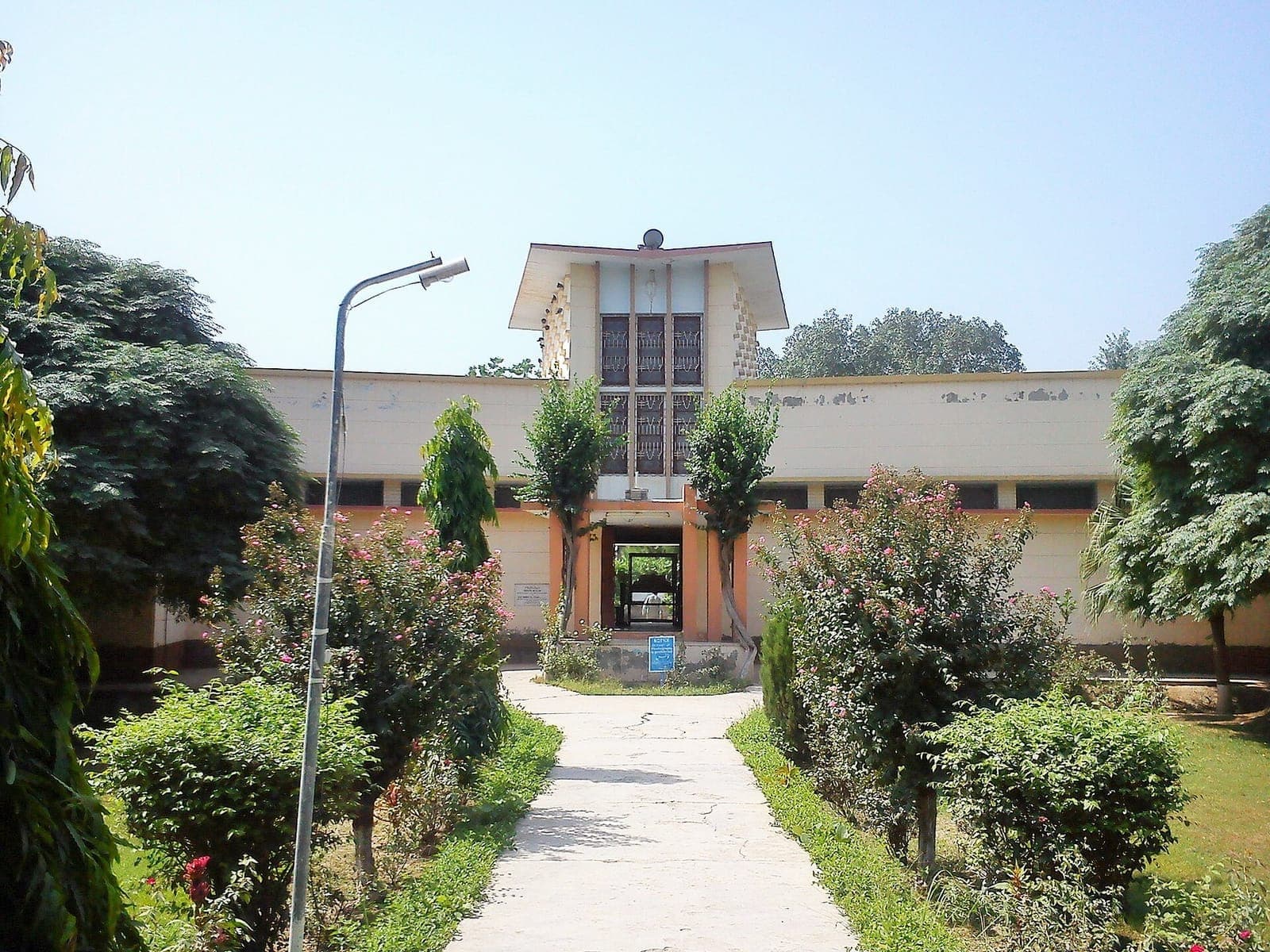
Harappa Museum
The Harappa Museum at the Indus city of Harappa, 17 km west of Sahiwal: founded in 1926, in its present building since 1967.
Sight
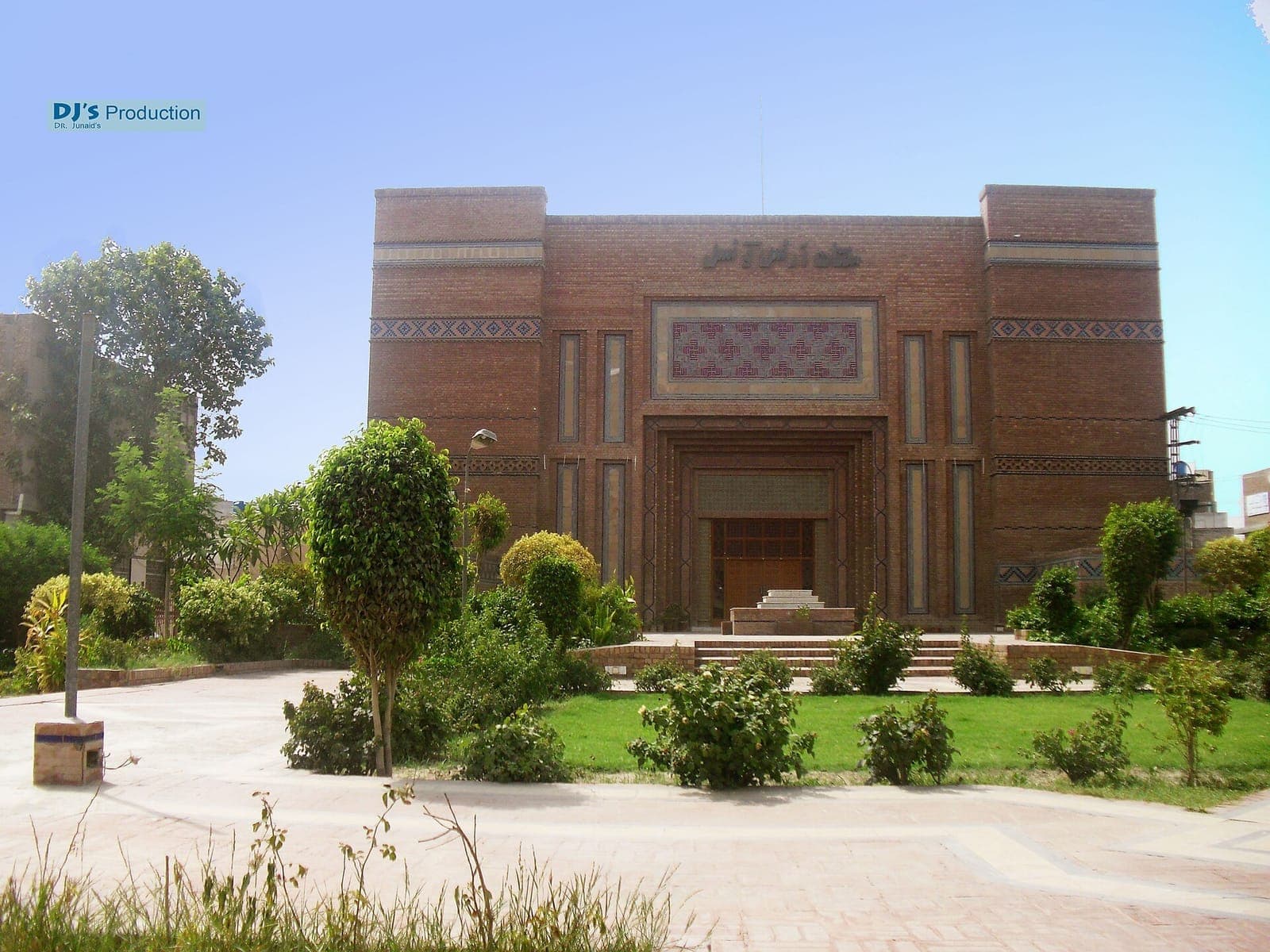
Multan Arts Council
Multan Arts Council on MDA Road, founded in 1975: the city's centre for theatre, music and exhibitions, with a hall, gallery and garden.
Sight
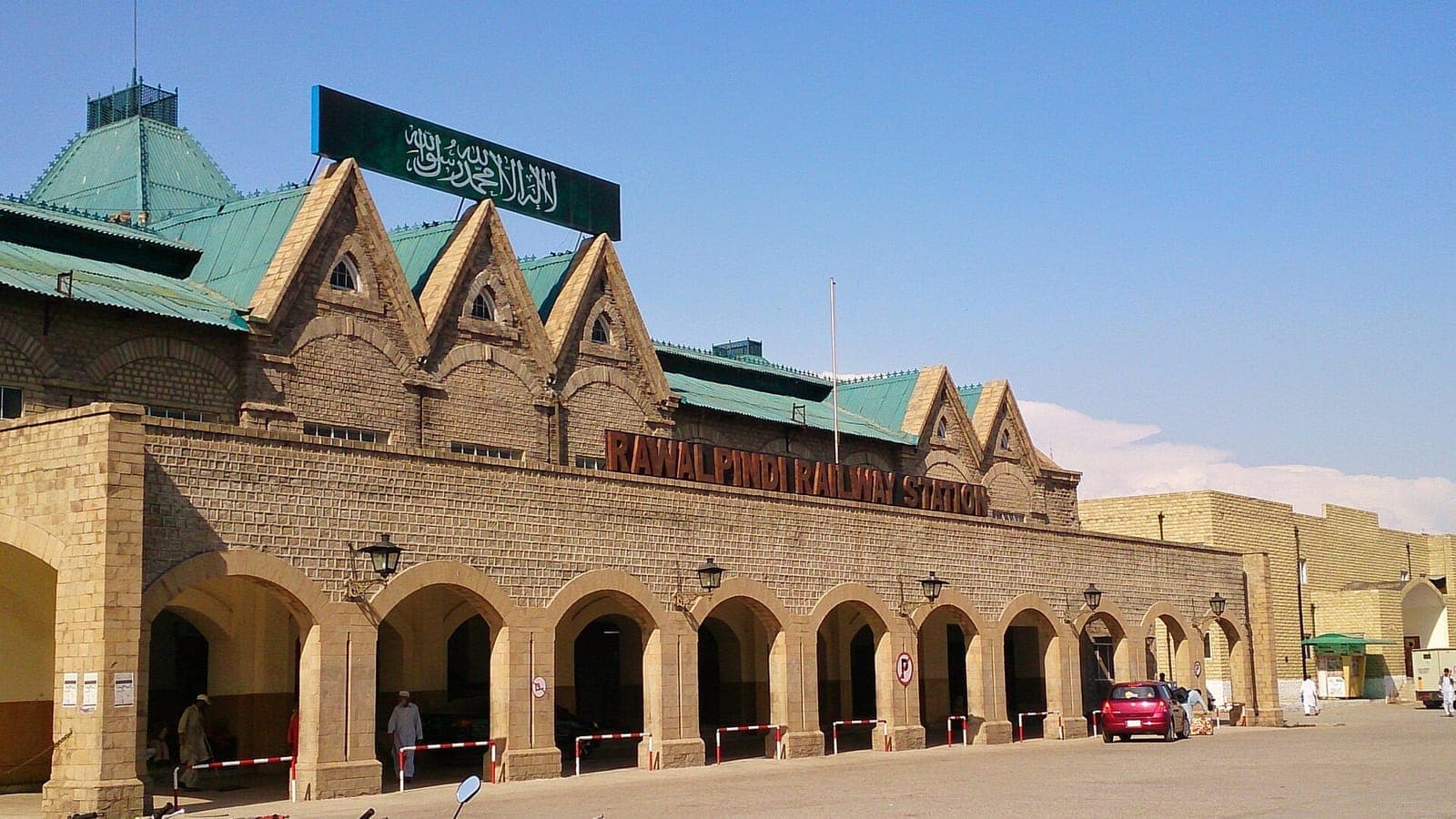
Rawalpindi Railway Station
Rawalpindi Railway Station in Saddar, a major stop on the Karachi–Peshawar line, where every train halts for half an hour.
Sight
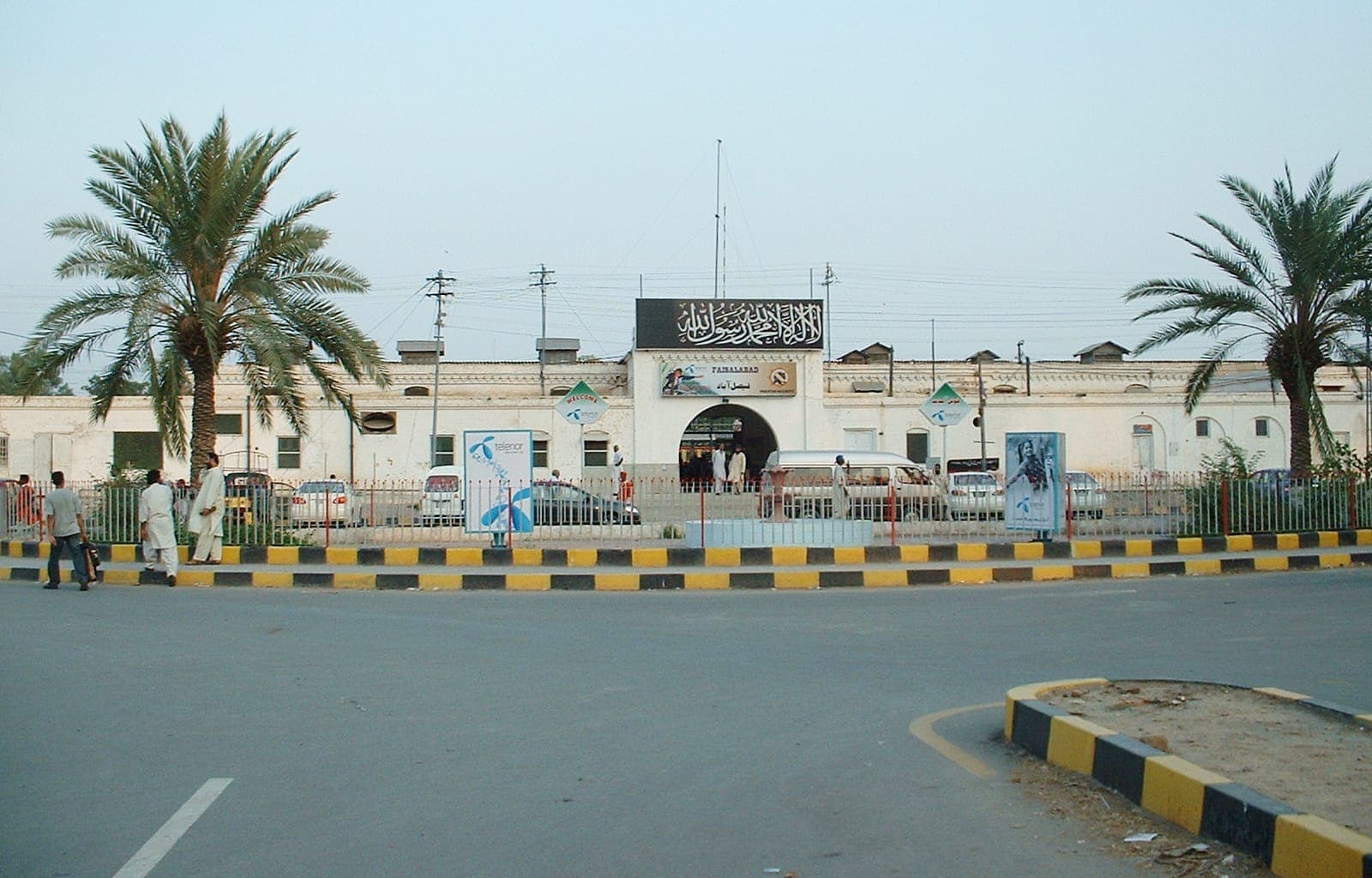
Faisalabad Railway Station
Faisalabad's railway station, the rail hub of old Lyallpur on the Khanewal–Wazirabad line, with trains to Karachi, Lahore and beyond.
Sight
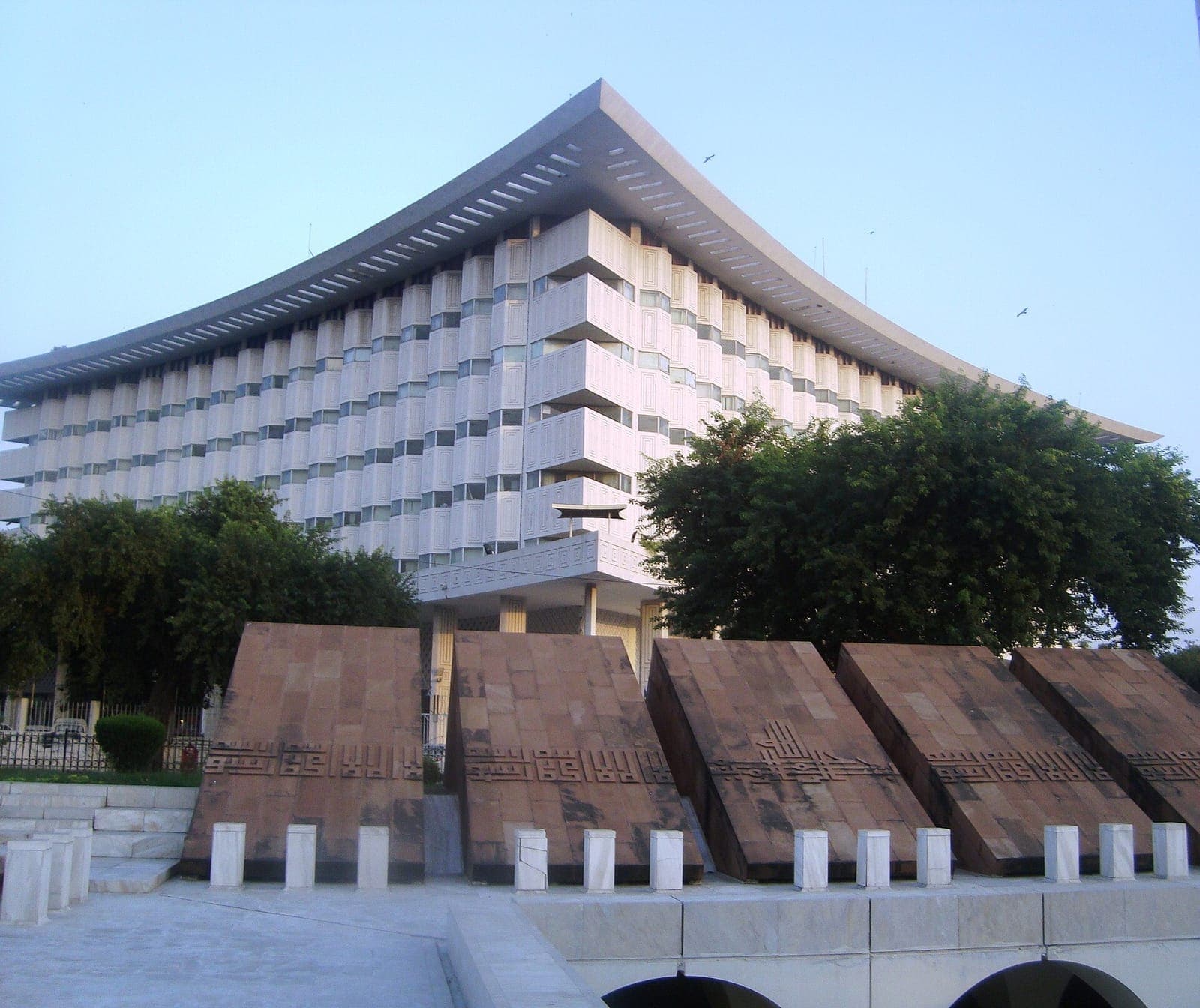
WAPDA House, Lahore
WAPDA House at Charing Cross, Lahore: Edward Durell Stone's nine-storey headquarters of the Water and Power Development Authority (1967).
Sight
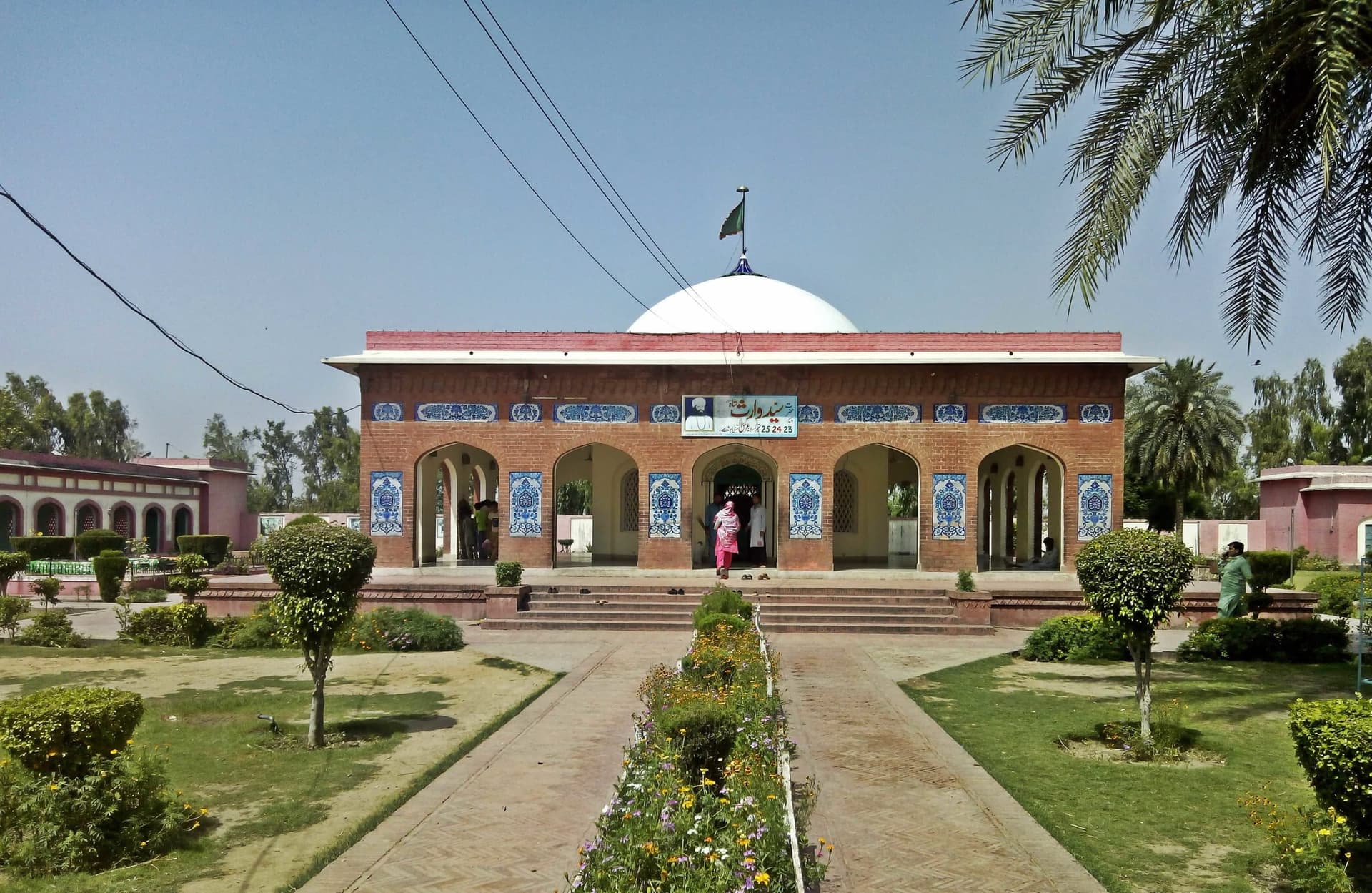
Shrine of Syed Waris Shah
The burial place of Waris Shah, the eighteenth-century poet whose Heer Ranjha is the defining work of Punjabi literature — and whose July Urs draws thousands.
Bookable journeys
Being prepared
Dedicated journeys in this category are being prepared. Until then, request a private itinerary that combines stays, transport, guiding, and the places listed above.
Request a private itineraryReady to wander?
Design your custom Cultural Heritage itinerary
Connect with our travel team to combine the stays, transport, and coastal sights of Pakistan into a private, tailor-made trip.