

Destinations / Khyber Pakhtunkhwa
The Frontier Valleys · Regional Guide
Khyber Pakhtunkhwa
Pine ridges, glacial river valleys, and the Hindu Kush, Peshawar's storytellers' bazaar, the Kalasha's living festivals, and polo on the highest ground on Earth.
Why go
Where the Mountains Meet Living Culture
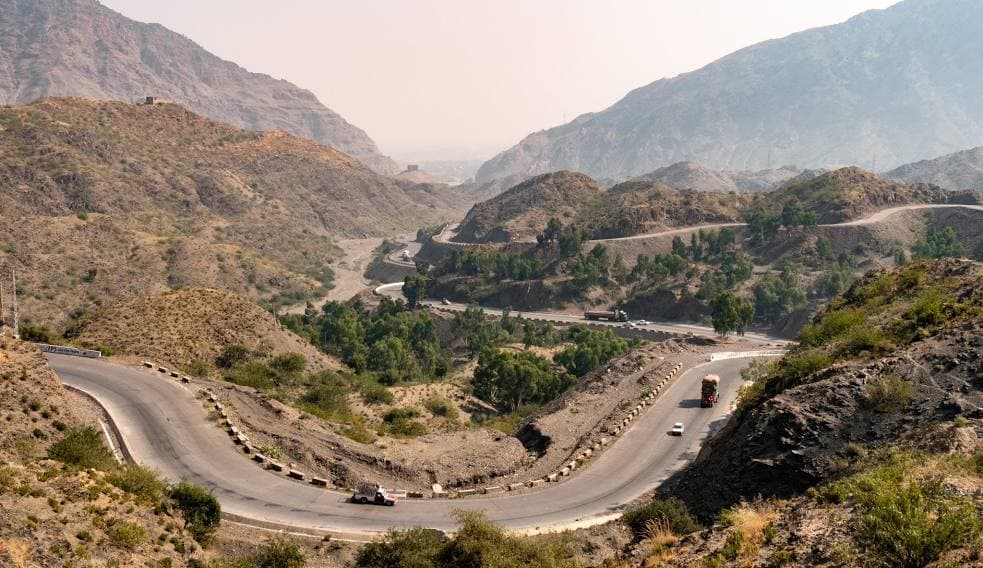
Khyber Pakhtunkhwa runs from Peshawar's Old City, the storied Qissa Khwani Bazaar and the Khyber Pass beyond it, up through Kaghan, Swat, and the Hindu Kush to Chitral. Few places in Pakistan pack this much contrast into one province: frontier trade history at the bottom, glacier-fed valleys and a living pre-Islamic culture at the top.
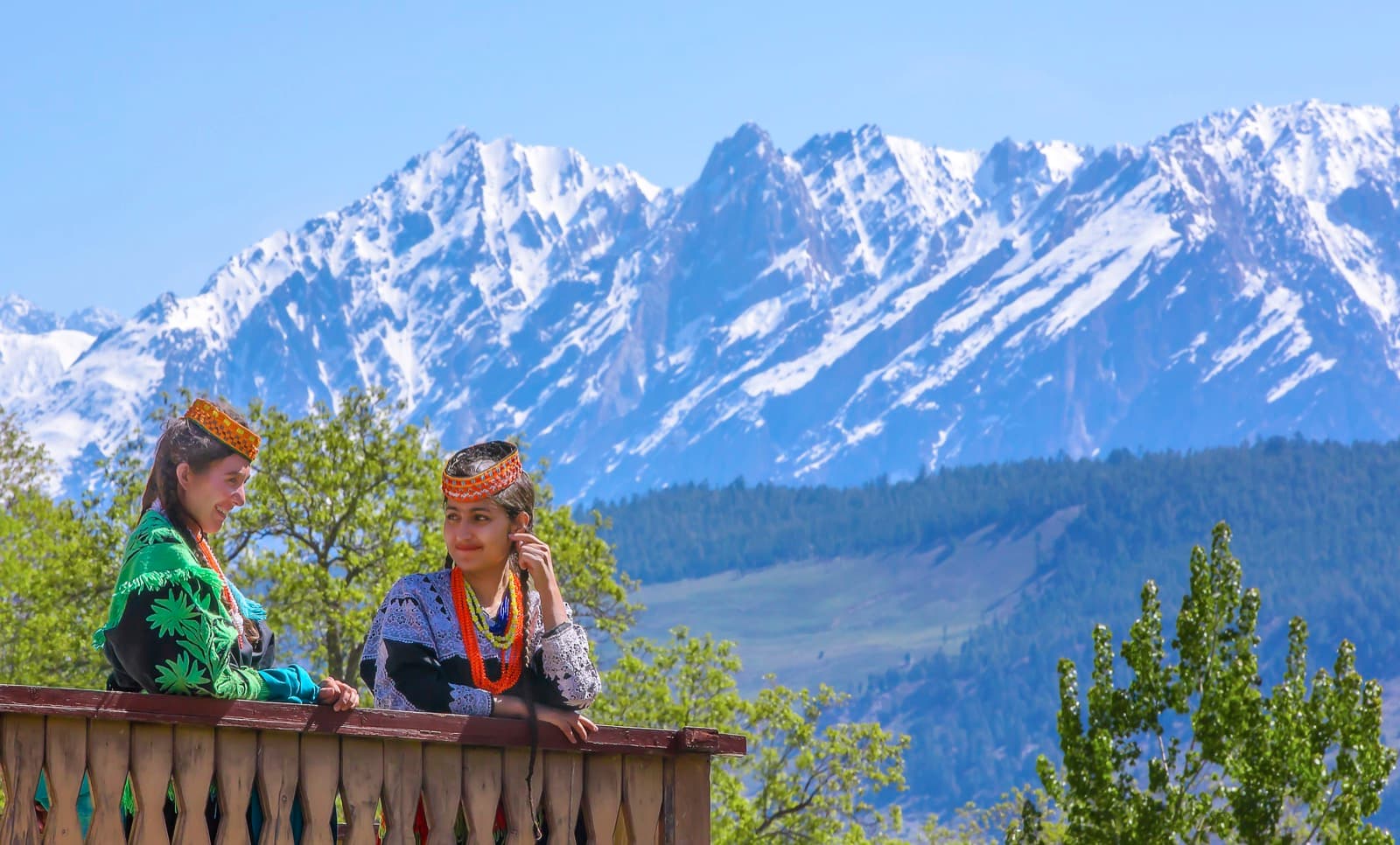
Kaghan and Swat are classic summer valleys, pine forest, trout rivers, and hill towns within a day's drive of Islamabad, with Malam Jabba's slopes drawing skiers once the snow settles each winter. Chitral, reached by a separate flight or a long road over Lowari, is different again: in Bumburet, Rumbur, and Birir the Kalasha keep a pre-Islamic calendar found nowhere else on Earth, tracing their own descent to ancient settlers who never converted.
Chilam Joshi welcomes spring in mid-May, Uchal marks the autumn harvest, and Choimus carries the community through the winter solstice, each with its own etiquette that a local guide can help you read; Shandur Pass hosts freestyle polo at 3,700m each July between Chitral and Gilgit teams, no boundary lines, no referee, just two teams and a crowd on the grass.
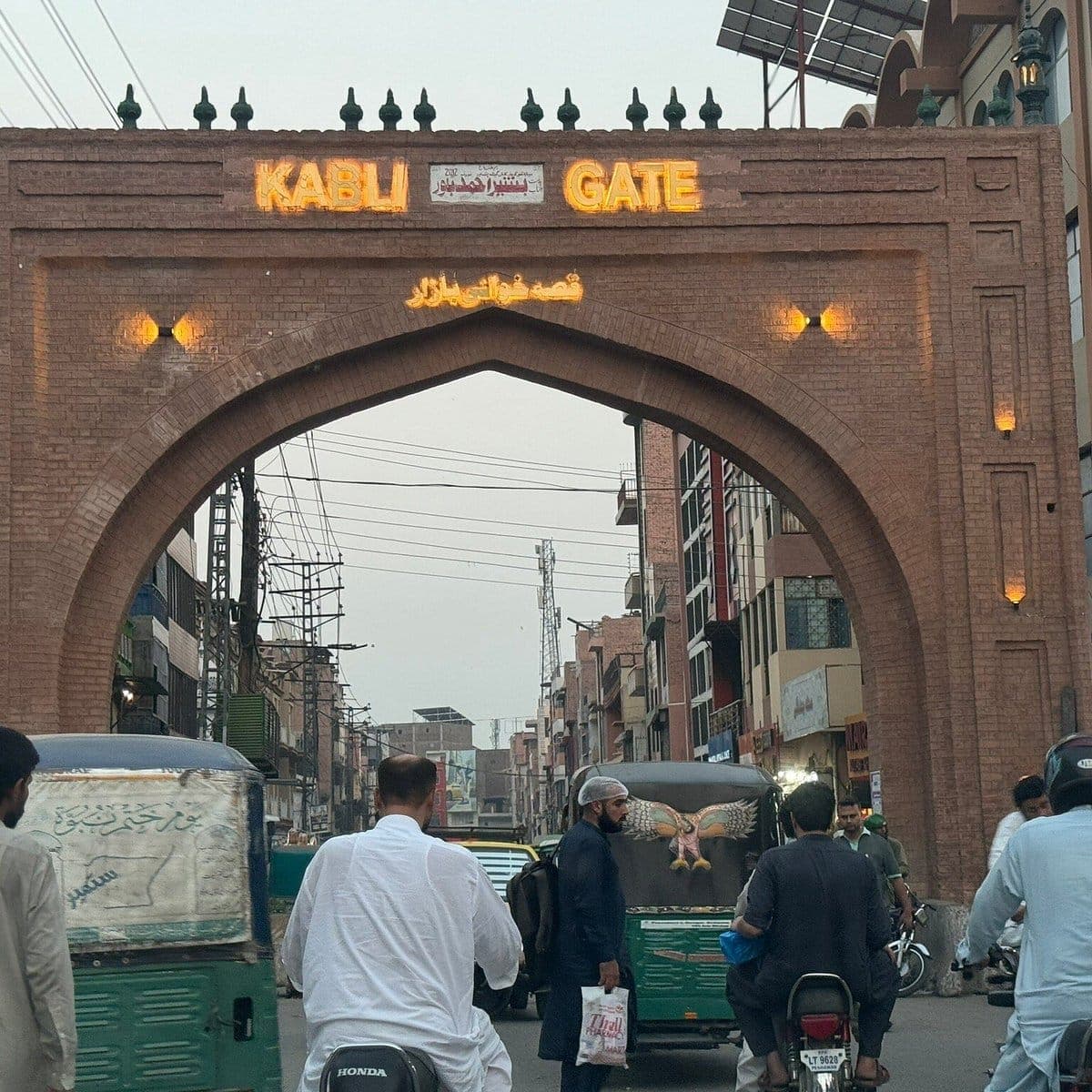
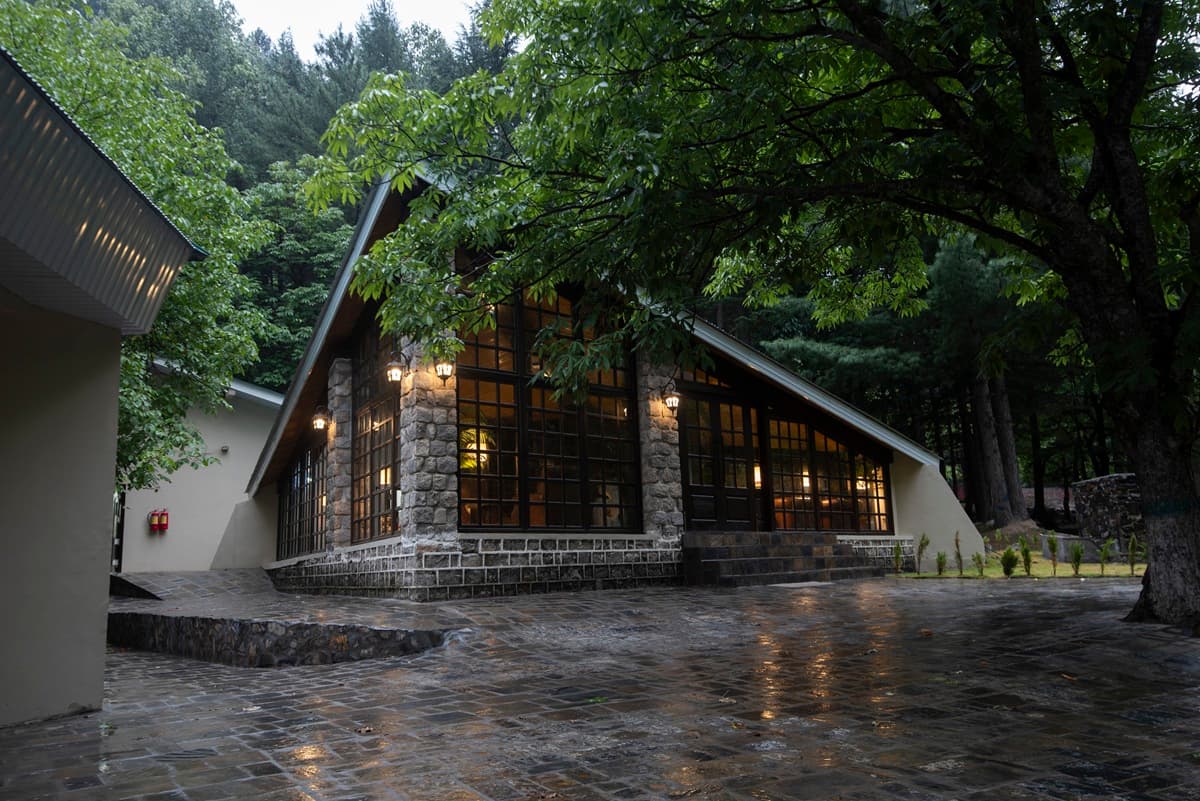
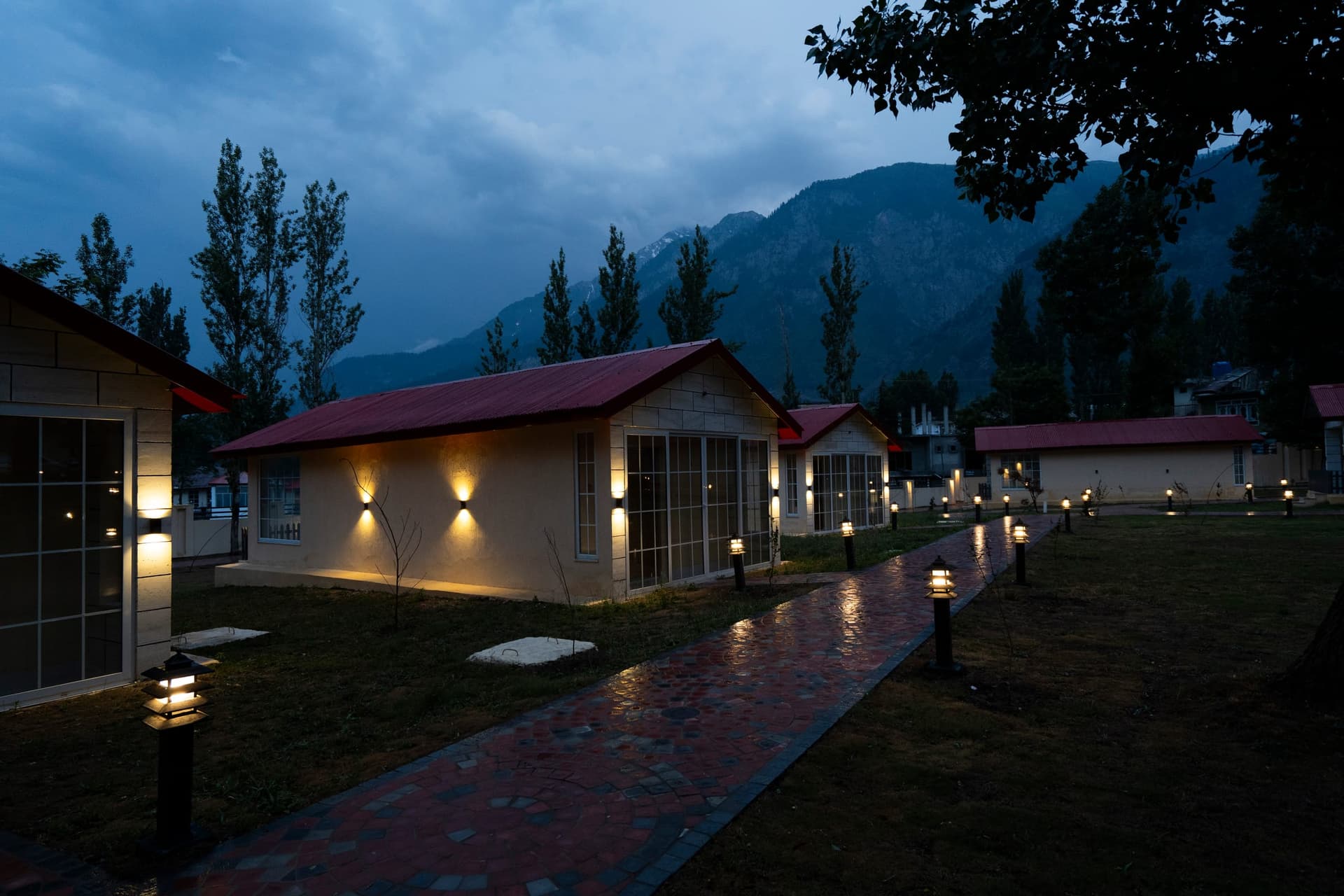
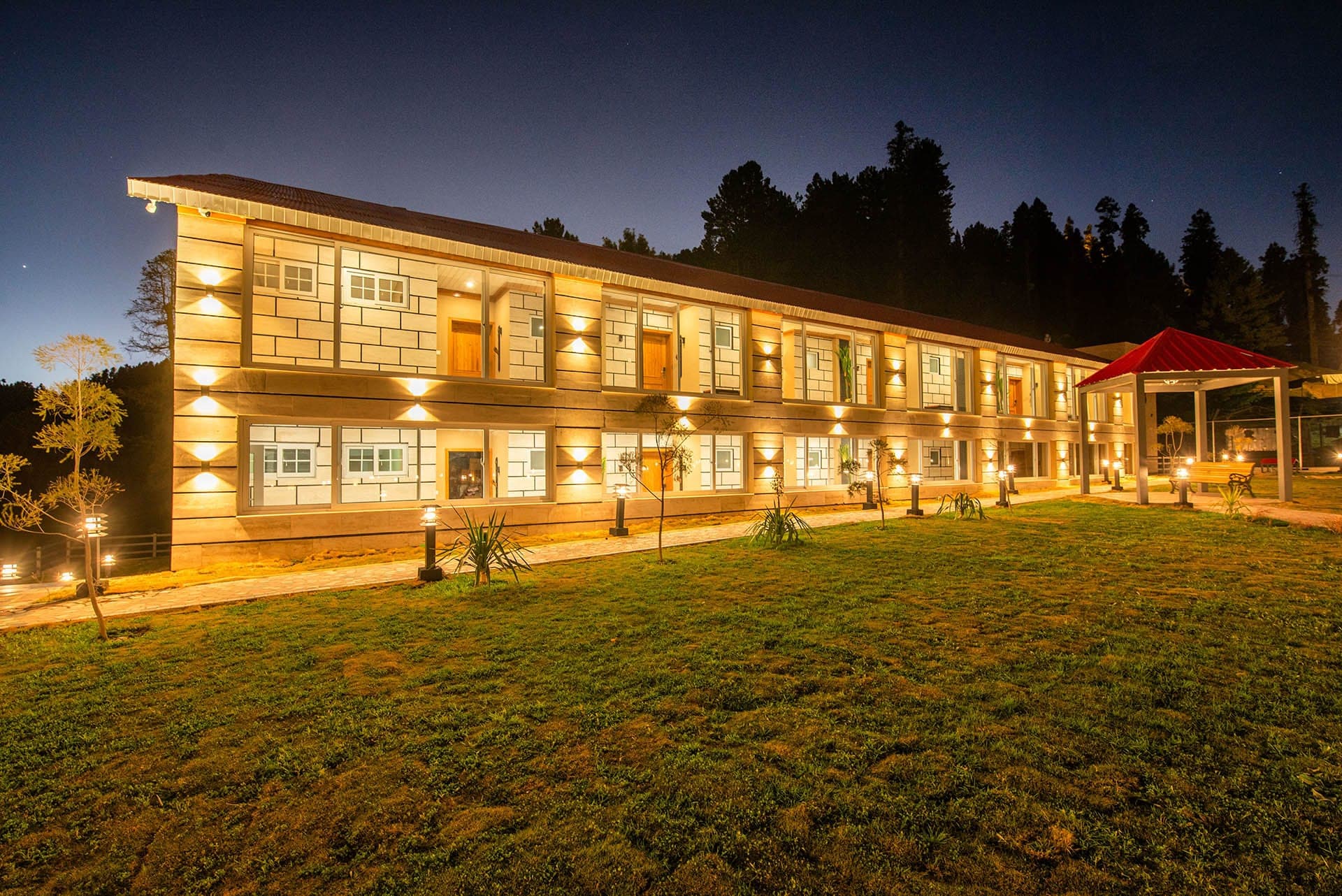
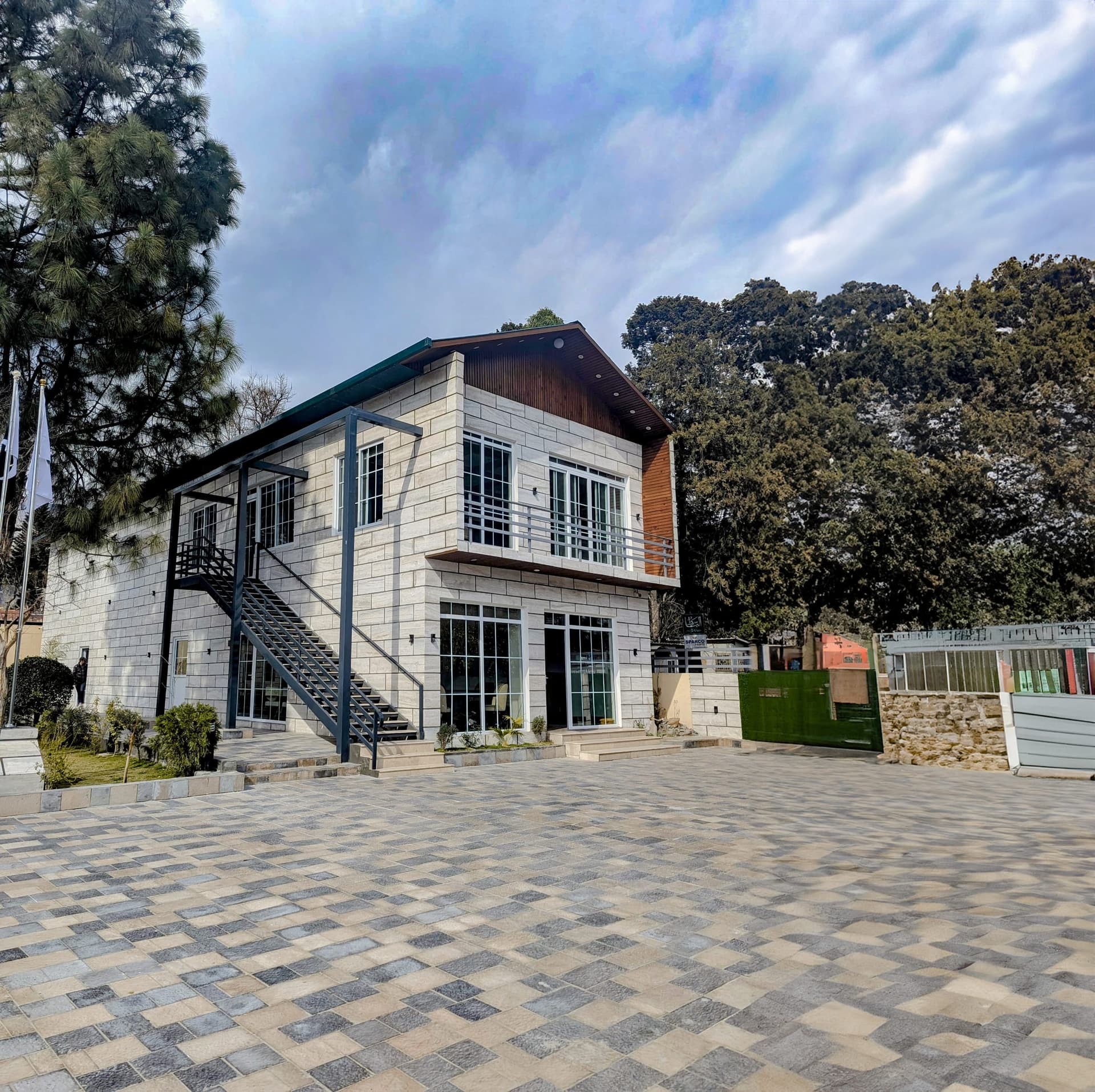
Further south, Peshawar's Old City holds one of the subcontinent's great trade-route bazaars: Qissa Khwani, the Street of Storytellers, took its name from the caravanserais where merchants once traded news along with goods, and the walled city's carved wooden balconies survive block after block. Taxila, an easy day trip from Islamabad, adds a different layer again, Gandharan Buddhist ruins that once made this valley a centre of learning on the old trade routes to Central Asia. GreenPak properties from Ayubia and Naran through Kalam and Booni anchor festival timing and let you move valley to valley without rushing sacred days.
Orient yourself
The Region on the Map
Place by place
Every Sight in Khyber Pakhtunkhwa
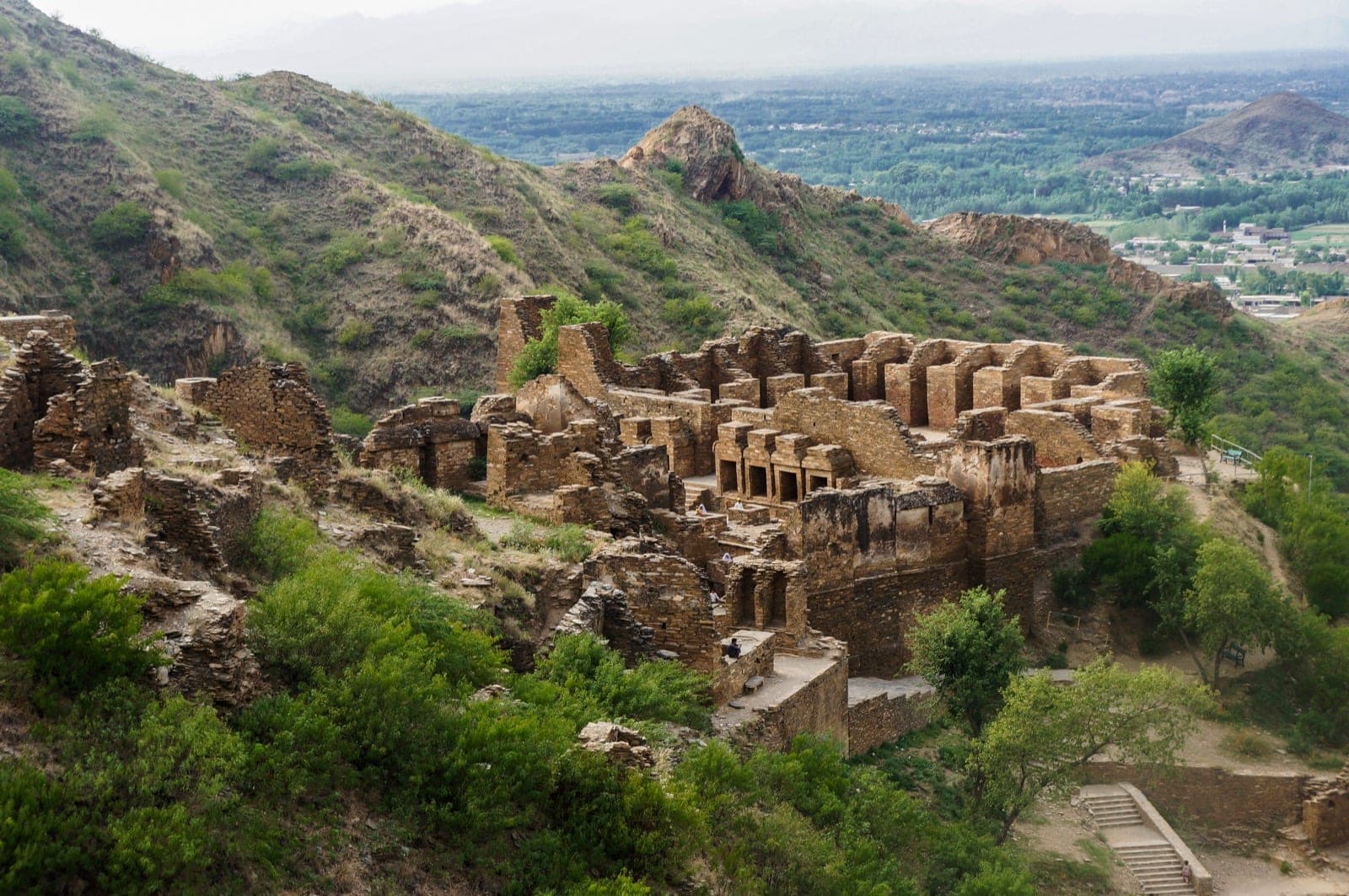
Takht-i-Bahi: UNESCO World Heritage Site
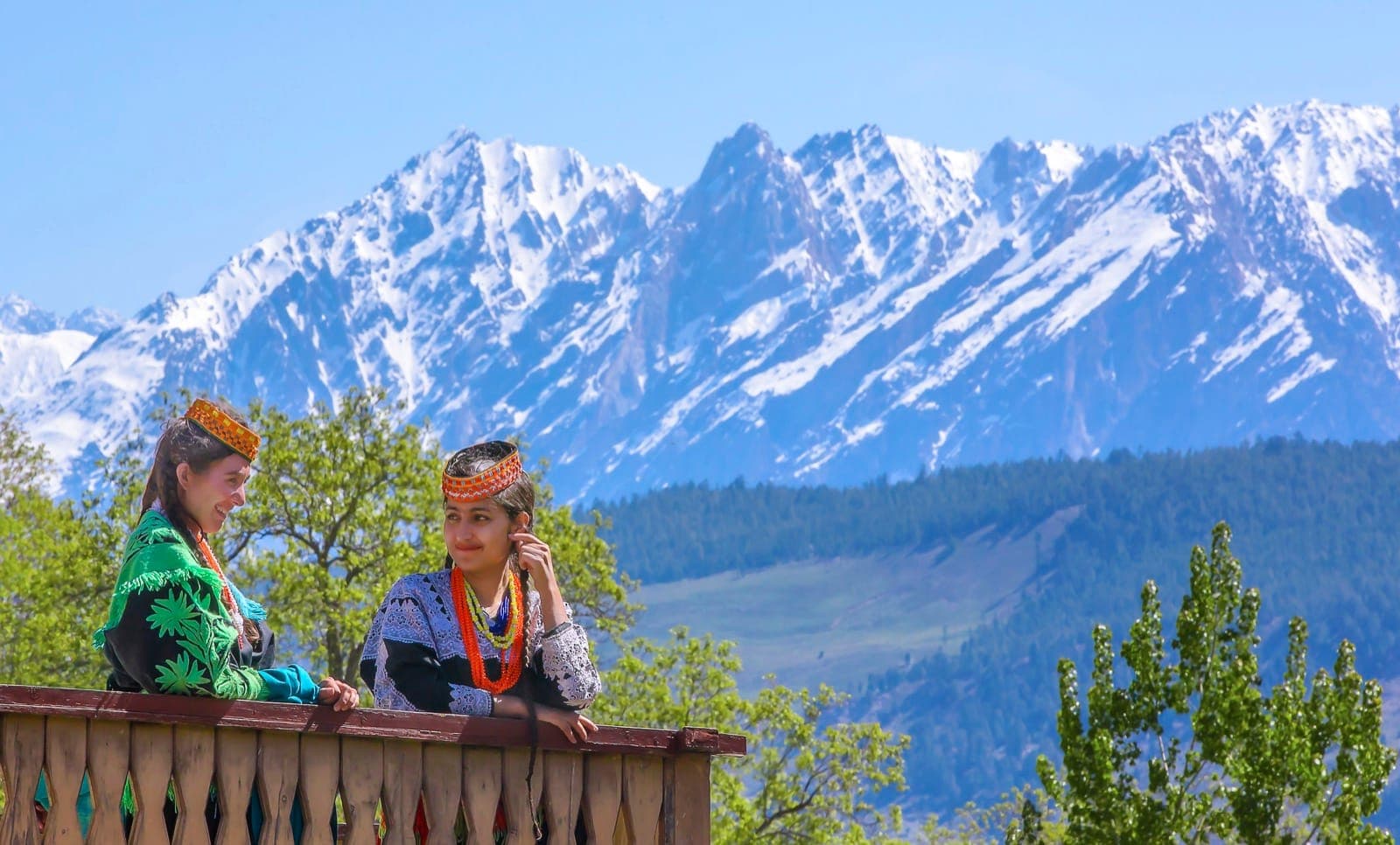
Kalasha Valleys Cultural Landscape
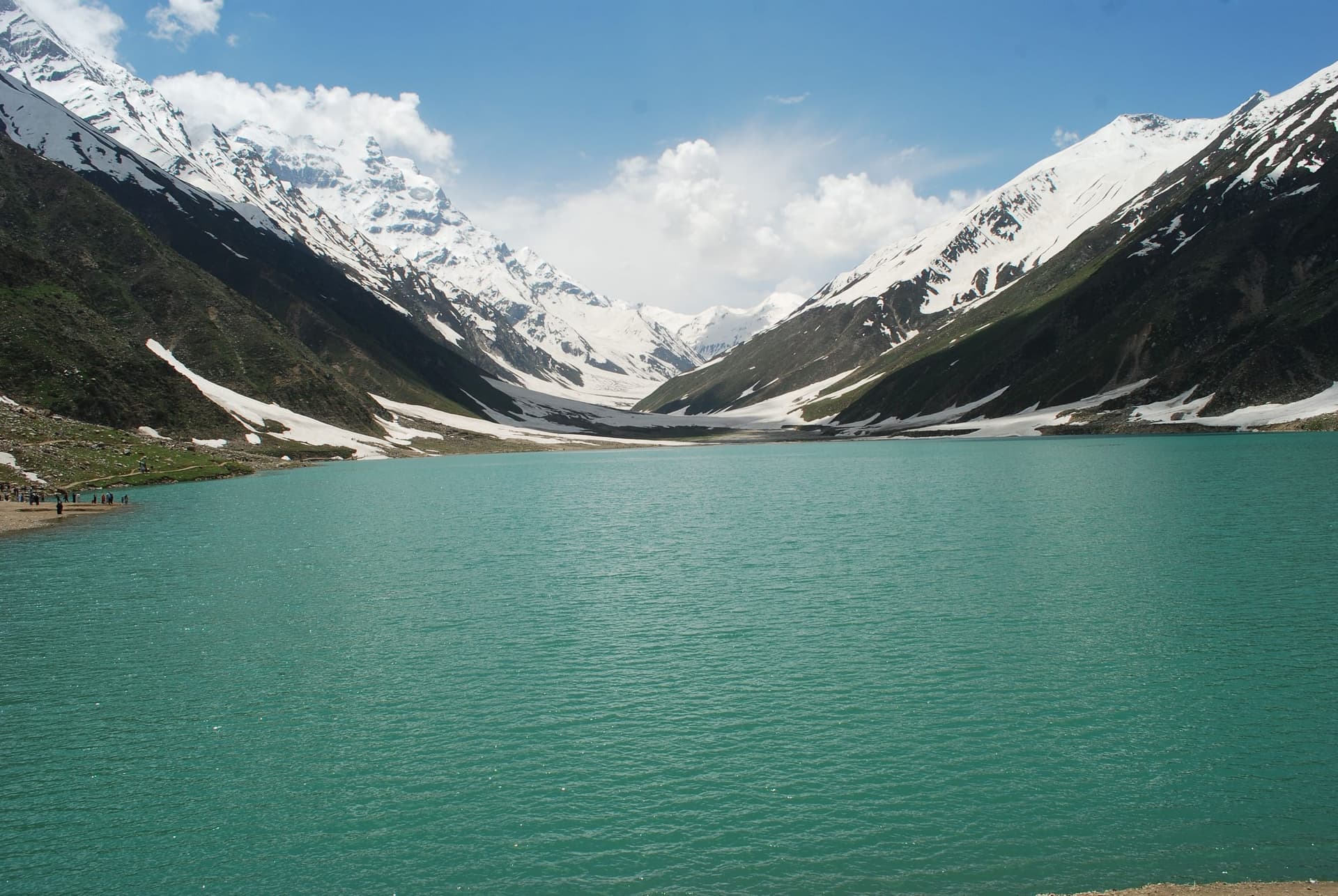
Lake Saiful Muluk
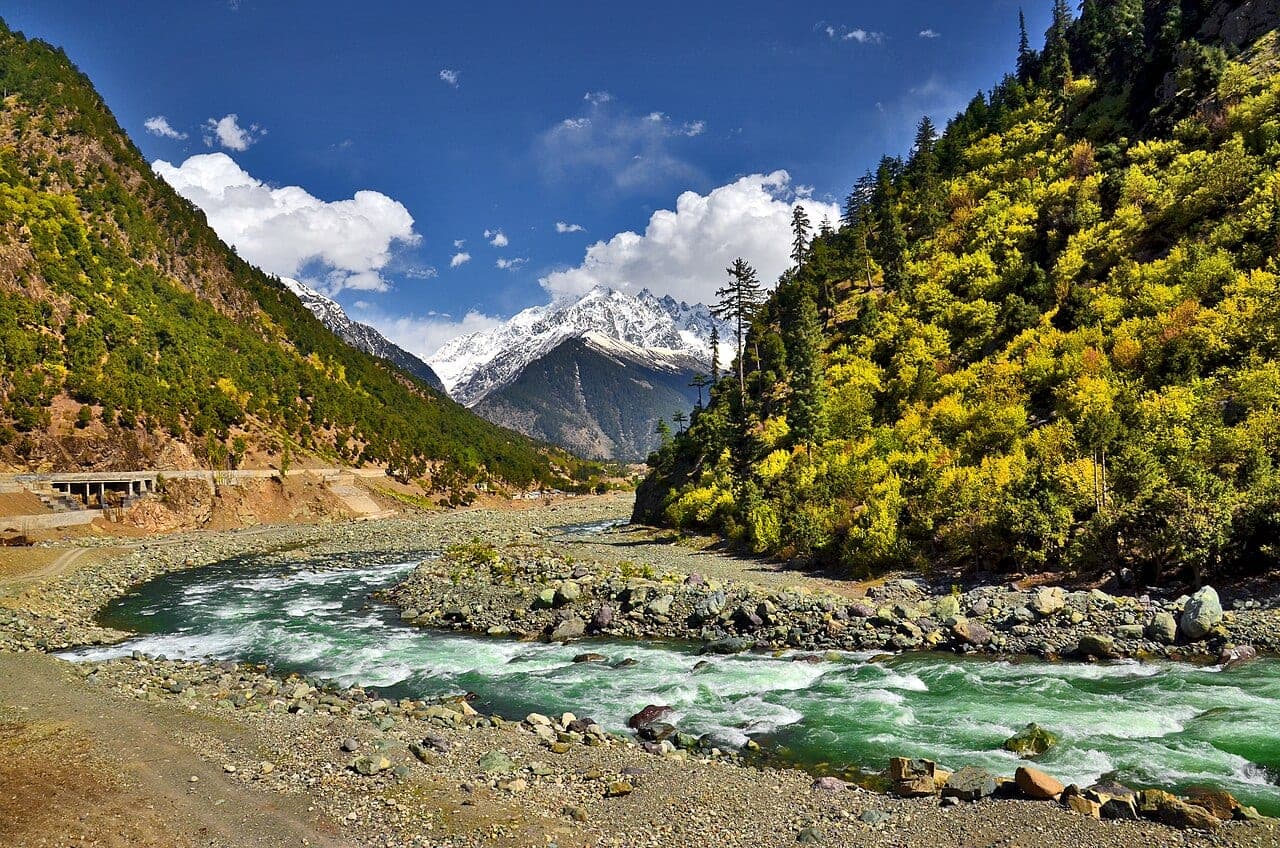
Kalam Valley
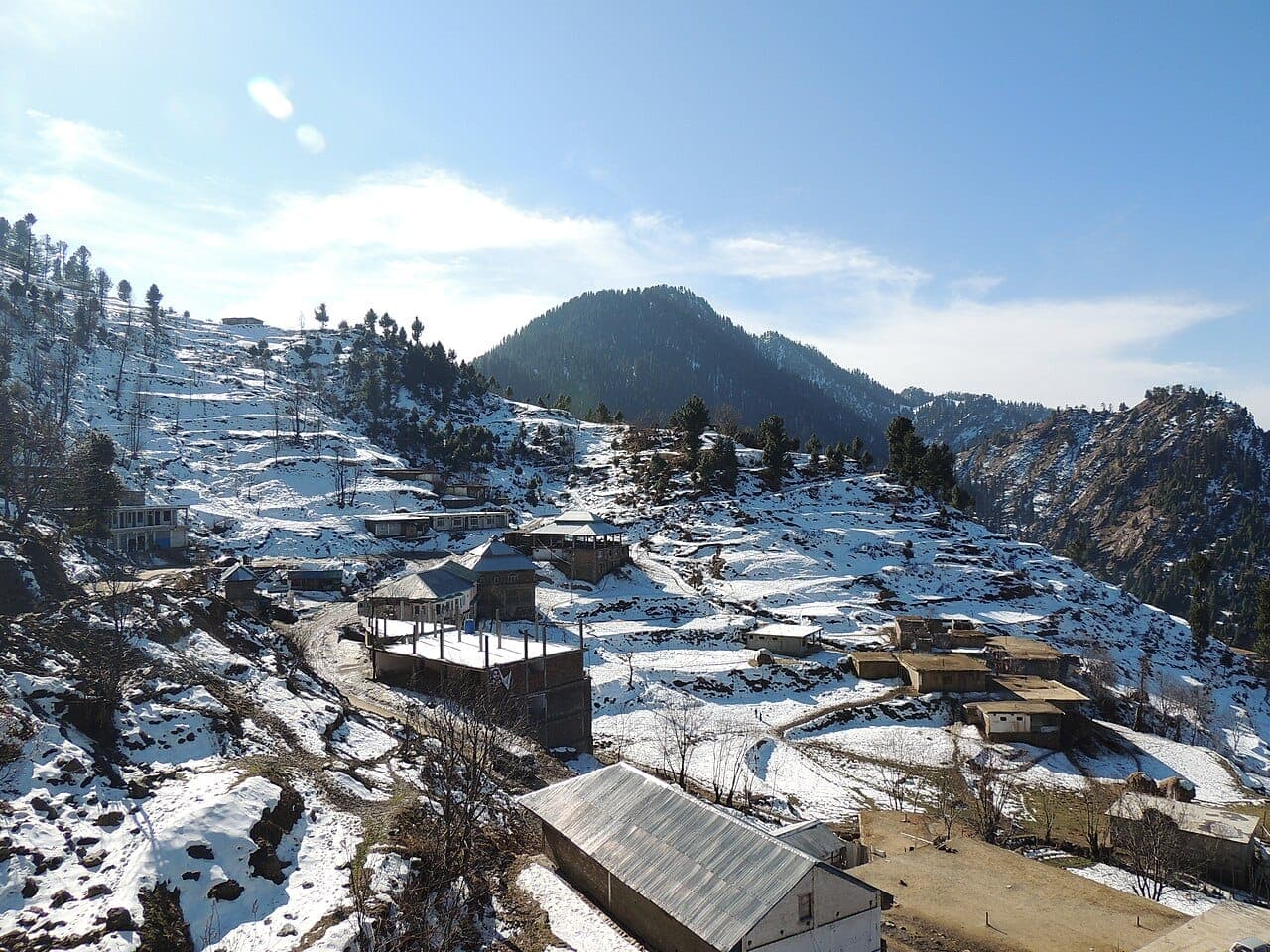
Malam Jabba
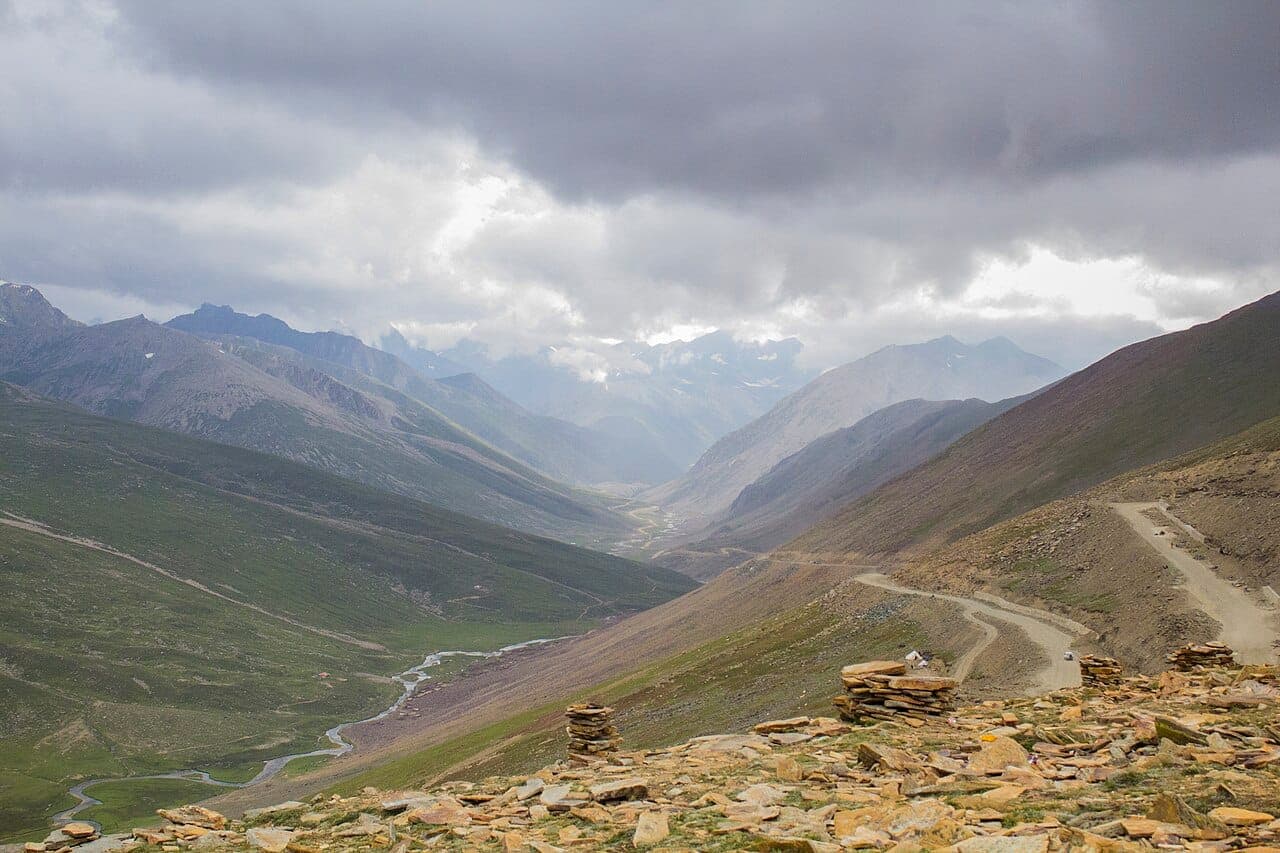
Babusar Top
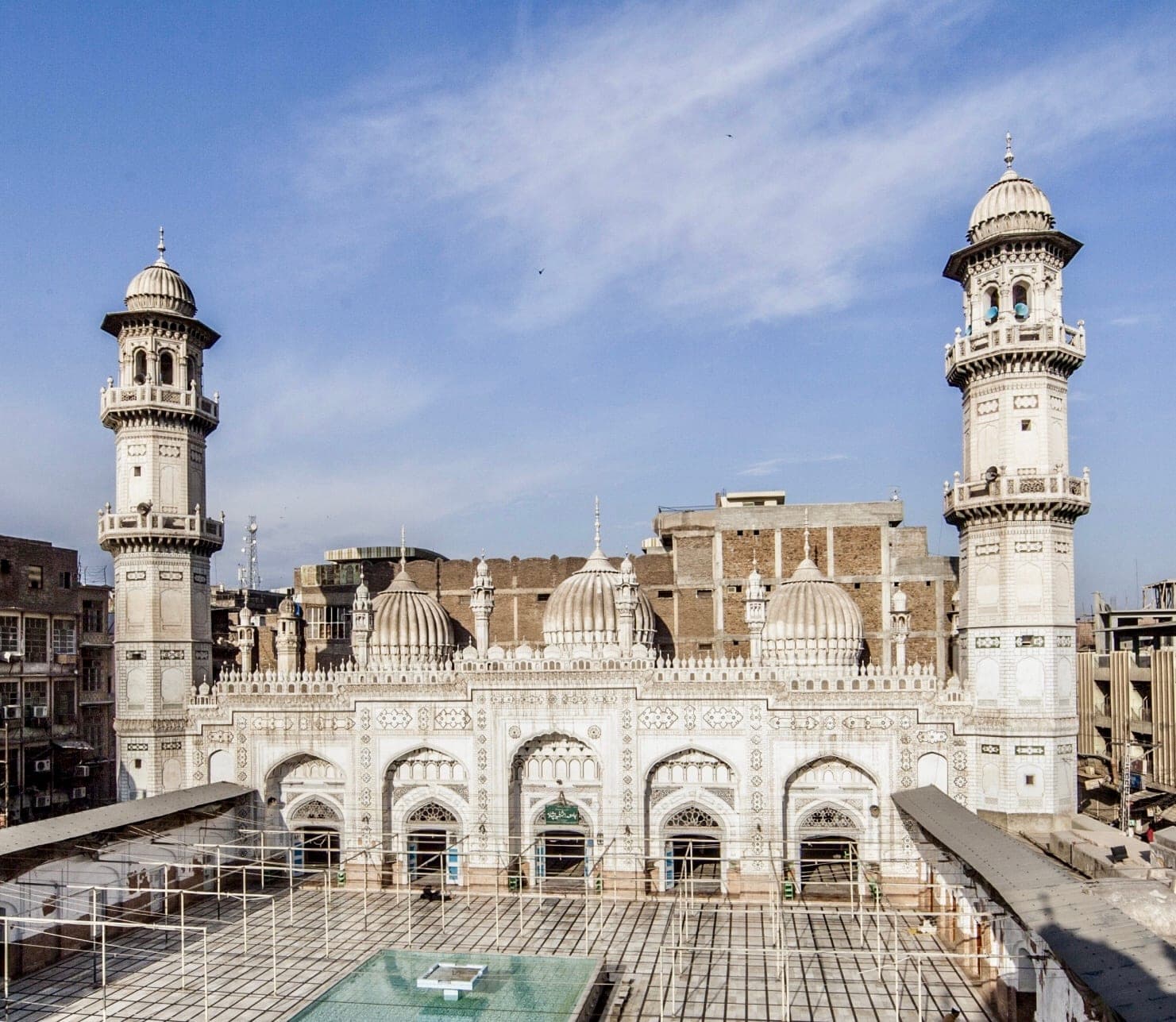
Mahabat Khan Mosque
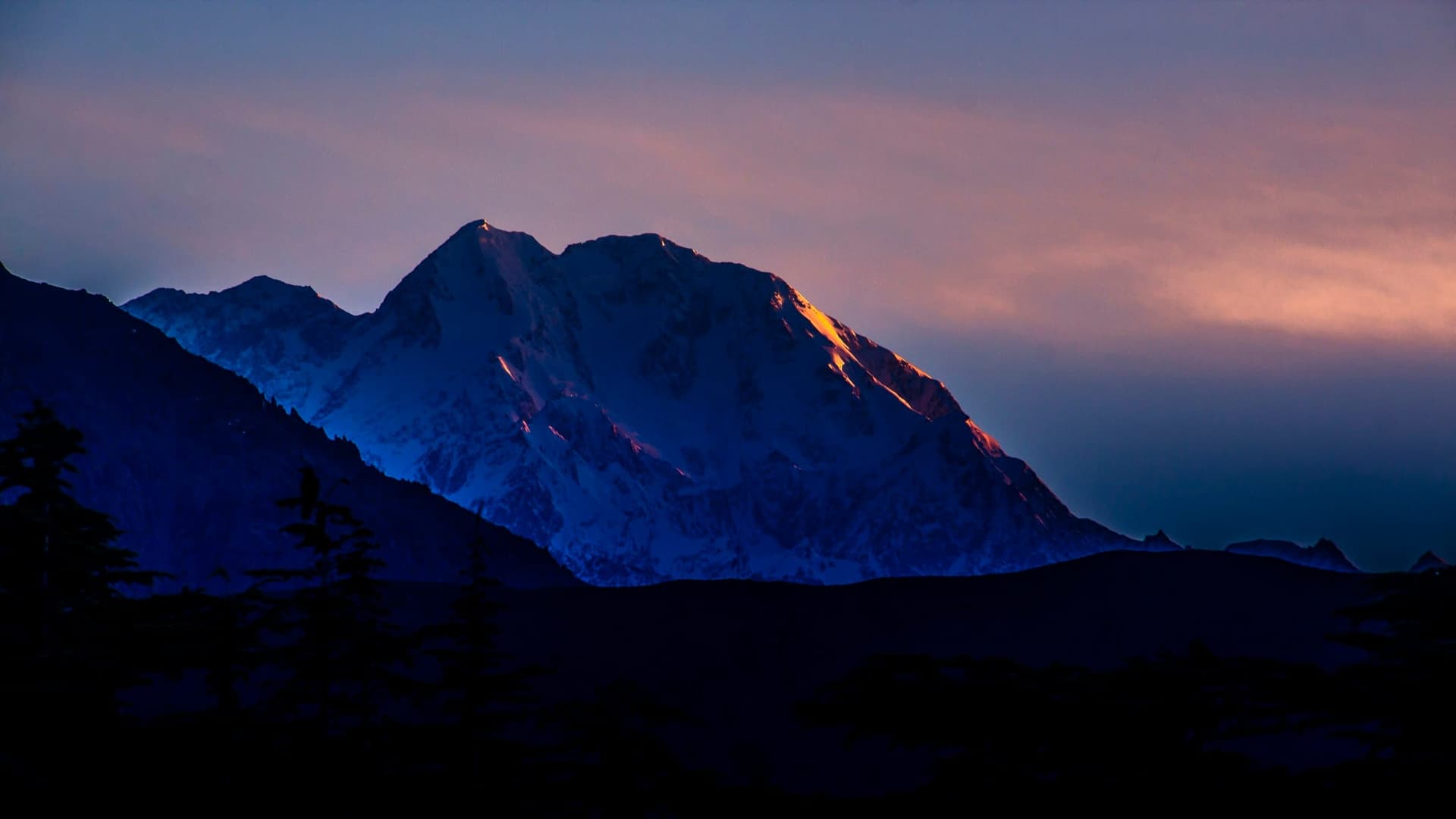
Tirich Mir
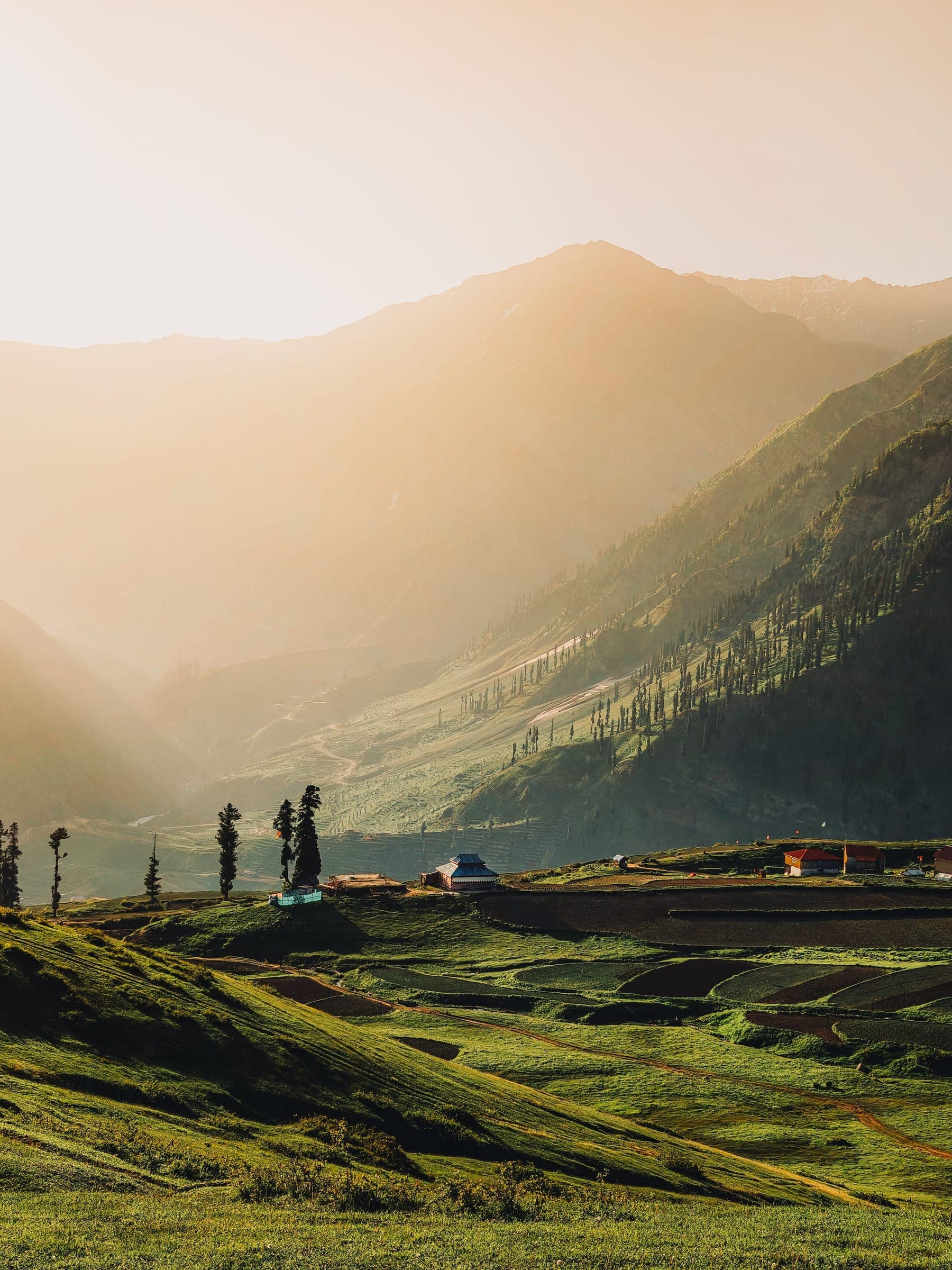
Naran
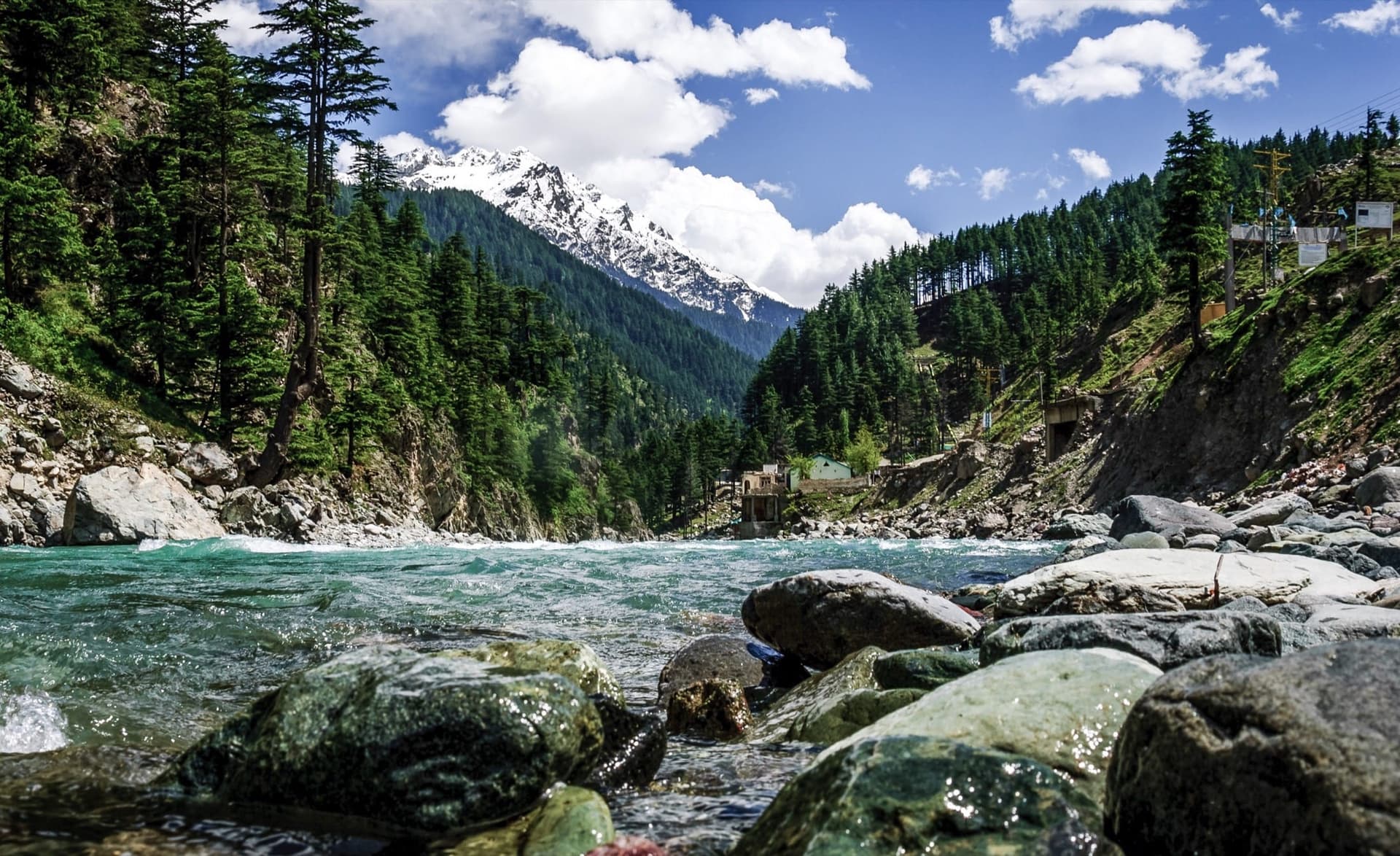
Swat River Rafting
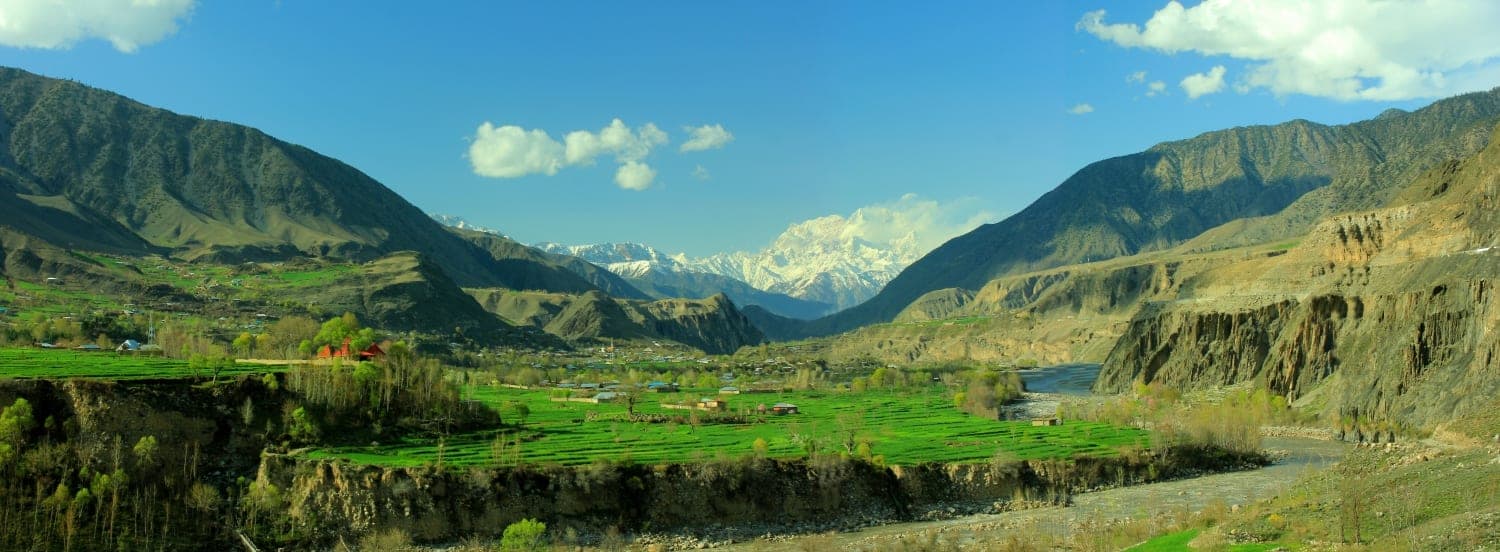
Chitral
Khyber Pass
Qissa Khwani Bazaar, Peshawar
Rehman Dheri
Ranigat
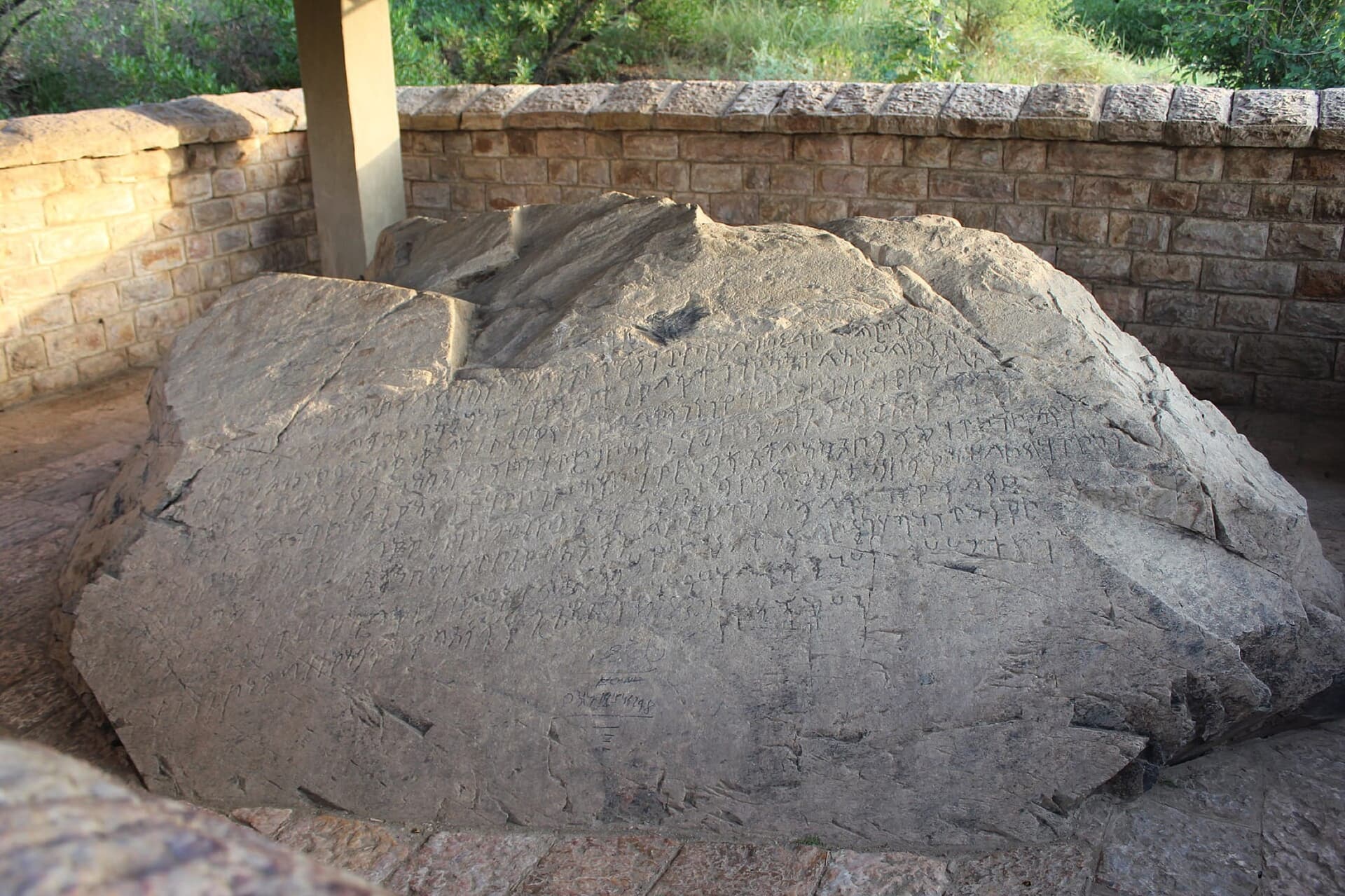
Shahbazgarhi Rock Edicts
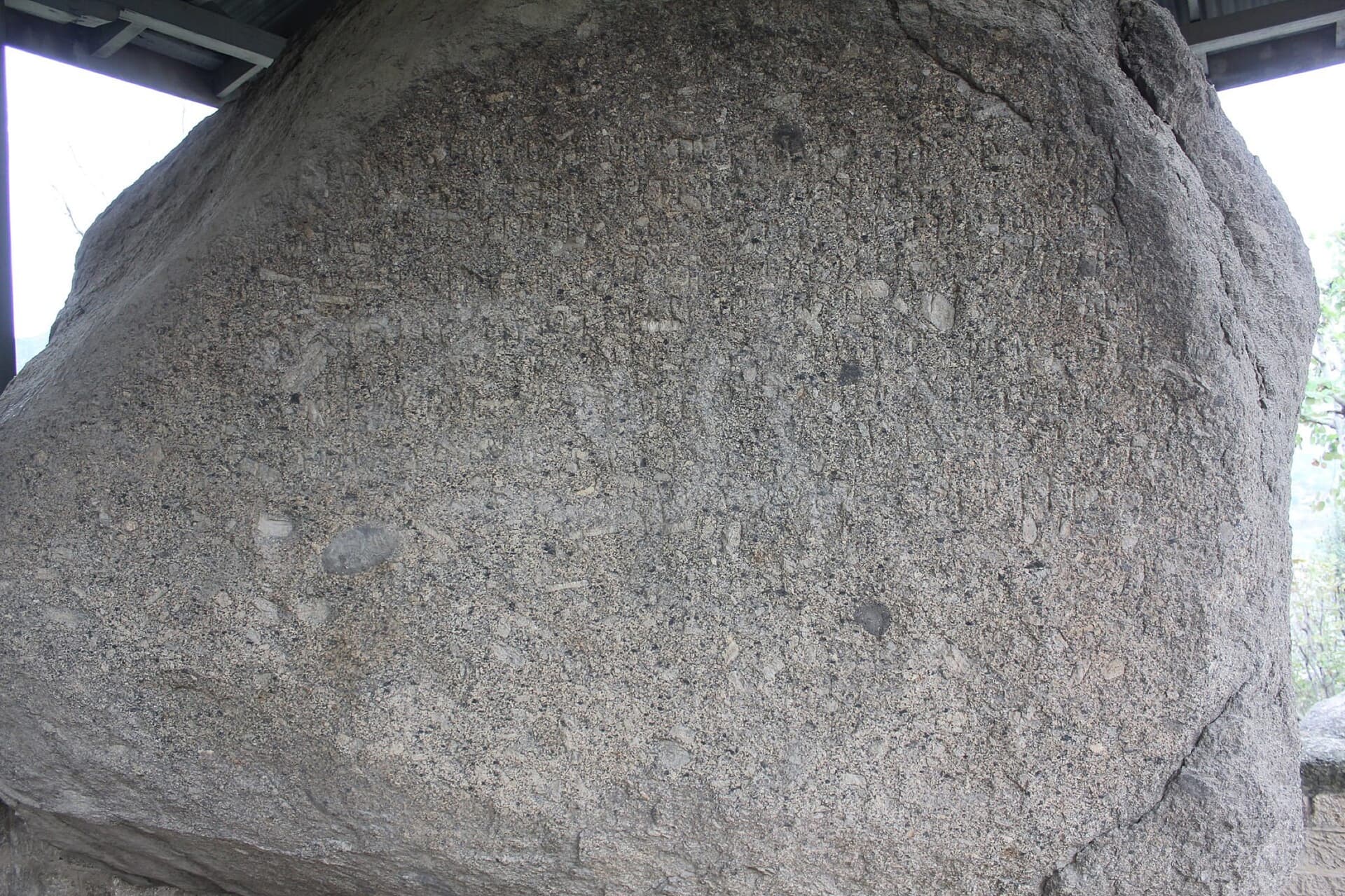
Mansehra Rock Edicts
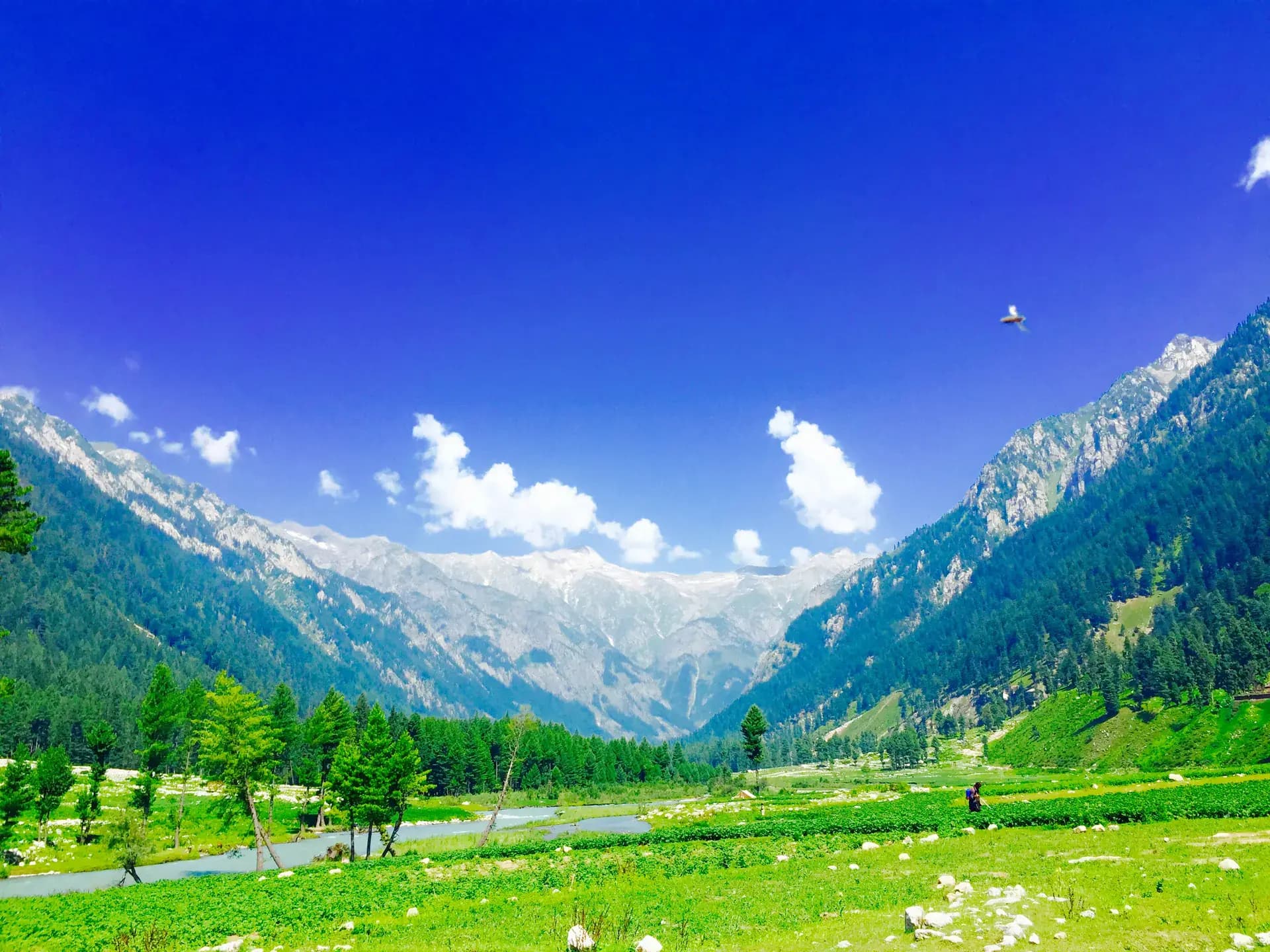
Kumrat Valley
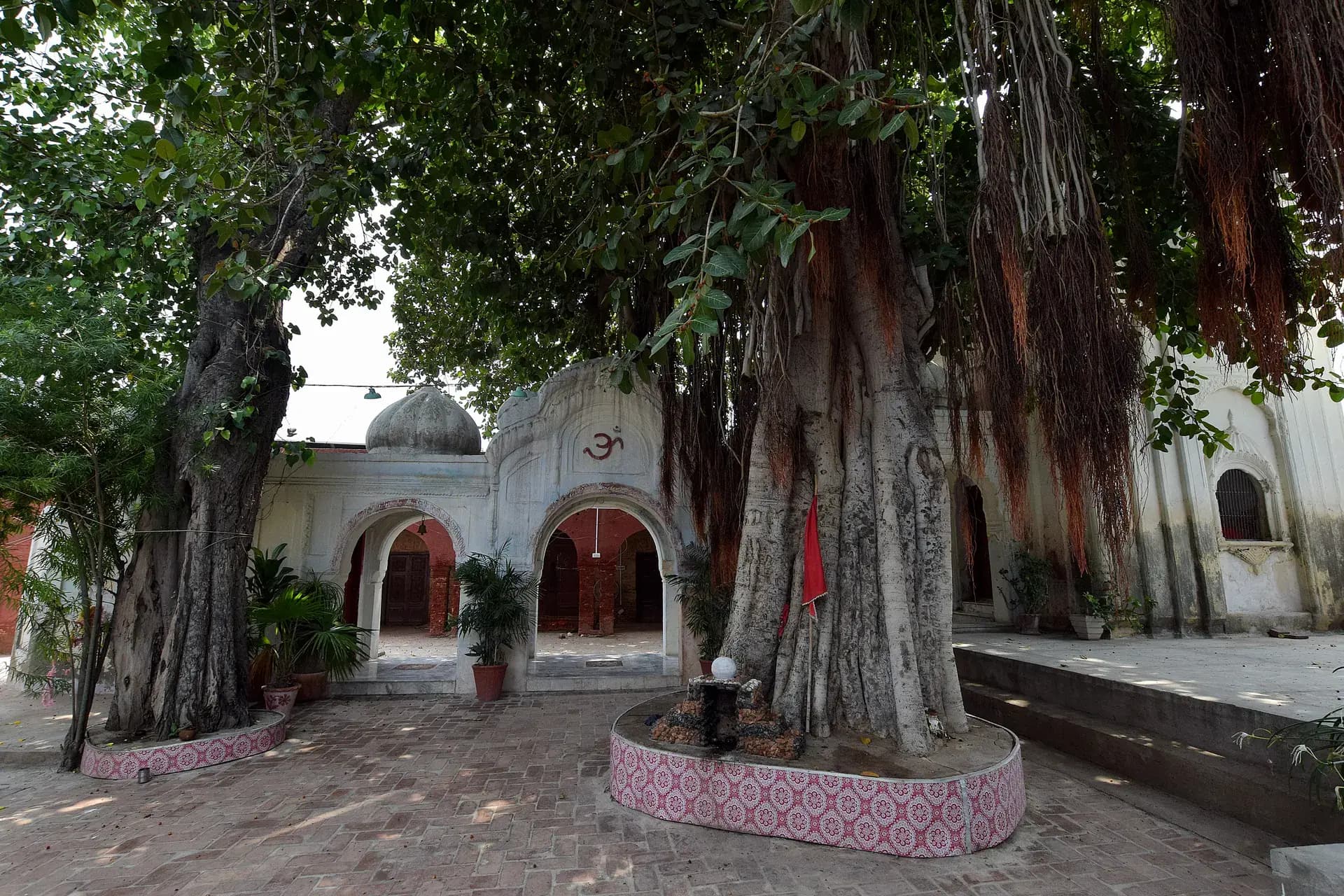
Gor Khatri
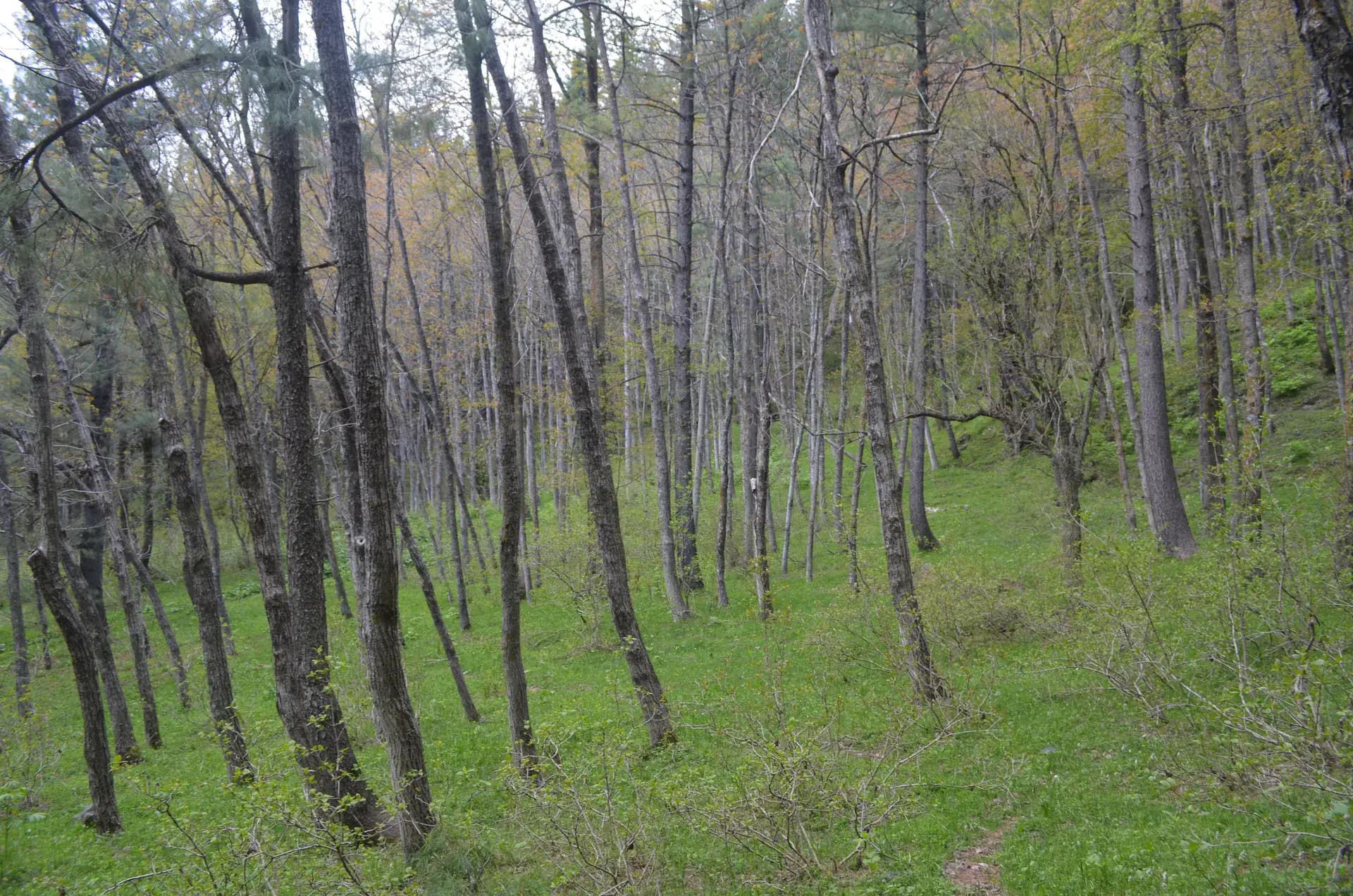
Sharan Forest
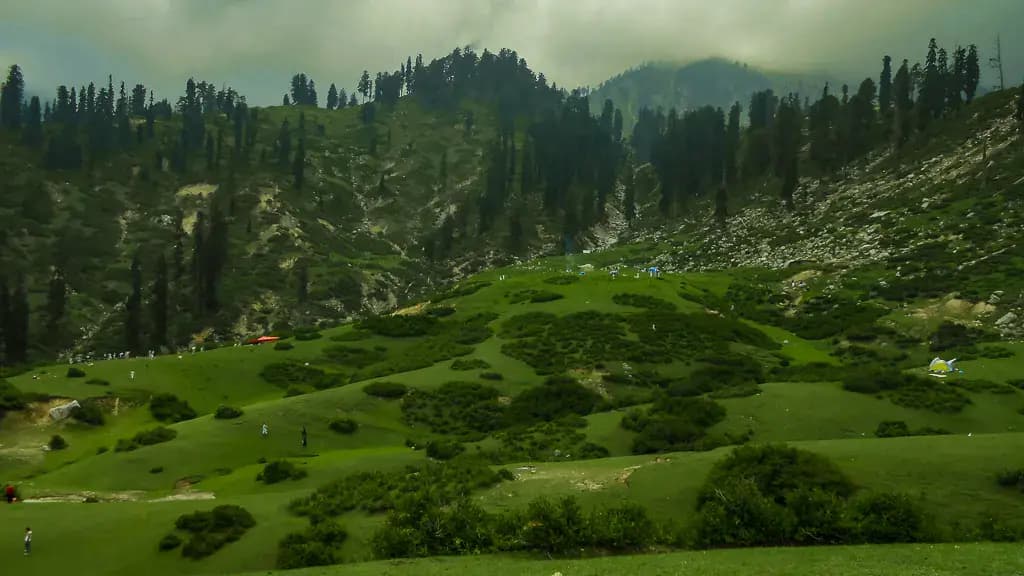
Gabin Jabba
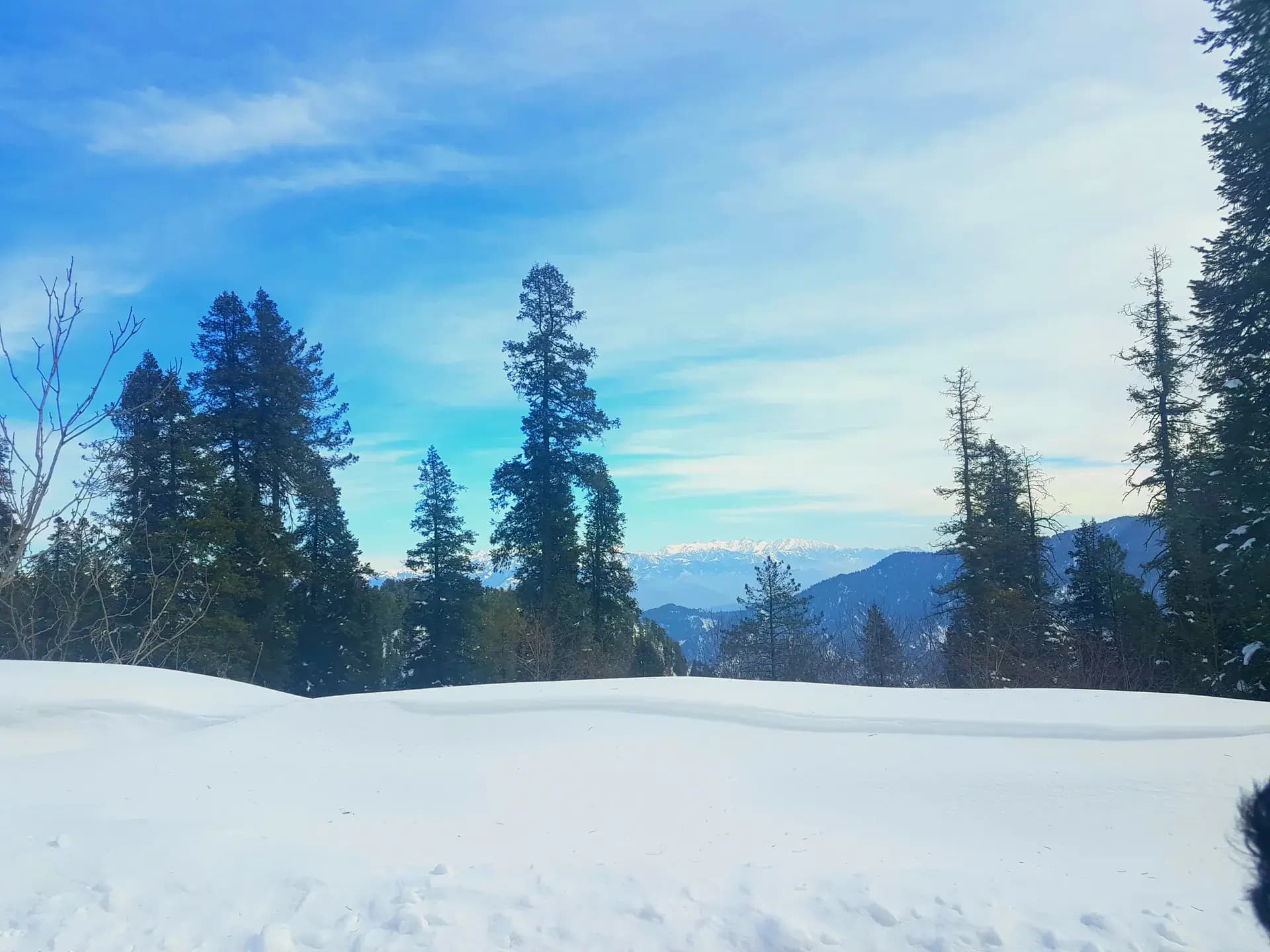
Thandiani
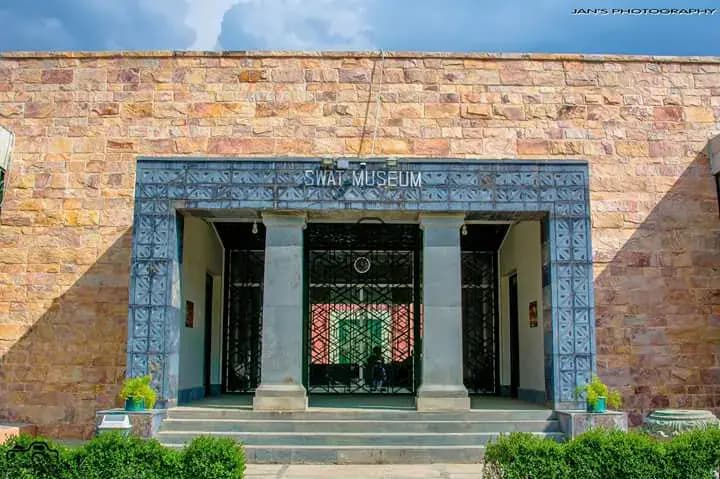
Swat Museum
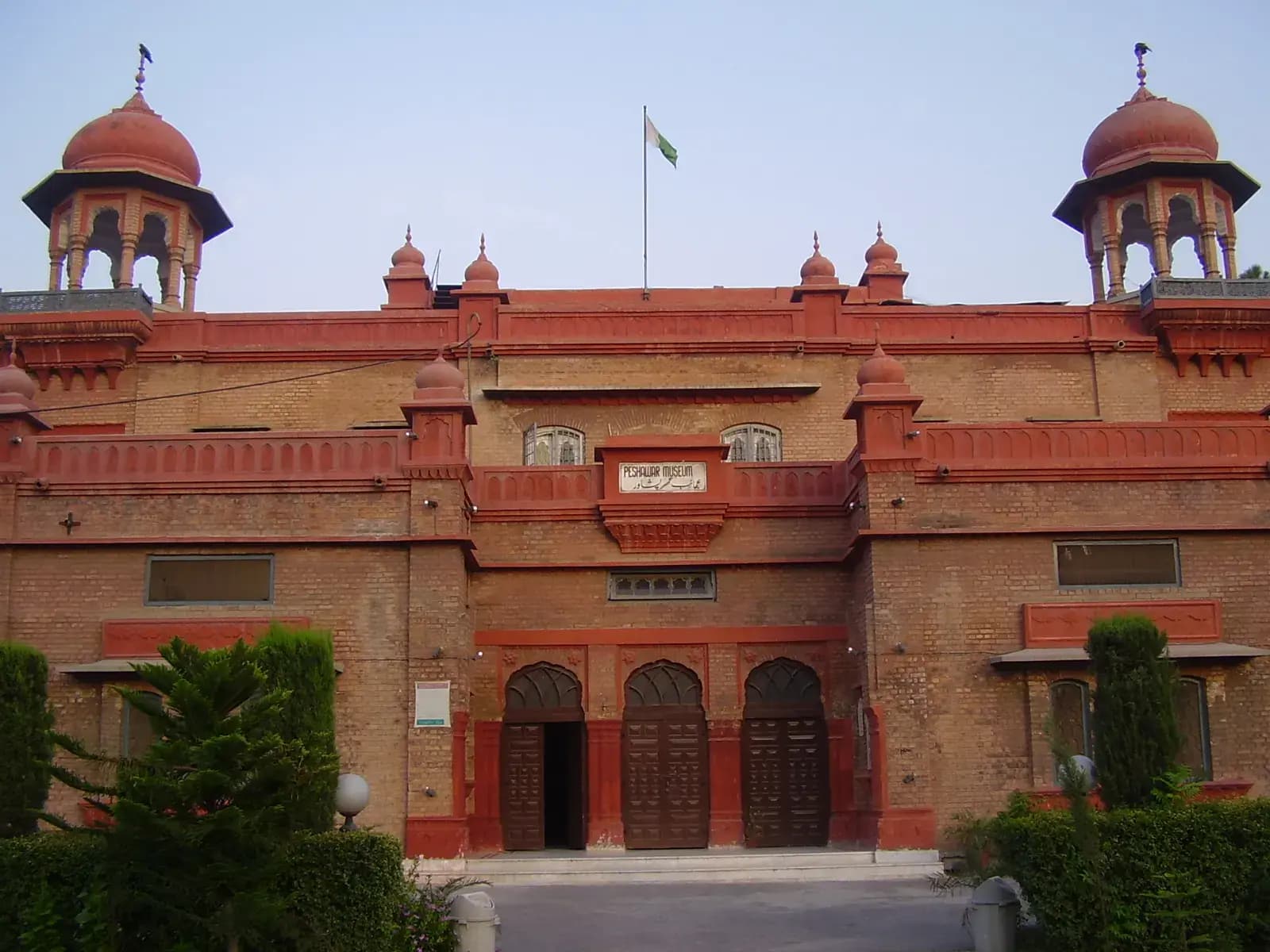
Peshawar Museum
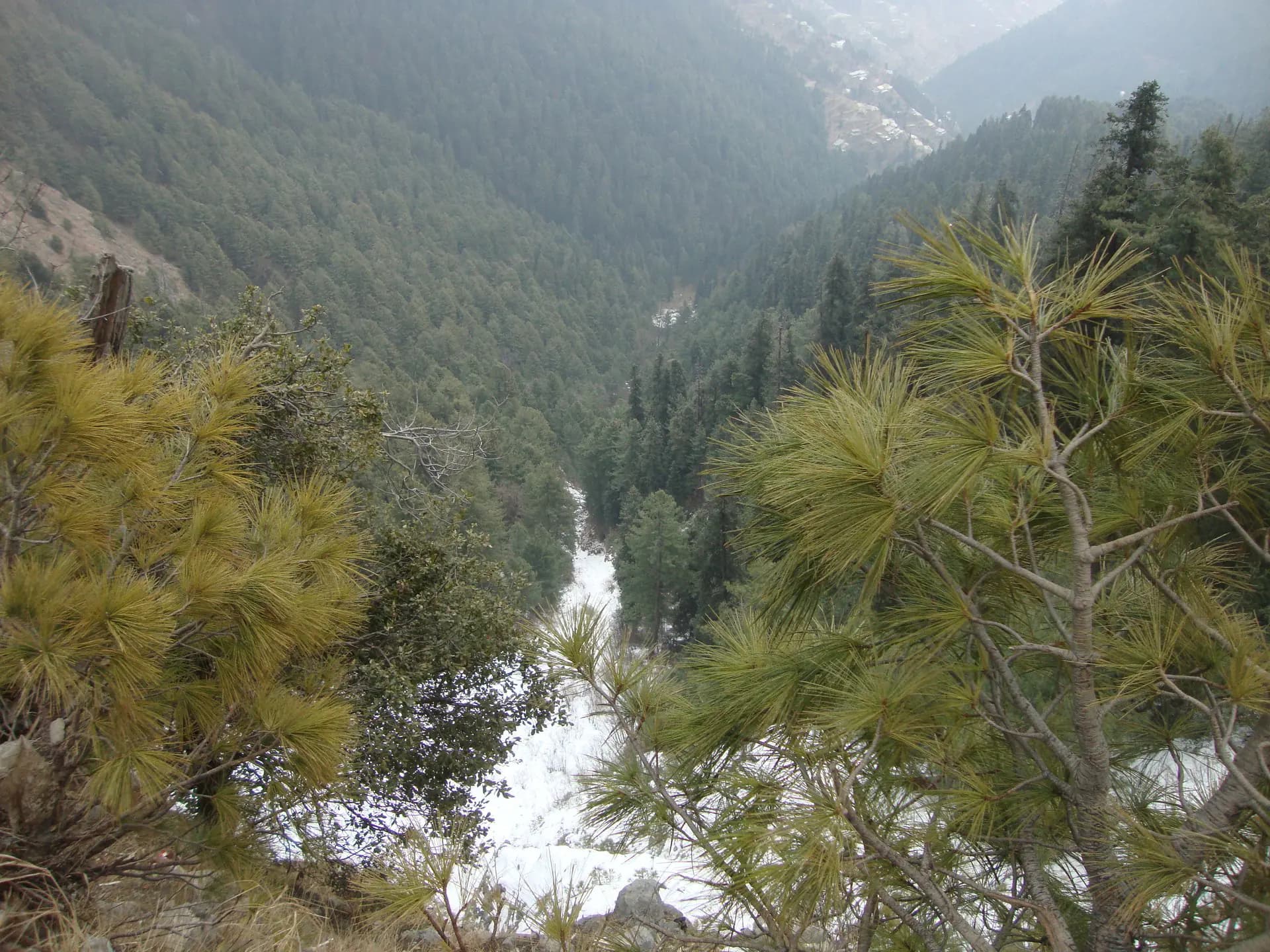
Nathia Gali
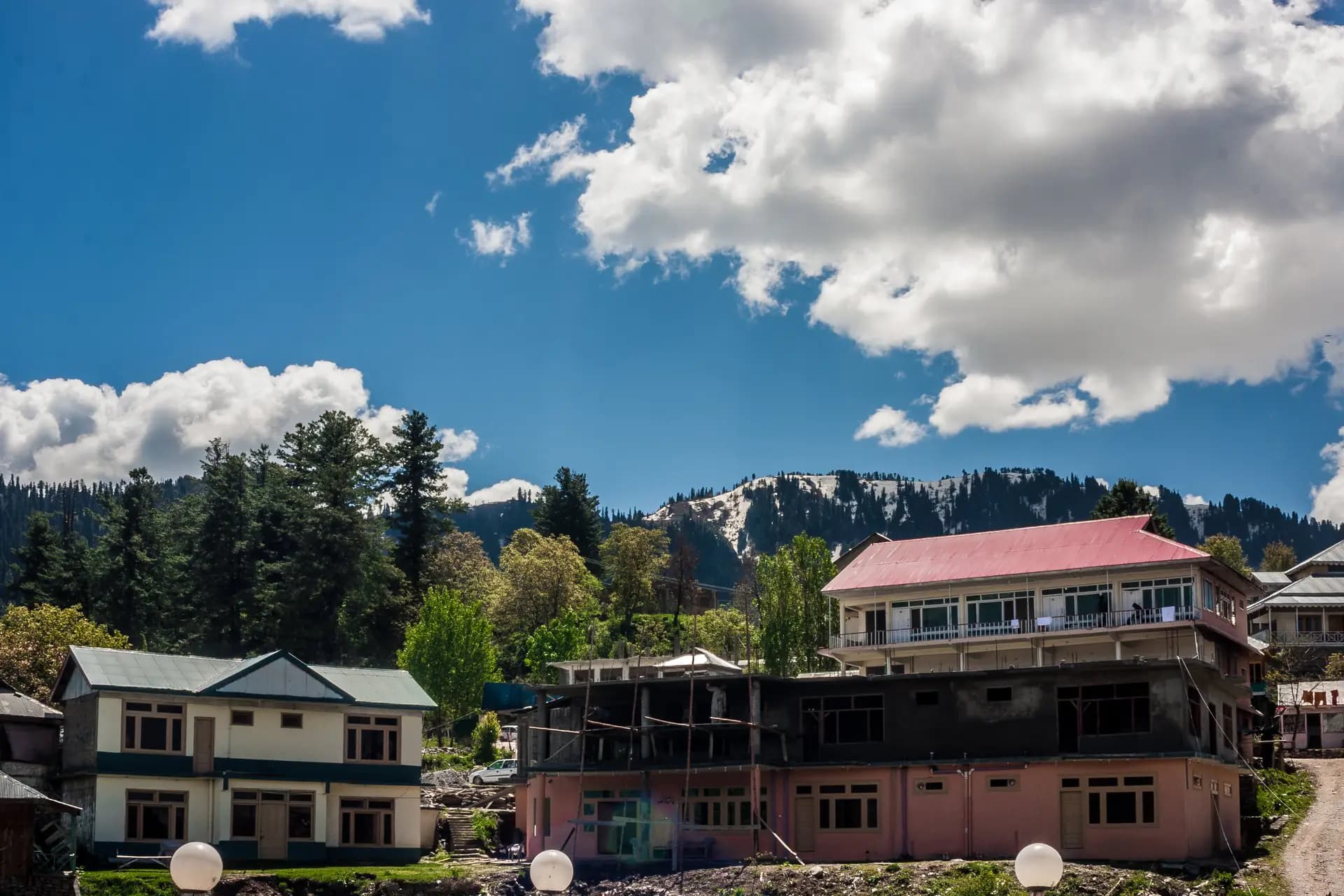
Shogran
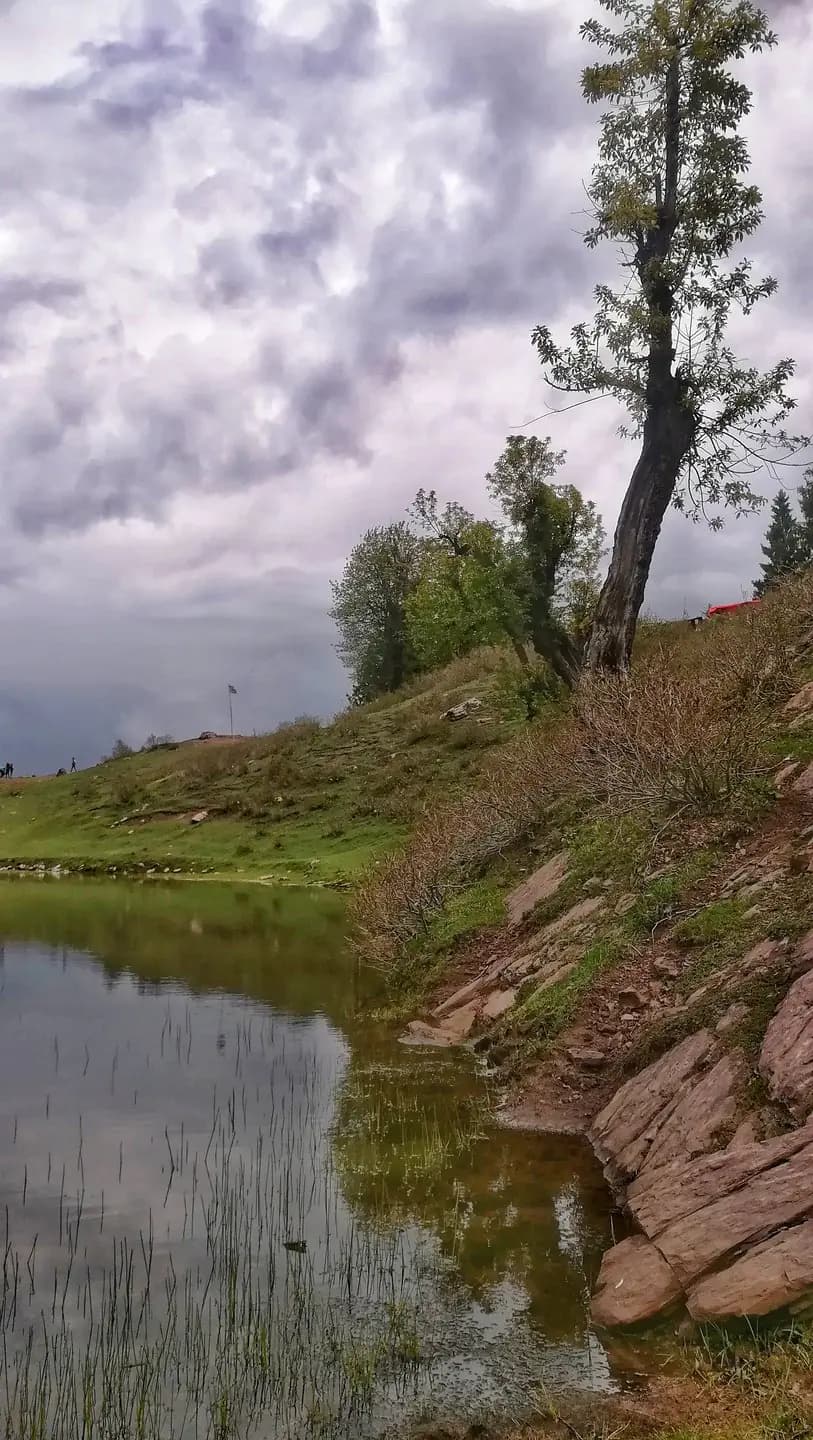
Siri Lake
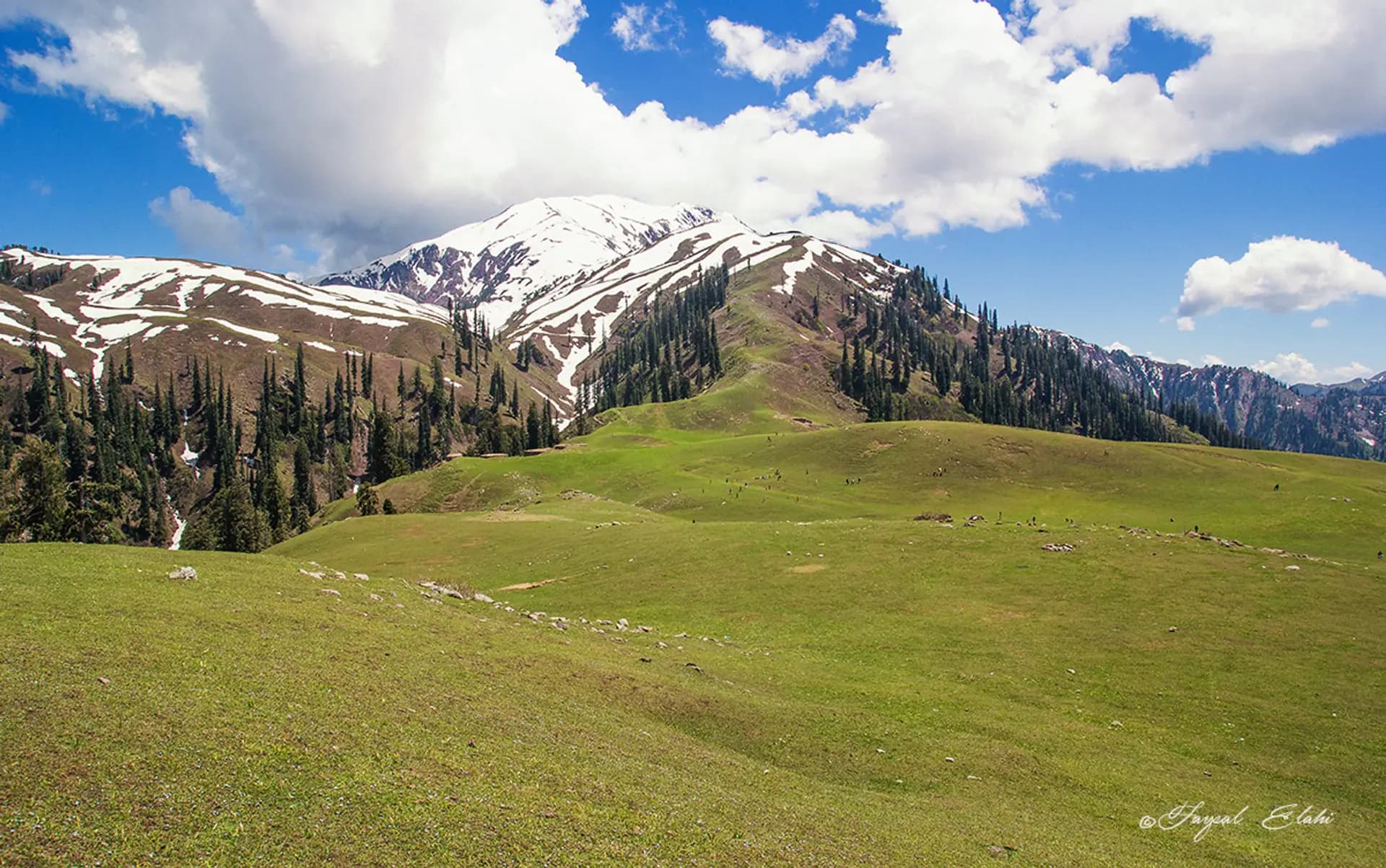
Paye Meadows
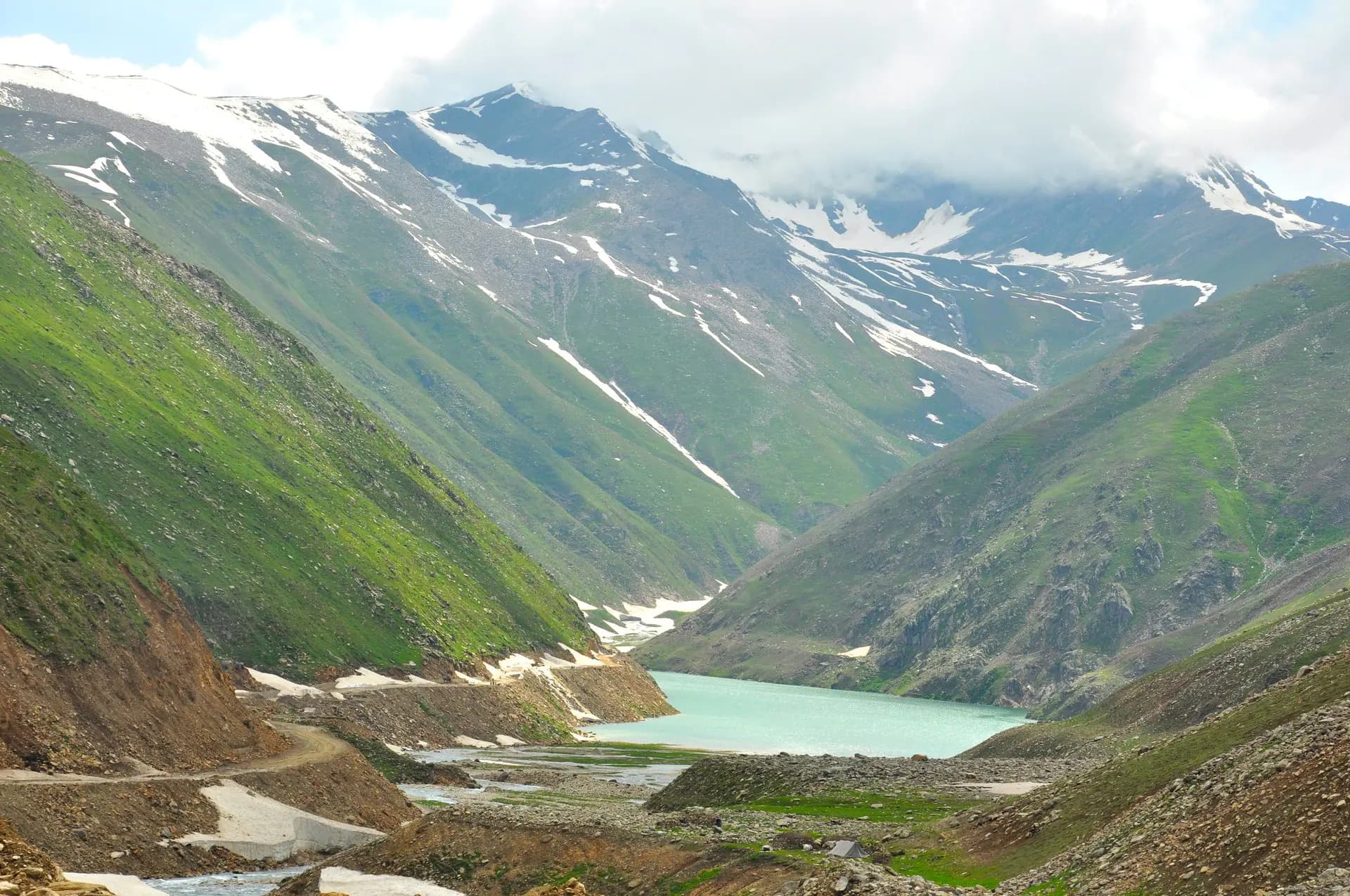
Lulusar Lake
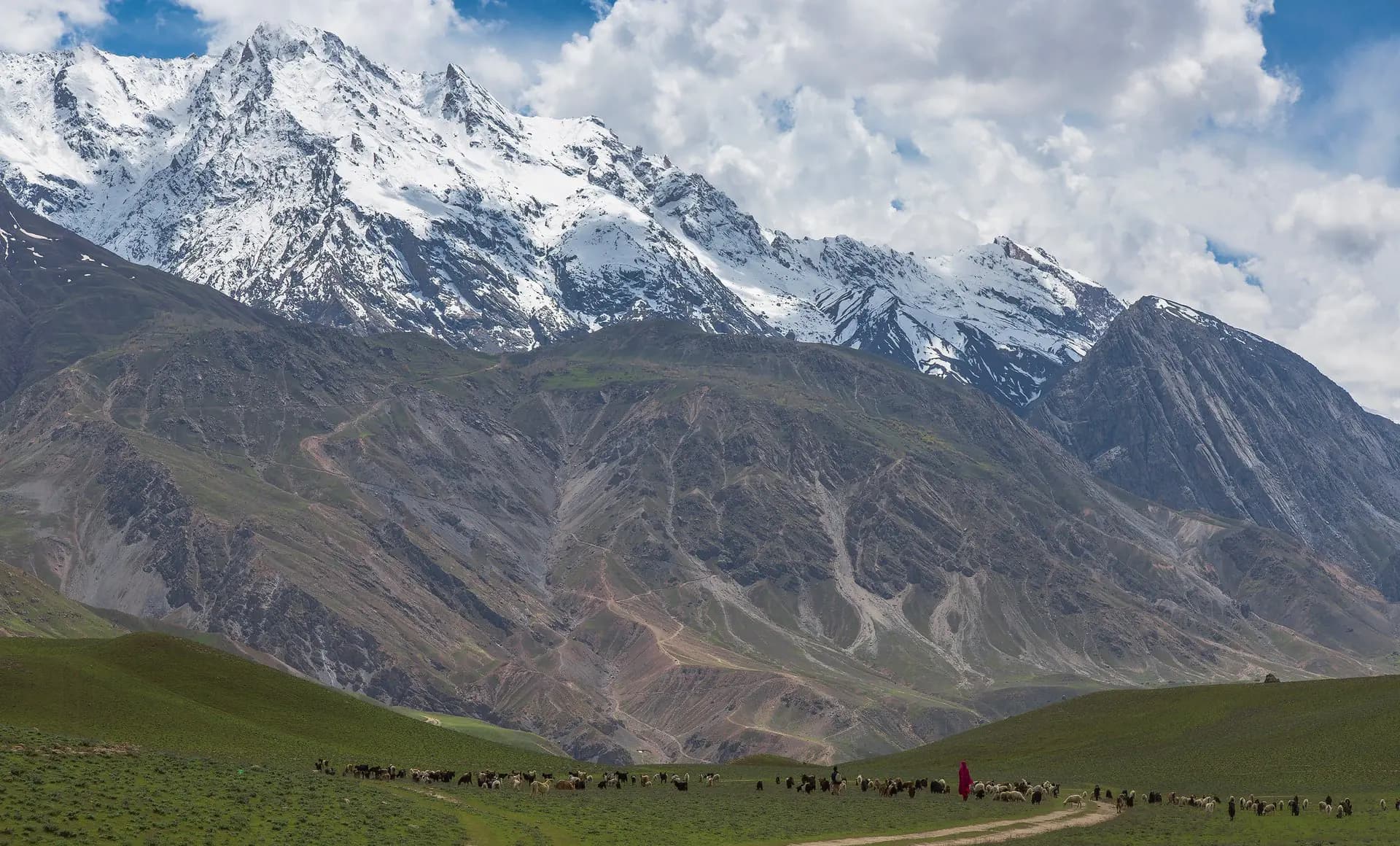
Chitral Gol National Park
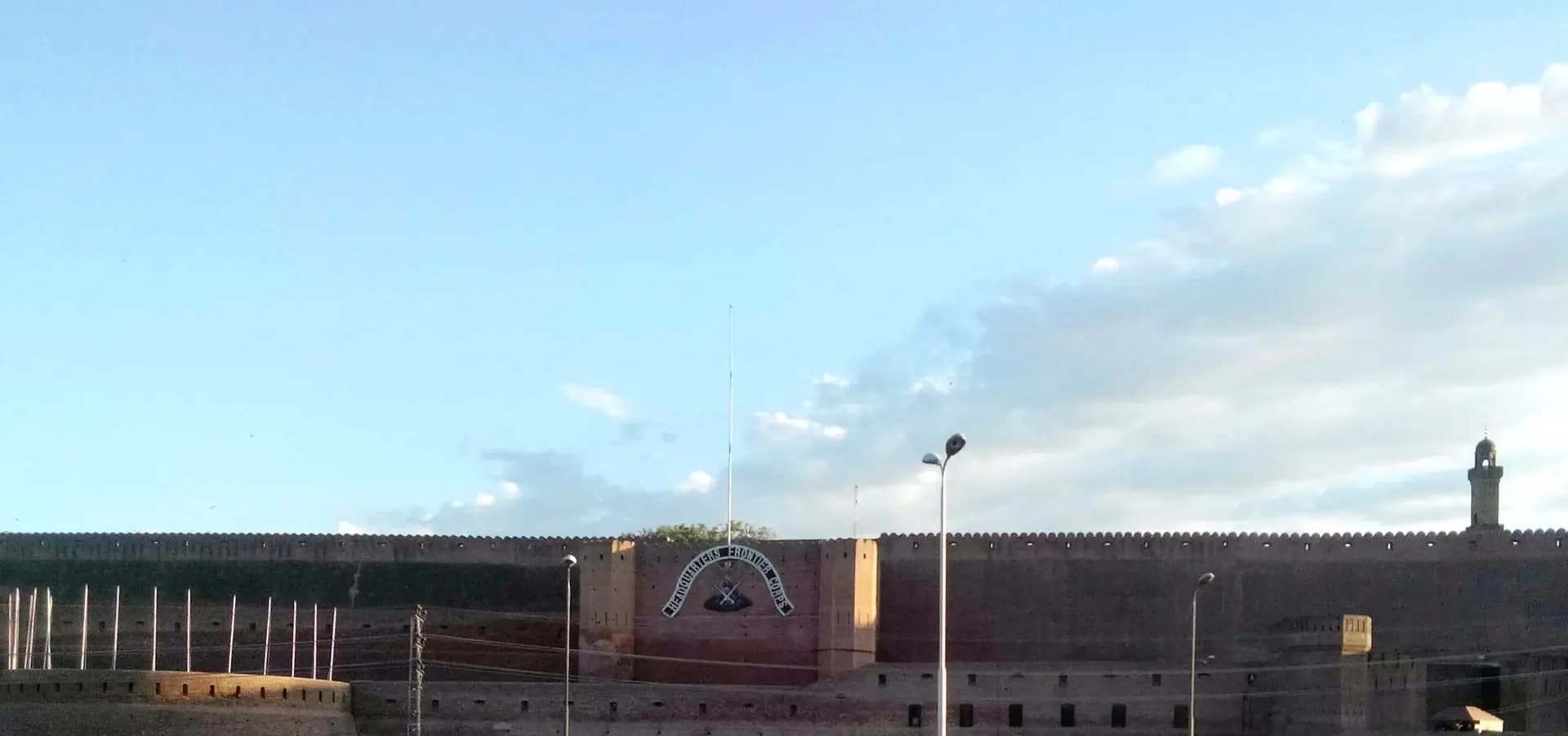
Bala Hisar Fort
A suggested route
Classic KP · 10 Days
Islamabad to Chitral and back through the valleys, festival dates and road conditions shape the final route.
Stop 1 of 6 · Day 1
Islamabad to Ayubia
Day 1
Islamabad to Ayubia
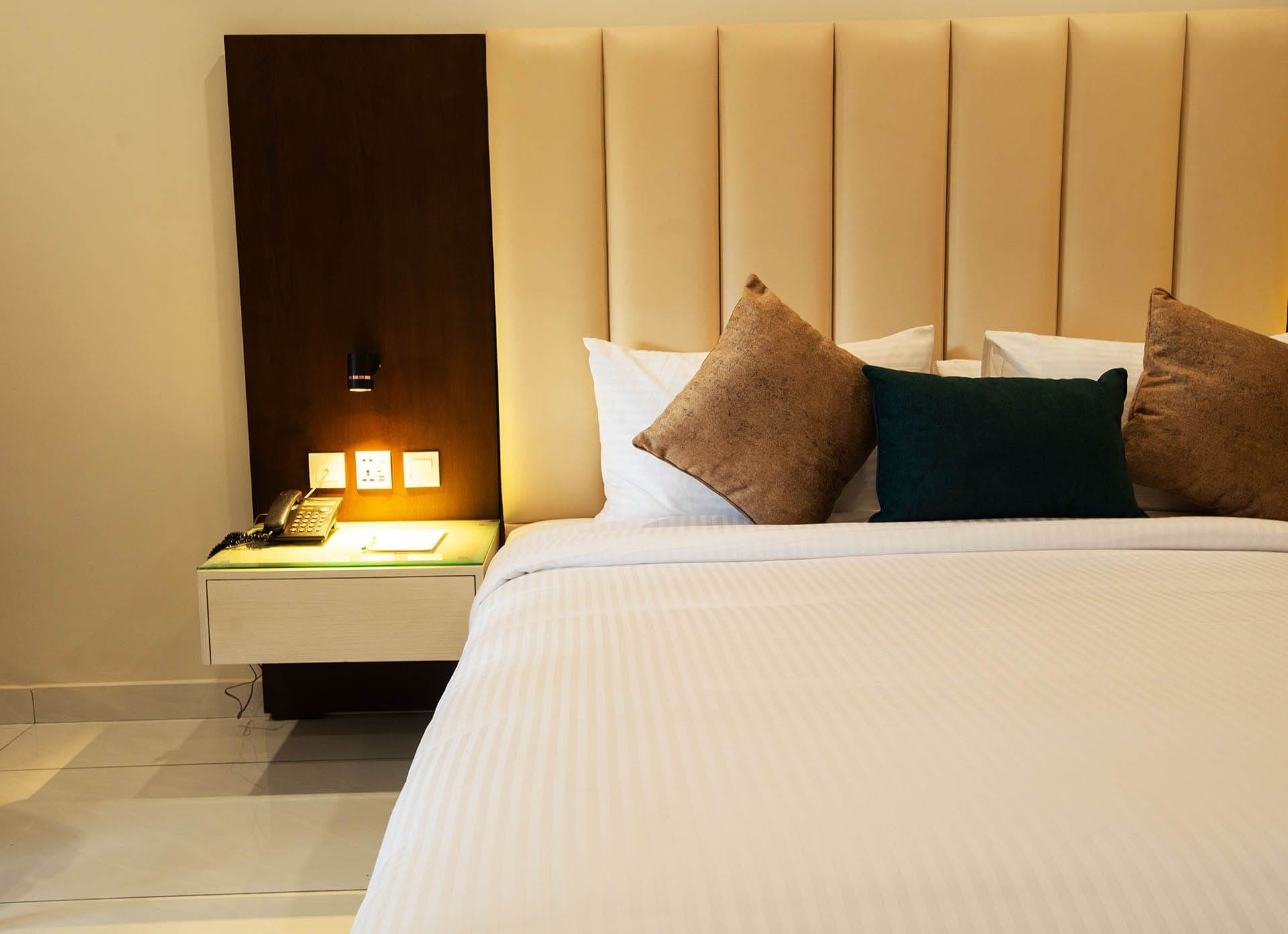
Pine-forest arrival on the Galiyat ridge, the old pipeline walking track and dark-sky glamping at Bansra Gali optional.
Days 2-3
Kaghan & Naran
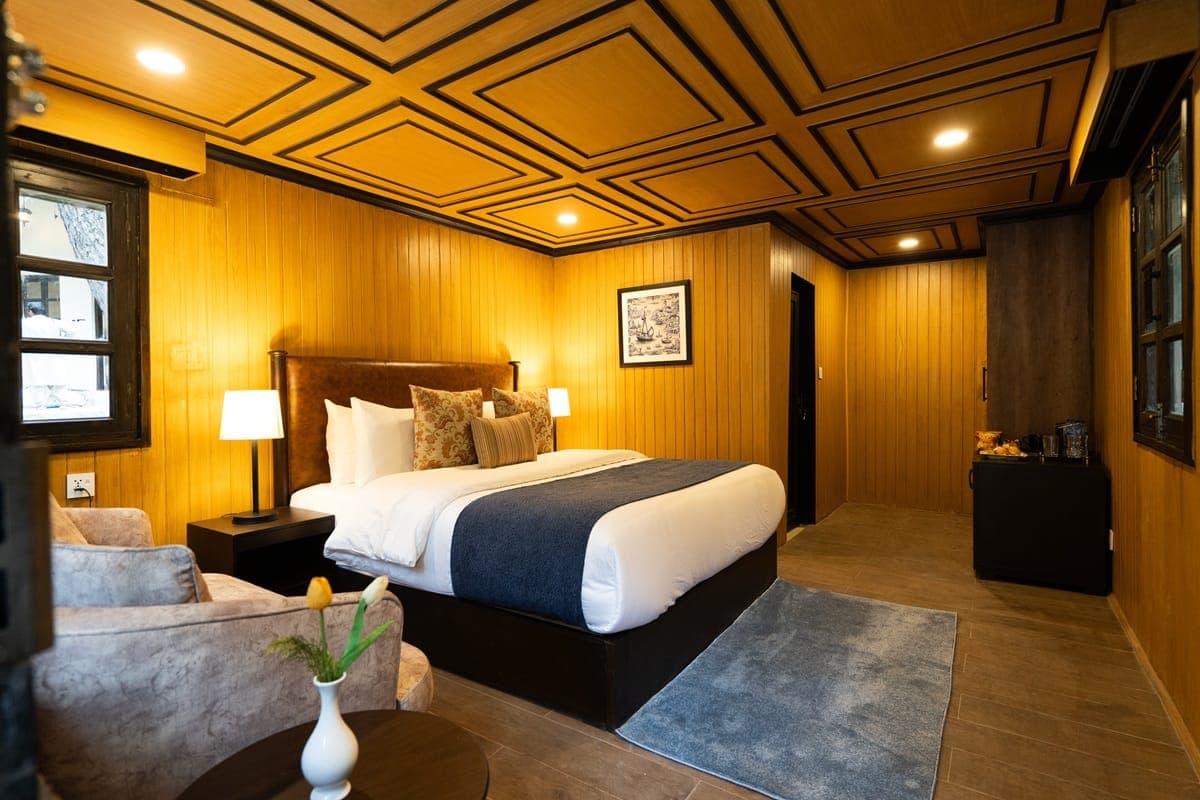
The Kunhar river valley, Balakot as the gateway, riverside nights at Naran, and Lake Saiful Muluk at dawn before the crowds and cloud build.
Days 4-5
Swat & Kalam
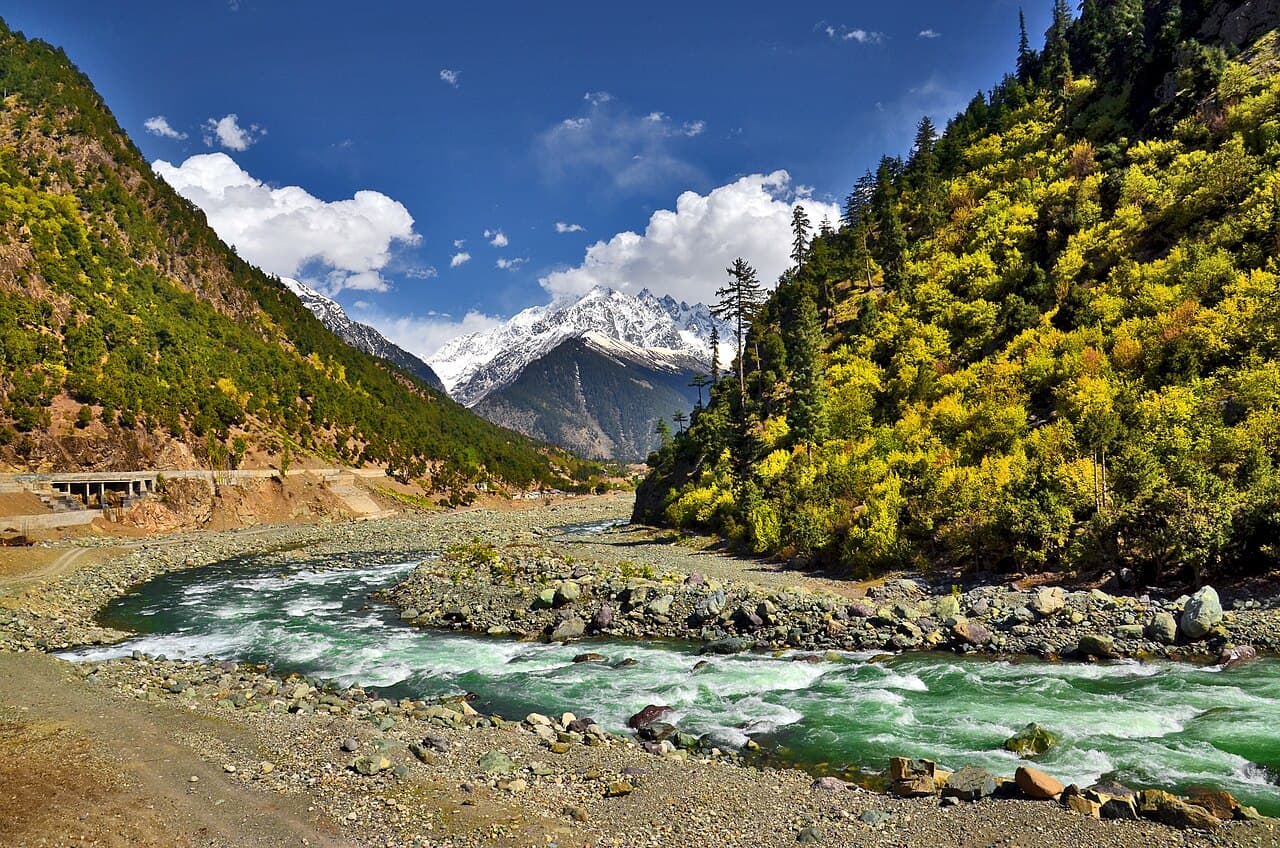
Buddhist-era stops on the way up the valley, trout lunches in Kalam, and a half-day out to Mahodand Lake in the Ushu valley if roads allow.
Days 6-8
Chitral & the Kalasha valleys
Fly or drive over Lowari to Booni, festival days in Bumburet, Rumbur, or Birir with a local guide who knows the etiquette.
Day 9
Shandur or buffer
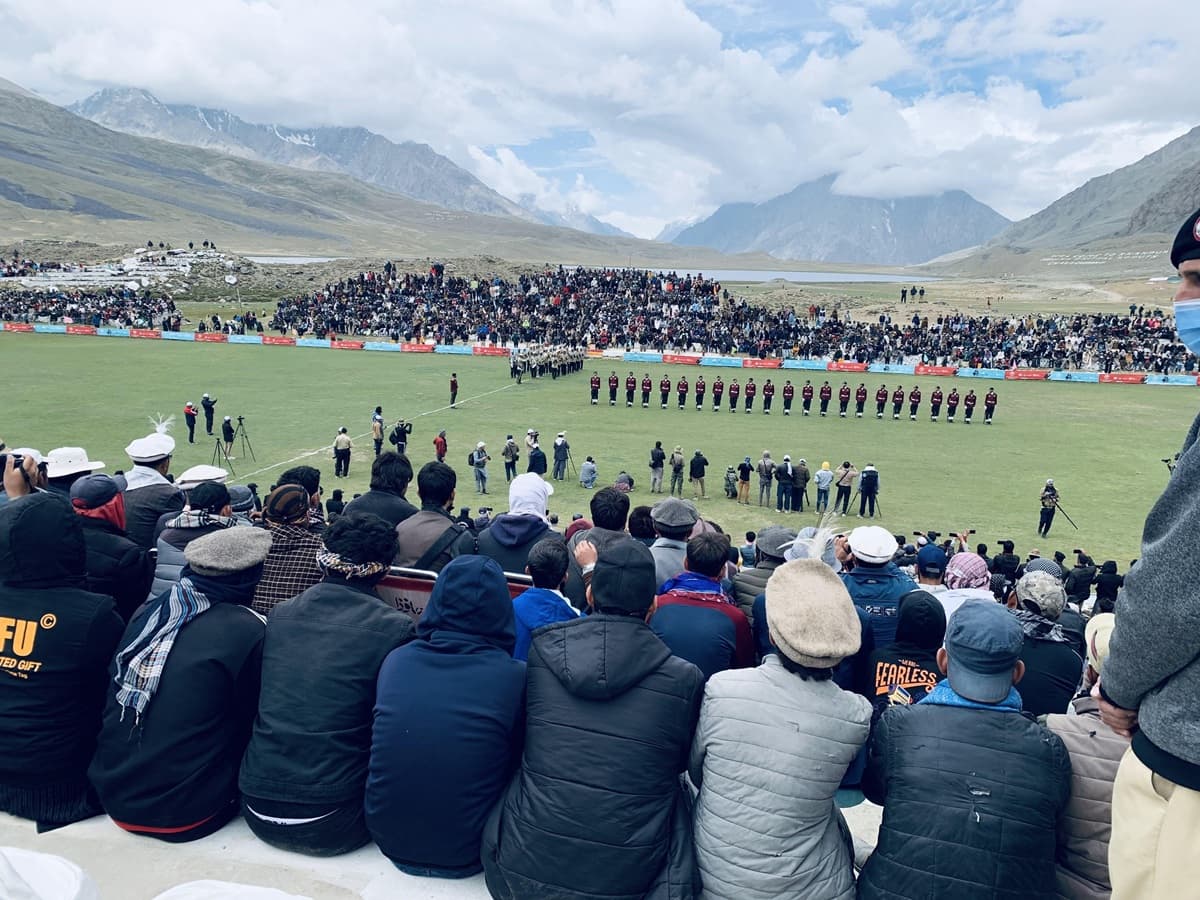
Freestyle polo at 3,700m in early July, or a weather buffer before the return south, Shandur's road is seasonal and weather-dependent.
Day 10
Return to Islamabad
Descent through the hills, with a stop in Peshawar's old city and Qissa Khwani Bazaar if timing allows before the flight or drive home.
Timing
When to Go
Chilam Joshi in the Kalasha valleys (mid-May); lower Galiyat and Swat green up. High Shandur and Babusar still closed.
Shandur polo in early July, Saiful Muluk, Mahodand, and every valley road open, the busiest and most reliable window.
Uchal harvest festival in the Kalasha valleys; clear skies and golden poplars in Swat and Chitral before the passes close.
Choimus winter rites in the Kalasha valleys; Malam Jabba skiing. Upper Chitral and Shandur need specialist access and time buffers.
Through the year
Festivals & Events
AprilQaqlasht Festival
One of Chitral's oldest spring gatherings, polo, paragliding, and mountain culture on the Qaqlasht plateau.
 April - May
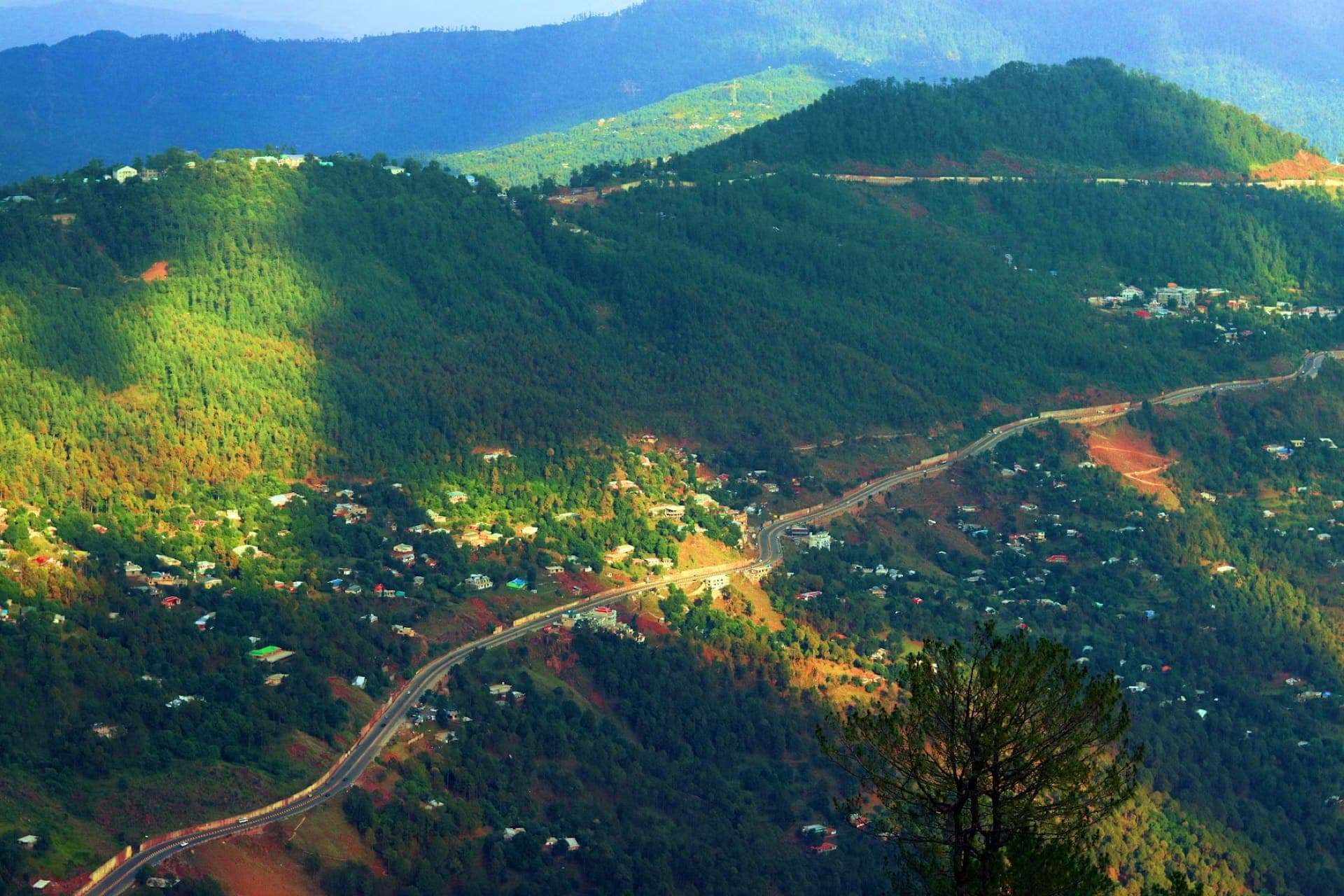
Murree & Galiyat Spring Gala
Pine-forest spring fairs on the ridge above Islamabad, cool air, walking tracks, and the first escape from the plains heat.
 May
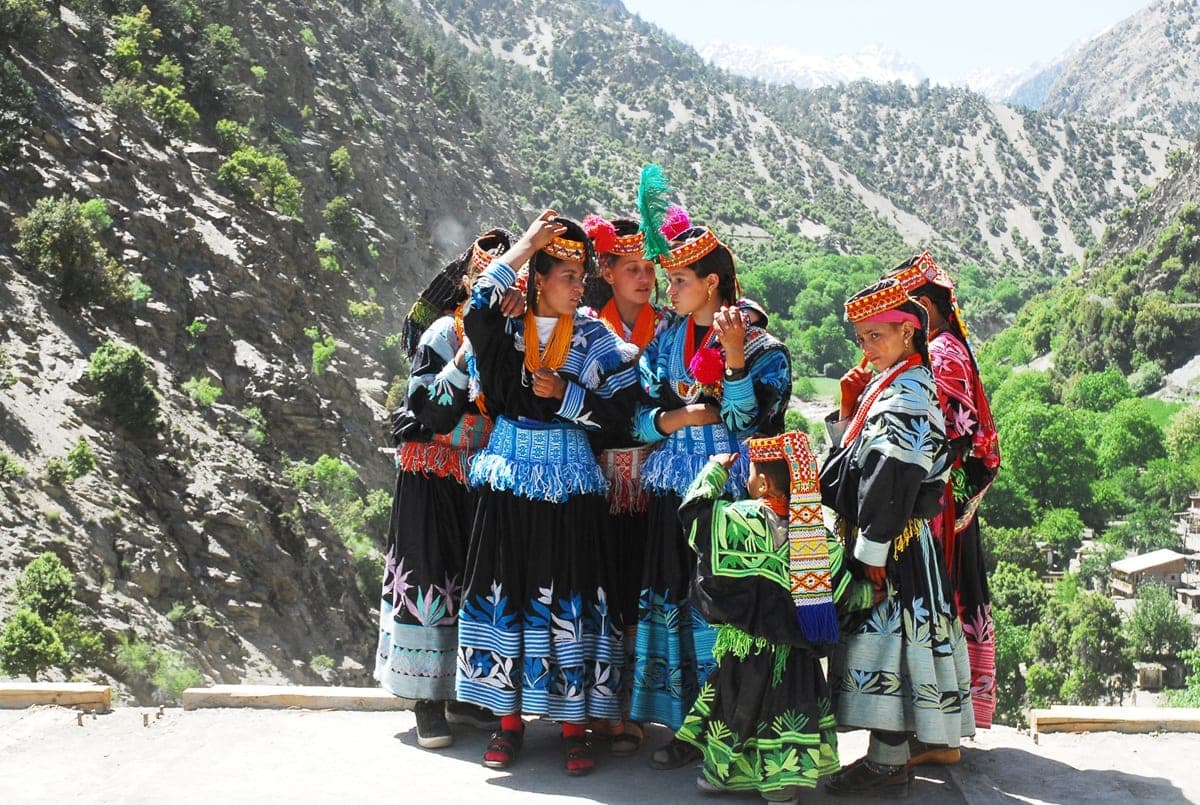
MayChilam Joshi (Joshi)
The Kalasha spring festival, milk stored for days, processions, and group dancing at the Charso grounds in Bumburet.
 June - July
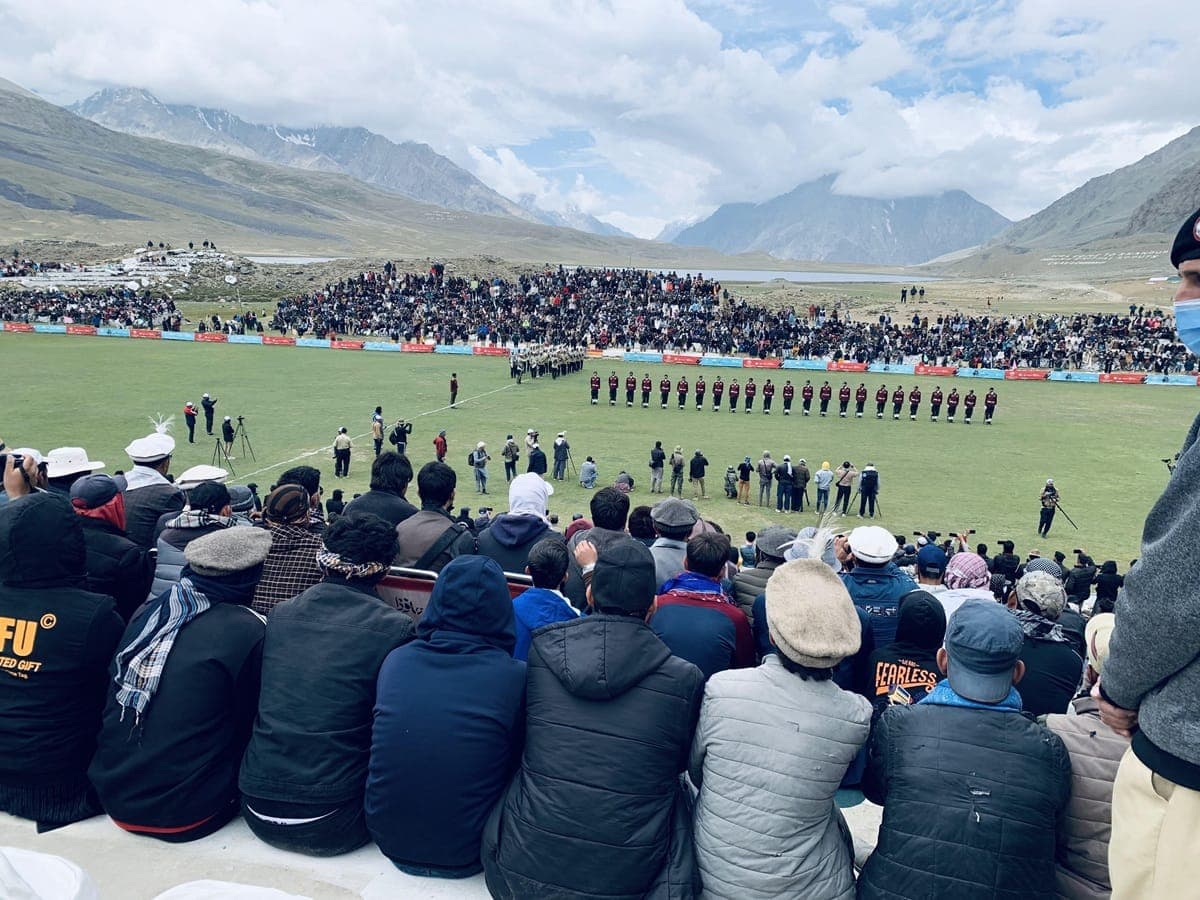
Shandur Polo Festival
The world's highest polo ground, Chitral and Gilgit teams meet on a plateau above the clouds.
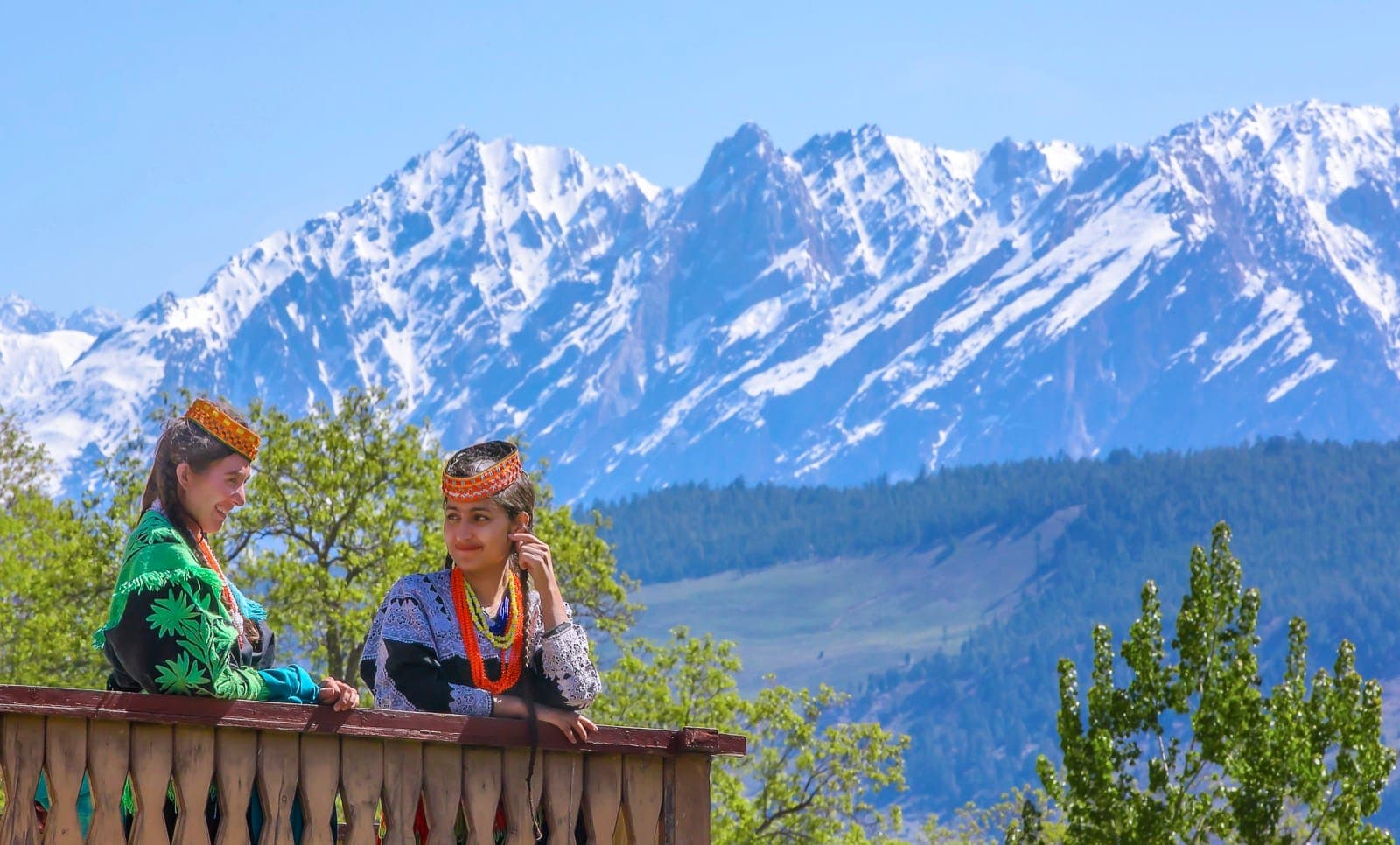
July - AugustKalam Summer Festival
Swat's high-summer festival in Kalam, cultural shows, crafts, music, and mountain adventure in the upper valley.
 Late August
Uchal (Uchau)
Kalasha harvest thanksgiving, cheese, bread, and rituals marking the end of the high pasture season.
 August
Babusar Polo Cup & Alpine Festival
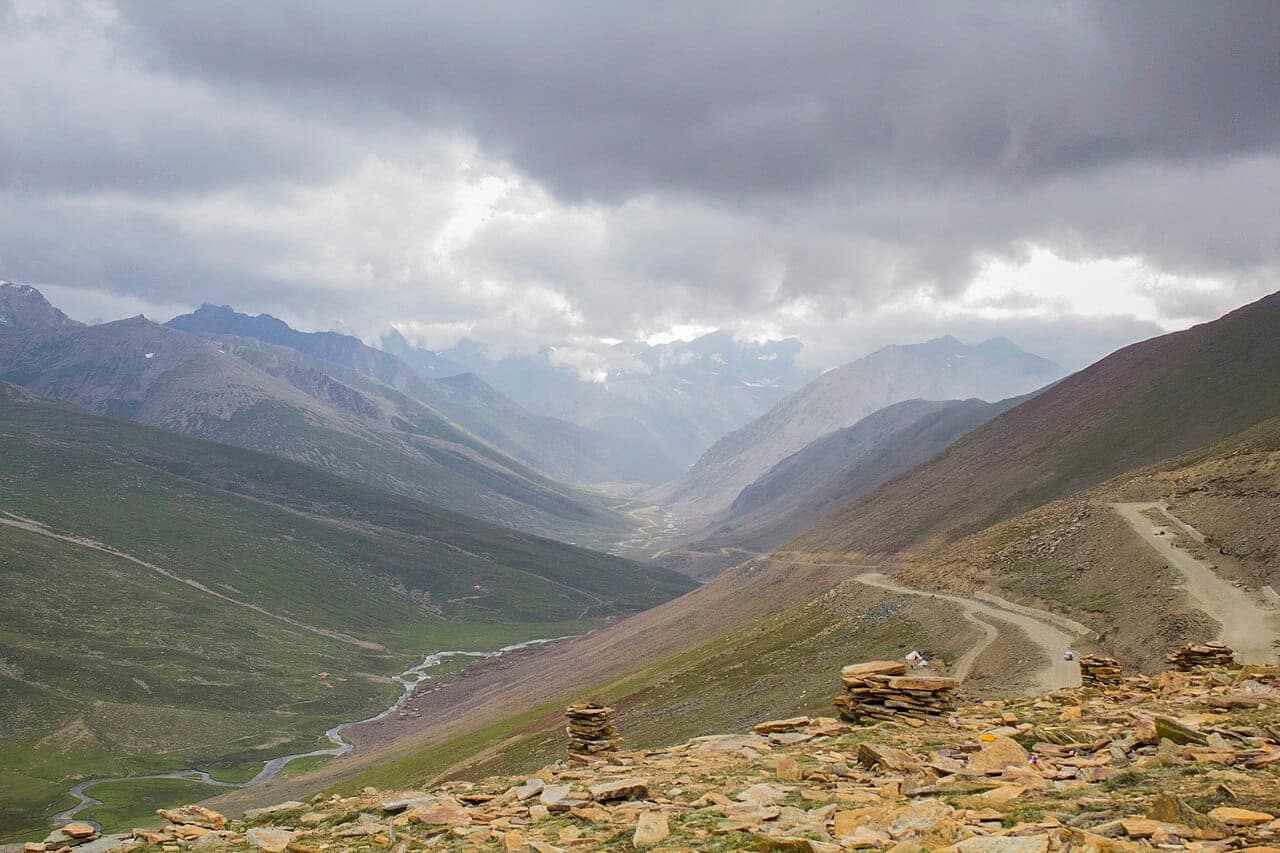
High-altitude polo and alpine culture where the Kaghan valley meets Gilgit-Baltistan, golden poplars and the last open pass roads.
August - SeptemberBroghil Festival
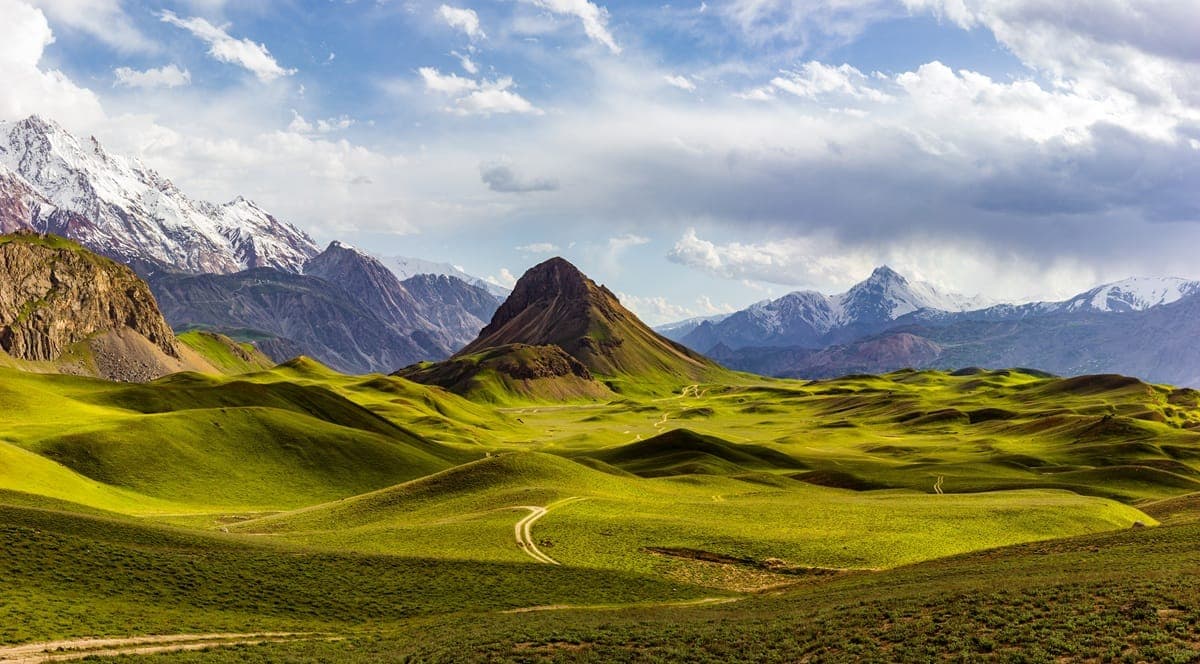
A remote Wakhi mountain festival in upper Chitral, yak polo, buzkashi, horse sports, and high-altitude valley life.
 September - October
Pul Festival
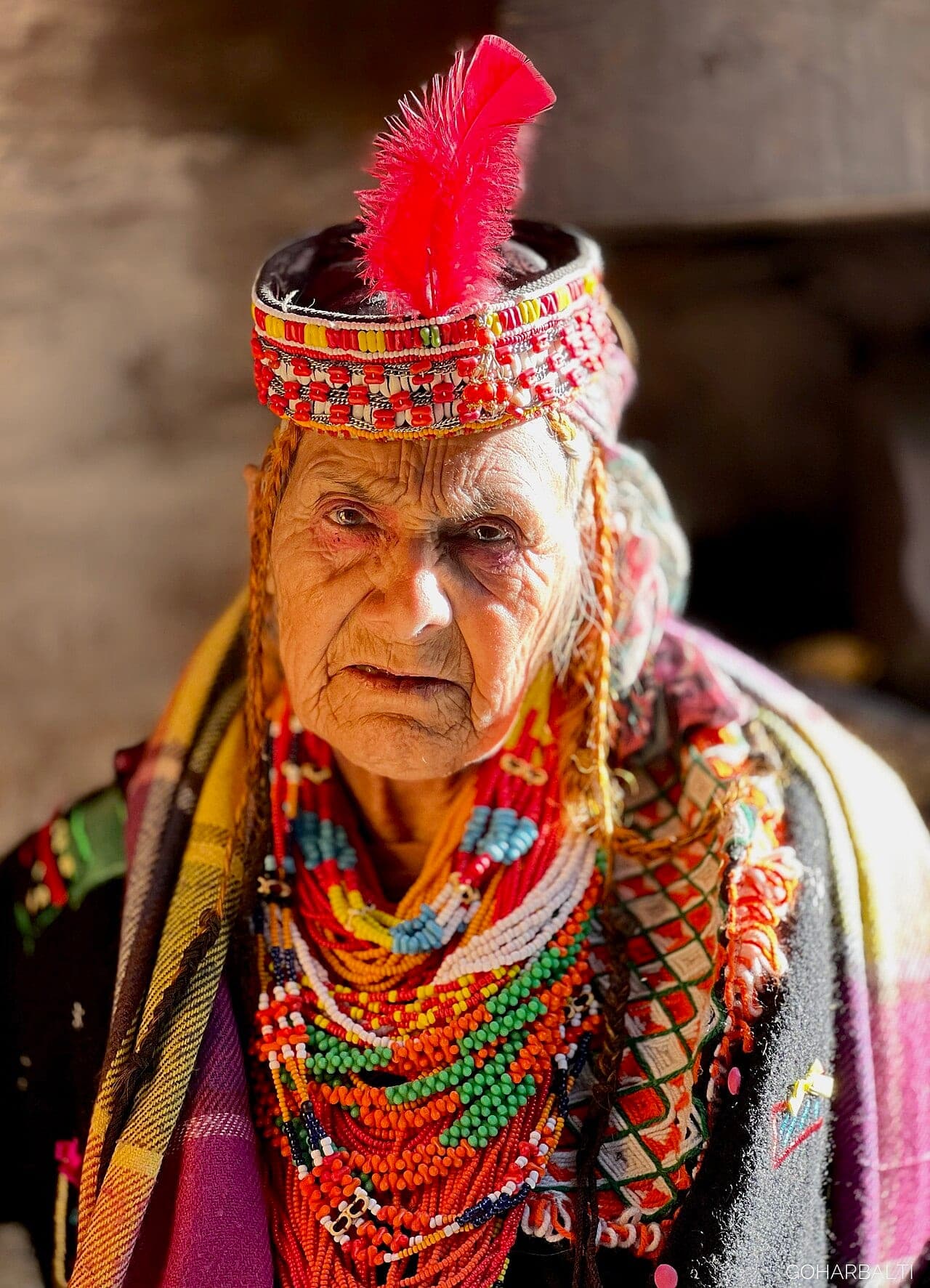
The autumn festival celebrated only in Birir, the smallest and most secluded of the three Kalasha valleys.
 23 September
Pashtun Culture Day
Attan dance, rubab music, poetry, and hospitality, a celebration of Pashtun identity across KP and beyond.
 December
Choimus (Chawmos)
The Kalasha winter solstice festival, fire, feasting, and rites that carry the community through the coldest months.
Eat & culture
Frontier Feasts
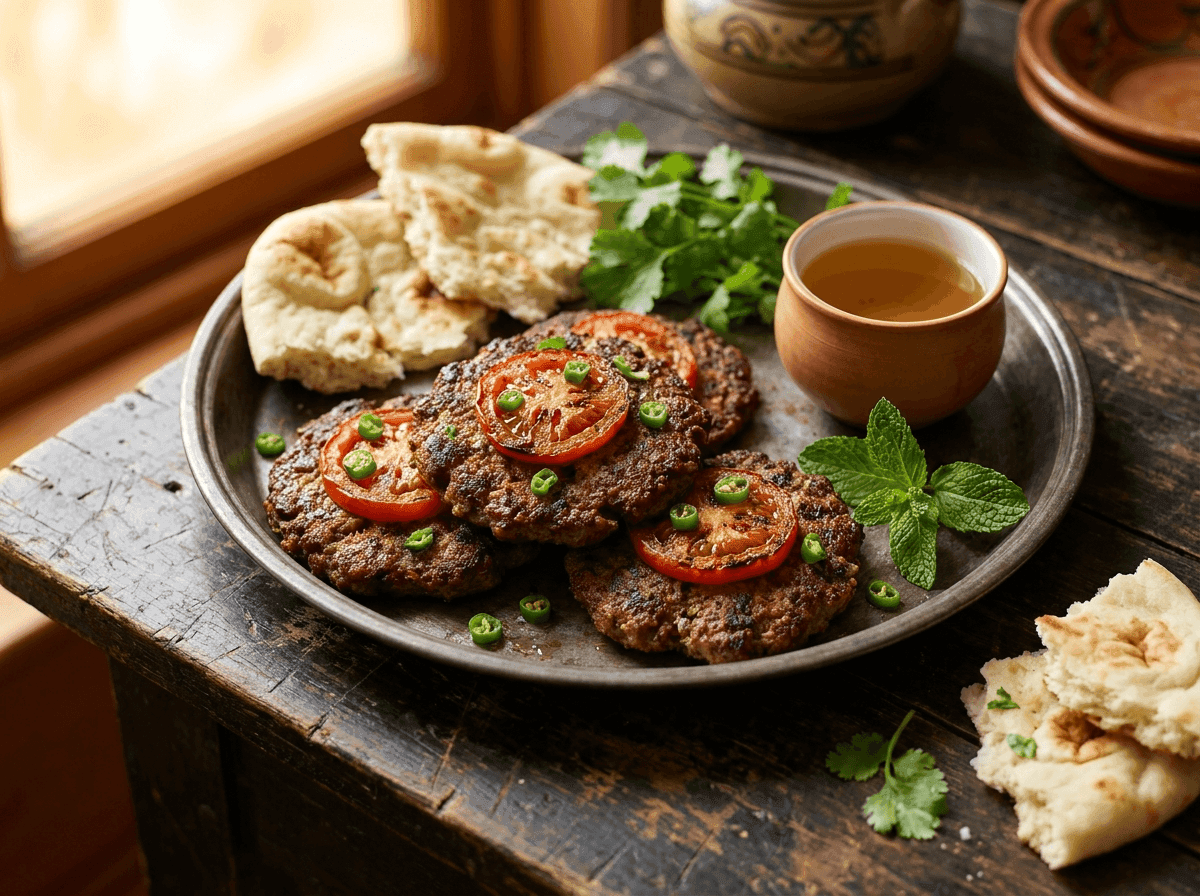
Chapli kebab in Peshawar's Qissa Khwani Bazaar, trout fresh from Swat's rivers, and walnut bread in Chitral. Festival days in the Kalasha valleys have their own seasonal dishes, travel with a guide who knows local etiquette before joining a meal.
Good to know
Getting Around & Practicalities
Getting There
Fly Islamabad-Peshawar or Islamabad-Chitral (weather-dependent, especially in Chitral), or drive the Kaghan and Swat valleys direct from Islamabad. Naran and Ayubia are half-day to full-day road trips from the capital; Chitral by road crosses the Lowari Tunnel.
Kalasha calendar
Chilam Joshi runs in mid-May across Bumburet, Rumbur, and Birir; Uchal marks the harvest in late summer; Birir alone keeps Pul each autumn; Choimus carries the community through the winter solstice. Each festival has its own etiquette, these are sacred occasions as well as social ones, and we always travel with a guide who knows the households hosting that year.
GreenPak bases
Properties from Ayubia and Naran through Kalam and Booni anchor festival timing and multi-valley loops without rushing sacred days or long mountain roads.
Journeys Here
Journey finder →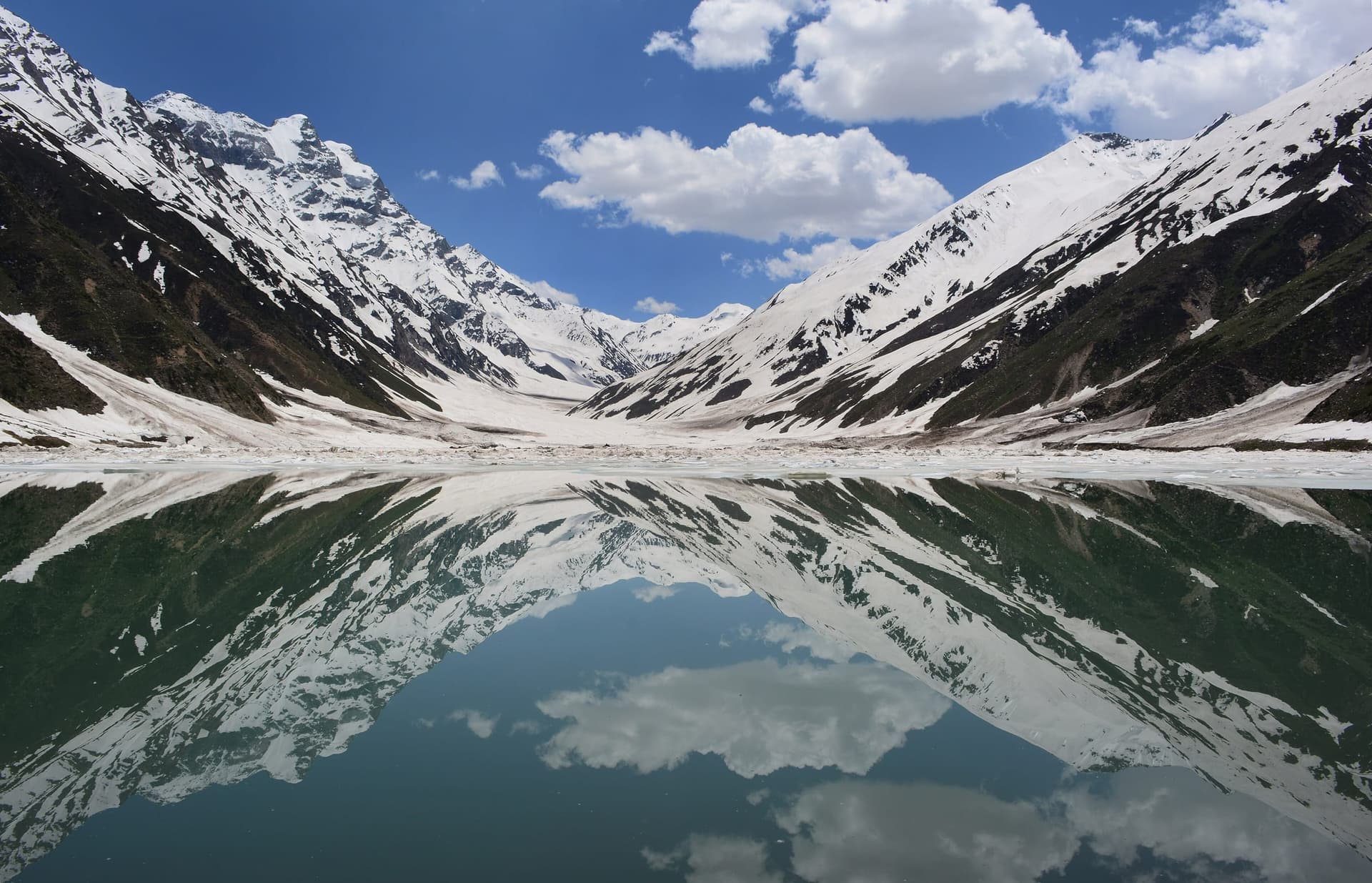
Stories from Khyber Pakhtunkhwa
Read the journal →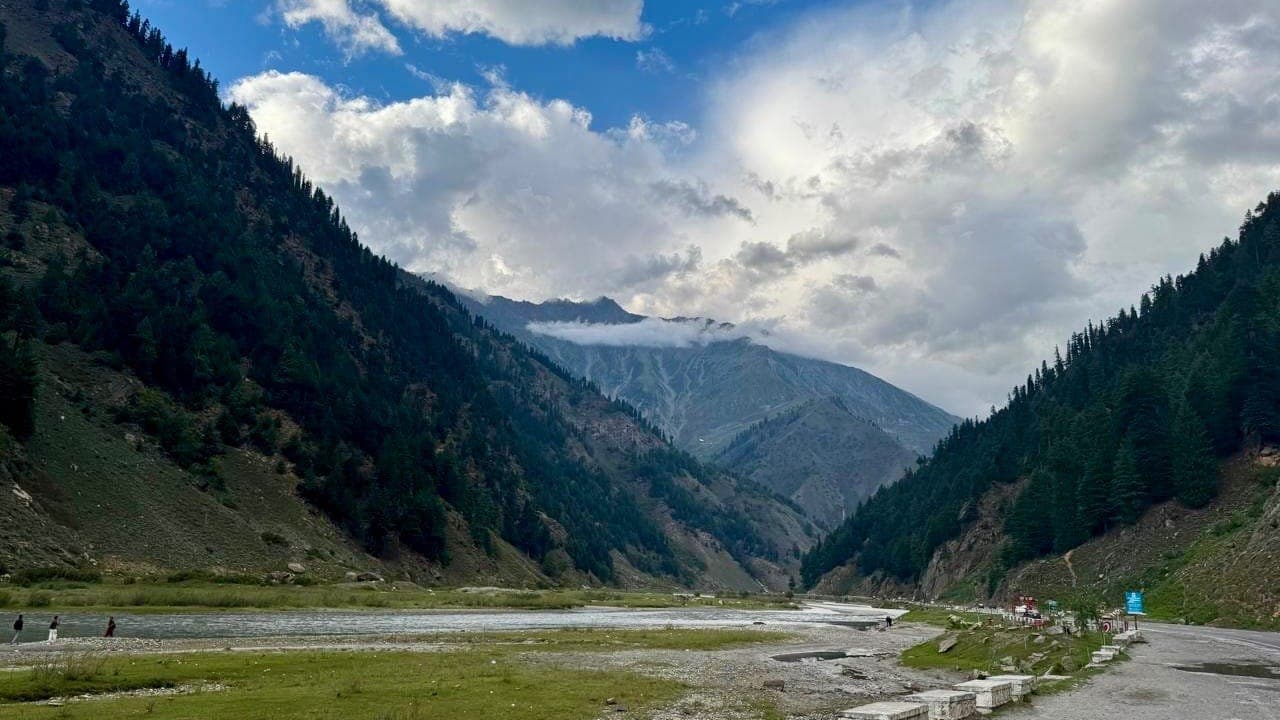
Before you ask
Common Questions
Chilam Joshi runs mid-May across Bumburet, Rumbur, and Birir, with Milk Day, Flower Day, and closing celebrations over roughly four days. Uchal follows at the summer harvest, Birir alone keeps Pul each autumn, and Choimus carries through the winter solstice. Travel with a guide who understands local customs, these are living religious festivals, not performances.
Yes, allow at least ten days and build in a buffer for road and weather delays over the Lowari Tunnel or Shandur. Many guests fly to Chitral, spend festival or trekking days in the Kalasha valleys, then descend through Swat on the return leg.
Most highlights, Saiful Muluk, the Kalasha valleys, Mahodand, are vehicle-based with short, easy walks. Higher treks and the Shandur road need moderate fitness and time flexibility for weather; we'll advise honestly on any route before you book.
May-October for valleys, treks, and festivals. Mid-May for Chilam Joshi, early July for Shandur polo, and September-October for clear skies and colour before the high passes close for winter.
Ready to Explore Khyber Pakhtunkhwa?
Tell us your dates and whether festivals matter, we'll shape a route around sacred days and road pace.